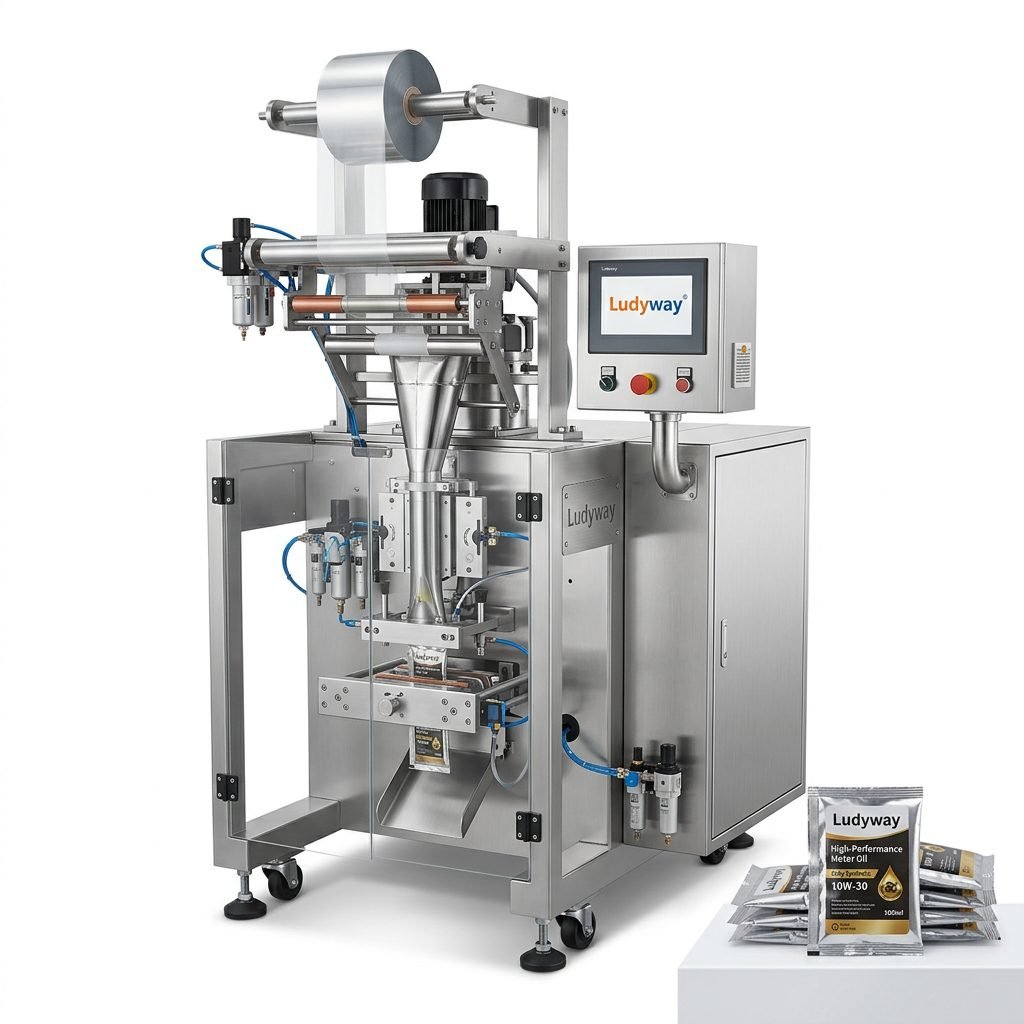
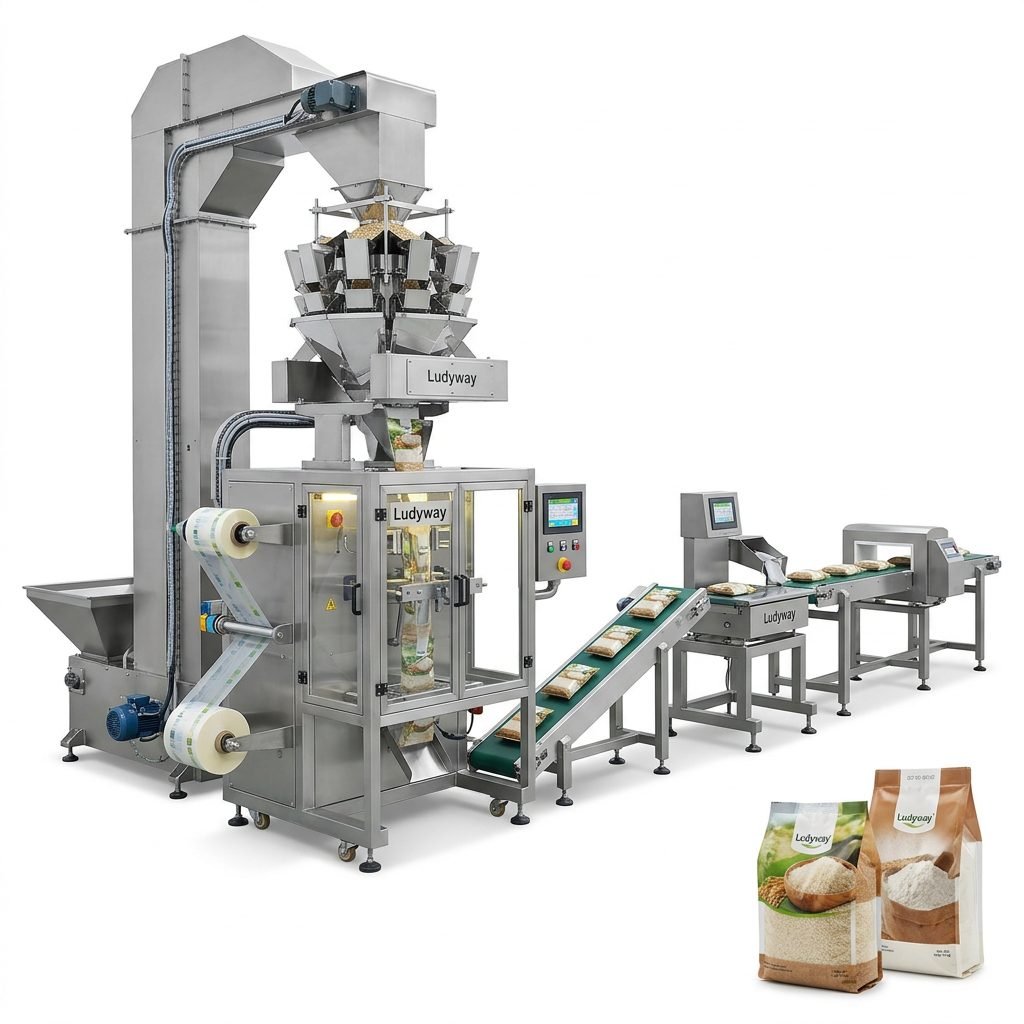
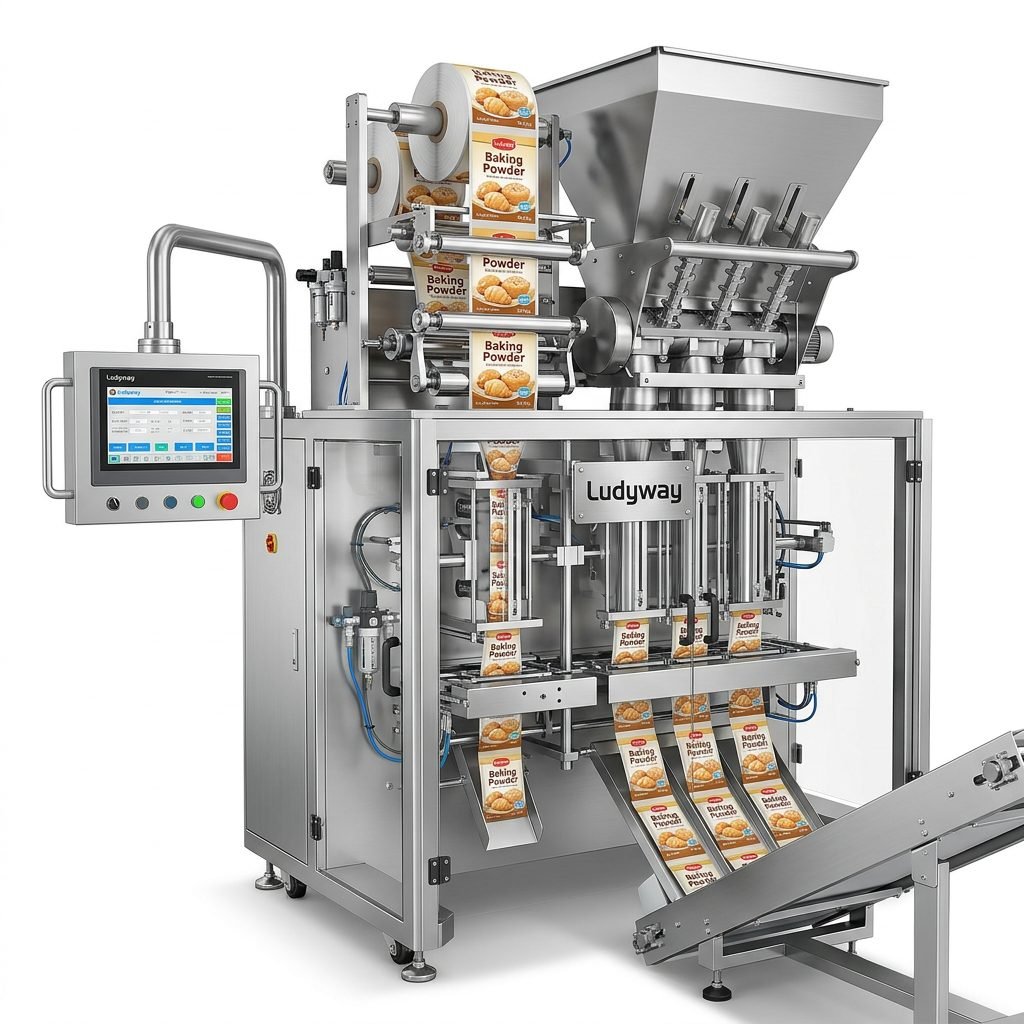
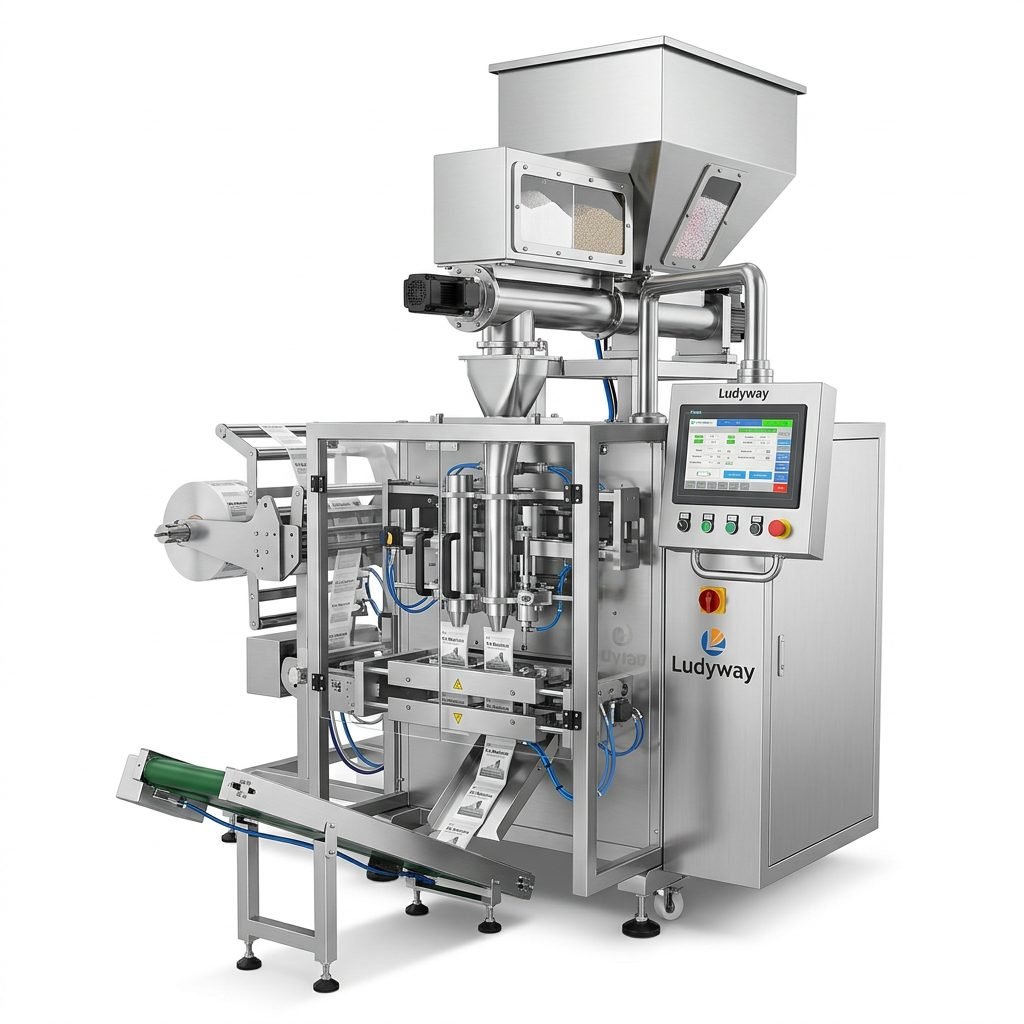
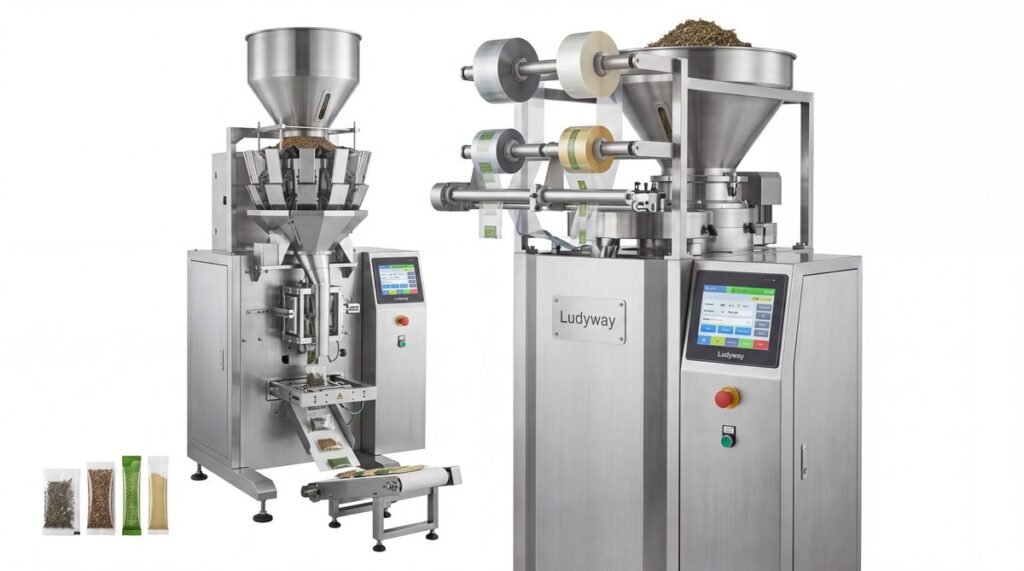
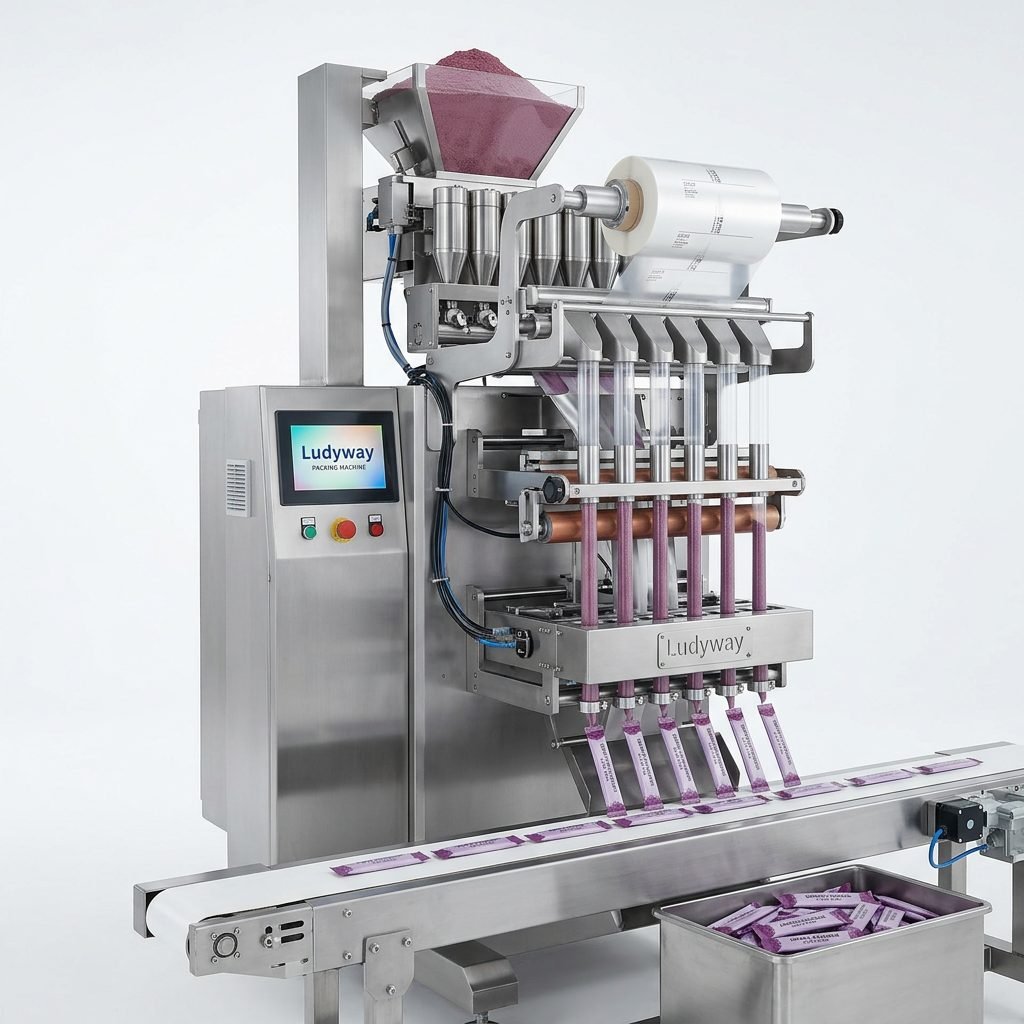
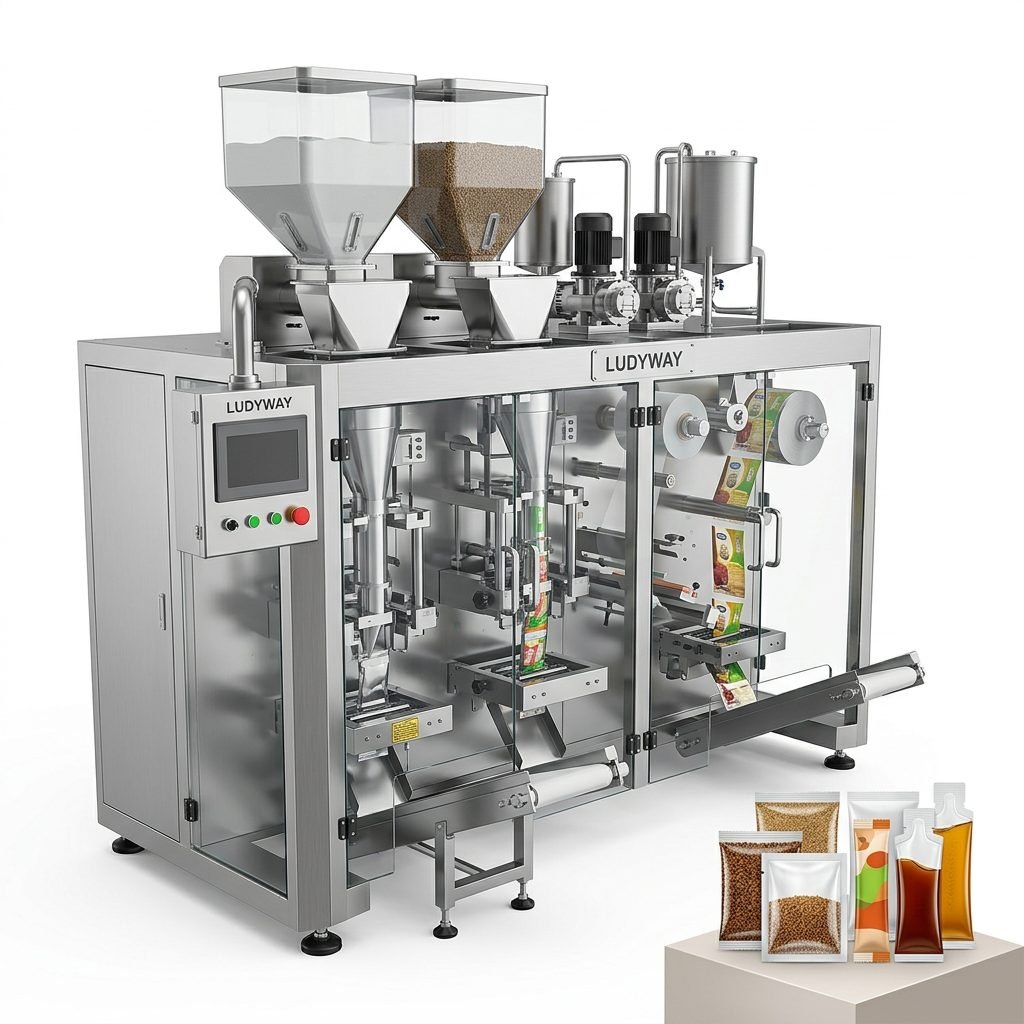
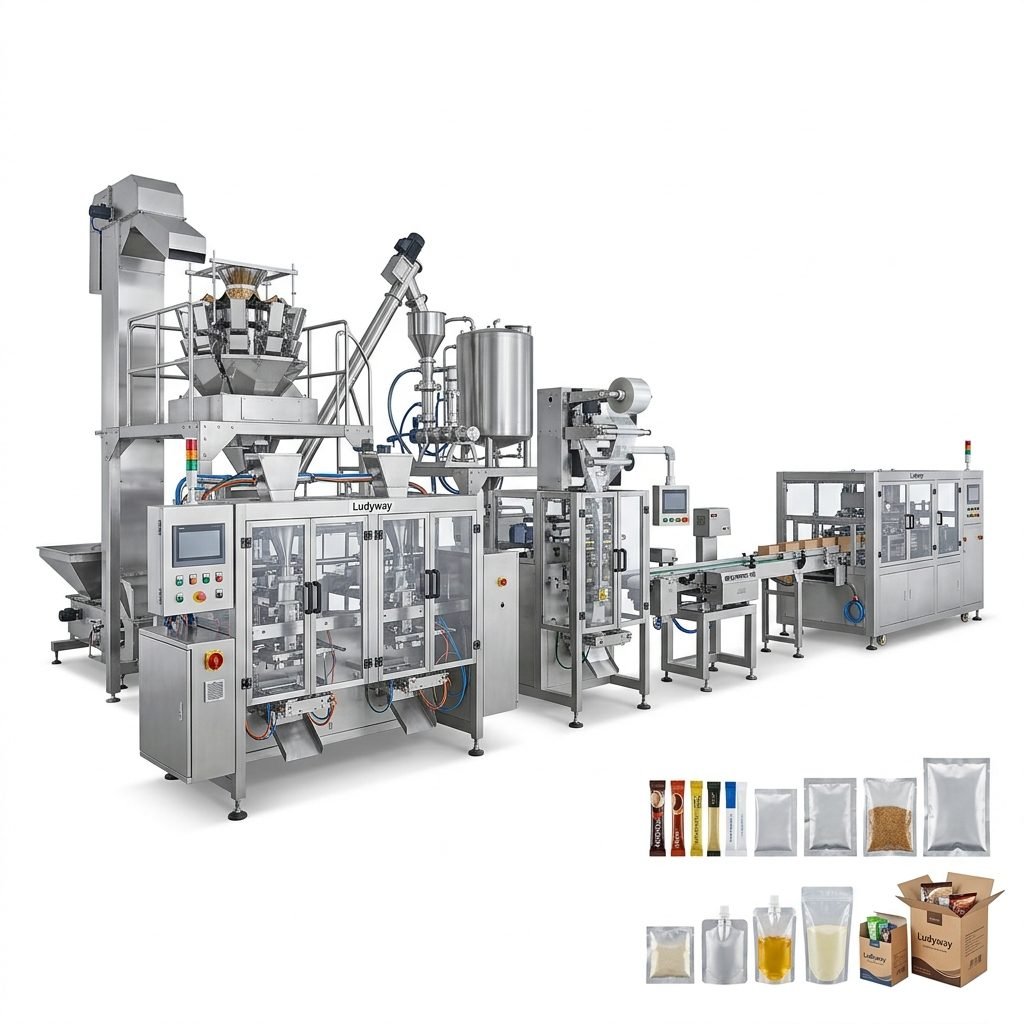
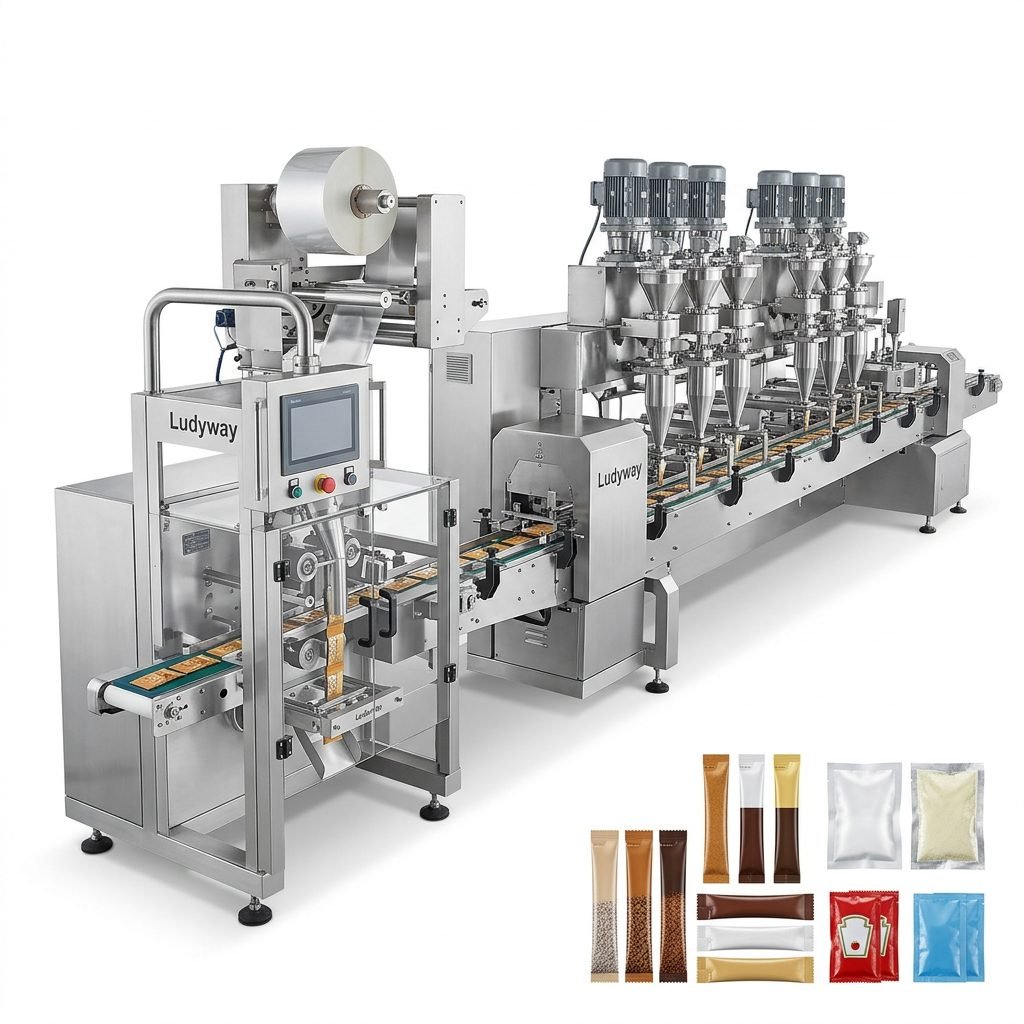
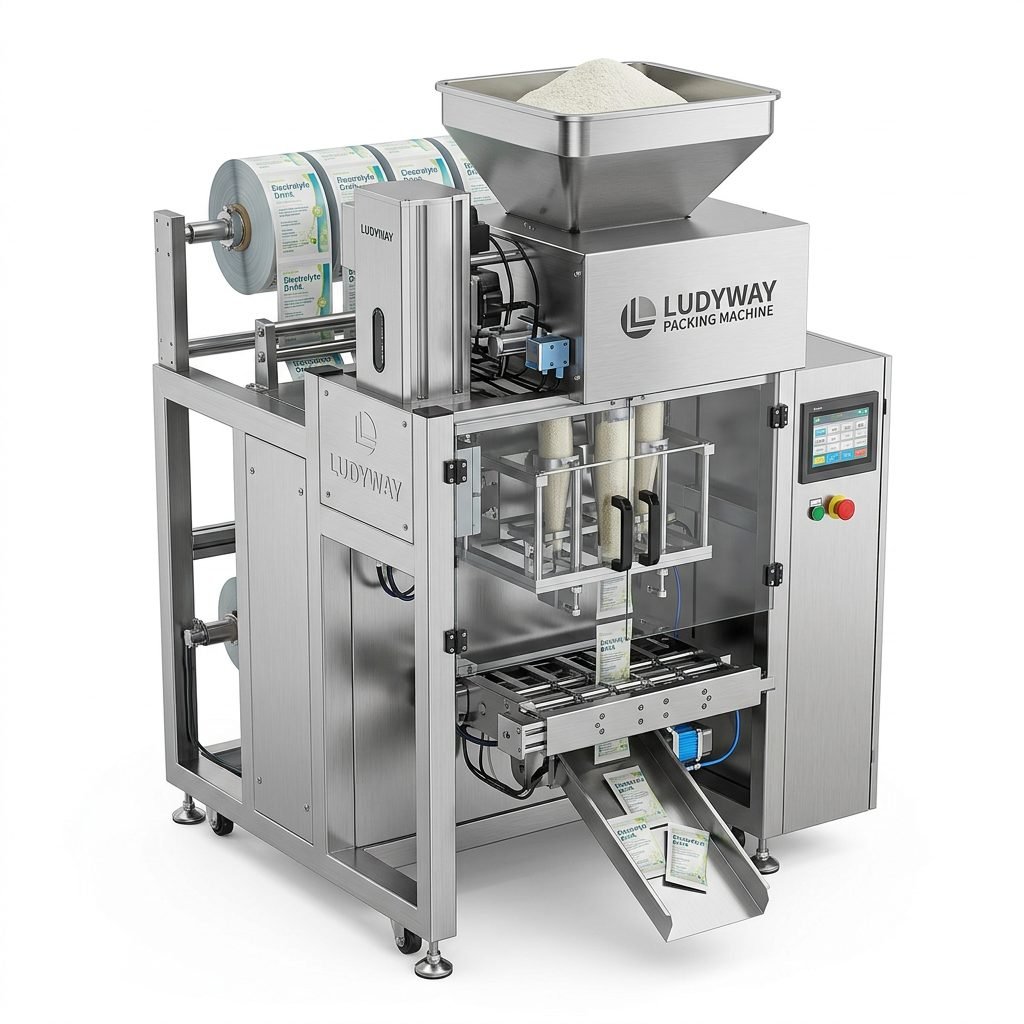
When sourcing packaging machinery from China, understanding the landscape of manufacturers, pricing structures, and cultural business practices is crucial for a successful procurement journey. China has established itself as the world’s leading hub for packaging equipment, offering a vast range from high-volume, cost-effective solutions to highly specialized, automated systems. This guide delves into the key factory options, pricing factors, and essential sourcing strategies, while also considering the local business etiquette that can smooth your negotiations.
Navigating the Chinese Packaging Machinery Market
The Chinese packaging machinery sector is characterized by its immense scale and diversity. Major manufacturing clusters are located in regions like Guangdong, Zhejiang, and Jiangsu. These areas host everything from large, integrated factories with in-house R&D to specialized workshops focusing on specific machine types like sachet packers or liquid fillers. For international buyers, this diversity means you can find a supplier for almost any budget and technical requirement, but it also necessitates careful vetting to ensure quality and reliability align with your production standards.
Key Consideration: In Chinese business culture, building guanxi (relationship) is fundamental. Initial communications often focus on establishing trust and mutual respect before diving deep into technical specifications or price. Patience and a willingness to engage in relationship-building can significantly impact the success and smoothness of your sourcing project.
Types of Manufacturers and Factory Options
Identifying the right type of manufacturer is the first critical step. They generally fall into three categories:
1. Large-Scale Integrated Manufacturers
These are often the industry leaders with extensive facilities, like the 20,000㎡ modern production facilities some established brands operate. They offer comprehensive ranges, from granule and powder packaging machines to complex liquid filling lines. Their strength lies in strong engineering capabilities, in-house quality control, and the ability to provide turnkey production solutions. They are ideal for buyers seeking high-volume, reliable equipment and full project support.
2. Specialized Niche Producers
These factories focus on a specific segment, such as stick pack machines or vertical form-fill-seal (VFFS) baggers. They often possess deep expertise and innovative designs within their niche. Partnering with them can yield highly optimized equipment for particular products, like pharmaceuticals or premium food items.
3. Component & Assembly Workshops
Smaller operations that may assemble machines using sourced components. While potentially offering lower prices, due diligence on quality consistency and after-sales service is paramount. They may be suitable for standard, low-complexity needs with a hands-on buyer.
Understanding Pricing: Factors and Ranges
Pricing for packaging machines in China is not a one-size-fits-all model. It is influenced by a confluence of factors:
- Automation Level: A basic semi-automatic sachet machine costs significantly less than a fully automated, multi-lane stick pack system with robotic integration.
- Machine Material & Construction: Food-grade stainless steel contact parts increase cost compared to carbon steel but are non-negotiable for many industries.
- Production Speed & Output: Higher speed capabilities and multi-lane designs command a premium.
- Customization Level: Standard models are most affordable. Modifications for unique pouch styles, special dosing systems, or integration with existing lines add cost.
- Brand & Manufacturer Reputation: Established brands with 30+ years of industry experience often price their reliability and support into their equipment.
As a broad guideline, semi-automatic machines can start from a few thousand USD, while sophisticated, fully automated production lines can range from $50,000 to over $200,000. Always request detailed, itemized quotations to understand what is included (e.g., shipping, training, warranty).
Effective Sourcing and Supplier Verification Guide
A strategic approach to sourcing minimizes risk and ensures you partner with a capable supplier.
Step-by-Step Sourcing Strategy
1. Define Specifications Clearly: Prepare a detailed RFQ (Request for Quotation) covering product type, bag/pouch specifications, required speed, materials, and desired automation level.
2. Shortlist & Deep Vetting: Go beyond online profiles. Request company audits, detailed company profiles, and lists of production equipment. Inquire about their history; a company story that began with a focus on engineering, like some that started in 2010, can indicate technical dedication.
3. Request Client References & Visit Virtually/Physically: Ask for contactable references from your region or industry. A factory tour (video call or in-person) is invaluable to assess the facility and quality processes.
4. Scrutinize Communication & Support: Evaluate their responsiveness and technical knowledge. Discuss after-sales service, warranty terms, and availability of spare parts explicitly.
5. Sample & Trial Runs: For critical applications, insist on a production trial with your actual materials to test machine performance and output quality.
Cultural and Logistical Insights for Buyers
Successful sourcing in China intertwines technical knowledge with cultural awareness. The concept of mianzi (face/social prestige) is important; avoid confrontational or public criticism during negotiations. Building a rapport with your supplier contact can lead to better cooperation. Regarding logistics, factor in lead times (typically 30-90 days after deposit), shipping terms (FOB, CIF), and import duties in your destination country. Ensure all certification needs (CE, FDA-compliant materials) are contractually agreed upon.
Ultimately, sourcing packaging machinery from China offers unparalleled value and variety. By methodically evaluating factory options, understanding the pricing drivers, conducting thorough due diligence, and respecting local business customs, you can secure a reliable partner. Brands that emphasize professional packaging expertise, backed by substantial engineering resources, are often positioned to deliver the innovative and efficient automated packaging solutions that global production demands.
Frequently Asked Questions (FAQs)
1. What is the typical lead time for a packaging machine from China?
Lead times vary based on machine complexity and customization. For standard models, expect 30-60 days after order confirmation and deposit. For fully custom or large turnkey lines, lead times can extend from 60 to 120 days. Always confirm the production schedule explicitly in your contract.
2. How do I verify the quality of a Chinese packaging machine manufacturer?
Key verification steps include: reviewing their company history and operational timeline, requesting client references, asking for certification documents (ISO, CE on specific models), and conducting a virtual or physical factory audit. Inspecting the quality of their 200+ production equipment and assembly processes is also telling.
3. Are after-sales service and technical support reliably available?
This varies greatly by supplier. Reputable manufacturers offer comprehensive support, including installation guidance (remote or on-site), operator training, a warranty period (often 12 months), and readily available spare parts. Discuss and document the exact scope of after-sales service, response times, and spare parts logistics before purchasing.
4. Can Chinese suppliers provide machines compliant with international standards (e.g., CE, FDA)?
Yes, many established manufacturers design machines to meet CE safety standards and can construct contact parts with FDA-compliant materials. However, it is the buyer’s responsibility to specify these requirements upfront. Ensure compliance is stated in the contract, and request copies of relevant test reports or material certificates.
5. What are the main payment terms when sourcing from China?
The most common terms are a 30-50% deposit via T/T (bank transfer) upon signing the contract, with the balance paid before shipment or against copy of shipping documents. For larger orders, negotiable terms like LC (Letter of Credit) may be used. Always use secure payment methods and avoid 100% upfront payments.