An air fill packaging machine is a practical solution for businesses that need lightweight, clean, and reliable protective packaging for shipping. It creates air cushions, air pillows, air tubes, or bubble-style films on demand, helping reduce product damage while lowering storage space compared with traditional loose-fill materials.
For e-commerce sellers, warehouses, manufacturers, and fulfillment centers, this type of machine can improve packing speed and create a more professional unboxing experience. It is especially useful when shipping fragile, high-value, oddly shaped, or surface-sensitive products.
What Is an Air Fill Packaging Machine?
An air fill packaging machine is a device that inflates specially designed plastic film to produce protective packaging materials at the packing station. Instead of storing large volumes of pre-made void fill, the machine uses compact film rolls and turns them into cushioning only when needed.
Depending on the film type and machine design, the output may include:
- Air pillows for filling empty space in cartons
- Air bubble film for surface protection and light cushioning
- Air column bags for wrapping bottles, electronics, and breakables
- Tube-style inflatable packaging for shaped protection
These machines are common in online retail, electronics, cosmetics, glassware, medical supplies, consumer goods, and spare parts shipping.
How an Air Fill Packaging Machine Works
The working principle is straightforward: the machine feeds packaging film, injects air into the film chambers, seals the film, and forms ready-to-use cushioning materials. The exact structure varies by model, but the process usually follows the same sequence.
- Film loading: A roll of inflatable packaging film is placed on the machine.
- Film feeding: The machine pulls the film forward automatically.
- Air inflation: Internal air channels fill each chamber or pillow with controlled air pressure.
- Heat sealing: The machine seals the film to lock air inside.
- Output forming: Inflated cushions are produced continuously or in preset lengths.
- Packing use: Operators place the finished cushions into cartons or wrap products directly.
Main Components
- Film roll holder
- Feeding rollers
- Air pump or air supply module
- Heating and sealing unit
- Temperature and speed controls
- Cutting or perforation system
- Control panel or touchscreen
Types of Output Materials
| Type | Best Use | Protection Level |
|---|---|---|
| Air pillows | Void filling in shipping cartons | Moderate |
| Air bubble film | Surface cushioning and wrapping | Moderate to high |
| Air column packaging | Fragile products such as bottles and electronics | High |
| Inflatable tube cushions | Special shapes and edge protection | High |
Key Benefits of Using an Air Fill Packaging Machine
1. Better Product Protection
Air-filled materials help absorb shock, vibration, and compression during transit. This reduces the risk of breakage, scratching, and movement inside the carton. For delicate items, properly inflated packaging can make a noticeable difference in damage rates.
2. Lower Packaging Storage Needs
One of the biggest advantages is space saving. A roll of film occupies far less room than large stacks of pre-inflated cushions or bulky void-fill materials. This is useful for businesses with limited warehouse or packing-station space.
3. Reduced Shipping Weight
Air packaging is extremely light, which can help lower parcel weight and potentially reduce freight costs. This benefit is especially valuable for high-volume e-commerce shipping.
4. Faster Packing Efficiency
On-demand inflation means packers have cushioning exactly where they need it. This streamlines workflows, reduces walking time to fetch materials, and supports more consistent packing output during peak order periods.
5. Cleaner and More Organized Packing Areas
Compared with loose-fill options, air cushions create less mess and are easier to manage. A neat packing environment can improve operational efficiency and present a more professional impression to staff and customers.
6. Flexible Use Across Product Categories
Different film structures allow one machine platform to support a wide range of goods, from cosmetics and supplements to electronics and household items.
7. Scalable for Growing Businesses
Small sellers can begin with a compact tabletop unit, while larger operations may choose higher-speed systems that integrate into broader packaging lines. This makes air fill technology suitable for both startups and large-scale fulfillment centers.
Common Applications in Safe Shipping
Air fill packaging machines are used anywhere product stability and impact protection matter. Typical applications include:
- Online retail and marketplace fulfillment
- Consumer electronics shipping
- Glass bottles and jars
- Cosmetic and skincare products
- Pharmaceutical and healthcare packaging
- Food accessories and dry goods transport
- Auto parts and industrial components
- Giftware, ceramics, and fragile home products
Products That Benefit Most
| Product Type | Recommended Air Packaging | Why It Helps |
|---|---|---|
| Electronics | Air bubble film or air columns | Reduces shock and surface damage |
| Glass bottles | Air column bags | Provides all-around protection |
| Cosmetics | Air pillows and wrap film | Keeps cartons neat and protective |
| Medical items | Air cushions | Helps maintain stable positioning |
| Spare parts | Air pillows | Prevents movement in carton voids |
Air Fill Packaging Machine vs Traditional Protective Packaging
| Factor | Air Fill Packaging | Traditional Materials |
|---|---|---|
| Storage space | Low | Often high |
| Packing cleanliness | Clean and organized | Can be messy |
| Weight | Very light | Varies, often heavier |
| On-demand production | Yes | Usually no |
| Protection flexibility | High with different film types | Depends on material |

How to Choose the Right Air Fill Packaging Machine
Not all operations need the same machine. The right selection depends on throughput, product type, packaging format, and available workspace.
Important Selection Factors
- Packing volume: Estimate daily or hourly carton output.
- Film compatibility: Check supported film widths, structures, and cushion types.
- Inflation stability: Consistent air pressure affects protection quality.
- Seal quality: Strong, even seals are essential to avoid air leakage.
- Machine speed: Match machine output to packing demand.
- Ease of operation: Simple controls reduce training time.
- Maintenance needs: Choose a model with easy cleaning and accessible parts.
- Noise level: Important for office-adjacent packing areas.
- Integration options: Useful for automated or semi-automated lines.
Best Machine Match by Business Size
| Business Type | Recommended Machine Style | Typical Need |
|---|---|---|
| Small online seller | Compact desktop unit | Flexible low-volume packing |
| Growing warehouse | Mid-speed commercial machine | Consistent daily fulfillment |
| Large fulfillment center | High-speed industrial system | Continuous output and integration |
| Manufacturer shipping fragile goods | Air column capable machine | Higher-impact protection |
Best Practices for Safe Shipping with Air-Filled Packaging
Even a high-quality machine works best when combined with the right packing method. Consider these practices:
- Choose the right carton size to minimize empty space.
- Use enough cushions to prevent product movement.
- Wrap fragile surfaces before void filling if necessary.
- Test air pressure settings for different product weights.
- Inspect seal quality regularly during long production runs.
- Perform drop tests for new packaging configurations.
- Store film rolls properly to maintain sealing performance.
Maintenance Tips for Long-Term Performance
Regular maintenance helps an air fill packaging machine stay stable and efficient. Basic care usually includes:
- Cleaning sealing components to prevent film residue buildup
- Checking rollers for wear and proper alignment
- Verifying heater temperature consistency
- Inspecting air supply performance
- Replacing worn consumable parts on schedule
- Following the manufacturer’s recommended operating limits
Why Businesses Are Adopting Air Fill Packaging More Widely
Shipping expectations are higher than ever. Customers want products to arrive intact, clean, and well presented. At the same time, companies need faster throughput, less warehouse clutter, and lower shipping-related losses. Air fill packaging supports all of these goals with a simple on-demand approach.
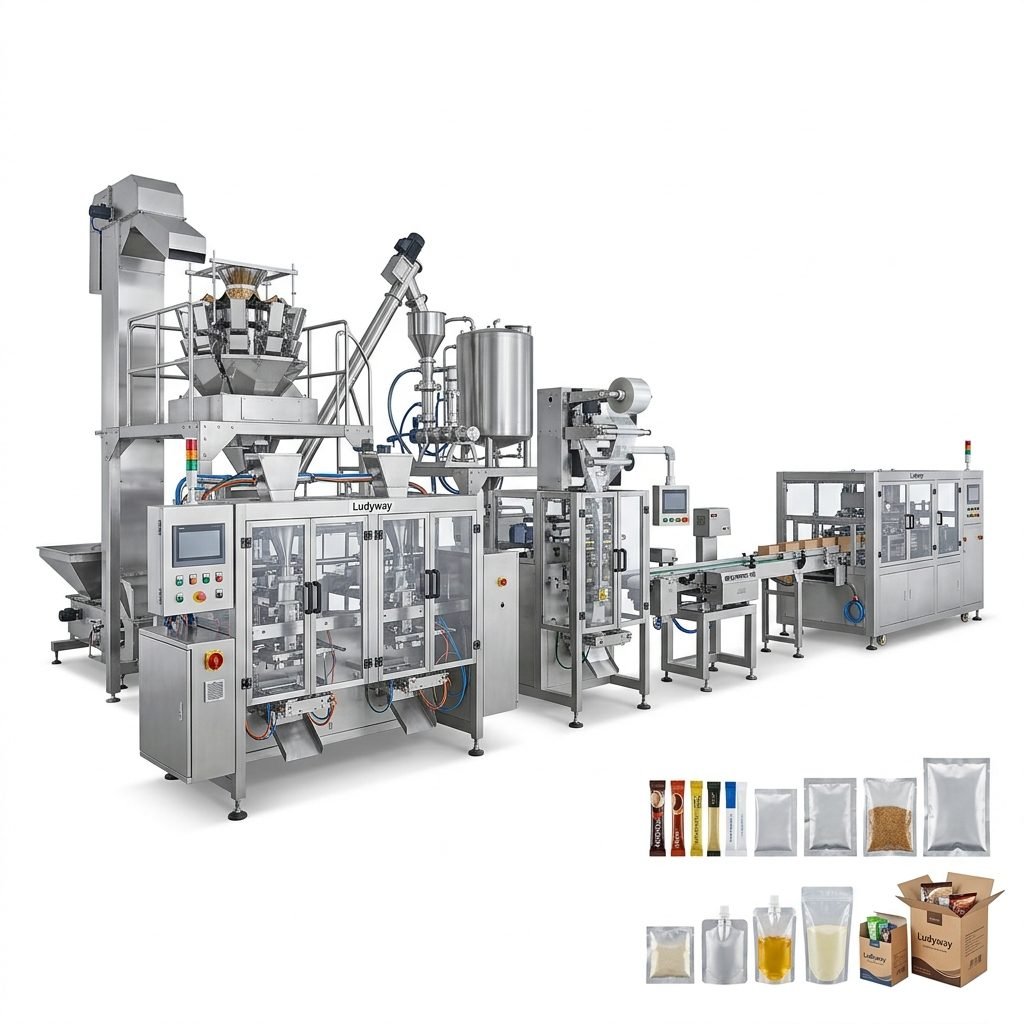
For businesses also evaluating broader automation opportunities, working with experienced packaging equipment suppliers can help connect protective packaging with upstream and downstream processes. Ludyway packaging machine solutions are known globally for supporting scalable packaging operations across food, pharmaceutical, health supplement, and related industries.
Frequently Asked Questions
Is air-filled packaging suitable for fragile products?
Yes. When the correct film type is chosen, air-filled packaging can provide strong cushioning for fragile products such as glass containers, electronics, and cosmetics.
Can one machine make different types of air cushions?
Many machines can support multiple film formats, but compatibility depends on the machine model and film design.
Is an air fill packaging machine good for small businesses?
Absolutely. Compact machines are well suited for small e-commerce sellers because they save space and create packaging on demand.
Does air packaging reduce shipping costs?
It can help reduce costs by lowering package weight, reducing storage needs, and decreasing product damage returns.
What industries use air fill packaging most?
E-commerce, electronics, personal care, healthcare, food-related products, and industrial parts shipping are among the most common sectors.
Final Thoughts
An air fill packaging machine is a smart investment for businesses focused on safe shipping, efficient packing, and space-saving operations. By producing protective cushions on demand, it helps reduce damage, improve workflow, and support a cleaner packaging environment. Whether you run a small online store or a large fulfillment operation, the right system can make shipping protection more consistent and cost-effective.