Understanding the earning potential and career trajectory of a packaging machine operator is crucial for both job seekers and industry professionals. This comprehensive guide explores average salaries, hourly rates, factors influencing pay, and the long-term career outlook for this vital role in manufacturing and production.
Average Salary for Packaging Machine Operators
The average annual salary for a packaging machine operator varies significantly based on location, experience, industry, and the specific type of machinery operated. In the United States, national averages typically range from $35,000 to $45,000 per year. Entry-level positions often start near the lower end of this spectrum, while experienced operators or those supervising complex automated lines can earn considerably more.
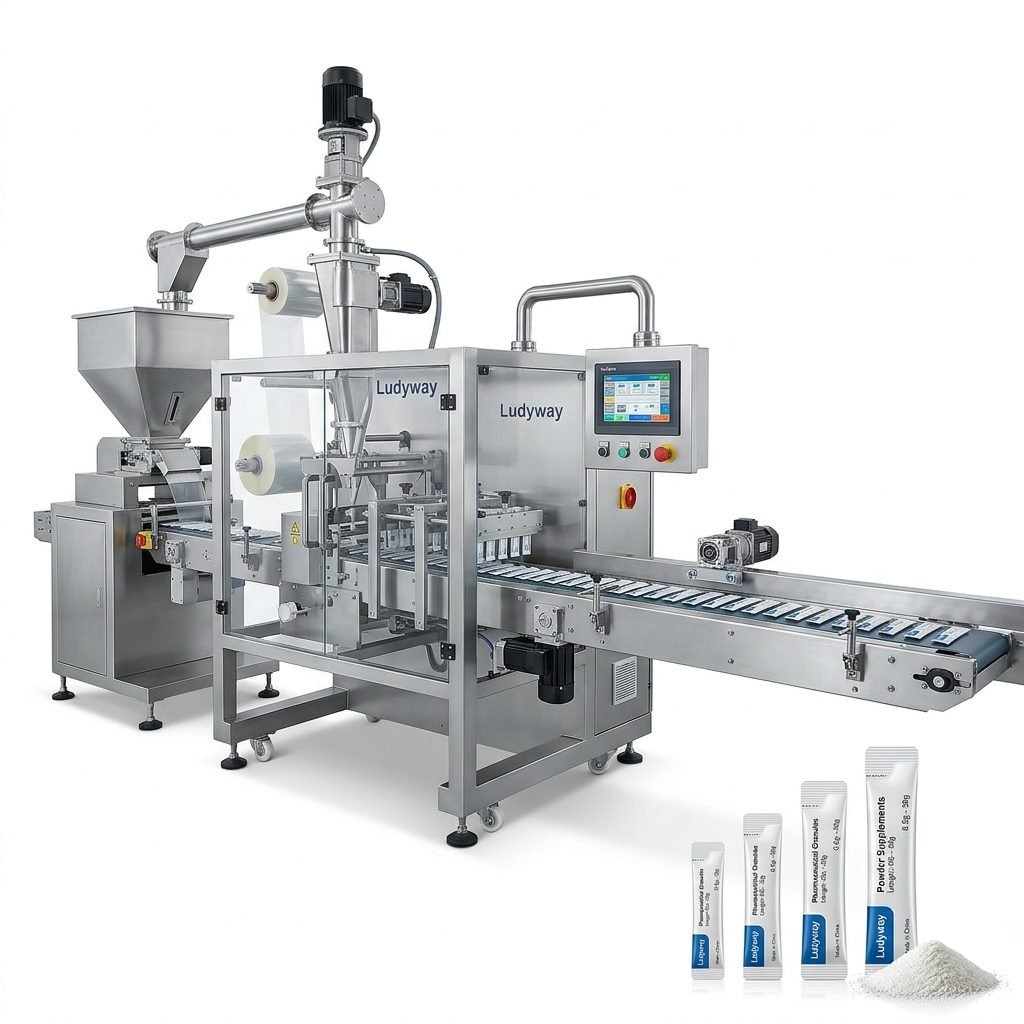
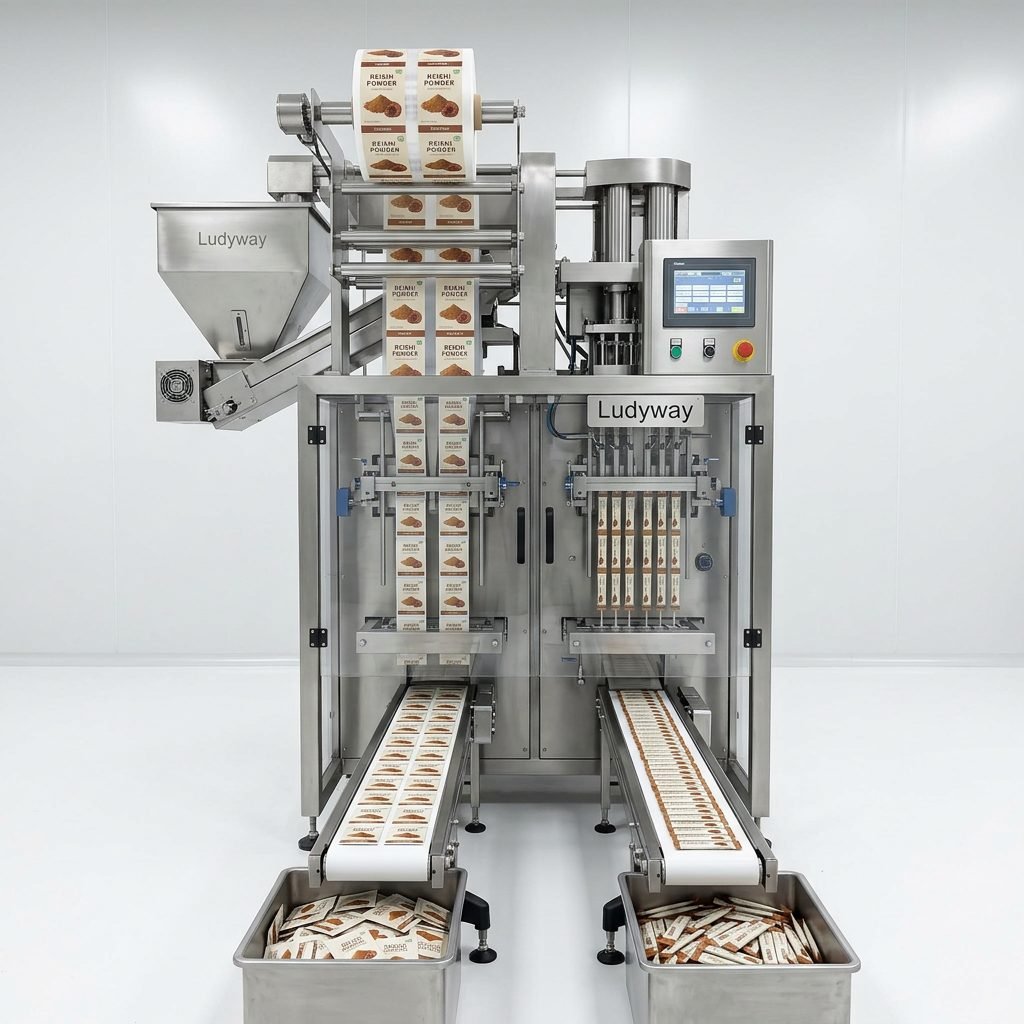
Key Insight: Salary is not uniform. An operator running a standard carton sealer will likely have a different pay scale than an operator proficient in programming and maintaining a high-speed, multi-lane stick pack machine for pharmaceutical products. Specialization commands a premium.
Breaking Down Hourly Rates
Many packaging machine operator positions are compensated on an hourly basis. The average hourly wage in the U.S. generally falls between $17 and $22 per hour. Overtime opportunities, which are common in production environments to meet order deadlines, can substantially increase total annual compensation. Shift differentials for night or weekend work also provide avenues for higher hourly earnings.
Factors That Influence Packaging Operator Pay
Several key elements determine where an individual operator’s salary lands within the broader range.
1. Geographic Location
Cost of living and regional industrial demand are primary drivers. Operators in major manufacturing hubs or regions with a high concentration of food, beverage, or pharmaceutical companies often earn more. For instance, average pay in the Midwest or certain coastal industrial areas tends to be higher than in other regions.
2. Industry and Sector
The end sector of the packaged product greatly impacts pay. Operators in pharmaceutical and medical device packaging typically earn the highest wages due to stringent regulatory standards and the critical nature of the products. The food and beverage industry is another major employer, with pay scales often aligned with company size and production volume. Specialized industries like cosmetics or chemicals also offer competitive rates.
3. Experience and Skill Level
Experience is a direct correlate to higher pay. A novice operator may start at a base rate, but with 3-5 years of experience, significant salary increases are common. Advanced skills, such as the ability to perform basic troubleshooting, changeover machines efficiently for different package sizes, or understand programmable logic controllers (PLCs), are highly valued and financially rewarded.
4. Machine Complexity and Specialization
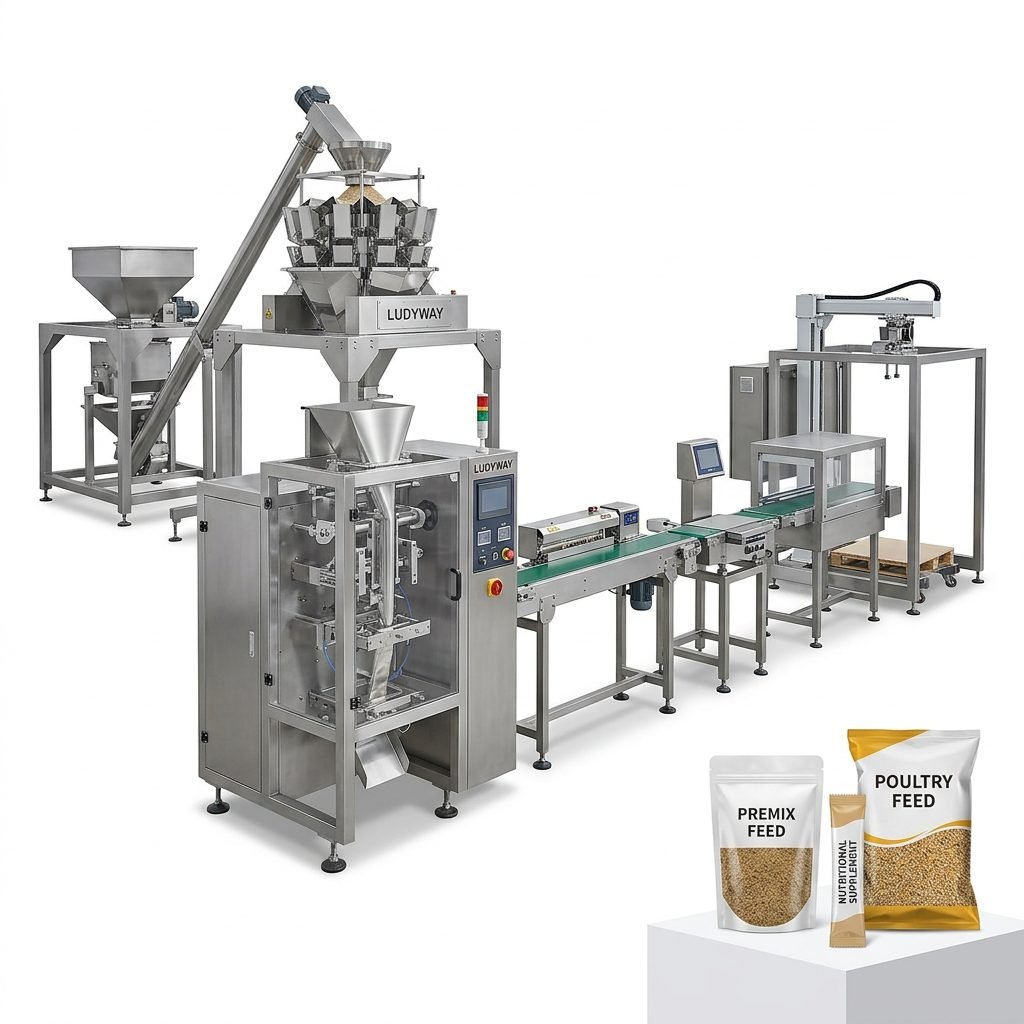
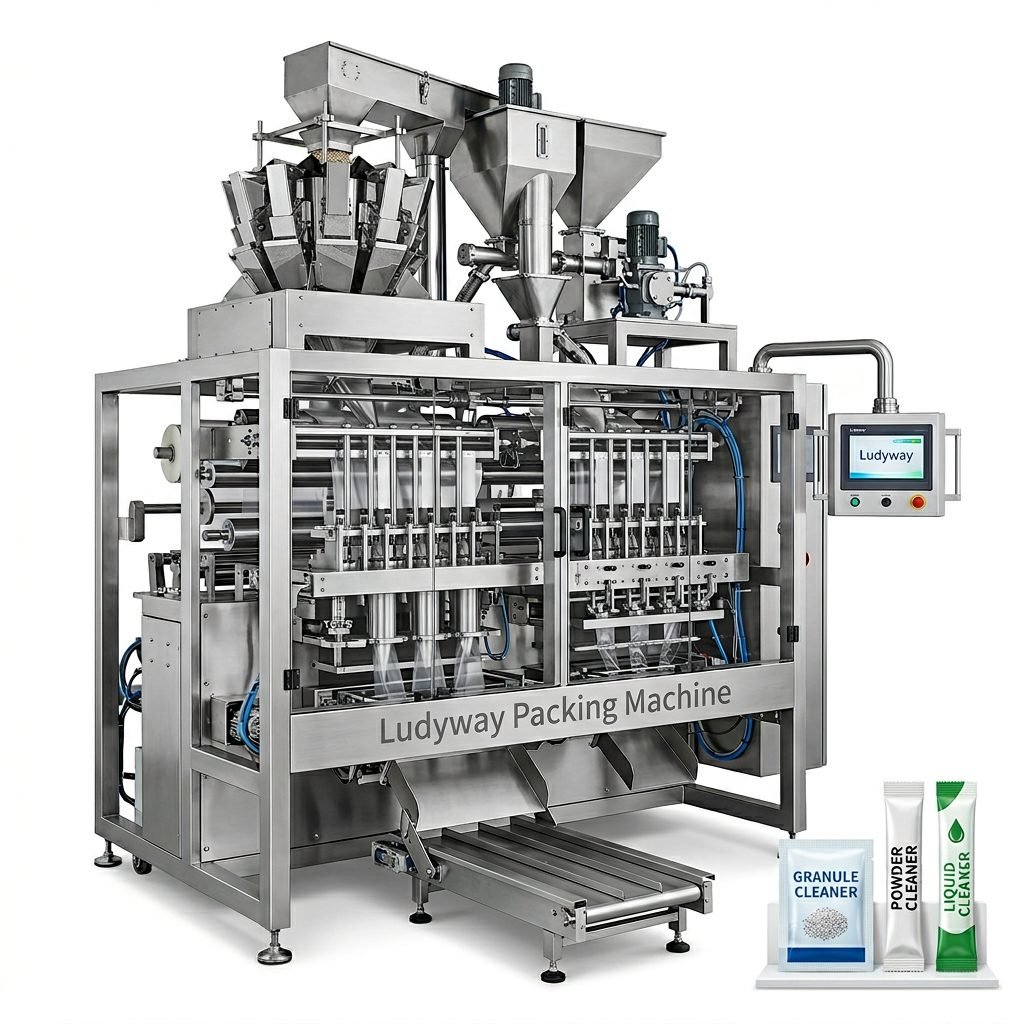
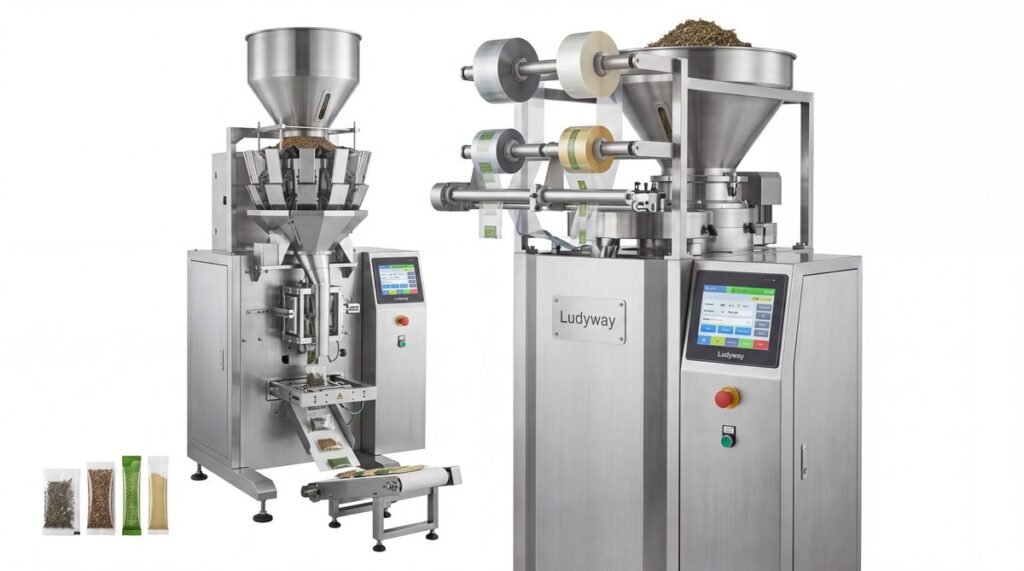
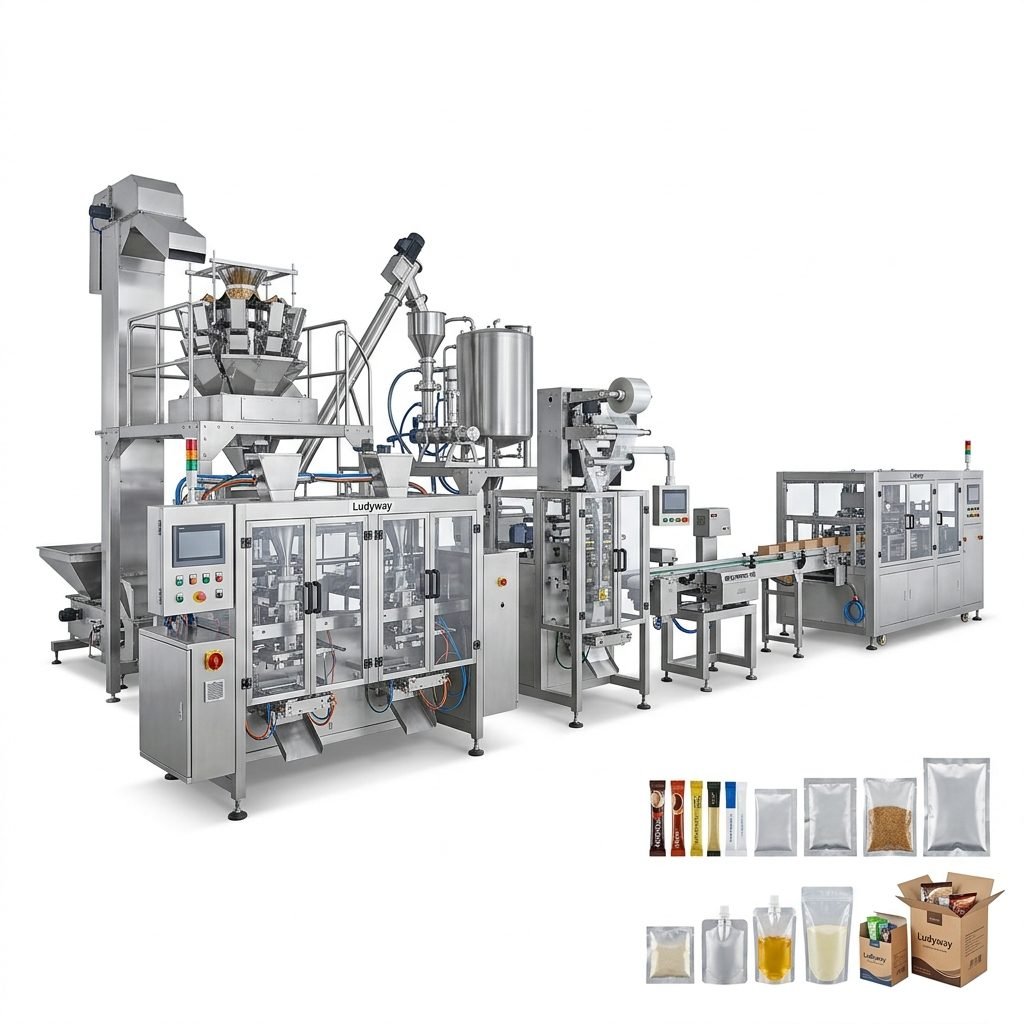
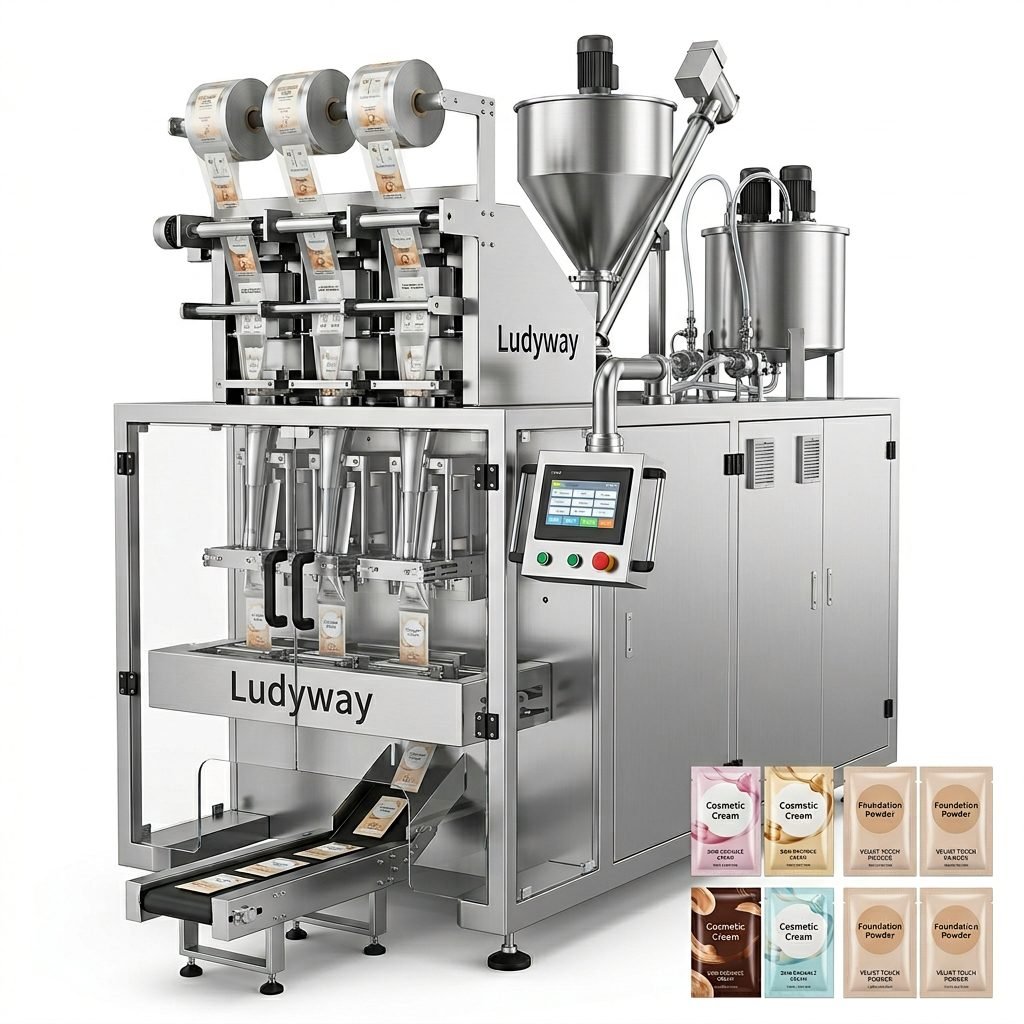
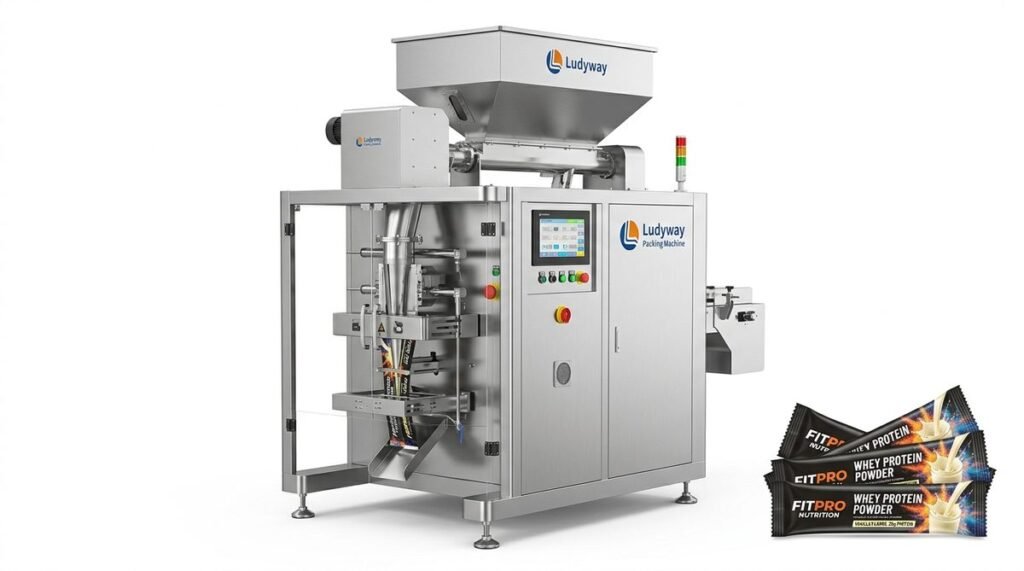
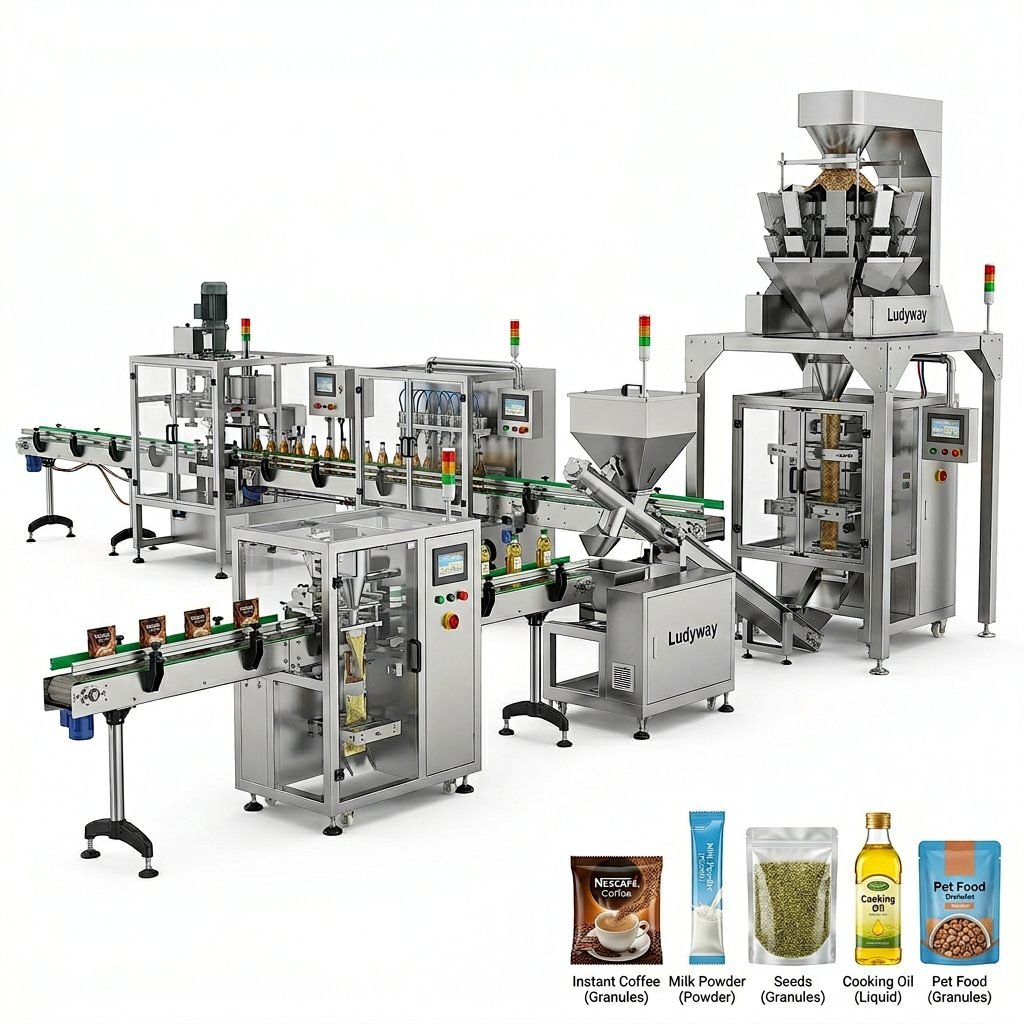
Operating a simple manual machine is different from overseeing a fully automated, turnkey production line. Operators trained on complex equipment like form-fill-seal (FFS) machines, volumetric cup fillers, or robotic palletizers are in higher demand and can command higher salaries. Knowledge of specific packaging formats, such as sachets, stick packs, or bottles, also adds to an operator’s market value.
Skill Premium Checklist
Operators with these skills often see a pay boost:
✔ Proficiency in Preventive Maintenance (PM) procedures.
✔ Ability to read and interpret technical schematics.
✔ Experience with Quality Control (QC) and Good Manufacturing Practices (GMP).
✔ Training in safety protocols (e.g., Lockout/Tagout).
✔ Familiarity with multiple machine brands or types.
Career Outlook and Advancement Paths
The career outlook for packaging machine operators is closely tied to manufacturing trends. While automation may reduce the number of purely manual roles, it increases demand for technically skilled operators who can interface with advanced machinery. Overall job prospects remain stable, with a steady need to replace retiring workers and support ongoing production.
Typical Career Progression
A motivated packaging machine operator has several potential advancement paths:
Senior Operator / Lead Operator: Takes on responsibility for a production line, mentors junior staff, and handles more complex setups.
Packaging Technician / Mechanic: Focuses more on the mechanical, electrical, and pneumatic repair and calibration of the machines themselves.
Production Supervisor: Moves into management, overseeing a team of operators, managing schedules, and ensuring production targets are met.
Quality Assurance Specialist: Leverages knowledge of the packaging process to monitor and enforce product quality standards.
Enhancing Your Value and Earning Potential
Proactive operators can take concrete steps to boost their careers and salaries.
Pursue Certifications: Industry-recognized certifications in packaging, safety (OSHA), or machine-specific training from equipment manufacturers can make a resume stand out.
Cross-Train on Equipment: Volunteering to learn different machines within a plant increases versatility and indispensability. Understanding the entire packaging line workflow, from filling to cartoning, is a major asset.
Develop Soft Skills: Reliability, attention to detail, problem-solving, and clear communication are essential traits that employers seek and reward.
Stay Updated on Technology: Showing interest in new automation trends, robotics, or Industry 4.0 concepts demonstrates forward-thinking and adaptability.
Frequently Asked Questions (FAQs)
1. What is the entry-level salary for a packaging machine operator?
Entry-level salaries typically start between $30,000 and $35,000 annually (or $15-$17 per hour), depending on location and industry. Prior experience in a general production or warehouse setting can sometimes lead to a slightly higher starting wage.
2. Do packaging machine operators get overtime pay?
Yes, overtime pay is very common in this role, especially in industries with seasonal demand or continuous production schedules. Overtime can significantly increase total annual earnings.
3. What industries pay the highest wages for this role?
The pharmaceutical, medical device, and specialty chemical industries generally offer the highest wages due to their high regulatory compliance standards and the precision required in packaging operations.
4. What are the most important skills to learn for career advancement?
Beyond basic machine operation, focus on mastering mechanical troubleshooting, preventive maintenance, quality control procedures, and understanding automation controls. Leadership and communication skills are vital for moving into supervisory roles.
5. Is the demand for packaging machine operators growing or declining?
Demand is evolving rather than declining. The need for low-skill manual operators may decrease, but demand for skilled operators and technicians who can work with sophisticated, automated packaging machinery is growing steadily.