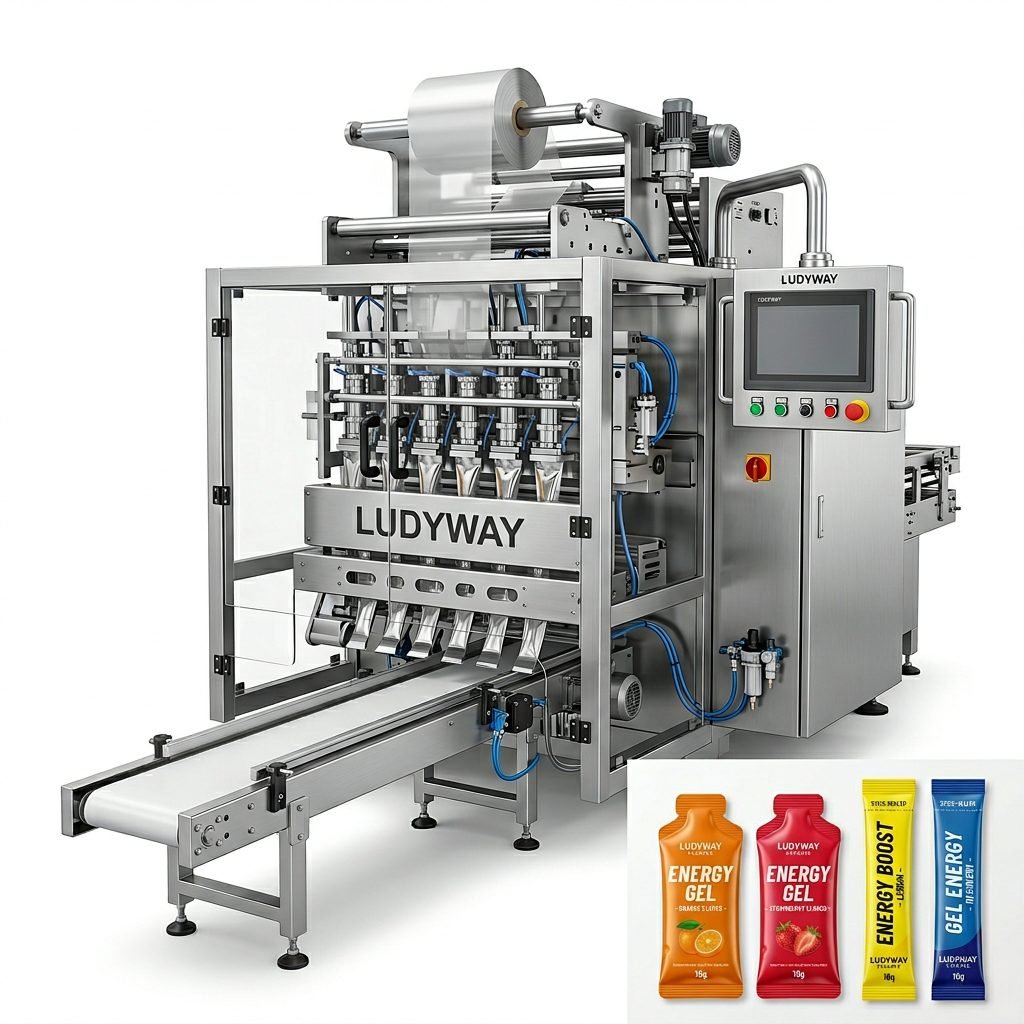
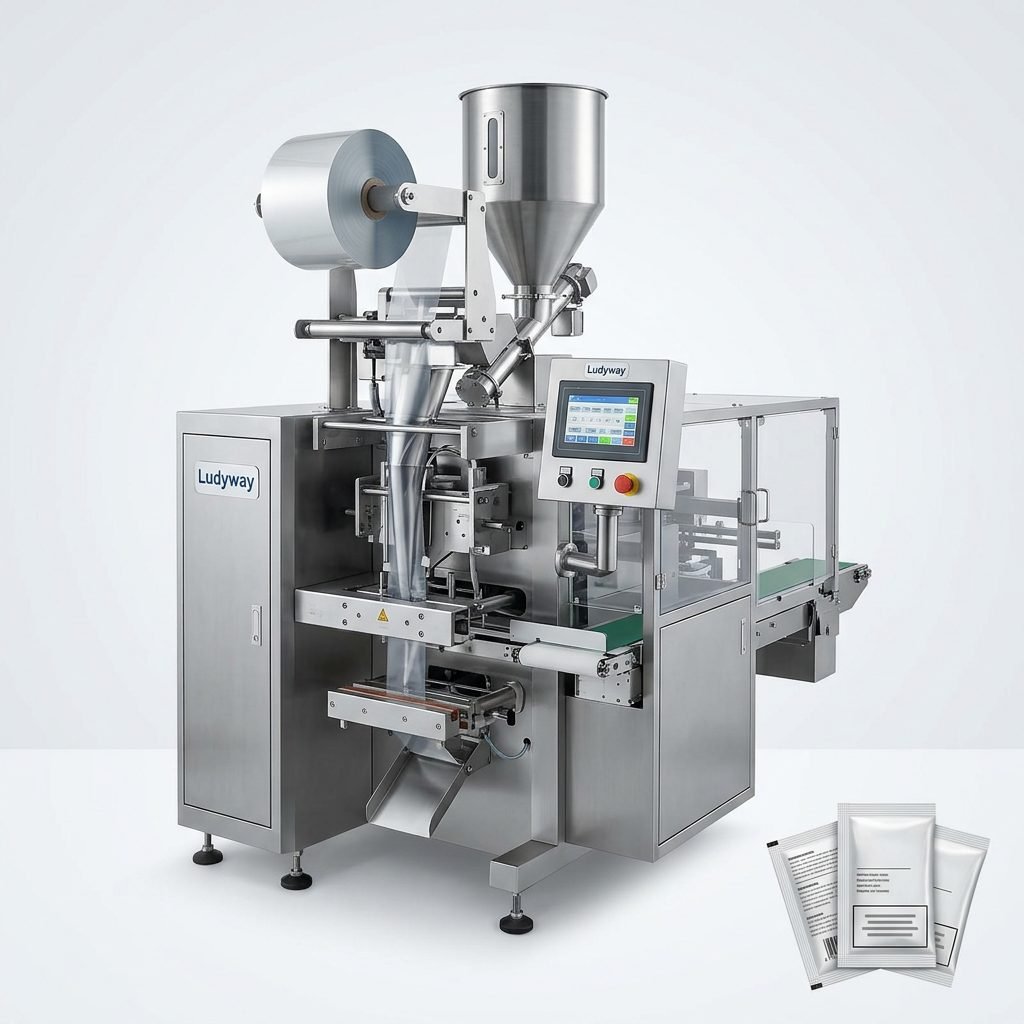
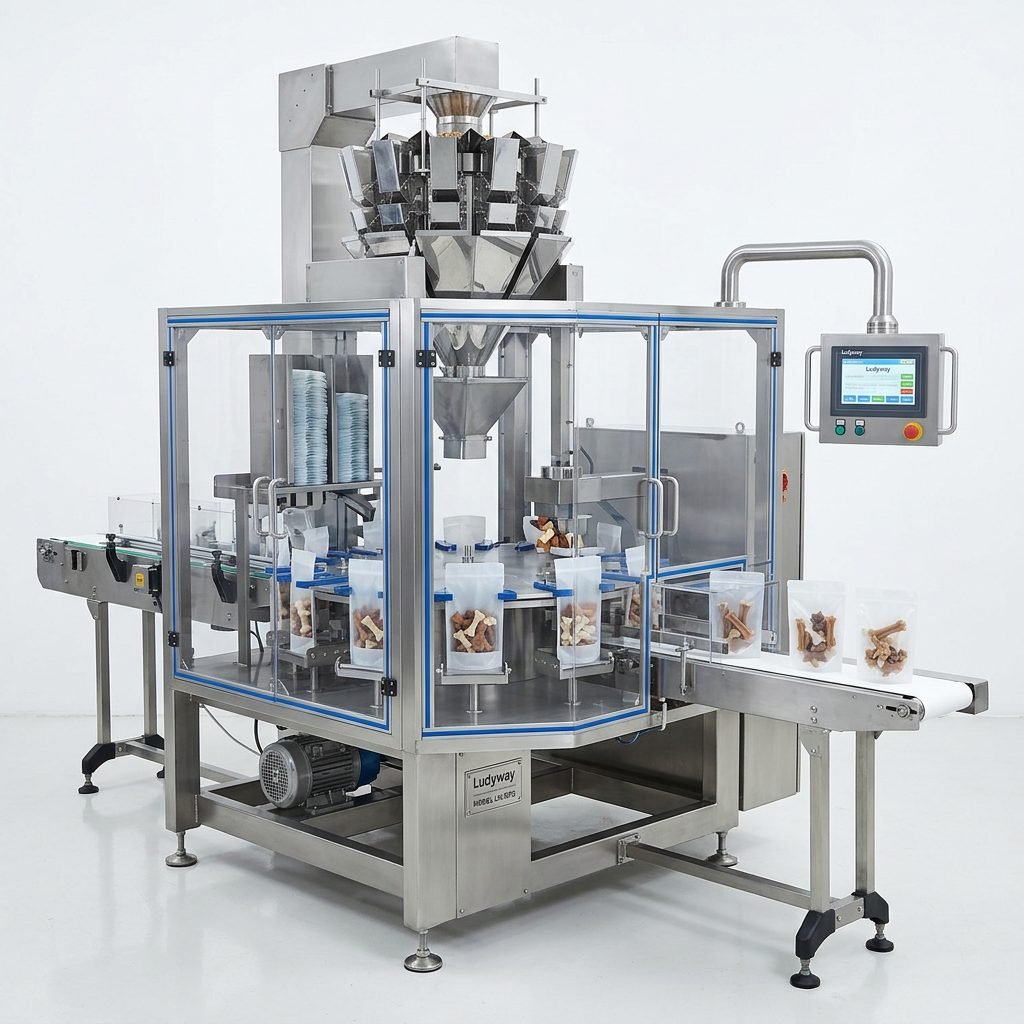
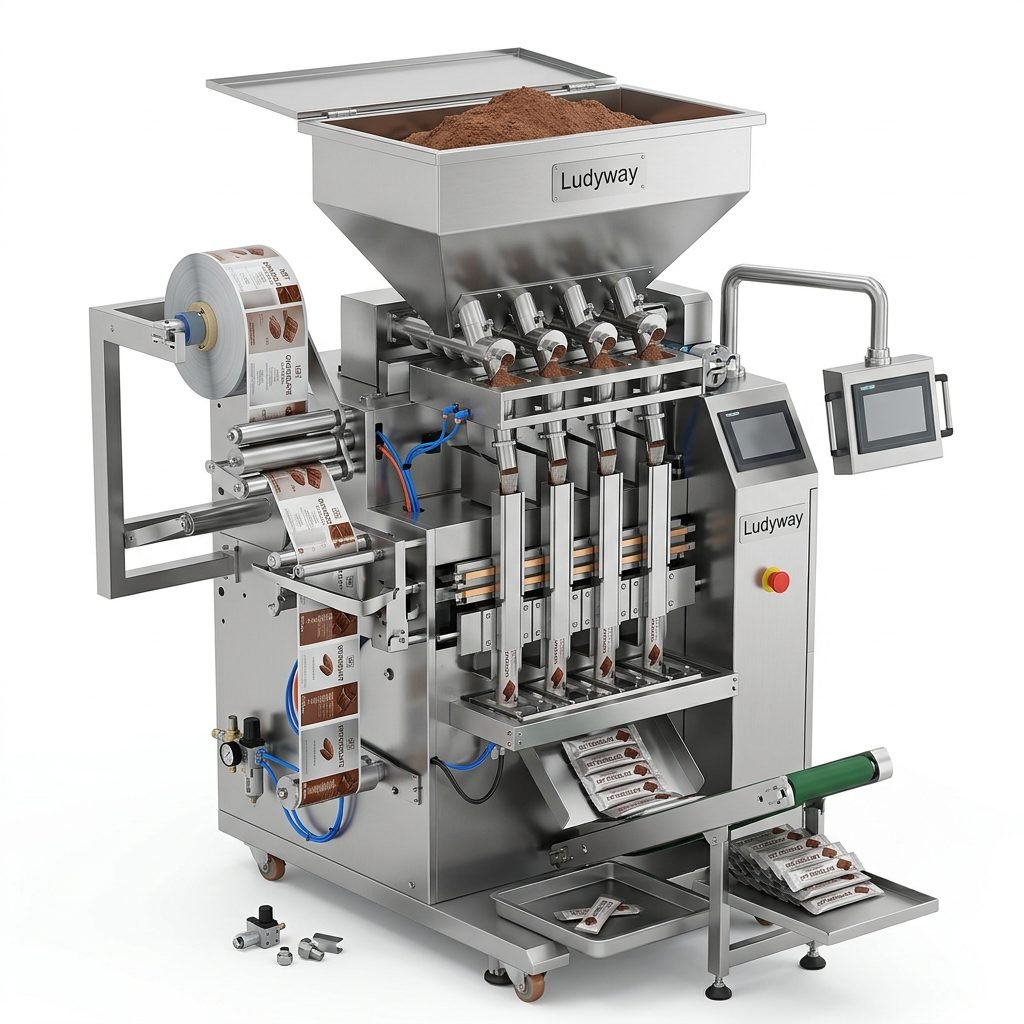
In today’s fast-paced manufacturing landscape, efficiency and consistency are paramount. An automated packaging machine is a sophisticated piece of equipment designed to handle the packaging process with minimal human intervention. These systems integrate various functions—from filling and sealing to labeling and boxing—into a seamless, continuous operation. By replacing manual or semi-automatic methods, they represent a significant leap forward in production technology, enabling businesses to meet high-volume demands while maintaining stringent quality standards.
The Core Mechanism: How Automated Packaging Works
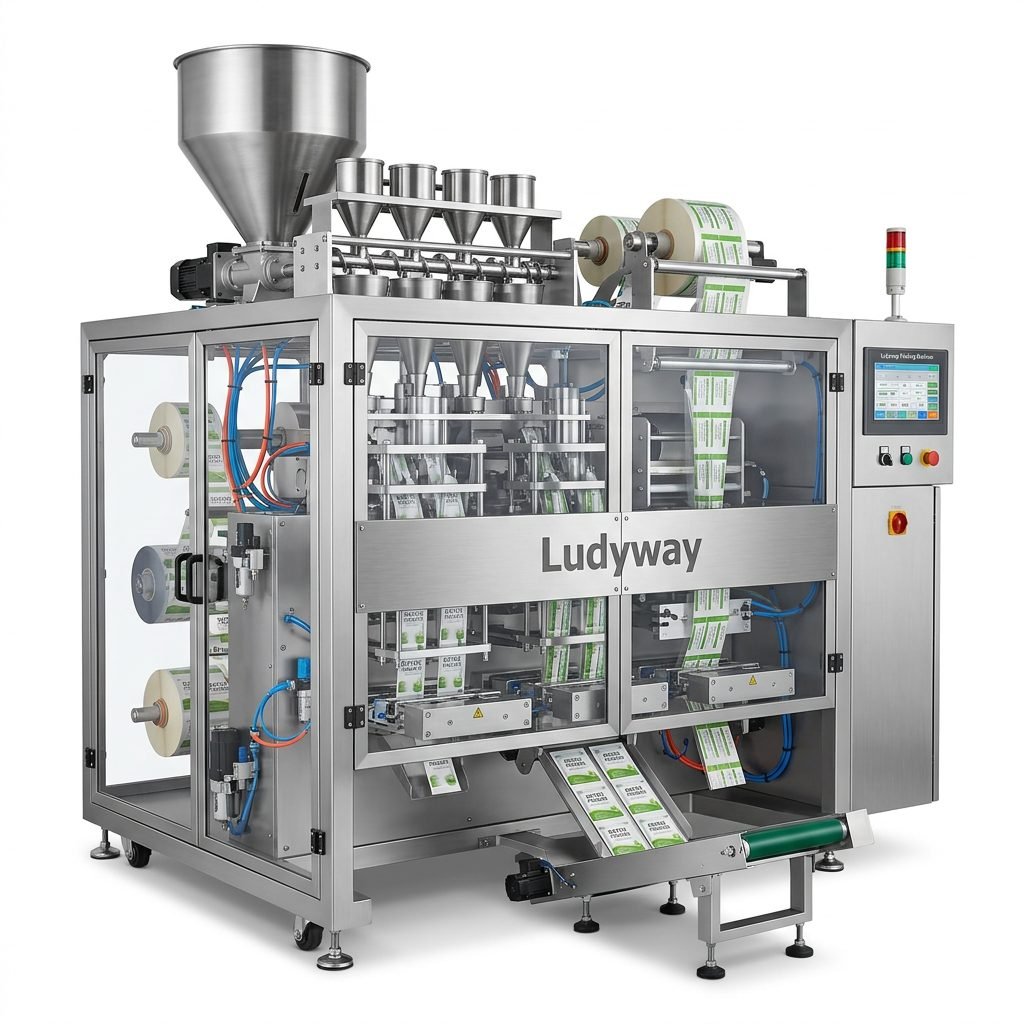
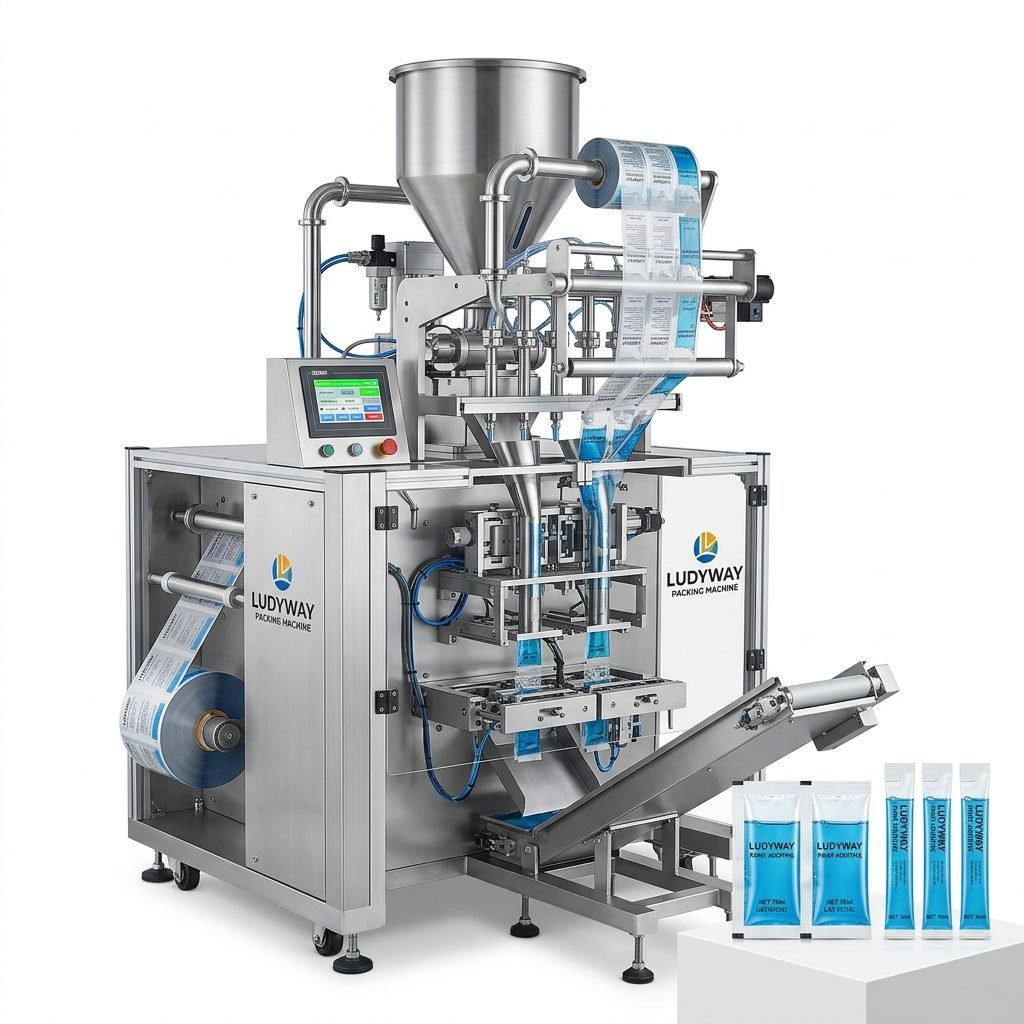
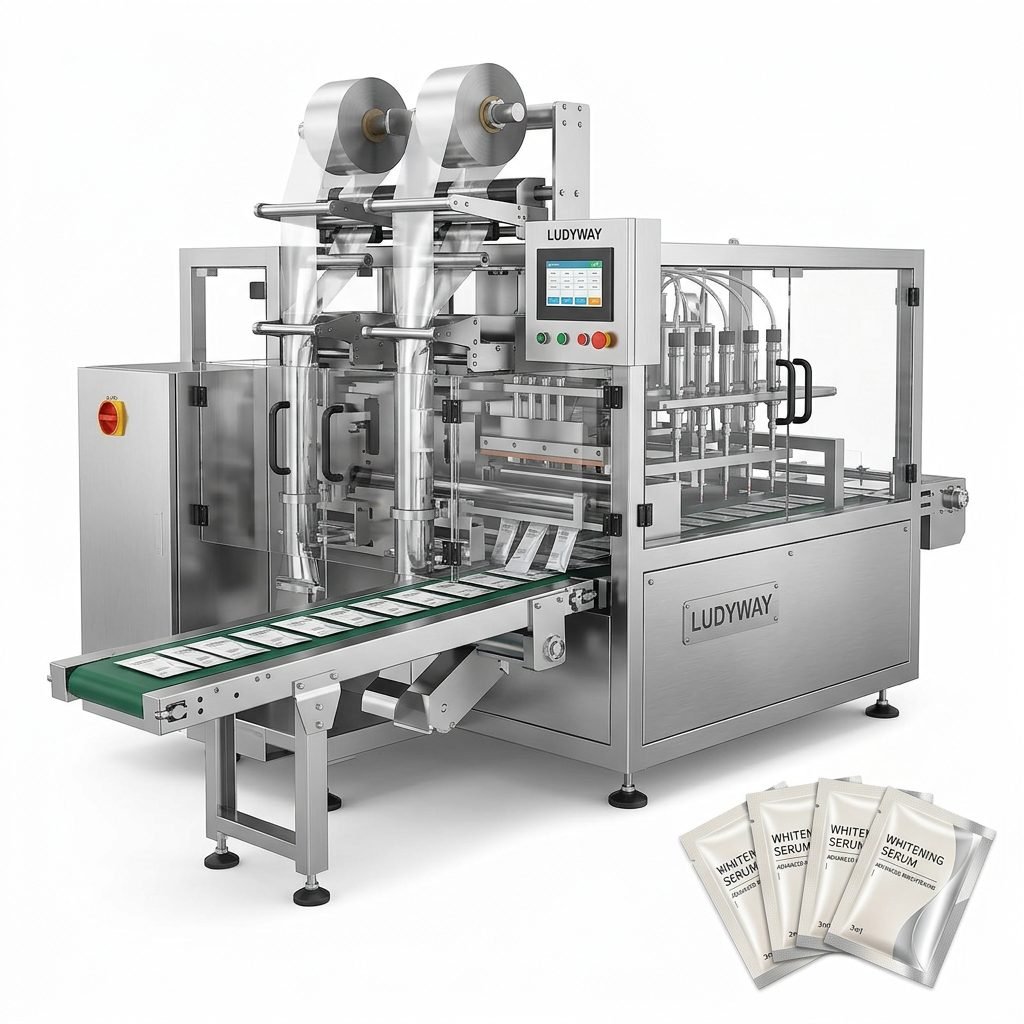
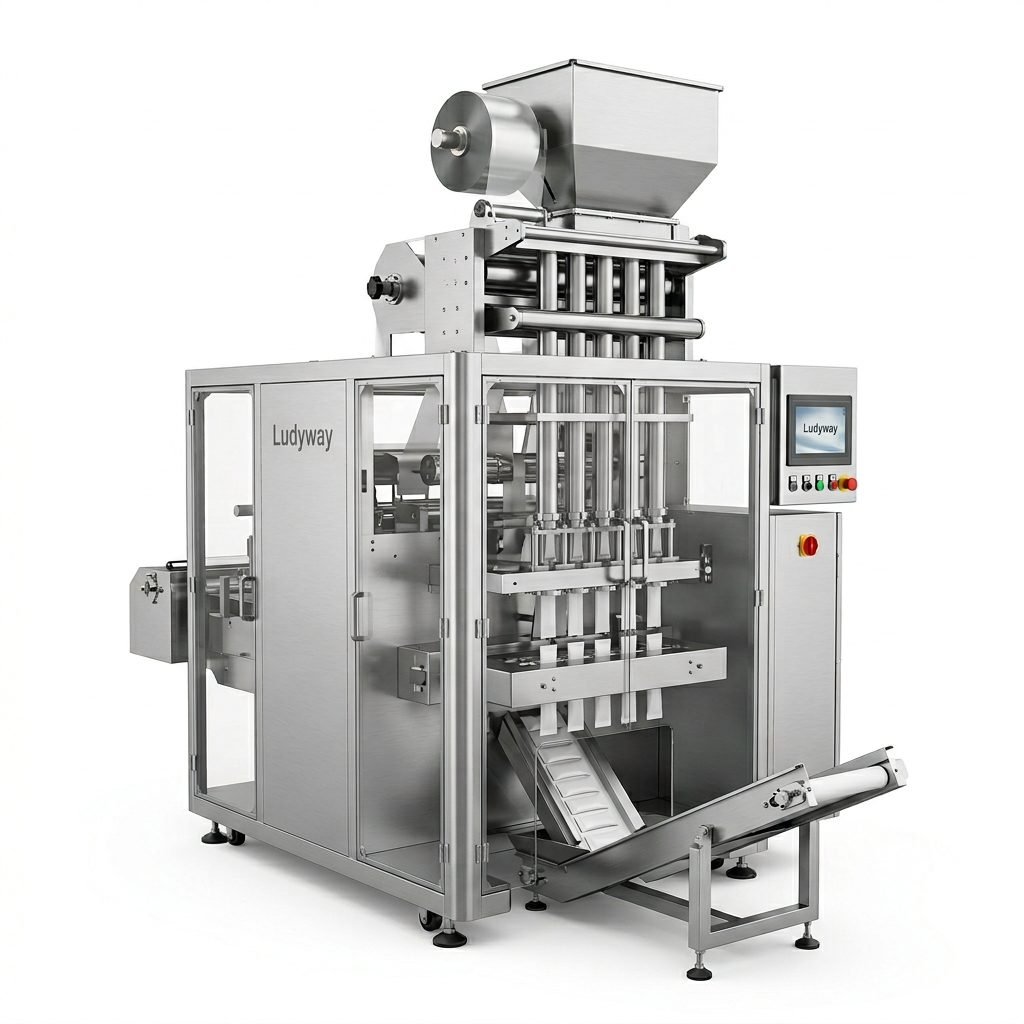
The operation of an automated packaging machine is a marvel of engineering coordination. It typically begins with the feeding of empty packaging materials, such as pouches, bottles, or cartons, into the machine’s indexing system. The product is then precisely measured and dispensed into these containers via advanced filling systems, which can be volumetric, auger-based, or liquid pumps depending on the product type. Following filling, the package is hermetically sealed—often using heat, pressure, or ultrasonic technology—to ensure product integrity. Finally, the finished packages are discharged, counted, and sometimes collated into larger shipping cases. This entire process is governed by a Programmable Logic Controller (PLC) and human-machine interface (HMI), allowing for precise control over speed, weight, and other critical parameters.
Key Components of a Modern System
A robust automated packaging line is built on several key components:
• The Feeding & Conveying System: This subsystem is responsible for the orderly supply of both products and packaging materials. It ensures a consistent flow, preventing bottlenecks.
• Precision Filling Heads: The heart of accuracy. These heads, whether for granules, powders, or liquids, guarantee that every package contains the exact specified amount, minimizing giveaway and ensuring compliance.
• Integrated Sealing Units: Utilizing heat, pressure, or cold sealing methods, this unit creates a durable, tamper-evident, and often resealable closure critical for product shelf life.
• Central Control Panel (PLC/HMI): The brain of the operation. It allows operators to set parameters, monitor performance in real-time, and quickly adjust settings for different products.
Transforming Production: The Efficiency Multipliers
The primary driver for adopting automated packaging is the dramatic improvement in production efficiency. This manifests in several tangible ways that directly impact a company’s bottom line and competitive edge.
1. Unmatched Speed and Output
Manual packaging is inherently limited by human speed and endurance. Automated machines operate continuously at high speeds, often packaging hundreds of units per minute. This exponential increase in output allows manufacturers to fulfill large orders quickly, reduce lead times, and scale operations to meet market growth without proportional increases in labor.
2. Remarkable Consistency and Quality Assurance
Human operators, despite best efforts, are subject to fatigue and variation. Automated systems perform the same task with robotic precision every single time. This ensures every package has the same fill weight, seal integrity, and appearance. This consistency drastically reduces the rate of rejects and product waste, enhancing overall product quality and brand reputation. It also ensures compliance with strict regulatory standards in industries like pharmaceuticals and food.
3. Significant Labor and Cost Optimization
While the initial investment is considerable, the long-term savings are substantial. Automation reduces dependency on large manual labor teams for repetitive packaging tasks, allowing staff to be redeployed to more value-added roles like machine supervision, quality control, and maintenance. This leads to lower long-term labor costs, reduced expenses related to human error (like product giveaway), and lower costs associated with workplace injuries in manual handling roles.
Beyond Speed: The Strategic Advantages
Efficiency isn’t just about doing things faster; it’s about doing them smarter. Automated packaging introduces strategic flexibility. Modern machines with quick-change parts and recipe memory can switch between different products or package sizes in minutes, enabling efficient small-batch production and just-in-time manufacturing. This agility is crucial in responding to market trends and custom orders. Furthermore, the data collected by these machines provides invaluable insights into Overall Equipment Effectiveness (OEE), helping managers identify bottlenecks and plan preventive maintenance, thus maximizing uptime.
Applications Across Global Industries
The versatility of automated packaging machines makes them indispensable across a wide spectrum of industries. In the food and beverage sector, they handle everything from snack granules and coffee powder to sauces and liquids, ensuring hygiene and extending shelf life. The pharmaceutical industry relies on them for the sterile, precise packaging of tablets, powders, and medical devices, where accuracy and traceability are non-negotiable. Similarly, in cosmetics and chemicals, these machines safely package creams, lotions, and granular detergents into sachets, sticks, or bottles.
Choosing the Right Partner for Your Automation Journey
Implementing an automated packaging solution is a strategic decision. Success hinges on partnering with a reliable provider who offers more than just hardware. A partner like Ludyway Packing Machine brings over a decade of specialized experience in crafting solutions for the food, pharmaceutical, and health industries. The ideal partner should offer:
• Comprehensive Product Range: Access to a wide selection of machines (like multi-lane stick pack and sachet systems) to find the perfect fit.
• Custom Engineering Capability: The expertise to tailor solutions to your specific product, output, and factory layout needs.
• Proven Global Support: Reliable after-sales service, technical support, and spare parts availability to ensure your line remains productive. Exploring the range of intelligent packaging models available is a critical first step.
Conclusion: The Future is Automated
The integration of automated packaging machinery is no longer a luxury but a necessity for manufacturers aiming to thrive in a competitive global market. By dramatically improving speed, consistency, and cost-efficiency, these systems provide a clear path to enhanced productivity and profitability. As technology advances, incorporating more IoT connectivity and AI-driven optimization, the role of automation will only become more central. Investing in the right automated packaging solution, supported by an experienced partner, is an investment in the future resilience and growth of any production operation. For insights into implementing a complete turnkey production line, professional guidance is essential.
Frequently Asked Questions (FAQs)
What types of products can be packaged with an automated machine?
Automated packaging machines are highly versatile and can handle a vast array of products including dry goods (granules, powders, seeds), liquids (water, oils, sauces), pastes (creams, ointments), and solid items (tablets, capsules, small hardware). The machine configuration—particularly the filling system—is chosen based on the product’s physical characteristics.
How significant is the initial investment, and what is the typical ROI?
The initial investment varies widely based on machine complexity, speed, and level of customization. While it can be substantial, the Return on Investment (ROI) is often realized within 1-3 years through labor savings, reduced material waste, increased output, and lower error rates. A detailed cost-benefit analysis with your supplier is crucial.
Can one machine handle different package sizes or products?
Yes, many modern automated packagers are designed with flexibility in mind. They feature quick-change parts (like forming tubes and filling nozzles) and digital recipe storage, allowing for relatively fast changeovers between different package sizes or even different products, making them suitable for batch production.
What kind of maintenance do these machines require?
Regular preventive maintenance is key to longevity and uptime. This typically includes daily cleaning, lubrication of moving parts, inspection of seals and wear components, and calibration of scales and sensors. Most reputable suppliers offer training and maintenance schedules. The robustness of the machine’s construction, as seen in equipment from established providers, directly impacts maintenance frequency.
How do I choose between a single machine and a complete turnkey line?
The choice depends on your scale and process. A single machine integrates into an existing line for a specific task (e.g., filling). A turnkey line is a fully integrated system from product inlet to palletizing, designed for greenfield projects or major upgrades. A partner with strong engineering capabilities can help analyze your workflow and recommend the most efficient and scalable solution.