In the dynamic world of food and cosmetic manufacturing, the presentation and preservation of cream-based products are paramount. A cream packaging machine is not merely a piece of equipment; it’s the final guardian of product quality, shelf life, and brand image. From luxurious skincare creams to decadent food toppings, the right packaging solution ensures consistency, hygiene, and efficiency on the production line. This comprehensive guide delves into the various types of cream packaging machines, explains their core working principles, and provides a structured framework to help you select the perfect solution for your specific operational needs.
Understanding the Different Types of Cream Packaging Machines
The choice of machinery depends heavily on the product’s viscosity, filling volume, and desired packaging format. Here are the primary types used in the industry.
1. Piston Filling Machines
These are the most common and versatile machines for packaging creams, especially thicker formulations like cosmetic creams, ointments, and food pastes. A piston within a cylinder draws a precise volume of product and then dispenses it into containers. They are renowned for their high accuracy and ability to handle products with particulates.
2. Auger Filling Machines
Ideal for free-flowing and semi-solid creams, such as lotions or certain food creams. The product is fed into a hopper, and a rotating auger (screw) moves it down into the container. The fill volume is determined by the number of auger rotations, making them excellent for precise, dust-free filling of powders and creams alike.
3. Volumetric Cup Filling Machines
This system uses adjustable cups to scoop a set volume of product from a reservoir and deposit it into containers. It’s a simple, cost-effective solution suitable for low to medium-viscosity creams where ultra-high precision is less critical. They are gentle on the product, making them a good fit for delicate formulations.
4. Form-Fill-Seal (FFS) Machines
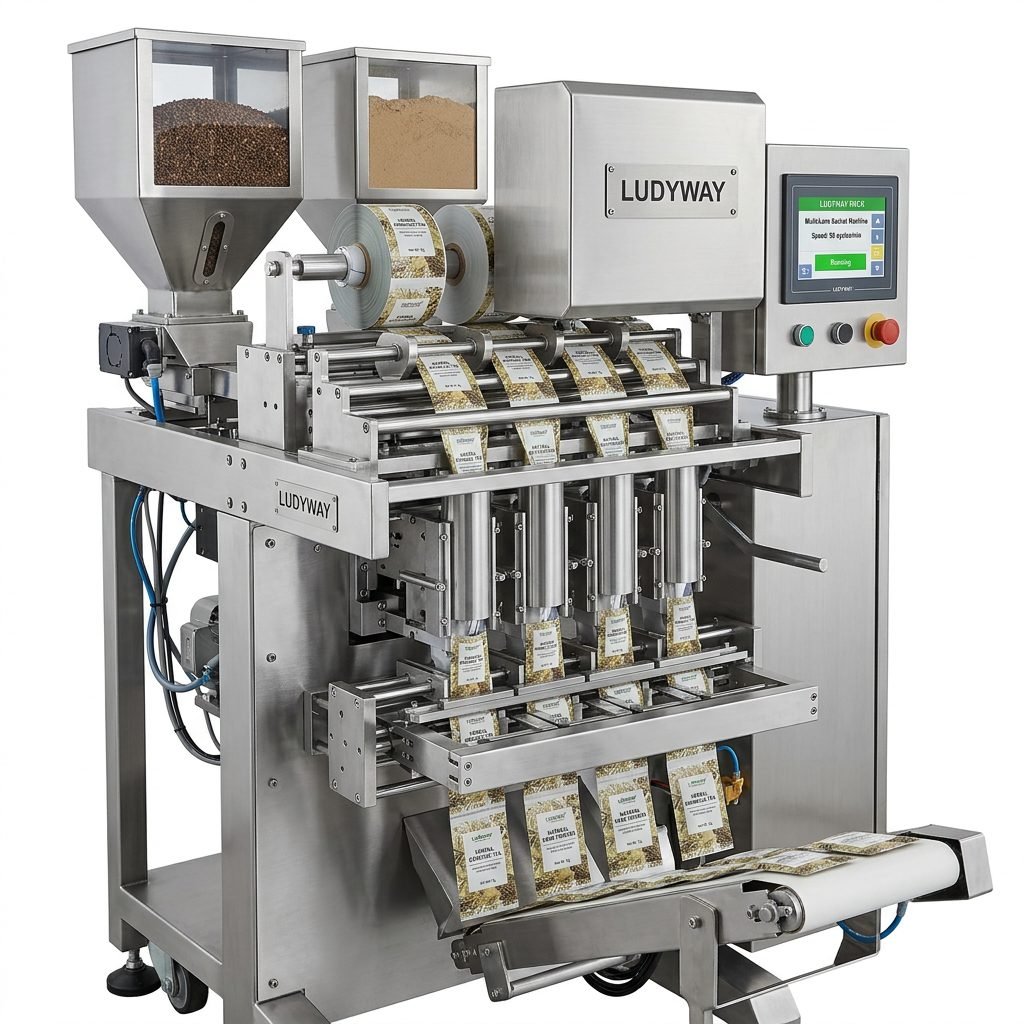
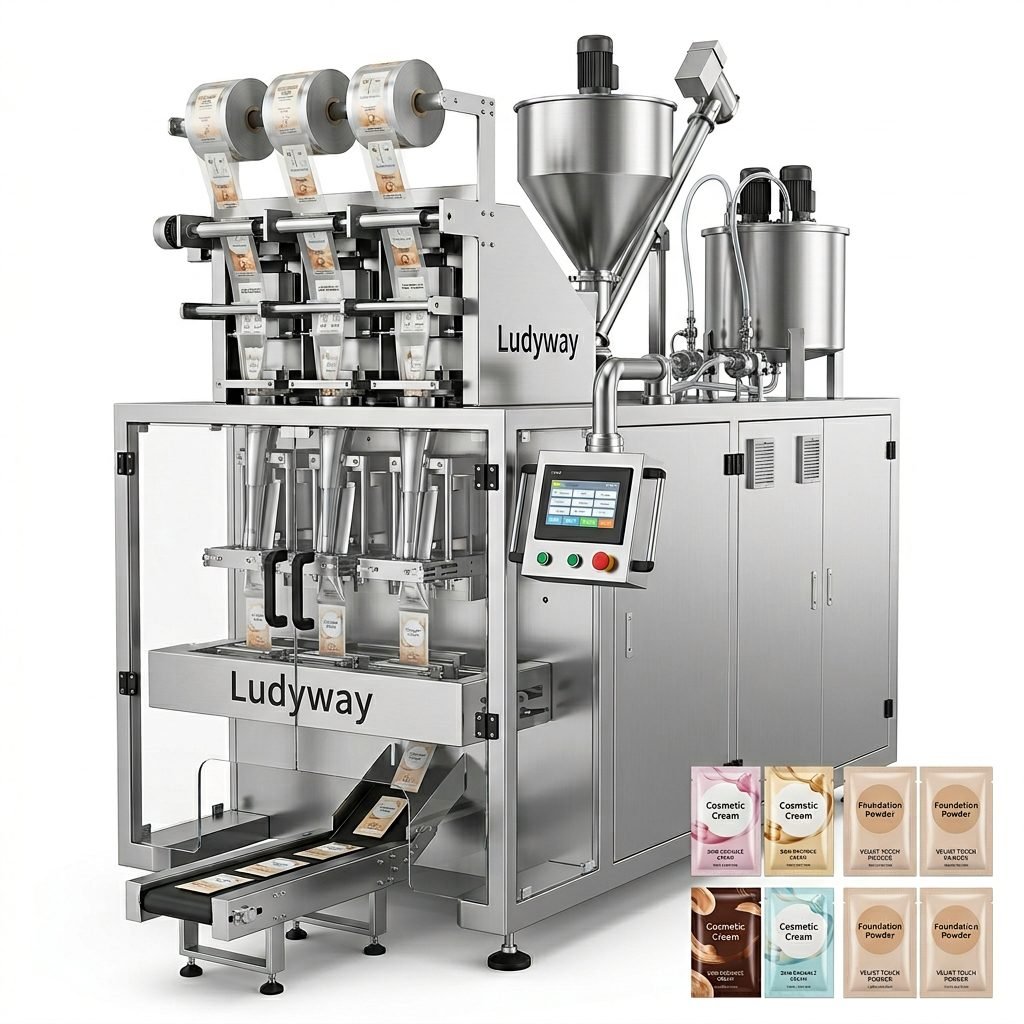
For single-serve sachets or stick packs of cream, FFS machines are the go-to technology. They create the packaging from a roll of film, form it into a pouch, fill it with a pre-measured amount of cream, and then seal it—all in one continuous, automated process. This method is highly efficient for portion-controlled packaging.
5. Tube Filling and Sealing Machines
Specifically designed for packaging creams into laminated, plastic, or metal tubes. These machines automatically orient empty tubes, fill them with cream using a piston or pump, and then seal the open end (via heat sealing or folding/crimping). They are essential for products like toothpaste, facial creams, and adhesives.
Deconstructing the Working Principle
While each type has its unique mechanism, most cream packaging machines follow a generalized sequence of operations to ensure a sterile and efficient process.
Step 1: Product Supply & Homogenization
The cream is transferred from a bulk supply tank to the machine’s hopper or product cylinder. An integrated mixing or agitation system often runs continuously to prevent separation and maintain a uniform consistency, which is critical for filling accuracy.
Step 2: Precise Metering
This is the heart of the operation. Depending on the machine type:
• Piston Fillers: The piston retracts to pull product into the cylinder, then advances to push it out.
• Auger Fillers: The auger rotates a specific number of times to displace a set volume.
• Pump Fillers: A rotary or peristaltic pump delivers a calibrated amount.
Step 3: Container Handling & Filling
Empty containers (jars, tubes, pouches) are fed, often via a rotary indexing table or a linear conveyor, to the filling nozzle. The nozzle descends into the container (or remains above it for non-drip filling), and the metered dose of cream is dispensed. Nozzle design is crucial to avoid splashing, dripping, or incorporating air.
Step 4: Sealing & Capping
Immediately after filling, the container moves to the sealing station. This could involve placing and tightening a screw cap, heat-sealing a lidding film onto a jar, crimping a tube, or sealing the formed pouch in an FFS machine. This step ensures product integrity and prevents contamination.
Step 5: Coding & Discharge
The final step often includes printing batch codes, expiry dates, or lot numbers onto the packaging. The finished, sealed containers are then discharged onto a conveyor for secondary packaging or case packing.
How to Choose the Right Cream Packaging Solution
Selecting the ideal machine requires a careful analysis of your product, production goals, and operational environment. Use this checklist to guide your decision.
1. Analyze Your Product Characteristics
• Viscosity: Is it a runny lotion or a thick paste? This is the single most important factor. Piston fillers handle high viscosity best, while augers are better for medium to low viscosity.
• Sensitivity: Does the cream contain active ingredients, vitamins, or is it shear-sensitive? Gentle filling methods like volumetric cup or specific piston designs are preferable.
• Presence of Particulates: For creams with seeds or exfoliating beads, a piston filler with a specially designed valve is often necessary to avoid clogging or crushing the particulates.
2. Define Your Packaging Format & Output
• Container Type & Size: Jar, tube, sachet, or stick pack? The machine must be compatible and easily adjustable for different container sizes within a range.
• Required Speed (Output): Calculate your required units per minute/hour. A professional packaging expert can help match a machine’s capability to your current and future production volumes.
• Accuracy Needs: High-value cosmetic or pharmaceutical creams demand extremely tight fill weight tolerances (±0.5% or better), which influences the choice between piston and auger technology.
3. Evaluate Machine Construction & Hygiene
• Contact Parts Material: All parts touching the product (hoppers, pistons, cylinders, nozzles) should be made of food-grade or pharmaceutical-grade stainless steel (e.g., 316L) for easy cleaning and corrosion resistance.
• Cleaning & Changeover: How quickly can the machine be disassembled for cleaning (CIP/SIP capabilities)? Quick changeover between products or container sizes minimizes downtime.
• Safety & Compliance: Ensure the machine meets relevant safety standards (CE, UL) and is designed for the hygiene zone it will operate in (e.g., GMP for pharmaceuticals).
4. Consider Automation & Integration Level
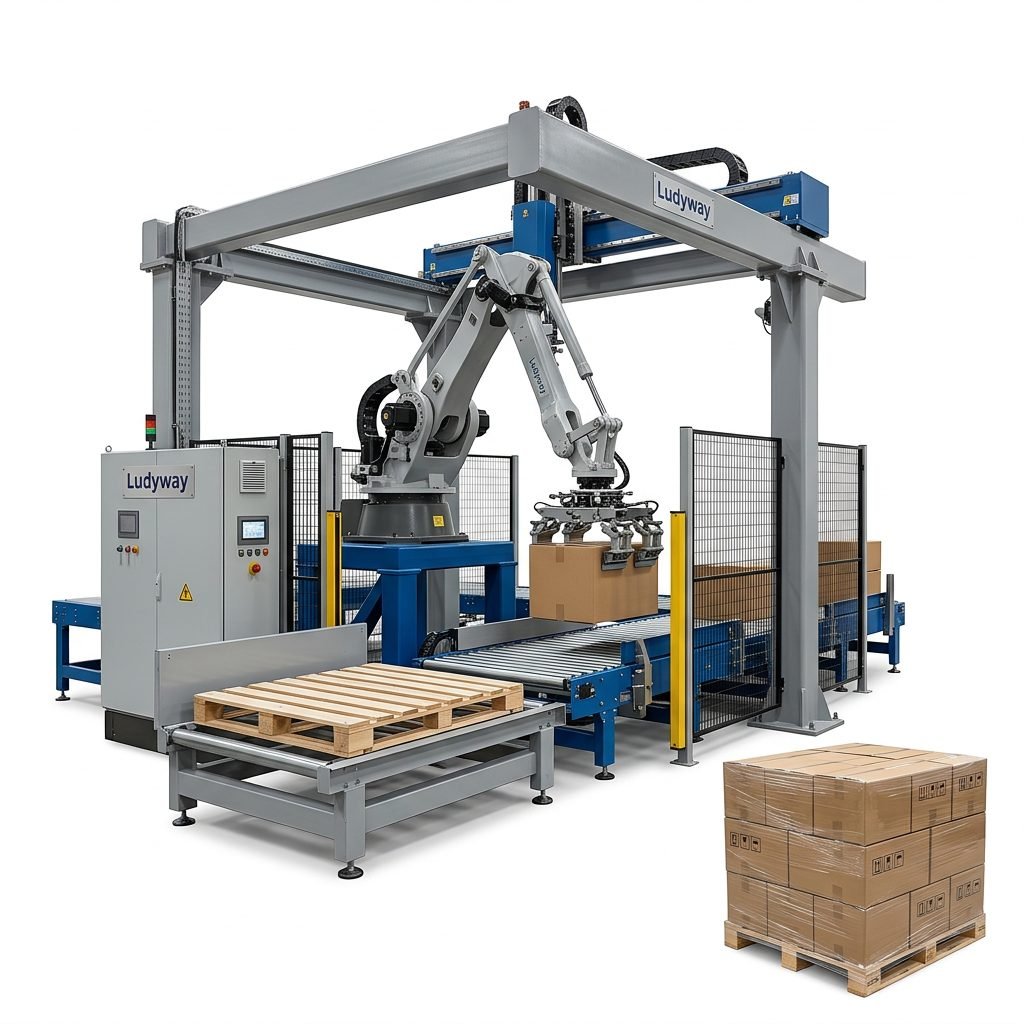
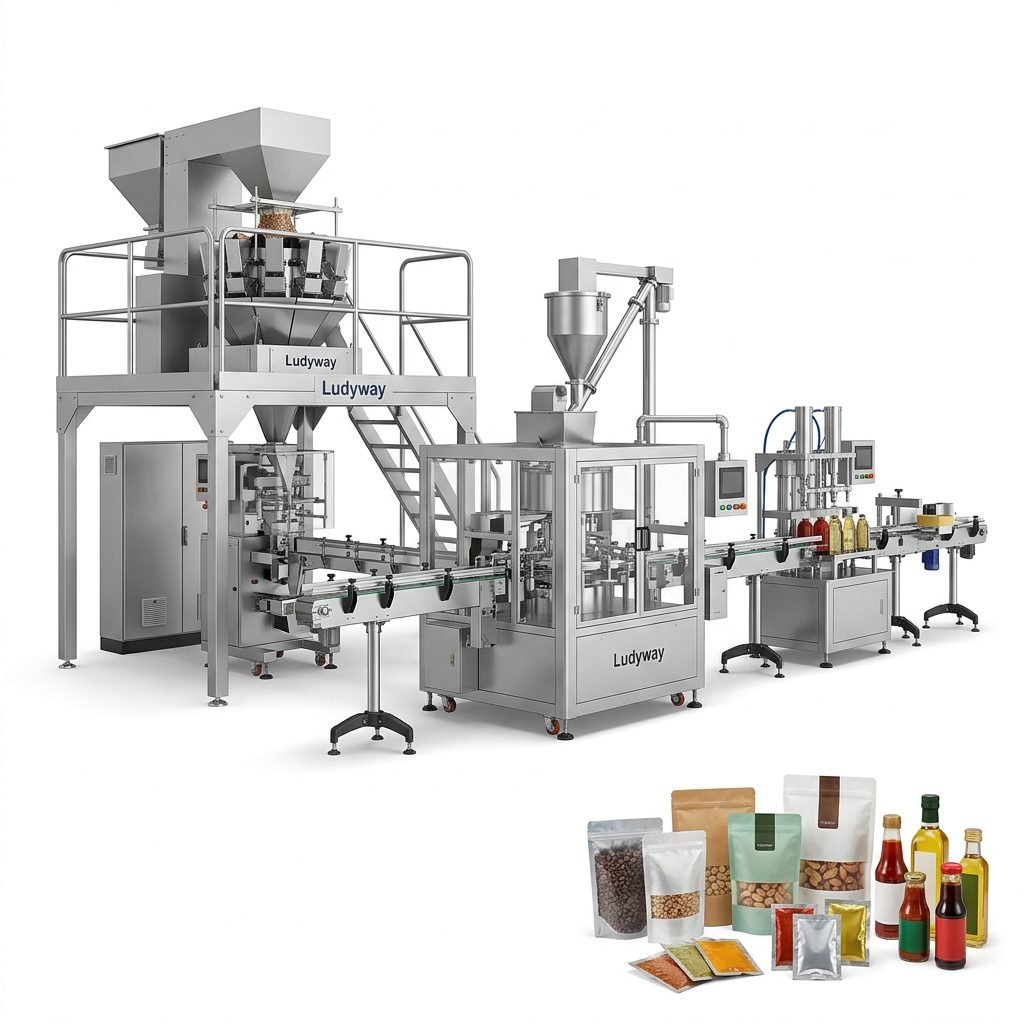
Do you need a standalone filler or a fully integrated line? An integrated turnkey production line with automatic container feeding, filling, capping, labeling, and case packing maximizes efficiency and reduces labor costs for high-volume production. For smaller batches, a semi-automatic machine might be more economical.
5. Assess Supplier Credibility & Support
The machine is a long-term investment. Partner with a supplier known for:
• Proven Experience: Look for a supplier with a solid track record in cream packaging, like Ludyway Machinery, which brings years of focused industry experience.
• Reliable After-Sales Service: Availability of spare parts, responsive technical support, and comprehensive training are non-negotiable for maintaining uptime.
• Testing & Customization: A reputable supplier will offer to test your product on their equipment and provide customized solutions to meet unique challenges.
Conclusion
Investing in the right cream packaging machine is a strategic decision that impacts product quality, operational efficiency, and your bottom line. By thoroughly understanding the different machine types, their working principles, and systematically evaluating your needs against the key selection criteria—product properties, packaging format, hygiene, automation, and supplier support—you can make an informed choice. This ensures you acquire a robust, reliable solution that not only meets today’s production demands but also scales with your business growth, protecting your brand’s reputation with every perfectly filled and sealed container.
Frequently Asked Questions (FAQs)
1. What is the most accurate type of filling machine for thick creams?
For thick, high-viscosity creams and pastes, piston filling machines are typically the most accurate. They provide excellent volumetric control and can maintain fill weight tolerances within ±0.5% or better, which is crucial for costly cosmetic or pharmaceutical products.
2. Can one machine handle both creams and lotions?
Yes, but with considerations. Many piston fillers are versatile and can handle a wide viscosity range by changing pistons, cylinders, or adjusting valves. It’s essential to consult with the machine manufacturer and conduct product tests to ensure consistent performance across different formulations.
3. How important is the material of the machine’s contact parts?
Extremely important. All parts that touch the product must be made of high-grade, non-reactive materials like 316L stainless steel. This ensures product safety, prevents contamination, allows for effective sanitization, and meets stringent food and pharmaceutical industry regulations.
4. What does “changeover time” mean, and why does it matter?
Changeover time is the duration required to switch the machine from running one product or container size to another. A shorter changeover time, facilitated by tool-less adjustments and quick-release parts, significantly increases production flexibility and reduces downtime, making your operation more responsive and efficient, especially for smaller batch production.
5. Should I choose a semi-automatic or fully automatic machine?
The choice depends on your production volume and labor costs. Semi-automatic machines (requiring manual container placement) are ideal for low-volume production, pilot batches, or start-ups. Fully automatic machines (with automated container feeding and handling) are necessary for high-speed, high-volume production lines as they maximize output and minimize long-term operational costs.