For pet care manufacturers, selecting the right packaging machine is a critical operational decision. It directly impacts product integrity, production efficiency, brand perception, and ultimately, your bottom line. This comprehensive guide will walk you through the various types of packaging machines available, their key features, and a structured approach to choosing the best solution for your specific needs.
Understanding the Packaging Landscape for Pet Care Products
The pet care market is diverse, encompassing dry food, treats, supplements, powders (like probiotics or joint support), liquids (shampoos, oils), and semi-moist pastes. Each product type has unique packaging requirements to ensure freshness, prevent contamination, and provide convenience for the end-user—both the pet owner and, indirectly, the pet.
Effective packaging must serve multiple functions: it is a primary barrier against moisture, oxygen, and light; it must be durable enough to withstand shipping and handling; and it serves as a crucial marketing touchpoint on the shelf or online. The right packaging machine is the engine that delivers this consistently and cost-effectively.
Core Objectives of Pet Care Packaging
- Preservation: Extending shelf life by creating a secure barrier.
- Dosing Accuracy: Ensuring each pack contains the precise amount, vital for supplements and medications.
- Tamper Evidence: Providing visible proof of safety and integrity.
- Branding & Clarity: Offering a high-quality print surface for nutritional information and brand messaging.
- Operational Efficiency: Maximizing output while minimizing waste and downtime.
Types of Pet Care Packaging Machines
Machines are typically categorized by the package form they produce and the product format they handle. Here are the most common types used in the industry.
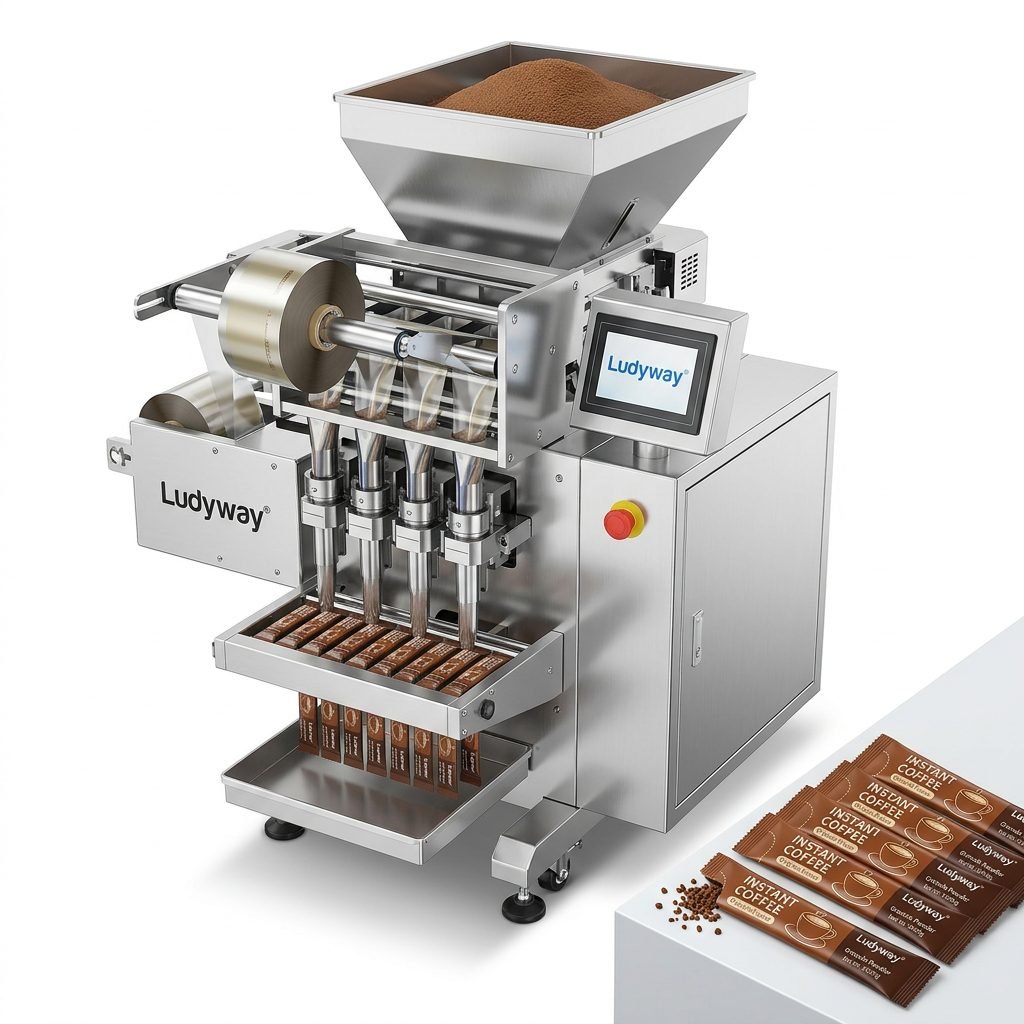
1. Stick Pack & Sachet Packaging Machines
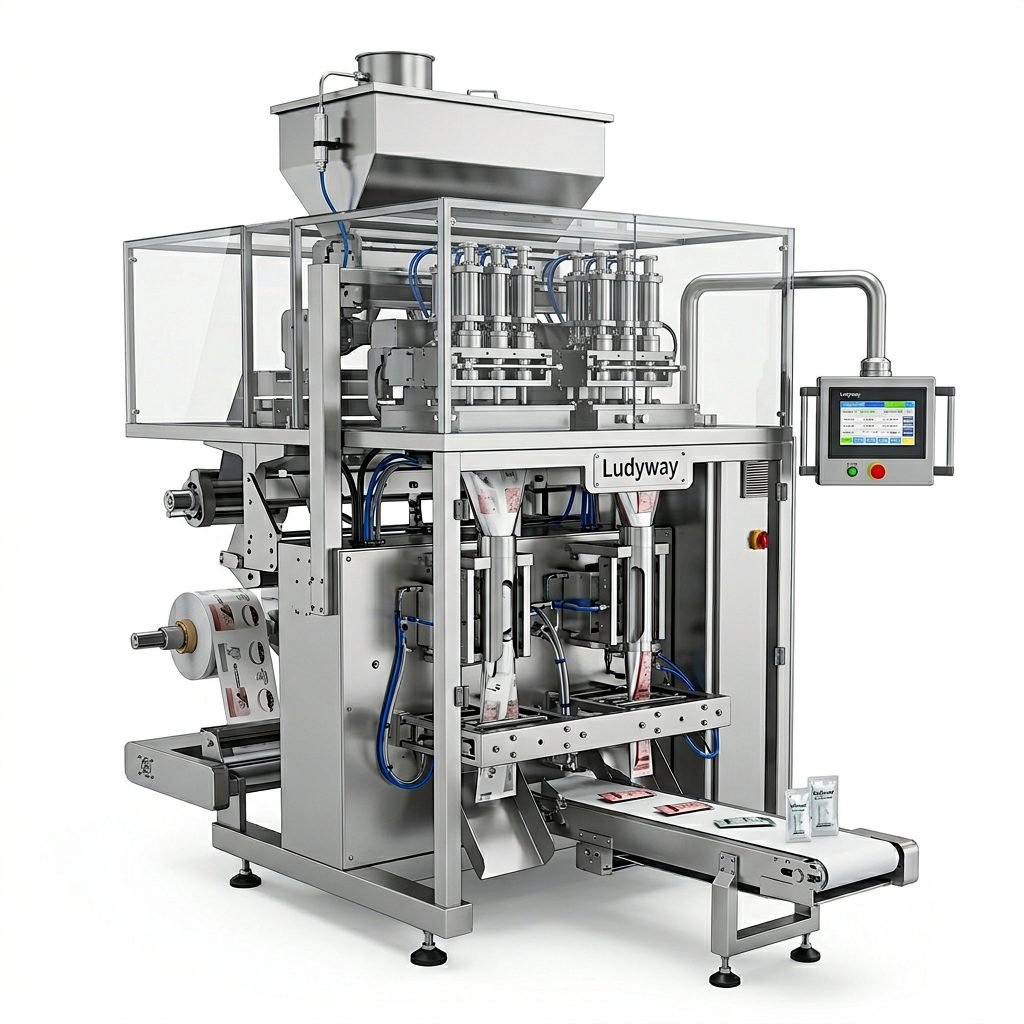
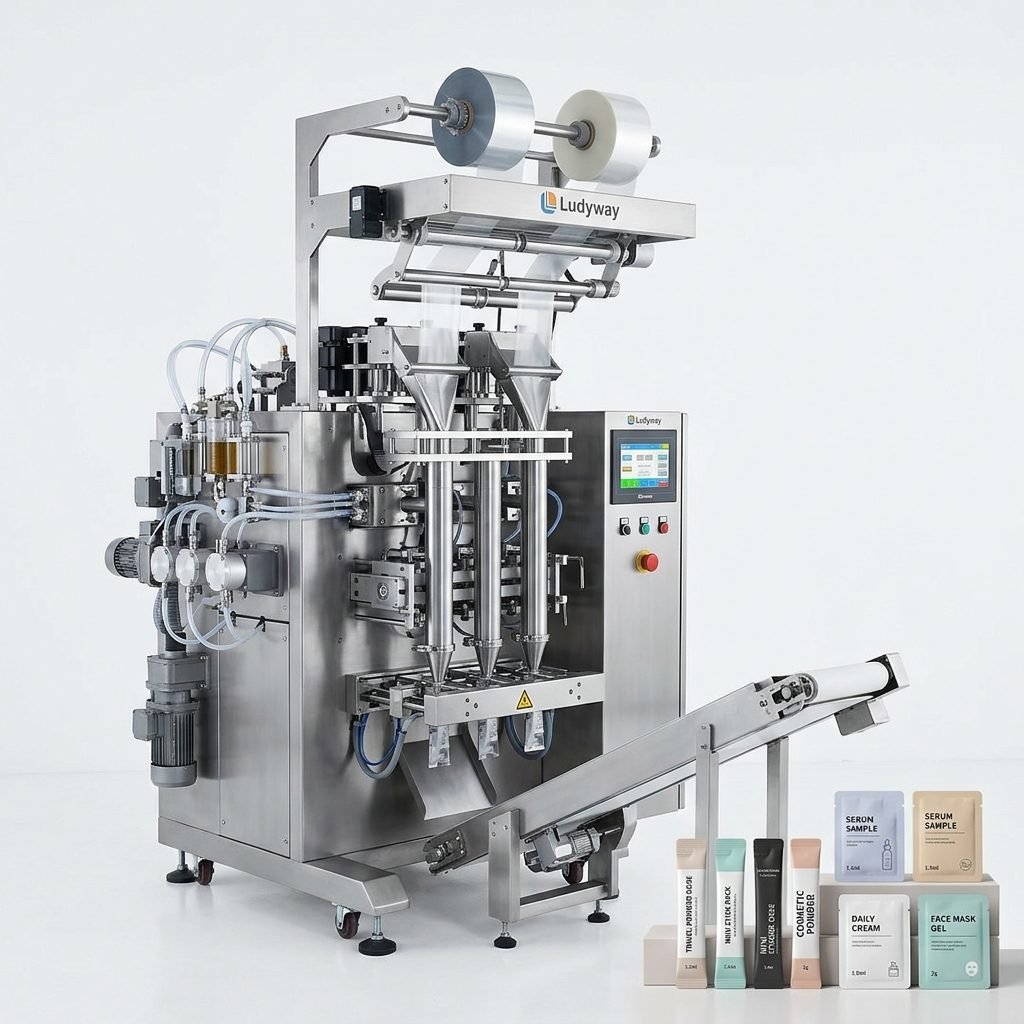
Ideal for single-serve portions of powders, granules, or liquids. These are perfect for pet supplements, powdered milk replacers, liquid vitamins, or small treat samples.
Key Applications: Electrolyte powders, probiotic supplements, liquid toppings, sample-sized dry food.
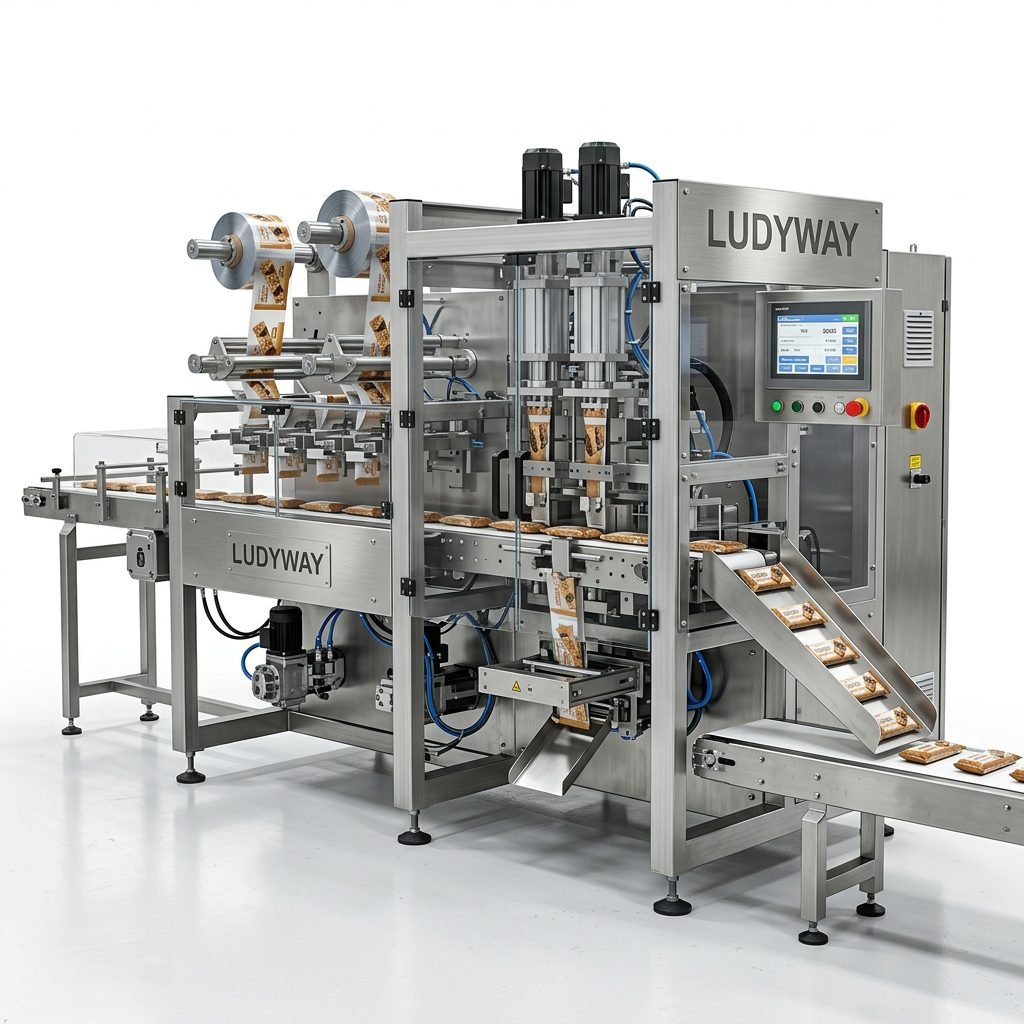
2. Granule & Powder Packaging Machines
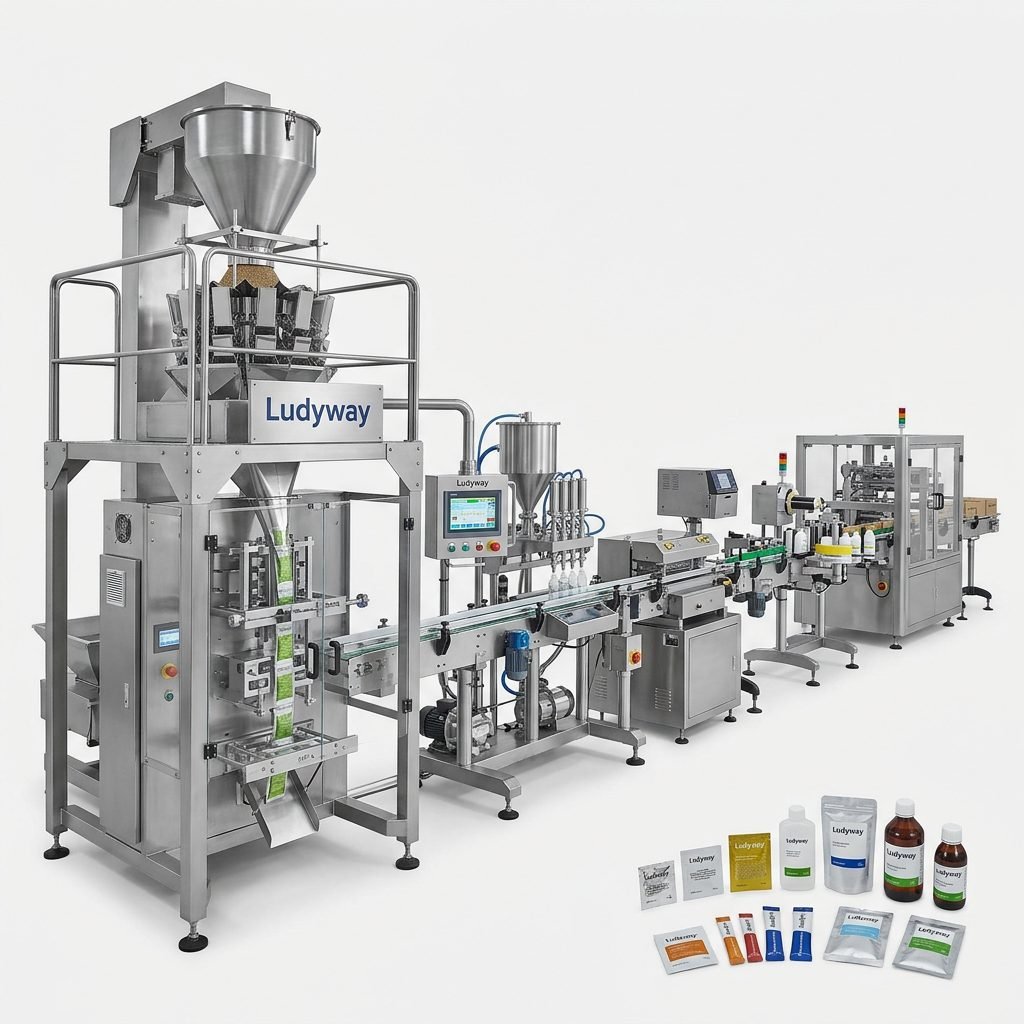
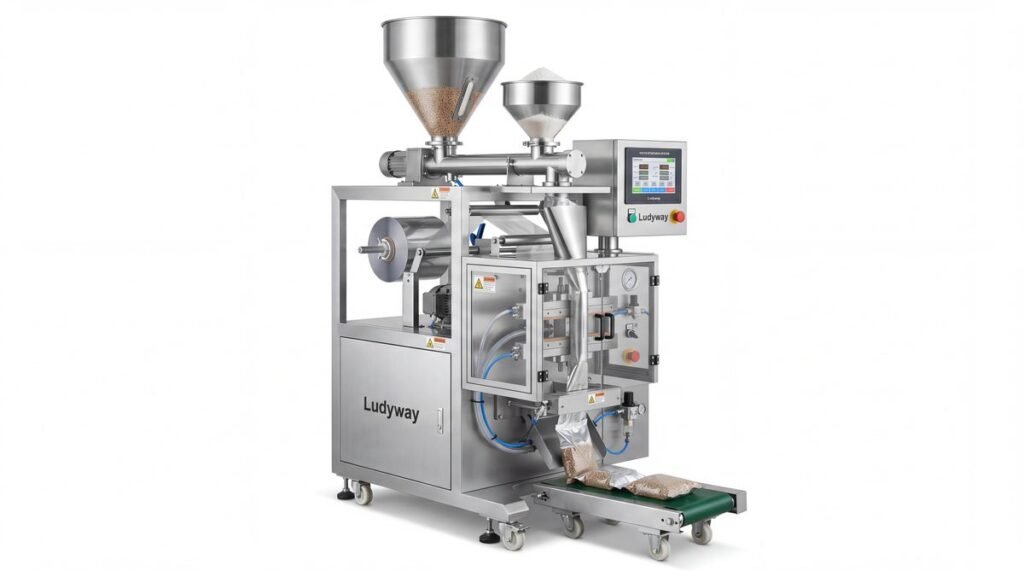
These are workhorses for dry pet food, treats, and powdered supplements. They use vertical form-fill-seal (VFFS) technology to create bags from a roll of film, fill them by weight or volume, and seal them.
Key Features: Multi-head weighers for speed and accuracy, nitrogen flushing capabilities for freshness, and robust sealing systems for dense products.
3. Liquid & Paste Packaging Machines
Designed to handle viscous products like shampoos, conditioners, nutritional oils, or paste-style treats. They can fill into pre-made bottles, pouches, or sachets.
Key Considerations: Pump type (e.g., piston, peristaltic) for different viscosities, drip-free nozzles, and compatibility with various container types.
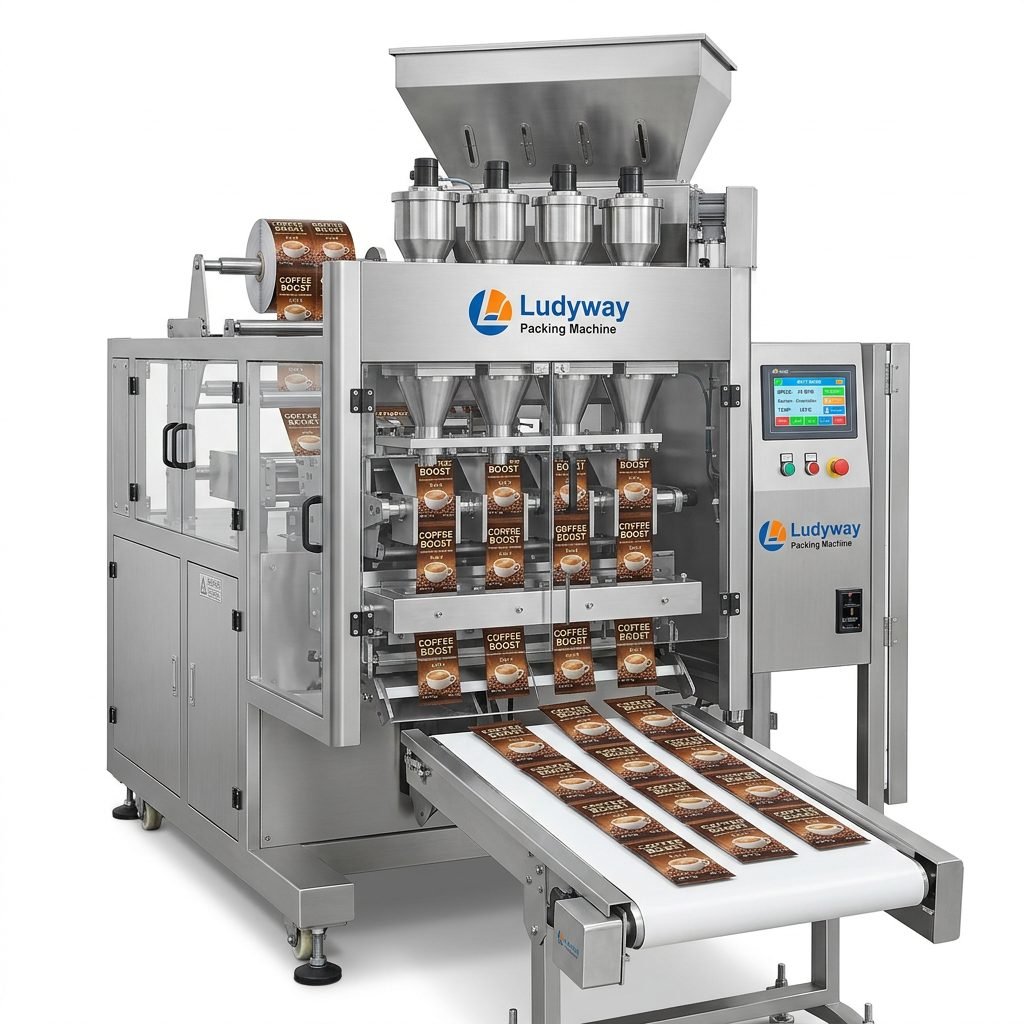
4. Multi-Lane & High-Speed Packaging Systems
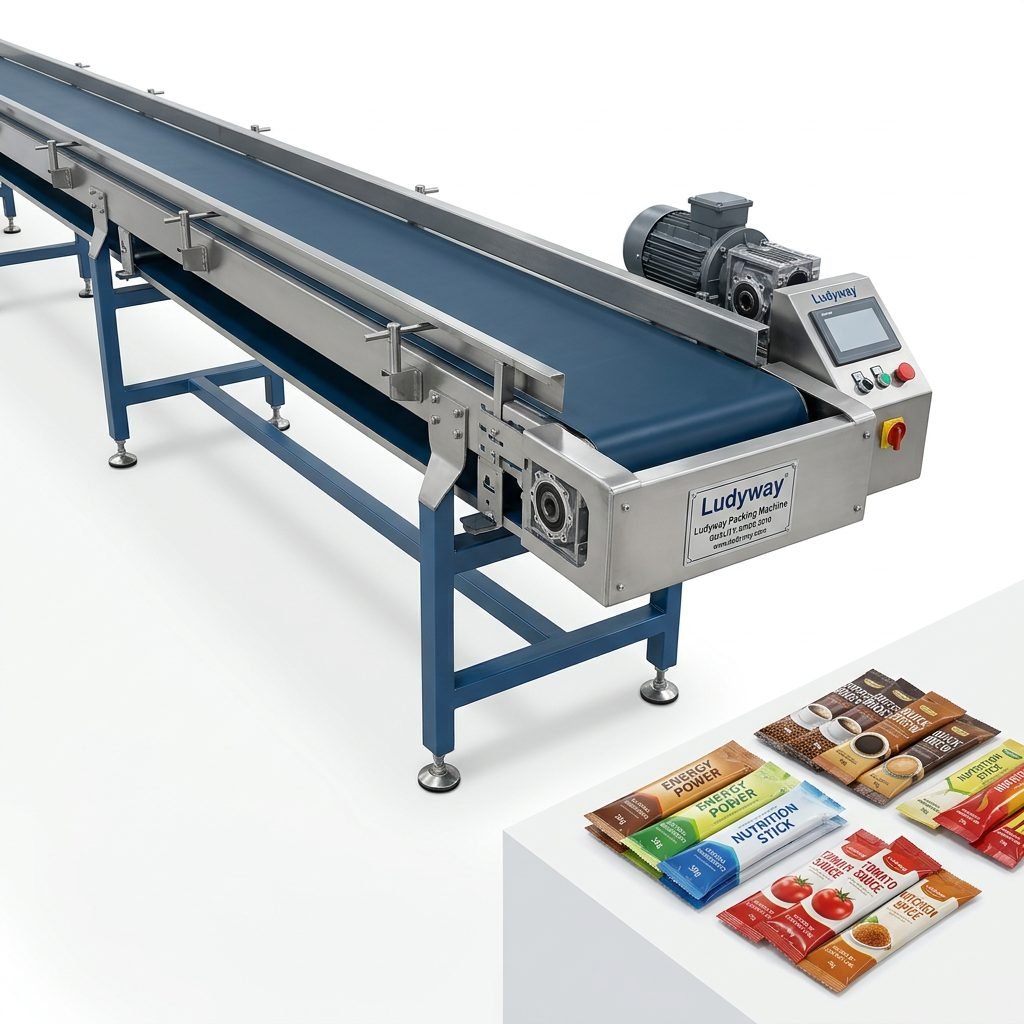
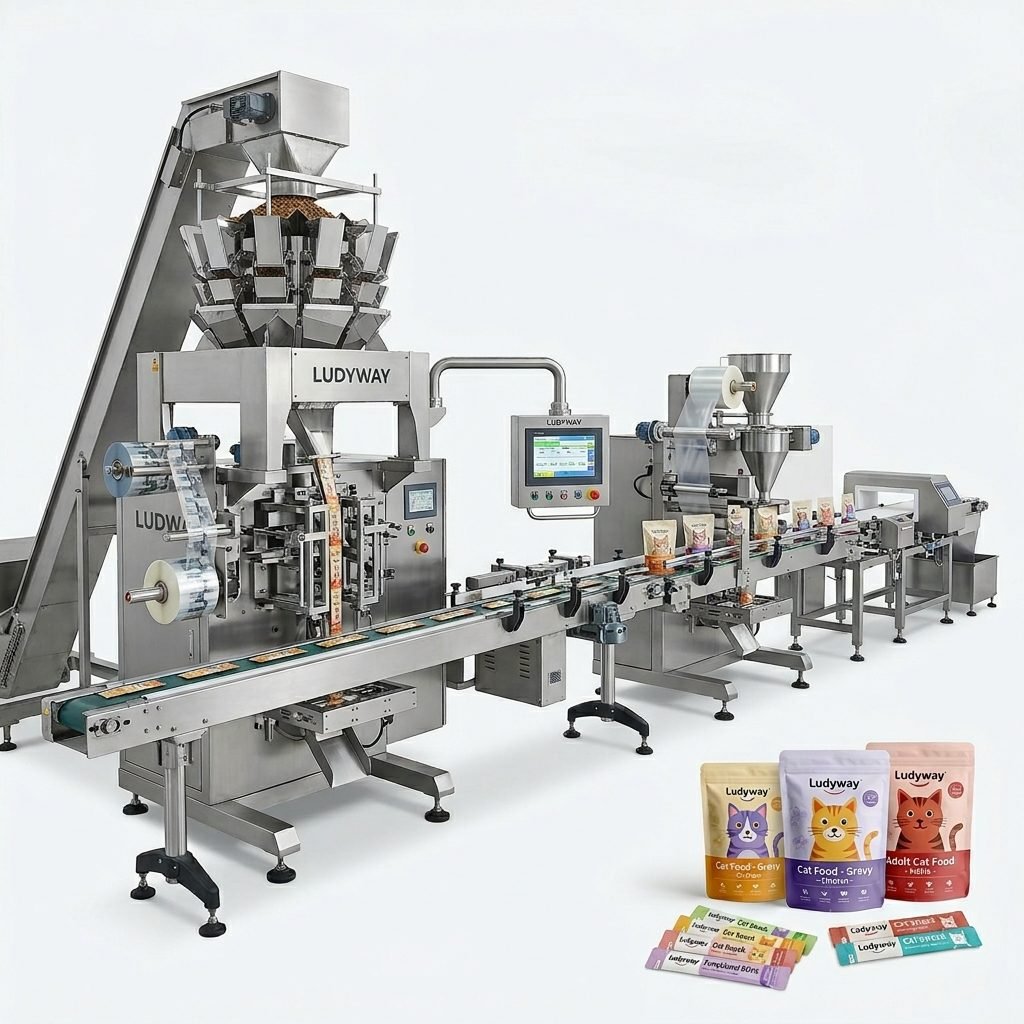
For large-scale production, multi-lane machines run several packaging lines in parallel from a single feeder. This dramatically increases output for high-volume items like small treat bags or supplement sticks.
Best For: Manufacturers with high production targets for standardized products, looking to optimize floor space and labor costs.
Essential Features to Evaluate
Beyond the machine type, specific features determine its suitability for your production environment and product specs.
Accuracy & Dosing Systems
Precision is non-negotiable, especially for supplements. Look for machines with servo-driven auger fillers for powders or high-precision liquid pumps. Check the machine’s weight variation tolerance (±1% or better is often standard for quality equipment).
Packaging Material Compatibility
Can the machine run the films or laminates you need? Consider barriers (METPET, AL foil for high-fat treats), seal integrity (cold seal vs. heat seal), and print quality requirements. A versatile machine that handles a range of materials offers future flexibility.
Automation & Integration Level
From semi-automatic to fully integrated lines. Key questions: Does it include automatic film splicing for uninterrupted runs? Can it integrate with upstream mixers or downstream cartoners? Is there a user-friendly HMI (Human-Machine Interface) for quick changeovers and recipe management?
Hygiene & Cleanability
Pet food safety is paramount. Machines should have stainless steel contact parts, smooth surfaces without crevices, and designs that allow for easy disassembly and cleaning (CIP/SIP systems are a premium feature).
How to Choose the Best Solution: A Step-by-Step Guide
Step 1: Define Your Product & Production Parameters
Start with clarity. Document your product’s physical characteristics (flowability, abrasiveness, oil content), desired package size/type, required output (bags per minute/hour), and any special needs like gas flushing.
Step 2: Assess Your Current & Future Capacity Needs
Don’t just buy for today. Plan for 3-5 years of growth. A slightly more capable and modular machine may have a higher initial cost but prevent a costly replacement down the line. Consider suppliers with a broad range of models who can support your scaling journey.
Step 3: Prioritize Key Features
Based on your product, create a “must-have” vs. “nice-to-have” list. Is speed your ultimate driver, or is flawless accuracy for premium supplements your top priority? This will guide your trade-off decisions.
Step 4: Evaluate Supplier Expertise & Support
The machine is only part of the solution. The supplier’s role is critical. Look for a partner with proven experience in the pet care sector. They should understand your regulatory and hygiene challenges. Evaluate their after-sales service, spare parts availability, and technical support network. A company with deep industry roots often provides more reliable long-term partnership.
Step 5: Analyze Total Cost of Ownership (TCO)
Look beyond the invoice price. Factor in installation, training, maintenance costs, energy consumption, expected downtime, and the cost of packaging material waste during changeovers. A robust, efficient machine from a reputable supplier like Ludyway Packaging Machinery often delivers a lower TCO despite a potentially higher initial investment.
Step 6: Request a Product Test
Always insist on a live production test using your actual product and packaging materials. This is the only way to verify speed, accuracy, seal quality, and ease of operation firsthand.
Conclusion
Investing in a pet care packaging machine is a strategic decision that requires careful analysis of your product portfolio, production goals, and growth plans. By thoroughly understanding the different machine types, critically evaluating essential features, and following a structured selection process that emphasizes supplier partnership and total cost of ownership, you can secure a solution that not only packages your products but also protects your brand and propels your business forward. The right machine is a reliable, efficient partner in delivering quality and value to pets and their owners.
Frequently Asked Questions (FAQs)
What is the most important factor when choosing a machine for pet supplements?
Dosing accuracy is paramount. Inconsistent amounts can render a supplement ineffective or, worse, cause harm. Prioritize machines with precision auger or pump systems and proven low weight variance, especially for active ingredients.
Can one machine handle both dry food and liquid treats?
Generally, no. Powder/granule machines and liquid fillers are designed for fundamentally different product behaviors. While some versatile pouch machines can switch between formats with significant changeover, dedicated machines for each type typically offer better performance, hygiene, and efficiency.
How can I ensure my packaging maintains product freshness?
Choose a machine compatible with high-barrier packaging films (e.g., with aluminum foil or special coatings). Furthermore, opt for machines that offer integrated gas flushing (like nitrogen) capability. This technology displaces oxygen inside the package before sealing, significantly extending shelf life and preventing oxidation of fats.
What level of automation do I really need?
This depends on your labor costs and volume. For lower volumes or frequent product changes, a semi-automatic machine may be sufficient. For high-volume, SKU-consistent production, full automation with automatic feeding, weighing, and bagging drastically reduces labor costs, minimizes human error, and increases overall output and consistency.
Why is supplier support so heavily emphasized?
Packaging machines are complex and require maintenance. A reliable supplier provides crucial installation, operator training, prompt technical support, and ready access to genuine spare parts. This support minimizes costly downtime and ensures your machine operates at peak efficiency throughout its lifespan, protecting your investment.