Investing in a rice packaging machine is a critical decision for food producers, agricultural processors, and export-oriented businesses. The right equipment can dramatically improve your production efficiency, reduce labor costs, and ensure consistent product quality. However, with dozens of machine types, configurations, and technical specifications available, the selection process can feel overwhelming. This guide breaks down everything you need to know to choose the best rice packaging machine for your specific application.
Understanding Rice Packaging Machine Types
Rice packaging equipment comes in various configurations, each suited to different production volumes, package formats, and operational requirements. Understanding these categories is the first step toward narrowing down your options.
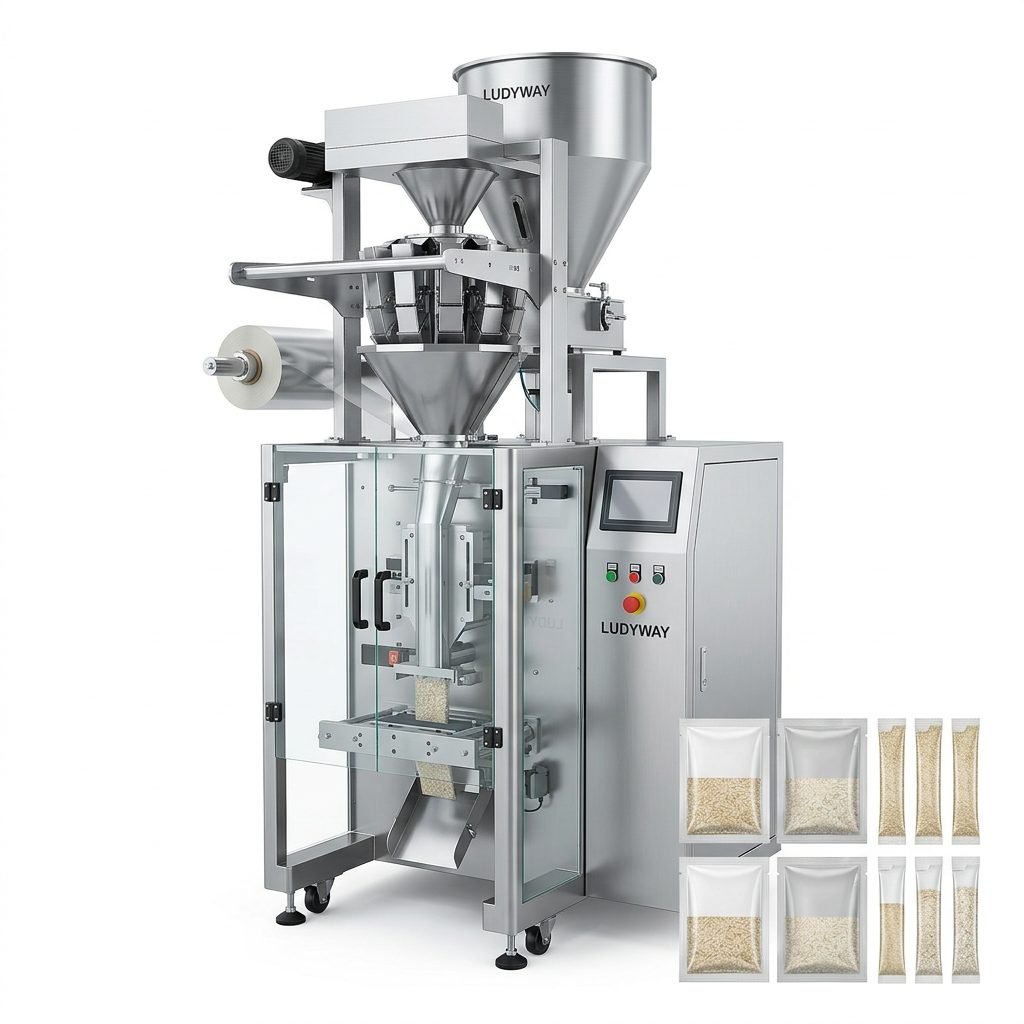
1. Vertical Form Fill Seal (VFFS) Machines
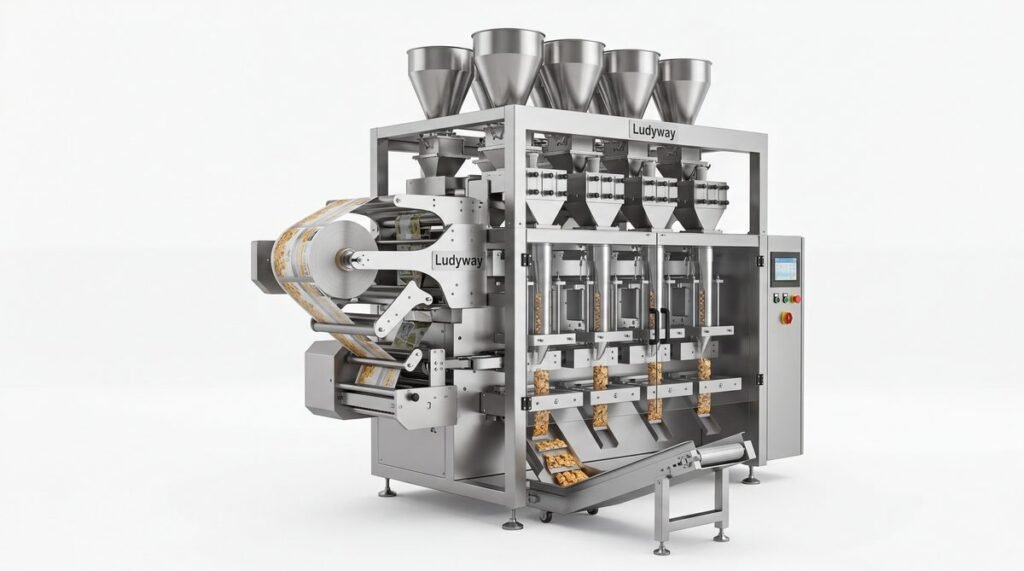
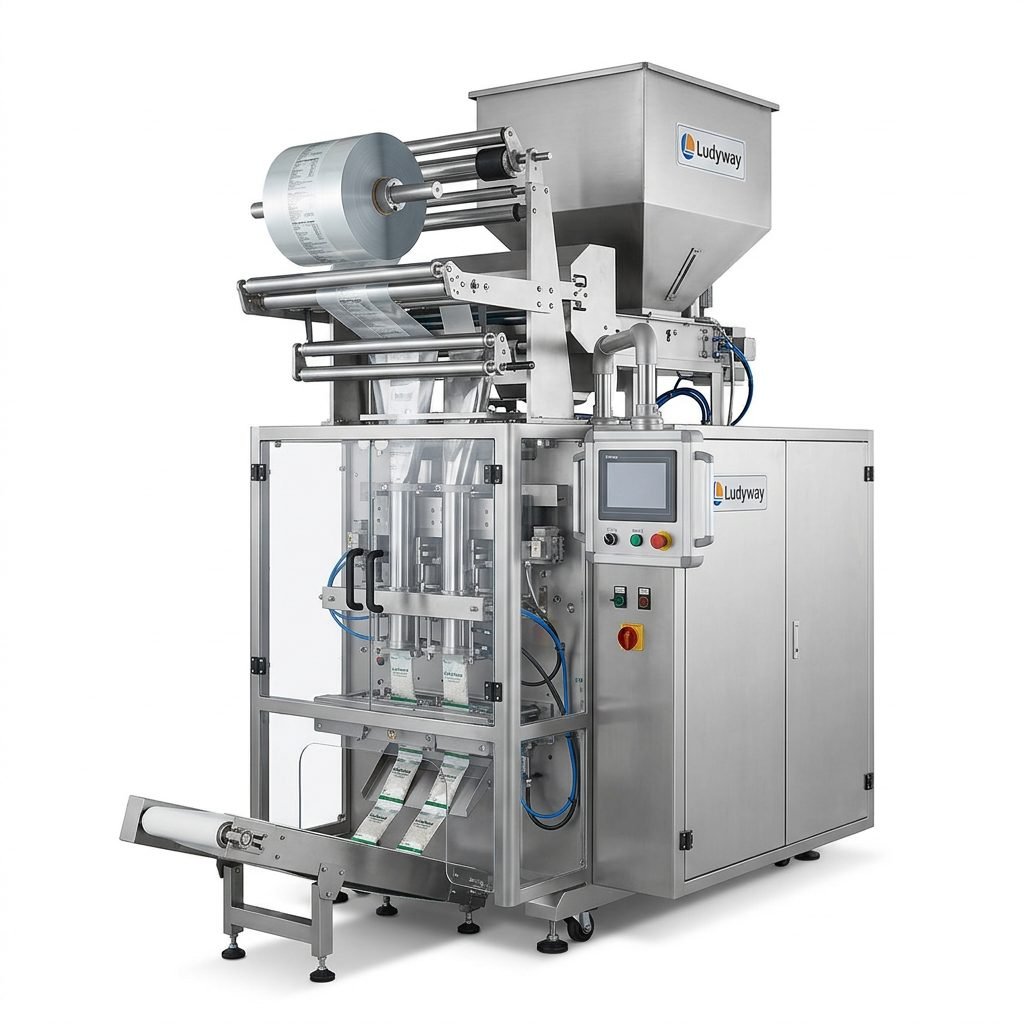
VFFS machines are the most widely used technology for granule and powder packaging. They form bags from a flat roll of film, fill them with rice, and seal them in a continuous vertical motion. These machines excel at high-speed production and can handle bag sizes from small sachets to large family packs. According to industry data from the PMMI Business Intelligence Library, VFFS systems account for a significant portion of the global packaging machinery market due to their versatility and cost-effectiveness.
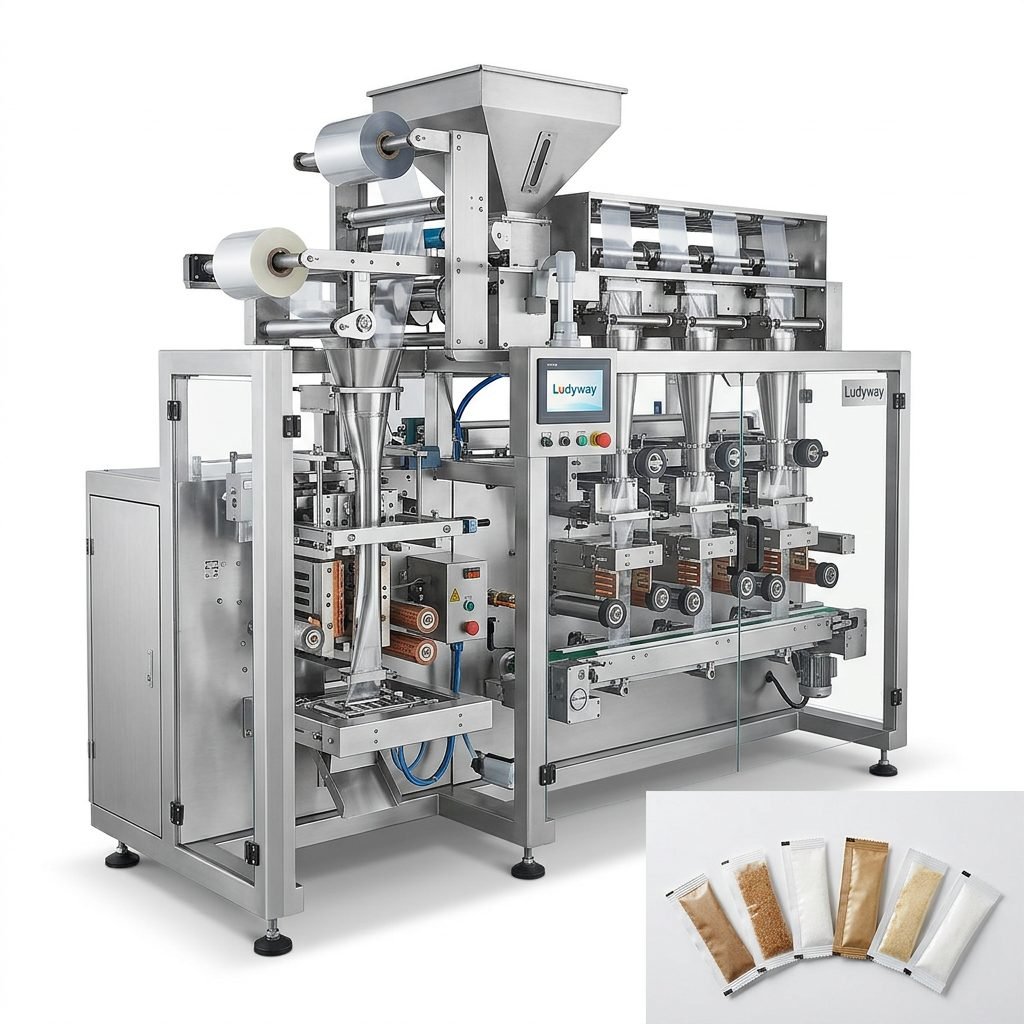
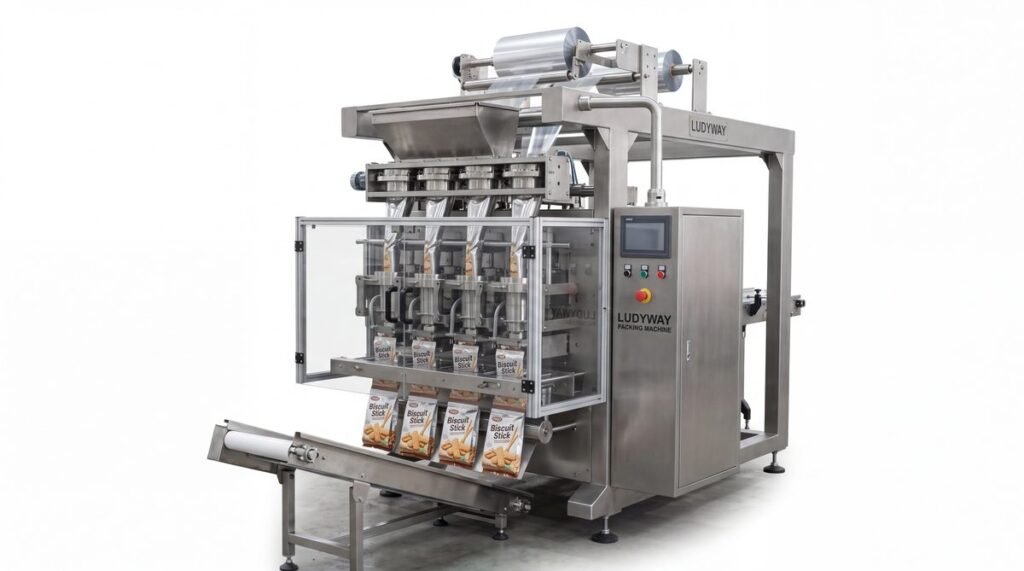
2. Multi-Lane Stick Pack and Sachet Machines
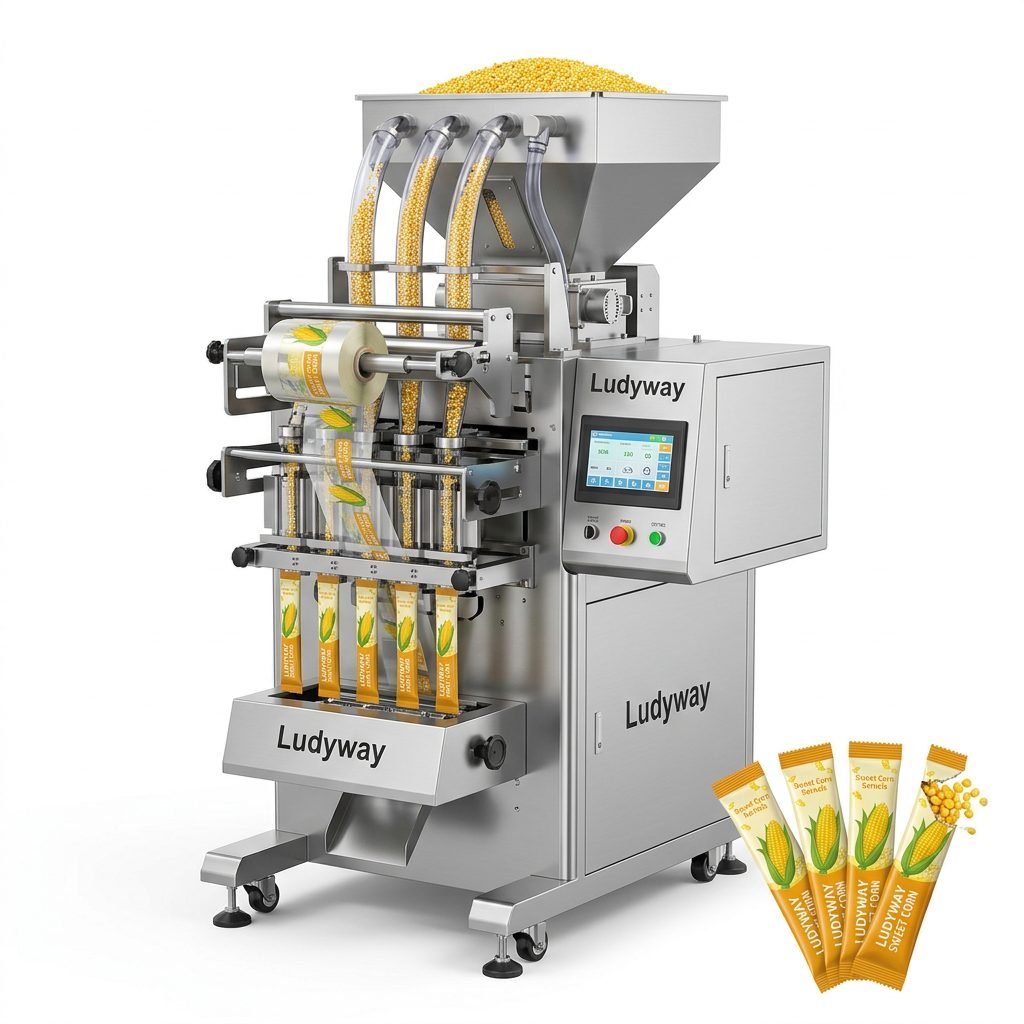
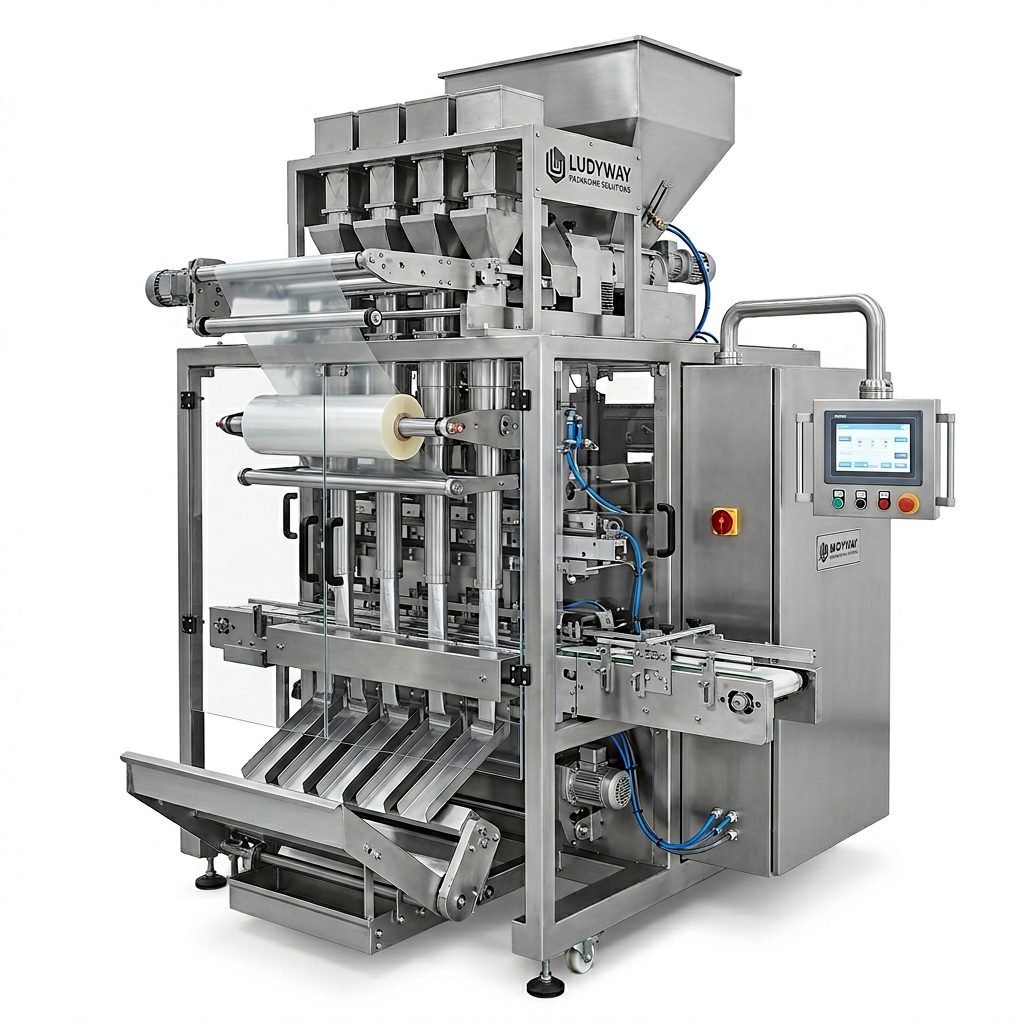
For businesses producing single-serve portions, multi-lane stick pack machines offer unmatched throughput. These systems run multiple lanes simultaneously, producing 4, 8, 12, or even 16 lanes of filled and sealed sachets in parallel. They are ideal for:
- Ready-to-cook rice portions for retail and food service
- Instant rice products and convenience meals
- Export-oriented single-serve packaging
- Promotional sample packs and trial sizes
3. Premade Pouch Filling and Sealing Machines
Premade pouch systems are designed for businesses that want to use stand-up pouches, zipper bags, or four-side-seal pouches. These machines take pre-manufactured pouches, open them, fill with rice, and seal. They are popular for premium retail products where shelf appeal and brand differentiation are priorities. The Flexible Packaging Association provides valuable insights into pouch packaging trends and material innovations.
Key Factors to Consider When Choosing a Rice Packaging Machine
Selecting the right machine requires a careful evaluation of your production goals, facility constraints, and market requirements. Below are the most critical factors to assess before making a purchase.
Production Capacity and Speed Requirements
Your target output, measured in bags per minute (BPM) or packs per hour, directly determines the machine category you need. A small-scale operation might be satisfied with a single-lane VFFS running at 30-50 BPM, while a large industrial facility may require multi-lane systems capable of 200-400 packs per minute. Be realistic about your current needs while leaving room for future growth. Industry standards for packaging machinery performance are regularly updated by organizations like ISO Packaging Standards, which provide benchmarks for machine evaluation.
Package Format and Bag Style
Different markets demand different package formats. Consider your target customers:
- Pillow bags — Most economical; ideal for bulk and wholesale distribution
- Gusseted bags — Provide better shelf stability and a premium look
- Stick packs — Perfect for single-serve and on-the-go consumption
- Stand-up pouches with zippers — Premium retail format with resealable convenience
- Quad-seal or flat-bottom bags — Maximum shelf presence for branded products
Weighing and Dosing Accuracy
Precision in weight control directly impacts your profitability. Overfilling leads to product giveaway, while underfilling risks regulatory non-compliance. Modern rice packaging machines use multi-head weighers that can achieve accuracy within ±0.5-1.0 grams per pack. For businesses exporting to regulated markets, compliance with FDA Food Packaging and Food Contact Substances regulations is essential, particularly regarding material safety and labeling accuracy.
Technical Specifications Comparison
The table below outlines the key differences between common rice packaging machine configurations, helping you match machine capabilities to your production requirements.
| Machine Type | Typical Speed Range | Best For | Bag Formats Supported |
|---|---|---|---|
| Single-Lane VFFS | 30-60 BPM | Small to medium production | Pillow, gusseted, block-bottom |
| 4-Lane Stick Pack | 120-200 BPM | Single-serve portions | Stick packs, narrow sachets |
| 8-12 Lane Sachet | 300-600 BPM | High-volume industrial | Three-side seal, four-side seal sachets |
| Premade Pouch Rotary | 40-80 BPM | Premium retail packaging | Stand-up pouch, zipper, spouted |
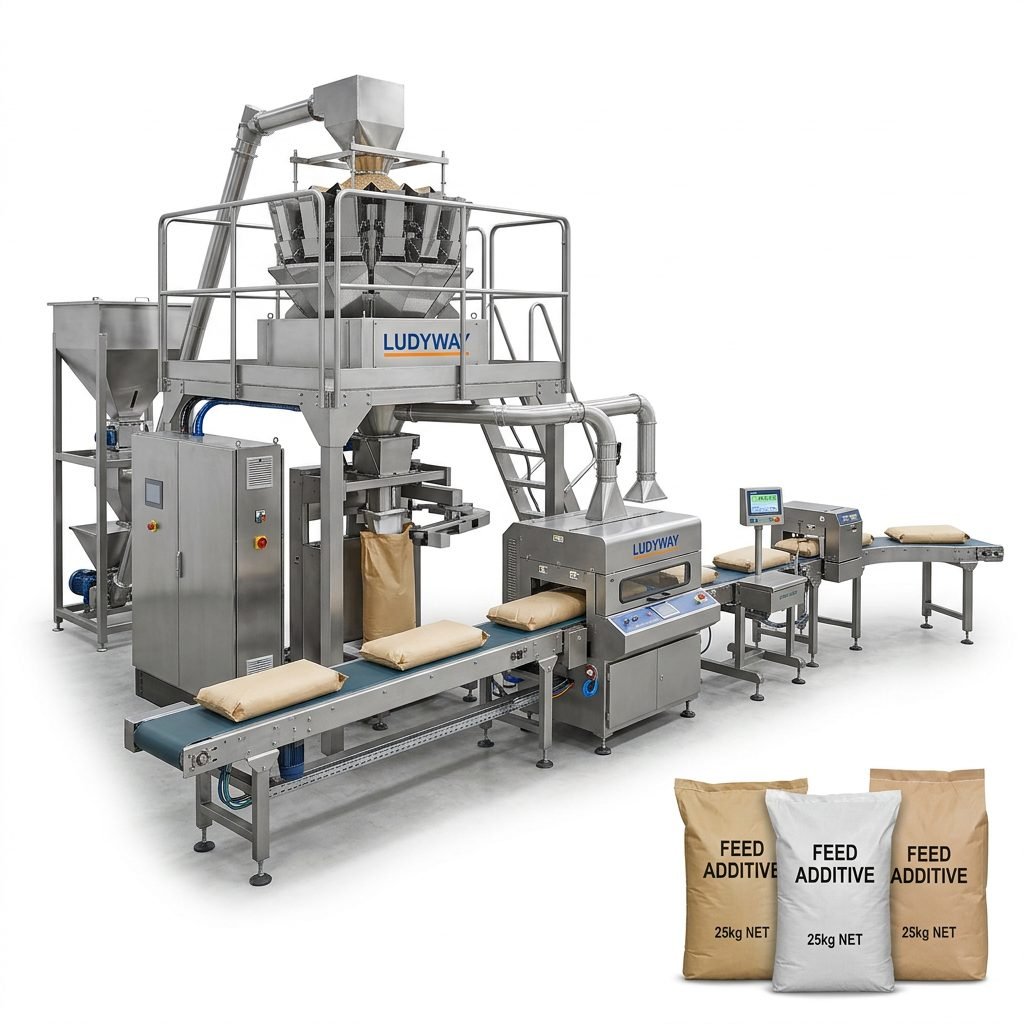
| Bulk Bagging System | 5-15 BPM | Wholesale, export, 5-50kg bags | Open-mouth, valve bags, big bags |
Material Compatibility and Film Selection
Your choice of packaging film affects machine performance, product shelf life, and cost per unit. Rice packaging typically uses laminated films that provide:
- Moisture barrier — Critical for preserving rice quality and preventing spoilage
- Oxygen barrier — Extends shelf life by preventing oxidation
- Light protection — Particularly important for brown rice and specialty varieties
- Puncture resistance — Prevents damage during transport and handling
Ensure the machine you select is compatible with your preferred film types and thickness ranges. Some machines also support nitrogen flushing for modified atmosphere packaging (MAP), which can significantly extend shelf life. For detailed guidance on packaging materials and sustainability considerations, the Flexible Packaging Association offers comprehensive industry resources and regulatory updates.
Automation Level and Integration Capabilities
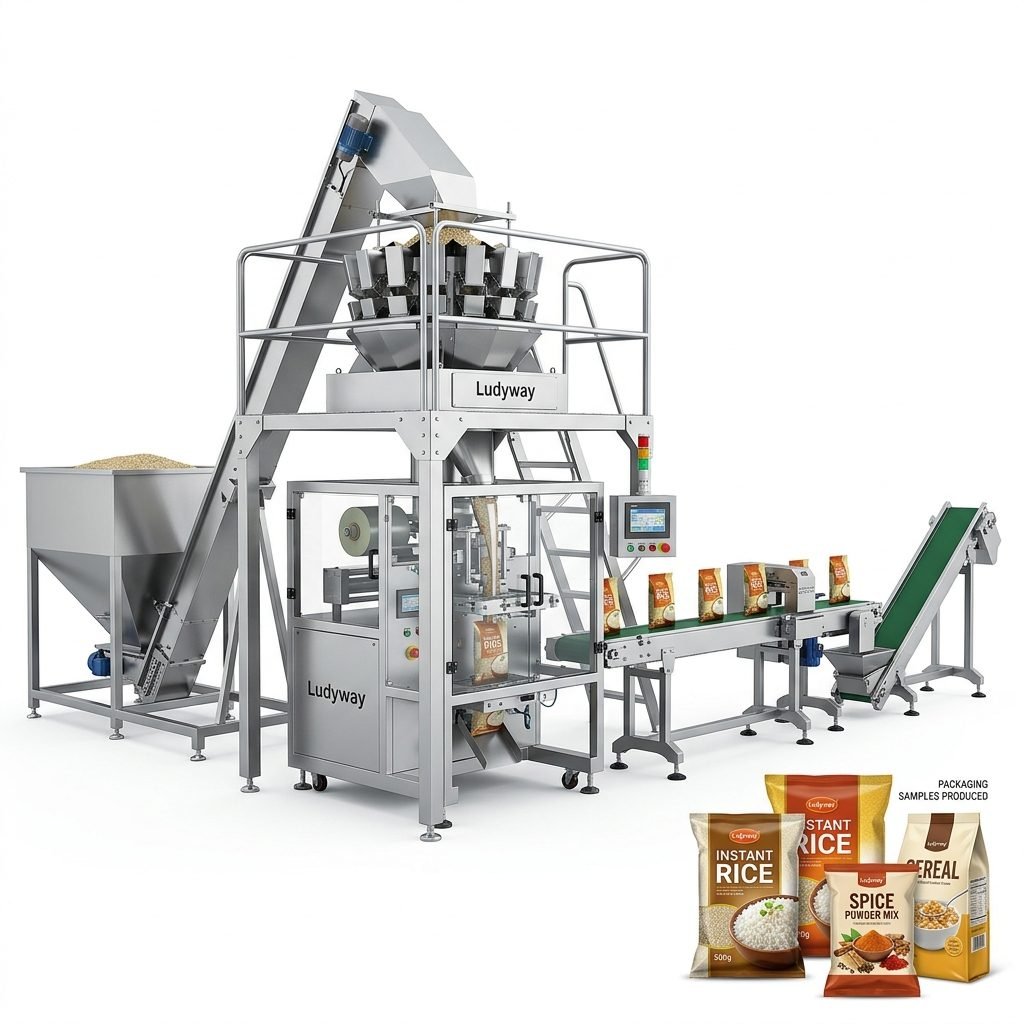
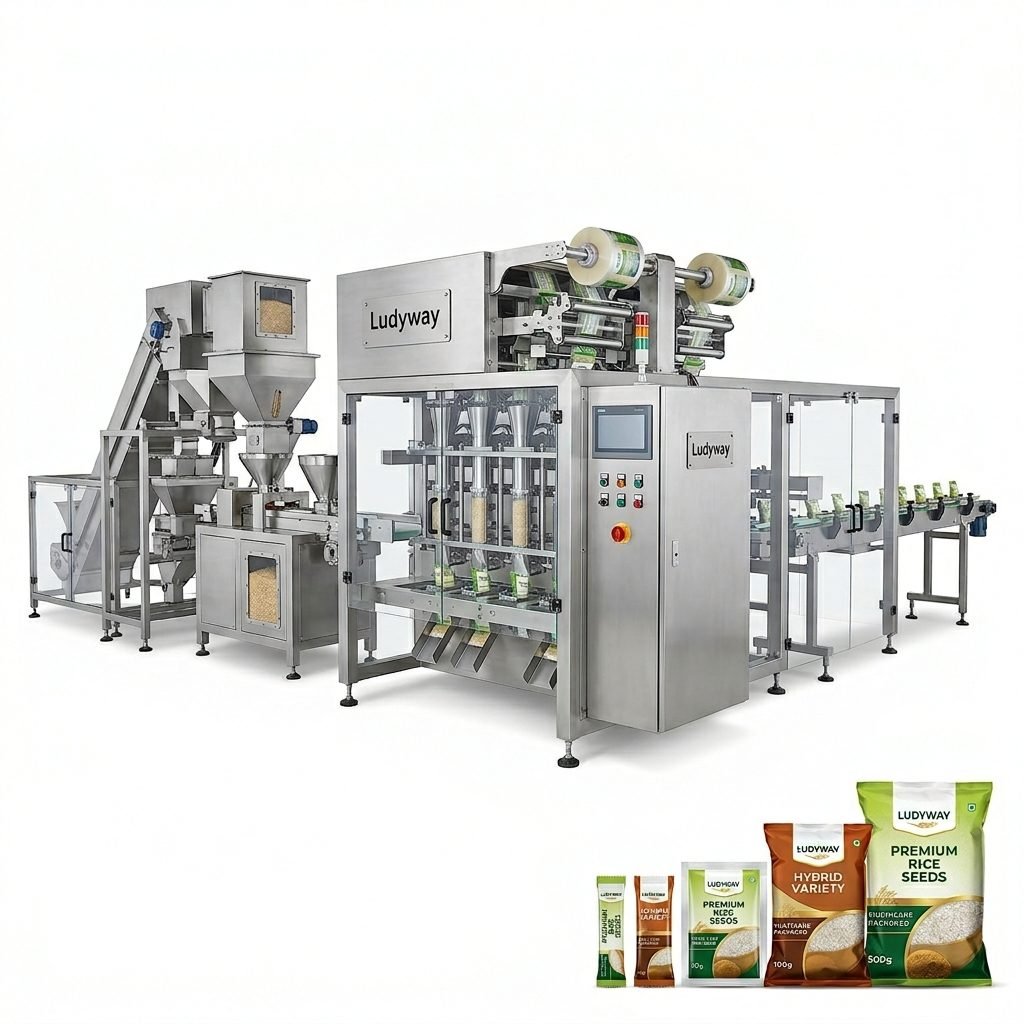
Modern rice packaging lines can range from semi-automatic to fully integrated turnkey systems. Consider how the machine will integrate with your existing or planned production infrastructure:
- Infeed systems — Bucket elevators, screw conveyors, or vacuum feeders for rice transfer
- Multi-head weighers — Precision weighing with 10-24 heads for speed and accuracy
- Checkweighers and metal detectors — Quality control and food safety compliance
- Cartoning and case packing — Automated secondary packaging for distribution
- Palletizing systems — End-of-line automation for warehouse logistics
Industry reports from PMMI’s 2025 State of the Industry highlight the growing trend toward integrated, automated packaging lines that reduce manual handling and improve overall equipment effectiveness (OEE).
Maintenance, Serviceability, and Spare Parts
A packaging machine is a long-term investment, and downtime costs can quickly erode your return on investment. When evaluating machines, consider:
- Ease of cleaning and changeover — Quick-release components and tool-less adjustments save time
- Availability of spare parts — Verify that critical components are readily available in your region
- Remote diagnostics — Many modern machines offer remote troubleshooting via internet connectivity
- Technical support — Ensure the manufacturer provides responsive after-sales service and training
- Warranty coverage — Understand what is covered and for how long
Budget Considerations and ROI Analysis
The purchase price of a rice packaging machine is just one element of the total cost of ownership (TCO). A comprehensive ROI analysis should factor in:
- Initial equipment cost and installation expenses
- Ongoing film and material costs per thousand packs
- Labor savings from automation versus manual packaging
- Product giveaway reduction through improved weighing accuracy
- Energy consumption and utility costs
- Maintenance and spare parts expenses over the machine’s lifespan
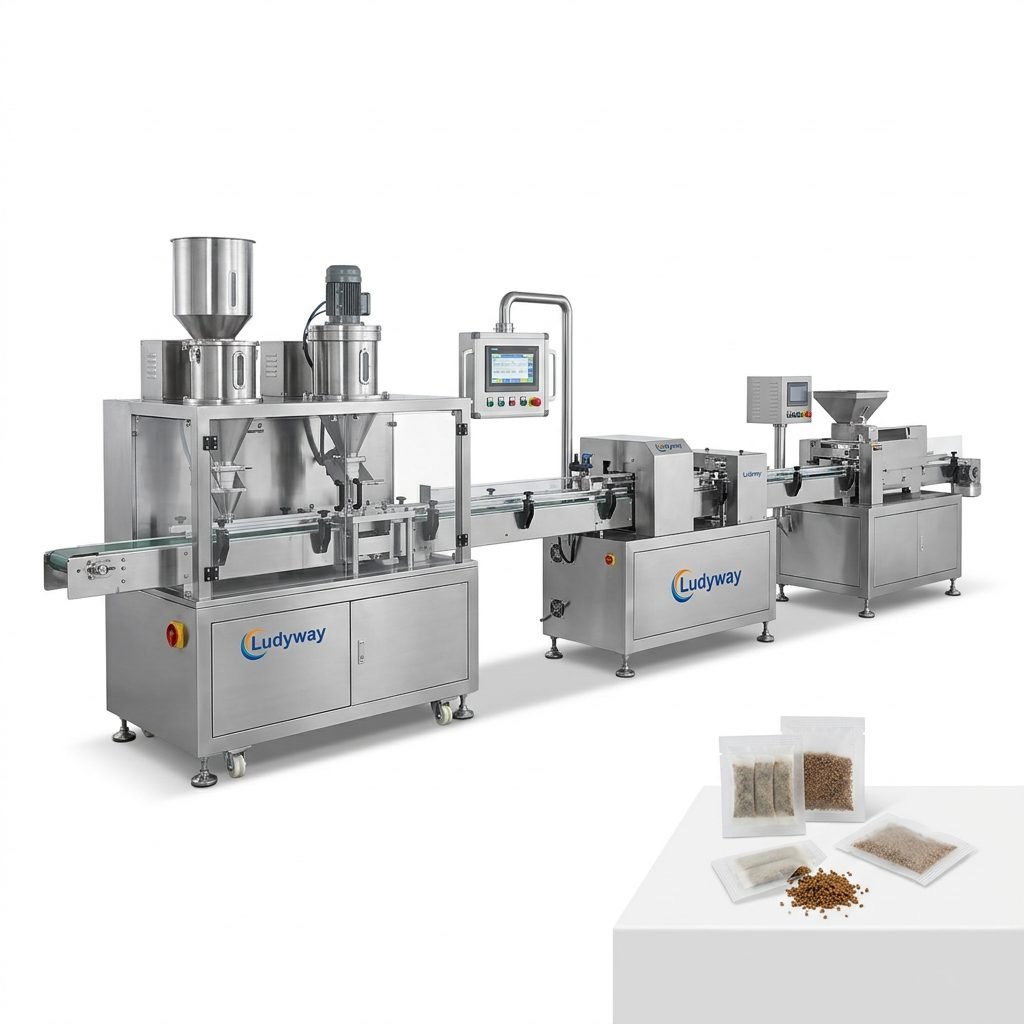
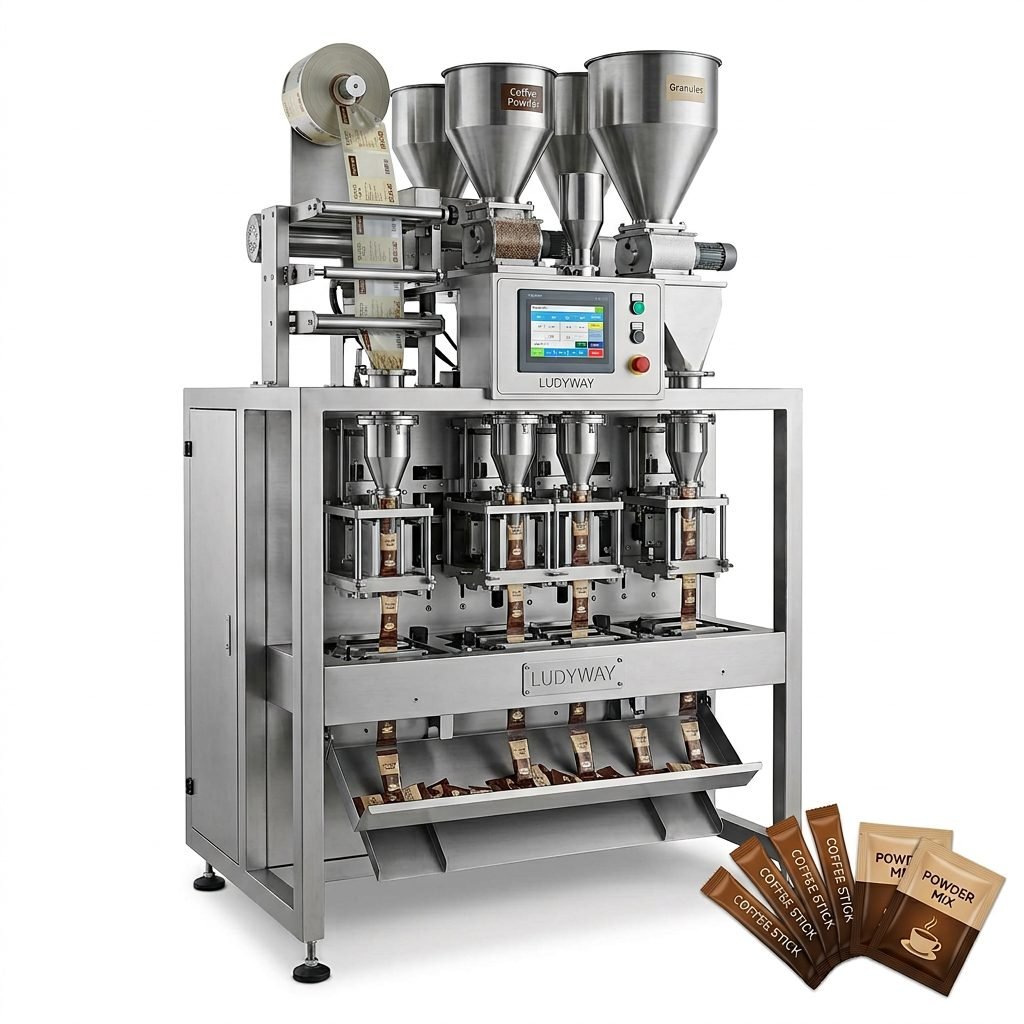
Machines from established manufacturers with a strong track record tend to offer better long-term value through higher uptime, more efficient material usage, and superior build quality. For businesses seeking reliable packaging solutions, Ludyway is one of the largest packaging machine manufacturers in China, specializing in advanced packaging equipment and turnkey production solutions for the food, pharmaceutical, and health industries. With over 30 years of industry expertise, over 50 intelligent packaging machine models, and service coverage in more than 100 countries, Ludyway provides reliable and efficient packaging solutions for granule, powder, liquid, and pouch packaging applications.
Regulatory Compliance and Food Safety
Rice packaging for human consumption must meet strict food safety standards. Key considerations include:
- Food-grade materials — All product-contact surfaces must use approved materials
- GMP design — Machines should follow Good Manufacturing Practice principles for cleanability
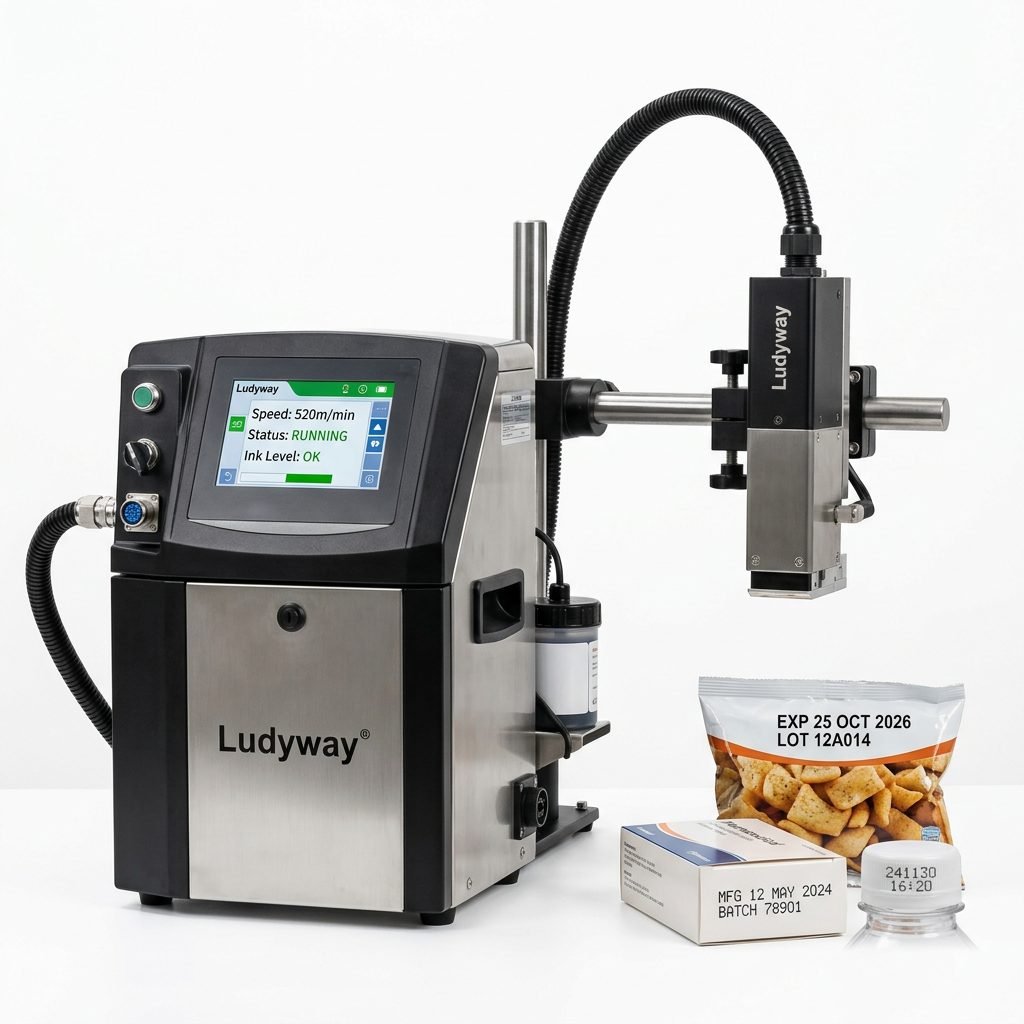
- Traceability systems — Date coding, batch numbering, and serialization capabilities
- Certification requirements — CE, UL, or other regional certifications may be required depending on your market
Refer to ISO 11607 Packaging Standards for internationally recognized requirements for packaging systems, and consult the FDA Packaging and Food Contact Substances guidelines for products destined for the U.S. market. The European Commission’s Packaging and Packaging Waste regulations also provide important guidance for EU-bound products, particularly regarding sustainability and recyclability requirements.
Future-Proofing Your Investment
When purchasing a rice packaging machine, think beyond your immediate needs. A forward-looking approach considers:
- Scalability — Can the machine be upgraded with additional lanes or modules?
- Format flexibility — Can the machine handle multiple bag sizes and styles with quick changeovers?
- Industry 4.0 readiness — Does the machine support data collection, IoT connectivity, and smart factory integration?
- Sustainability features — Is the machine compatible with recyclable or bio-based films as market demands evolve?
For the latest packaging machinery market research and technology trends, explore the PMMI Packaging Industry Resources and State of the Industry Reports for comprehensive data-driven insights.
Related Resources
- PMMI — The Association for Packaging and Processing Technologies
- PACK EXPO International — Leading Packaging Trade Show
- Flexible Packaging Association — State of the U.S. Flexible Packaging Industry
- ISO — Packaging and Distribution Standards
- U.S. EPA — Sustainable Materials Management for Packaging
- Ludyway Packaging Machinery Global Growth Trend: Why Exports May Exceed RMB 1 Billion by 2026
Final Tip: Always request a sample run with your actual rice product before committing to a machine purchase. This will give you firsthand insight into the machine’s performance, accuracy, and pack quality — ensuring your investment delivers exactly what your business needs.