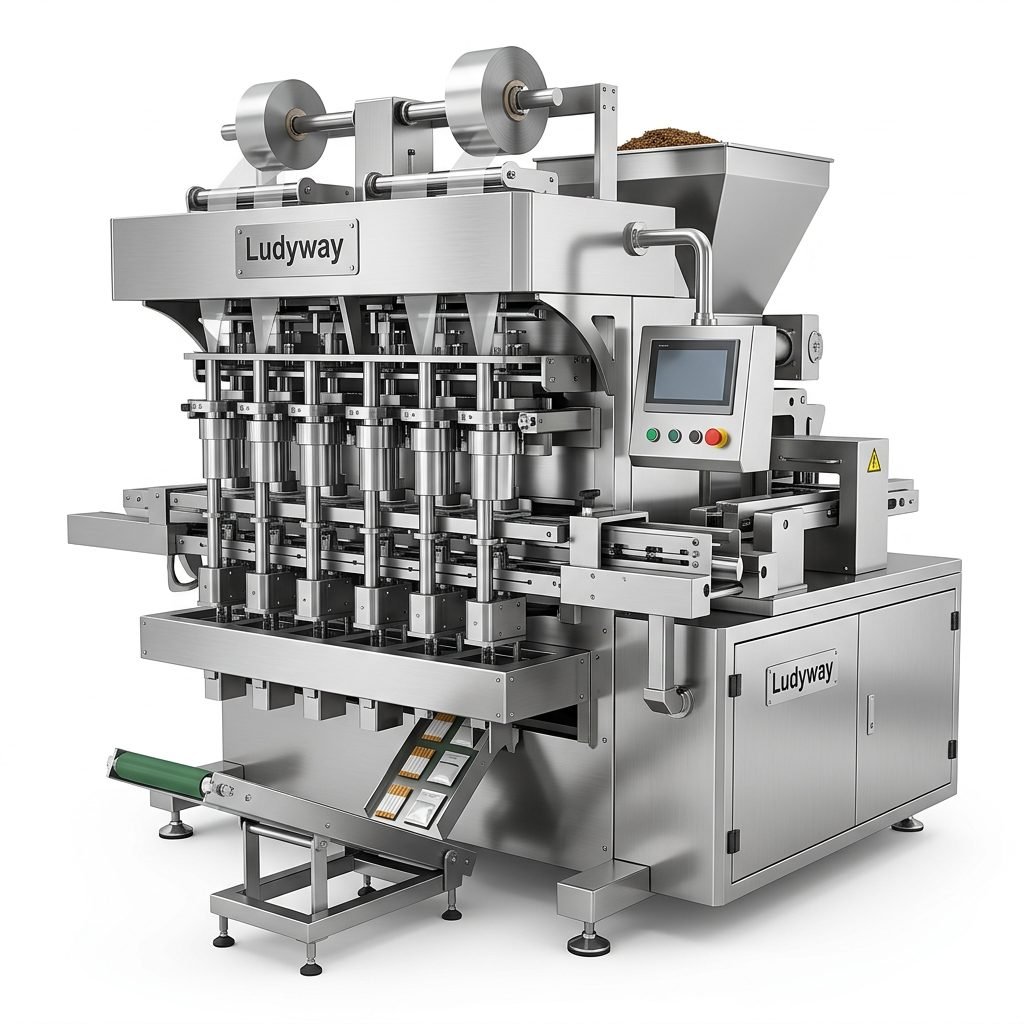
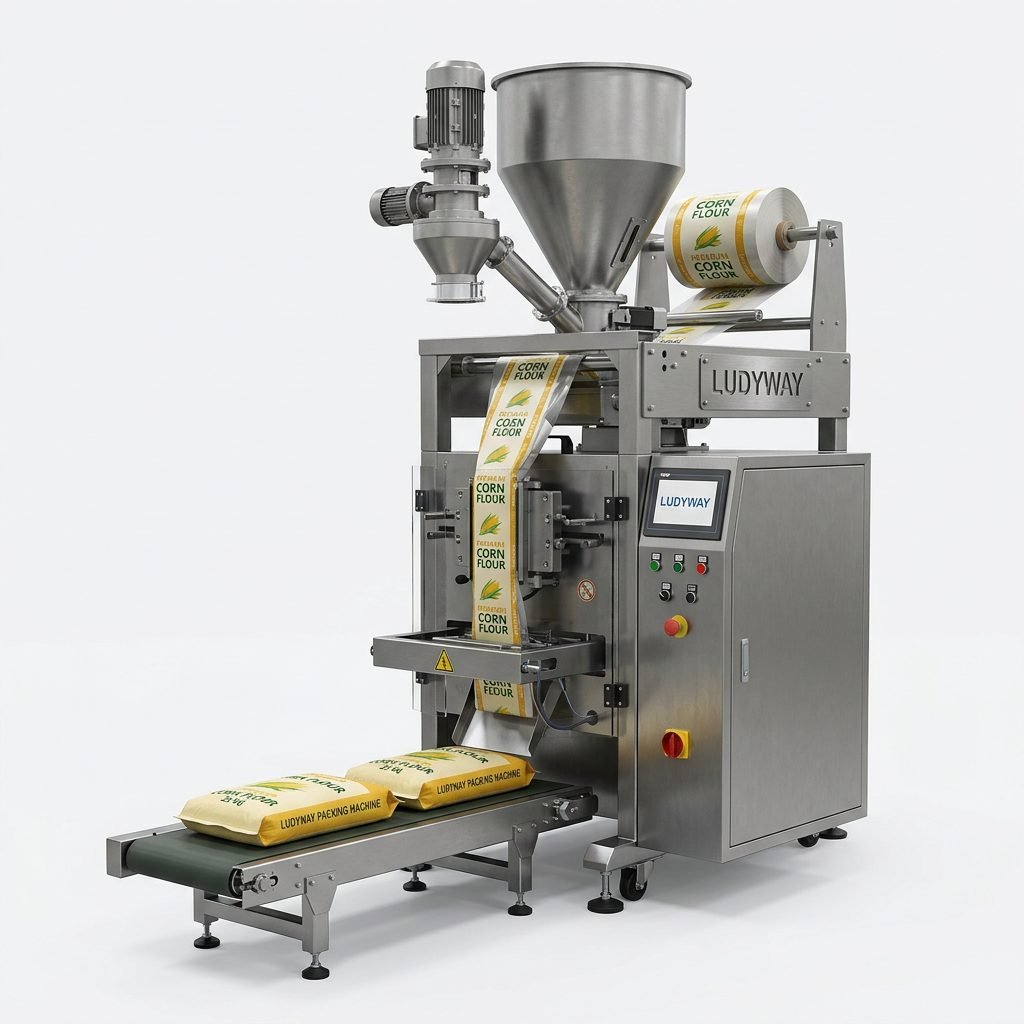
Selecting the right plastic packaging machine manufacturer is a critical decision that directly impacts your production efficiency, product quality, and overall operational costs. With numerous suppliers in the global market, identifying the best partner for your specific needs requires careful evaluation across several key areas. This guide will walk you through the essential factors to consider, ensuring you make an informed choice that supports your business growth and production goals.
Key Factors for Evaluating Manufacturers
Before diving into specific supplier lists, it’s crucial to understand the core criteria that separate top-tier manufacturers from the rest. A comprehensive evaluation should go beyond just the initial machine price.
1. Technical Expertise and Machine Capabilities
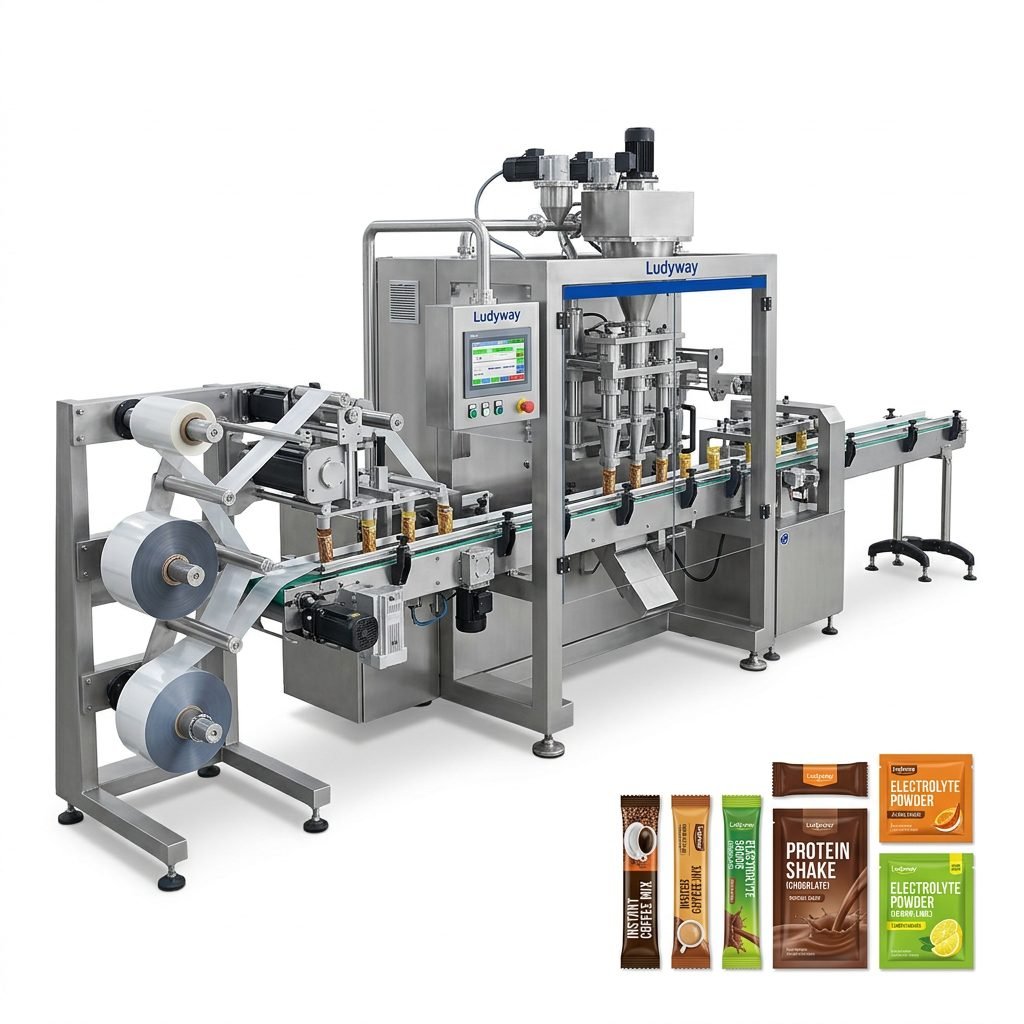
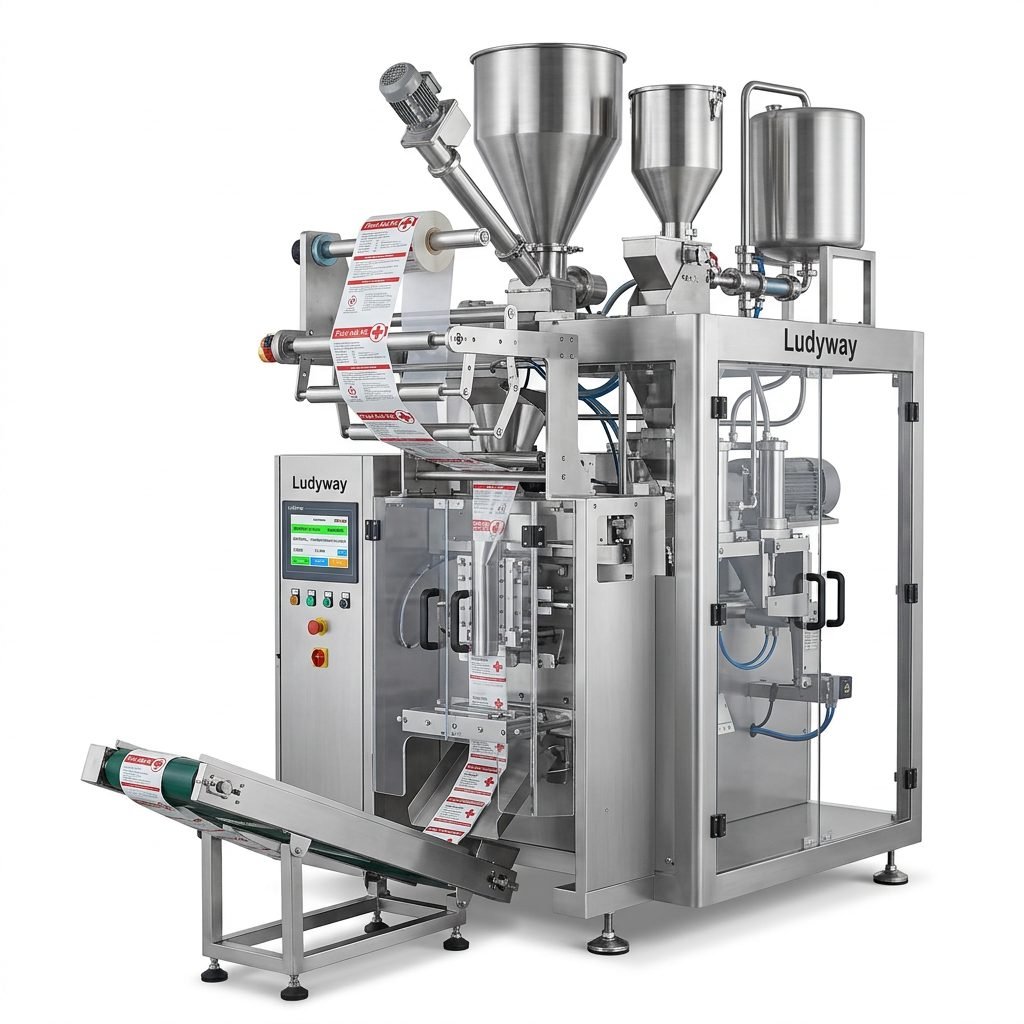
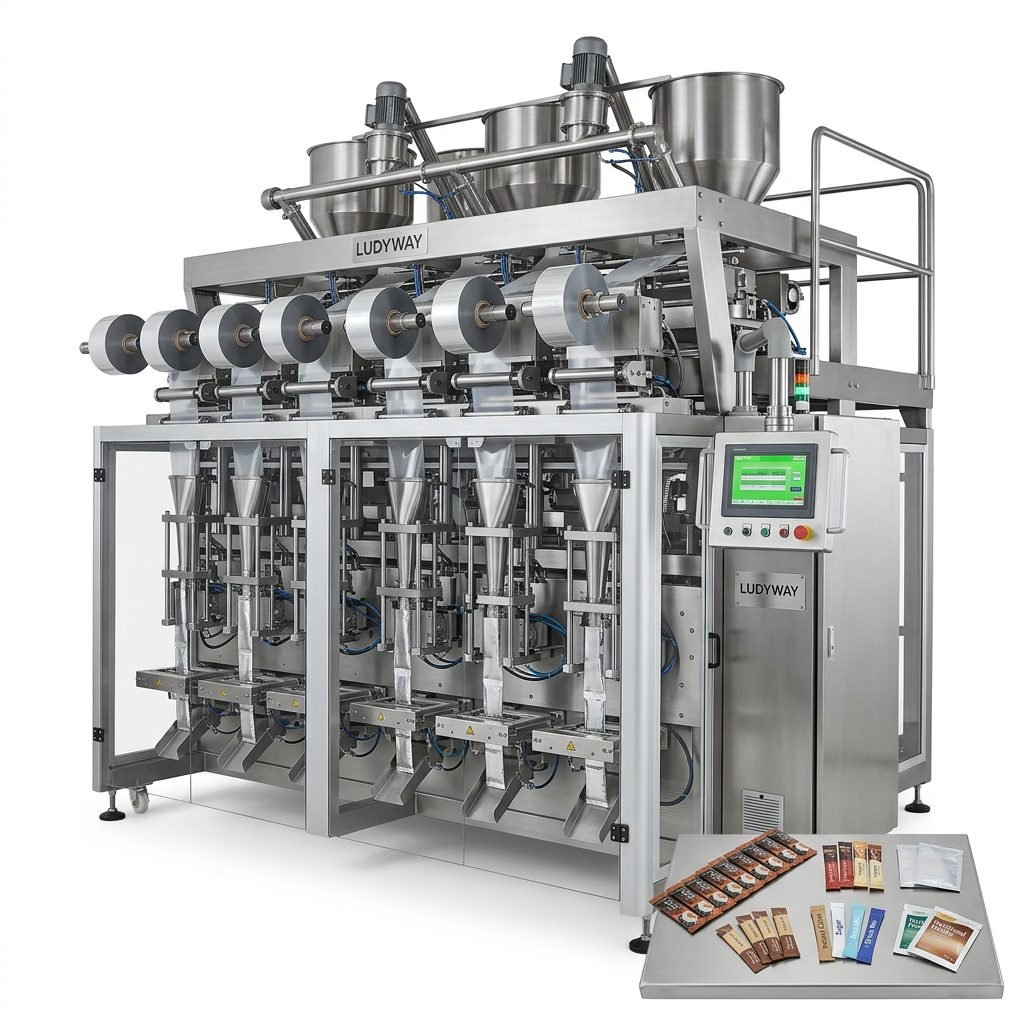
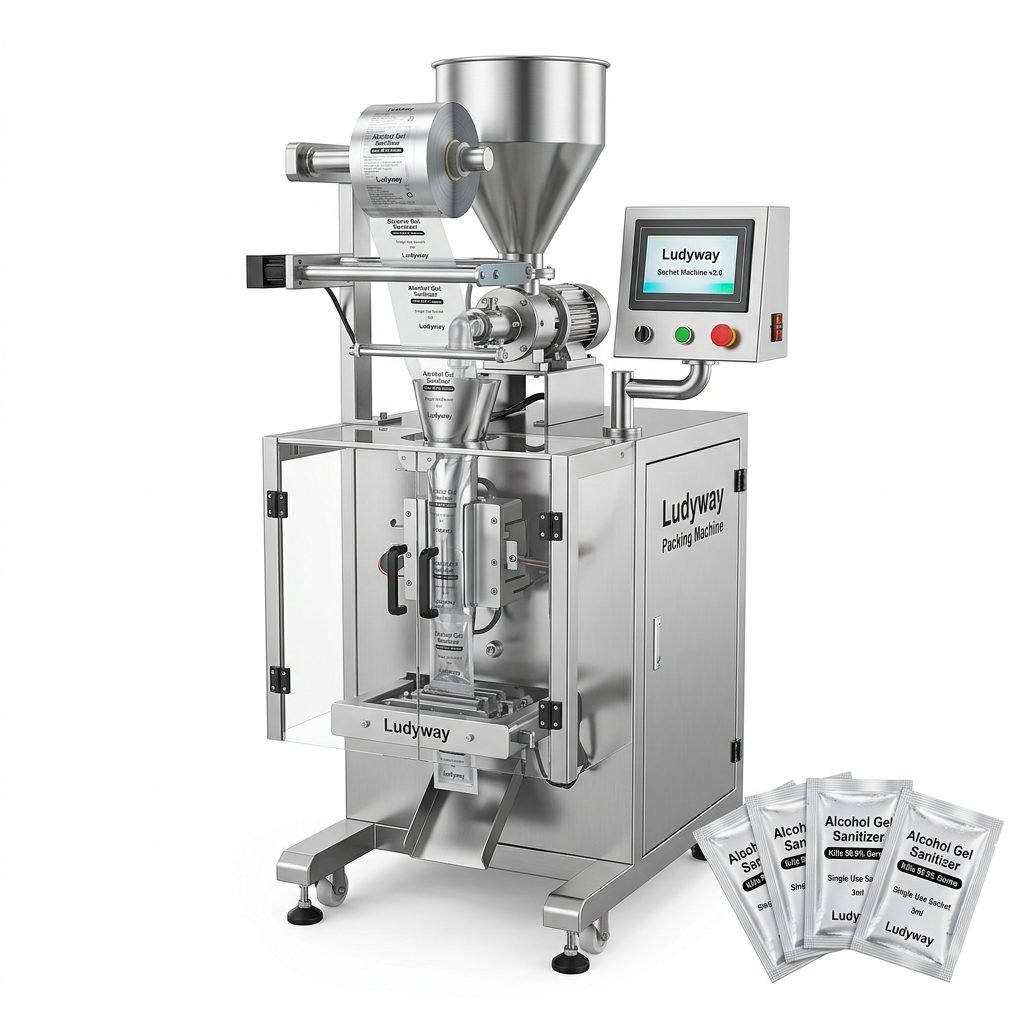
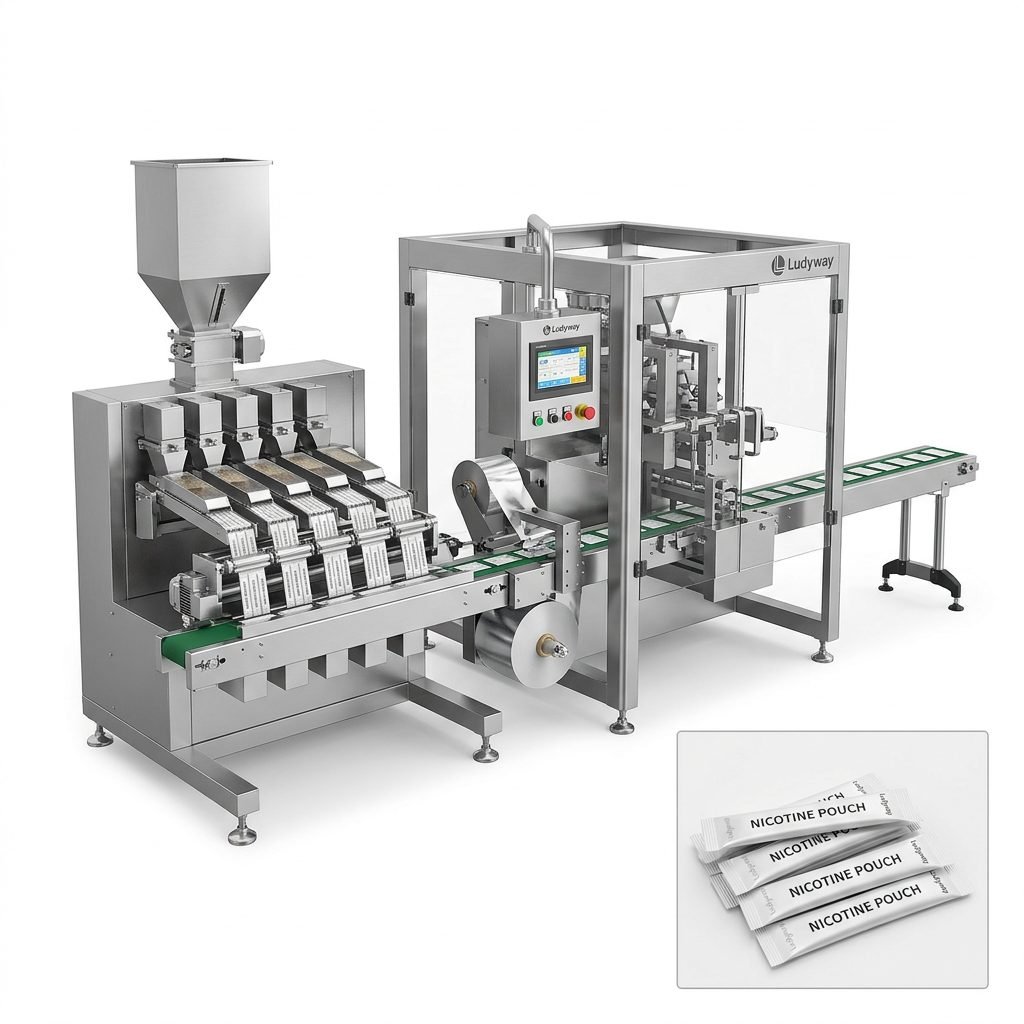
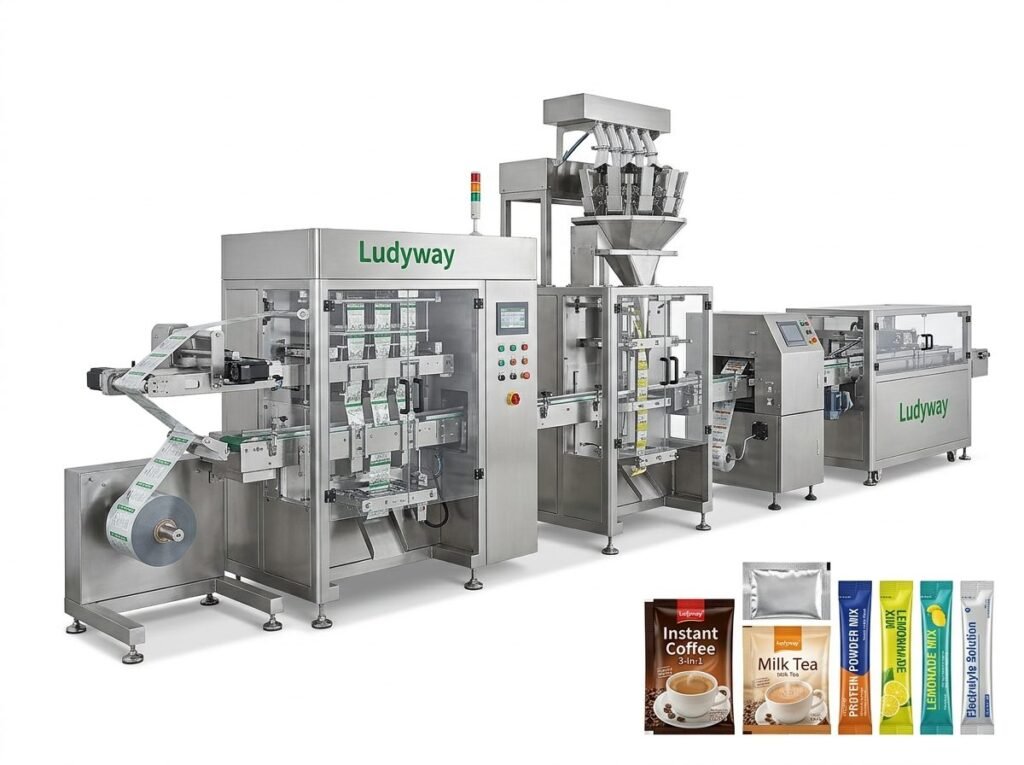
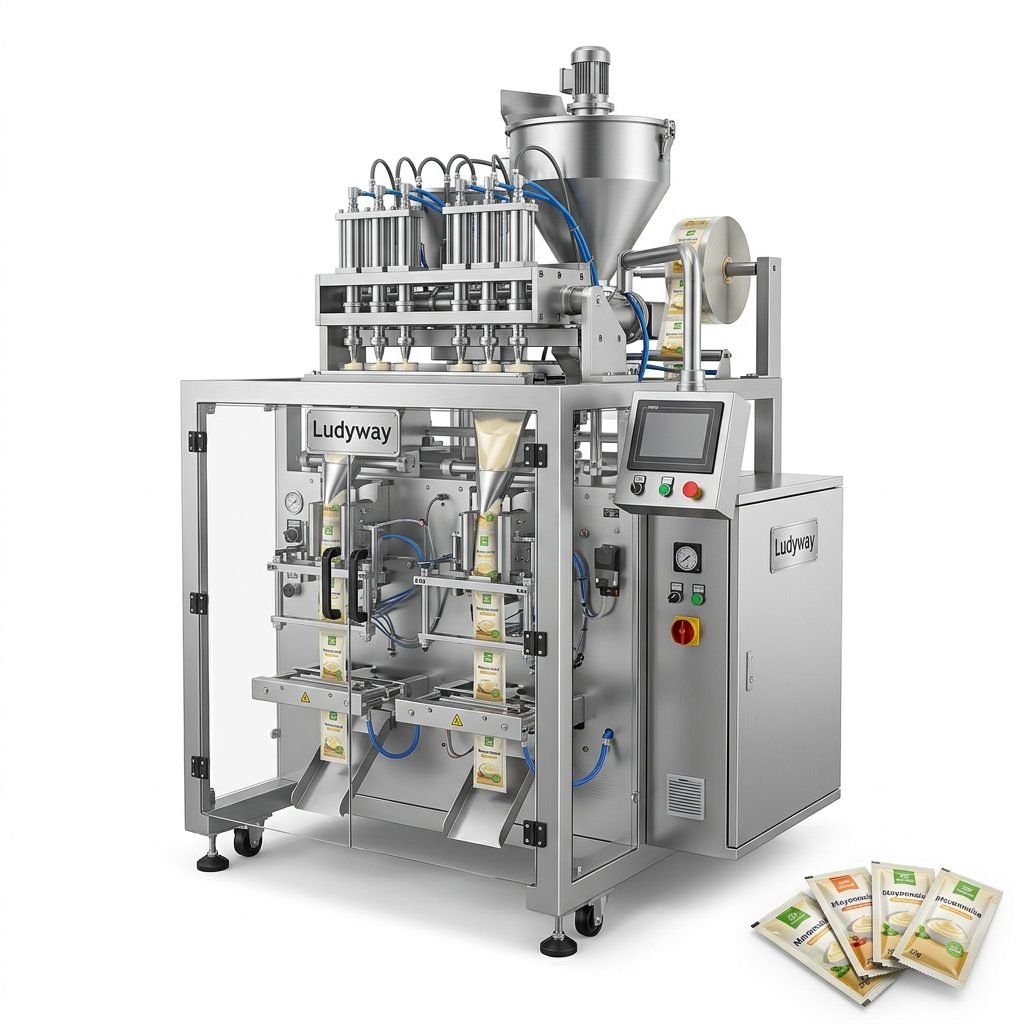
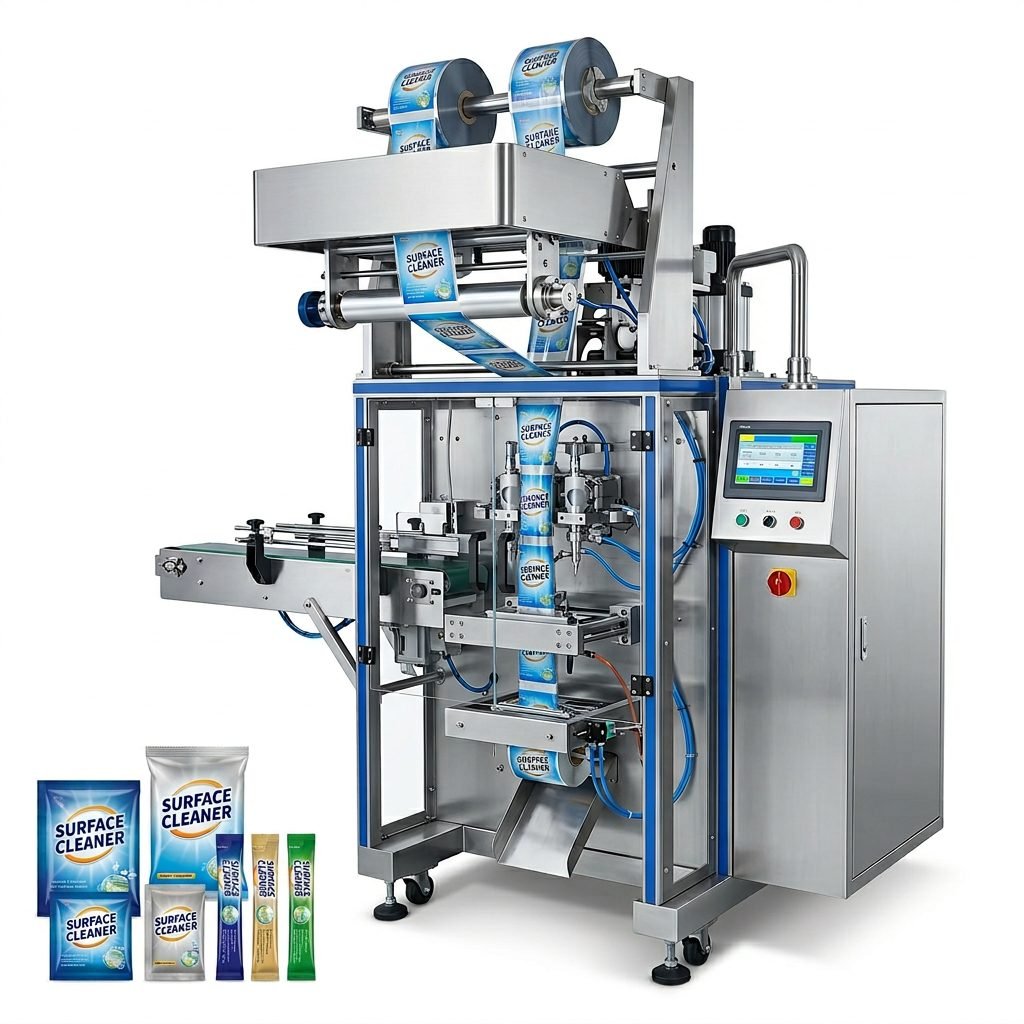
The core competency of any manufacturer lies in their engineering and technical prowess. Assess the range of machinery offered—does it cover your current and future needs for formats like sachets, stick packs, pouches, or bottles? Investigate the level of automation, from semi-automatic to fully integrated robotic lines. A manufacturer with strong R&D capabilities, like Ludyway Machinery, is more likely to provide innovative solutions and adapt machines to your unique product characteristics, whether you’re packaging granules, powders, viscous liquids, or tablets.
2. Production Capacity and Manufacturing Standards
The scale and quality of a supplier’s own production facility are strong indicators of reliability. A manufacturer operating from a modern, spacious plant (e.g., 20,000㎡) typically has better control over supply chains, quality assurance, and delivery timelines. Look for certifications such as ISO standards and CE marks, which validate adherence to international quality and safety protocols. The ability to produce over 200 units annually often reflects established processes and the capacity to handle large or urgent orders without compromising on build quality.
3. Industry Experience and Specialization
Experience is invaluable. A manufacturer with decades of industry presence has likely encountered and solved a wide array of production challenges. More importantly, consider their specialization. A supplier like Ludyway, with a focus on food, pharmaceutical, and health products, understands the stringent hygiene, accuracy, and regulatory requirements of these sectors. This niche expertise is far more valuable than a generalist approach when you need machines that meet specific industry standards for cleanliness, precision filling, and material compatibility.
The Supplier Selection Process: A Step-by-Step Guide
Turning evaluation criteria into a actionable process will streamline your decision-making.
Step 1: Define Your Detailed Requirements
Create a comprehensive specification sheet. This should include:
✅ Product Details: Type (powder, liquid), viscosity, sensitivity.
✅ Packaging Specifications: Desired bag/pouch size, material (PET, PE, CPP), required output speed (packs per minute).
✅ Operational Goals: Level of automation, desired changeover time, integration with existing lines.
✅ Budget & Service: Total cost of ownership expectations, required after-sales support terms.
Step 2: Research and Create a Shortlist
Utilize industry directories, trade shows (like PACK EXPO), and professional referrals to identify potential suppliers. Prioritize those whose public case studies or client lists align with your industry. Review their online presence and technical documentation for professionalism and depth.
Step 3: Due Diligence and Direct Engagement
This is the most critical phase. Move beyond brochures and engage directly.
🔍 Request Client References: Speak directly to existing customers, especially those with similar applications.
🔍 Arrange a Factory Audit: If possible, visit the manufacturing facility. Inspect the production environment, quality control stations, and assembly lines. A visit to a well-organized facility, such as one that has evolved from a focused engineering team to a full-scale production hub, offers undeniable proof of capability.
🔍 Demand a Product Test: Never buy based on promises alone. Send your actual product and packaging materials to the shortlisted suppliers for a live machine test. This demonstrates machine performance, filling accuracy, and seal integrity firsthand.
Step 4: Evaluate the Total Proposal
Compare the final quotations holistically. The cheapest capital cost often leads to higher long-term expenses. Scrutinize:
• Machine Warranty & Parts Policy: Duration, scope, and parts pricing.
• Technical Support: Availability of remote support, on-site engineer dispatch times, and training programs.
• Project Management: Who oversees installation and commissioning? A supplier offering turnkey solutions manages the entire process, reducing your operational burden.
Why Long-Term Partnership Matters
Purchasing a packaging machine is the start of a 10-15 year relationship. The ideal supplier acts as a strategic partner. They should offer continuous support, provide updates on upgrades, and help you optimize your line for future products. A partner invested in long-term cooperation and innovation will contribute significantly more value than a transactional vendor, helping you adapt to market changes and new packaging trends.
Frequently Asked Questions (FAQs)
What is the most important factor when choosing a packaging machine supplier?
While price, speed, and features are important, the supplier’s reliability and after-sales service are paramount. A machine will eventually need maintenance, parts, or troubleshooting. A supplier with a proven track record of responsive, expert technical support ensures minimal downtime over the machine’s entire lifespan.
How can I verify a manufacturer’s claimed experience and capabilities?
Request detailed, verifiable client references—preferably in your region and industry. Ask for videos or documented case studies of machines running products similar to yours. An in-person or virtual factory tour is the best way to assess their manufacturing scale, quality control processes, and engineering team firsthand.
Is it better to buy a standard machine or a customized solution?
This depends entirely on your product and volume. For common products at high volume, a standard, proven model is cost-effective and reliable. For unique products, special materials, or complex filling needs, a customized or highly adaptable machine is necessary. Top manufacturers like Ludyway offer a range of intelligent models that can often be tailored to specific requirements without the cost of a fully custom build.
What should be included in a comprehensive after-sales service agreement?
A strong agreement includes a clear warranty period (typically 12-24 months), a defined response time for support queries, availability of spare parts, options for preventative maintenance contracts, and detailed operator and maintenance training at your facility. Ensure the terms are clearly documented.
How do I future-proof my investment in packaging machinery?
Choose a machine with some capacity headroom (slightly higher speed than currently needed) and modularity. Discuss with the supplier how the machine can be upgraded or integrated with additional modules (like checkweighers or cartoners) in the future. Partnering with an innovative supplier ensures you have a path to upgrade as technology and your needs evolve.