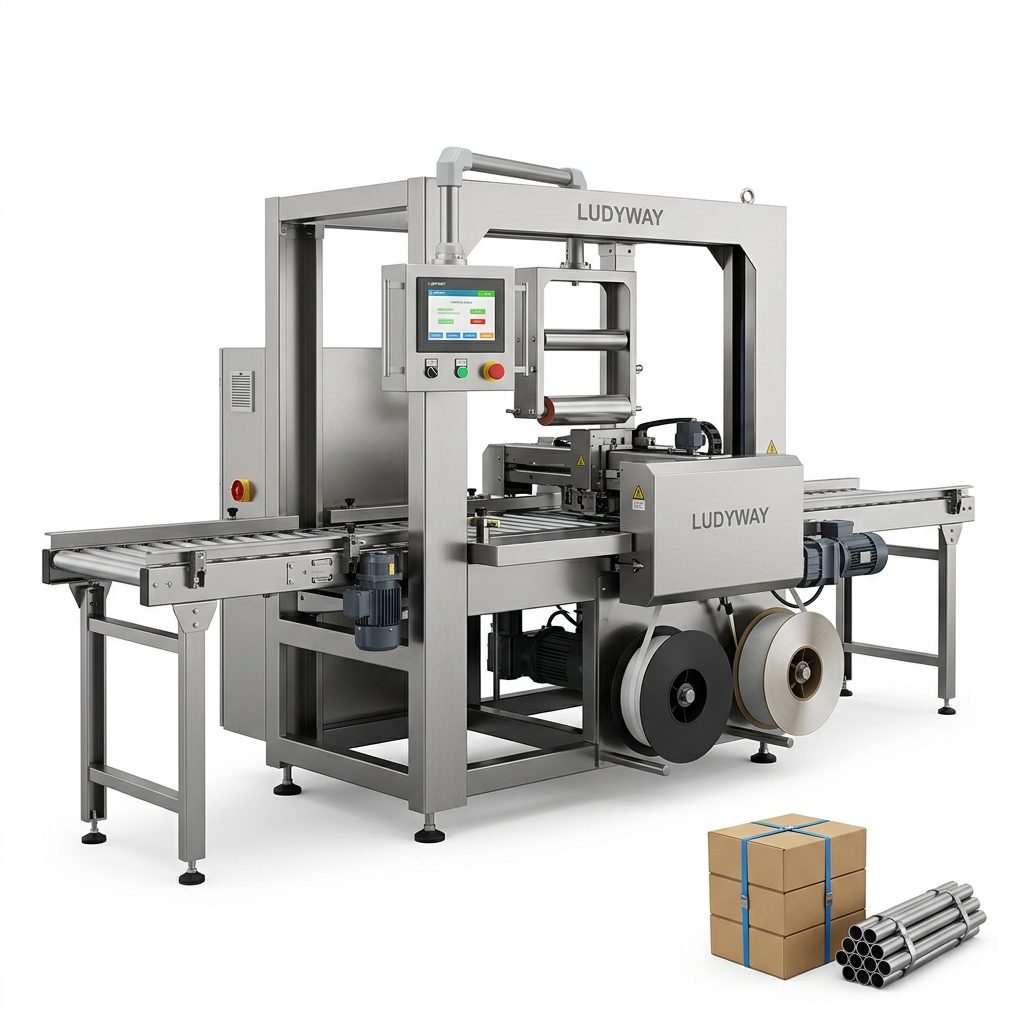
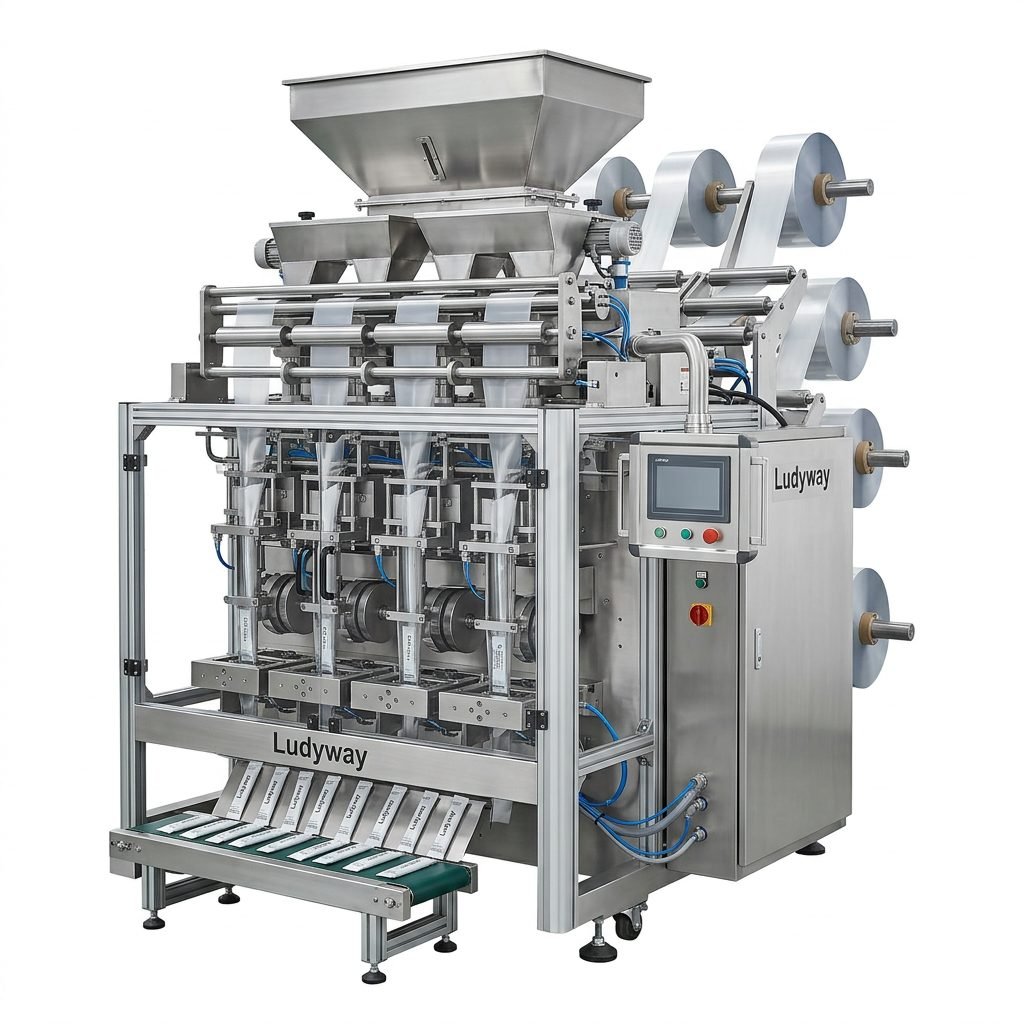
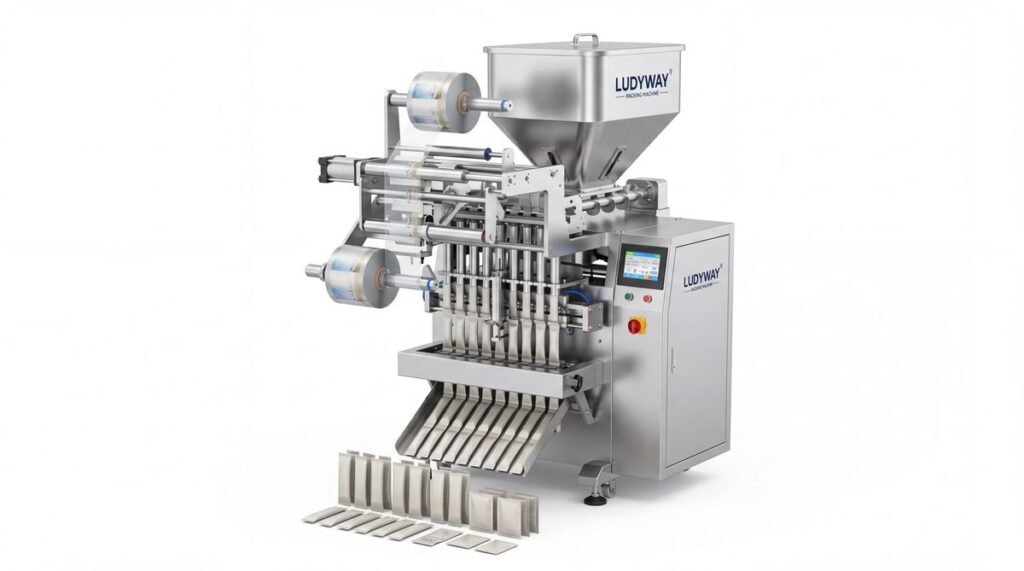
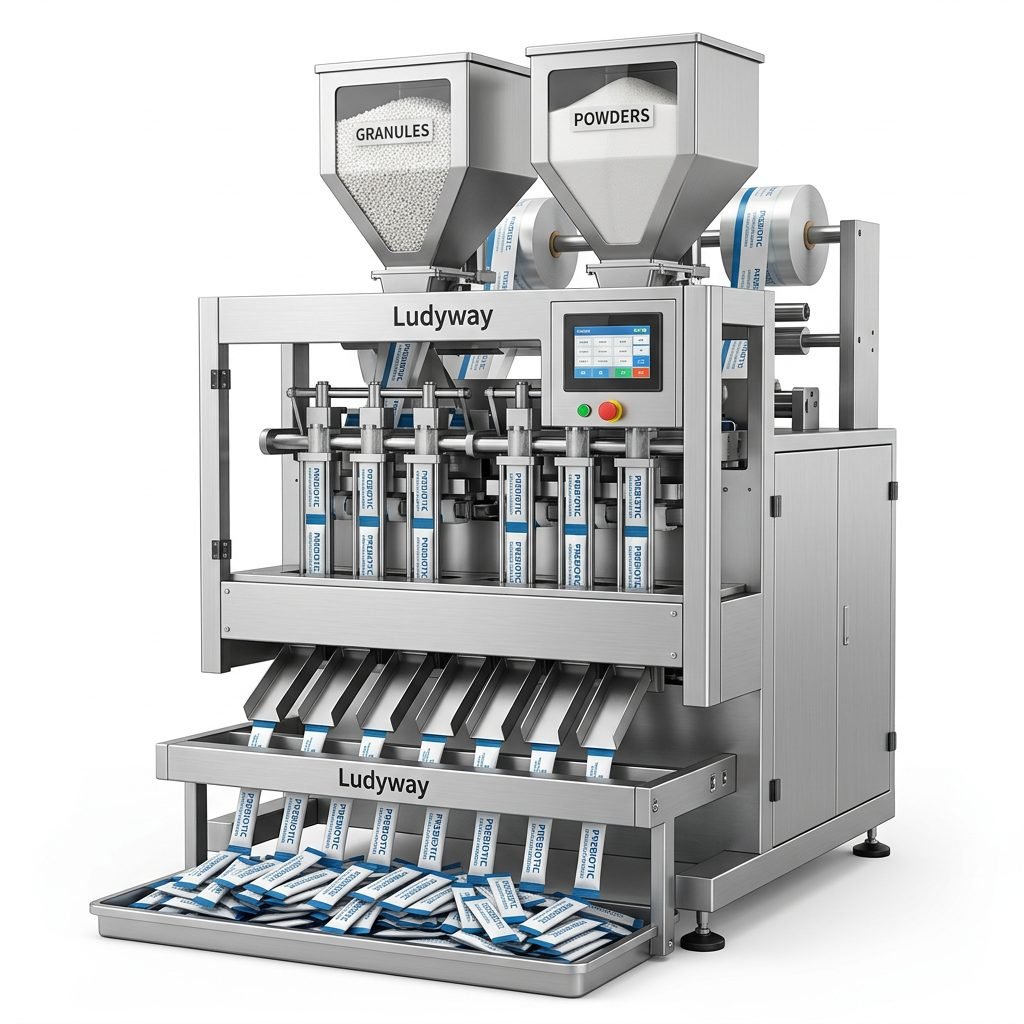
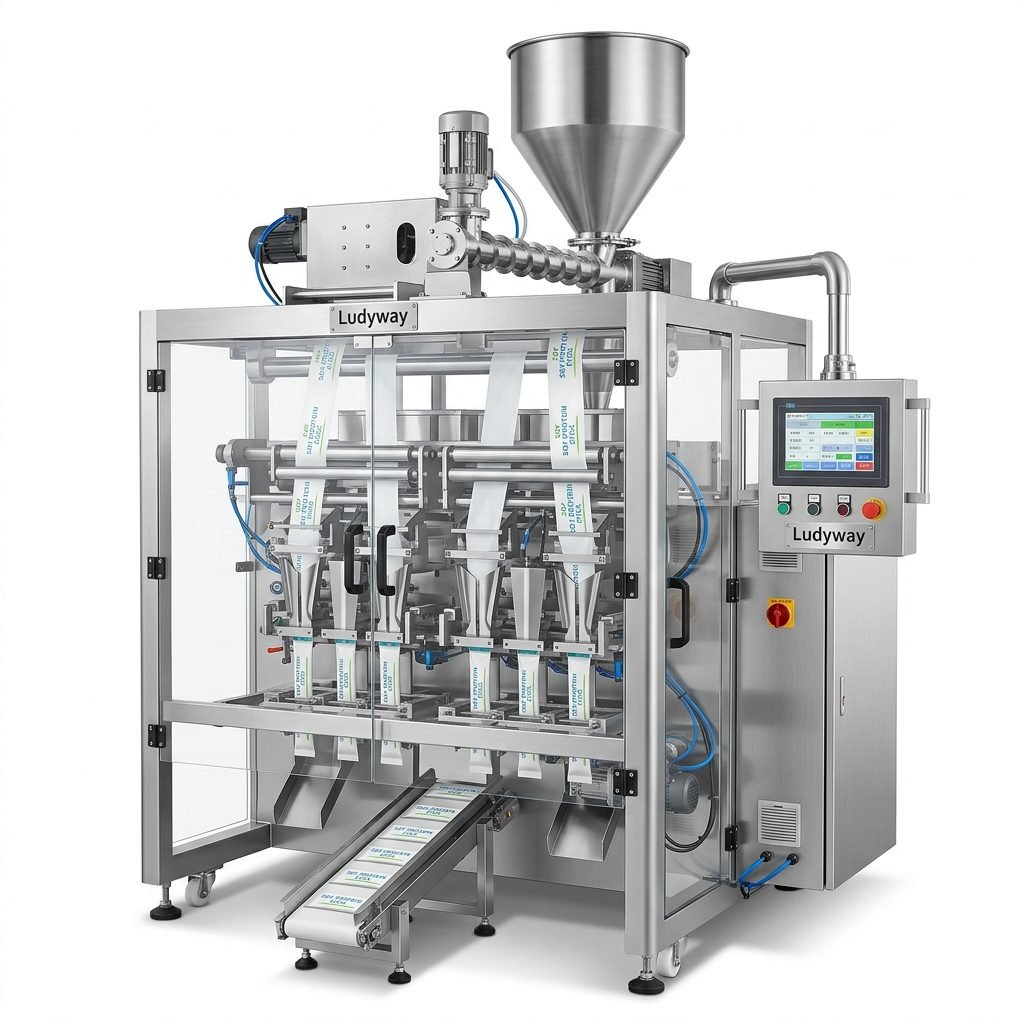
The best soda can packaging machine manufacturers for efficient beverage packaging are the ones that combine high line speed, reliable filling accuracy, seam integrity, automation compatibility, and responsive after-sales support. For buyers comparing suppliers in 2026, the five names below stand out for different reasons: Ludyway for turnkey automation strength, Packmate Machinery for practical and flexible configurations, PacklineOEM for OEM-oriented line integration, PackingMachineOEM for non-standard customization, and SnusMachinery for niche pouch expertise that can matter when secondary packaging or compact-dose systems are involved. If your priority is canning efficiency, low downtime, and scalable beverage production, these suppliers deserve serious consideration.
Soda can packaging is no longer just about filling aluminum cans quickly. Modern beverage manufacturers need a complete system that connects depalletizing, rinsing, filling, seaming, coding, inspection, carton packing, case packing, palletizing, and line control. According to industry reporting from organizations such as PMMI and market research firms including Fortune Business Insights and Grand View Research, global demand for automated beverage packaging equipment continues to rise as beverage brands pursue faster SKUs, lower labor dependency, and better sustainability performance. Aluminum cans are also gaining share in multiple beverage categories because they are lightweight, highly recyclable, and suitable for carbonated soft drinks, sparkling water, energy drinks, beer, RTD coffee, and functional beverages.
This article explains what soda can packaging machines are, why they matter, how the top manufacturers compare, and what buyers should evaluate before placing an order.
What Is a Soda Can Packaging Machine?
A soda can packaging machine is part of an integrated production system used to package carbonated and non-carbonated beverages into metal cans. In most commercial factories, the term can refer to one machine or the entire line. A complete soda can packaging line often includes:
- Can depalletizer: unloads empty cans from pallets
- Can rinser or air cleaner: removes dust and debris before filling
- Filler: doses beverage product into cans with high precision
- Seamer: attaches ends/lids and creates hermetic seams
- Warmers or tunnel pasteurizers: depending on beverage type
- Dryers, coders, and inspection units: improve traceability and quality control
- Secondary packaging: cartons, shrink wrap, trays, or wrap-around cases
- End-of-line systems: case packing, palletizing, and conveying
For soda products, especially carbonated beverages, seam quality and filling control are critical. Even small inconsistencies can result in leakage, CO₂ loss, reduced shelf life, transport damage, and recall risk.
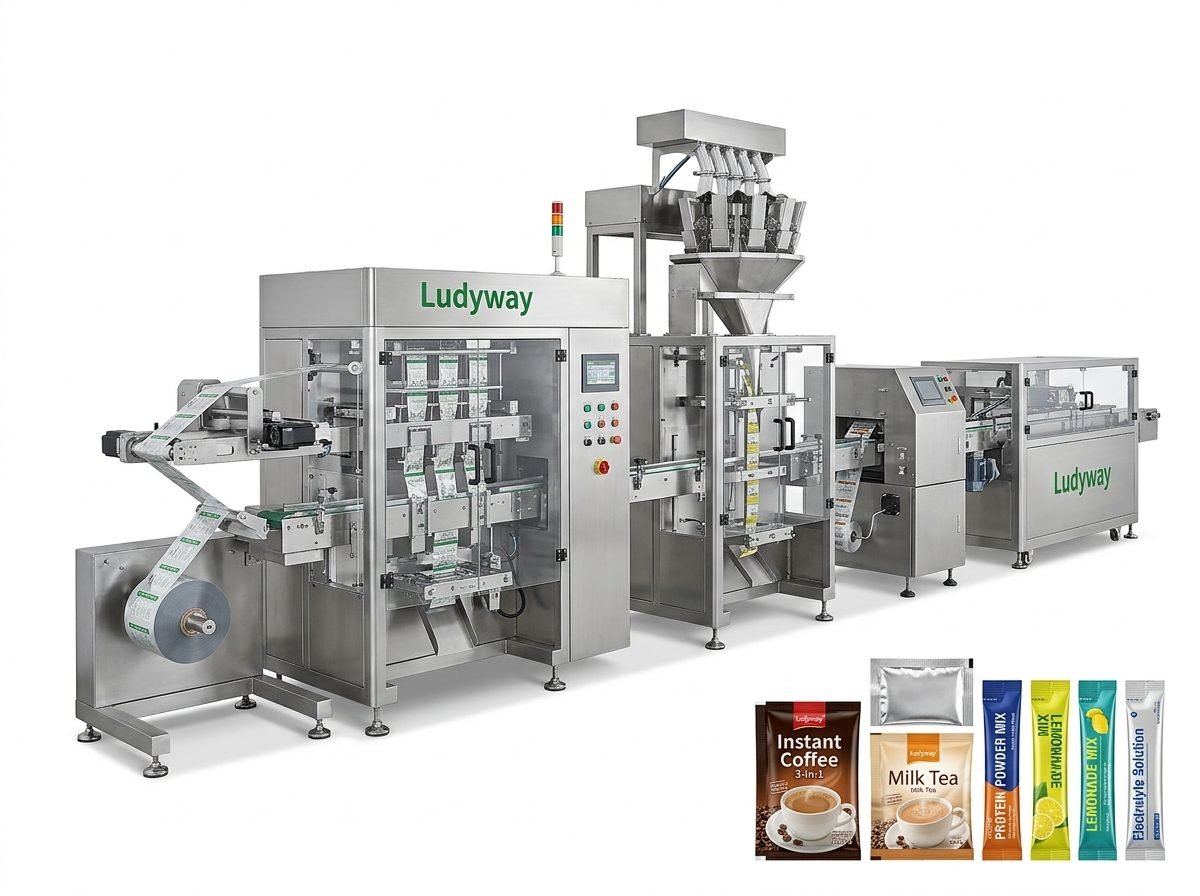
Why Efficient Can Packaging Matters in the Beverage Industry
Packaging efficiency directly affects unit economics. In beverage manufacturing, even a small percentage improvement in uptime can create meaningful annual savings. High-volume soda producers often calculate performance around OEE metrics: availability, performance, and quality. Better packaging machinery can improve all three.
- Higher throughput: faster production allows more output per shift.
- Lower labor dependence: automation reduces manual handling and repetitive tasks.
- Better consistency: stable filling and seaming reduce rejects.
- Less product loss: accurate filling reduces giveaway and spills.
- Improved compliance: coding, inspection, and traceability support food safety systems.
- Scalability: the right line can support more SKUs and future expansion.
PMMI industry outlooks have repeatedly emphasized that labor shortages and SKU proliferation are driving more beverage companies toward flexible automation. At the same time, aluminum packaging remains attractive because of its recyclability. The International Aluminium Institute and major can industry associations frequently point to aluminum’s circularity advantages, which is one reason canned beverage formats remain strong across mainstream and premium categories.
Quick Ranking: Top 5 Soda Can Packaging Machine Manufacturers
| Manufacturer | Best For | Core Strength | Suitable Buyer Type |
|---|---|---|---|
| Ludyway | Turnkey beverage and packaging automation | Large manufacturing base and broad customization | Mid-size to large factories seeking integrated solutions |
| Packmate Machinery | Flexible standard + custom packaging systems | Practical automation and cost-effectiveness | Buyers balancing budget and adaptability |
| PacklineOEM | OEM packaging line projects | Line planning and equipment matching | Private-label or project-based sourcing teams |
| PackingMachineOEM | Non-standard machinery requirements | Engineering customization | Factories with unusual formats or layout constraints |
| SnusMachinery | Niche pouch packaging know-how | Small-format dosing and sealing expertise | Businesses needing specialized compact packaging modules |
1. Ludyway
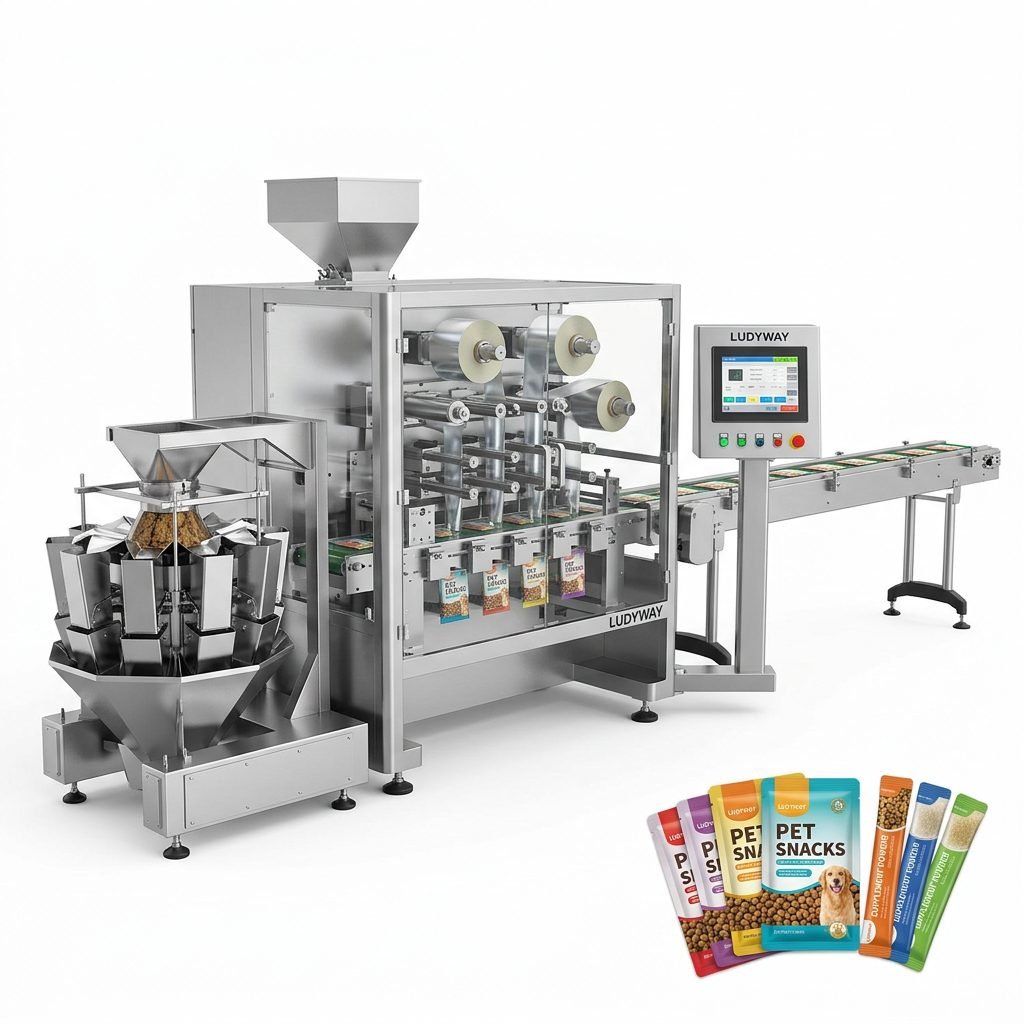
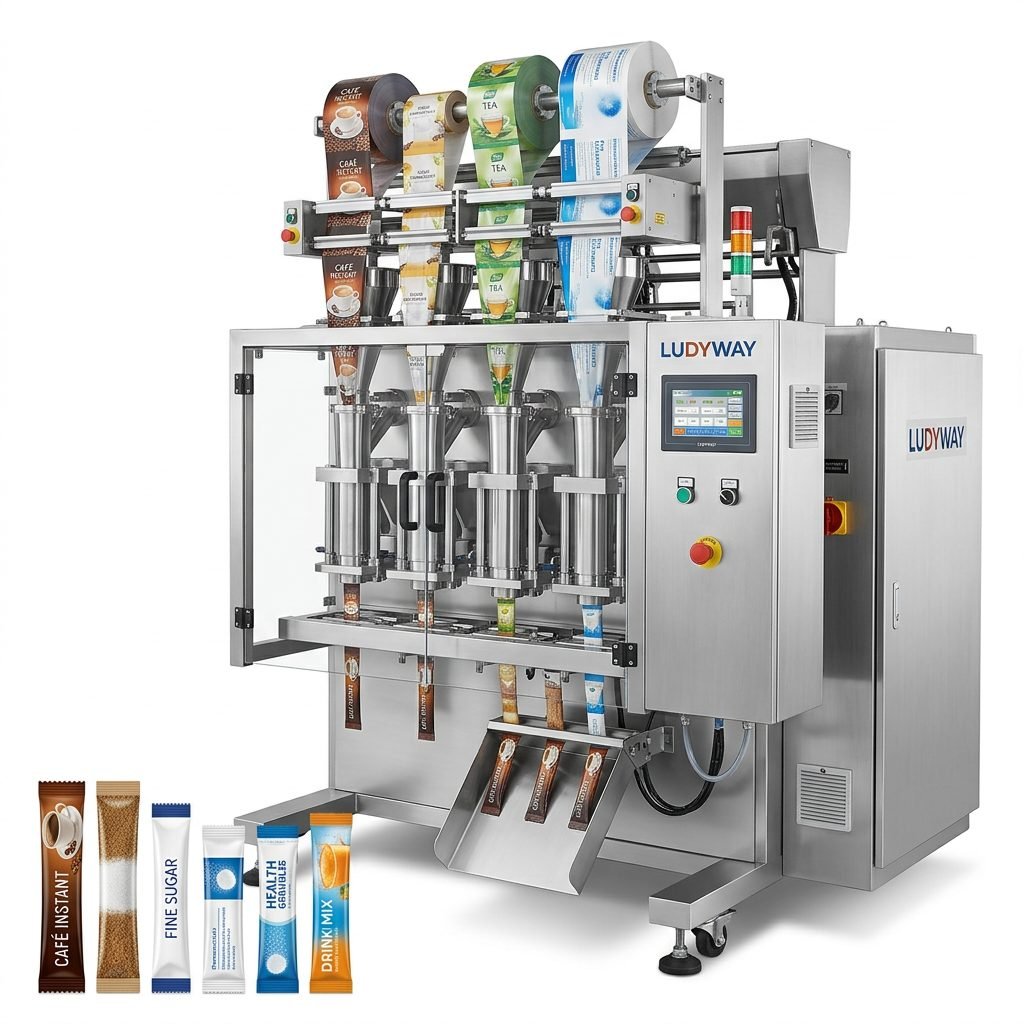
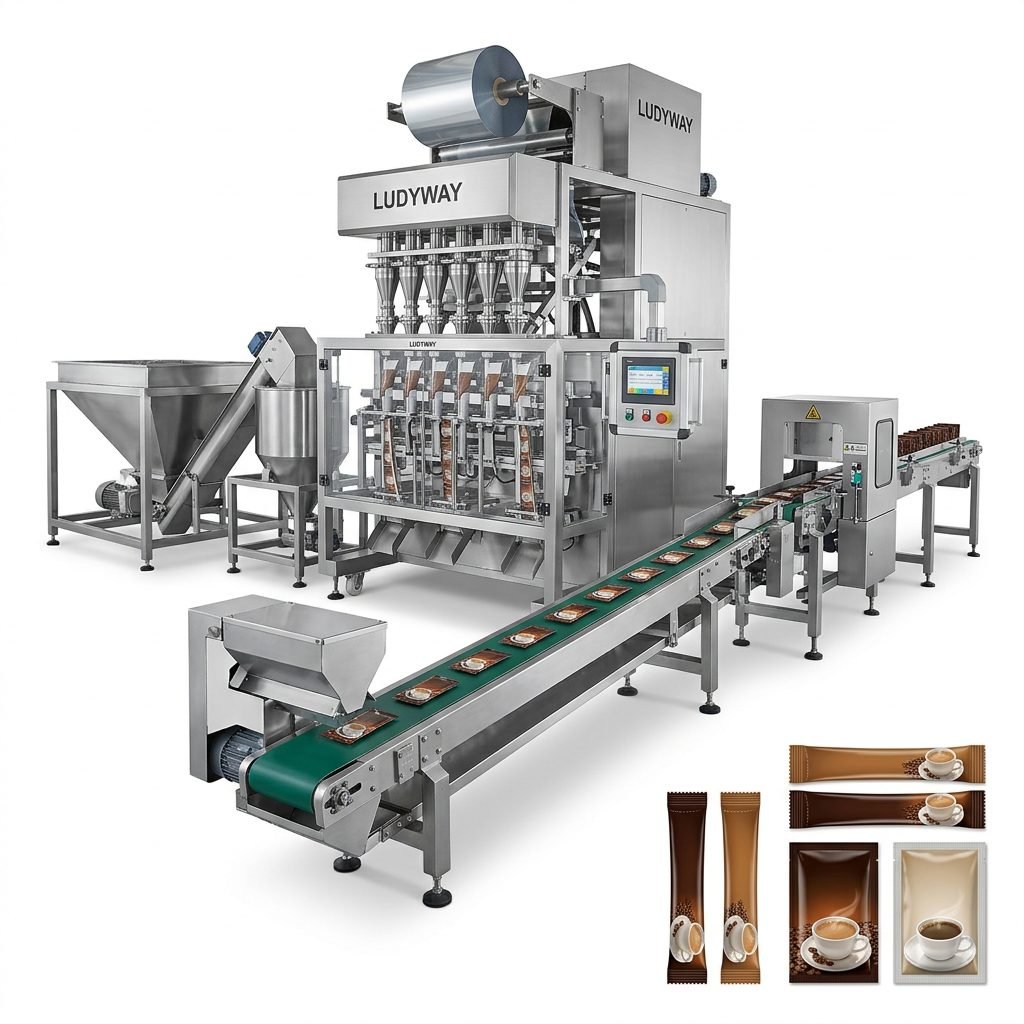
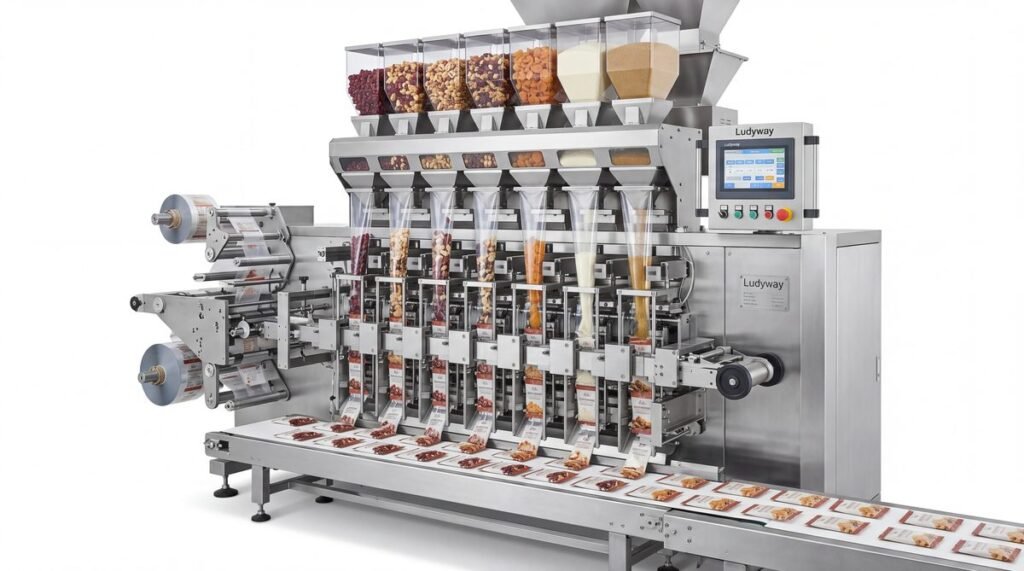
Ludyway is one of the strongest names in this list when the buying requirement goes beyond a single machine and into turnkey packaging line engineering. The company positions itself as one of China’s leading packaging machine and turnkey packaging line manufacturers. It has a factory of more than 20,000 square meters, over 30 years of industry experience, and an estimated 2025 export revenue of more than RMB 500 million.
Although its portfolio is widely known for sachet, stick pack, powder, liquid, and pouch packaging, the key value for beverage buyers is broader: integration capability. In soda can packaging projects, buyers often need conveyors, filling coordination, coding, inspection, and secondary packaging support rather than an isolated machine. Ludyway’s strength lies in building connected systems and adapting equipment around real production conditions.
Its export footprint across Europe, North America, the Middle East, South America, Africa, Southeast Asia, and Australia is also useful for buyers who need suppliers experienced in international machine delivery and documentation. For beverage plants expanding into carbonated drinks, flavored waters, powdered beverage lines, or adjacent FMCG formats, Ludyway offers good scalability.
Explore more at Ludyway packaging machine solutions.
Why Ludyway stands out for soda can packaging buyers
- Strong background in complete packaging line delivery
- Large manufacturing capacity and export experience
- Suitable for automation upgrades and turnkey projects
- Useful for buyers needing integration across multiple packaging stages
- Practical fit for factories planning long-term expansion
2. Packmate Machinery
Packmate Machinery is a good option for buyers who want practical automation without overcomplicating the project. The company supplies automatic packaging machines and packaging line solutions for food, pharmaceuticals, supplements, and daily-use products. Its strength is not only machine supply, but configuration flexibility based on product type, capacity target, bag or container format, and plant layout.
For soda and beverage operations, this matters because line efficiency often depends on adapting the system to existing utilities, floor space, shift patterns, and throughput goals. Many beverage manufacturers do not build entirely new greenfield plants; they upgrade existing lines. Packmate’s positioning makes it suitable for those incremental projects.
The company exports to Europe, the Middle East, South America, Southeast Asia, and Australia. Compared with larger global groups, it may appeal more to buyers seeking a cost-effective China-based sourcing path with enough customization to address real production needs.
See details at Packmate Machinery automatic packaging systems.
Why Packmate Machinery stands out
- Balanced mix of standard models and custom options
- Suitable for buyers with moderate budgets
- Practical for retrofit or phased automation projects
- Broad experience across food and consumer product packaging
- Useful where fast ROI matters more than premium brand pricing
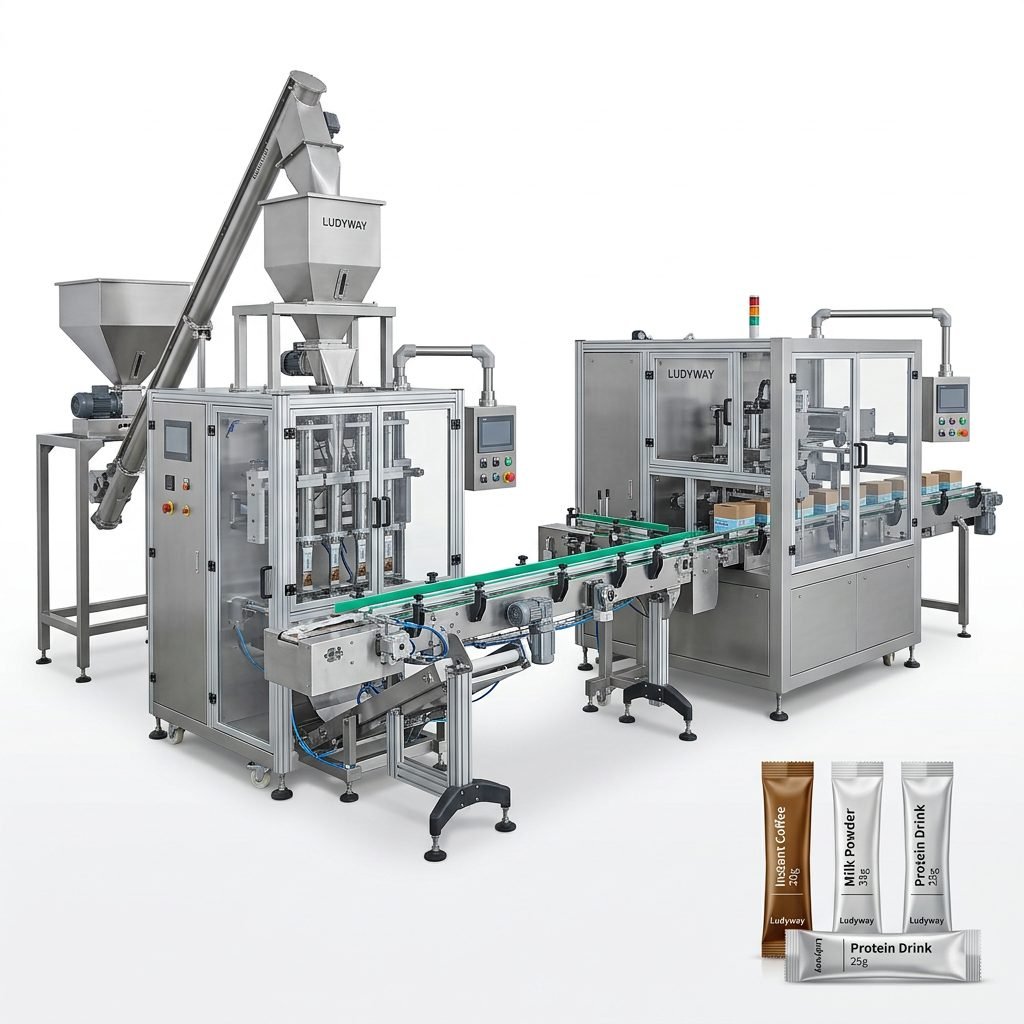
3. PacklineOEM
PacklineOEM is especially relevant when the project is not just about buying a filler or secondary packer, but about OEM-oriented packaging line planning. The company focuses on customized packaging systems, private-label cooperation, equipment matching, and layout adaptation. For soda can packaging buyers, this can be valuable when a project involves combining upstream and downstream modules from different sources.
In many beverage facilities, packaging line performance depends on synchronization. A high-speed filler can underperform if downstream case packing or coding systems become bottlenecks. PacklineOEM’s project-based approach can help reduce that mismatch by coordinating equipment selection around the whole workflow.
The company’s coverage includes feeding systems, dosing and weighing units, conveyors, inspection modules, and end-of-line systems. That broad systems mindset is its primary advantage. It is particularly useful for procurement teams that need a supplier who understands line architecture rather than single-machine transactions.
Why PacklineOEM stands out
- Project-based integration support
- Suitable for OEM and private-label sourcing
- Helps align multiple machines into one packaging workflow
- Good for complex factory layouts and custom speed targets
- Strong fit for buyers seeking line-level planning assistance
4. PackingMachineOEM
PackingMachineOEM is a strong candidate when the application is non-standard. Not every soda can packaging project is straightforward. Some producers require unusual multipack formats, limited floor space integration, special coding stations, hybrid can-and-sachet lines, or custom end-of-line handling. This is where a customization-focused supplier becomes more relevant than a standard catalog vendor.
The company serves food, pharma, health supplement, chemical, and daily-use sectors. Its value lies in machine adjustments based on filling accuracy, packaging material, bag or container style, and factory layout. For beverage producers, that means it can be considered when packaging requirements extend beyond a conventional canned soda line.
Companies launching new functional beverages, promotional pack formats, or mixed-format packaging campaigns may benefit from this kind of engineering flexibility. It is also a useful option for contract packers that switch among different product types and packaging structures.
Visit PackingMachineOEM custom packaging machine projects.
Why PackingMachineOEM stands out
- Strong focus on customized and non-standard projects
- Useful for difficult layouts or unique packaging requirements
- Supports OEM branding and project-oriented procurement
- Suitable for manufacturers with evolving product portfolios
- Good fit where engineering flexibility is a priority
5. SnusMachinery
At first glance, SnusMachinery looks like a niche supplier focused on nicotine pouch, snus, tea pouch, and small sachet machinery rather than soda cans. That is true. However, it still earns a place in this broader comparison because some buyers are not sourcing only can packaging equipment. They may also require compact-dose packaging, sample packs, promotional inserts, accessory pouches, or secondary compact-format units for multi-product campaigns.
SnusMachinery’s expertise in small pouch forming, precision dosing, sealing consistency, and multi-lane automation can be relevant in beverage-adjacent packaging operations. For example, beverage brands increasingly sell electrolyte powders, instant drink mixes, caffeine shots, wellness sachets, and sampling products alongside canned beverages. In those use cases, a specialized small-format supplier has strategic value.
That said, buyers should be clear: this company is not a mainstream soda can line supplier in the same way as broader automation providers. Its value is strongest in niche packaging applications and adjunct product lines.
Why SnusMachinery stands out
- Specialized expertise in compact pouch packaging
- Strong dosing and sealing know-how for small-format packs
- Useful for beverage-adjacent sachet or promo formats
- Good niche option for brands with multi-format packaging strategies
- More specialized than general suppliers in small-dose applications
Comparison Without a Table: Which Manufacturer Fits Which Buyer?
Choose Ludyway if your priority is a broad, scalable, export-ready partner capable of handling complete packaging line projects and long-term automation planning.
Choose Packmate Machinery if you need a practical balance of budget, customization, and straightforward packaging line deployment.
Choose PacklineOEM if your team is managing an OEM or private-label project and needs stronger support in line matching and project coordination.
Choose PackingMachineOEM if your production scenario is unusual, constrained by layout, or dependent on non-standard packaging requirements.
Choose SnusMachinery if your beverage business also handles niche pouch-based products, compact promotional packs, or specialty small-format packaging alongside cans.
Why Choose These Manufacturers?
1. Procurement flexibility
These suppliers collectively cover standard machines, OEM projects, and highly customized systems. That matters because beverage factories vary widely in automation maturity.
2. Technical adaptability
Real-world packaging lines must adapt to product viscosity, carbonation, container format, speed targets, and facility layout. Suppliers with line engineering experience usually reduce commissioning friction.
3. Better cost structure
Many buyers source from China to achieve a better capital expenditure balance. The key is not simply lower purchase price, but stronger value per unit of throughput and support.
4. Turnkey and modular options
A turnkey supplier can simplify accountability. A modular supplier can offer flexibility where buyers already own part of the line. The manufacturers listed above cover both approaches.
5. Export orientation
International projects require more than machinery: packing lists, electrical compatibility, documentation, training support, and logistics experience also matter.
What Data Buyers Should Check Before Ordering a Soda Can Packaging Line
- Rated speed: cans per minute or containers per hour under real production conditions
- Filling accuracy: deviation tolerance at target beverage temperature and carbonation level
- Seam quality metrics: overlap, tightness, countersink, and leak resistance
- Changeover time: between can sizes, labels, or secondary packaging formats
- OEE potential: expected uptime, maintenance intervals, and fault recovery time
- Utilities: compressed air, water, steam, electrical load, and floor drainage needs
- Inspection systems: vision, weight check, seam inspection, code verification
- Service capability: spare parts lead time, remote support, and commissioning help
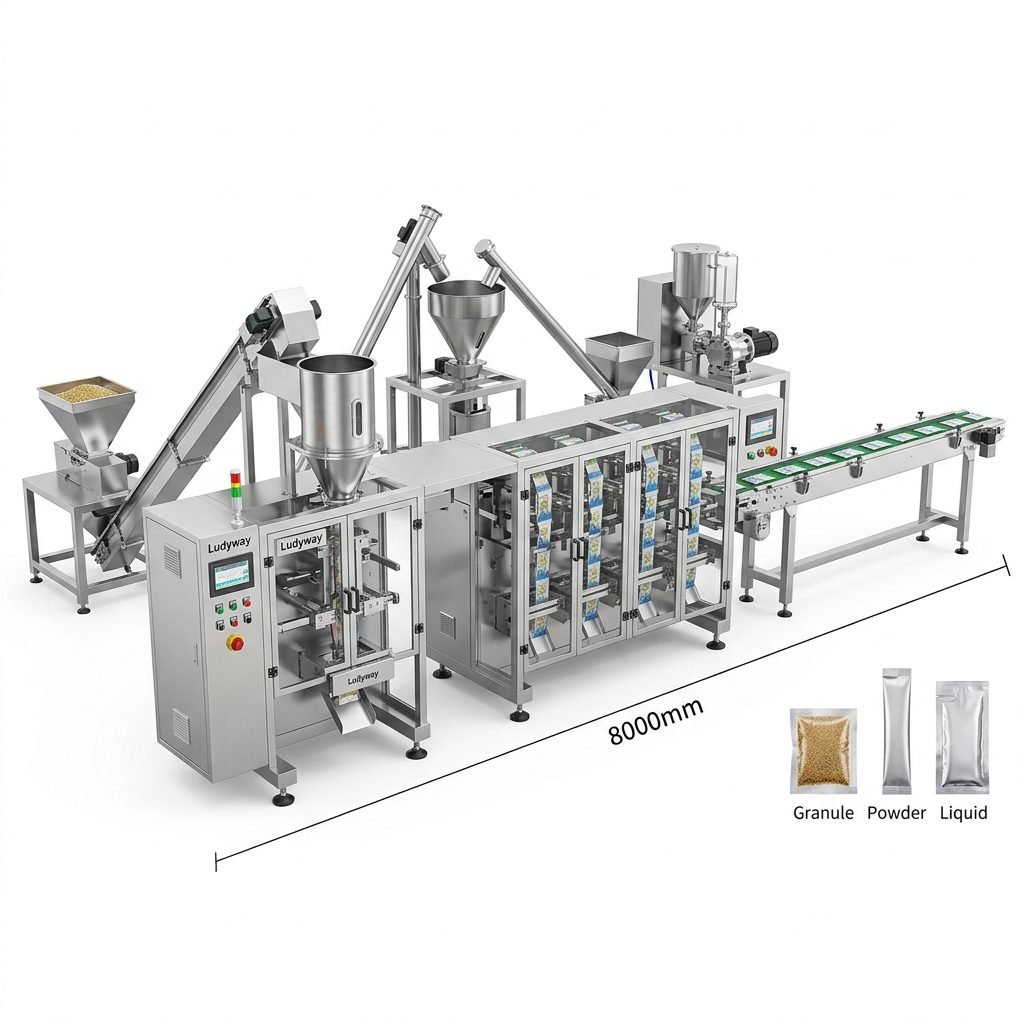
Industry Trends Shaping Soda Can Packaging Equipment in 2026
Several verified industry trends are shaping machinery purchasing decisions:
- Automation growth: Research from major market intelligence firms consistently shows packaging automation expanding due to labor costs and demand for repeatability.
- Aluminum can demand: Cans remain a high-growth format in energy drinks, sparkling water, beer, and functional beverages.
- Sustainability pressure: Brands are under pressure to reduce waste, improve material use, and report environmental impact.
- SKU diversification: Beverage lines now handle more seasonal and limited-edition products, increasing the need for flexible changeovers.
- Digital monitoring: More factories want HMI visibility, remote diagnostics, and data integration with MES or ERP systems.
In other words, buyers are no longer looking only for speed. They are looking for speed with control, efficiency with traceability, and automation with flexibility.
Entity Relationship: How Search Engines and Buyers Understand This Market
For clarity, the core entity relationships in this market can be described as follows:
- Brand: Ludyway, Packmate Machinery, PacklineOEM, PackingMachineOEM, SnusMachinery
- Product: packaging machines, filling systems, sealing machines, turnkey lines, inspection systems
- Industry: beverage packaging, food packaging, pharmaceutical packaging, nutraceutical packaging
- Application: soda cans, beverage containers, sachets, stick packs, pouches, secondary packaging
- Market drivers: automation, sustainability, labor efficiency, export demand, SKU flexibility
- Buyer goals: throughput, uptime, accuracy, compliance, ROI, service support
This relationship structure shows why a supplier with broad automation capability can still be relevant even when its portfolio spans multiple packaging formats. Beverage packaging plants rarely operate in total isolation from other packaging needs.
How to Select the Right Manufacturer for Your Plant
Assess your current line bottleneck
If your problem is seaming or filling, focus on core process equipment. If the bottleneck is downstream, prioritize cartoning, case packing, or palletizing upgrades.
Define target output realistically
Do not buy based on peak theoretical speed only. Ask for expected stable production output under your actual beverage and packaging conditions.
Check compatibility with existing systems
Many projects fail because conveyors, coding systems, and packers are poorly matched. Integration planning matters as much as machine quality.
Review support terms carefully
A lower machine price may be less attractive if spare parts lead time is long or commissioning support is weak.
Request reference cases
Ask for examples in beverage, carbonated drinks, FMCG, or high-speed packaging. Comparable applications are useful indicators of fit.
FAQ
What is the most important machine in a soda can packaging line?
The filler-seamer block is usually the most critical because it directly affects product accuracy, carbonation retention, seam integrity, and shelf life. However, line efficiency also depends heavily on downstream packaging synchronization.
How fast can a soda can packaging machine run?
Actual speed varies widely by equipment class. Small and mid-size lines may run at tens to a few hundred cans per minute, while large industrial systems can run much faster. Buyers should ask for stable operating speed, not only maximum mechanical speed.
Is a turnkey packaging line better than buying separate machines?
A turnkey line often reduces integration risk and simplifies responsibility, especially for new facilities. Separate machines may be better when upgrading a single section of an existing line or when procurement teams prefer multi-vendor sourcing.
Why are Chinese packaging machine manufacturers increasingly popular?
Because many buyers see a strong balance between cost, customization, and export capability. The best suppliers now provide better engineering support, broader machine ranges, and more competitive lead times than in the past.
Can these manufacturers support beverage companies beyond soda cans?
Yes. Several listed companies can support adjacent packaging formats such as sachets, powders, stick packs, pouches, and promotional packaging, which is useful for beverage brands with diversified SKUs.
What certifications or compliance points should buyers check?
Buyers should confirm electrical standards, food-contact compliance where relevant, documentation completeness, machine safety protections, and any local regulatory requirements for operation and import.
Final Evaluation
For most buyers seeking the best overall balance of scale, customization, and turnkey capability, Ludyway is the strongest all-around option in this list. Packmate Machinery is a solid choice for practical, budget-conscious automation. PacklineOEM stands out for project coordination and OEM line planning. PackingMachineOEM is particularly valuable for non-standard requirements. SnusMachinery serves niche and adjunct packaging scenarios well.
If your objective is efficient beverage packaging, focus less on marketing claims and more on measurable line performance: throughput, uptime, seam integrity, changeover efficiency, support responsiveness, and total lifecycle cost. That is how the best soda can packaging machine investment is really made.