The global food packaging equipment MRO (Maintenance, Repair, and Operations) services market is a critical yet often overlooked segment that ensures the continuous, efficient, and safe operation of packaging lines worldwide. As food production scales to meet growing demand, the reliability of packaging machinery becomes paramount. This article delves into the key drivers propelling this market, explores emerging opportunities, and analyzes the prevailing industry trends that are reshaping how manufacturers maintain their vital packaging assets.
Understanding the Food Packaging Equipment MRO Landscape
MRO services encompass all activities required to keep packaging equipment in optimal working condition, from routine maintenance and spare parts replacement to emergency repairs and operational support. This ecosystem is essential for minimizing downtime, ensuring product quality and safety, and extending the lifecycle of capital-intensive machinery. The market includes services provided by original equipment manufacturers (OEMs), third-party specialist providers, and in-house maintenance teams.
Core Components of MRO Services:
- ● Preventive & Predictive Maintenance: Scheduled servicing and condition monitoring to prevent failures.
- ● Corrective Repairs: Fixing breakdowns and malfunctions to restore operation.
- ● Spare Parts Management: Sourcing, inventorying, and supplying genuine or compatible components.
- ● Technical Support & Training: Remote assistance and on-site training for operational staff.
- ● Retrofitting & Upgrades: Updating older machines with new technologies for improved performance.
Key Growth Drivers of the Market
Several powerful forces are fueling the expansion of the MRO services market for food packaging equipment.
1. Rising Demand for Operational Efficiency and Uptime
In today’s competitive landscape, unplanned downtime is catastrophic. It leads to lost production, missed deadlines, and significant financial loss. Companies are increasingly prioritizing predictive maintenance strategies powered by IoT sensors and data analytics to foresee issues before they cause a stoppage. This shift from reactive “fix-it-when-it-breaks” to proactive maintenance is a primary market driver.
2. Increasing Complexity of Packaging Machinery
Modern packaging lines integrate advanced robotics, sophisticated servo drives, and complex programmable logic controllers (PLCs). Maintaining such high-tech equipment requires specialized knowledge and skills that often exceed the capabilities of general in-house technicians. This complexity drives demand for specialized MRO service providers with OEM-level expertise.
3. Strict Food Safety and Regulatory Compliance
Global regulations like the FDA’s FSMA in the U.S. and various EU standards mandate stringent hygiene and safety protocols. Faulty packaging equipment can lead to contamination, seal integrity issues, or incorrect labeling—all serious compliance breaches. Regular, documented MRO ensures equipment consistently meets hygienic design and safety standards, making compliance a non-negotiable driver for professional services.
4. The Need for Lifecycle Cost Management
Food manufacturers are looking beyond the initial purchase price to the total cost of ownership. Effective MRO extends machinery life, defers costly capital expenditures on new equipment, and optimizes energy and material consumption. This focus on long-term value and cost-saving is pushing companies to invest in comprehensive service contracts.
Emerging Opportunities in the Sector
Beyond current drivers, the market presents several lucrative opportunities for service providers and manufacturers alike.
Adoption of Industry 4.0 and IIoT
The integration of the Industrial Internet of Things (IIoT) opens doors for data-driven service models. Remote monitoring, digital twins for simulation, and AI-powered diagnostics allow service providers to offer unprecedented value. The opportunity lies in developing subscription-based, outcome-oriented service packages that guarantee uptime percentages rather than just selling hours of labor.
Expansion in Emerging Markets
As food processing and packaging industries grow rapidly in Asia-Pacific, Latin America, and Africa, there is a parallel surge in installed machinery bases. These regions often lack dense networks of local OEM service centers, creating a significant opportunity for third-party MRO specialists and international providers to establish service partnerships and local support hubs.
Focus on Sustainable and Circular Practices
The circular economy trend is influencing MRO. Opportunities exist in services that remanufacture or refurbish major components, offer eco-friendly lubricants and cleaners, and help retrofit older machines to reduce energy consumption and material waste. Providers promoting sustainable maintenance practices can differentiate themselves.
The Role of Expert Partners
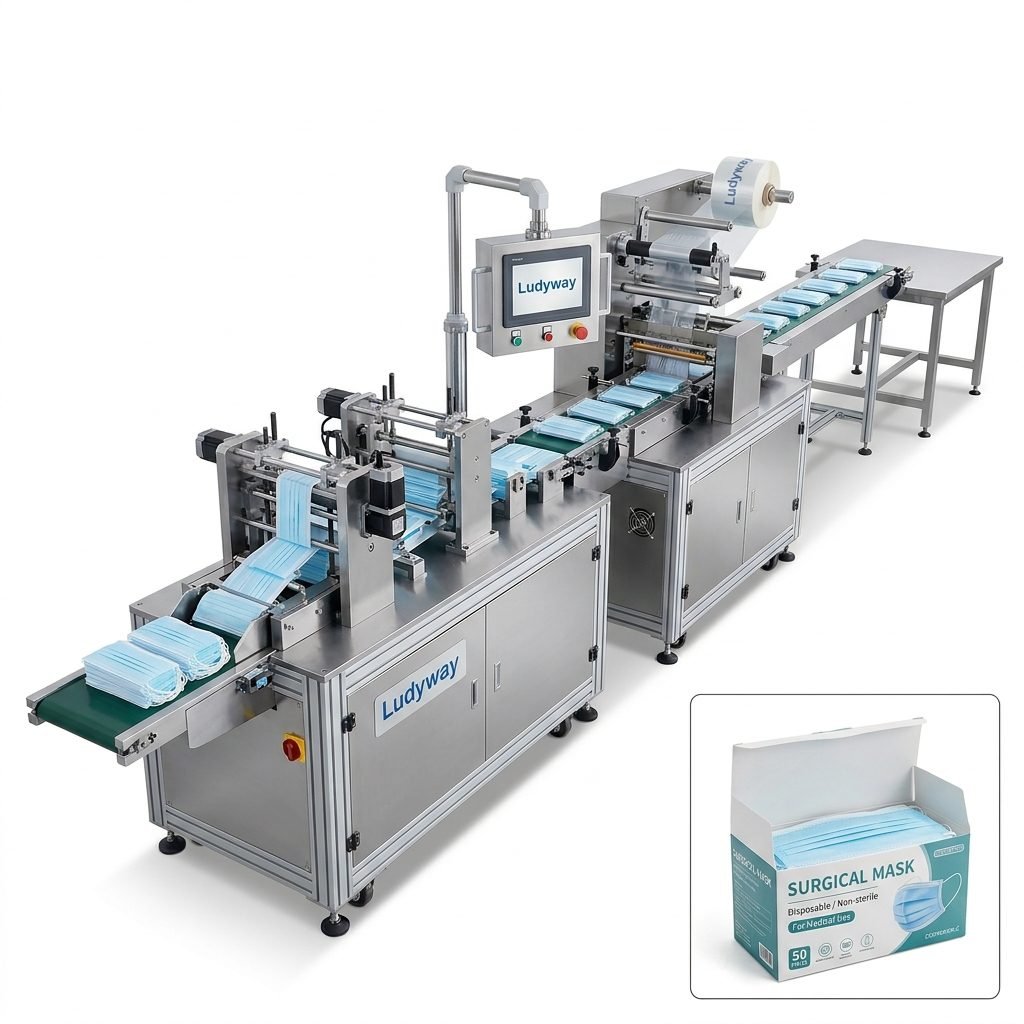
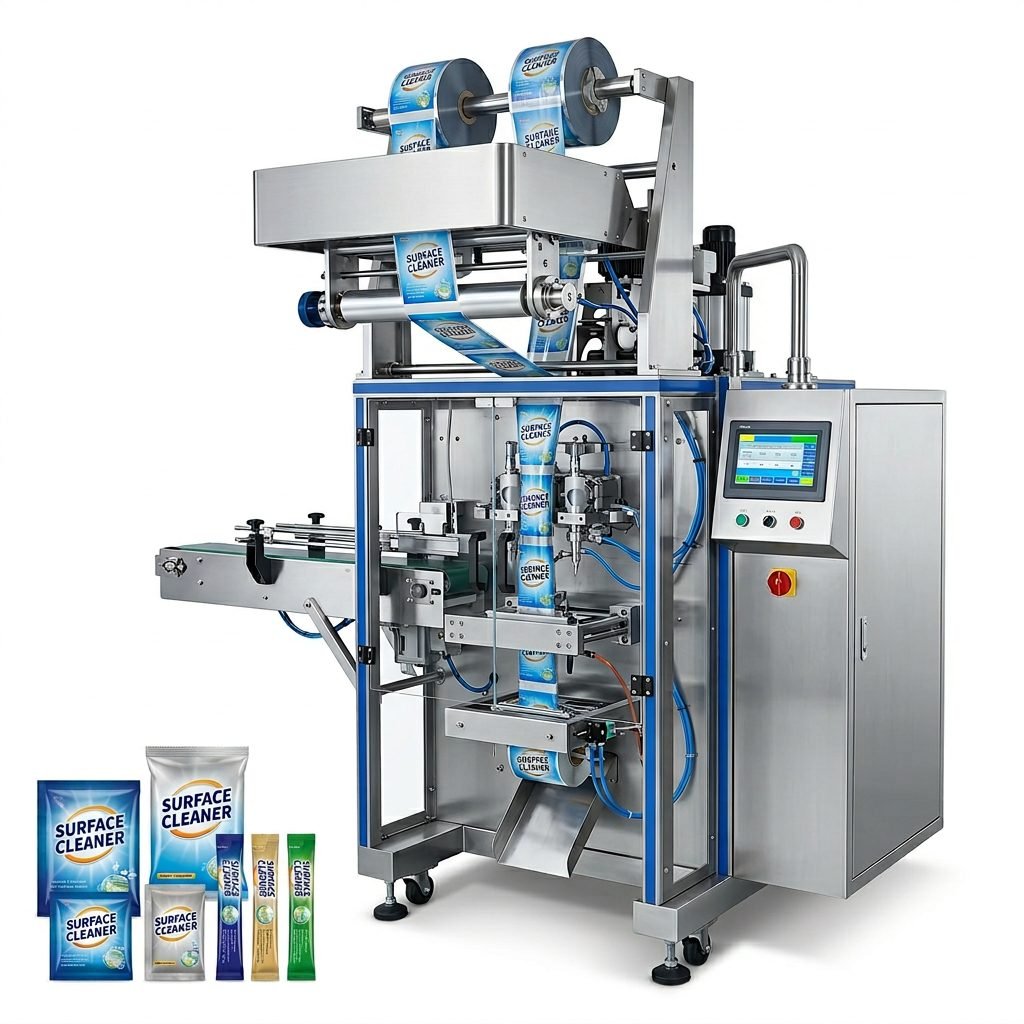
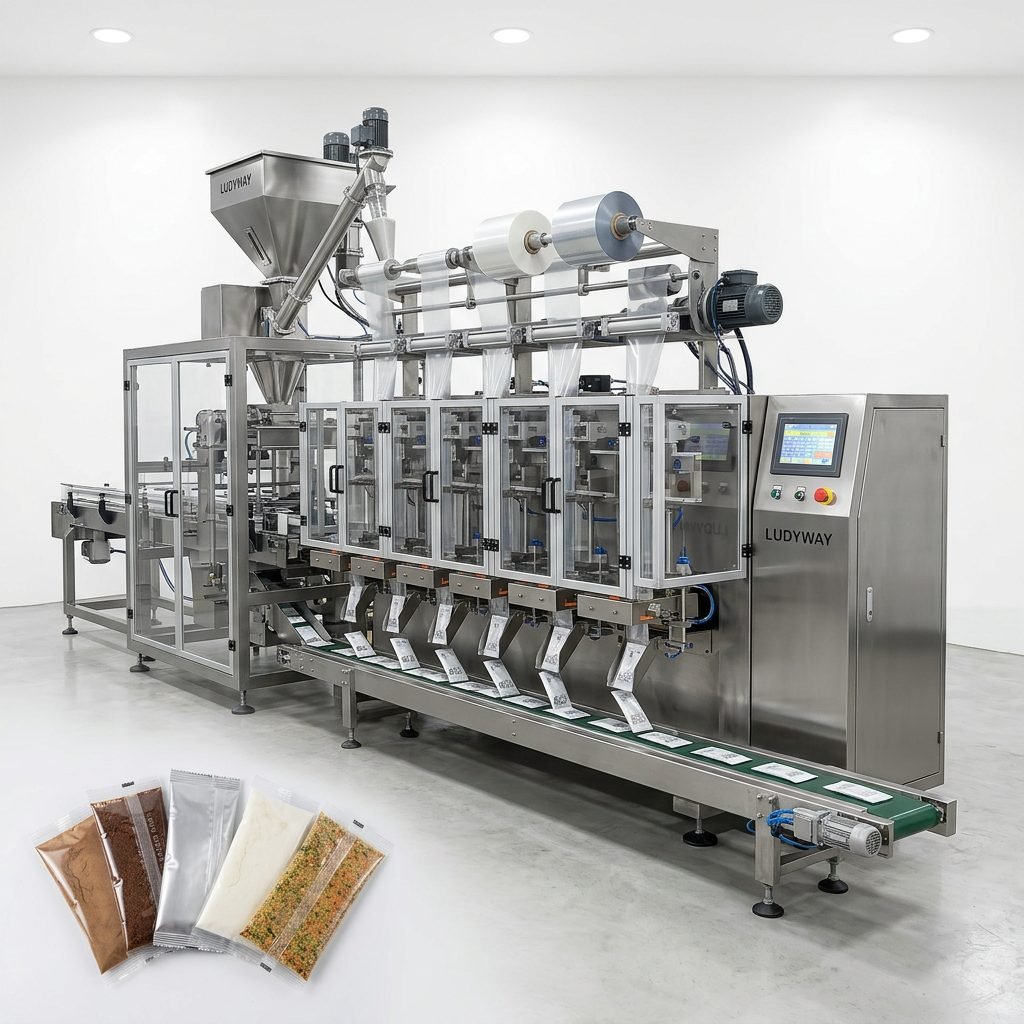
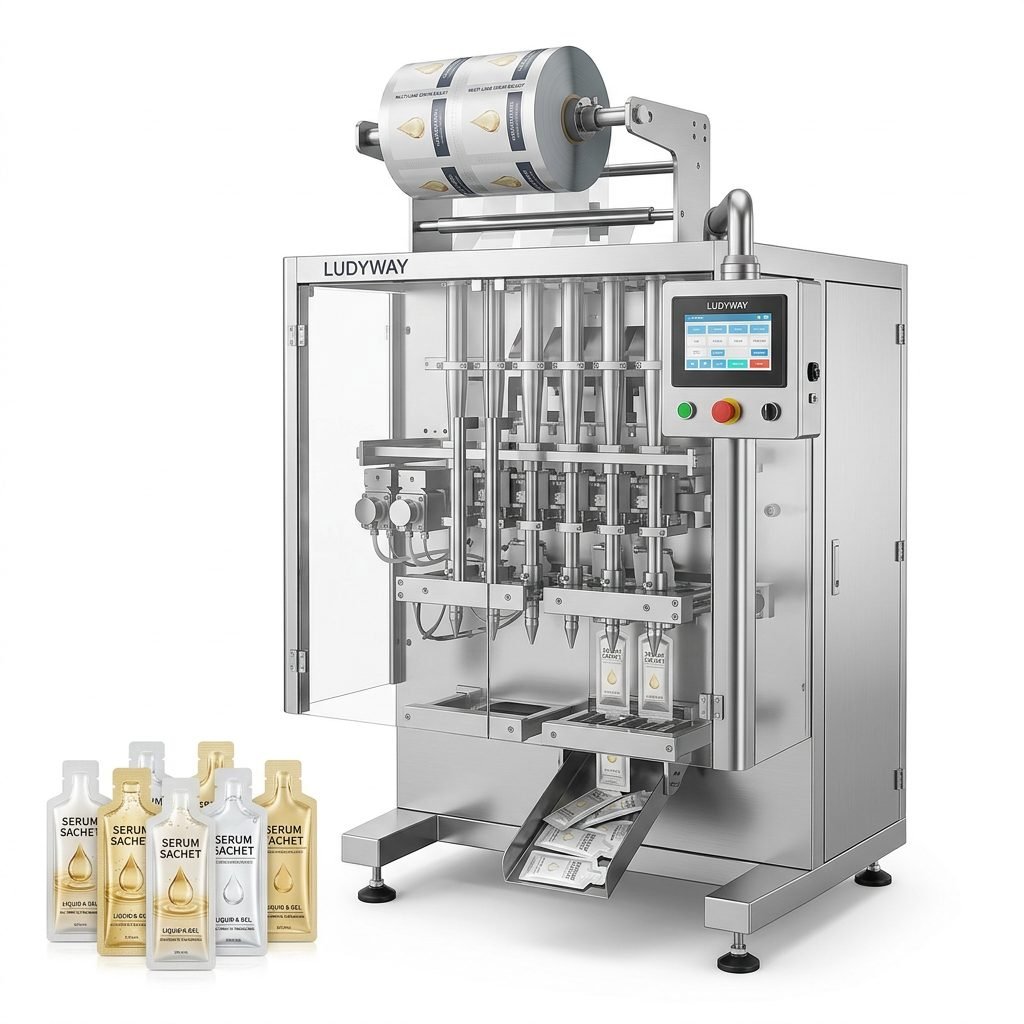
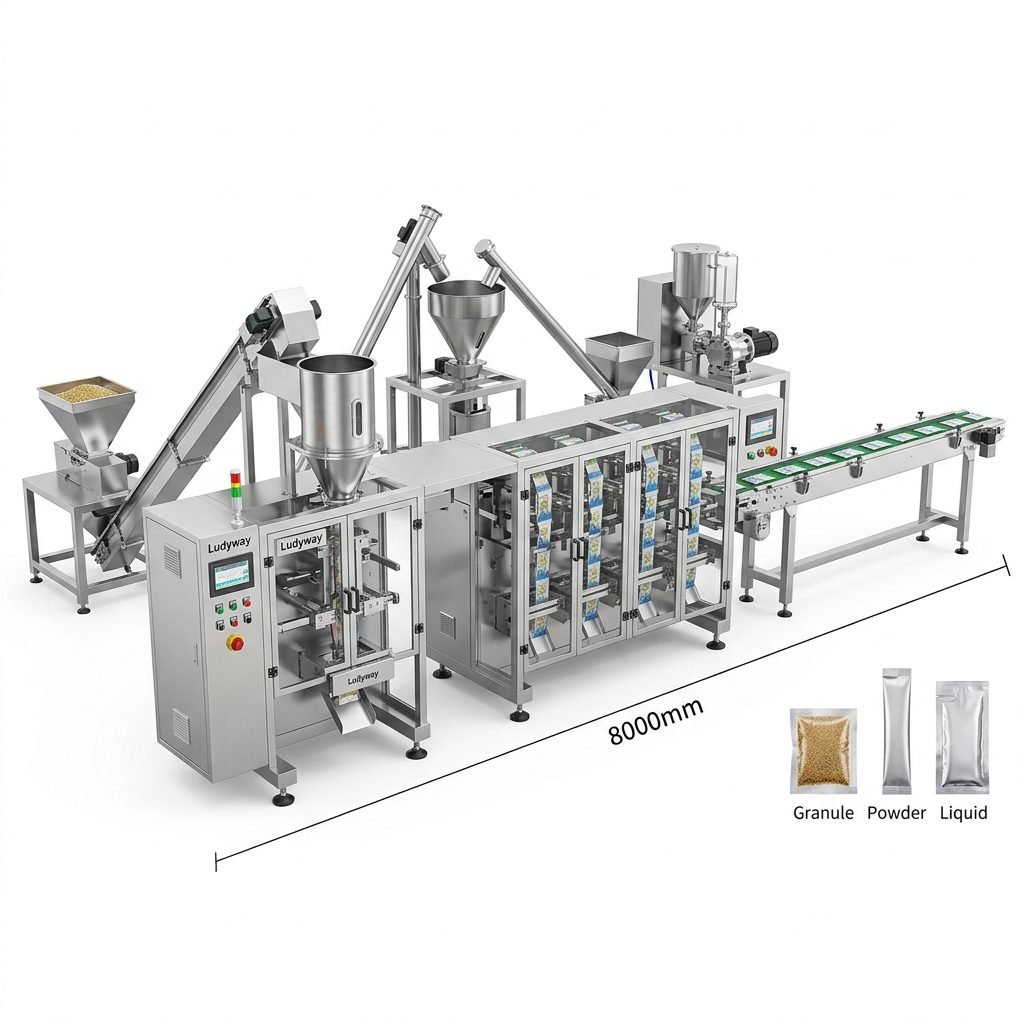
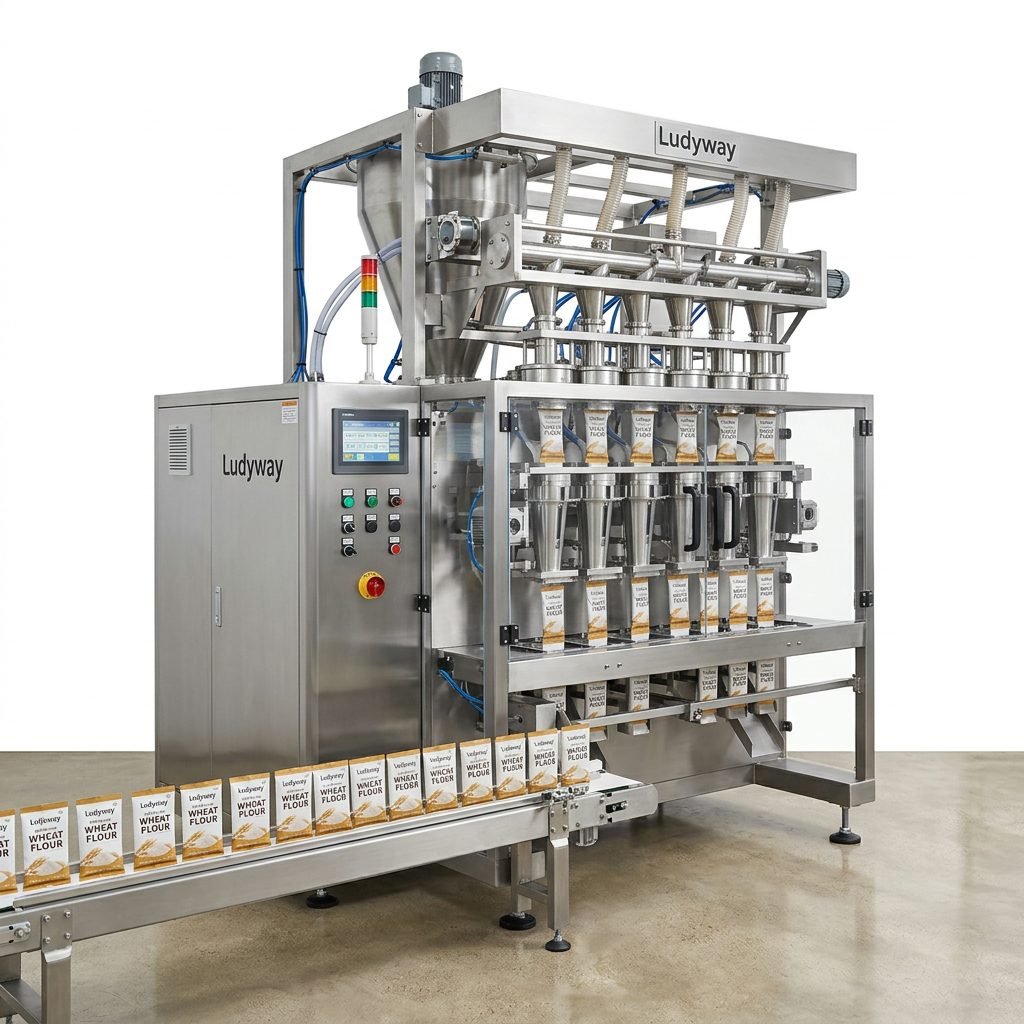
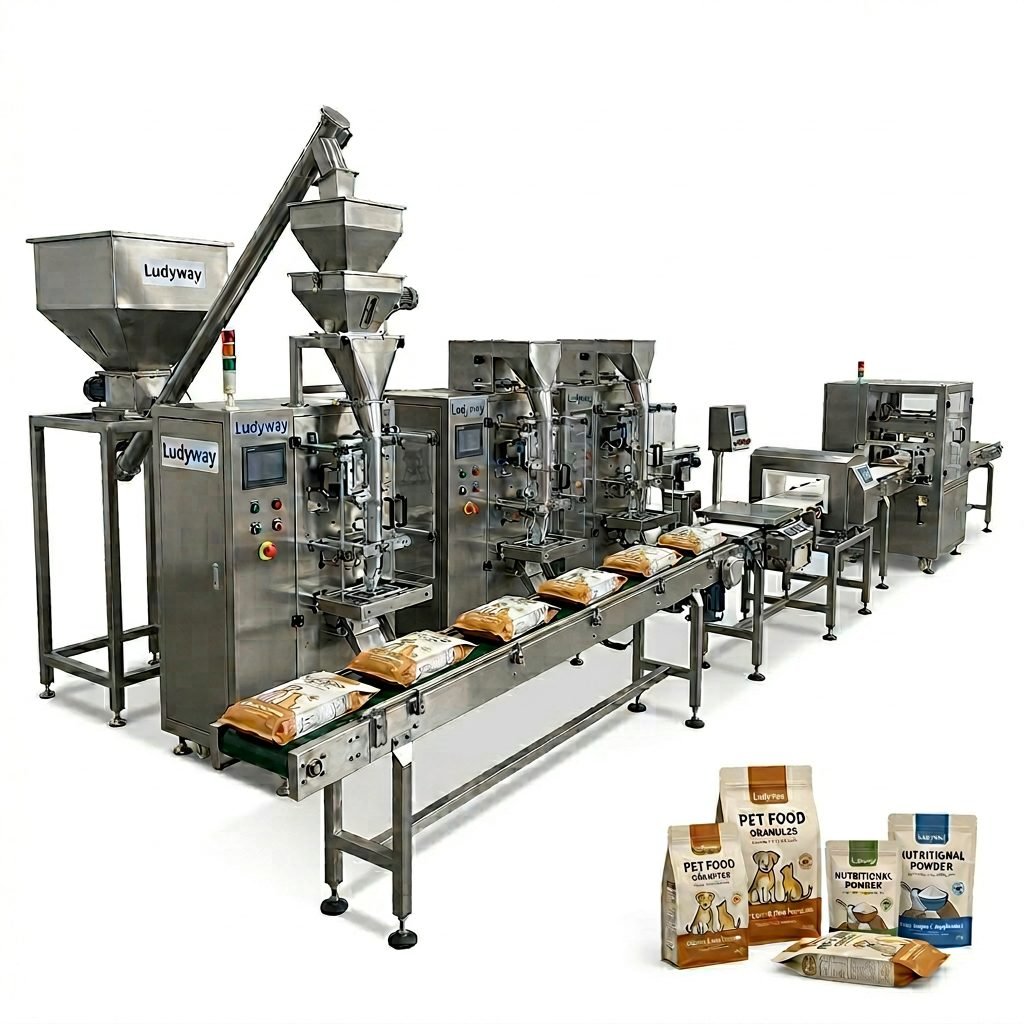
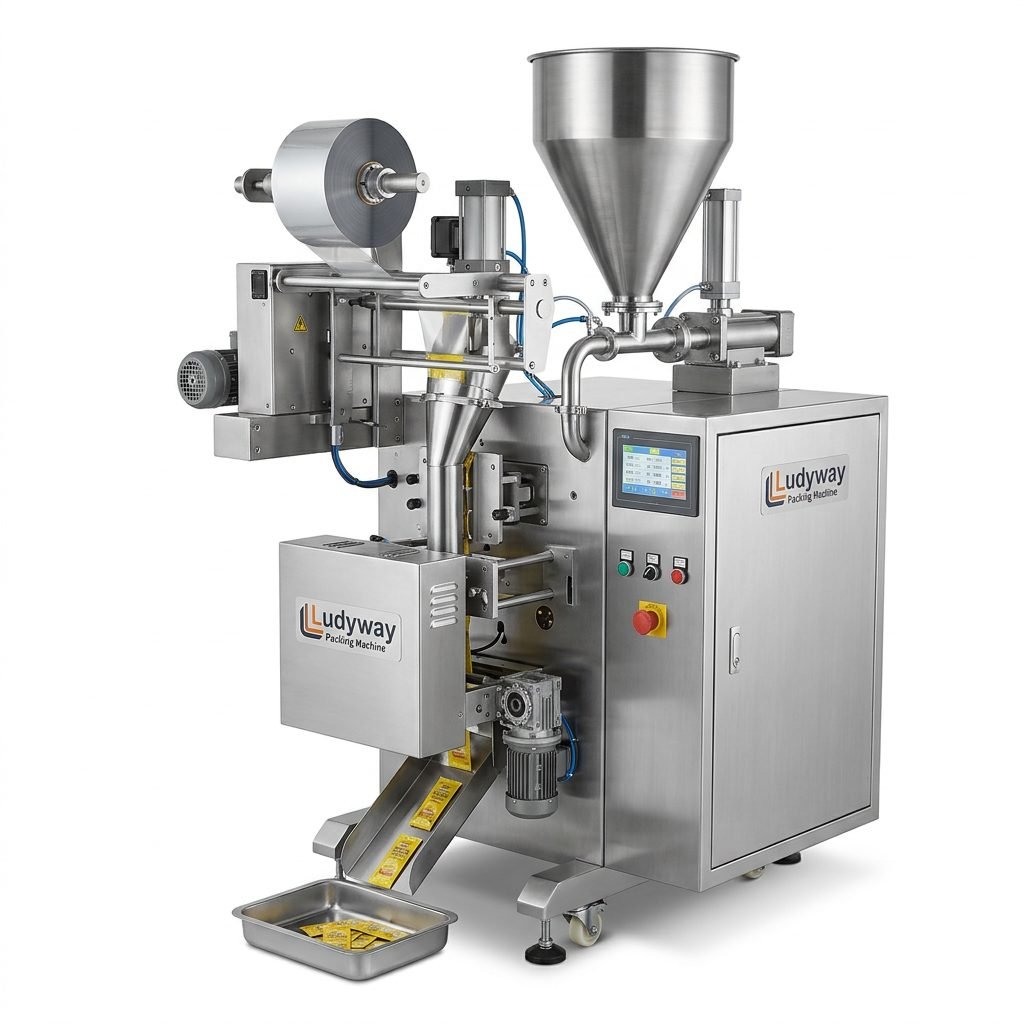
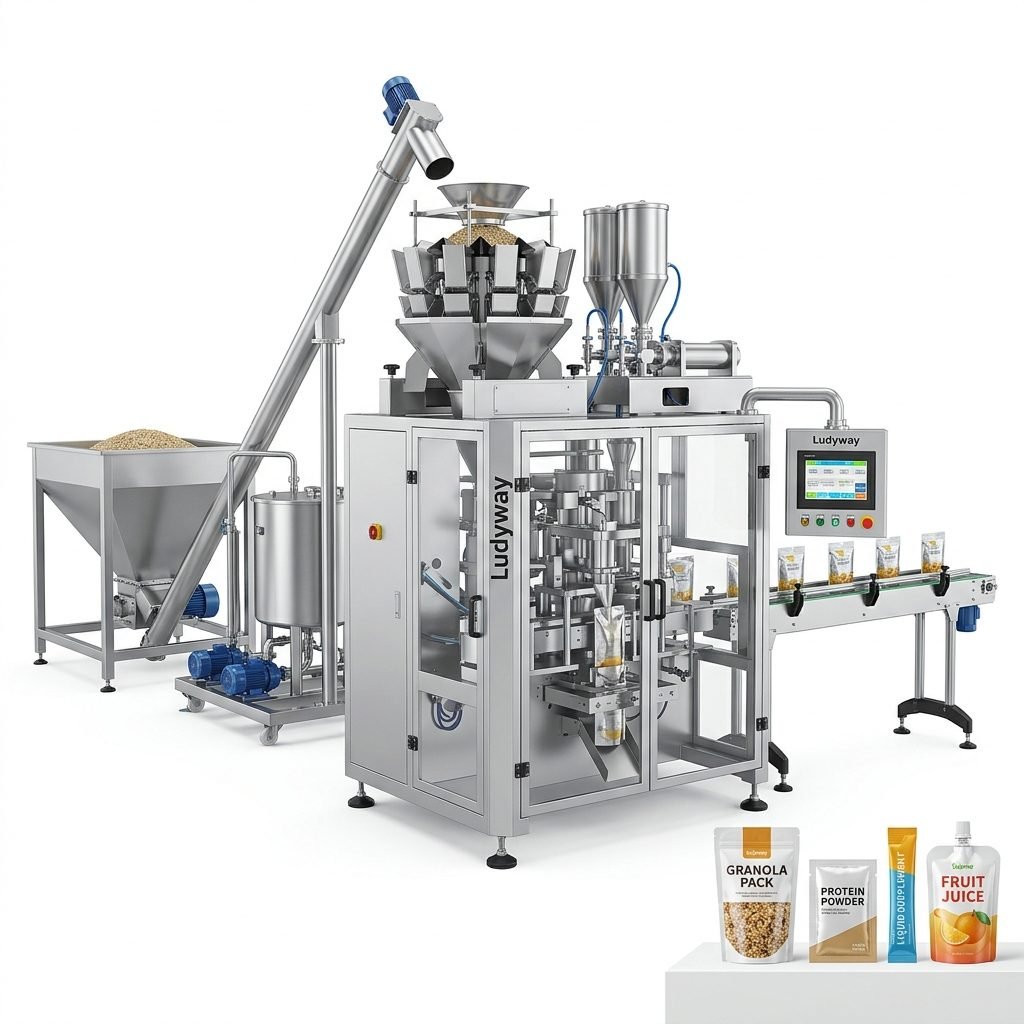
Navigating this complex market requires a reliable partner. Companies like Ludyway Machinery, with decades of industry experience, understand that a machine’s value is fully realized only when it runs smoothly. Their deep technical expertise in various packaging systems—from stick pack to liquid filling—translates into precise and reliable MRO support. By leveraging strong engineering capabilities and a global perspective, such partners help clients transform MRO from a cost center into a strategic asset for ensuring production continuity and quality.
Prevailing Industry Trends Shaping the Future
The market is not static; it is evolving rapidly under the influence of new technologies and business models.
Trend 1: Servitization and Performance-Based Contracts
The trend is moving from transactional spare parts sales and time-and-material repairs towards long-term service agreements where the provider’s revenue is tied to equipment performance and availability. This aligns the interests of the manufacturer and the service provider.
Trend 2: Augmented Reality (AR) for Remote Assistance
AR tools are revolutionizing field service. Technicians can wear smart glasses to receive remote expert guidance, or on-site staff can use tablets to overlay repair instructions onto a live view of the machine. This reduces resolution time, travel costs, and the need for highly specialized technicians on every site visit.
Trend 3: Consolidation and Specialization
The market is seeing consolidation as larger players acquire smaller specialists to broaden their service portfolios. Simultaneously, there is a counter-trend of hyper-specialization, where niche providers focus exclusively on specific machine types (e.g., vertical form-fill-seal machines) or technologies (e.g., vision inspection systems).
Trend 4: Emphasis on Genuine and Certified Parts
With machine speeds and precision at an all-time high, the use of non-certified spare parts poses a significant risk. The trend is strongly towards sourcing OEM-certified or high-quality compatible parts to ensure reliability, maintain warranties, and uphold safety certifications. Trusted suppliers are becoming integral to the MRO chain.
Conclusion
The Food Packaging Equipment MRO Services Market is transitioning from a supportive afterthought to a strategic imperative. Driven by the need for uptime, compliance, and managing total cost of ownership, and fueled by opportunities in digitalization and emerging markets, the sector is vibrant with growth. Success will belong to those who embrace technological trends like IIoT and AR, develop innovative service models, and build partnerships based on deep technical expertise and a commitment to operational excellence. For food manufacturers, investing in robust MRO is no longer just about fixing machines—it’s about safeguarding productivity, brand reputation, and profitability.
Frequently Asked Questions (FAQs)
1. What is the main difference between OEM and third-party MRO services?
OEM services are provided by the original equipment manufacturer and typically use genuine parts with deep brand-specific expertise. Third-party services are offered by independent companies and may provide more competitive pricing, faster response for older equipment, or multi-brand support. The choice depends on factors like machine criticality, warranty status, and cost considerations.
2. How can predictive maintenance reduce my overall costs?
Predictive maintenance uses data to identify potential failures weeks or months in advance. This allows you to schedule repairs during planned downtime, avoid catastrophic breakdowns, reduce spare parts inventory through just-in-time ordering, and extend asset life. The initial investment in sensors and analytics is often offset by significant savings in emergency repairs and lost production.
3. Why is compliance so crucial in food packaging MRO?
Packaging equipment directly contacts food or the primary packaging. Improper maintenance can introduce lubricants, metal shavings, or bacterial harborage points, leading to contamination. Furthermore, equipment must accurately apply labels with allergen information and expiry dates. Professional MRO ensures all machinery components and processes continue to meet strict food safety regulations, protecting consumers and your brand.
4. When should I consider retrofitting my existing packaging machine instead of replacing it?
Retrofitting is worth considering when the machine’s core frame is in good condition, but you need new capabilities like higher speeds, better accuracy, integration with Industry 4.0 systems, or compliance with new safety standards. It is often more cost-effective and sustainable than a full replacement and can significantly boost performance. A qualified service provider can conduct a feasibility assessment.
5. How do I choose the right MRO service partner?
Look for partners with proven experience on your specific machine type, check their certifications and technical training programs, assess their spare parts supply chain reliability, and evaluate their adoption of modern tools like remote diagnostics. Review case studies and client testimonials. A partner like Ludyway Machinery, with extensive global experience, can offer the technical depth and reliable support needed for complex packaging lines.