In the fast-paced world of manufacturing and product distribution, efficient packaging is not just a final step—it’s a critical component of brand presentation, product protection, and operational efficiency. For businesses handling small quantities of products like spices, supplements, condiments, coffee, pharmaceuticals, or cosmetics, investing in the right small bag packaging machine is a pivotal decision. This comprehensive guide will walk you through the different types of machines available, their key features, an overview of market prices, and a detailed framework to help you select the perfect equipment for your specific needs.
Understanding Small Bag Packaging Machines
Small bag packaging machines are automated systems designed to measure, fill, and seal precise amounts of product into pre-made or form-fill-seal (FFS) pouches. These machines are the workhorses behind the single-serve and small-quantity packaging we see everywhere, from sugar sachets in cafes to protein powder sticks in health stores. Their primary function is to ensure accuracy, speed, hygiene, and consistency, which are non-negotiable in competitive markets.
Key Driver: The global shift towards convenience, portion control, and reduced waste has significantly increased demand for small-format packaging, making these machines more vital than ever for producers of all sizes.
Core Industries That Rely on This Technology
The application of these machines spans numerous sectors. In the food and beverage industry, they package everything from tea leaves and instant coffee to sauces and dressings. The pharmaceutical and nutraceutical sector uses them for precise dosing of powders, granules, and herbs. Similarly, the chemical and agricultural industries employ them for seeds, fertilizers, and reagents. Essentially, any business that needs to deliver a measured, protected, and branded dose of a product will benefit from this automation.
Types of Small Bag Packaging Machines
Choosing the right machine starts with understanding the fundamental technologies. The main categorization is based on how the packaging pouch is created and filled.
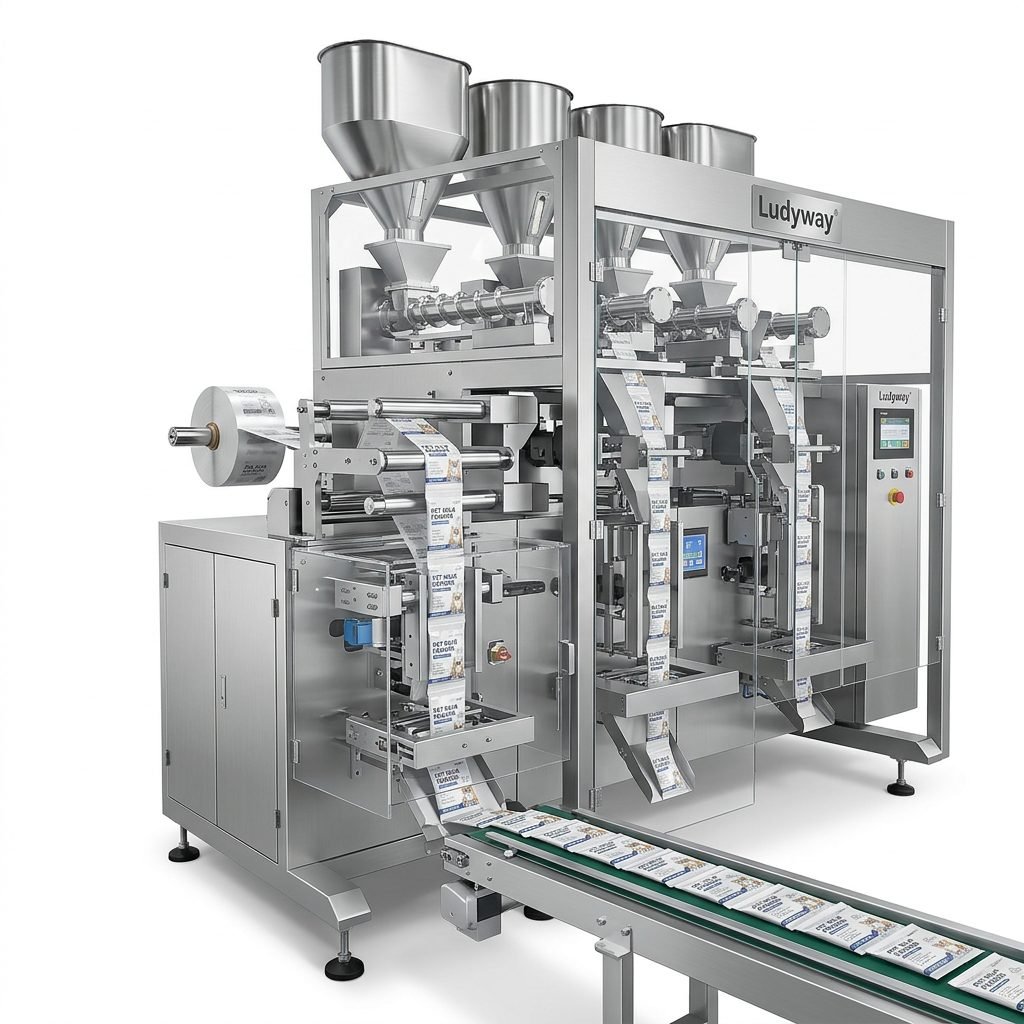
1. Vertical Form-Fill-Seal (VFFS) Machines
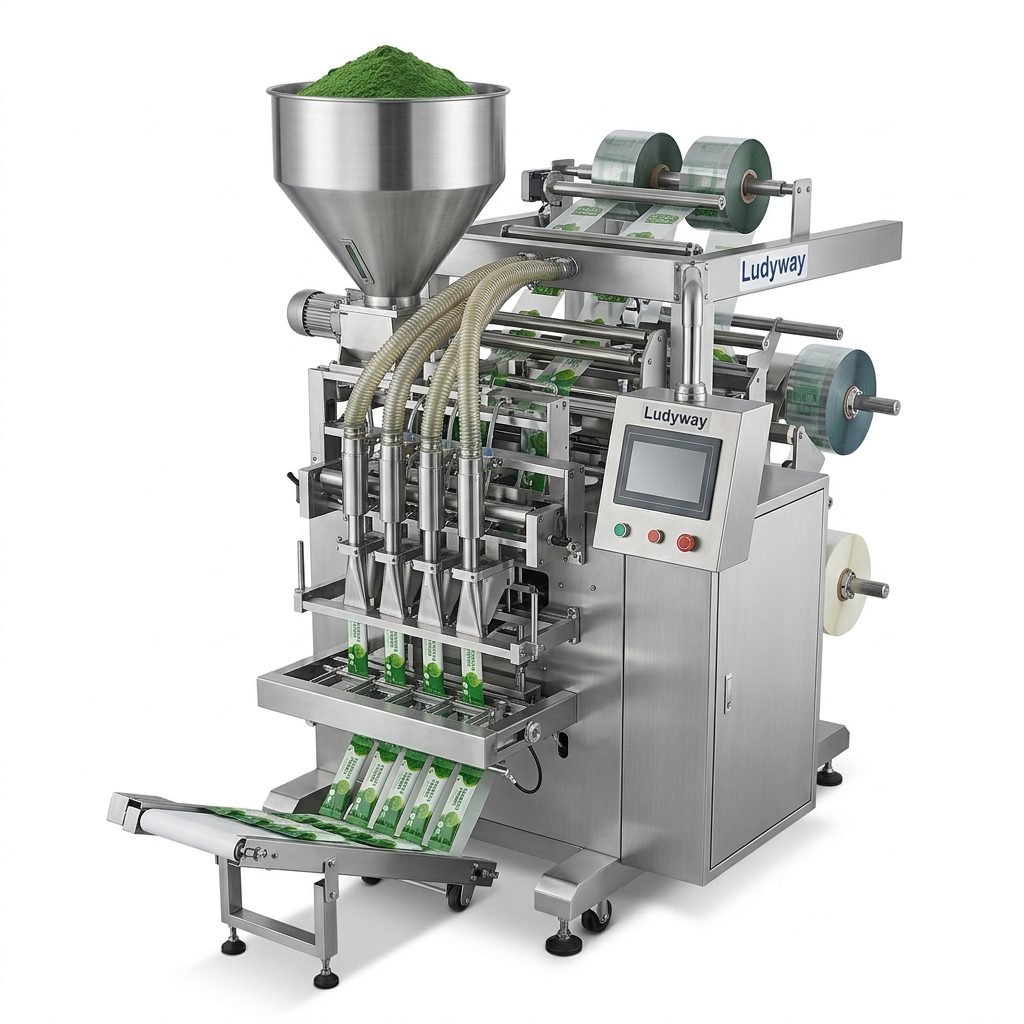
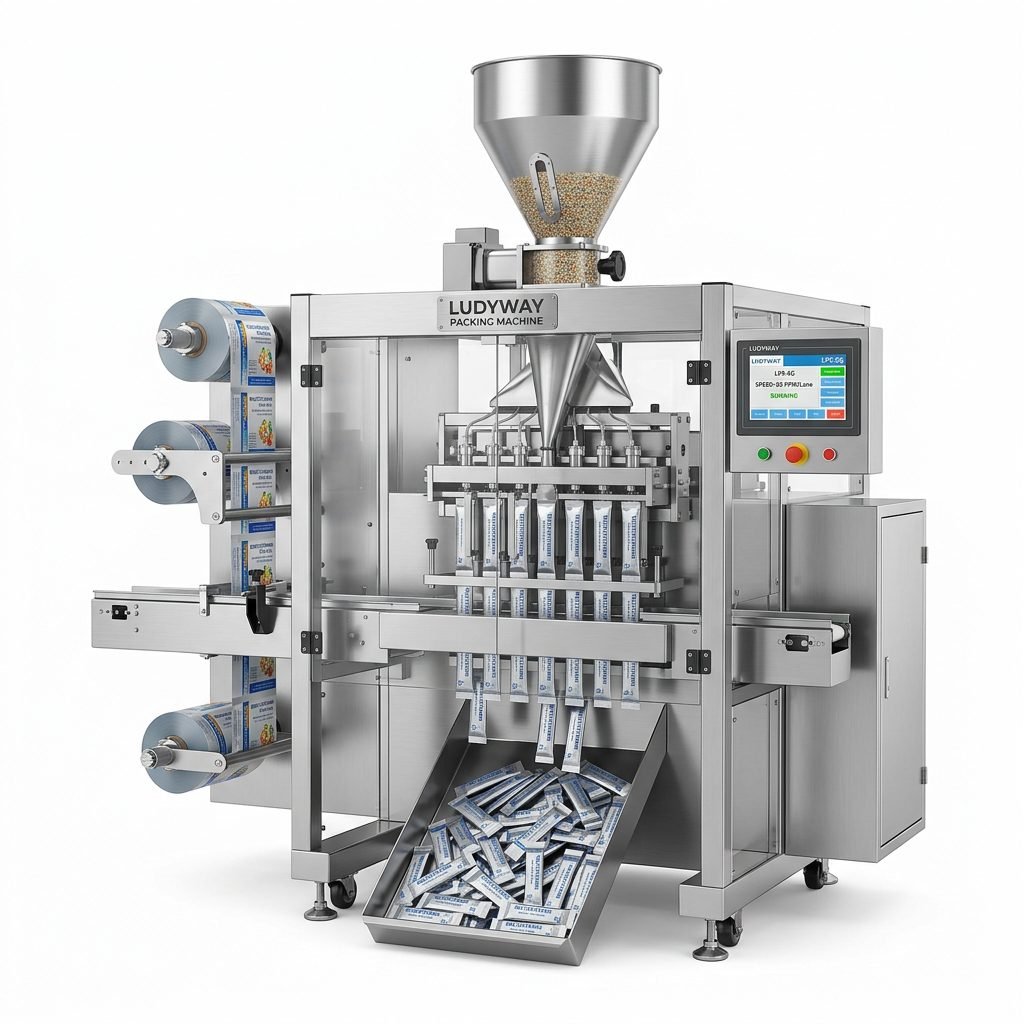
These are the most common and versatile type. A roll of flat packaging film is fed into the machine, which then forms it into a bag, fills it with product, and seals it—all in one continuous vertical process. VFFS machines are ideal for granules, powders, seeds, and small solid pieces. They offer high flexibility in bag size and shape and are known for their high-speed output.
2. Pre-Made Pouch Packaging Machines
As the name suggests, these machines use pouches that are already manufactured, printed, and supplied in stacks or on rolls. The machine’s function is to open, fill, and seal these pre-formed bags. This type is perfect for products requiring complex, high-quality pre-printed graphics or for applications where the packaging material (like a high-barrier laminate) is difficult to form on a VFFS machine. They are often used for liquid, viscous, or sticky products.
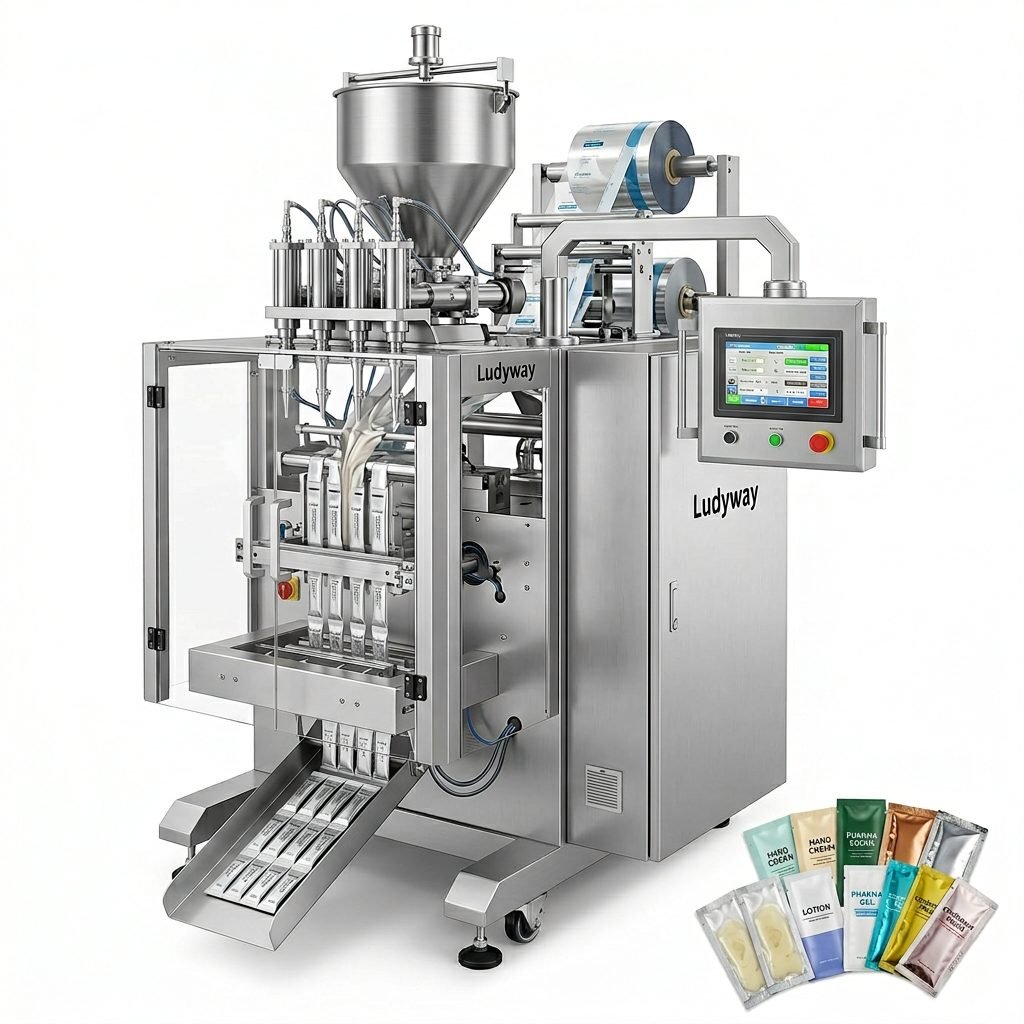
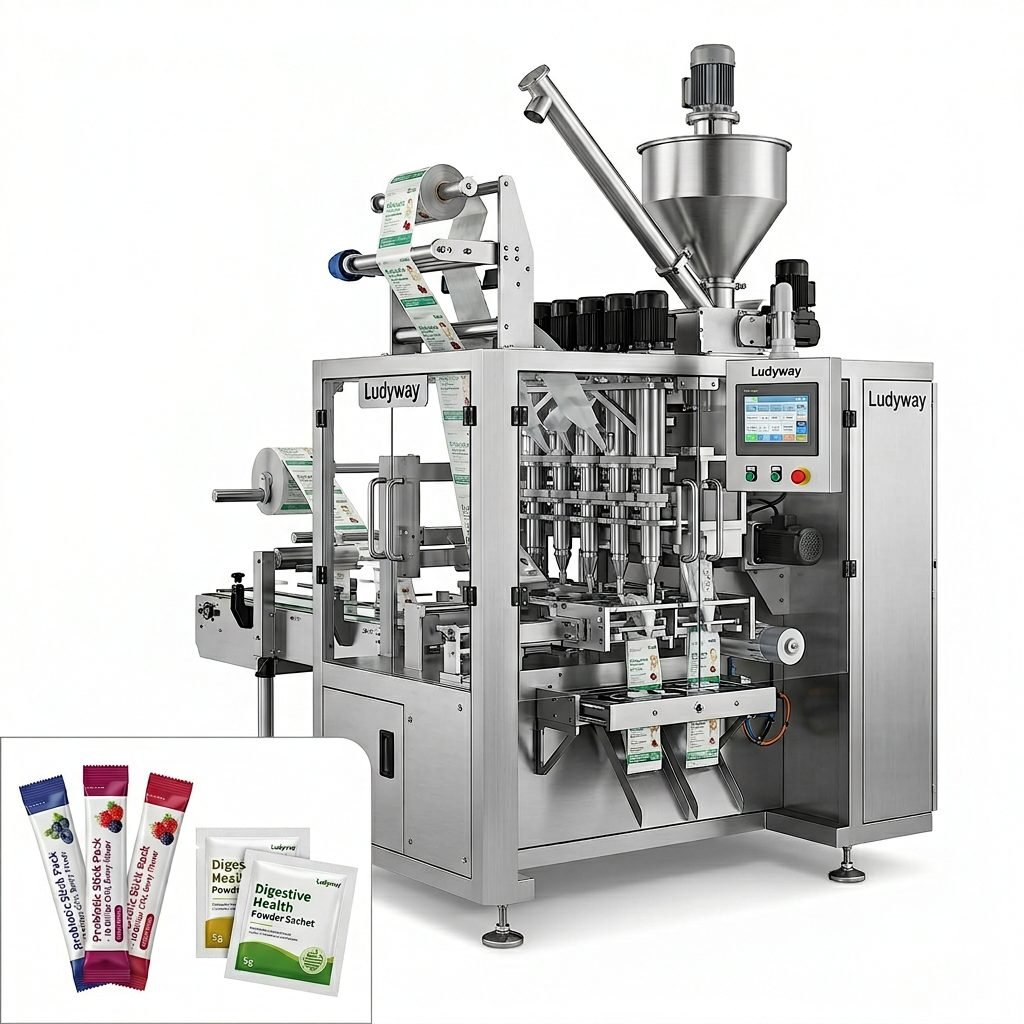
3. Stick Pack Machines
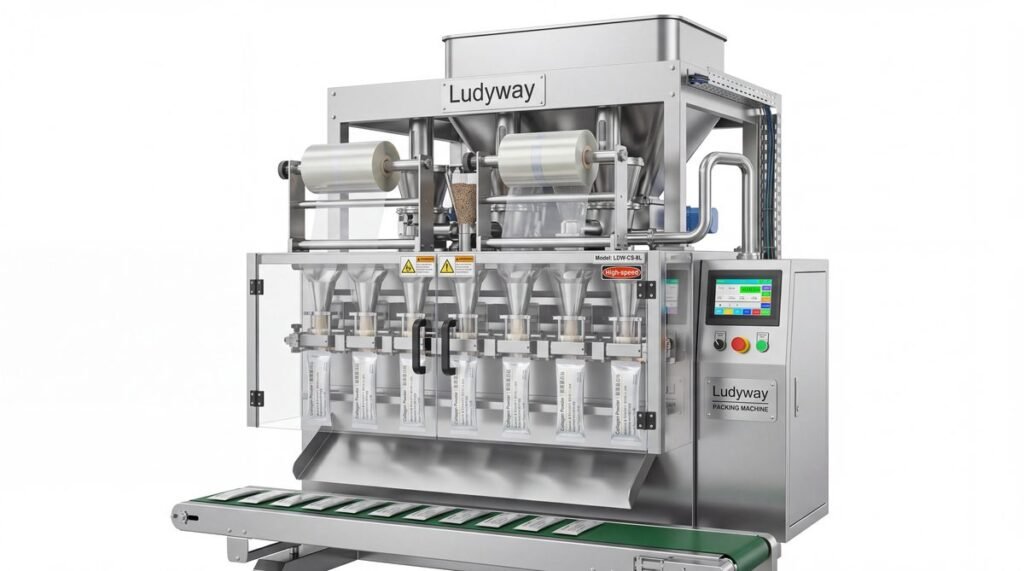
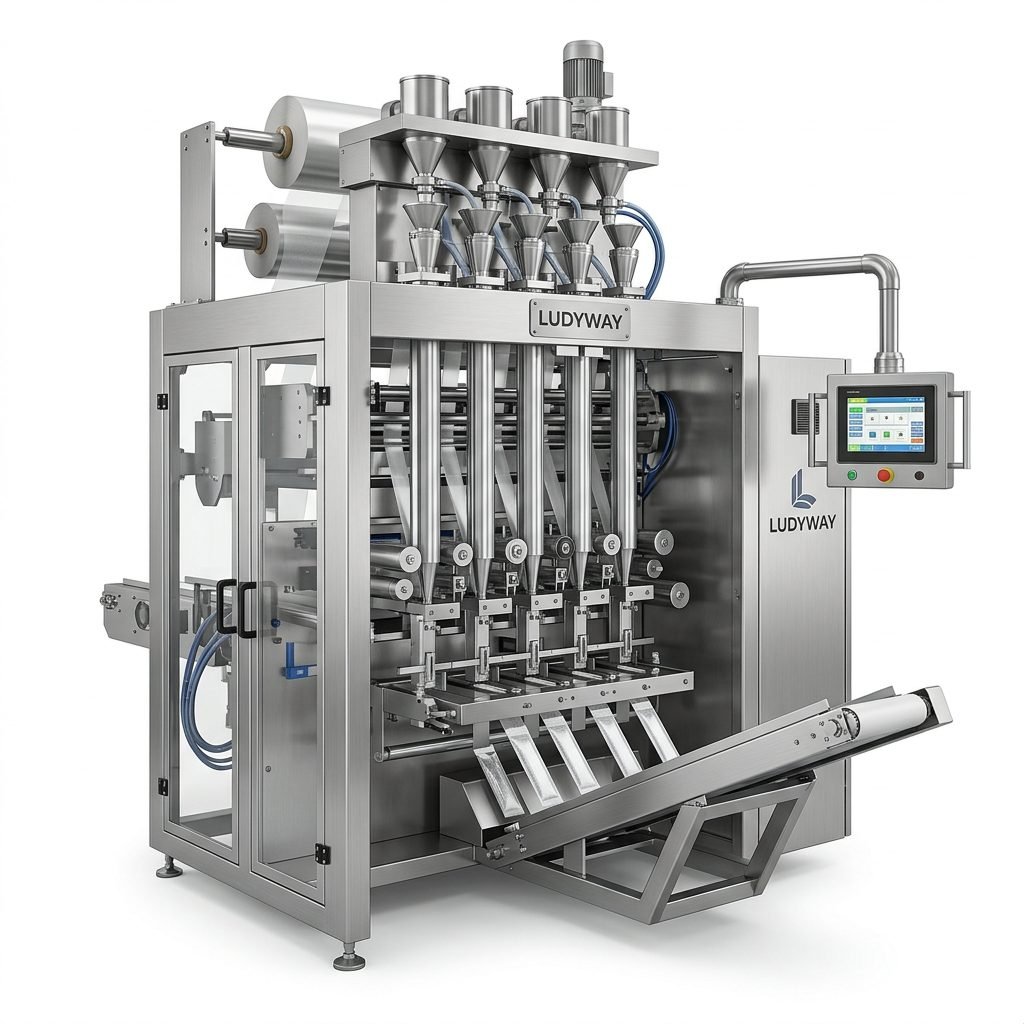
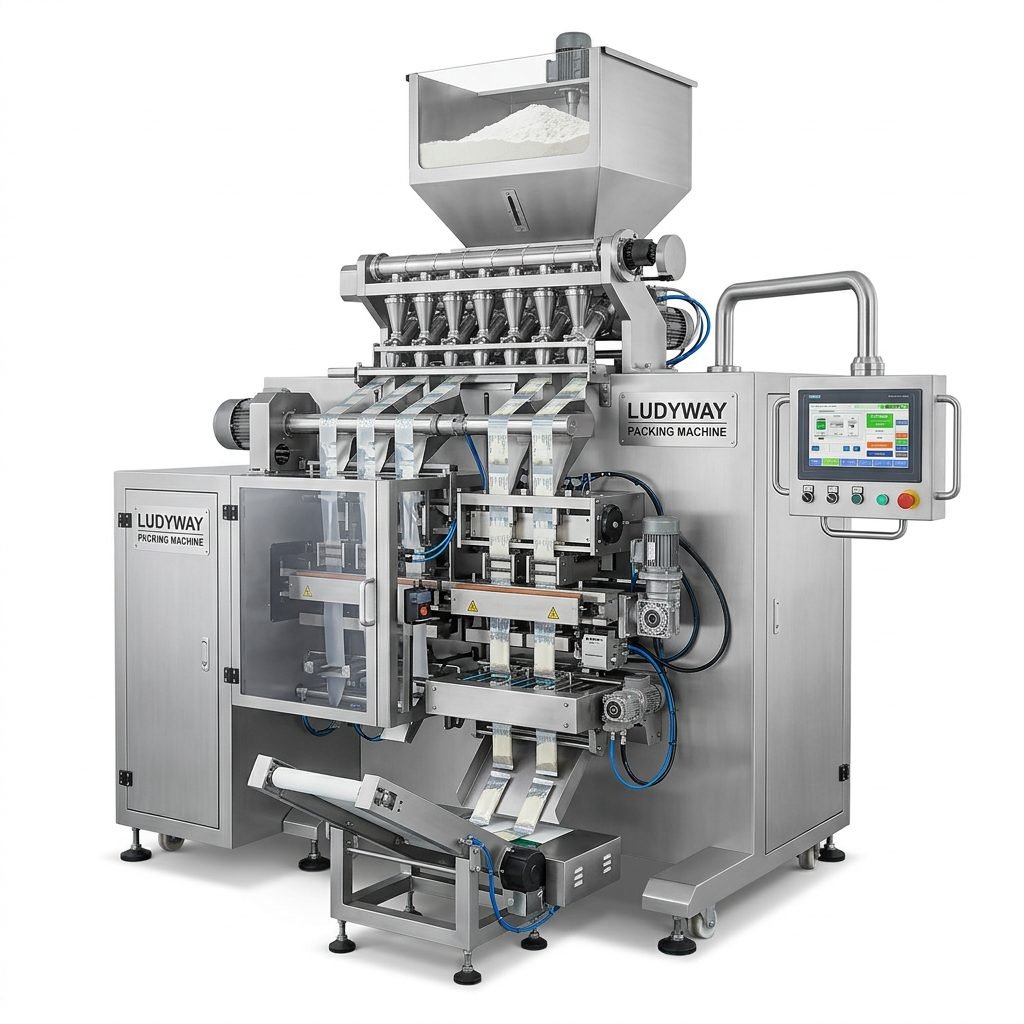
A specialized subset of VFFS machines, stick pack machines create long, narrow, tube-like bags. They are exceptionally popular for single-serve powders (e.g., drink mixes, supplements, instant coffee) due to their space-efficient design and modern appeal. They can be configured as single-lane or high-output multi-lane systems.
4. Sachet (Pouch) Packaging Machines
This is a broader category that includes machines producing small, flat pouches, typically with three or four sides sealed. They can be either VFFS or pre-made pouch systems. Sachets are ubiquitous for condiments, shampoo samples, medicinal powders, and seasoning.
Comparison at a Glance
VFFS: Best for high volume, cost-efficiency, and flexible bag sizing. Lower per-unit packaging cost.
Pre-Made Pouch: Best for premium branding, complex materials/liquids. Higher per-unit packaging cost but superior graphic potential.
Stick Pack: Best for free-flowing powders, modern shelf presence, and high-density packing.
Essential Features and Technological Considerations
Beyond the basic type, the capabilities of a machine are defined by its features. Here’s what to scrutinize:
Weighing and Filling Systems
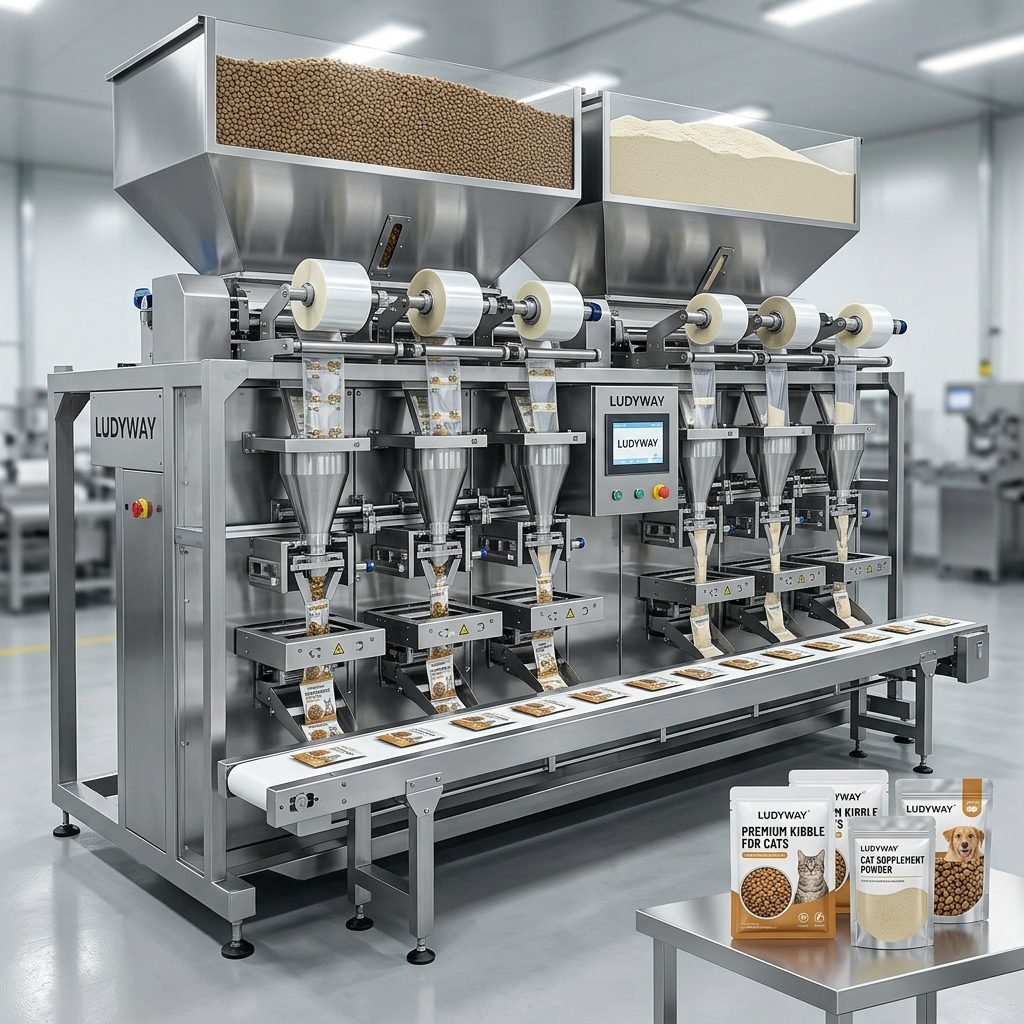
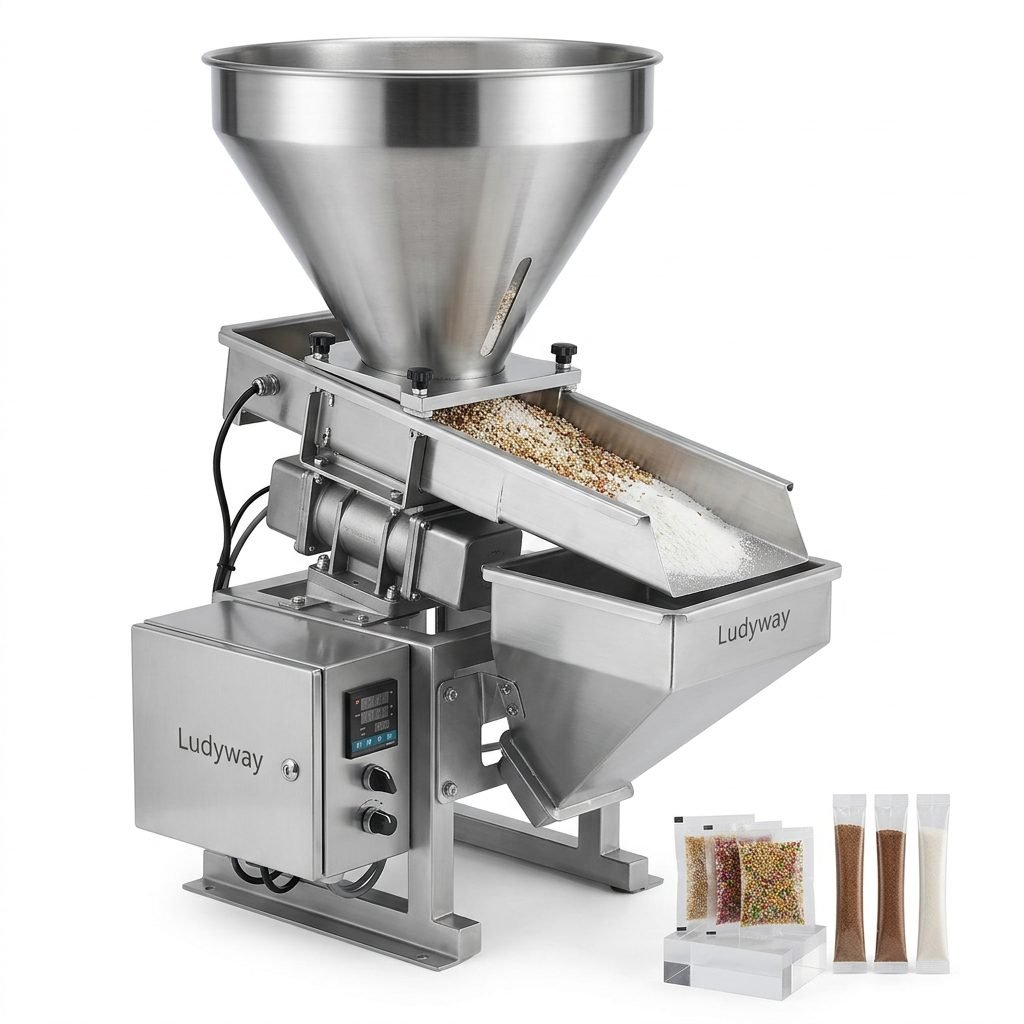
The heart of accuracy. Volumetric cup fillers are simple and fast for uniform granules. Auger fillers use a screw mechanism for excellent control with powders and fine granules. For the utmost precision, especially in pharmaceuticals, linear scale or multi-head weigher systems are used, though they are a more significant investment.
Sealing Mechanism
Reliable seals are crucial for product integrity. Most machines use heat sealing (conductive or impulse). The choice depends on your packaging film material (e.g., polyethylene, polypropylene, laminates). Some machines offer cool sealing for pressure-sensitive materials.
Automation and Control Level
Modern machines feature PLC (Programmable Logic Controller) touchscreen interfaces for easy recipe storage, changeover, and monitoring. Look for features like automatic film tracking, fault alarms, and production counters. Higher automation reduces operator error and downtime.
Construction and Hygiene
For food and pharmaceutical use, stainless steel (304 or 316 grade) contact parts are essential. The design should allow for easy cleaning and maintenance (e.g., tool-less disassembly). IP-rated electrical components might be necessary for dusty or washdown environments.
Speed and Output
Machine speed is measured in bags or pouches per minute (BPM/PPM). Output ranges from 40-60 BPM for semi-automatic tabletop models to over 200 BPM for fully automatic, multi-lane systems. Your required output directly impacts the machine type and price.
Price Range and Investment Factors
The cost of a small bag packaging machine is highly variable, typically ranging from $5,000 to over $100,000. This wide range is due to several factors:
- Machine Type & Complexity: A basic single-lane volumetric VFFS machine is at the lower end. A multi-lane stick pack machine with servo drives and a multi-head weigher is at the high end.
- Automation Level: Semi-automatic (manual bag placement) machines are cheaper than fully automatic ones.
- Brand and Origin: Established European or Japanese brands command a premium. Machines from experienced manufacturers in Asia, such as those from Ludyway Machinery, often offer an excellent balance of advanced technology and cost-effectiveness.
- Customization: Customized feeding systems, special sealing jaws, or integration with upstream/downstream equipment (like cartoners) add cost.
- After-Sales Support: A comprehensive package including installation, training, warranty, and local spare parts availability is invaluable and factored into the total cost of ownership.
💡 Total Cost of Ownership (TCO) Tip:
Look beyond the initial purchase price. Consider energy consumption, maintenance costs, changeover time, and packaging material waste. A slightly more expensive but efficient and reliable machine from a reputable supplier like Ludyway can offer a much lower TCO and better ROI over 5-10 years.
How to Choose the Right Machine: A Step-by-Step Guide
Making the correct choice requires a systematic analysis of your own operation.
Step 1: Define Your Product and Packaging
What are you packaging? (Powder, granule, liquid, solid?). Define its characteristics: flowability, density, hygroscopicity, abrasiveness. Then, finalize your desired bag type, size, and material. Consult with a packaging film supplier if necessary.
Step 2: Determine Your Production Requirements
Calculate your required output (bags per minute/hour/shift). Do you need quick changeovers for multiple products? What is your available factory space (footprint) and utilities (power, compressed air)?
Step 3: Set Your Budget and ROI Expectations
Establish a realistic budget that includes the machine, installation, and initial spare parts. Project how the machine’s speed and efficiency will reduce labor costs and increase output to calculate a payback period.
Step 4: Research and Shortlist Suppliers
Look for suppliers with proven experience with your product type. Review their client portfolio and case studies. A supplier with over 30 years of industry experience, like the team behind Ludyway Machinery, brings invaluable practical knowledge to the table.
Step 5: Request a Product Test and Evaluate Support
Never buy without a test! Send your product and packaging material to the supplier for a live demonstration. This reveals actual performance, accuracy, and potential issues. Simultaneously, evaluate their technical support, warranty terms, and spare parts logistics.
Step 6: Finalize the Specification and Order
Based on the test, finalize the technical specification. Ensure all agreed-upon features, training, and support services are detailed in the purchase contract.
Conclusion and Final Recommendations
Selecting a small bag packaging machine is a strategic investment that impacts your product quality, brand image, and bottom line. Start by thoroughly understanding your own product and production goals. Prioritize accuracy, reliability, and hygienic design over the lowest upfront price. Partner with a knowledgeable supplier who can provide not just a machine, but a complete packaging solution and long-term support. By following this guide, you are well-equipped to navigate the market and invest in technology that will drive your packaging efficiency and business growth for years to come.
Frequently Asked Questions (FAQs)
1. What is the main difference between a VFFS machine and a pre-made pouch machine?
The core difference lies in the packaging material. A VFFS machine uses a roll of flat film to create the bag from scratch immediately before filling. A pre-made pouch machine uses already-formed, often pre-printed bags, which it opens, fills, and seals. VFFS is generally more economical and flexible for bag sizes, while pre-made pouch machines offer superior print quality and are better for difficult-to-handle products like liquids.
2. Can one machine handle different types of products (e.g., powder and granules)?
Yes, many machines are designed for versatility. However, this often requires changing the filling system (e.g., swapping a volumetric cup for an auger filler). The key is to discuss your full product range with the supplier during the testing phase to ensure the base machine can accommodate the necessary attachments and adjustments for each product type.
3. How important is after-sales service when purchasing a packaging machine?
It is critically important. Even the most reliable machine will require maintenance, spare parts, and occasional troubleshooting. A supplier with a strong global service network, readily available spare parts, and responsive technical support (like the service ethos behind Ludyway Machinery) minimizes costly downtime and ensures your investment is protected for its entire lifespan.
4. What are the common causes of sealing problems on these machines?
Poor seals can result from several factors: incorrect temperature or pressure settings for the film material, contaminated sealing jaws with product dust or residue, using the wrong type of film, or worn-out sealing elements. Consistent, high-quality sealing requires proper machine setup, regular cleaning, and using film compatible with the machine’s sealing technology.
5. Is operator training difficult for a new automated packaging machine?
Modern machines with intuitive PLC touchscreen interfaces are designed for relatively straightforward operation. Comprehensive on-site training by the supplier’s engineer during installation is standard and crucial. This training typically covers machine operation, basic troubleshooting, cleaning procedures, and recipe management. A well-trained operator is key to achieving optimal machine performance and longevity.