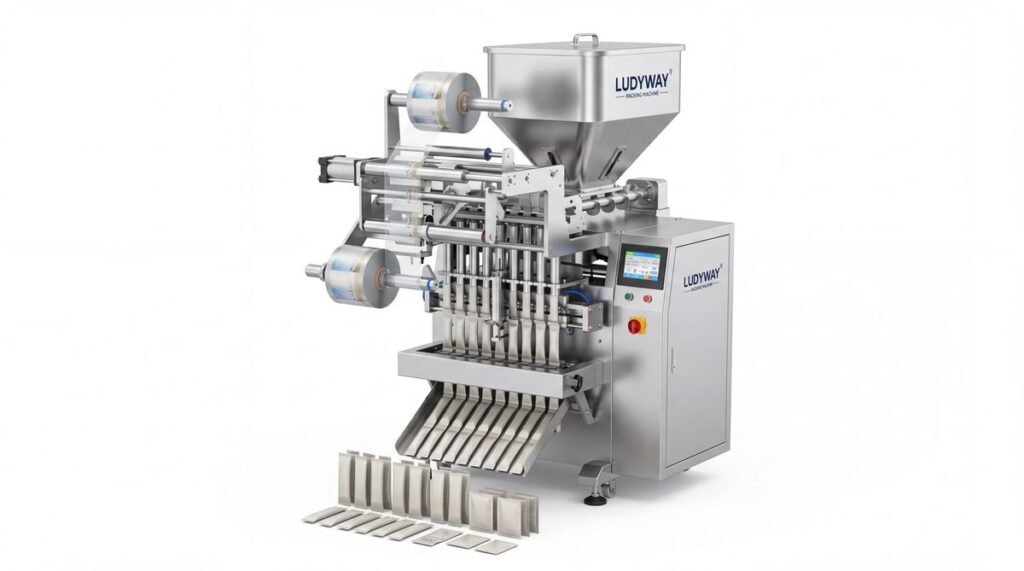
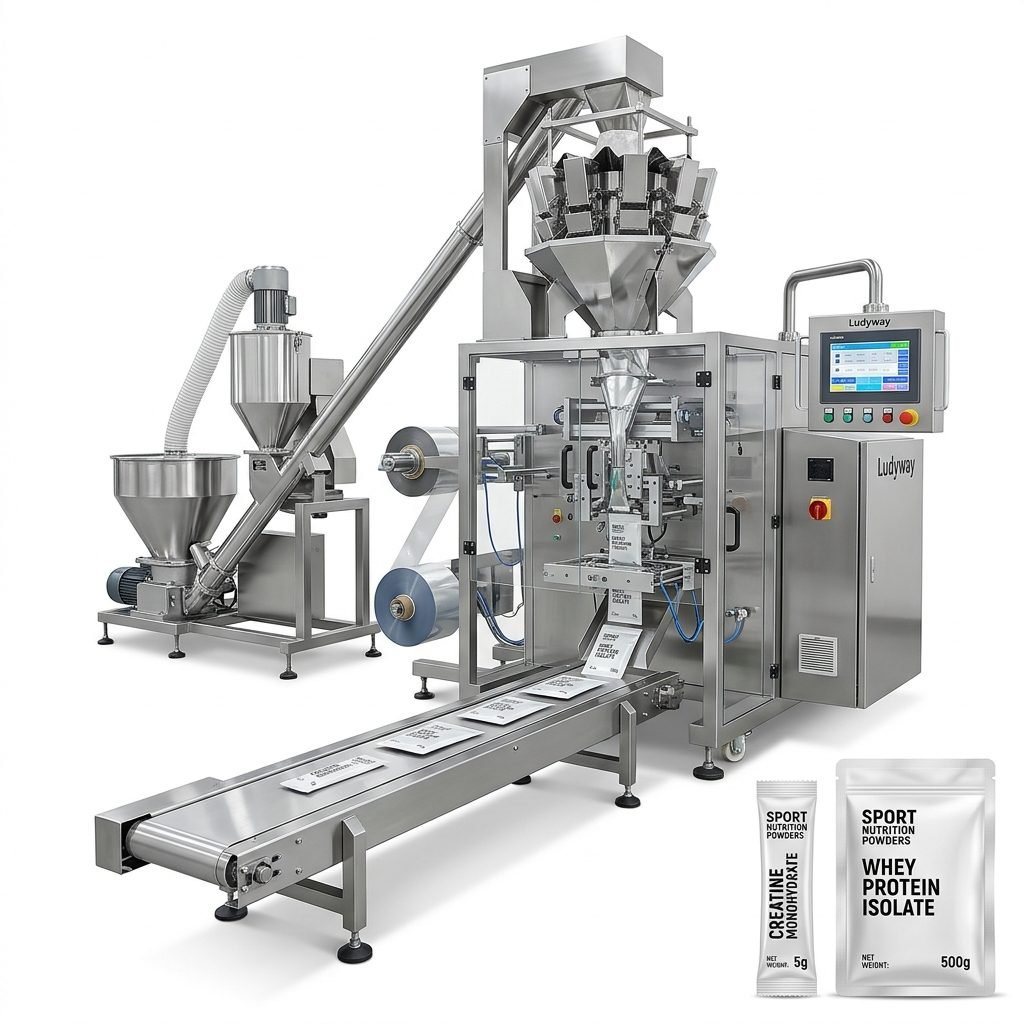
In today’s fast-paced food industry, efficiency and space optimization are paramount. For small to medium-sized businesses, artisanal producers, startups, or even larger facilities with limited floor space, finding the right packaging equipment can be a significant challenge. A small food packaging machine offers a compact, versatile, and often more affordable solution to meet production demands without requiring a massive footprint. This guide will walk you through the essential considerations for choosing the best compact packaging solution to streamline your operations, enhance product presentation, and support your business growth.
Understanding Small Food Packaging Machines
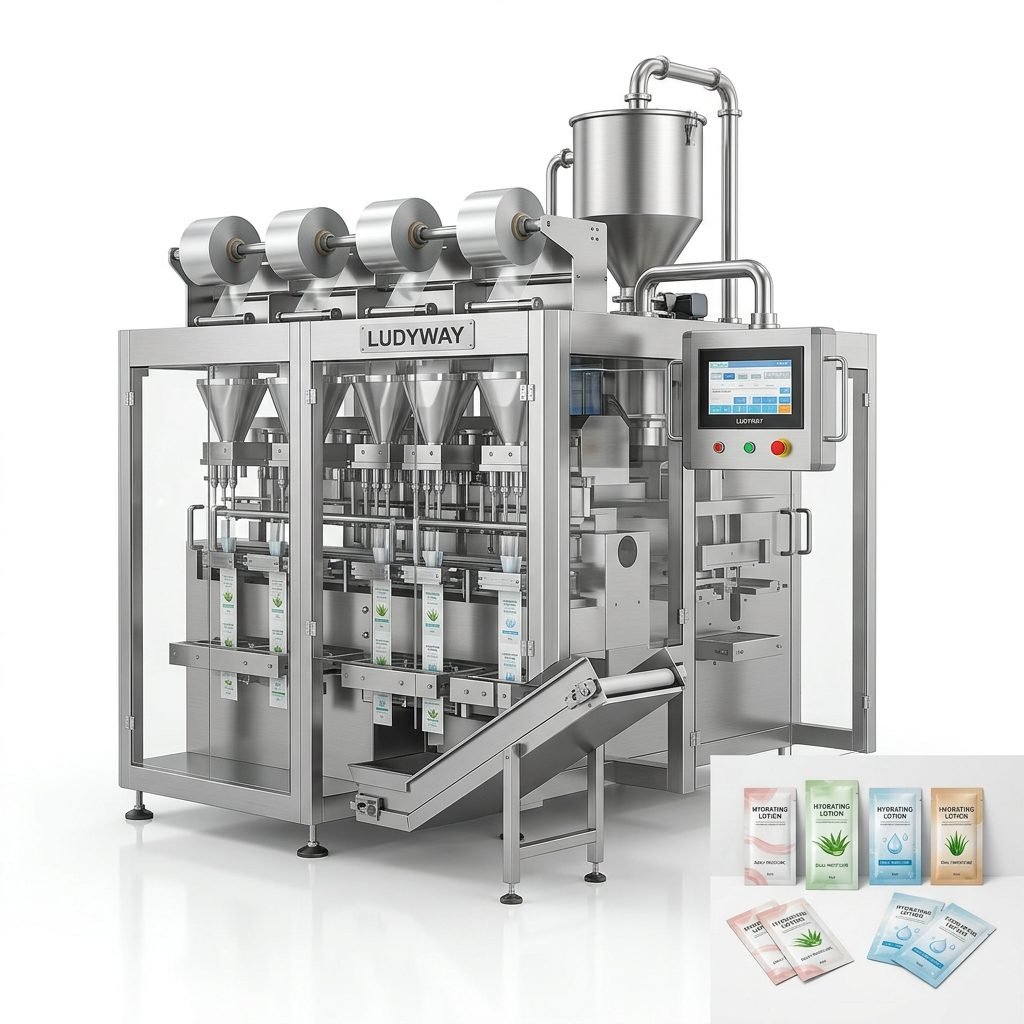
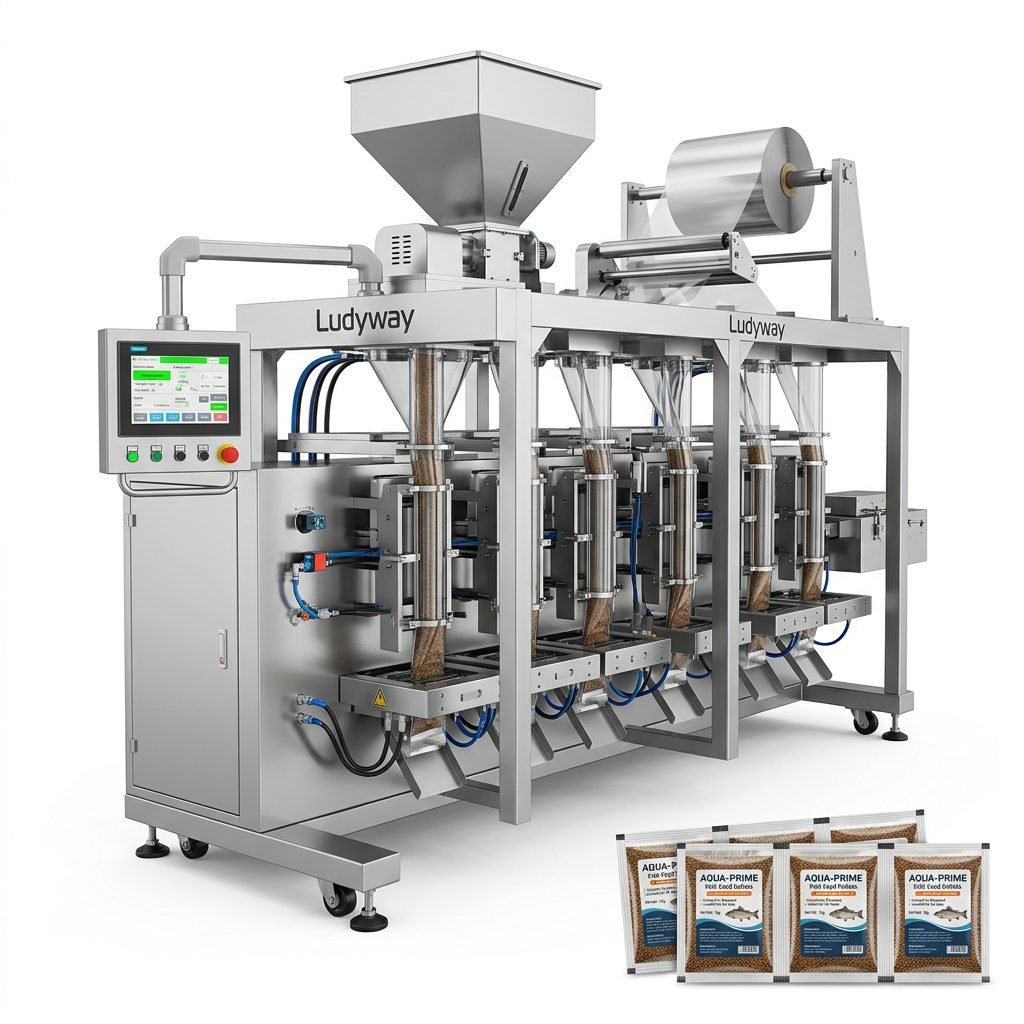
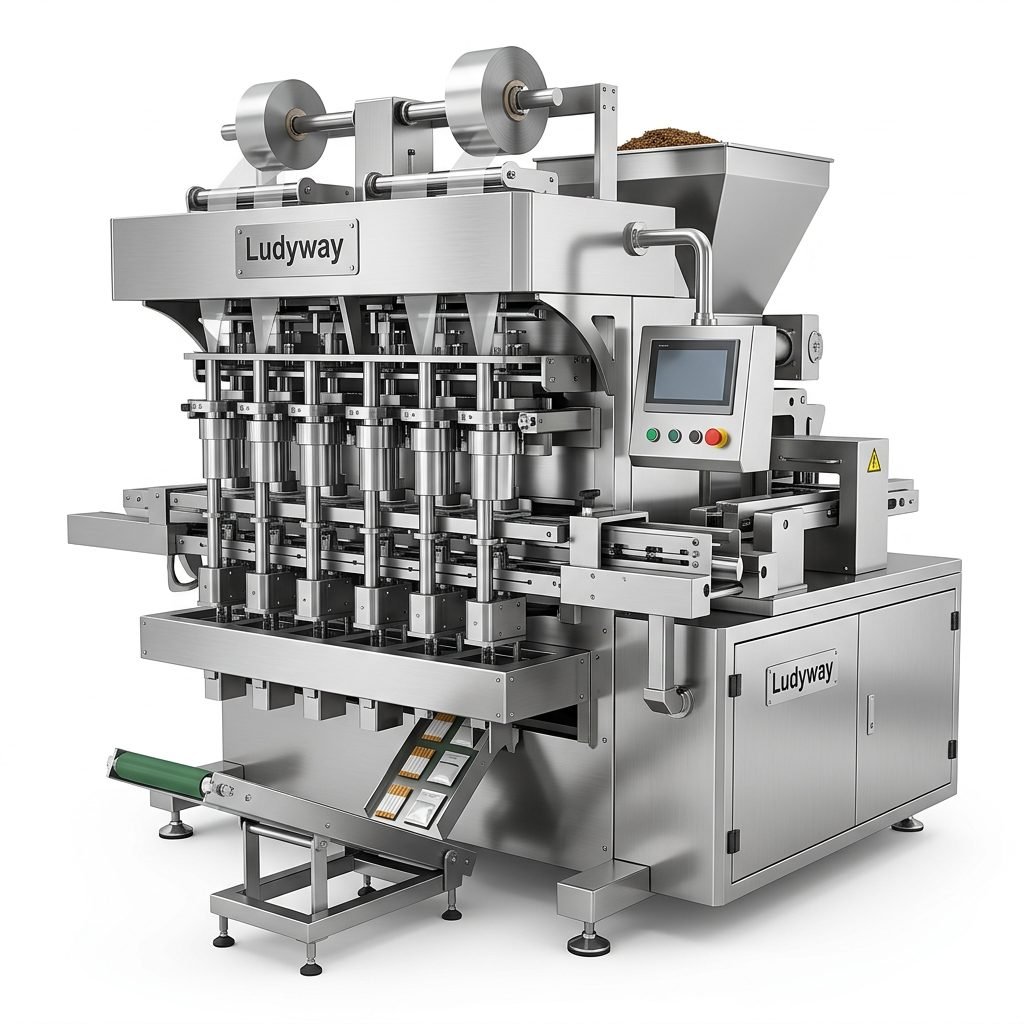
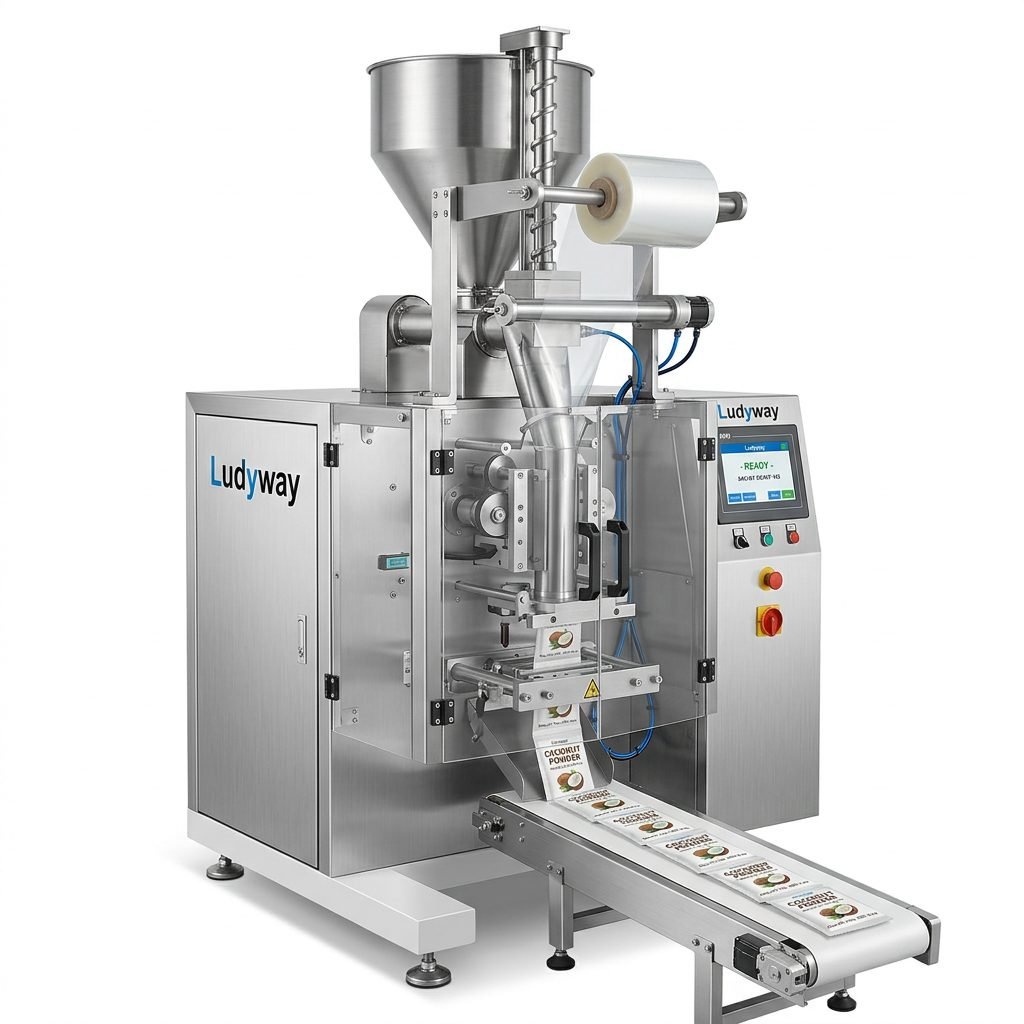
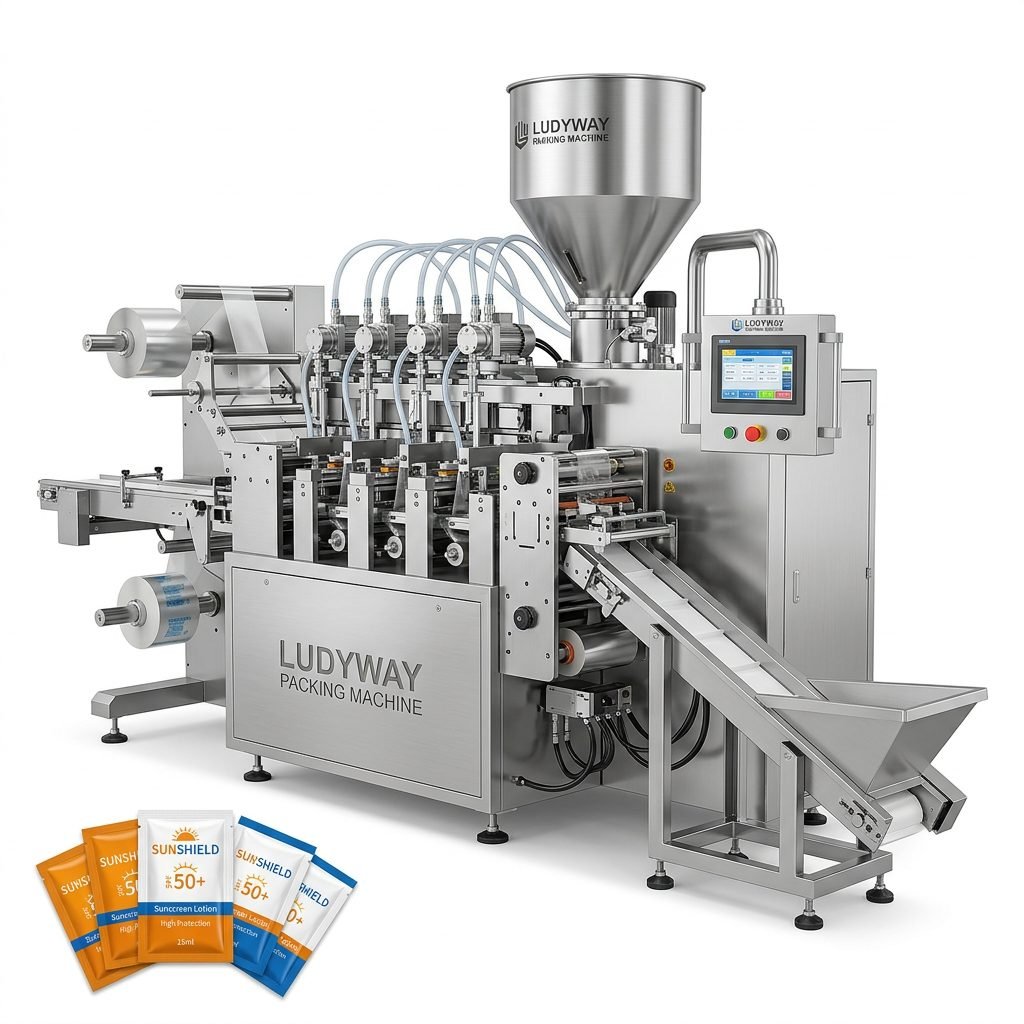
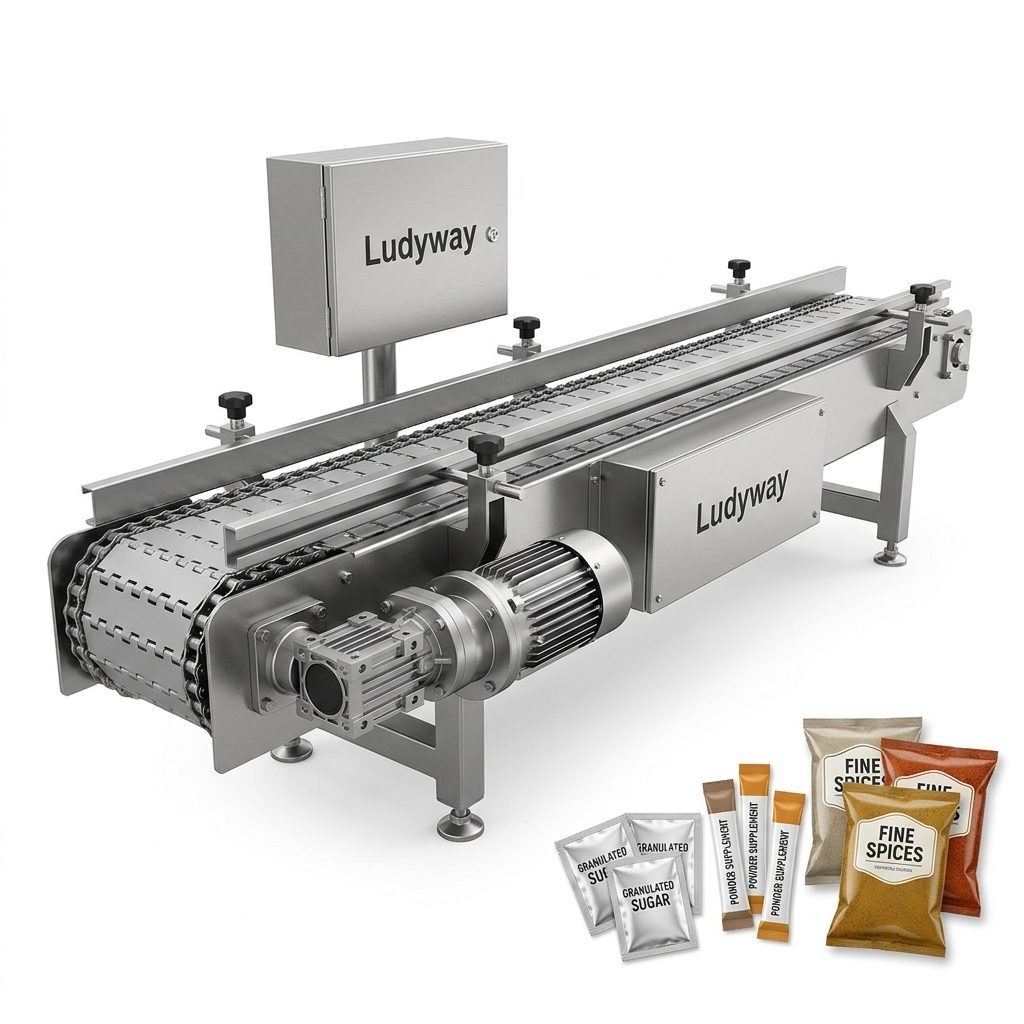
Small food packaging machines are designed for operations where space, budget, or production volume does not justify large, industrial-scale equipment. These machines are typically benchtop or standalone units that handle a variety of packaging formats like sachets, stick packs, pouches, and small bags. They are ideal for packaging spices, tea, coffee, powdered supplements, snack mixes, condiments, and liquid shots. The core advantage lies in their flexibility and relatively low initial investment, allowing businesses to automate packaging without a major capital outlay.
Key Characteristics of Compact Machines:
- Space-Saving Design: Engineered to fit into smaller production areas or kitchens.
- Ease of Operation: Often feature user-friendly interfaces with simpler setup and changeover processes.
- Versatility: Many models can handle multiple product types (granules, powders, liquids) with quick adjustments.
- Scalability: They can serve as a starting point, with potential to integrate into larger lines as your business expands.
Critical Factors for Choosing Your Machine
Selecting the perfect machine requires a careful assessment of your specific needs. A wrong choice can lead to inefficiency, product waste, and unnecessary cost.
1. Product Type and Characteristics
The physical properties of your product are the primary deciding factor. Machines are specifically engineered for different materials.
- Granules & Solids: (e.g., coffee beans, nuts, candy). Look for machines with robust vibration systems or auger fillers for consistent dosing.
- Powders: (e.g., spices, protein powder, flour). These require auger fillers designed to prevent dusting and ensure precise weight control. Anti-bridging features are crucial.
- Liquids & Pastes: (e.g., sauces, honey, oils). Piston or pump fillers are necessary, and the machine must be constructed with materials compatible with liquids and easy to clean.
2. Packaging Materials and Format
Your choice of film (laminate, polyethylene, etc.) and the final bag shape must be compatible with the machine’s sealing technology and forming capabilities.
→ Pro Tip:
Consider the shelf life requirements of your product. High-barrier films for longer shelf life may require machines with more precise temperature control for strong seals. Common formats include three-side seal pouches, four-side seal bags, and stick packs, which are extremely popular for single-serve portions.
3. Production Speed and Output Requirements
Be realistic about your current and near-future needs. Machine speeds for compact models can range from 20 to 120 bags per minute. Calculate your required daily/weekly output. Choosing a machine slightly above your current needs provides room for growth without immediately needing an upgrade.
4. Machine Features and Automation Level
Even small machines offer varying degrees of automation. Key features to look for include:
- Control System: A clear ◉ touchscreen HMI (Human-Machine Interface) simplifies recipe storage and operation.
- Filling Accuracy: Look for high-precision servo motors for fillers, which minimize product giveaway.
- Changeover Ease: Quick-change parts for different bag sizes drastically reduce downtime.
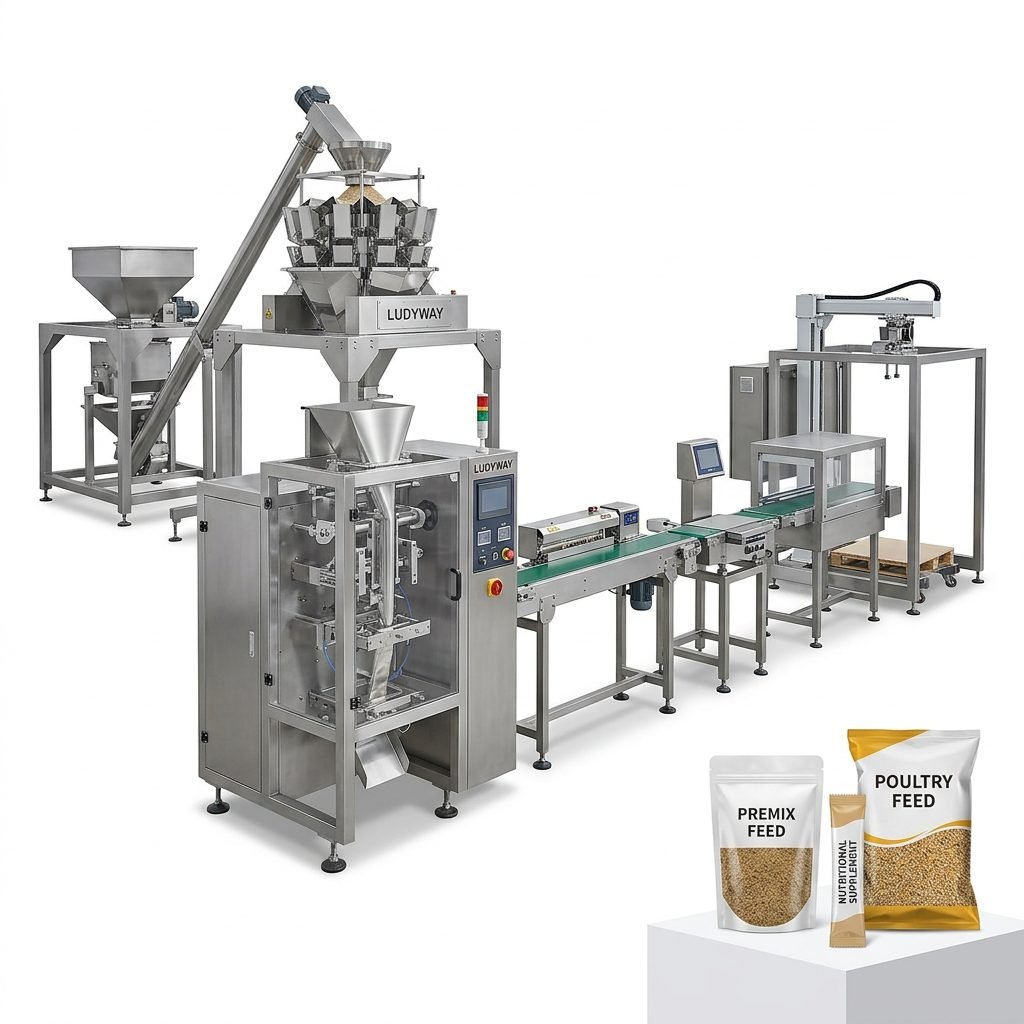
- Integrated Options: Some models can be linked with checkweighers or date coders for a more complete inline solution.
5. Hygiene, Cleanability, and Build Quality
Food safety is non-negotiable. The machine should have a stainless steel contact surface where possible, with a design that prevents product trapping. Easy disassembly for cleaning is a major advantage. Don’t compromise on the core mechanical and electrical components for the sake of a lower price; reliability is cheaper in the long run.
Benefits of Investing in a Compact Packaging Solution
Beyond the obvious space savings, a well-chosen small packaging machine delivers substantial returns.
Enhanced Brand Consistency & Professionalism
Manual packaging can lead to inconsistent bag sizes, uneven seals, and variable fill weights. An automated machine ensures every product leaving your facility looks identical, building brand trust and a premium image on the shelf.
Reduced Operational Costs
Automation cuts down on labor costs associated with manual filling and sealing. More importantly, high filling accuracy reduces product waste (giveaway), directly improving your profit margins. The efficiency gain also allows you to reallocate human resources to more valuable tasks.
Improved Scalability and Flexibility
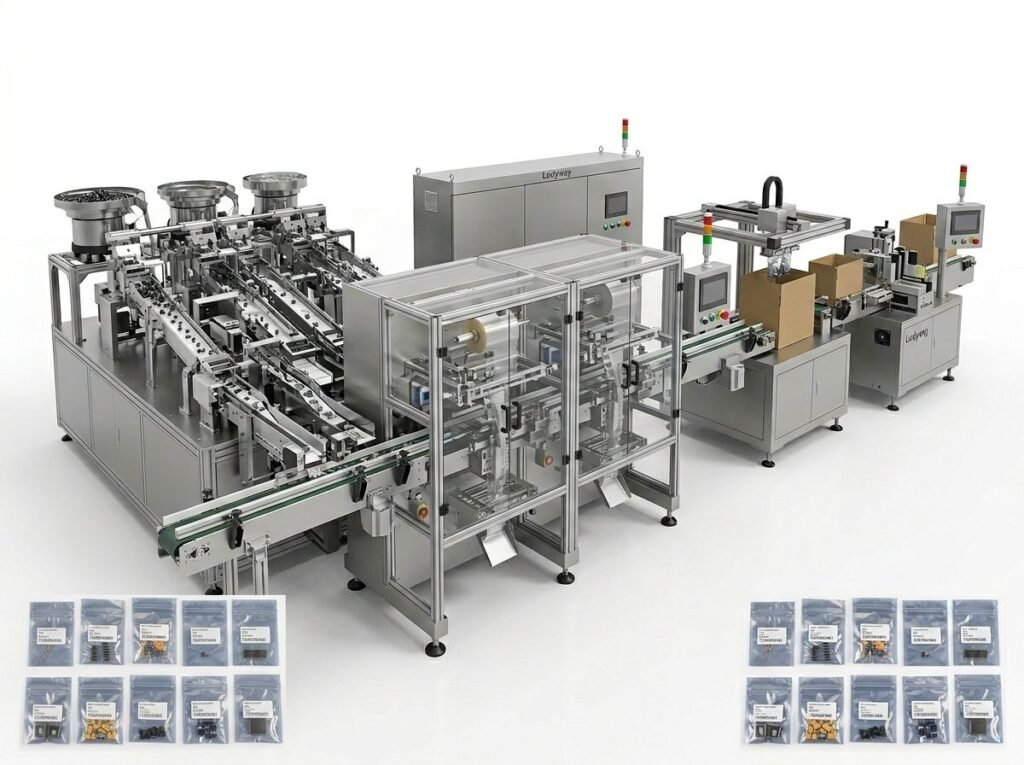
A compact machine allows you to test new products or packaging formats with lower risk. As demand grows, these machines can often operate in parallel or be integrated as part of a larger automated packaging line. This modular approach to scaling is cost-effective and manageable.
Implementing Your New Machine Successfully
Purchasing the machine is just the first step. Proper implementation is key to realizing its full value.
Thorough Operator Training: Ensure your team is fully trained on operation, cleaning, and basic troubleshooting. A knowledgeable operator is your first line of defense against downtime.
Supplier Support Matters: Choose a supplier known for strong after-sales service. Access to timely technical support, spare parts, and professional maintenance is critical for continuous operation. Companies with deep industry experience, like Ludyway Machinery, bring valuable application knowledge to the table.
Start with a Pilot Run: Before full-scale production, run extensive tests with your actual product and packaging material. This helps fine-tune parameters like seal temperature, filling speed, and film tension.
Frequently Asked Questions (FAQs)
Q1: What is the typical price range for a small food packaging machine?
Prices vary widely based on features, automation level, and brand, but generally range from $10,000 to $50,000. Basic semi-automatic models start lower, while fully automatic, high-speed, servo-driven compact systems occupy the higher end. Consider it as an investment with a clear ROI based on labor savings and reduced waste.
Q2: Can one machine handle both powders and granules?
Many versatile compact machines are designed to handle both, but it usually requires a change of the filling system (e.g., swapping or adjusting the auger). It’s essential to discuss your specific product range with the supplier to ensure the machine can be easily adapted for both with minimal changeover time.
Q3: How difficult is it to change the packaging bag size?
Modern machines are designed for relatively quick changeover. The complexity depends on the model. Look for machines with “quick-change” forming tubes and seal jaws. With proper tooling and operator training, changing bag sizes can often be accomplished in 15-30 minutes.
Q4: What kind of maintenance do these machines require?
Daily cleaning is the most critical routine. Periodic maintenance includes lubricating moving parts, checking seal jaw surfaces for wear, and ensuring sensors are clean. A reliable supplier will provide a maintenance schedule. Choosing a machine with a robust design from an experienced manufacturer like Ludyway minimizes unexpected breakdowns.
Q5: Are compact machines suitable for export-quality packaging?
Absolutely. The packaging quality is determined by the machine’s precision and the quality of your packaging film, not its size. A well-calibrated compact machine can produce seals that are as strong and consistent as a large industrial machine, making it perfectly suitable for products destined for both local and international markets.