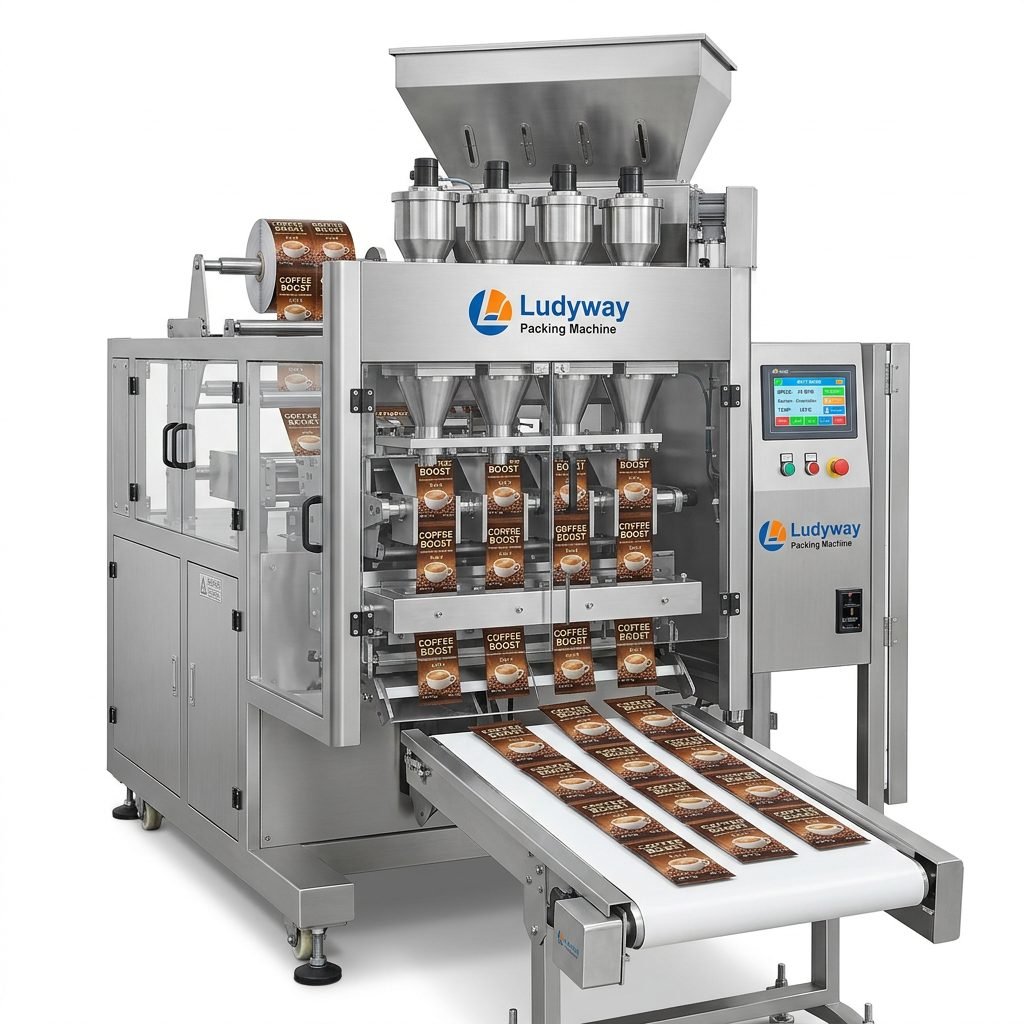
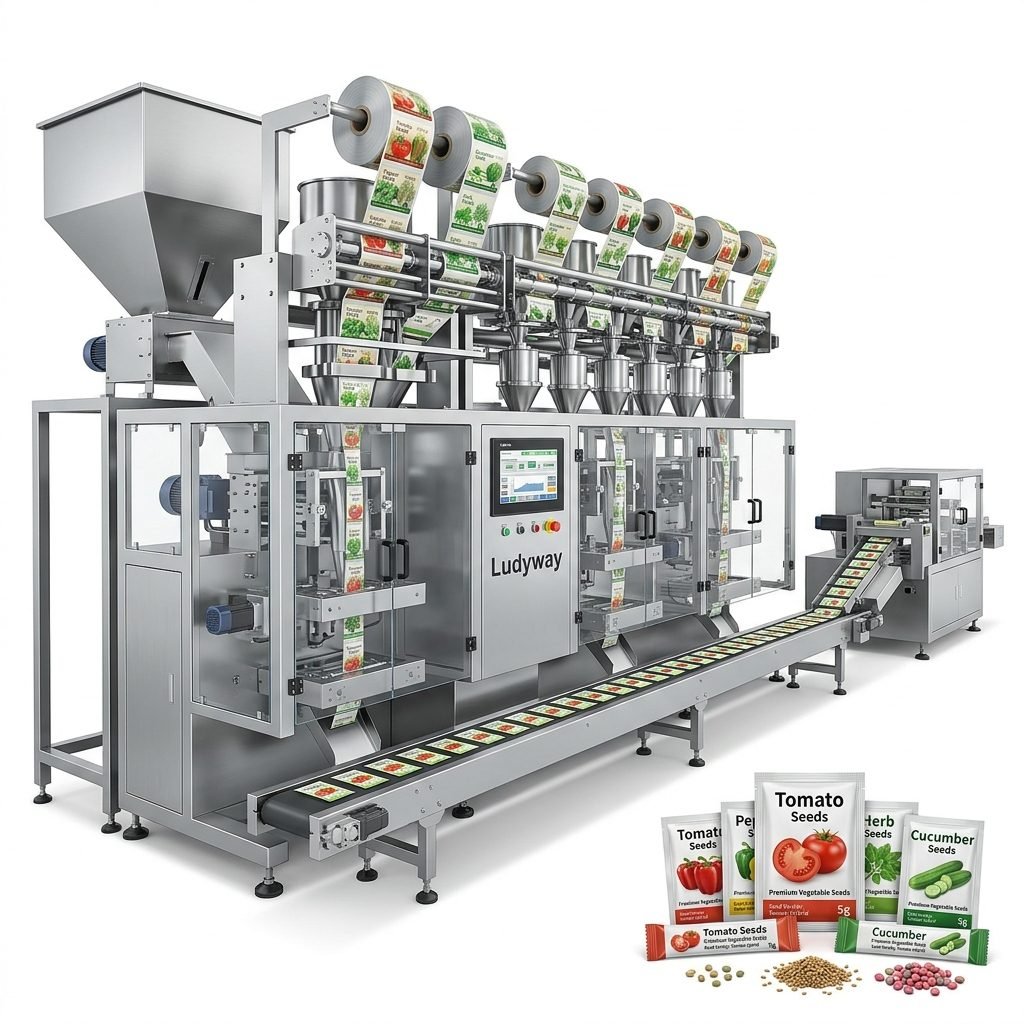
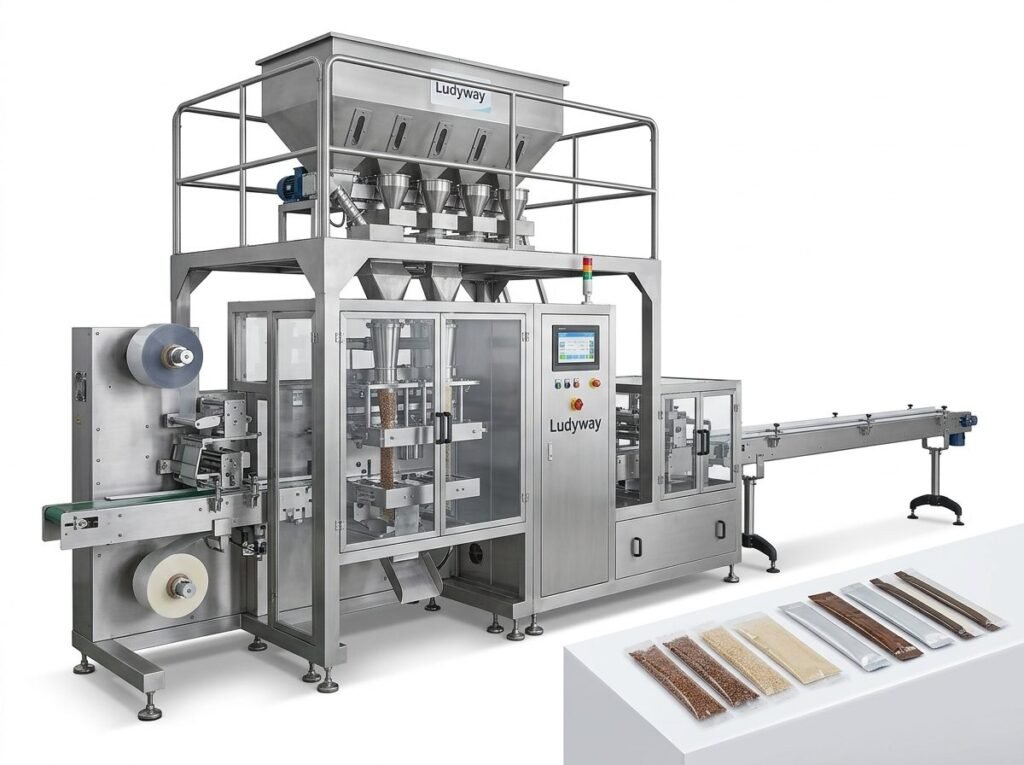
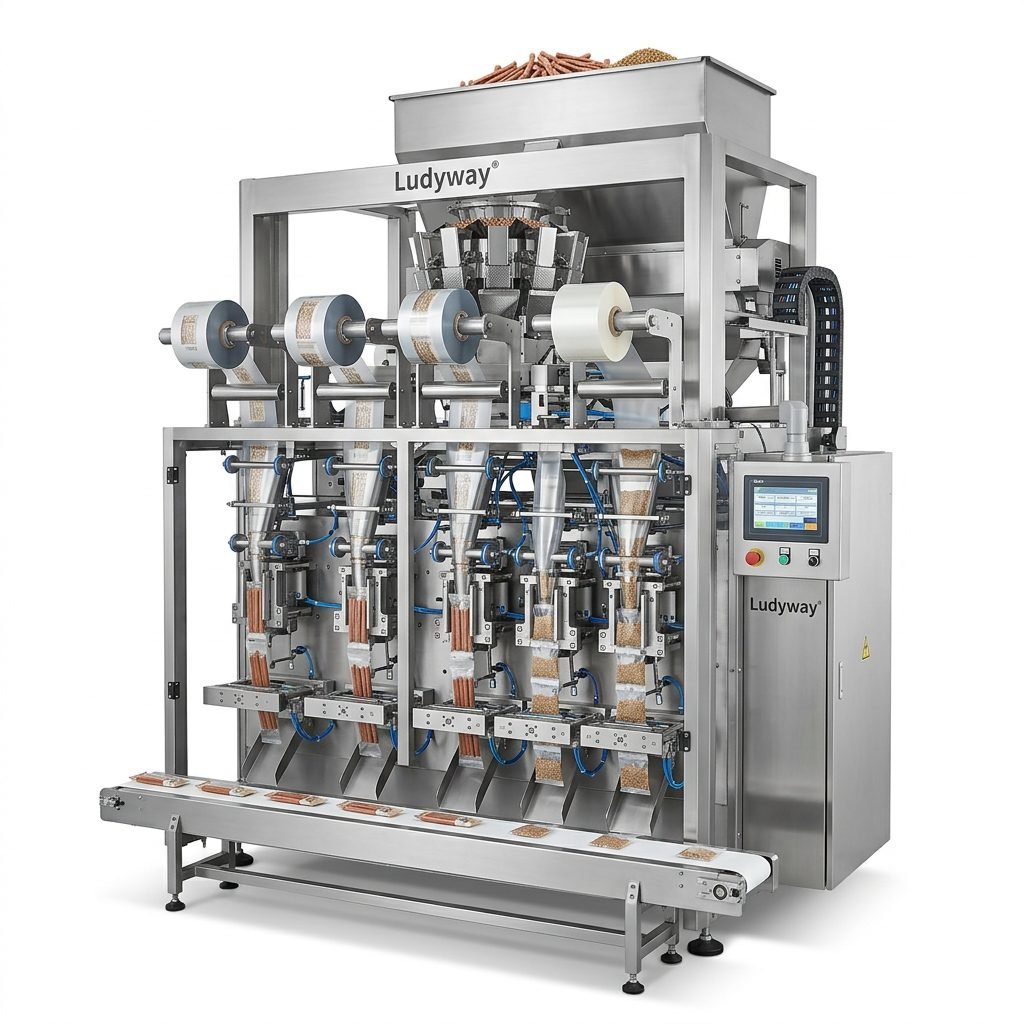
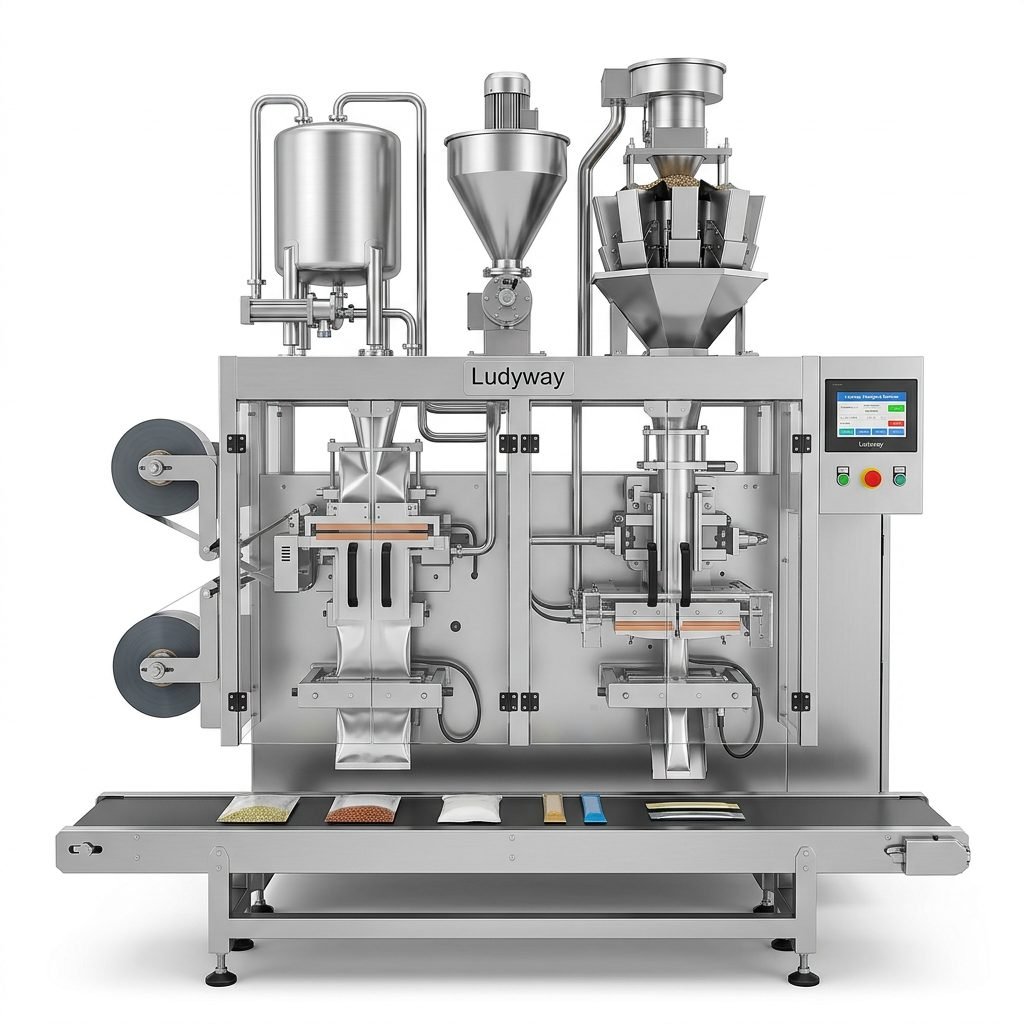
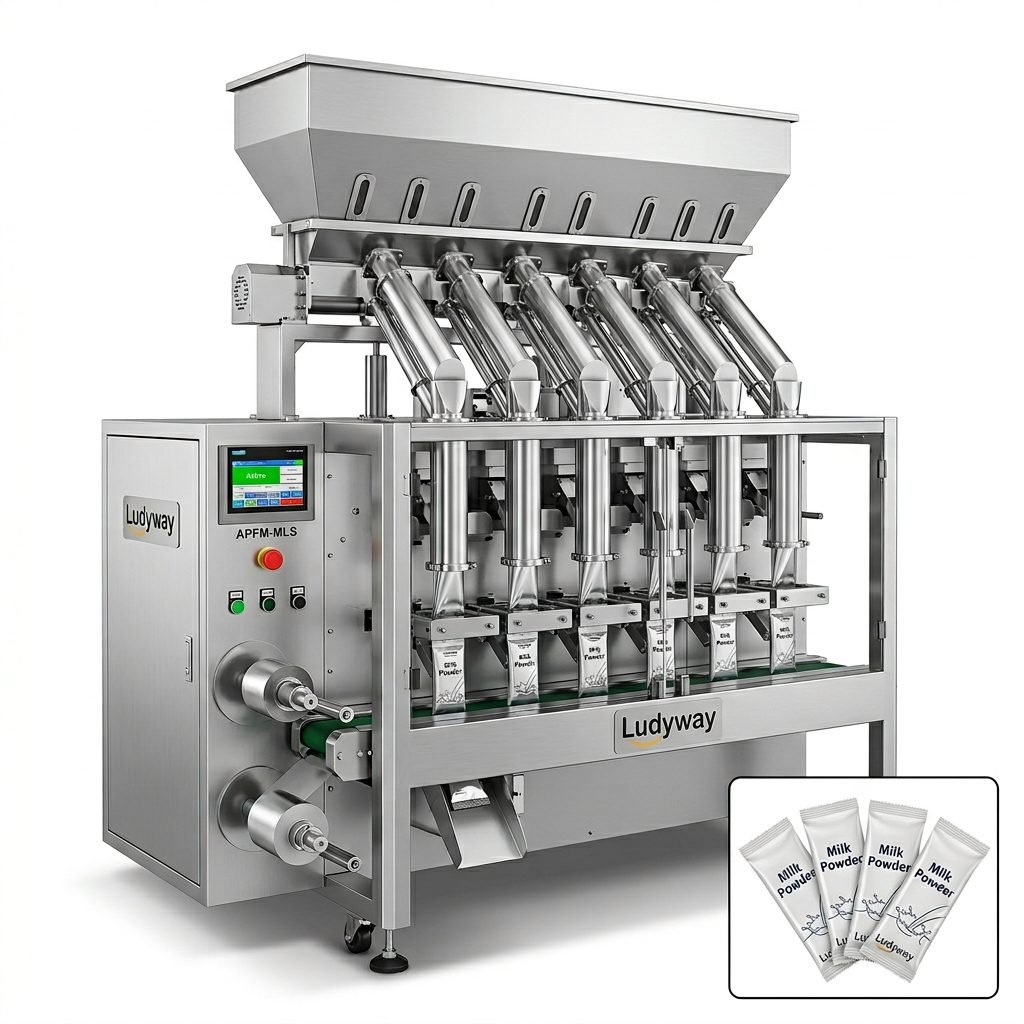
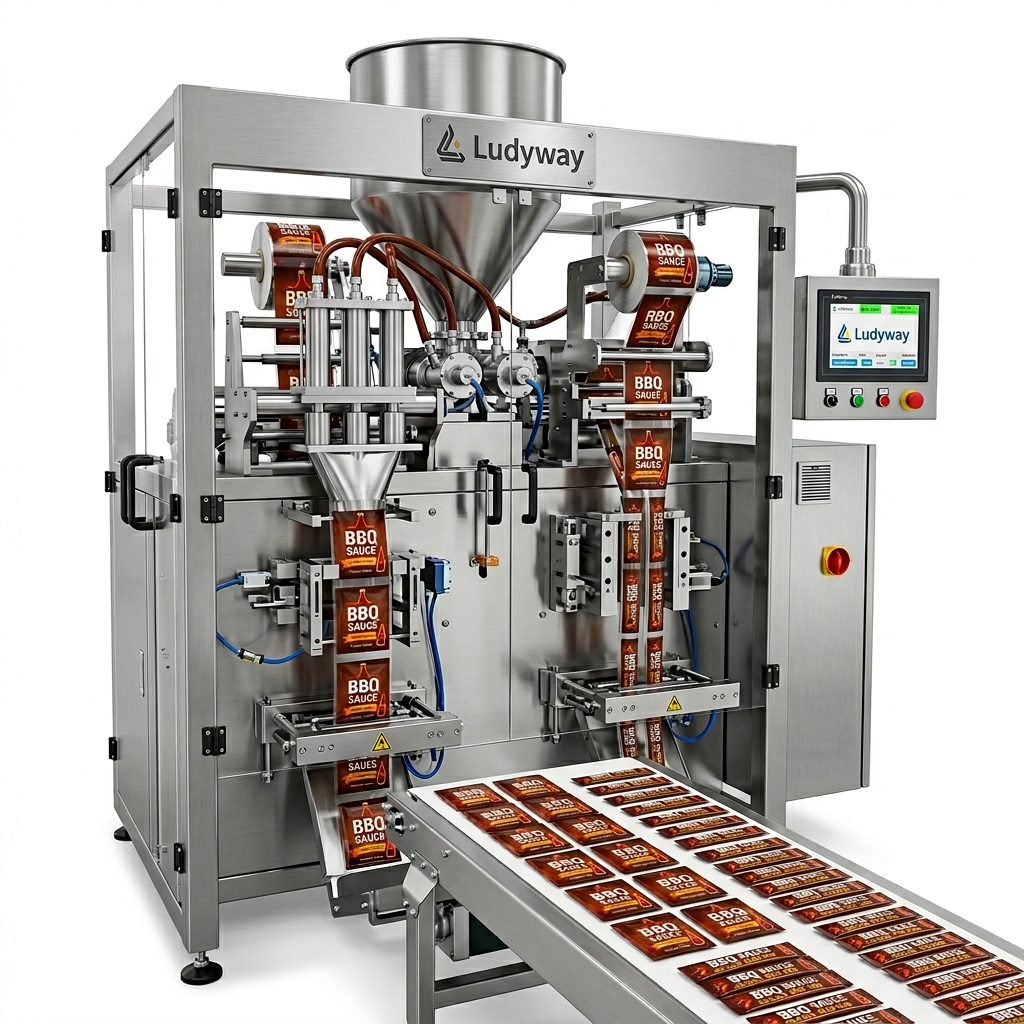
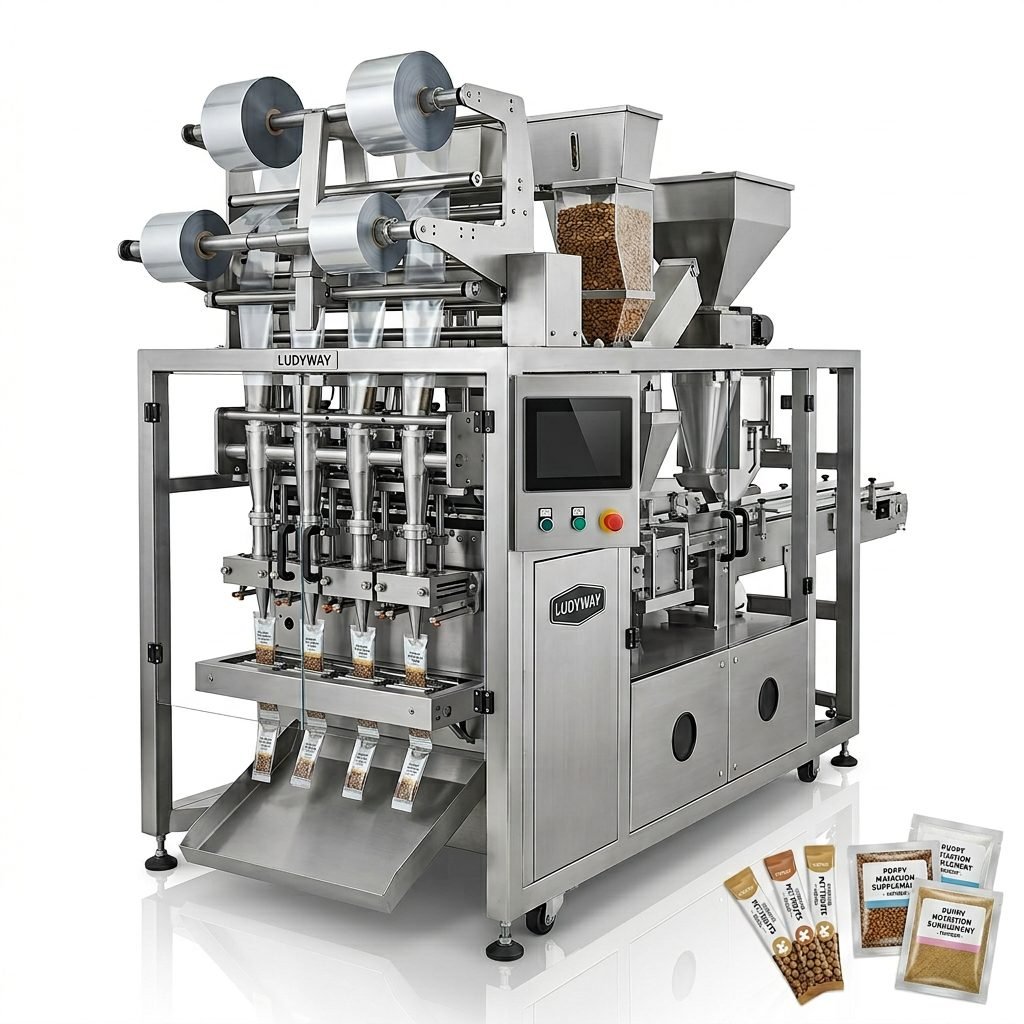
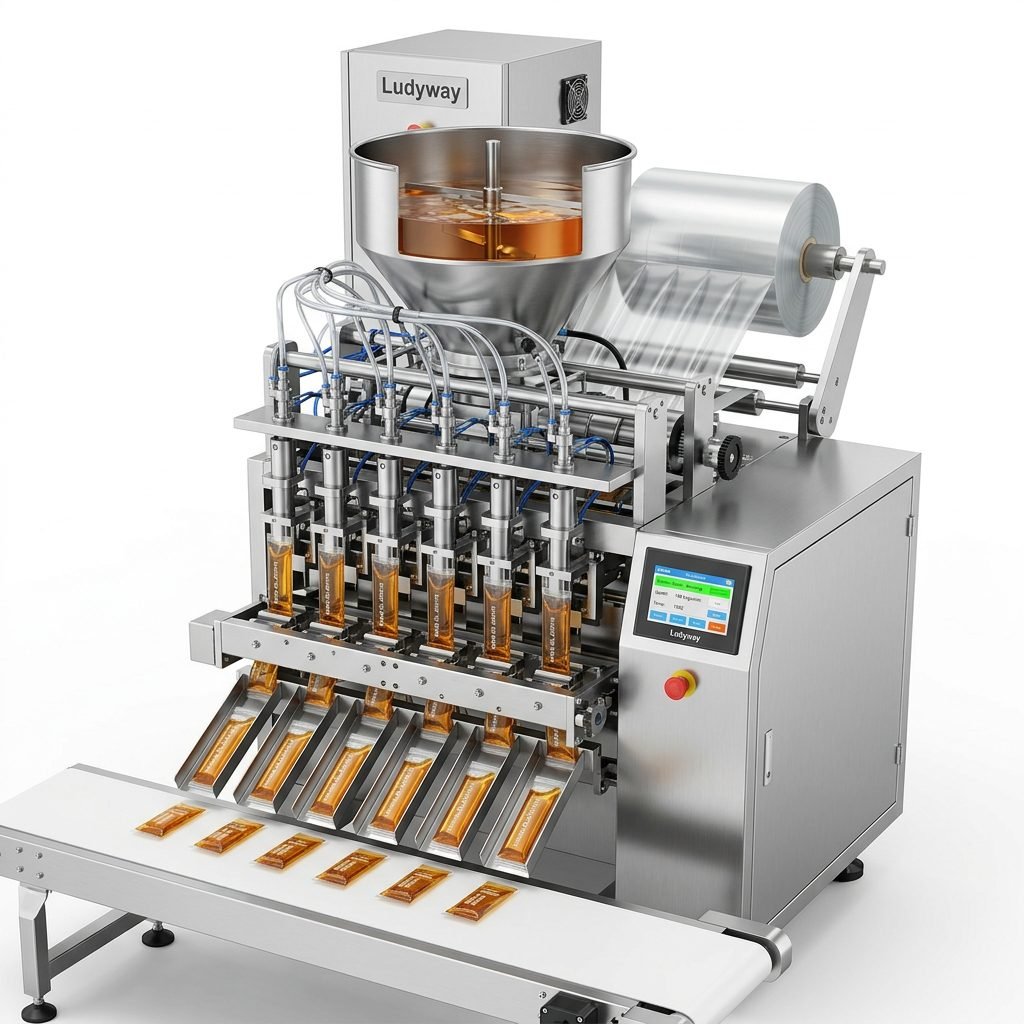
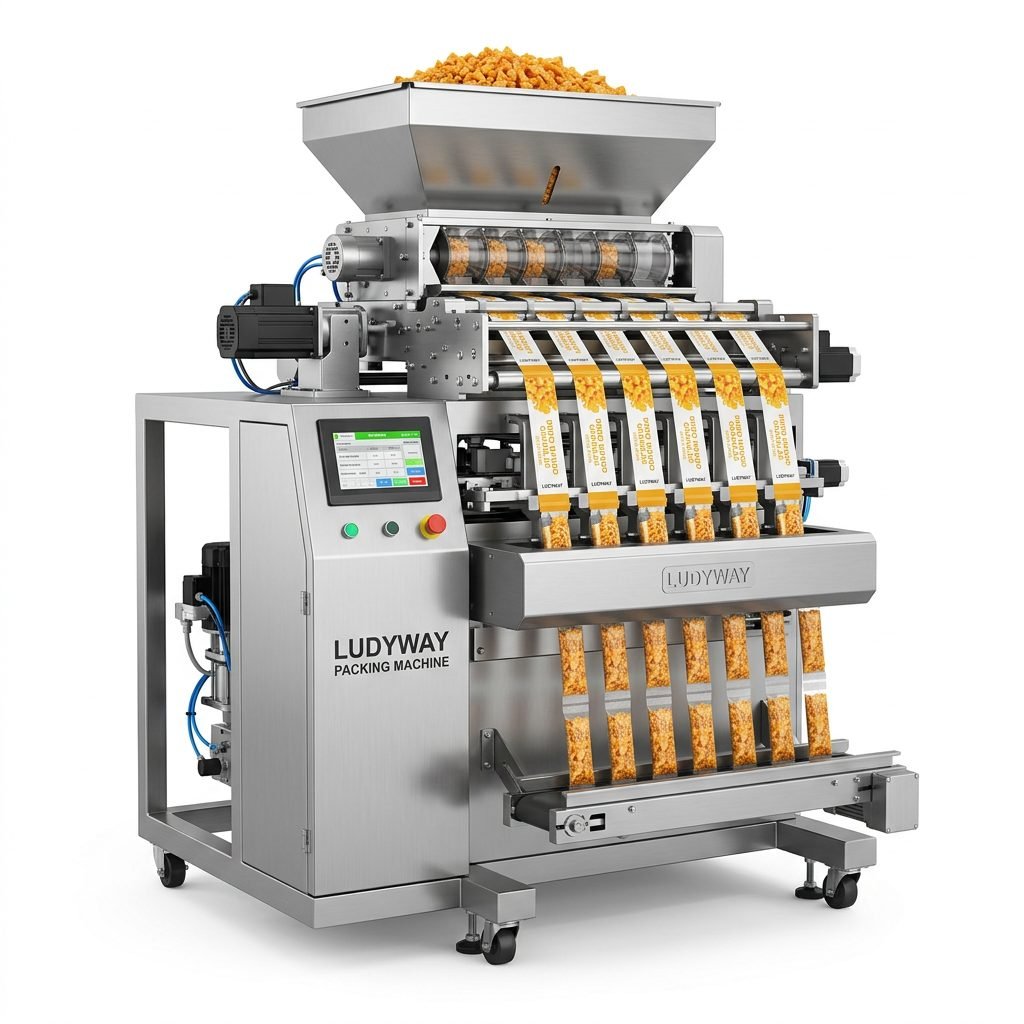
In today’s competitive manufacturing landscape, optimizing your packaging line is no longer a luxury—it’s a necessity. Strategic upgrades to your packaging machinery can deliver a powerful trifecta of benefits: significantly boosting operational efficiency, substantially cutting production costs, and elevating the level of product protection to meet modern standards. For businesses looking to stay ahead, investing in the right machine enhancements is a direct path to improved profitability and market reputation.
Intelligent Control Systems & IoT Integration
The heart of a modern packaging machine is its control system. Upgrading from basic PLCs to advanced, intelligent touch-screen HMIs (Human-Machine Interfaces) with recipe management can drastically reduce changeover times. Operators can switch between product formats with a single touch, minimizing downtime and human error. Furthermore, integrating IoT (Internet of Things) capabilities allows for real-time monitoring of machine performance, predictive maintenance alerts, and remote diagnostics. This connectivity transforms your packaging line from an isolated unit into a data-driven asset, providing insights that drive continuous improvement.
High-Speed Servo-Driven Components
Replacing traditional mechanical drives with servo motors is one of the most impactful upgrades for speed and precision. Servo systems offer unparalleled control over motion profiles, enabling smoother acceleration and deceleration. This results in higher operational speeds without compromising accuracy in filling, sealing, or cutting. The precision of servo drives also reduces material waste—whether it’s film, foil, or product—directly translating to lower material costs and a more consistent, professional package finish.
Key Benefits of Servo Upgrades:
- ↗ Increased Throughput: Achieve higher cycles per minute (CPM).
- 🎯 Enhanced Accuracy: Micro-adjustments ensure precise filling and sealing.
- 🔇 Reduced Noise & Vibration: Creates a better working environment.
- ⚡ Lower Energy Consumption: Motors only draw power when performing work.
Advanced Sealing & Inspection Technologies
Product integrity is paramount. Upgrading sealing jaws with consistent, digitally-controlled temperature systems ensures perfect seals every time, even on challenging multi-layer laminates. This eliminates leakers and protects against contamination. Pair this with integrated inspection systems like checkweighers, metal detectors, or vision systems. These systems automatically reject underweight, overweight, or contaminated packages, safeguarding your brand from costly recalls and protecting end-users. This dual approach of perfect sealing and automated inspection is your strongest defense for product protection.
Versatile & Quick-Change Tooling
Market demands flexibility. If your production runs involve multiple package sizes or shapes, slow manual changeovers are a major bottleneck. Investing in quick-change tooling systems for forming collars, filling nozzles, and sealing jaws can reduce changeover time from hours to minutes. Some advanced systems even allow for “on-the-fly” adjustments via the HMI. This modularity means you can respond rapidly to custom orders or new product launches, maximizing your machine’s utilization and opening up new business opportunities without significant capital investment in entirely new lines.
Tooling Upgrade Considerations:
Material Compatibility: Ensure tooling is suited for your specific packaging film (e.g., PET, ALU, PE).
Sanitary Design: For food or pharma, tooling should allow for easy cleaning and prevent product trap points.
Precision Machining: High-tolerance parts ensure consistent package formation and seal quality.
Automated Feeding & End-of-Line Solutions
True efficiency extends beyond the primary packaging machine. Manual loading of film reels or feeding empty bags consumes labor and introduces variability. Automating these processes with automatic web splicers and bag or pouch feeders ensures uninterrupted production runs. Similarly, consider automating the end of the line. Integrating cartoners, case packers, or palletizers creates a seamless flow from primary package to shipping pallet. This reduces manual handling, minimizes labor costs, and significantly lowers the risk of product damage during transfer.
Conclusion: Building a Future-Proof Packaging Line
Upgrading your packaging machinery is a strategic investment that pays dividends across your entire operation. By focusing on intelligent controls, servo precision, robust sealing, flexible tooling, and end-to-end automation, you build a packaging line that is not just faster, but smarter, more reliable, and more adaptable. Companies like Ludyway Packing Machine, with decades of experience in providing turnkey packaging solutions, understand that these upgrades are essential for manufacturers aiming to boost efficiency, cut costs, and guarantee superior product protection in a global market.
Frequently Asked Questions (FAQs)
1. How do I justify the ROI (Return on Investment) for a packaging machine upgrade?
Calculate ROI by quantifying the gains: reduced material waste (savings on film and product), increased output (higher revenue per shift), lower labor costs (from automation and reduced downtime), and decreased costs from rejects/recalls (improved quality). Most upgrades pay for themselves within 12-24 months through these tangible savings and revenue increases.
2. Can I upgrade my old machine, or is it better to buy a new one?
Many modern upgrades are designed as retrofits for existing machinery. A reputable supplier like Ludyway Machinery can assess your current machine’s frame and core mechanics. If the foundation is solid, retrofitting servo drives, a new control system, or tooling is often a highly cost-effective solution compared to a full capital expenditure on a new machine.
3. What is the most critical upgrade for improving product protection?
While all upgrades contribute, the combination of a digitally-controlled sealing system and an integrated inspection system (checkweigher/vision) is paramount. The first ensures the package is hermetically sealed, and the second provides 100% verification that every unit leaving your line meets quality standards, physically protecting the product and your brand’s reputation.
4. How long does a typical machine upgrade project take?
The timeline varies greatly by scope. A simple control panel or tooling change might take a few days during a scheduled shutdown. A comprehensive retrofit involving servo integration and new mechanical assemblies could require 1-3 weeks of on-site work by experienced engineers. Proper planning with your supplier is key to minimizing production disruption.
5. Are these upgrades compatible with all packaging materials?
Compatibility is crucial. When planning an upgrade, you must provide details of your packaging materials (type, thickness, coefficient of friction) to the engineering team. Upgrades like sealing jaws or forming tools are often custom-designed or adjusted to work optimally with your specific film or laminate to ensure the upgrade delivers the promised results.