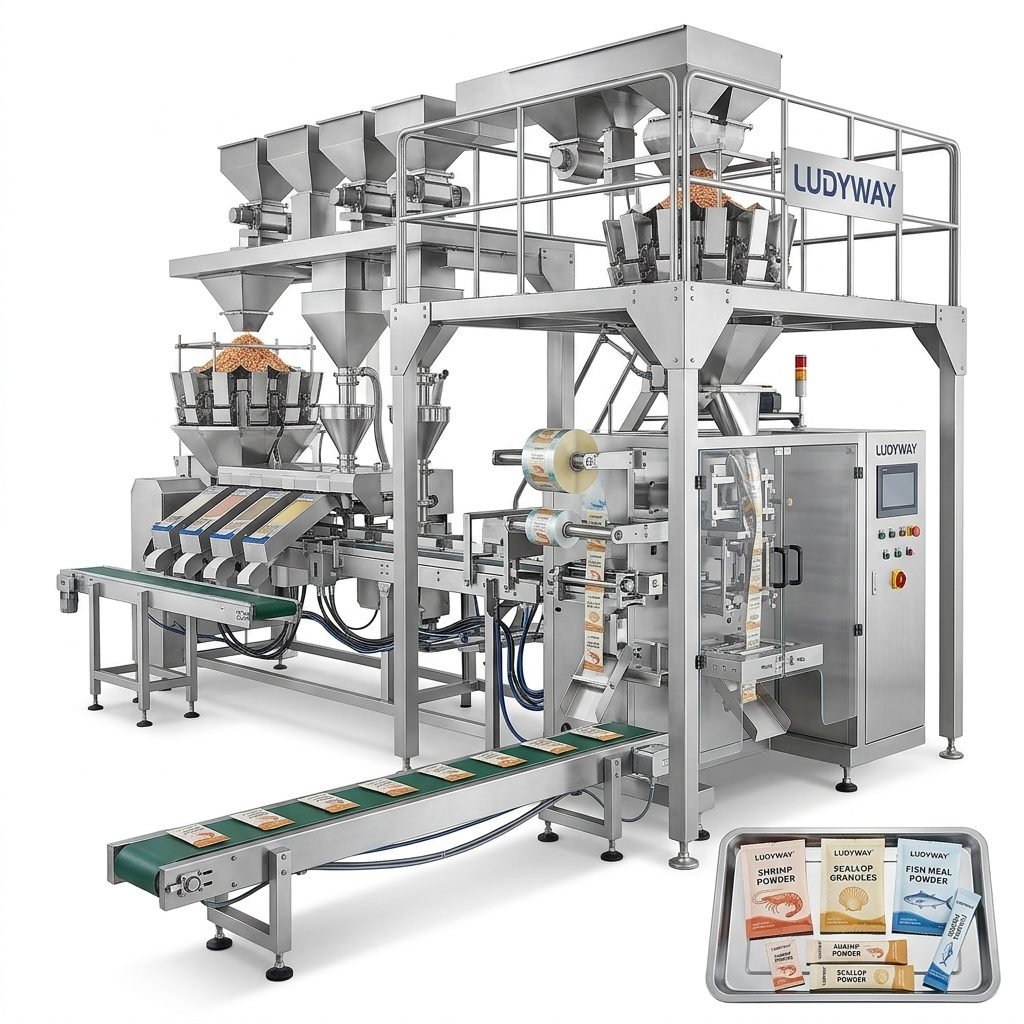
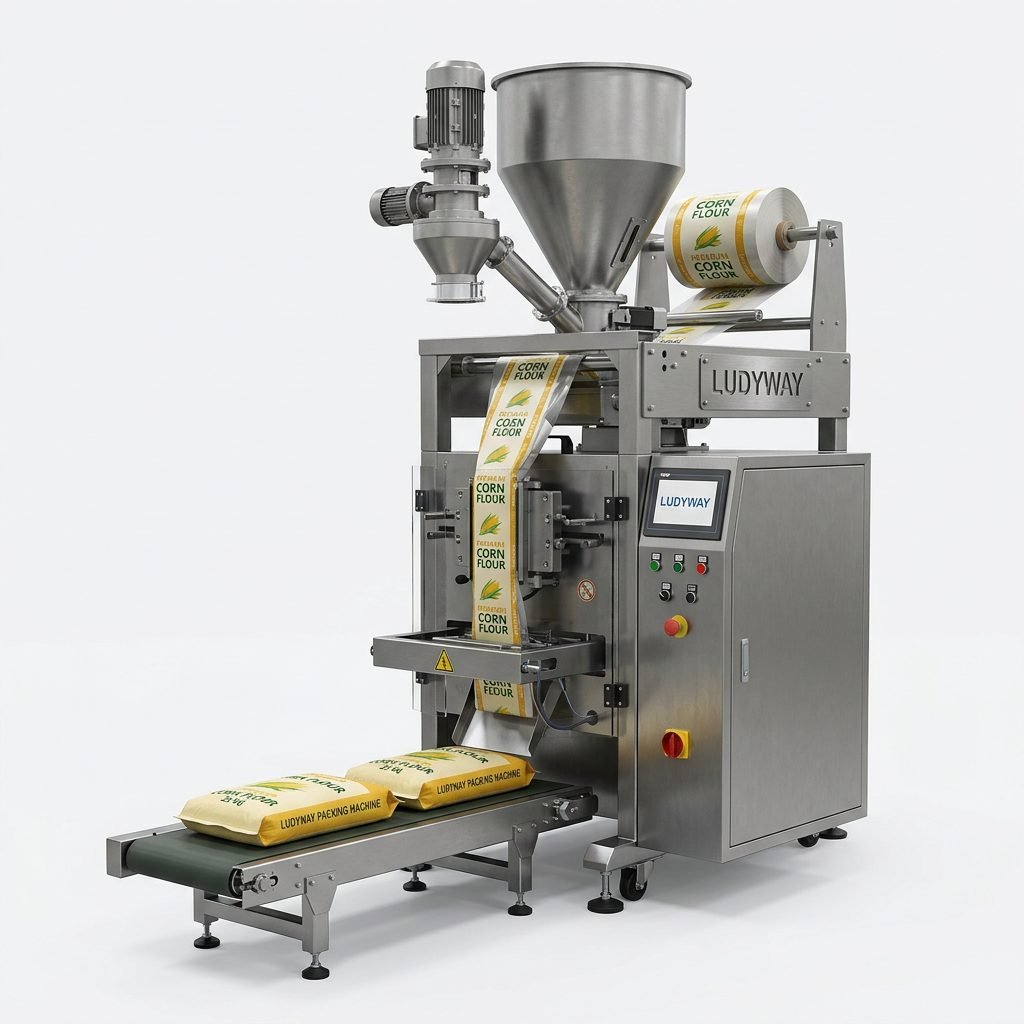
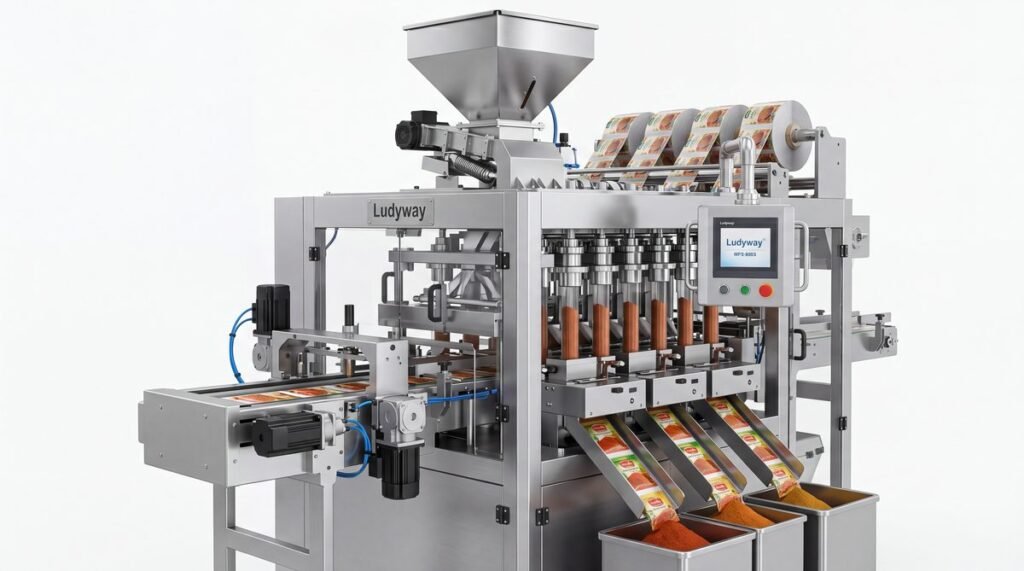
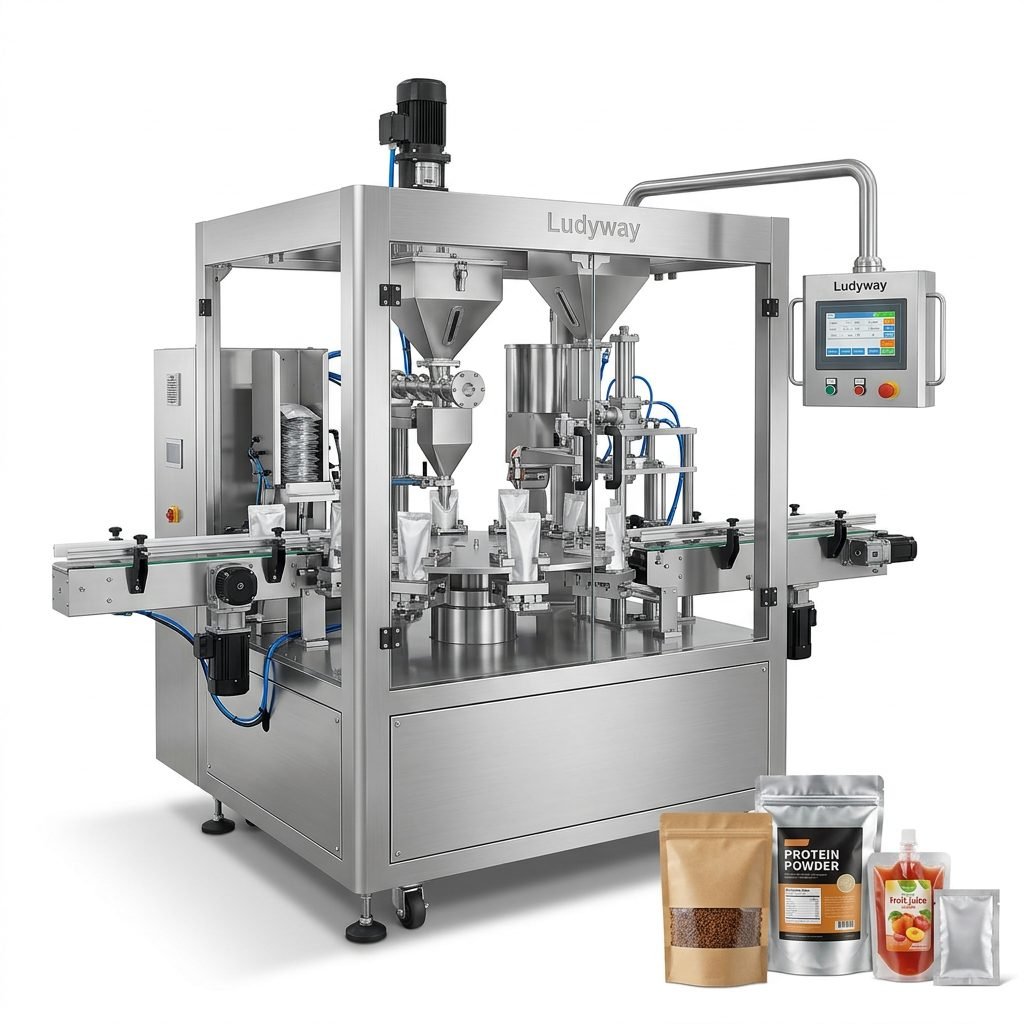
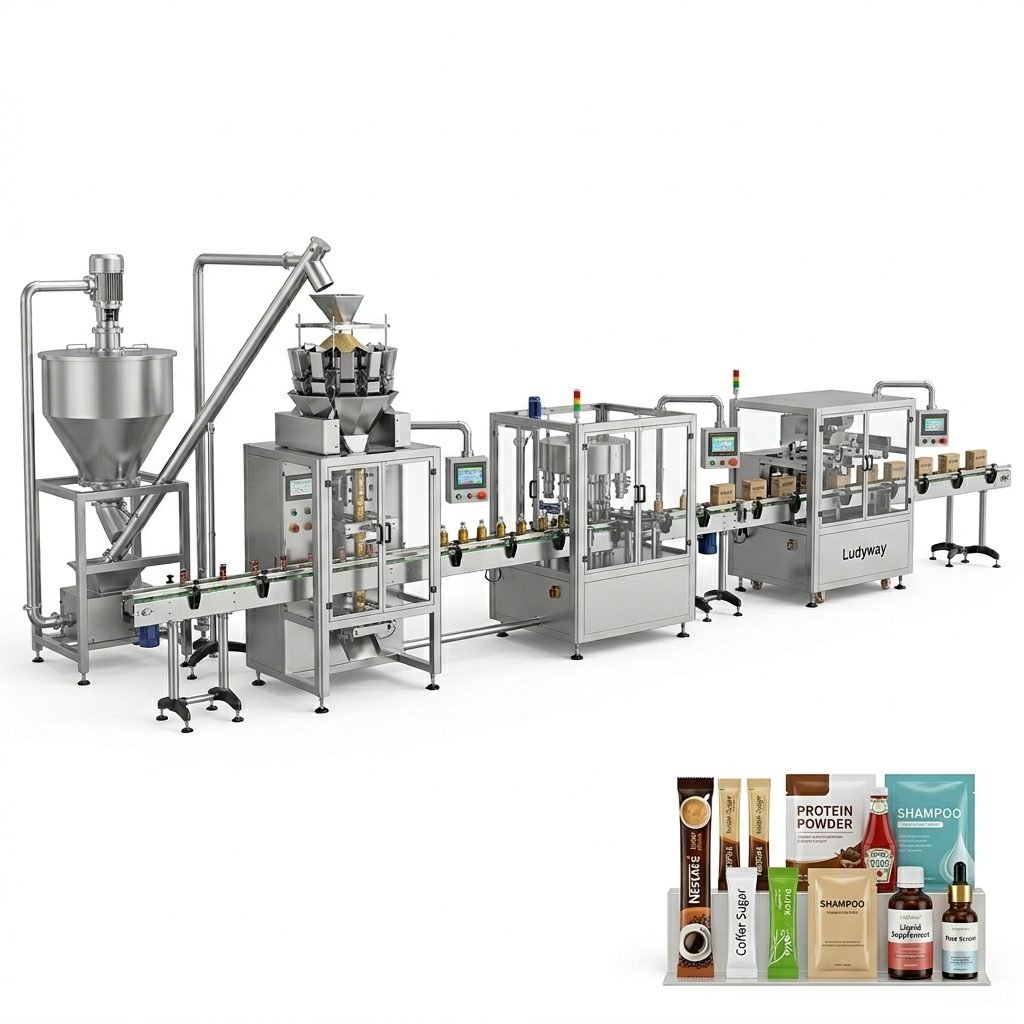
Choosing the right small scale packaging machine is a critical decision for businesses looking to optimize production, control costs, and enhance product presentation. A compact packing solution offers the perfect balance between automation and flexibility, making it ideal for startups, small to medium-sized enterprises (SMEs), and businesses with diverse product lines. This guide will walk you through the key factors to consider when selecting the best machine for your specific needs.
Understanding Your Packaging Requirements
Before diving into machine specifications, it’s essential to have a clear understanding of your own operational needs. This foundational step ensures the equipment you choose aligns perfectly with your business goals.
Product Characteristics
The nature of your product dictates the type of packaging machine required. Consider these aspects carefully:
• Form: Is your product a granule, powder, liquid, paste, or solid piece? Machines are specifically designed to handle different material flows.
• Properties: Consider factors like hygroscopicity (moisture absorption), abrasiveness, viscosity, and particle size. These can affect material handling systems.
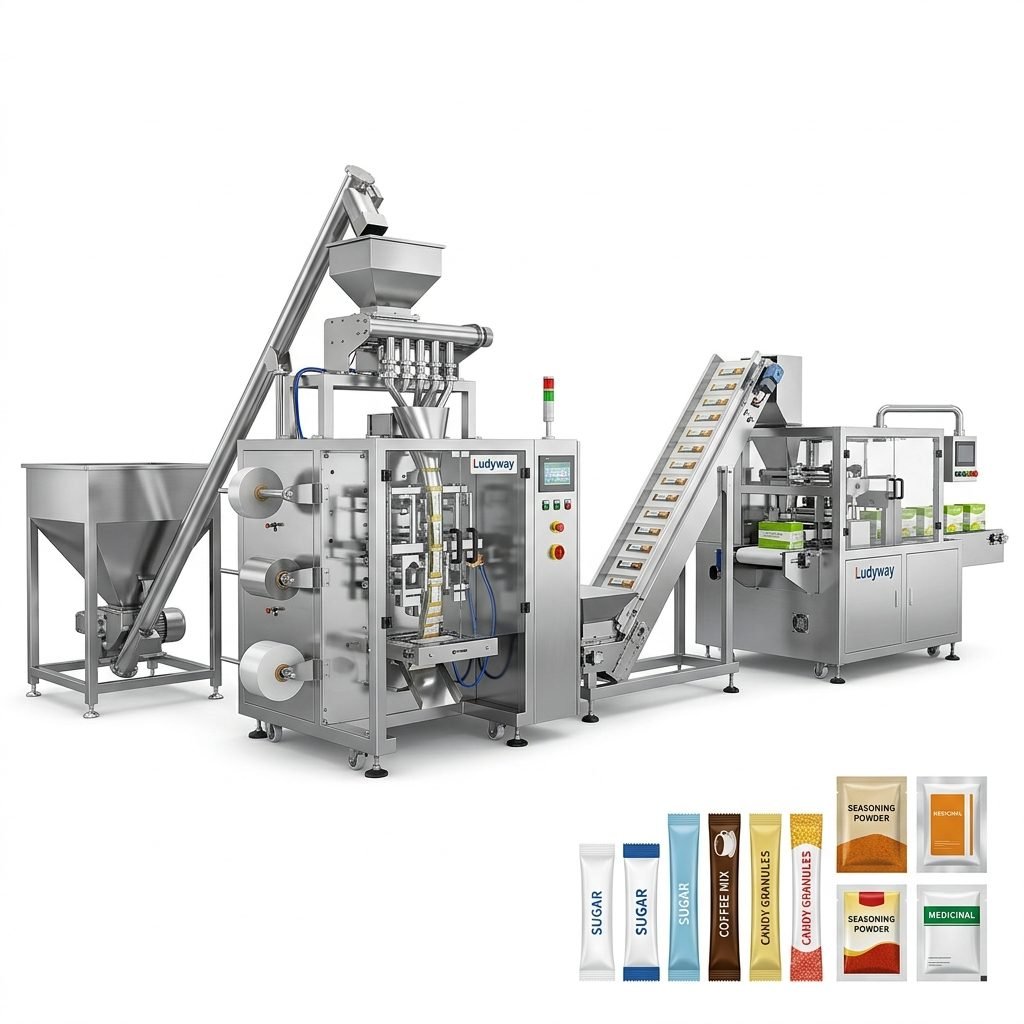
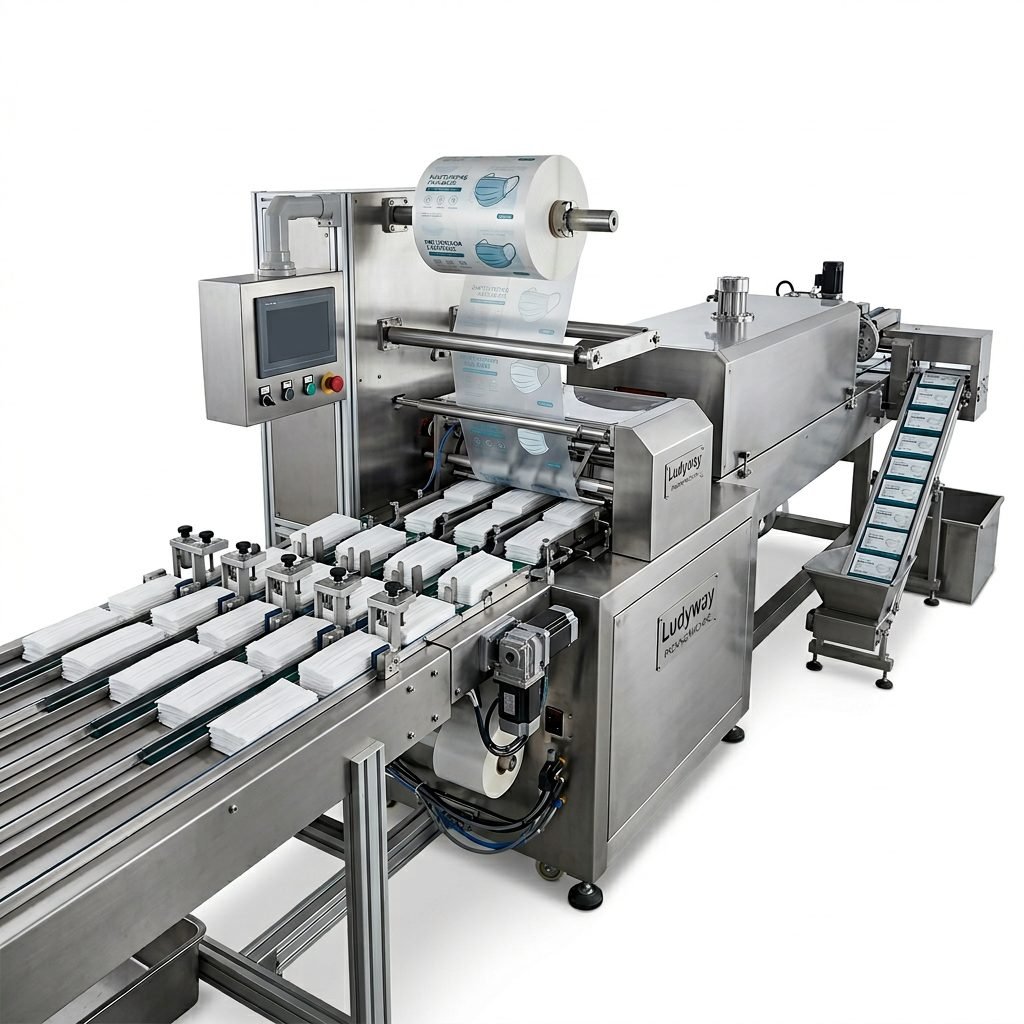
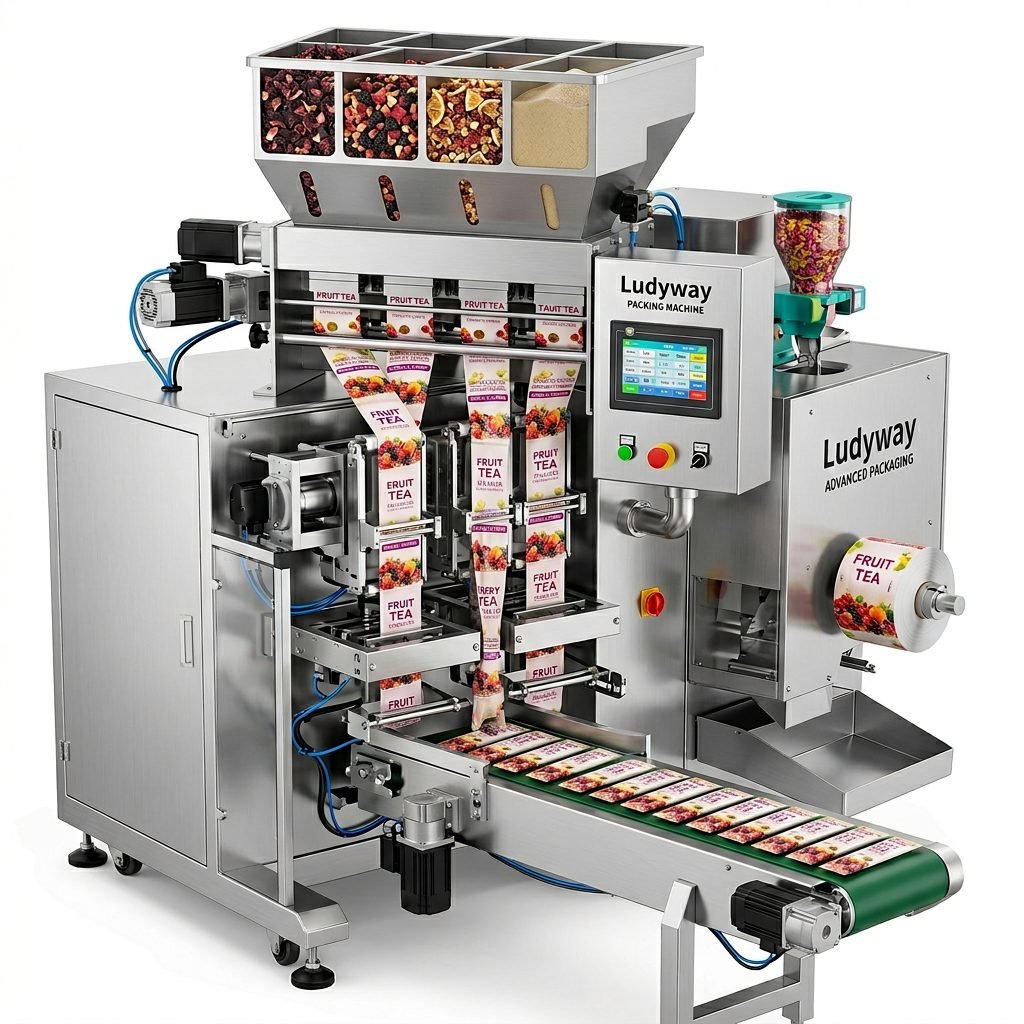
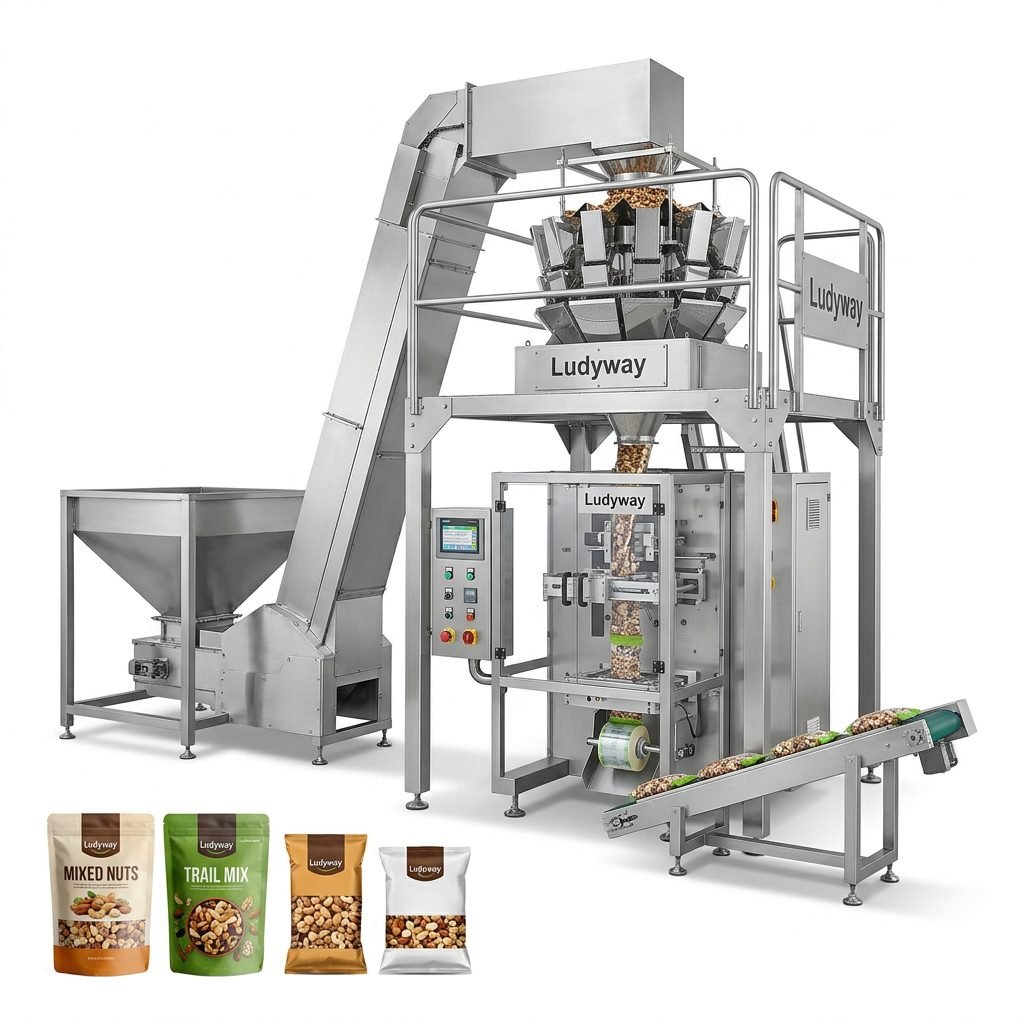
• Packaging Format: Decide on the final package type—such as stick packs, sachets, pouches, or small bags. The machine must be capable of forming and sealing this format reliably.
Production Volume and Speed
Your required output is a primary driver in machine selection. A small scale machine doesn’t mean low performance, but it must match your scale.
• Low to Medium Volume: For businesses producing batches or with seasonal demand, a versatile, easy-to-change machine is key. Speeds may range from 30 to 120 packs per minute.
• Growth Planning: Consider a machine that can scale with you, perhaps through modular add-ons or higher speed capabilities that you can grow into.
Key Features to Look for in a Compact Packaging Machine
Modern compact machines pack a significant punch in terms of technology and features. Focus on these core functionalities.
Accuracy and Dosing Systems
Product giveaways cost money, while underfills can damage your brand. Precision is non-negotiable.
Volumetric Cup Fillers: Excellent for uniform granules and some powders. They are simple, cost-effective, and easy to clean.
Auger Fillers: The gold standard for powders and fine granules. Look for machines with servo-driven augers for exceptional accuracy, often within ±1% tolerance.
Liquid Pumps: For liquids and pastes, piston fillers or peristaltic pumps provide precise volumetric dosing.
Flexibility and Changeover
The ability to switch between products or package sizes quickly is a major advantage for small businesses.
• Tool-less Adjustments: Machines that allow for bag length, width, and dose size changes without specialized tools drastically reduce downtime.
• Recipe Memory: Digital control panels with saved settings for different products streamline the changeover process.
Ease of Operation and Maintenance
With potentially limited technical staff, user-friendliness is crucial.
A machine with a clear touchscreen HMI (Human-Machine Interface), straightforward mechanical design, and easy access to critical parts for cleaning will save time and reduce operational headaches. Daily maintenance should be simple enough for an operator to perform after basic training.
Material and Build Quality
Don’t compromise on construction. A robust machine ensures longevity, hygiene, and consistent performance.
• Contact Parts: Ensure all parts touching your product are made of food-grade or pharmaceutical-grade stainless steel (e.g., 304 or 316L). This prevents contamination and allows for thorough cleaning.
• Frame and Structure: A solid, vibration-resistant frame made from powder-coated steel or aluminum ensures stability during high-speed operation and over years of use.
Integration and Support
The machine is part of a larger system. Consider its ecosystem.
After-Sales Service and Technical Support
This is one of the most critical factors. Reliable support from your supplier is invaluable.
→ Look for suppliers who offer comprehensive training, clear documentation, and readily available spare parts. The availability of remote diagnostics and support can also be a significant benefit, minimizing potential downtime.
Supplier Expertise and Reliability
Partner with a company that has proven experience. For instance, Ludyway Machinery, with over 30 years of industry experience, specializes in intelligent packaging solutions for food, pharmaceutical, and health industries. Choosing an expert partner means you benefit from their deep application knowledge, ensuring the machine is well-suited to your specific product and that you have access to ongoing technical advice. You can learn more about their approach to customized production solutions.
Making the Final Decision
Armed with this knowledge, your selection process should be methodical.
1. Create a Shortlist: Based on your product, format, and speed requirements, identify 3-4 potential machine models from reputable suppliers.
2. Request Product Testing: Always insist on a live product test using your actual materials. This is the only way to verify performance, accuracy, and seal integrity.
3. Evaluate Total Cost of Ownership (TCO): Look beyond the initial purchase price. Factor in costs for maintenance, spare parts, energy consumption, and expected lifespan.
4. Check References: Ask suppliers for case studies or contact details of current customers with similar applications.
Final Checklist Before Purchase
✓ Machine accuracy meets your target tolerance.
✓ Changeover time and process are acceptable for your operation.
✓ All sanitary and material safety certifications are in place (e.g., CE, FDA-compliant materials).
✓ Service and support agreement terms are clear and satisfactory.
✓ The supplier has a solid track record and positive customer feedback.
Frequently Asked Questions (FAQs)
What is the typical price range for a small scale packaging machine?
Prices vary widely based on features, accuracy, and speed. Entry-level volumetric machines can start in the range of $10,000 – $20,000, while high-accuracy, servo-driven auger systems with advanced controls can range from $30,000 to $60,000 or more. It’s an investment where quality and suitability often outweigh a lower initial cost.
Can one machine handle different types of products?
Yes, many compact machines are designed for flexibility. However, switching between vastly different product forms (e.g., powder to liquid) typically requires changing the dosing system (e.g., auger to pump). Switching between similar products or different package sizes on the same machine is common and facilitated by quick-change features.
How important is after-sales service?
Extremely important. Even the best machine may require calibration, maintenance, or repair. A supplier with a strong global service network, readily available spare parts, and responsive technical support is crucial for minimizing production downtime and protecting your investment in the long term.
What are the main maintenance requirements?
Daily cleaning of product contact parts is essential. Regular maintenance includes lubrication of moving parts, inspection of seals and cutting blades, and calibration of the dosing system. A good supplier will provide a clear maintenance schedule and training for your operators.
Are compact machines suitable for food-grade or pharmaceutical products?
Absolutely. Many small scale machines are built specifically for these industries. The key is to specify the required standards (e.g., 304/316L stainless steel for contact parts, easy-clean design, compliance with relevant hygiene regulations) with your supplier during the selection process to ensure the machine meets all necessary criteria.