Navigating the world of commercial packaging machinery can be a complex task for any business owner or production manager. Selecting the right system is not just about purchasing equipment; it’s a strategic investment that impacts production efficiency, product quality, and overall operational costs. This comprehensive guide is designed to demystify the process, providing clear insights into the different types of machines available, the associated costs, and a structured approach to choosing the perfect system for your specific needs.
Understanding the Core Types of Commercial Packaging Machines
The first step in your selection journey is understanding the landscape. Packaging machines are typically categorized by their function and the type of product they handle. Here’s a breakdown of the most common systems you’ll encounter in the market.
1. Form-Fill-Seal (FFS) Machines
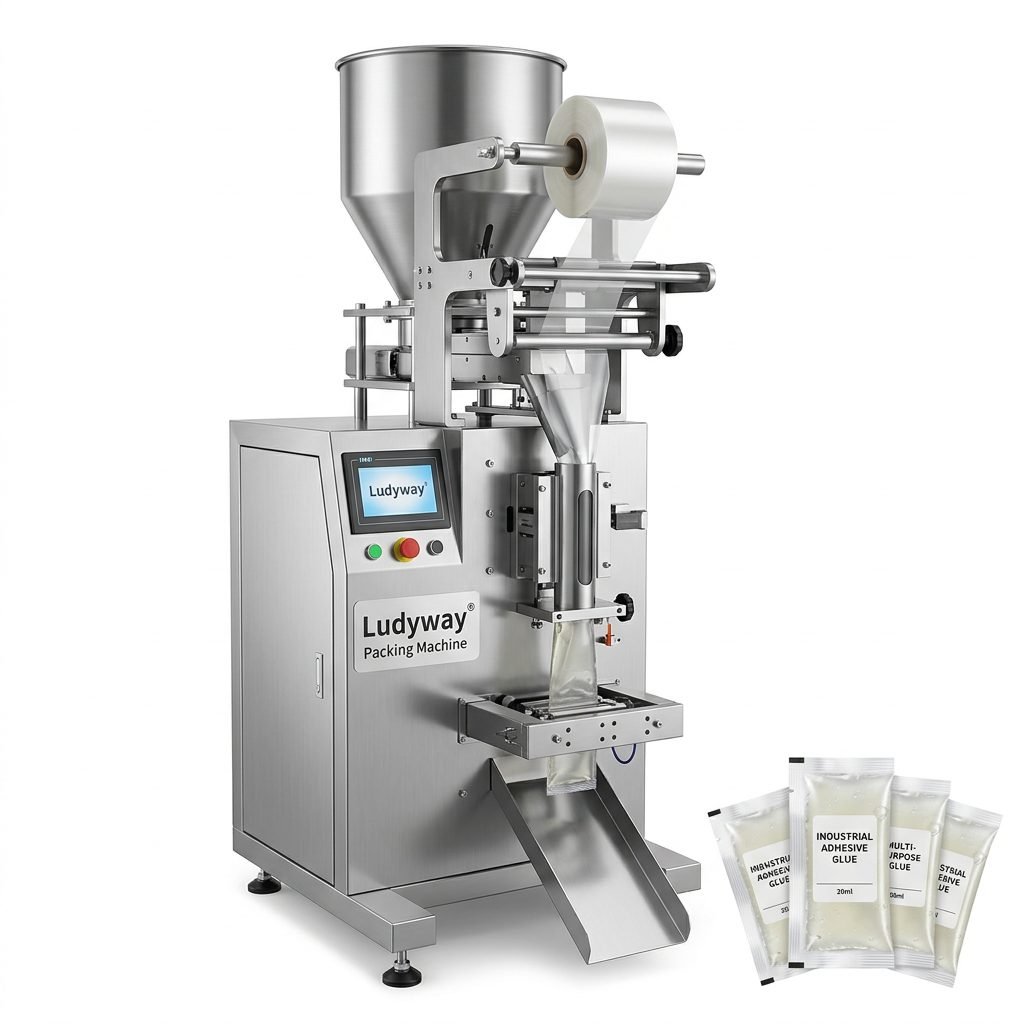
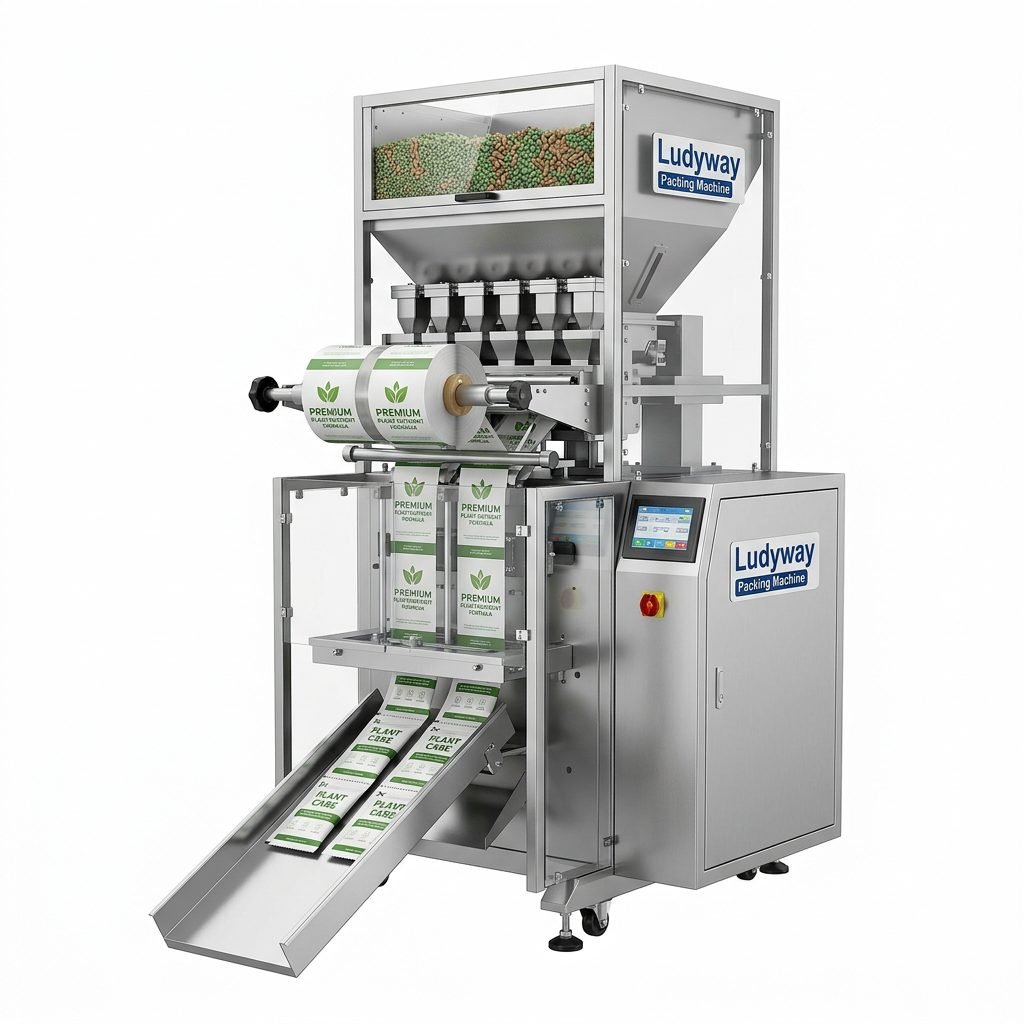
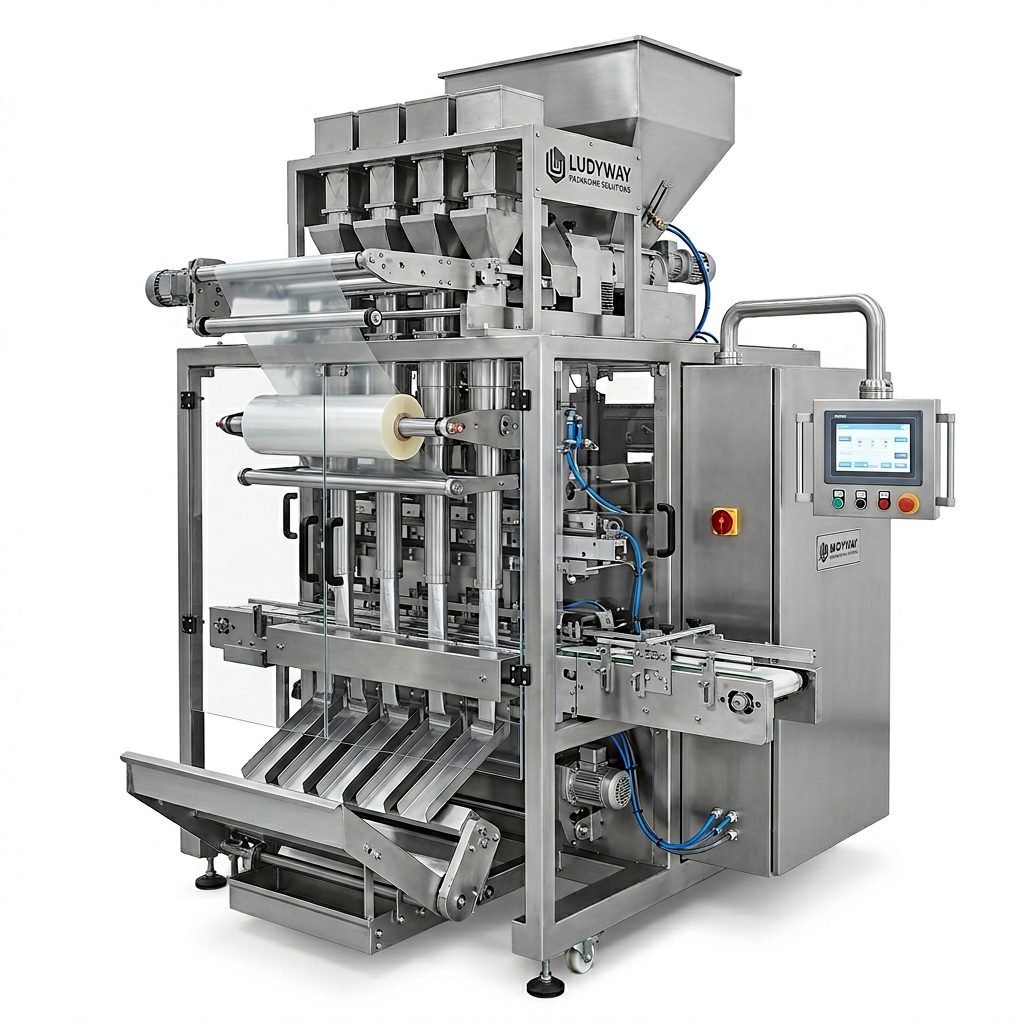
These are the workhorses of modern packaging. FFS machines form the packaging material (usually a roll of film), fill it with the product, and then seal it—all in one continuous, automated operation. They are incredibly versatile and efficient for high-volume production.
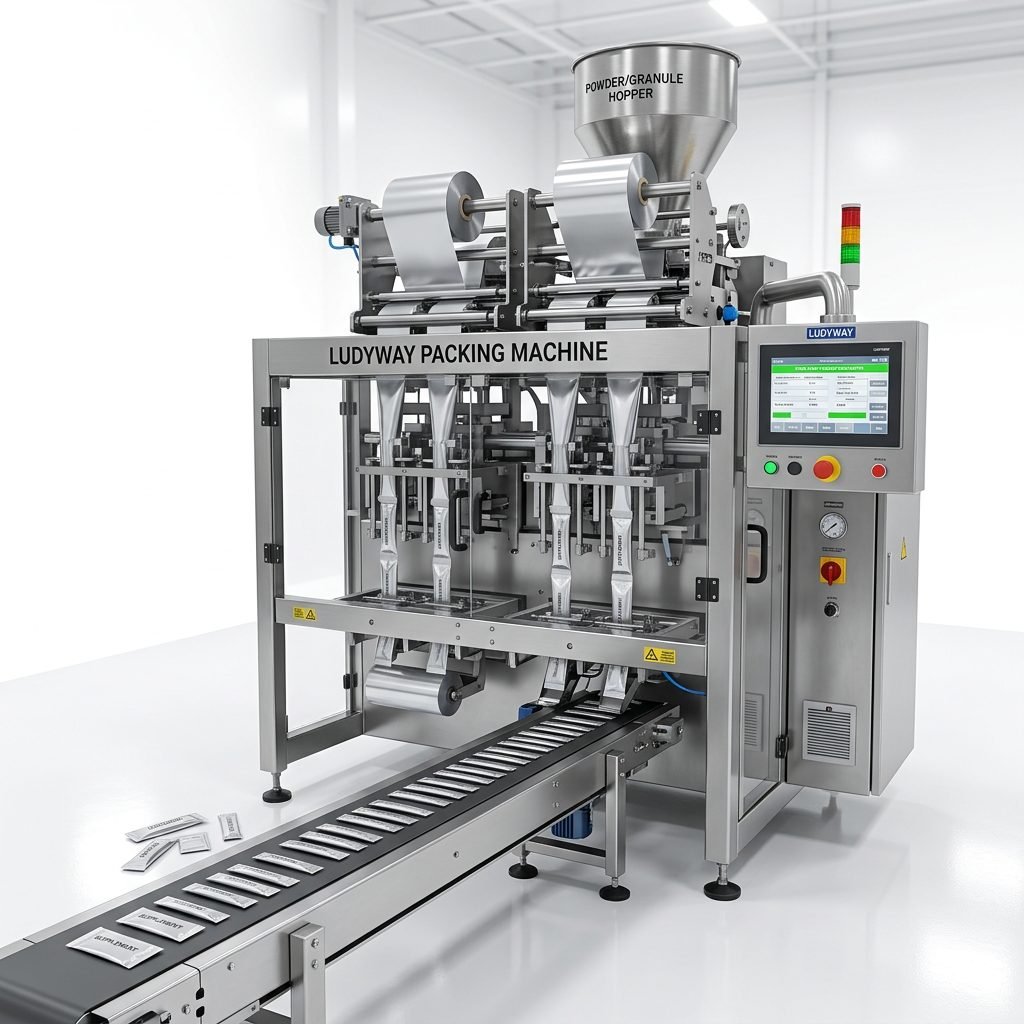
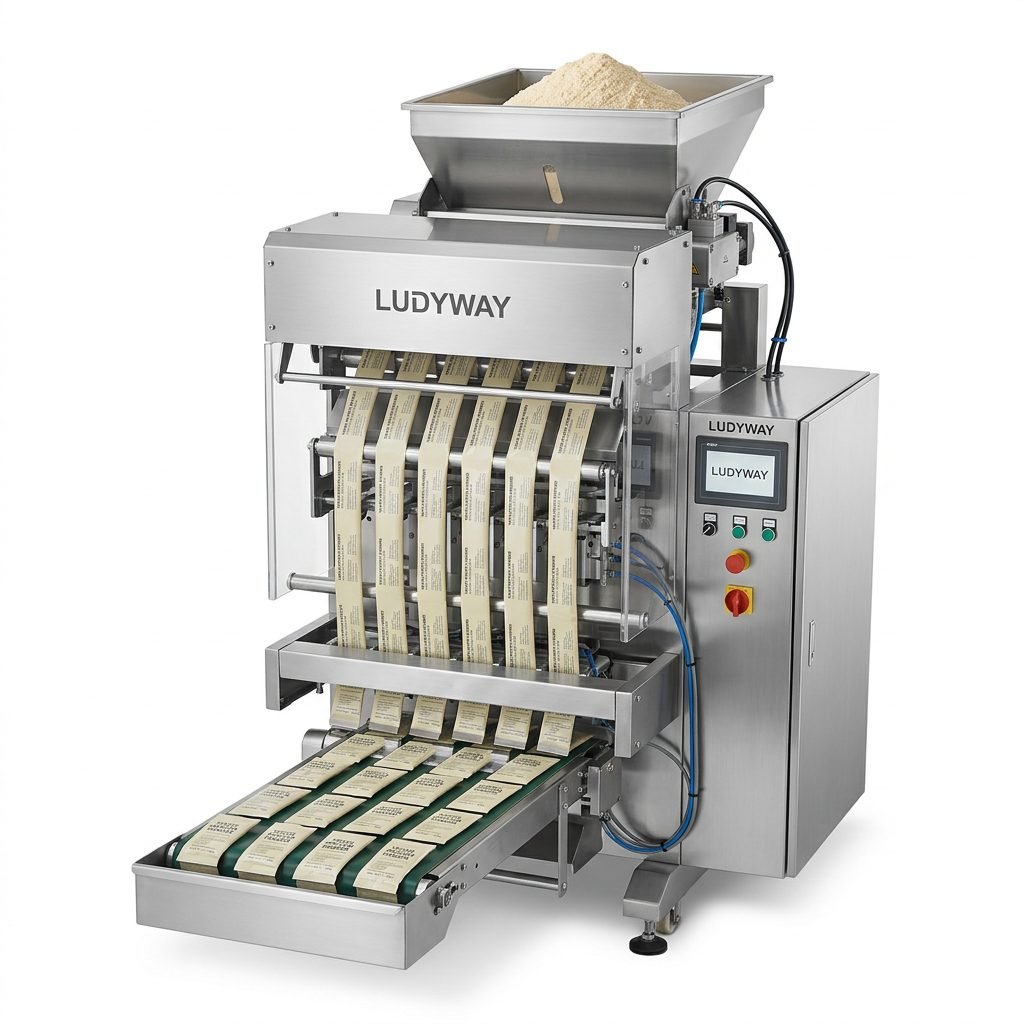
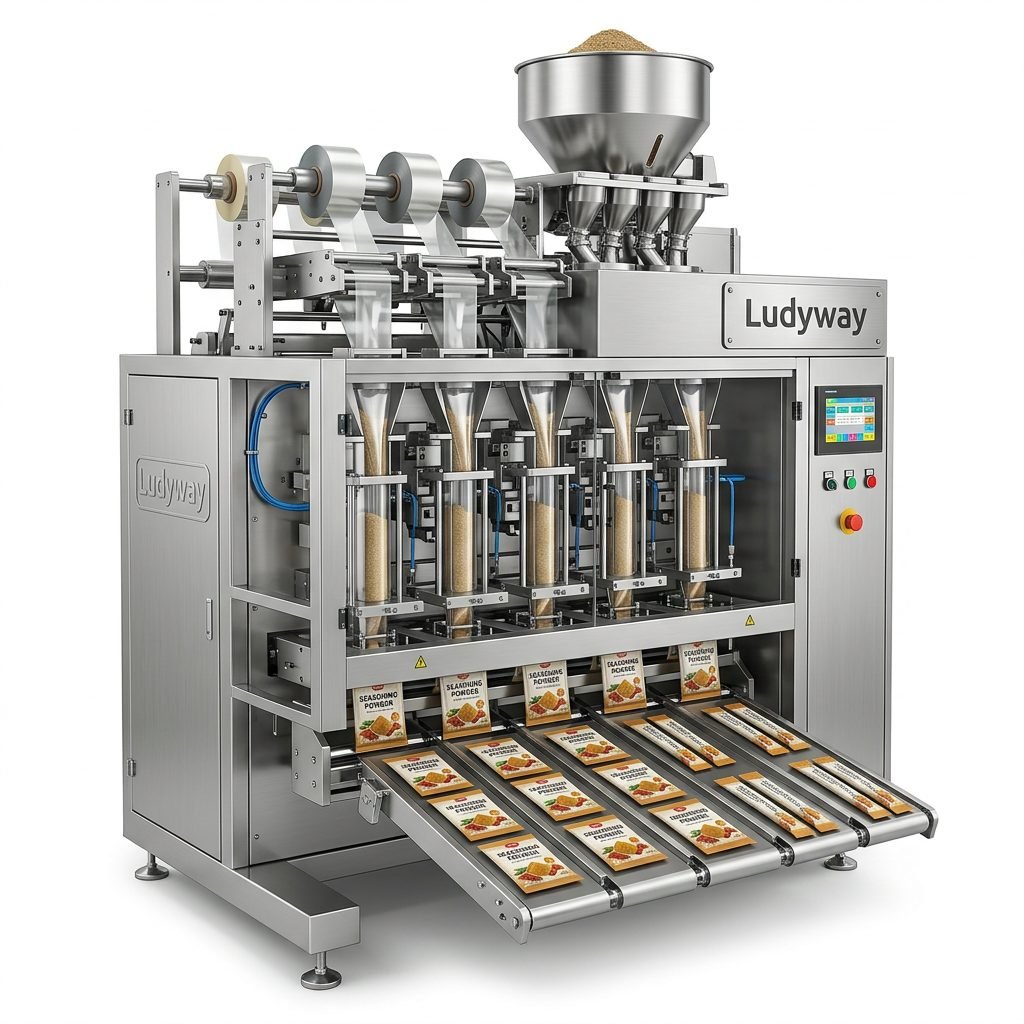
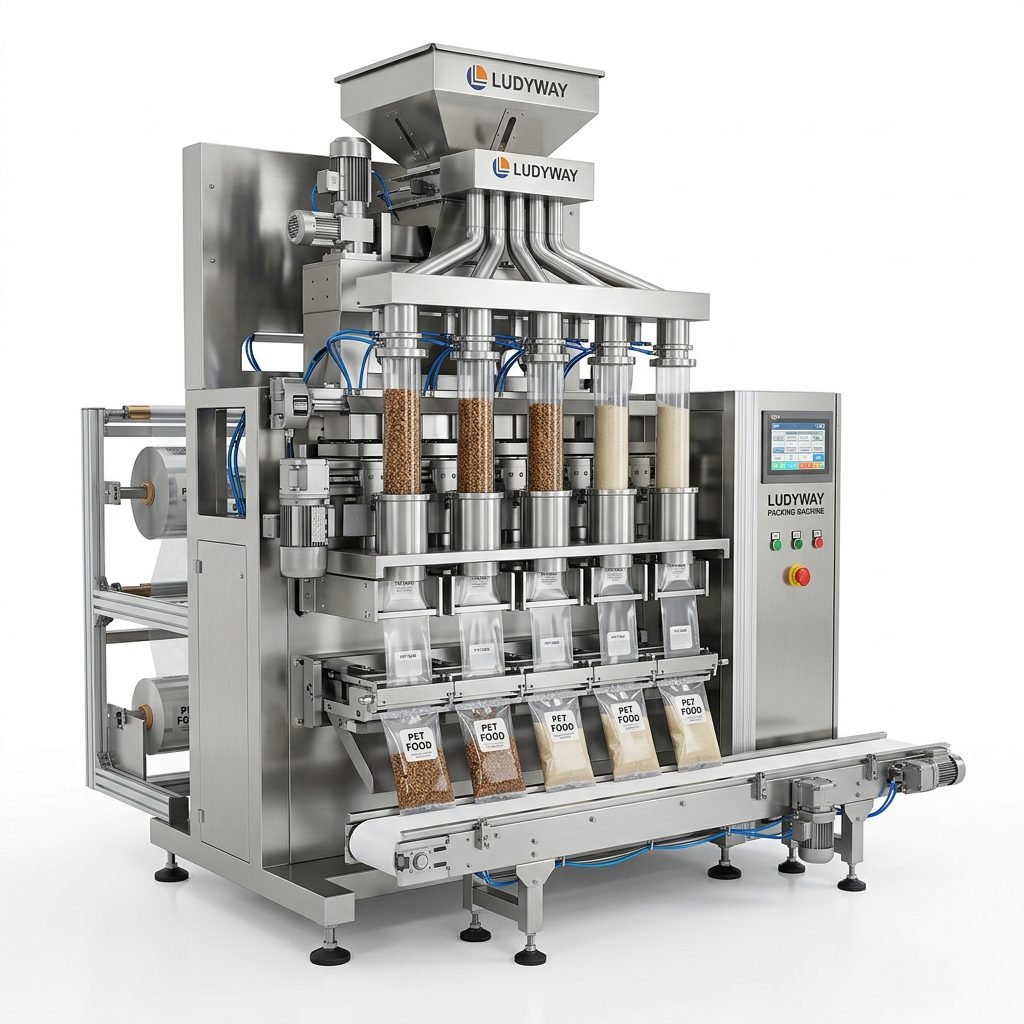
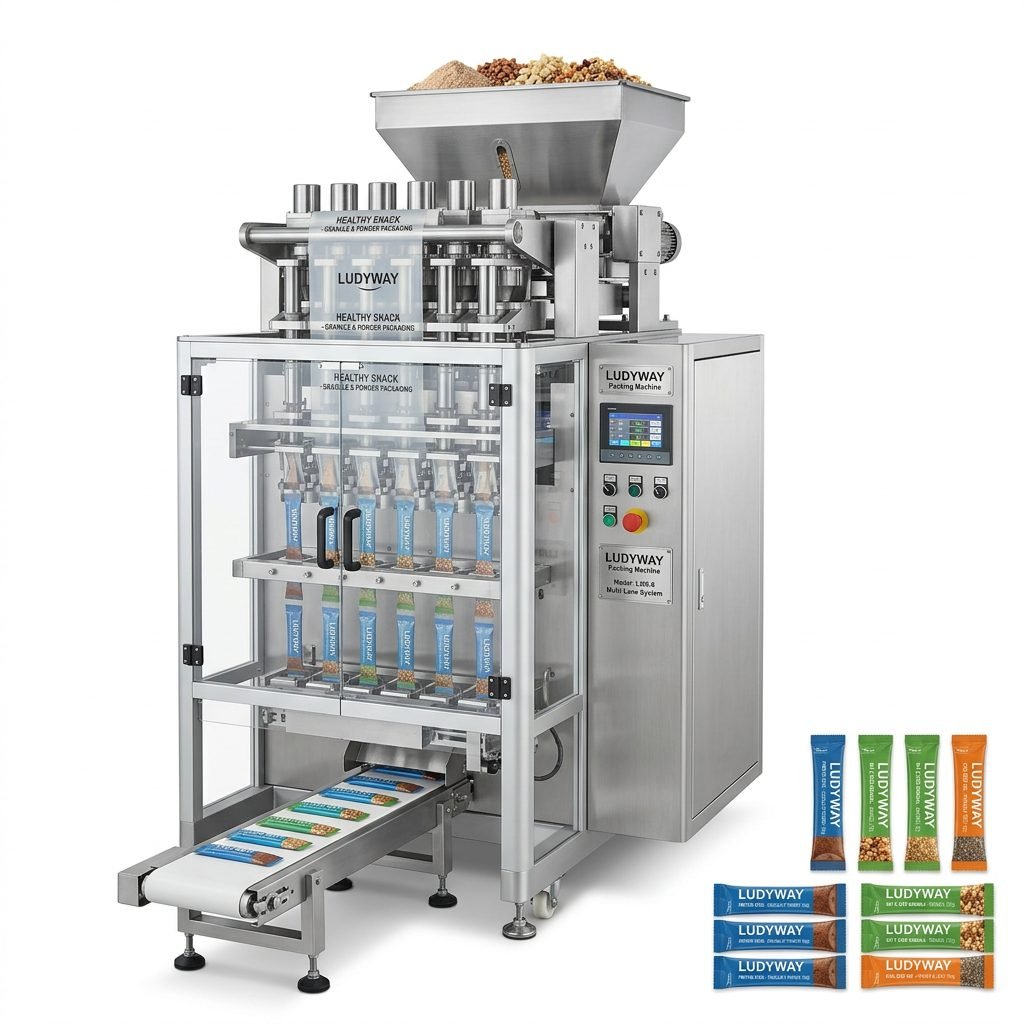
Key Applications: Perfect for granules (like coffee, sugar, seeds), powders (milk powder, spices, protein), and liquids (sauces, oils, shampoos). They can produce various pouch styles, including pillow bags, stand-up pouches, and multi-lane stick packs.
2. Vertical vs. Horizontal FFS Systems
This is a crucial distinction. Vertical Form-Fill-Seal (VFFS) machines are the most common. The film travels vertically, and product is dropped into the forming tube. They are space-efficient and ideal for free-flowing products. Horizontal Form-Fill-Seal (HFFS) machines handle the film horizontally and are often used for more complex products that need to be placed, not poured, like biscuits, bars, or medical devices.
3. Pre-Made Pouch Fillers
Unlike FFS machines, these systems use pre-manufactured, empty pouches. The machine automatically opens the pouch, fills it with product, and then seals it. This is an excellent choice for products that require a specific, high-quality pouch material or shape that is difficult to form from a roll.
4. Specialized Packaging Systems
Beyond the standard pouches, specialized machines cater to niche markets. Sachet Packaging Machines are designed for small, single-dose packages common in condiments, pharmaceuticals, and cosmetics. Liquid Filling Lines combine filling with capping for bottles and jars. Cartoning Machines erect, load, and seal cartons, often as part of a larger, integrated turnkey production line.
Breaking Down the Costs: Investment Beyond the Price Tag
The initial purchase price is just one component of the total cost of ownership. A savvy buyer considers the entire financial picture to ensure long-term profitability and avoid hidden expenses.
Initial Capital Expenditure
This varies dramatically based on machine type, automation level, speed, and brand. A basic, single-lane sachet machine will cost significantly less than a high-speed, 16-lane stick pack machine with integrated vision inspection and robotic palletizing. Prices can range from tens of thousands to several hundred thousand dollars.
Factors Influencing Purchase Price:
- Production Speed (ppm): Higher speeds command higher prices.
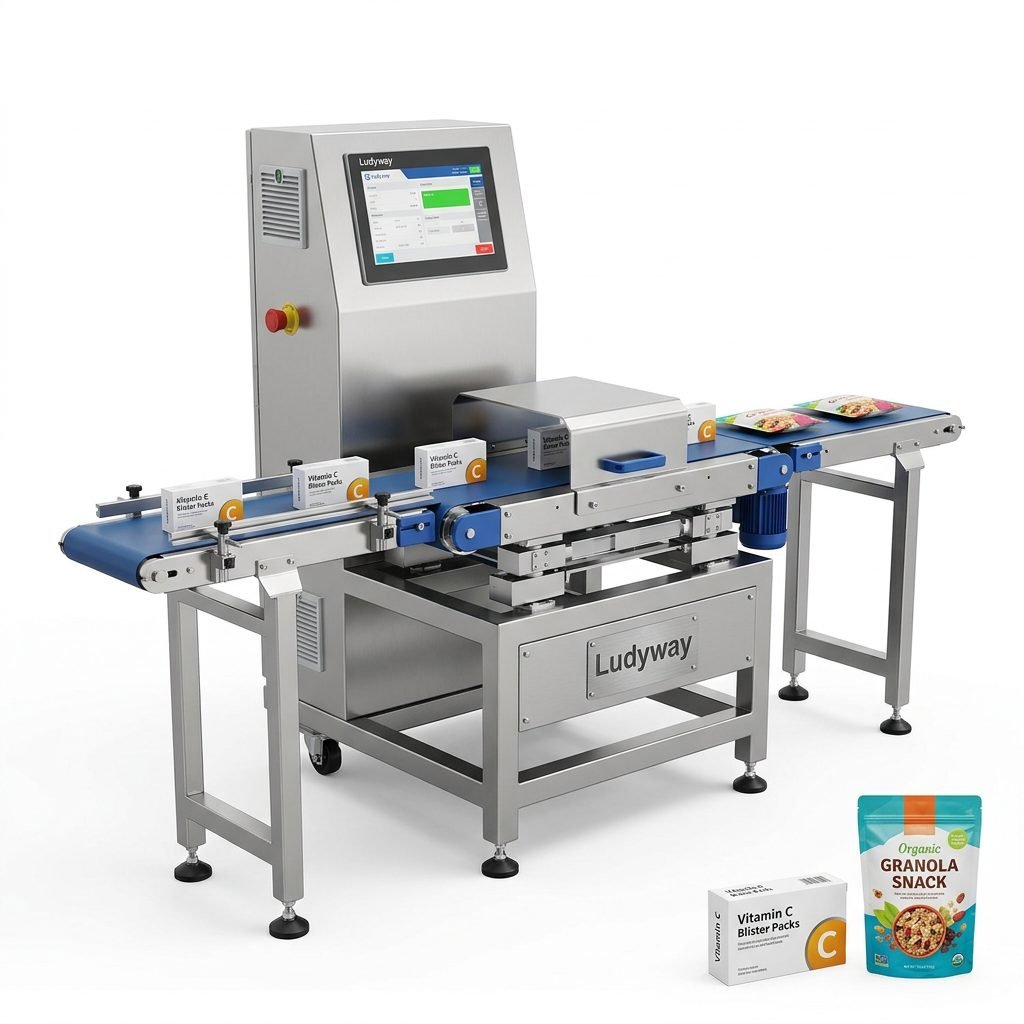
- Level of Automation: Features like automatic film splicing, weight checkers, and bag-in-bag rejection systems add cost but improve efficiency.
- Construction & Components: Machines built with food-grade stainless steel and high-precision servo motors are more durable and accurate but also more expensive.
- Customization: Tailoring a machine to handle a unique product or package design involves engineering costs.
Operational & Lifetime Costs
⚠️ Important: A cheaper machine can become far more expensive if it has high downtime, wastes materials, or requires constant, costly repairs.
Key operational costs include:
Packaging Materials: The machine must be compatible with your chosen film or laminate. Inefficient sealing or poor tension control can lead to material waste.
Maintenance & Spare Parts: Regular preventive maintenance is essential. Consider the availability and cost of spare parts from the supplier.
Labor: A more automated system reduces the number of operators needed per shift, directly impacting payroll costs.
Energy Consumption: Modern servo-driven machines are generally more energy-efficient than older mechanical models.
Downtime: This is the ultimate hidden cost. Reliable machinery from a reputable supplier like Ludyway Machinery minimizes unplanned stops, ensuring consistent output.
A Step-by-Step Guide to Choosing the Right System
Making the correct choice requires a methodical evaluation of your product, goals, and operational environment. Follow this framework to guide your decision.
Step 1: Define Your Product & Packaging Specifications
This is the non-negotiable starting point. Every detail matters.
- Product Type: Is it a free-flowing powder, a sticky granule, a viscous liquid, or a solid item?
- Packaging Format: Determine the final pouch type (stick pack, stand-up pouch, pillow bag), size, and required sealing method (e.g., 4-side seal for tea bags).
- Production Volume: Calculate your required output in packs per minute (ppm) or per shift. Be realistic about current needs and future growth.
Step 2: Assess Your Facility & Operational Needs
The machine must fit into your existing or planned workflow.
Footprint & Utilities: Measure the available floor space and check power (voltage, phase), compressed air, and any other utility requirements.
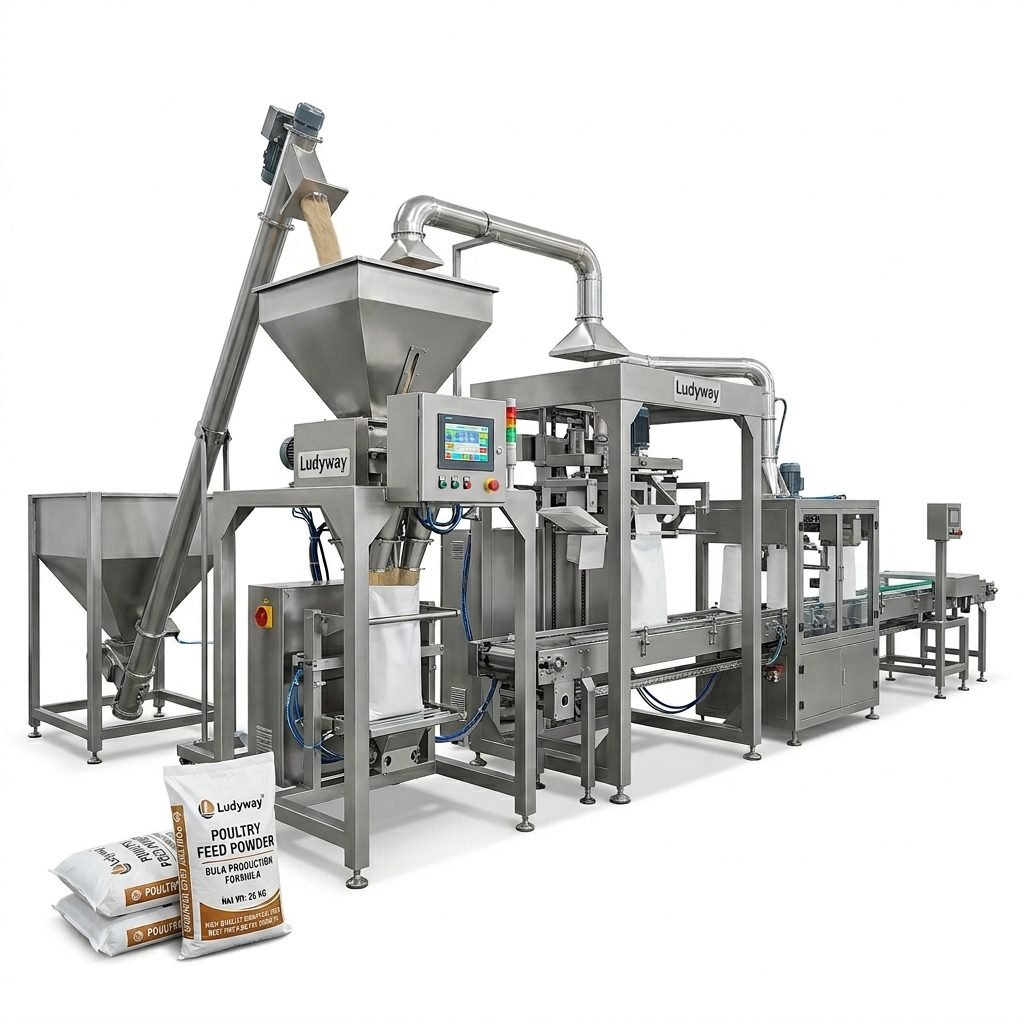
Integration: Will the machine stand alone, or does it need to connect to upstream equipment (like mixers) or downstream systems (like cartoners)? Planning for a complete automated packaging solution from the start is often more efficient.
Step 3: Evaluate Machine Features & Supplier Credentials
Now, compare specific machines and the companies behind them.
Must-Ask Machine Questions:
• What is the guaranteed accuracy (weight/volume)?
• What is the changeover time between different package sizes?
• What safety features and certifications (CE, etc.) does it have?
• Is the control system user-friendly with recipe storage?
Supplier Evaluation: Look for a partner with proven industry experience, not just a equipment seller. A supplier like Ludyway, with 30+ years in the field, offers invaluable application knowledge. Review their after-sales support structure, spare parts logistics, and training programs. Request references from clients with similar products.
Step 4: Analyze Total Cost of Ownership (TCO) & ROI
Create a financial model that compares 2-3 shortlisted options. Factor in all costs from the “Breaking Down the Costs” section above. Calculate the projected Return on Investment (ROI) by considering the value of increased output, reduced labor, and lower material waste. The machine with the lowest TCO and strongest ROI over 3-5 years is typically the wisest choice.
Conclusion & Final Recommendations
Choosing the right commercial packaging machine is a critical strategic decision. By thoroughly understanding the machine types, realistically assessing all costs—both visible and hidden—and following a disciplined selection process focused on your specific product and operational goals, you can make an investment that drives efficiency, quality, and growth for years to come. Partnering with an experienced and reliable supplier provides not just a machine, but peace of mind and long-term support for your packaging operations.
Frequently Asked Questions (FAQs)
1. What is the main difference between a sachet and a stick pack machine?
While both produce small pouches, the terms often refer to the orientation and typical use. A “sachet” is usually a wider, shorter packet, often used for sauces, shampoos, or powders. A “stick pack” is long, narrow, and slender, designed for single-serve powders like coffee, sugar, or supplements that are poured out. Technically, many machines can produce both formats with the right tooling, but high-speed, multi-lane systems are often optimized for one or the other.
2. How much floor space do I typically need for a packaging line?
Space requirements vary widely. A compact, single-machine vertical pouch filler might only need a 2m x 2m area. A full turnkey production line with feeding, mixing, packaging, and cartoning can require a significant footprint, sometimes 10 meters or more in length. Always request the machine’s detailed layout drawing from the supplier and plan for additional space for operator access, material storage, and maintenance.
3. Can one machine handle different types of products?
This depends on the product differences. A well-designed machine can often handle a range of similar products (e.g., different granule sizes) with quick changeovers. However, switching from a free-flowing powder to a viscous liquid usually requires significant, costly modifications or a different machine altogether. Discuss your product portfolio with your supplier during the planning stage.
4. What kind of after-sales support should I expect?
Comprehensive support is crucial. Expect and demand the following: detailed installation and training (often on-site), a clear warranty period, readily available technical support via phone/email, easy access to spare parts, and availability of service engineers if needed. A reputable supplier will provide all this to ensure your machine’s long-term performance.
5. How do I ensure the packaging film works well with my chosen machine?
Film compatibility is critical for consistent sealing and machine operation. The best practice is to provide film samples to the machine supplier for testing before purchase. They can verify the film’s machinability (slip, stiffness) and heat-sealing properties on their equipment. Some suppliers also offer guidance on film specification or have partnerships with material suppliers.