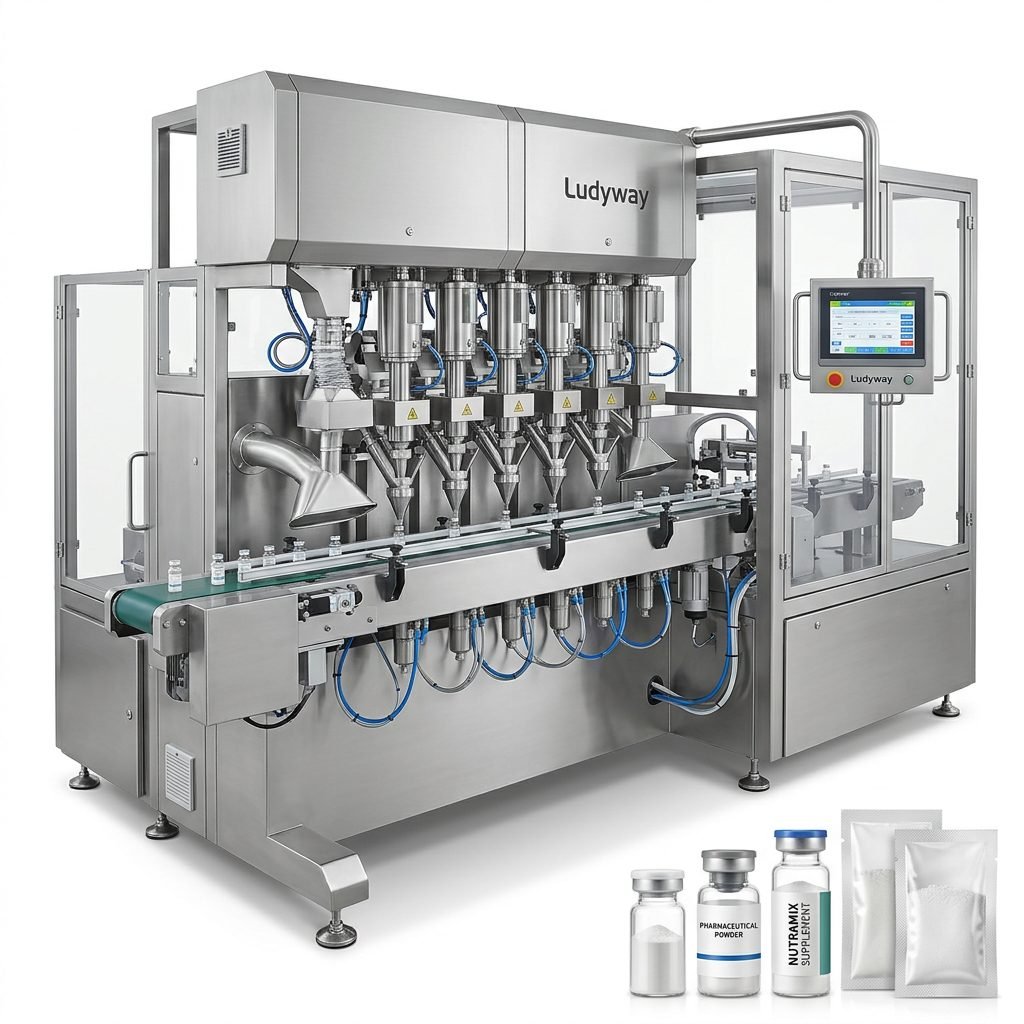
Spice powder packaging demands accuracy, hygiene, speed, and sealing reliability. Whether you produce chili powder, turmeric, curry blends, garlic powder, black pepper, cinnamon, or mixed seasoning sachets, the right packaging machine can dramatically improve output while reducing waste, dust, and labor dependency.
Modern spice powder packaging systems are designed to handle challenging powder characteristics such as poor flowability, fine particle size, dust generation, and moisture sensitivity. A well-configured machine helps manufacturers achieve consistent pack weight, clean seals, attractive shelf-ready packaging, and better overall production efficiency.
Why Spice Powder Requires Specialized Packaging Equipment
Unlike many free-flowing granules, spice powder can be difficult to fill evenly. Fine powders often create airborne dust, stick to machine surfaces, or bridge inside hoppers. In addition, spices are highly sensitive to contamination and packaging appearance matters strongly in retail, foodservice, and export markets.
- Precise dosing helps maintain flavor consistency and protects profit margins.
- Dust-control design keeps sealing areas clean and improves pack integrity.
- Strong heat sealing protects aroma, freshness, and shelf life.
- Flexible pack formats support sachets, stick packs, pouches, and larger bags.
- Food-grade construction supports sanitation and compliance requirements.
How a Spice Powder Packaging Machine Works
A typical spice powder packaging machine automates several key steps in one continuous process. Depending on the packaging format and output target, the system may include feeding, auger filling, bag forming, sealing, coding, inspection, and secondary packing modules.
- Powder is transferred from a hopper or feeder into the dosing system.
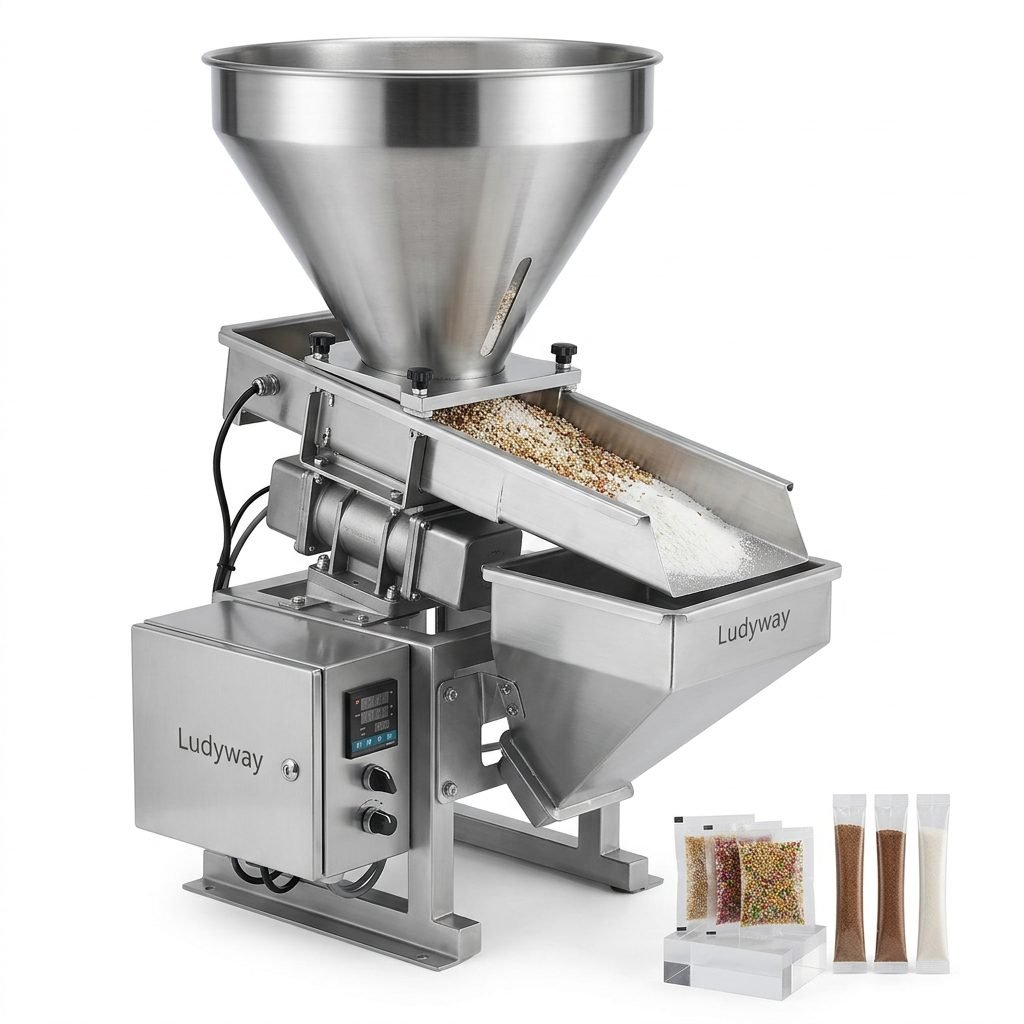
- An auger filler or other metering unit dispenses the required amount.
- Packaging material is formed into sachets, stick packs, or pouches.
- The product is filled with controlled accuracy.
- The package is heat sealed to protect the spice from air and moisture.
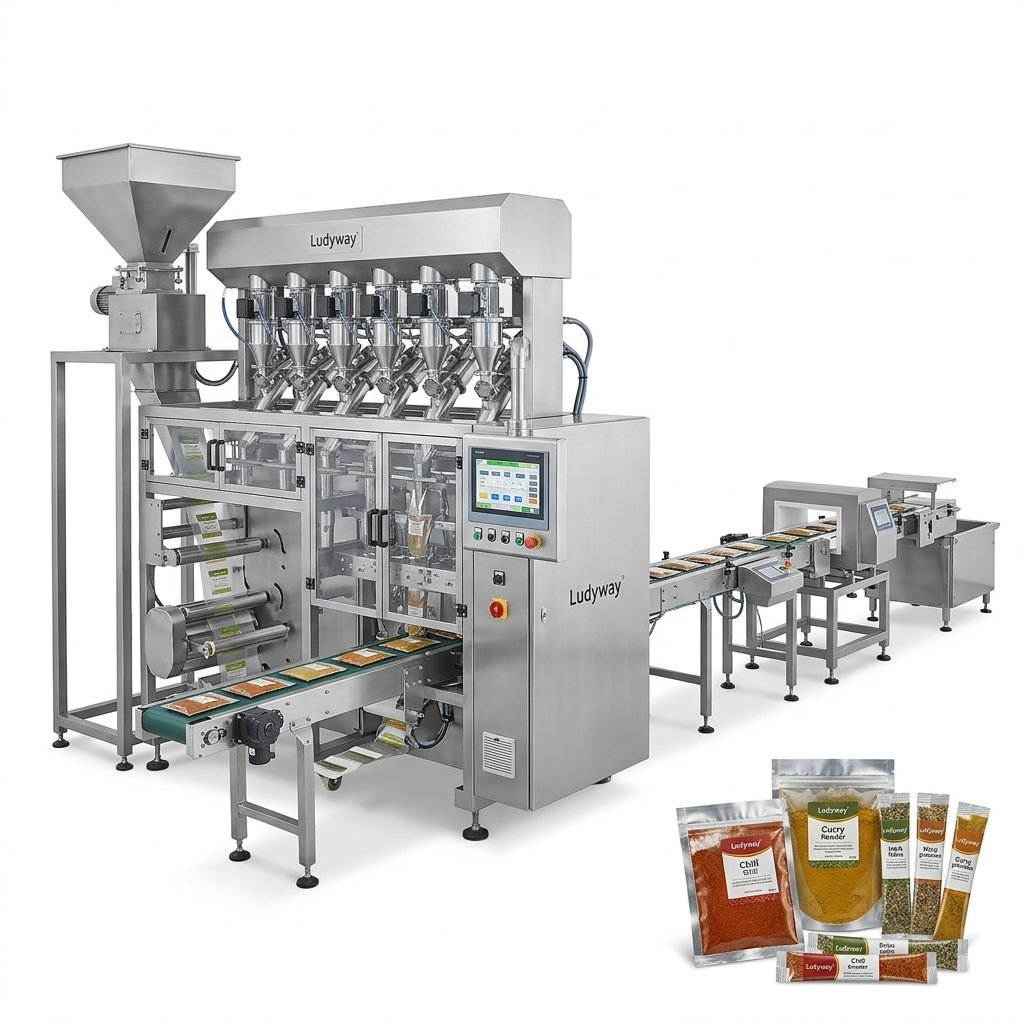
- Date coding, checkweighing, metal detection, and cartoning can be added downstream.
Main Functions: Filling, Sealing, and Packing
Accurate Filling
Spice powders often require auger-based filling because of their fine texture and variable density. High-quality filling systems maintain stable dosing even when dealing with challenging powders like paprika, garlic powder, onion powder, or masala blends. This reduces underfilling, overfilling, and powder spillage.
Reliable Sealing
Sealing is not only about closing the pack. It directly affects product freshness, leak prevention, appearance, and transport performance. Clean sealing jaws, stable temperature control, and proper film compatibility are essential for spice powder packaging success.
Efficient Packing
Efficient packing means more than speed. It includes easy changeover, reduced downtime, lower labor input, stable production, and compatibility with coding, cartoning, case packing, and palletizing. For high-volume spice production, a complete automated line often delivers the best long-term value.
Common Packaging Formats for Spice Powder
The best packaging format depends on your market channel, serving size, brand positioning, and production capacity.
| Packaging Format | Best Use Case | Advantages |
|---|---|---|
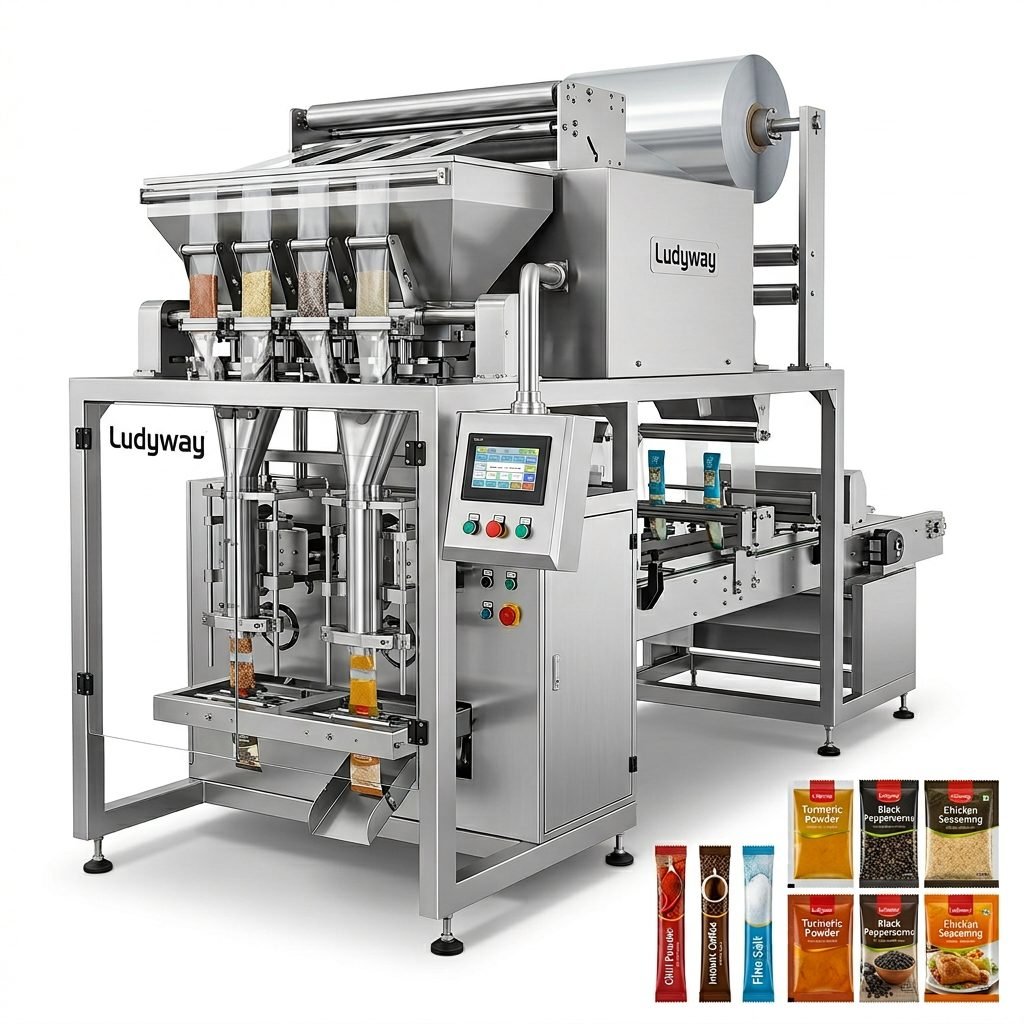
| Sachets | Retail single-use servings, foodservice, takeaway seasoning | Compact, convenient, low material usage |
| Stick packs | Slim portable portions, travel-size seasonings | High-speed multi-lane output, modern shelf appeal |
| Pillow bags | Medium-volume retail spice powder packs | Economical and versatile |
| Premade pouches | Premium branding and stand-up presentation | Better appearance, resealable options available |
| Large bags | Bulk supply to food factories and distributors | High efficiency for industrial applications |
Types of Spice Powder Packaging Machines
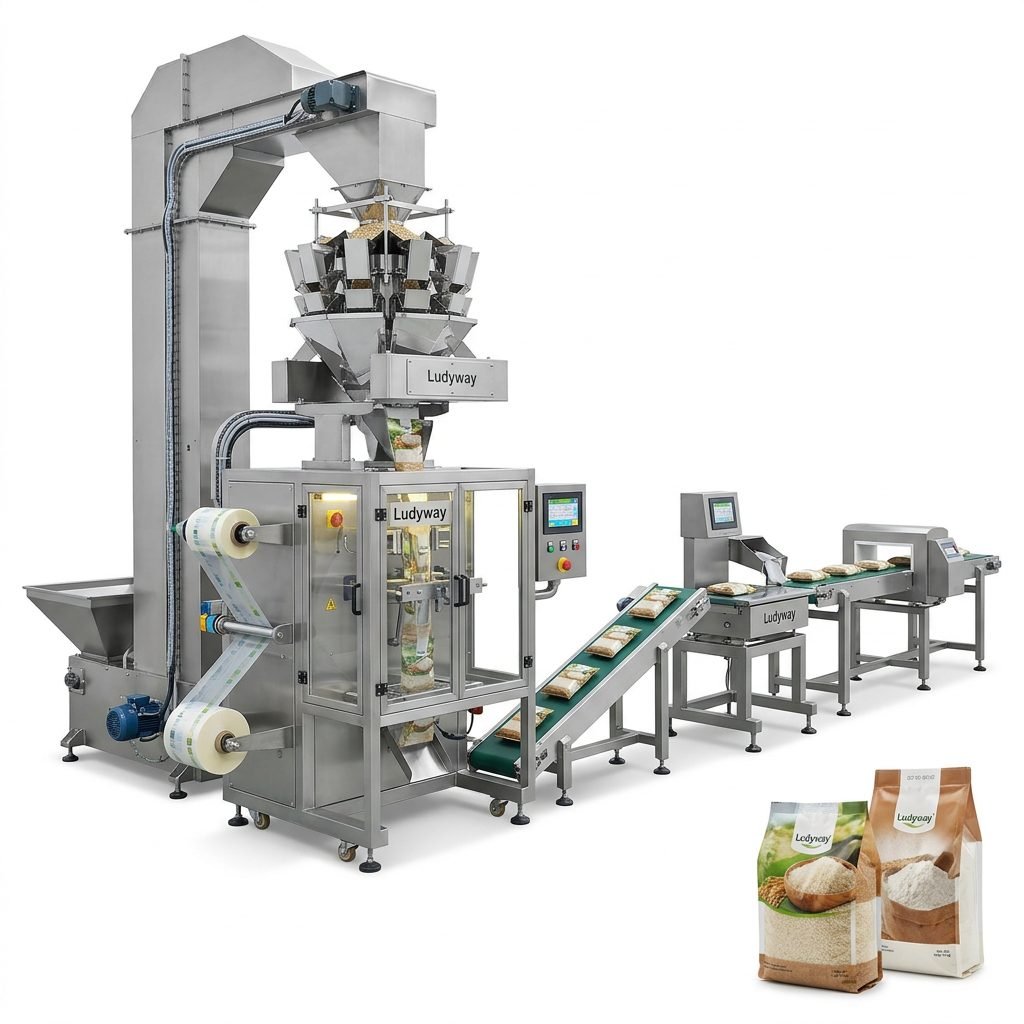
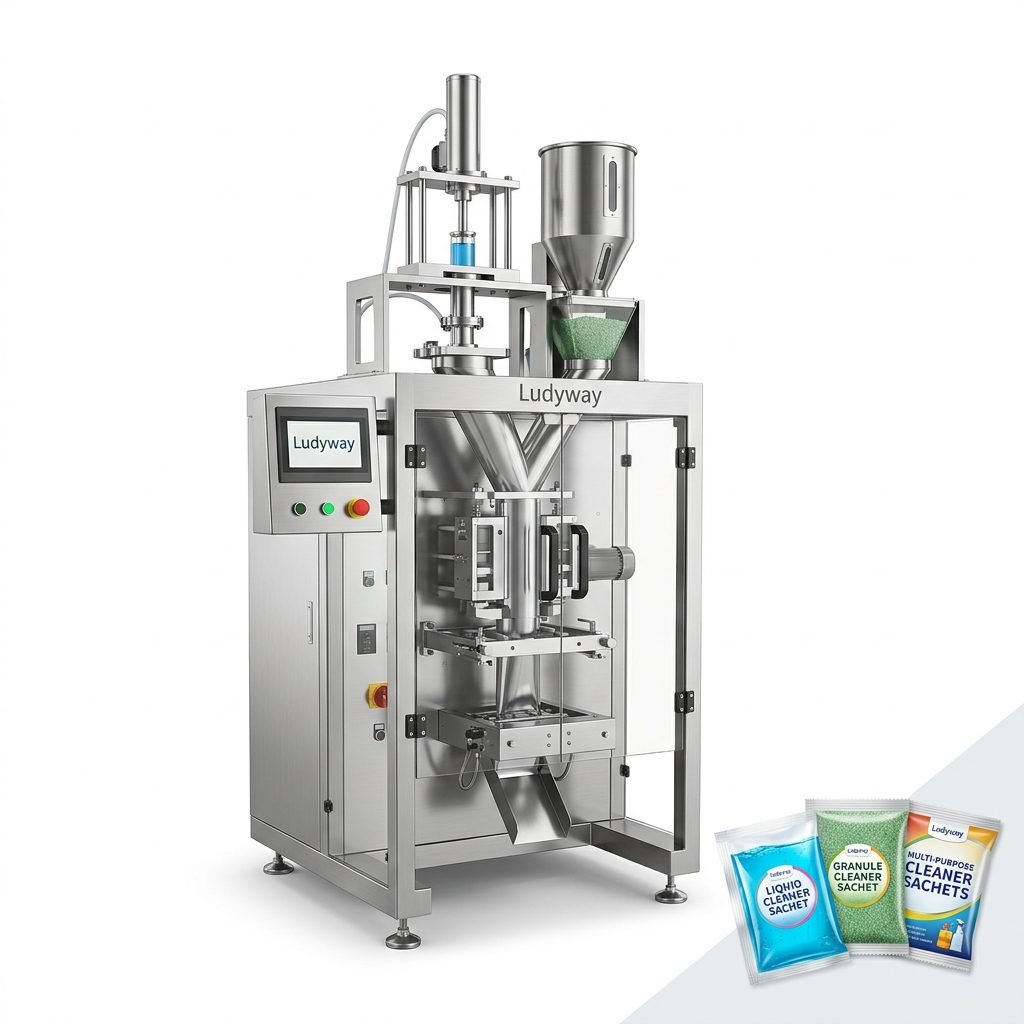
Vertical Form Fill Seal Machines
These machines are widely used for spice powder in sachets and pillow bags. They form the package from roll film, fill the product, and seal it in one integrated workflow. They are suitable for many seasoning applications and support compact factory layouts.
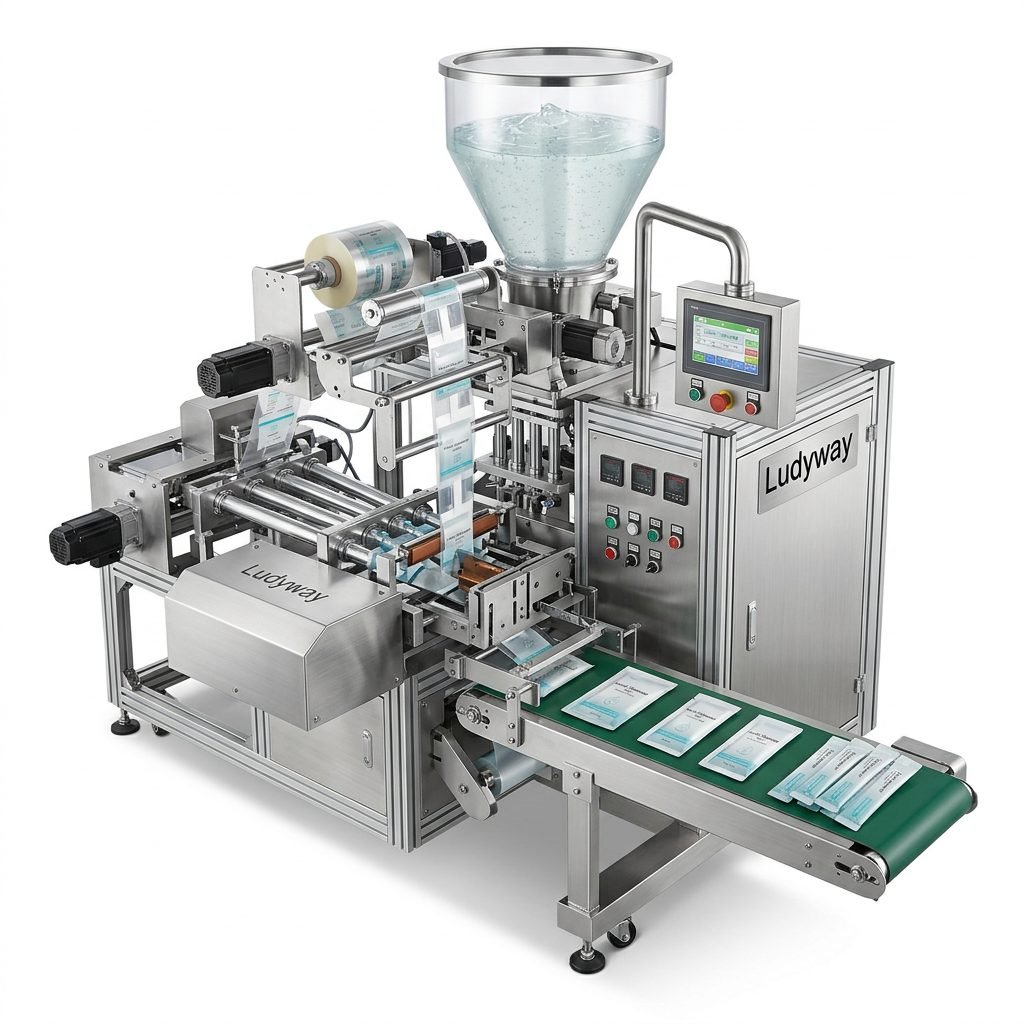
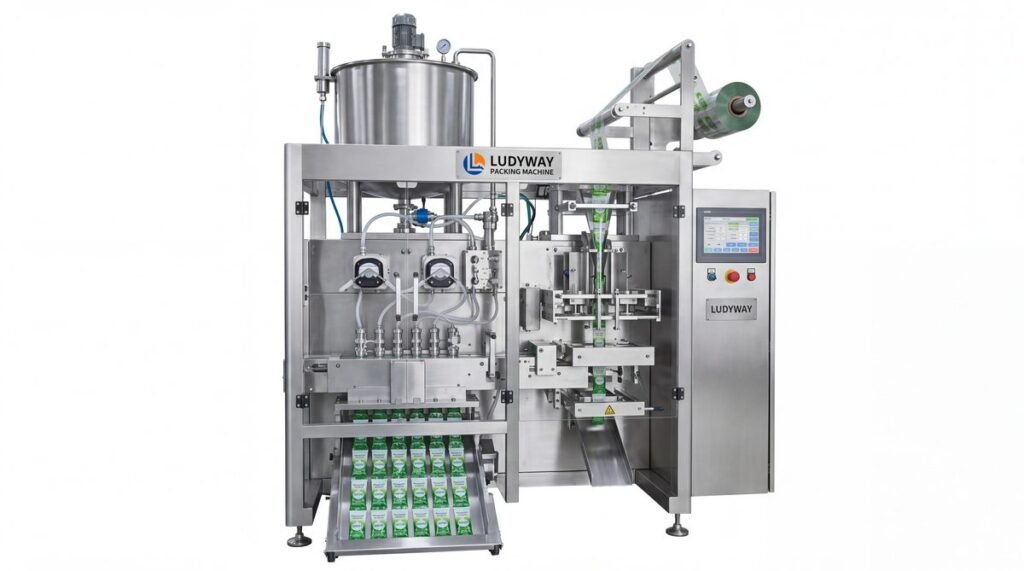
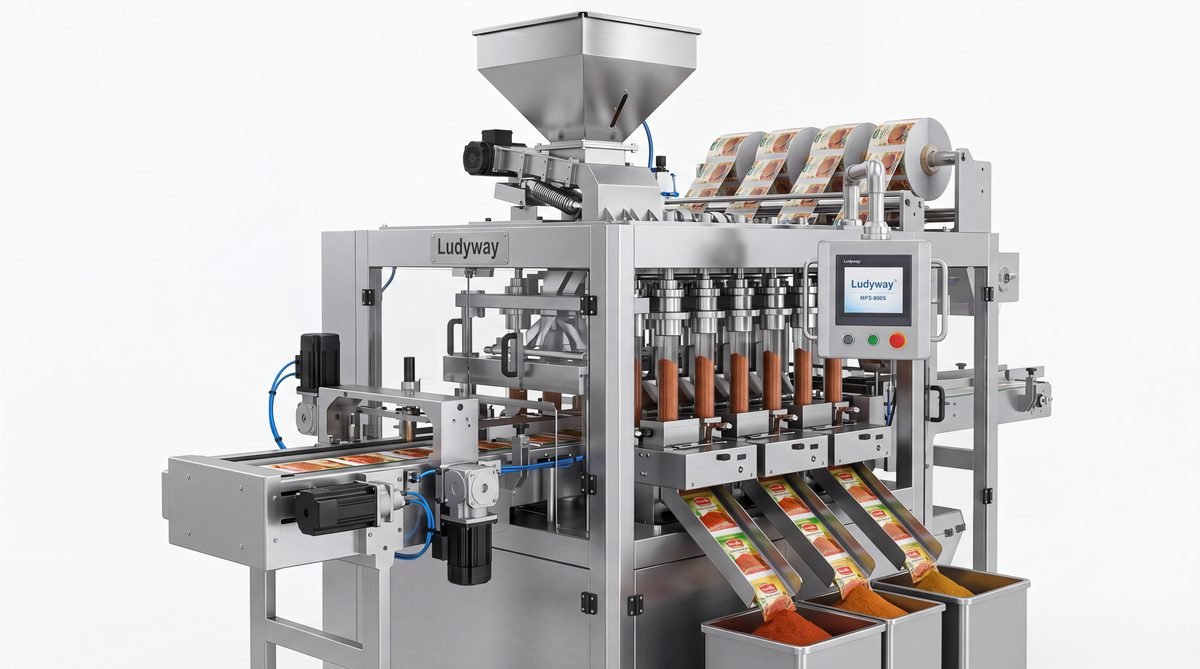
Multi-Lane Sachet and Stick Pack Machines
For brands requiring high-speed small-pack output, multi-lane systems are ideal. These machines can simultaneously produce multiple sachets or stick packs, making them highly efficient for retail seasoning sachets and instant meal spice packets.
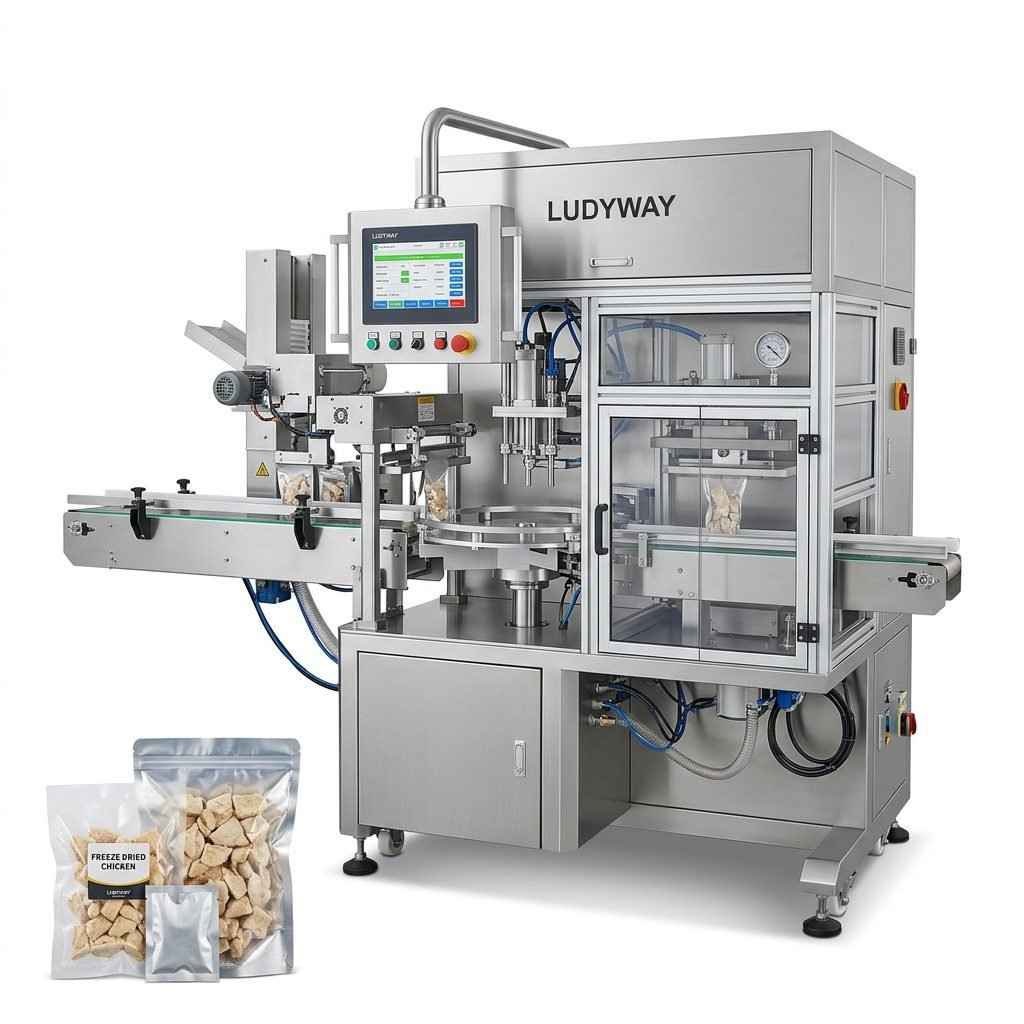
Premade Pouch Filling and Sealing Machines
These are preferred when packaging aesthetics and convenience are priorities. They support zipper pouches, stand-up pouches, and other premium formats often used in modern spice brands.
Bulk Bagging Systems
For industrial spice processors supplying restaurants, distributors, or food manufacturers, bulk powder packaging systems provide dependable weighing, filling, and bag sealing at larger capacities.
Key Features to Look For
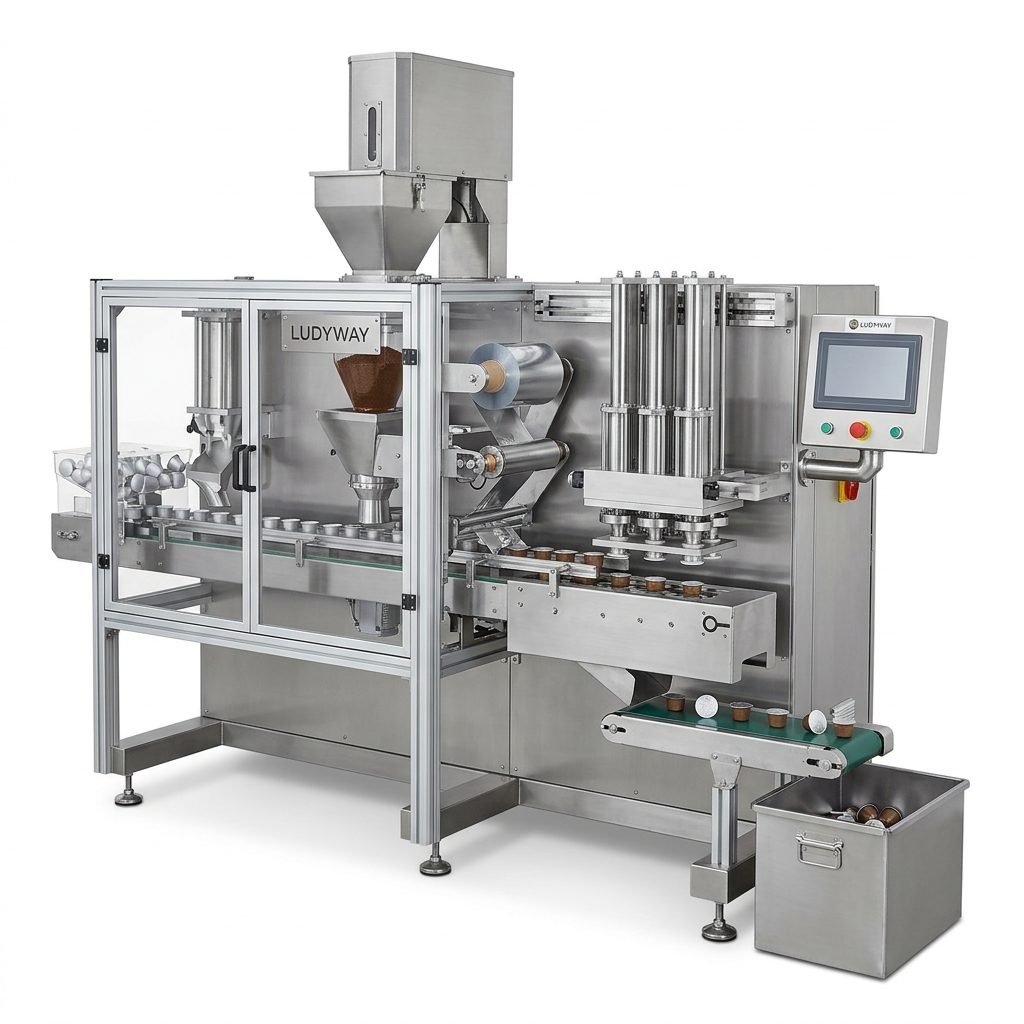
- Auger filling system for fine and semi-free-flowing powders
- Dust extraction or dust-proof structure for cleaner operation
- Servo-driven control for better precision and repeatability
- Touchscreen HMI for easier setup and parameter adjustment
- Stainless steel contact parts for food safety and easy cleaning
- Quick-change tooling to reduce downtime between SKUs
- Coding and inspection integration for traceability and quality assurance
- Nitrogen flushing compatibility where aroma retention is important
Benefits of Automation in Spice Powder Packaging
Automating filling, sealing, and packing provides measurable advantages for spice manufacturers of all sizes. From startup brands to large contract packers, automated equipment supports faster and more consistent production.
| Benefit | Operational Impact |
|---|---|
| Higher speed | Increases daily output and improves delivery performance |
| Better accuracy | Reduces giveaway and controls packaging cost |
| Improved hygiene | Helps maintain food safety standards |
| Lower labor demand | Cuts repetitive manual handling |
| Stable sealing quality | Reduces leakage, complaints, and rework |
| Scalable production | Makes future line upgrades easier |
Industries and Products Served
Spice powder packaging machines are used across a wide range of food and related sectors. Their adaptability makes them suitable not only for pure spices but also for blended and functional powder products.
- Chili powder
- Black pepper powder
- Turmeric powder
- Garlic powder
- Onion powder
- Curry powder
- Cumin powder
- Five-spice blends
- Instant soup seasonings
- Food ingredient premixes
How to Choose the Right Spice Powder Packaging Solution
Selecting the right equipment starts with your actual production goals. The best machine is not simply the fastest one; it is the one that matches your product characteristics, pack style, output requirements, and expansion plan.
Consider Product Characteristics
Particle size, density, oil content, dustiness, and flow behavior all affect machine selection. For example, very fine spices may need stronger anti-dust measures and more precise auger control.
Define Packaging Format
Single-serve retail sachets, foodservice stick packs, and larger pouches each require different machine configurations. Knowing your exact bag shape and size simplifies equipment planning.
Match Speed with Business Needs
If you serve supermarkets or export contracts, high-speed multi-lane packaging may be essential. If you run multiple SKUs in smaller volumes, flexibility and fast changeover may matter more than maximum speed.
Plan for Integration
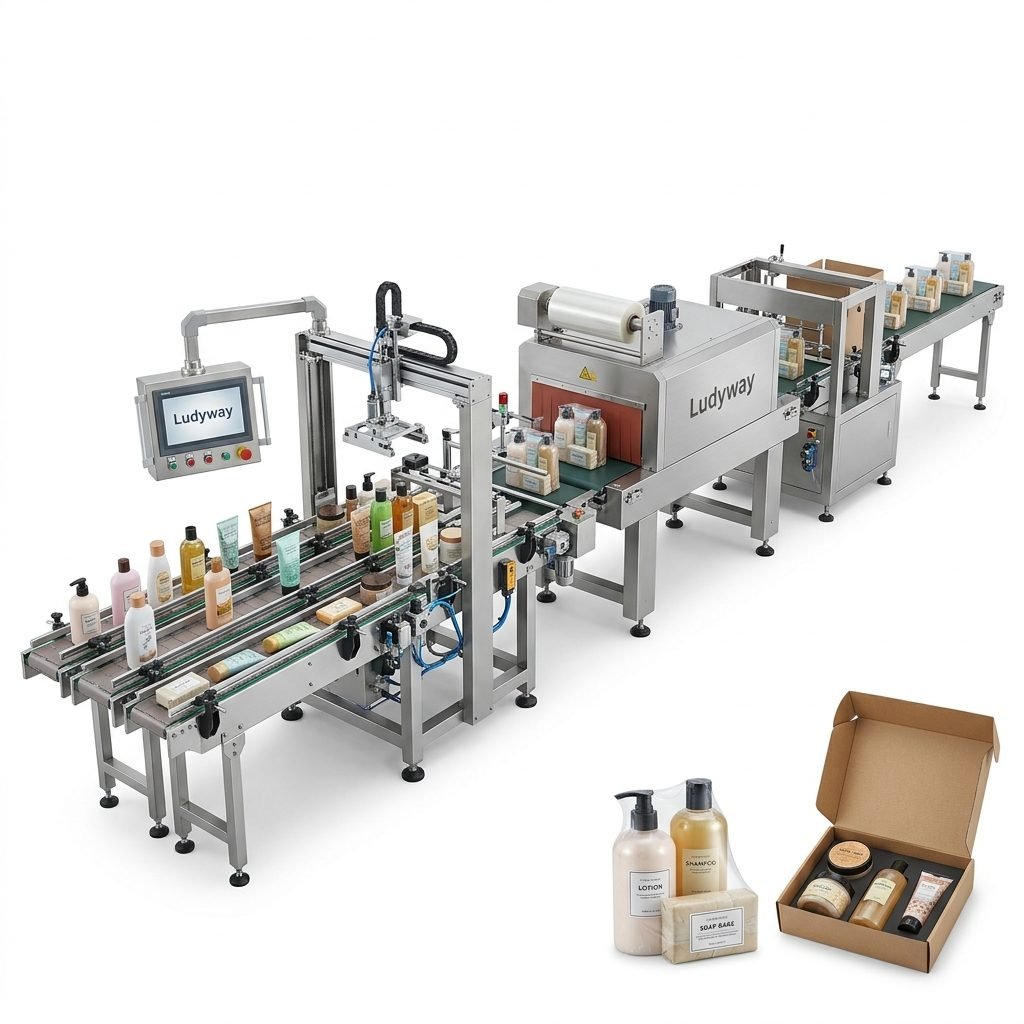
A packaging machine often works best as part of a broader line with feeders, elevators, coding units, checkweighers, metal detectors, cartoners, and palletizing systems. This improves total line efficiency instead of optimizing only one stage.
Why Turnkey Packaging Lines Matter
For growing spice manufacturers, a turnkey packaging line can deliver stronger long-term results than a standalone machine. Integrated lines improve coordination between feeding, filling, sealing, inspection, and end-of-line packing while reducing compatibility risks.
As one of China’s leading packaging machinery and turnkey line manufacturers, Ludyway spice powder packaging machine solutions support automated production for food, pharmaceutical, health supplement, and related industries, with broad export experience and customizable machine configurations.
Maintenance and Performance Tips
- Clean powder-contact parts regularly to avoid cross-contamination.
- Inspect sealing jaws to maintain consistent seal strength.
- Calibrate auger filling settings when changing spice type or pack size.
- Monitor film compatibility for heat sealing performance.
- Use preventive maintenance schedules to minimize unplanned downtime.
- Train operators on dust management and changeover procedures.
Final Buying Checklist
| Question | Why It Matters |
|---|---|
| What spice powders will be packed? | Different powders behave differently in dosing systems |
| What package size and format are required? | Determines machine structure and tooling |
| What output target is needed? | Helps choose between single-lane and multi-lane systems |
| Is a standalone machine or full line better? | Affects scalability and future automation potential |
| What hygiene and inspection features are needed? | Supports food safety and export quality standards |
Conclusion
A high-performance spice powder packaging machine helps manufacturers achieve efficient filling, secure sealing, and reliable packing across a wide range of spice and seasoning products. With the right equipment, businesses can improve output, reduce waste, protect product freshness, and build a more scalable packaging operation. For companies aiming to compete in modern food markets, automated spice powder packaging is no longer just an upgrade—it is a strategic production advantage.