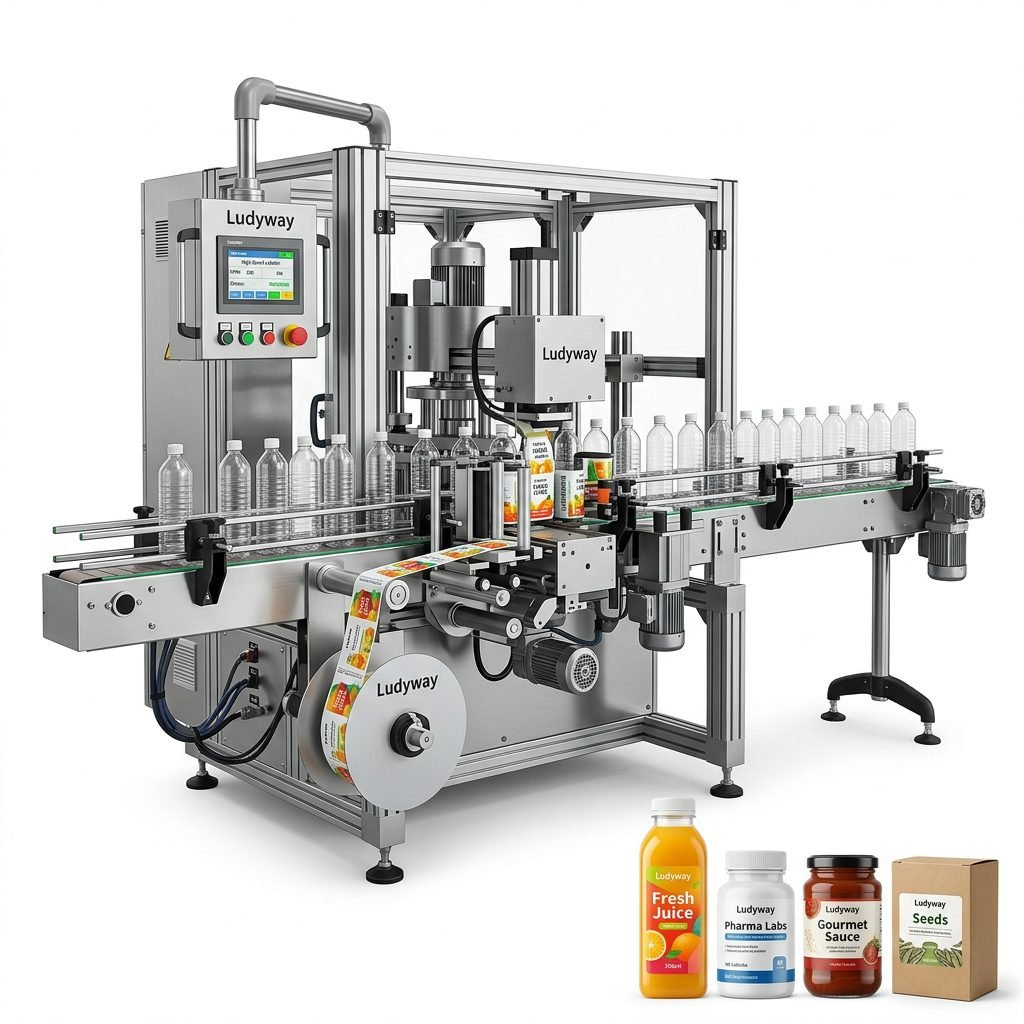
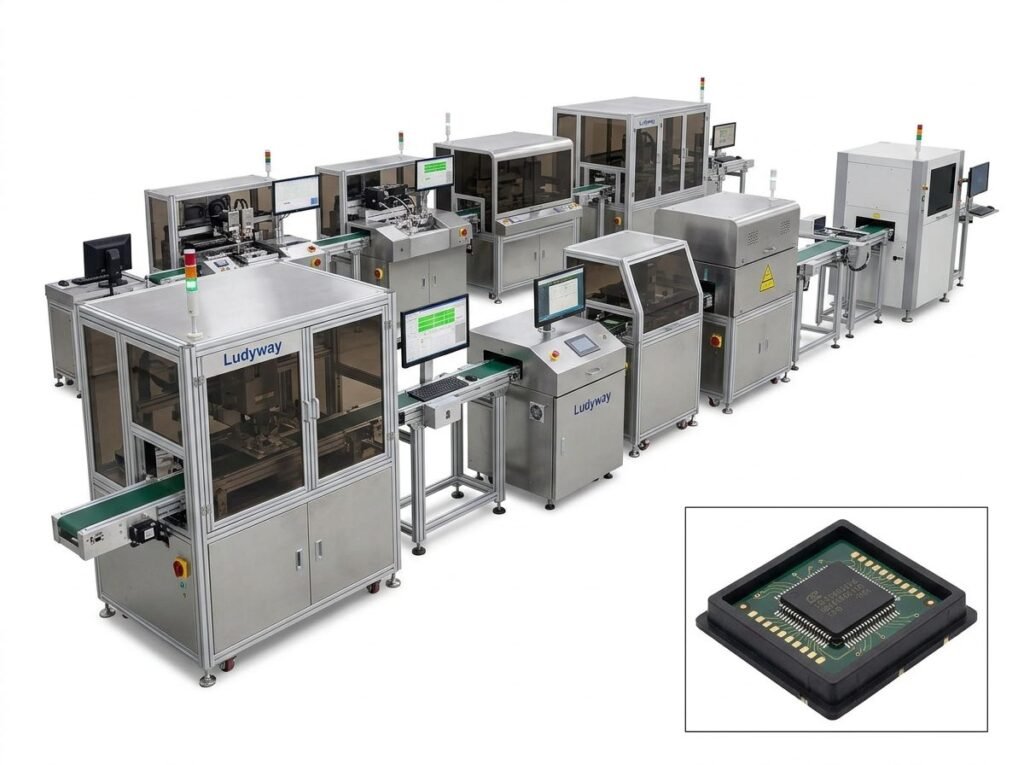
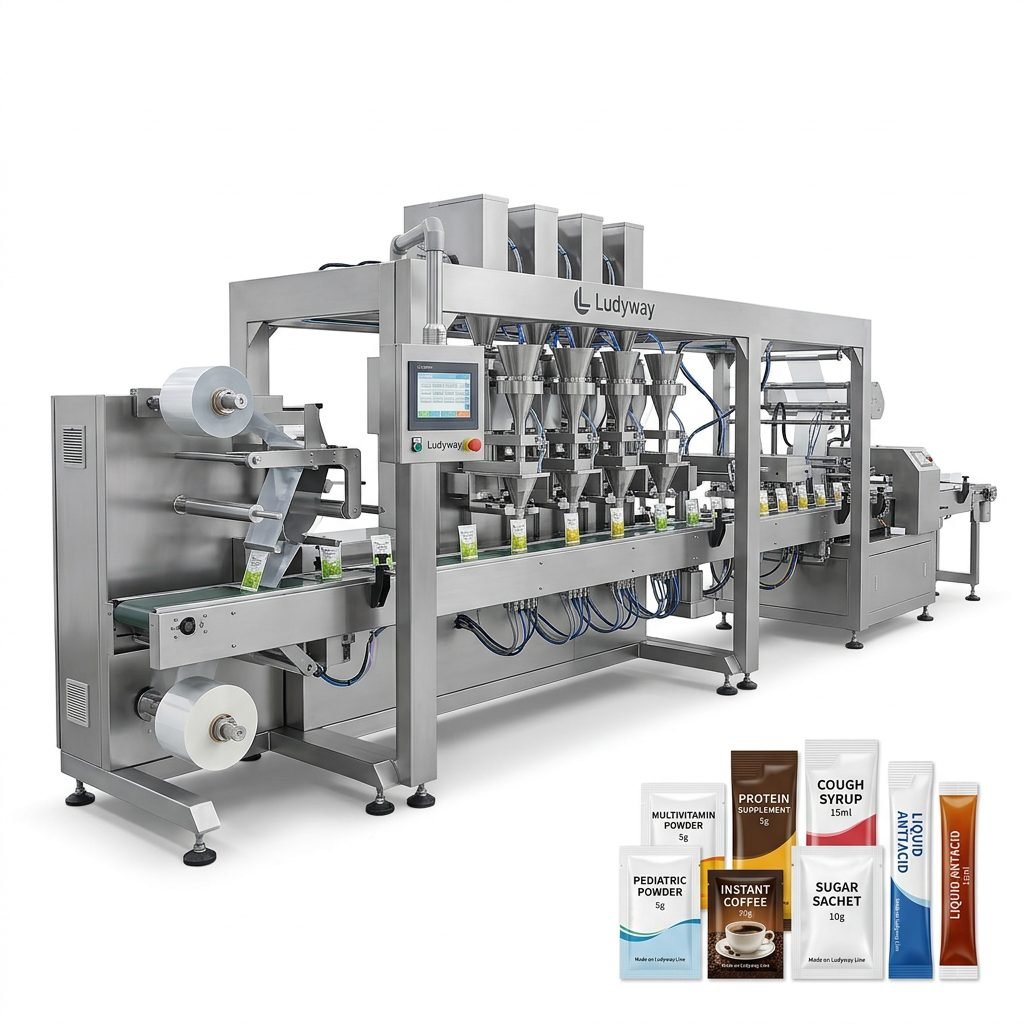
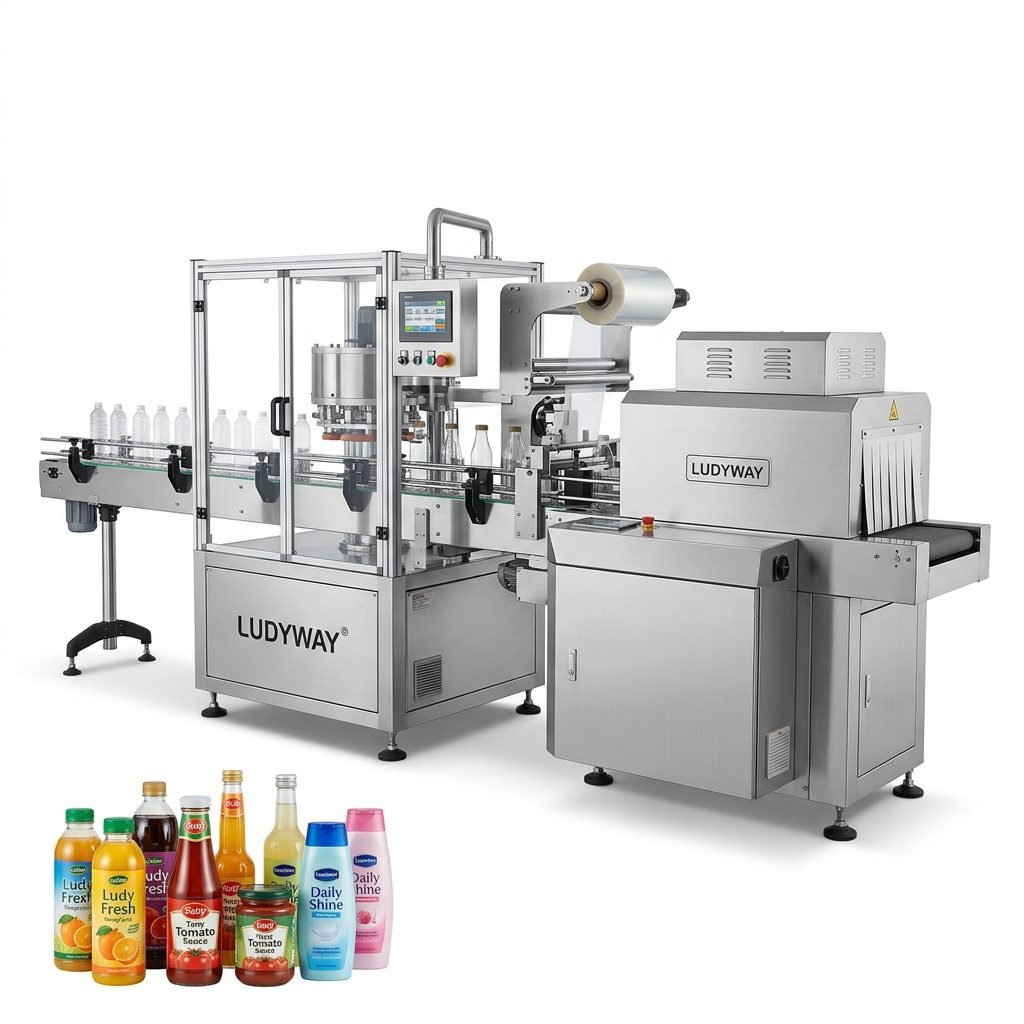
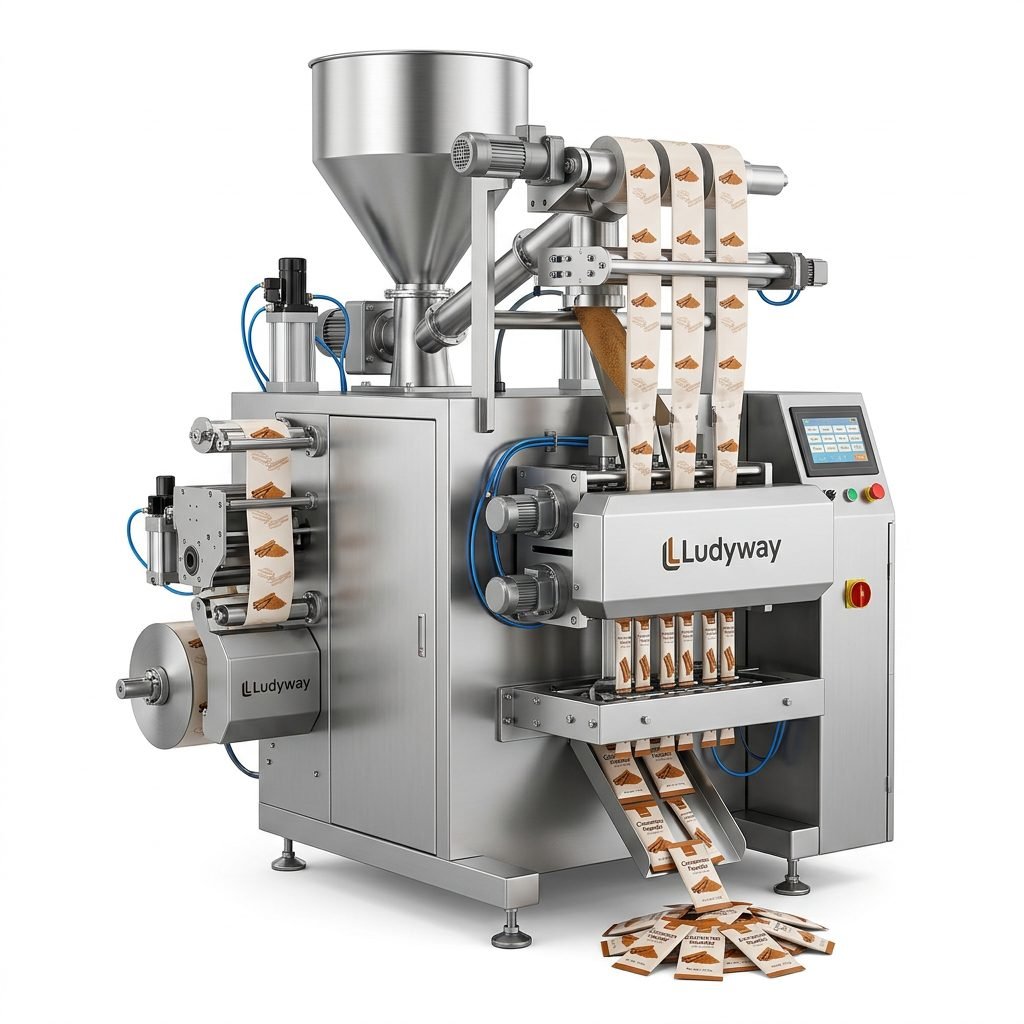
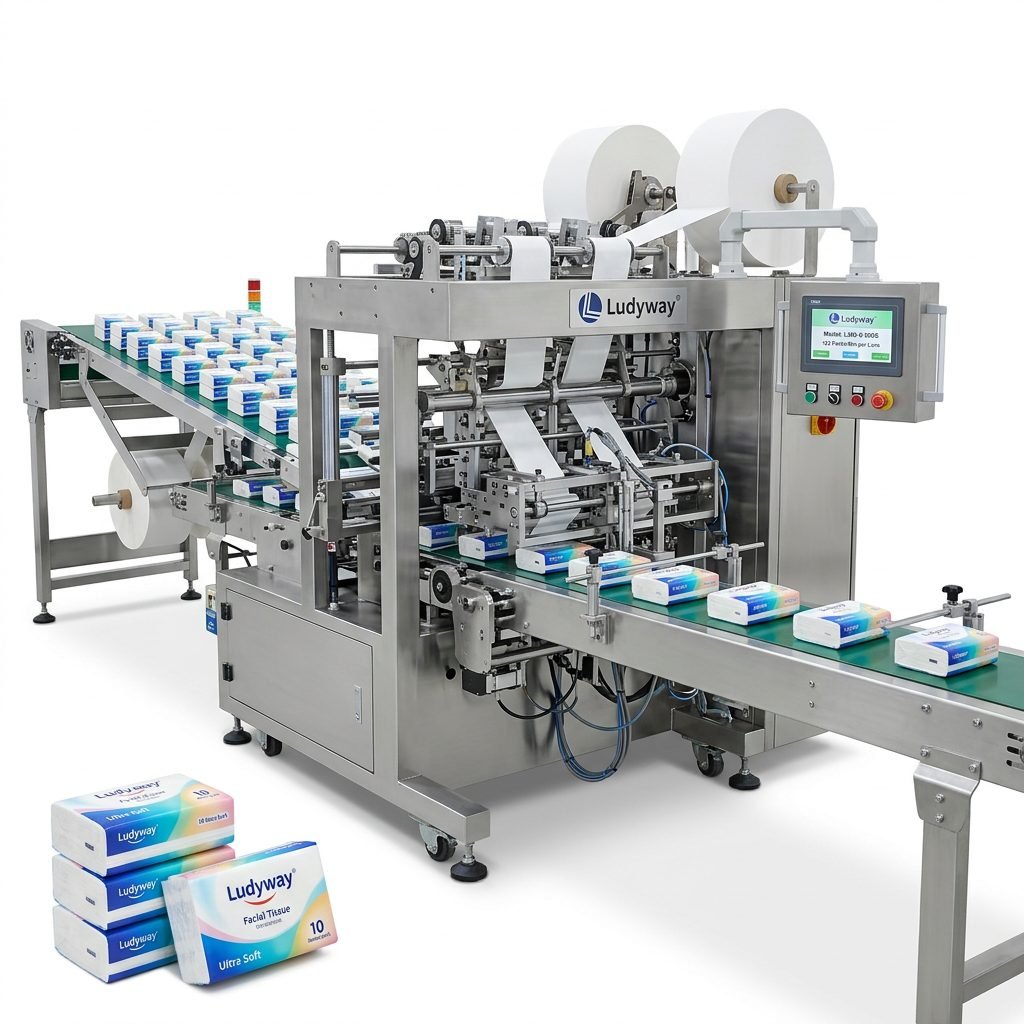
For manufacturers in the food, pharmaceutical, and health industries, efficient and reliable packaging is a cornerstone of product quality and market success. Among the various packaging formats, tin cans remain a preferred choice for their durability, barrier properties, and consumer appeal. Selecting the right tin can packaging machine is therefore a critical investment. This comprehensive guide delves into the types, key features, and essential selection criteria to help you choose the best tin can packaging machine for your production line.
Understanding Tin Can Packaging Machines
Tin can packaging machines are specialized automated systems designed to fill, seal, and sometimes label products into tin containers. These machines streamline the packaging process, ensuring consistency, hygiene, and high-speed output. They are integral to operations where product integrity and shelf life are paramount.
Core Applications Across Industries
The versatility of tin can packaging makes these machines vital across several sectors:
- Food & Beverage: Ideal for canned fruits, vegetables, meats, fish, ready-to-eat meals, powdered drinks, and coffee.
- Pharmaceuticals: Used for packaging tablets, capsules, medicated powders, and other products requiring airtight, light-resistant containers.
- Health & Nutrition: Perfect for protein powders, vitamin supplements, herbal extracts, and other nutraceuticals.
- Chemicals & Industrial: Suitable for certain lubricants, adhesives, and specialty chemicals where robust packaging is needed.
Main Types of Tin Can Packaging Machinery
The market offers various machine types, each suited to different production scales and can formats. Understanding these categories is the first step in making an informed choice.
1. Semi-Automatic Can Sealing Machines
These machines require manual placement of the filled can and lid onto the machine. The operator then activates the seaming process. They are cost-effective for low to medium-volume production, pilot plants, or businesses with frequent product changeovers.
Best for: Start-ups, small batch producers, and R&D departments.
2. Automatic Rotary Can Seamers
This is the workhorse of high-volume production lines. Cans are fed automatically via a conveyor, and the machine features a rotating turret with multiple seaming heads that seal cans in a continuous, high-speed operation.
Key Advantage: Exceptional speed and consistency, capable of sealing hundreds of cans per minute.
3. In-Line Can Seaming Systems
These systems integrate seamlessly with upstream filling machines and downstream labeling or coding equipment. They form a continuous, synchronized production line, maximizing efficiency and minimizing manual handling.
Ideal for: Fully automated, turnkey packaging lines in large-scale manufacturing facilities.
4. Vacuum Can Sealing Machines
Before sealing, these machines remove air from the headspace of the can. This is crucial for extending shelf life, preventing oxidation, and maintaining the flavor and nutritional value of the product, especially in the food industry.
Essential Features to Evaluate
Beyond the basic type, several features determine a machine’s performance, flexibility, and long-term value.
Material and Construction Quality
The machine’s frame and parts in contact with the product should be made of high-grade stainless steel (e.g., SS304 or SS316). This ensures durability, corrosion resistance, and compliance with food and pharmaceutical hygiene standards (like FDA, GMP). A robust construction minimizes vibration and wear, leading to longer machine life.
Versatility and Changeover Capability
Can your machine handle different can sizes and shapes? Look for machines with quick-change parts (like seaming rolls, chucks, and lifter platforms). Easy and fast changeover reduces downtime when switching between products, enhancing overall line flexibility.
Control System and Automation Level
A modern Programmable Logic Controller (PLC) with a user-friendly Human-Machine Interface (HMI) touchscreen is essential. It allows for precise control of parameters (speed, seaming pressure), stores recipes for different products, and provides diagnostic information. Integration capabilities with other line equipment (fillers, coders) via communication protocols are a significant plus.
Seaming Quality and Consistency
The heart of the machine is its seaming mechanism. It must create a hermetically tight, double-seam every time. Features like automatic seam adjustment and real-time monitoring systems help maintain consistent quality and immediately alert operators to any faults, preventing waste.
Safety and Ease of Maintenance
Comprehensive safety guards, emergency stop buttons, and interlock systems are non-negotiable. Additionally, a well-designed machine should allow for easy access to critical components for routine cleaning, lubrication, and maintenance, keeping operational costs low.
How to Choose the Best Tin Can Packaging Machine: A Step-by-Step Guide
Step 1: Analyze Your Production Requirements
Start with a clear assessment of your needs:
- Output Speed: Determine your required cans per minute (CPM) or hour, considering both current and future projected demand.
- Can Specifications: Precisely define the range of can diameters, heights, and lid types (e.g., easy-open ends, full-panel lids) you will use.
- Product Characteristics: Is your product liquid, powder, granules, or solid? Does it require vacuum or gas flushing (nitrogen) before sealing?
Step 2: Define Your Budget and ROI Considerations
Balance the initial purchase cost with the total cost of ownership. A slightly more expensive, robust, and efficient machine from a reliable supplier may offer a better return on investment through higher uptime, lower maintenance, and reduced product giveaway. Consider energy consumption and spare part availability.
Step 3: Research and Shortlist Reputable Suppliers
Look for manufacturers with a proven track record and expertise in your specific industry. Evaluate their company history and experience. A supplier with deep application knowledge can provide valuable insights and recommend the most suitable machine configuration.
Step 4: Request Demos and Evaluate Support
Always request a live demonstration using your own cans and a product sample (if possible). This tests the machine’s actual performance. Crucially, assess the supplier’s after-sales support: installation, training, warranty, technical support, and spare parts logistics. Strong support is vital for minimizing production disruptions.
Step 5: Plan for Integration and Future Growth
Ensure the chosen machine can integrate smoothly with your existing or planned filling, conveying, and labeling equipment. Also, consider if the machine design allows for future upgrades or can handle a moderate increase in your production capacity without needing a full replacement.
Partnering with the Right Technology Provider
Choosing a machine is also about choosing a partner. A partner like Ludyway Packing Machine, with decades of focused experience in packaging automation, brings more than just equipment. They bring solutions tailored to global production challenges, backed by engineering support and a commitment to your production efficiency. Their range of over 50 intelligent packaging models reflects an understanding of diverse market needs.
Summary: Key Takeaways for Your Decision
- Match the Machine to Your Volume: Semi-automatic for low/medium output; automatic rotary or in-line systems for high-speed, continuous production.
- Prioritize Core Features: Stainless steel construction, PLC control, quick changeover, and consistent seaming quality are fundamental.
- Think Long-Term: Consider total cost of ownership, integration ease, supplier support, and scalability for future growth.
- Test Before You Invest: A live demonstration with your materials is the best way to validate performance.
Frequently Asked Questions (FAQs)
1. What is the main difference between a seamer and a sealer for tin cans?
A can seamer mechanically curls the can lid and body flange together to form a double-seam, which is the standard for durable, hermetic sealing. A “sealer” often refers to machines that apply heat or adhesive to close flexible packages or apply a secondary tamper-evident band over an already seamed lid.
2. How often does a tin can packaging machine require maintenance?
Routine daily cleaning and lubrication are essential. Scheduled preventive maintenance (weekly, monthly, annually) as per the manufacturer’s manual is crucial to prevent unexpected breakdowns. The frequency depends on usage hours and the product being packaged (abrasive products may require more frequent attention).
3. Can one machine handle different sizes of cans?
Yes, many machines are designed for multi-size capability. However, switching sizes requires changing specific parts like seaming rolls, chucks, and possibly lifters. The speed and complexity of this changeover vary by machine design; look for models with “quick-change” features to minimize downtime.
4. Is vacuum sealing necessary for all canned foods?
Not for all, but it is highly beneficial for many. Vacuum sealing removes oxygen, which slows down oxidation and growth of aerobic spoilage organisms. It is critical for low-acid foods (like meats, vegetables) to ensure safety and extend shelf life. For high-acid foods or dry products, nitrogen flushing might be used instead.
5. What training is required for operators?
Reputable suppliers provide comprehensive training covering machine operation, basic troubleshooting, routine maintenance, safety procedures, and quality checks (like seam tear-down analysis). Well-trained operators are key to achieving optimal machine performance and product quality.