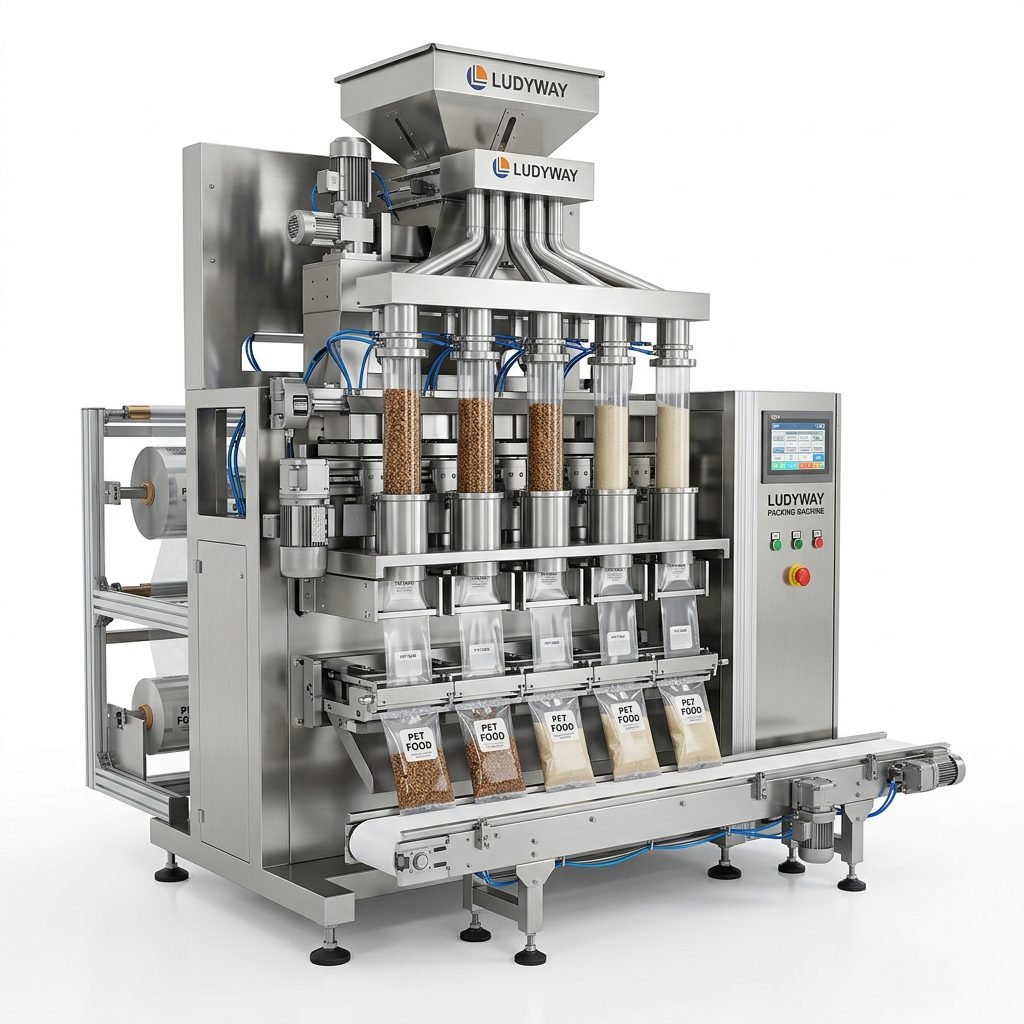
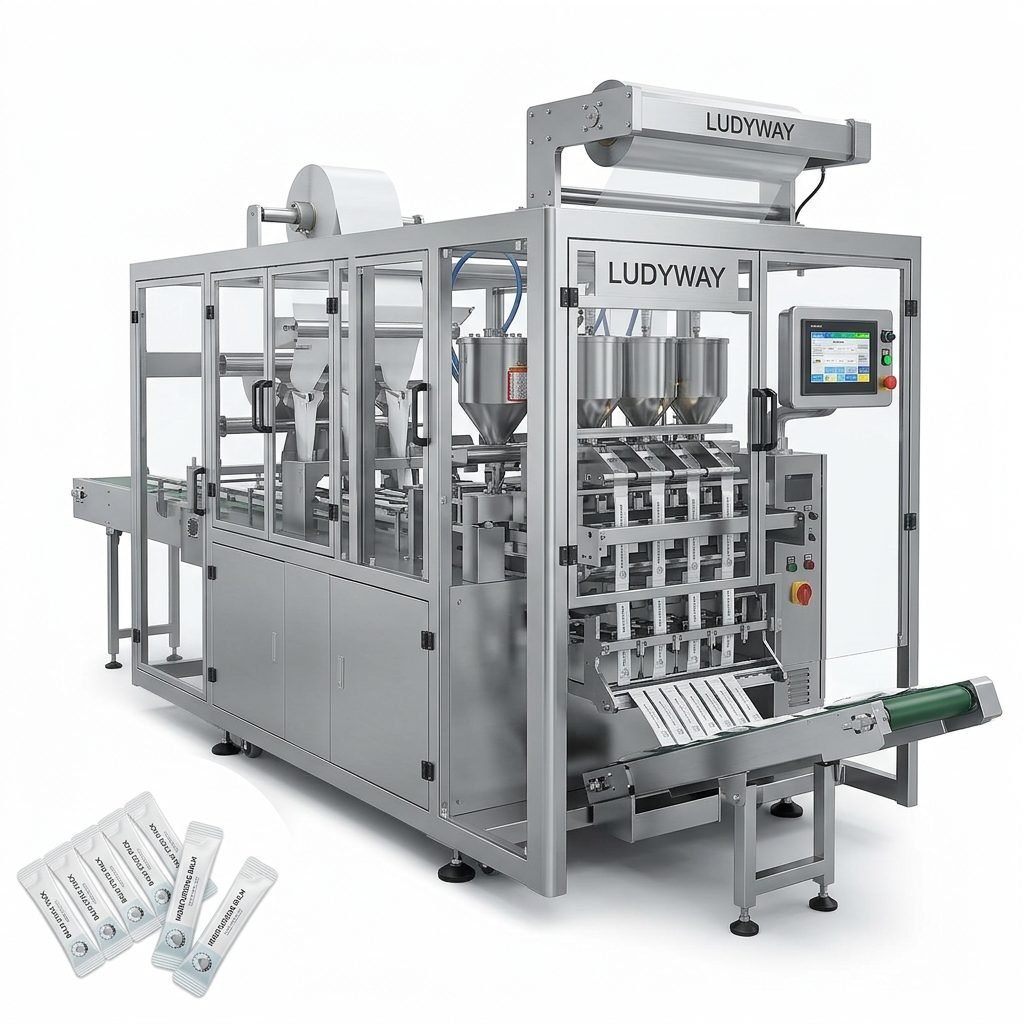
Selecting the right automatic packaging machine is a critical decision that directly impacts your production efficiency, product quality, and overall operational costs. A universal packaging machine promises versatility, but the “right” solution is highly specific to your unique production line requirements. This guide will walk you through the essential factors to consider when choosing an automatic packing solution to ensure optimal performance and return on investment.
Understanding Your Packaging Requirements
The first and most crucial step is a thorough analysis of your own needs. A machine that works perfectly for one product may be entirely unsuitable for another.
Key Questions to Ask:
→ Product Type: Are you packaging granules, fine powders, viscous liquids, pills, or solid pieces? The product’s physical characteristics dictate the feeding and dosing system.
→ Packaging Format: Do you need stick packs, sachets, pouches, or bottles? The desired final package shape determines the machine type.
→ Production Speed (Output): What is your required output in packs per minute (PPM) or units per hour? This defines the machine’s capacity needs.
→ Film/Material: What packaging material will you use (e.g., laminated film, aluminum foil, paper)? The machine must be compatible with your material’s sealing and feeding properties.
Core Machine Types and Their Applications
Automatic packaging solutions are not one-size-fits-all. Here’s a breakdown of common machine types.
Vertical Form-Fill-Seal (VFFS) Machines
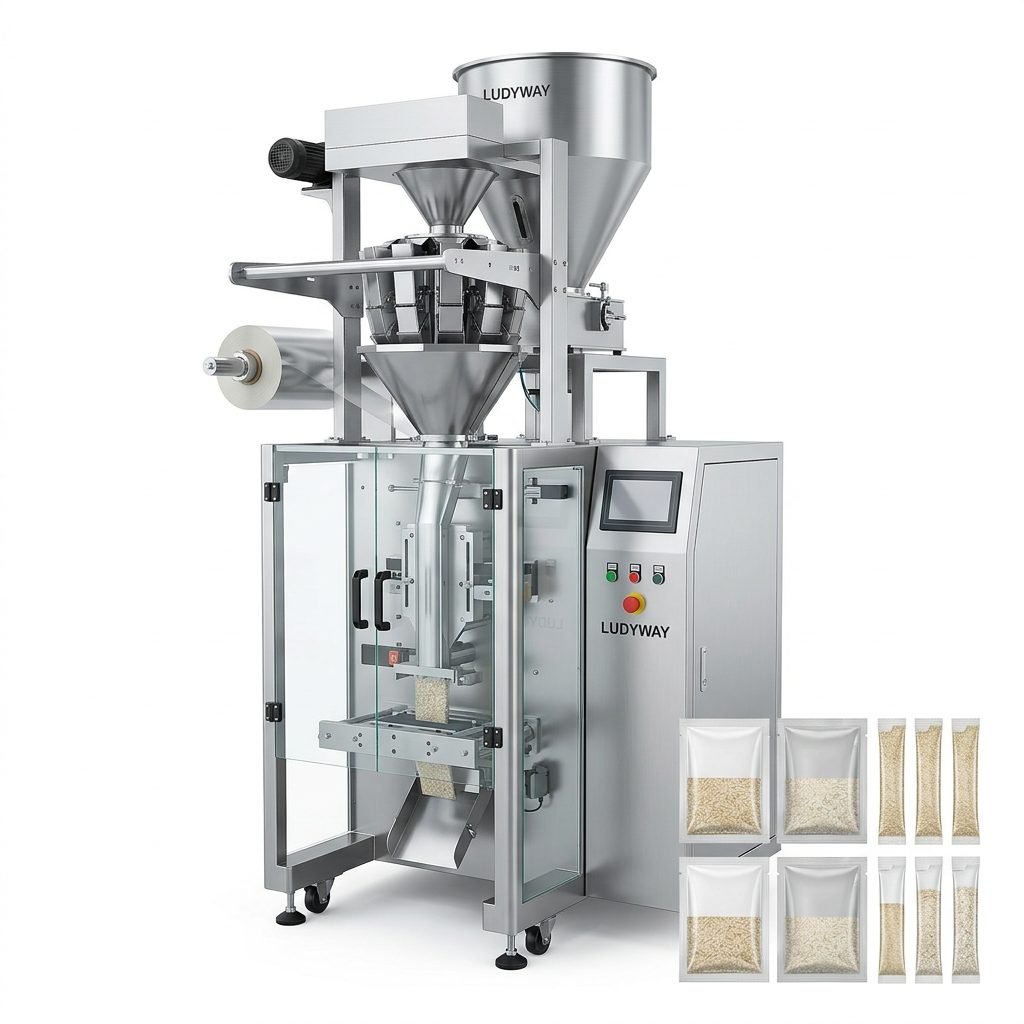
Ideal for granules, powders, and small solid items. They form a bag from a roll of film, fill it with product, and seal it in a continuous motion. Perfect for high-speed production of items like coffee, snacks, and hardware components.
Horizontal Form-Fill-Seal (HFFS) Machines
Best suited for individual items or portioned products like candy bars, biscuits, or medical devices. The product is placed on a flat web of film, which is then wrapped around it and sealed.
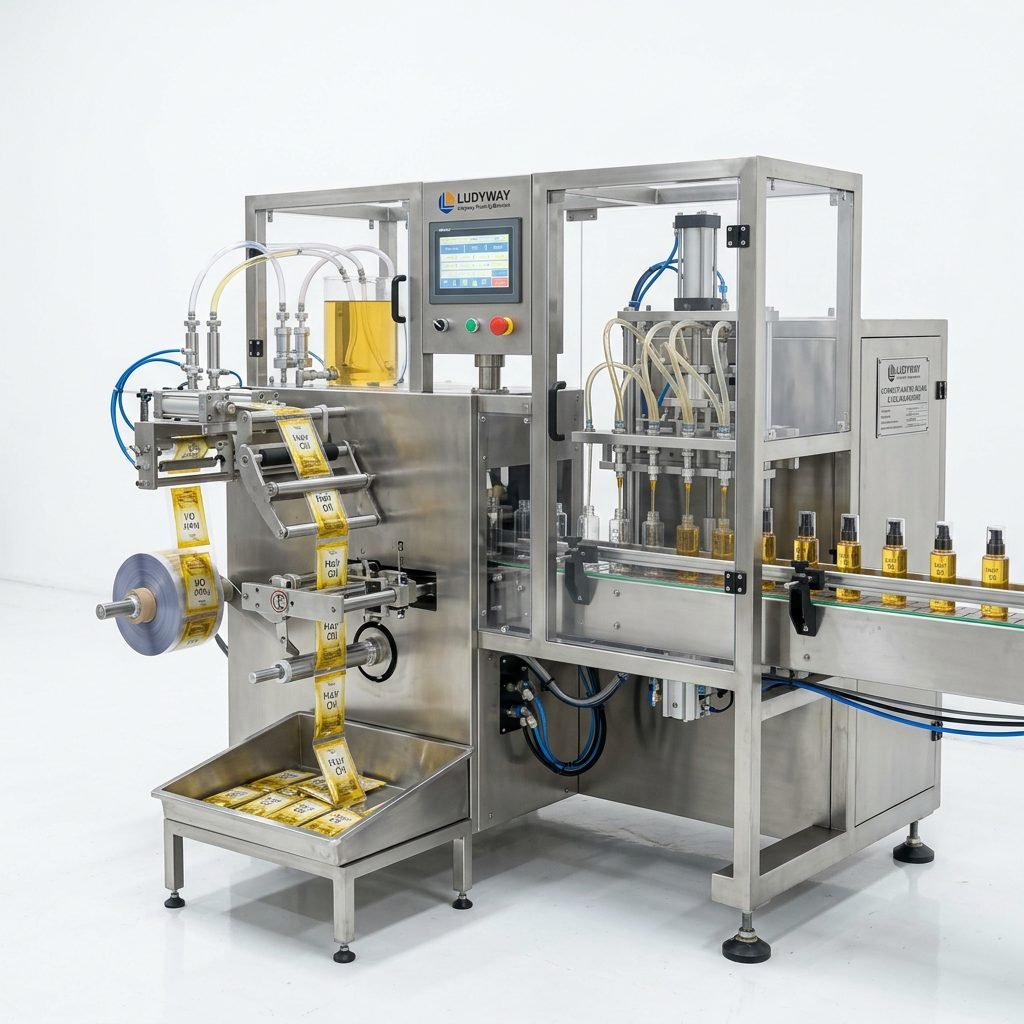
Liquid & Paste Filling Machines
Designed specifically for viscous products like sauces, creams, oils, and pastes. They use piston, pump, or gravity fillers and often integrate with capping or lidding systems for bottles and tubes.
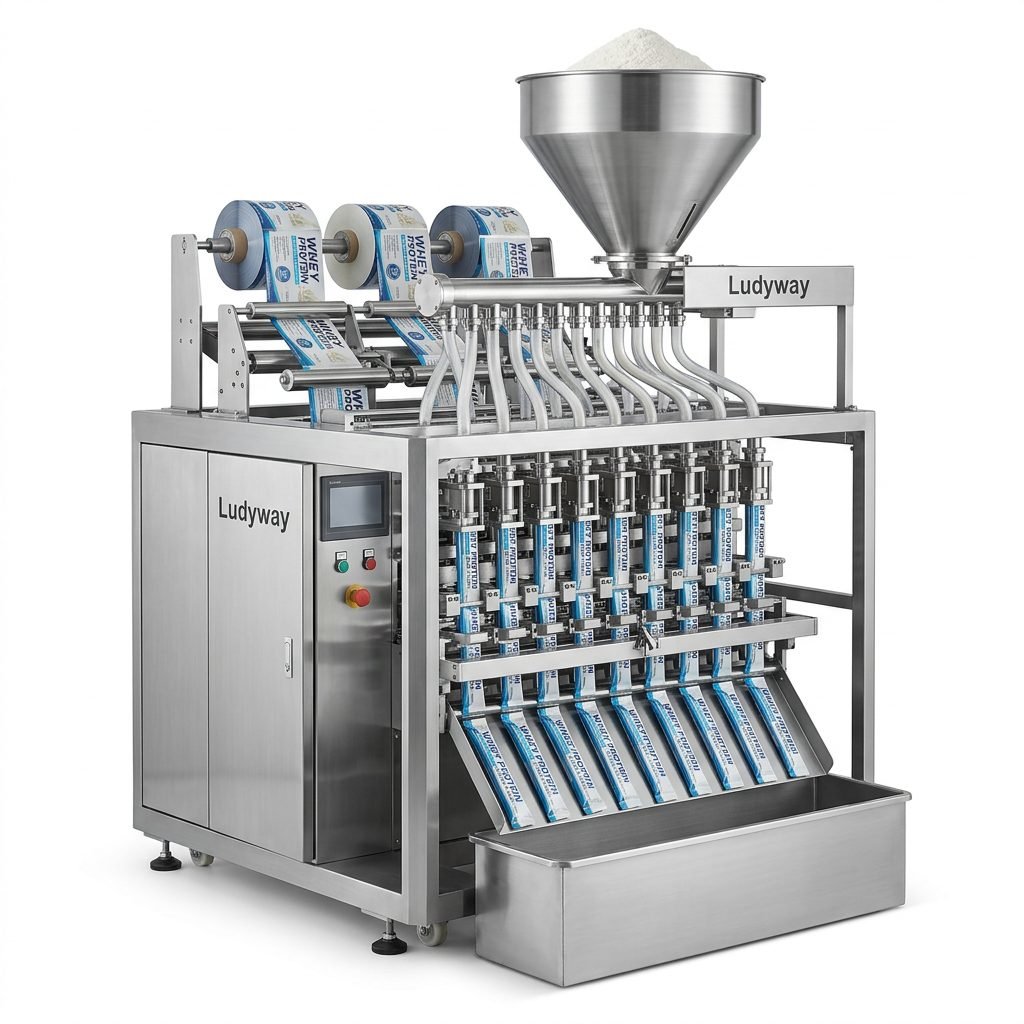
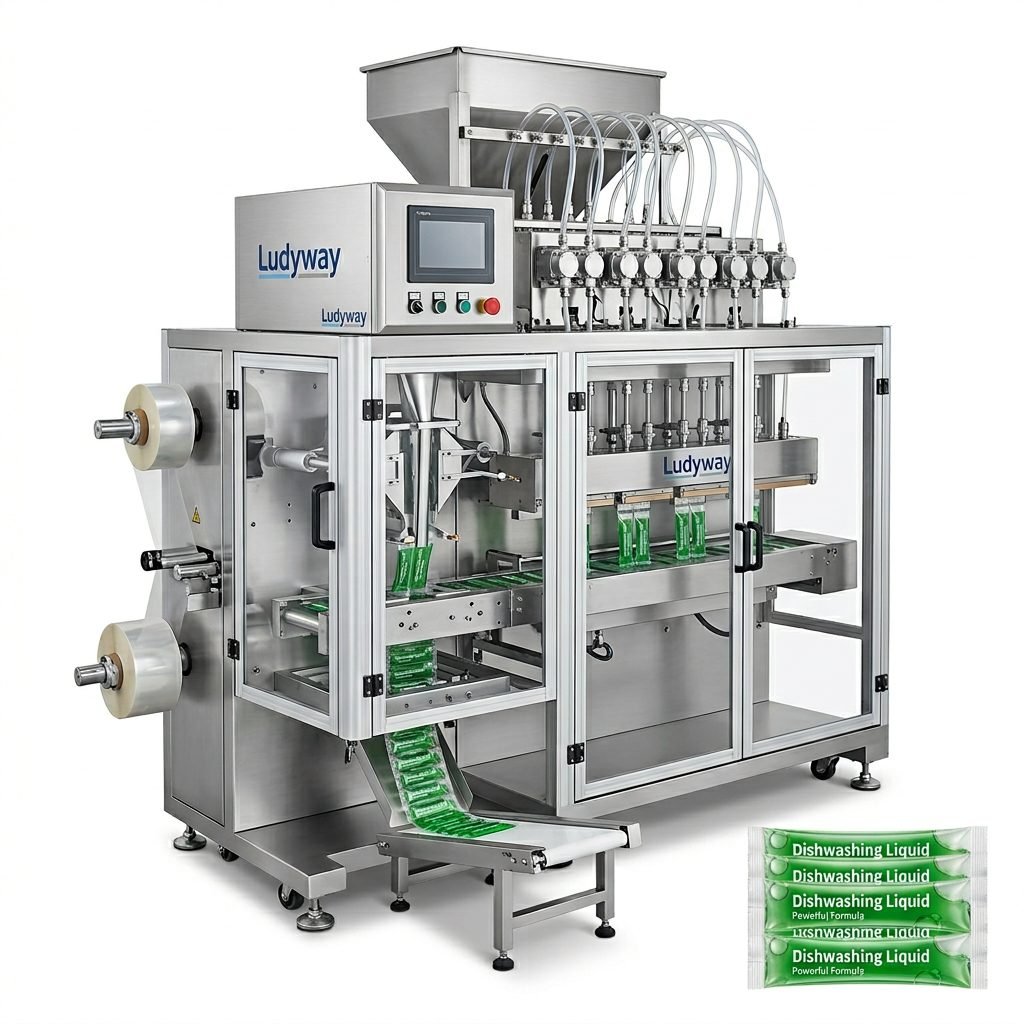
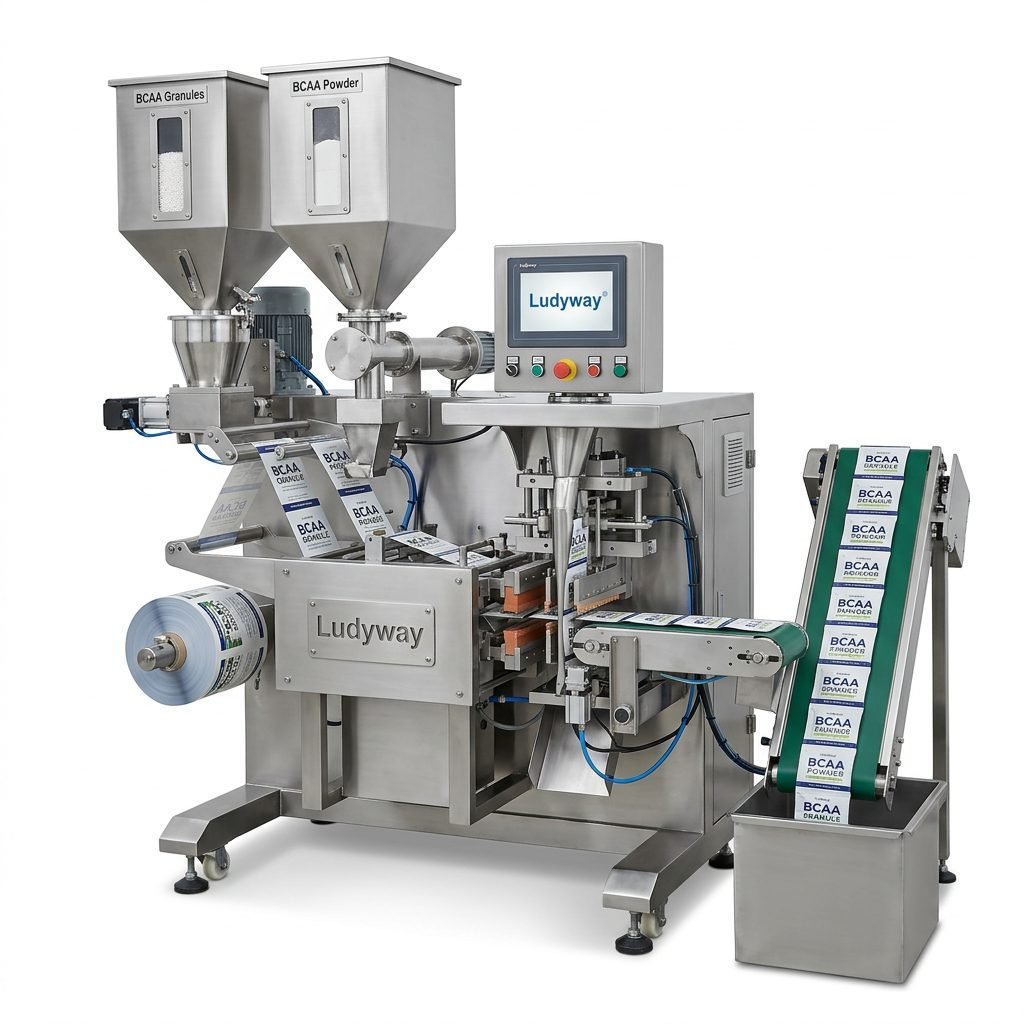
Multi-Lane Stick Pack & Sachet Machines
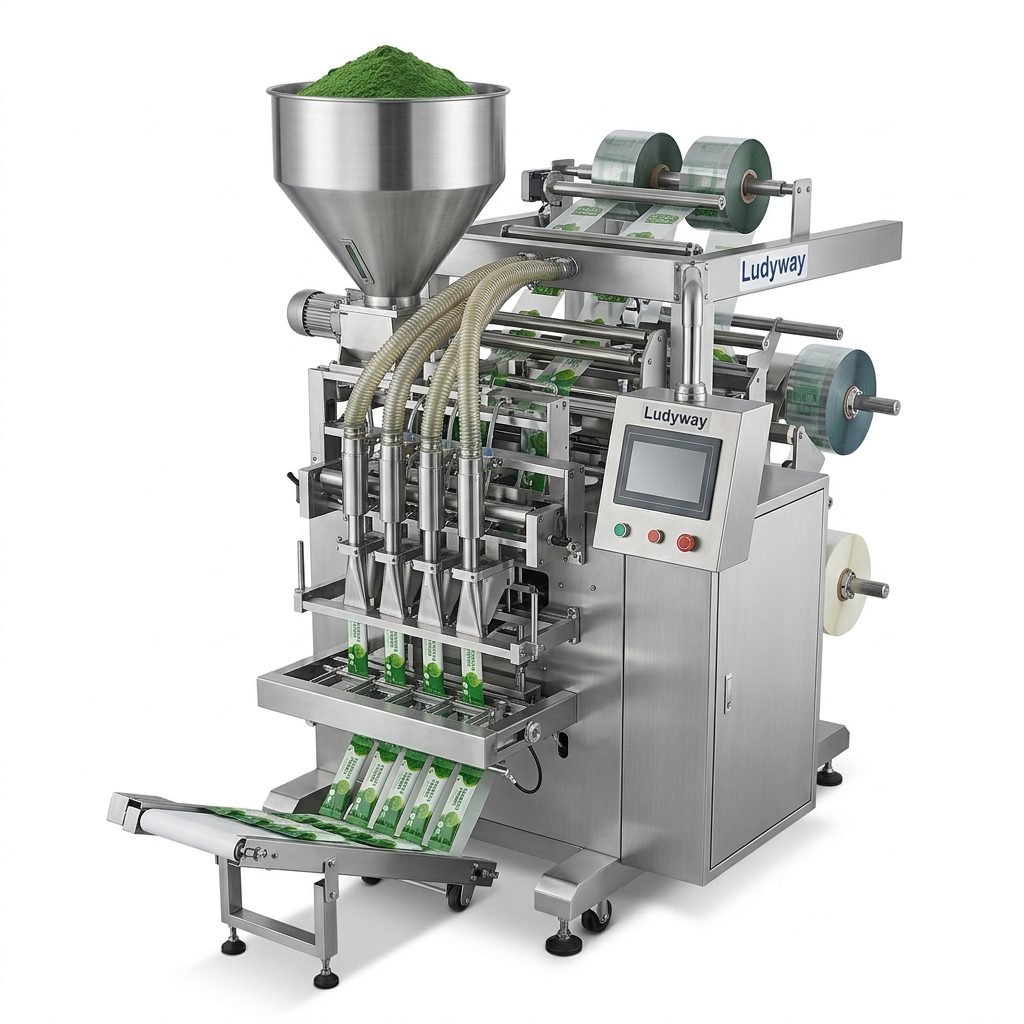
The powerhouse for high-volume production of small unit doses. These machines run multiple packaging lanes simultaneously, making them extremely efficient for products like instant drink mixes, pharmaceuticals, condiments, and supplements. Companies like Ludyway Machinery specialize in offering a wide range of such intelligent, multi-lane systems tailored for food and pharmaceutical industries.
Critical Technical Factors for Evaluation
Beyond the basic type, dive deeper into these technical specifications.
Accuracy and Precision
Weighing and dosing accuracy is non-negotiable, especially for costly ingredients or regulated products. Look for machines with high-precision load cells and servo-driven dosing systems to minimize giveaway and ensure compliance.
Flexibility and Changeover
How quickly can you switch between different products or package sizes? Machines with tool-less changeover or digital recipe recall drastically reduce downtime and are essential for short production runs.
Hygiene and Construction
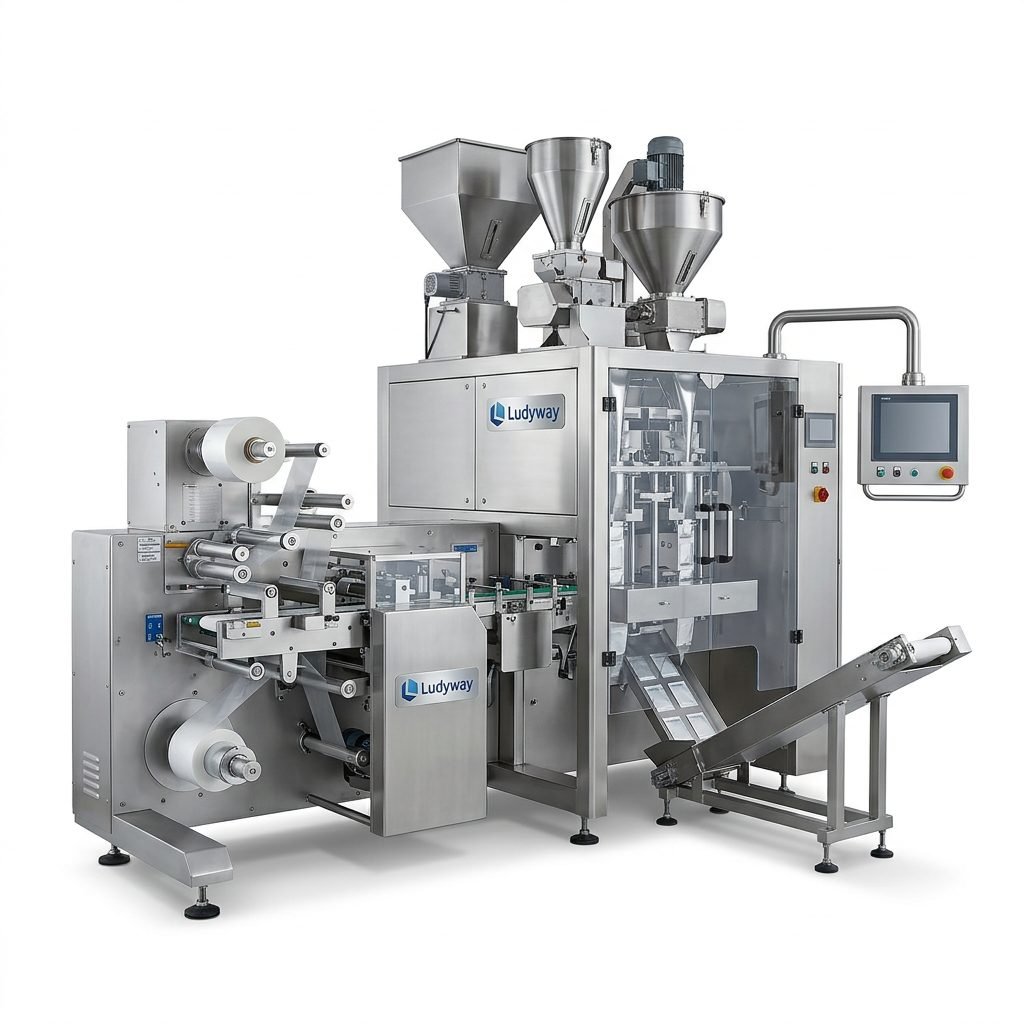
For food, pharmaceutical, or chemical products, machine construction is vital. Stainless steel (304 or 316 grade) contact parts, easy-clean designs, and IP-rated protection are key indicators of a machine built for stringent hygiene standards.
Integration with Your Existing Production Line
The machine does not operate in isolation. Consider its role in the larger ecosystem.
Upstream Integration: How will the product be fed into the machine? You may need conveyors, elevators, or bulk supply systems.
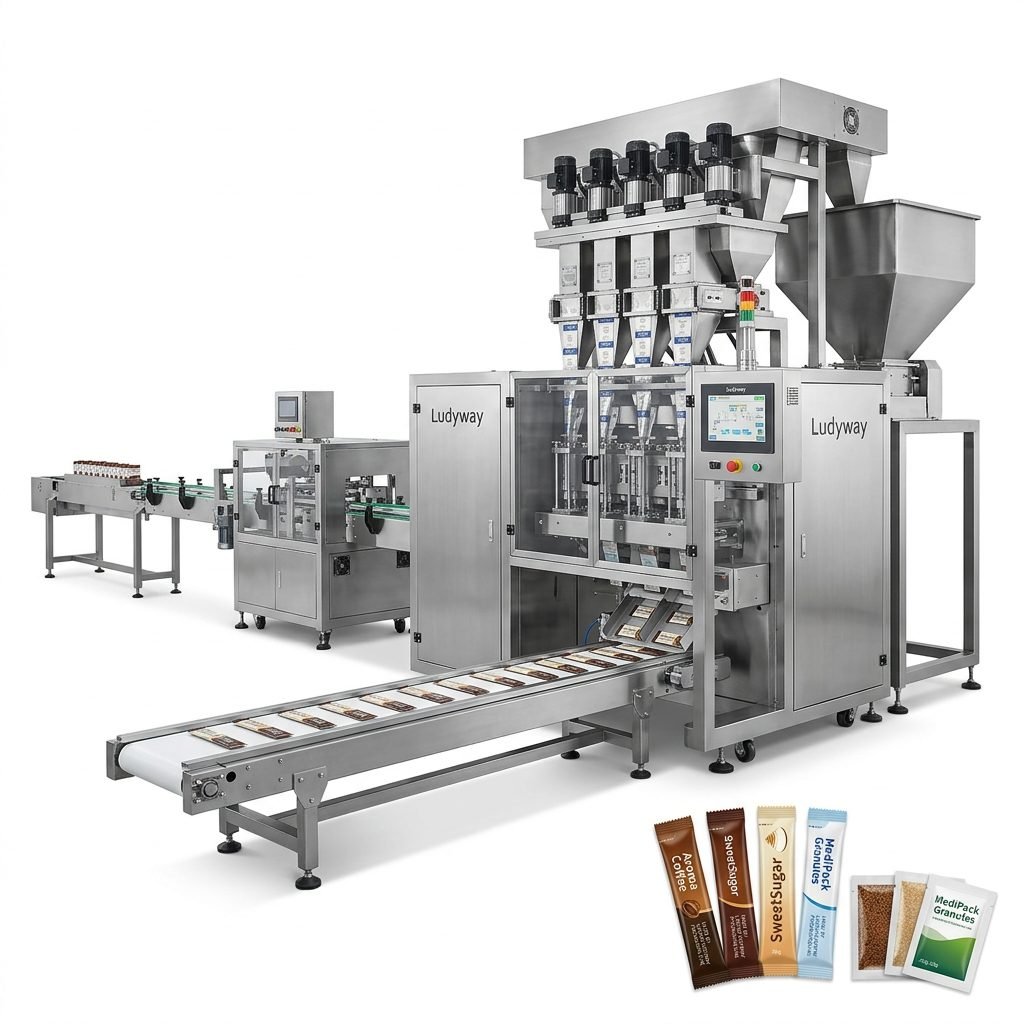
Downstream Integration: What happens after the package is sealed? Consider integration with cartoners, case packers, or labeling machines. A supplier with experience in complete turnkey production line solutions can provide invaluable guidance here.
Control and Communication: The machine should support standard industrial communication protocols (e.g., Ethernet/IP, Profinet) to seamlessly connect with your Plant Floor System (PFS) or Manufacturing Execution System (MES) for data collection and monitoring.
The Importance of Supplier Support and Service
The relationship with your machine supplier is a long-term partnership. Their support is as critical as the machine itself.
- Technical Expertise & Customization: Can they tailor the solution to your specific challenge? Look for a partner with deep application engineering experience.
- Training and Documentation: Comprehensive training for your operators and maintenance staff is essential for smooth ramp-up and long-term operation.
- Spare Parts Availability: Ensure critical spare parts are readily available to minimize unplanned downtime. A global service network is a significant advantage.
- After-Sales Service: Responsive technical support, whether remote or on-site, ensures your production keeps running. A supplier’s reputation for long-term cooperation is a strong trust signal.
Total Cost of Ownership (TCO) vs. Initial Price
Do not make the decision based on the purchase price alone. Calculate the Total Cost of Ownership, which includes:
• Energy Consumption: Servo-driven machines often have lower energy costs than older mechanical models.
• Material Waste: High accuracy reduces product giveaway. Efficient film sealing reduces material waste.
• Maintenance and Downtime: A reliable, well-built machine from a reputable supplier will have lower maintenance costs and less production loss.
• Operational Labor: A highly automated machine with intuitive controls requires fewer operators.
Investing in a robust, efficient, and well-supported machine often yields a much lower TCO and a faster ROI than a cheaper, less capable alternative.
Frequently Asked Questions (FAQs)
1. What is the main advantage of a multi-lane stick pack machine?
The primary advantage is extremely high output. By running multiple lanes (e.g., 10, 12, or more) in parallel, these machines can produce tens of thousands of stick packs per hour, making them the most cost-effective solution for high-volume, single-serve products.
2. How do I know if a machine is “hygienic” enough for food or pharmaceutical use?
Look for design features: full stainless steel construction on product contact areas, smooth surfaces with no crevices, easy disassembly for cleaning, and protection ratings (like IP65) for electrical components. Compliance with industry standards (e.g., FDA, GMP) is also a key indicator.
3. Can one machine handle different types of products?
Many machines offer modularity and flexibility. A universal packaging machine might handle a range of similar products (e.g., different granule sizes) with quick changeovers. However, switching between vastly different product types (e.g., powder to liquid) typically requires a different machine or significant, specialized modification.
4. What is the typical lead time for an automated packaging line?
Lead times vary widely based on complexity and customization. A standard machine might ship in 8-12 weeks, while a fully customized turnkey line can take 20 weeks or more. Clear communication of your timeline with the supplier during the planning phase is crucial.
5. How important is it to see the machine running a sample of my product?
It is highly recommended and often critical. A product test run at the supplier’s facility validates dosing accuracy, film runnability, seal integrity, and overall performance with your specific product and materials. It de-risks the purchase significantly.