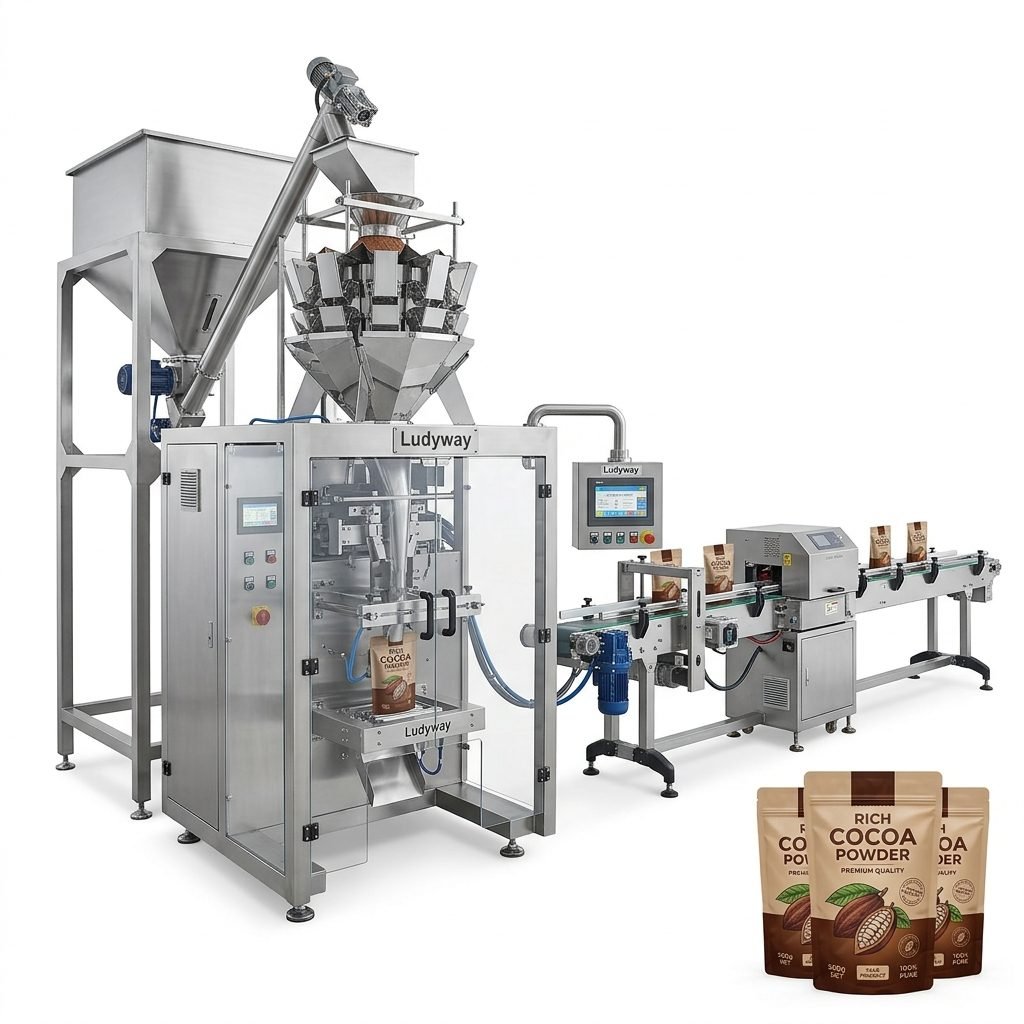
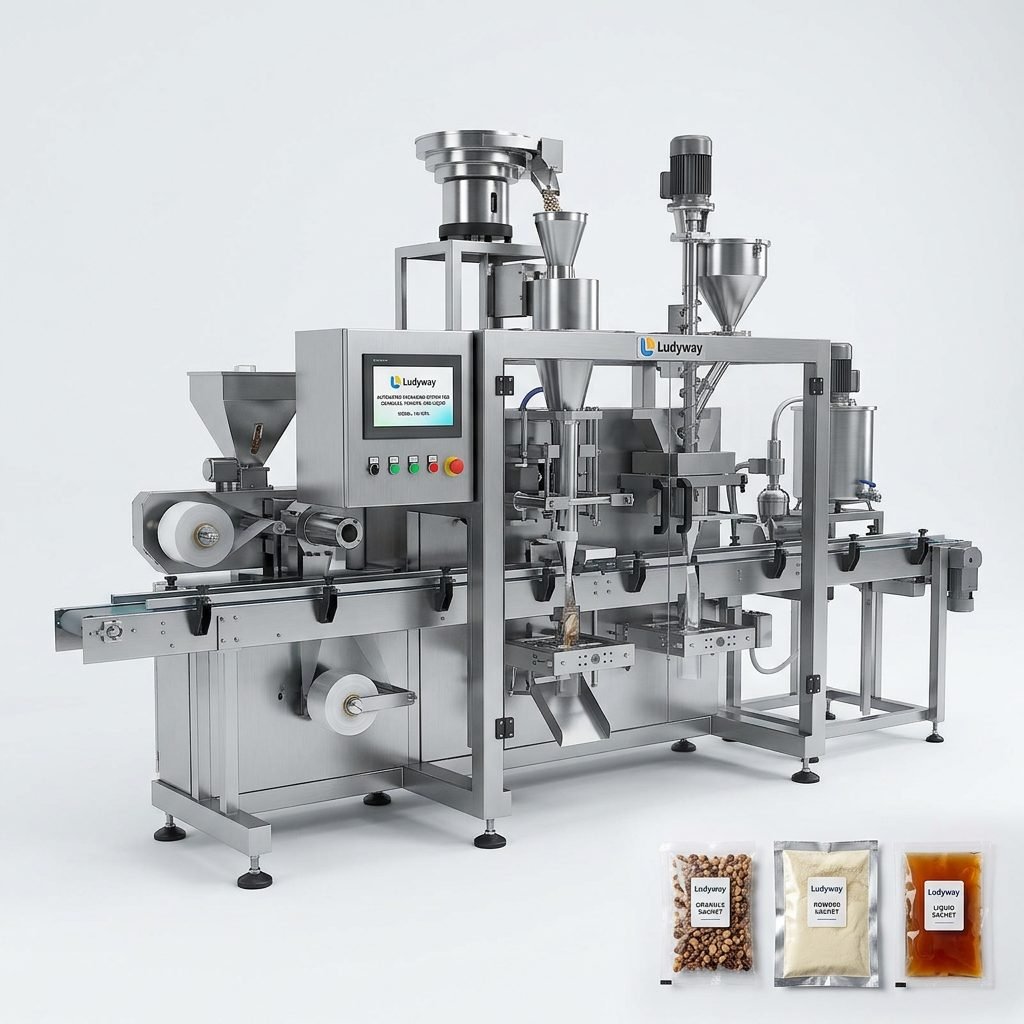
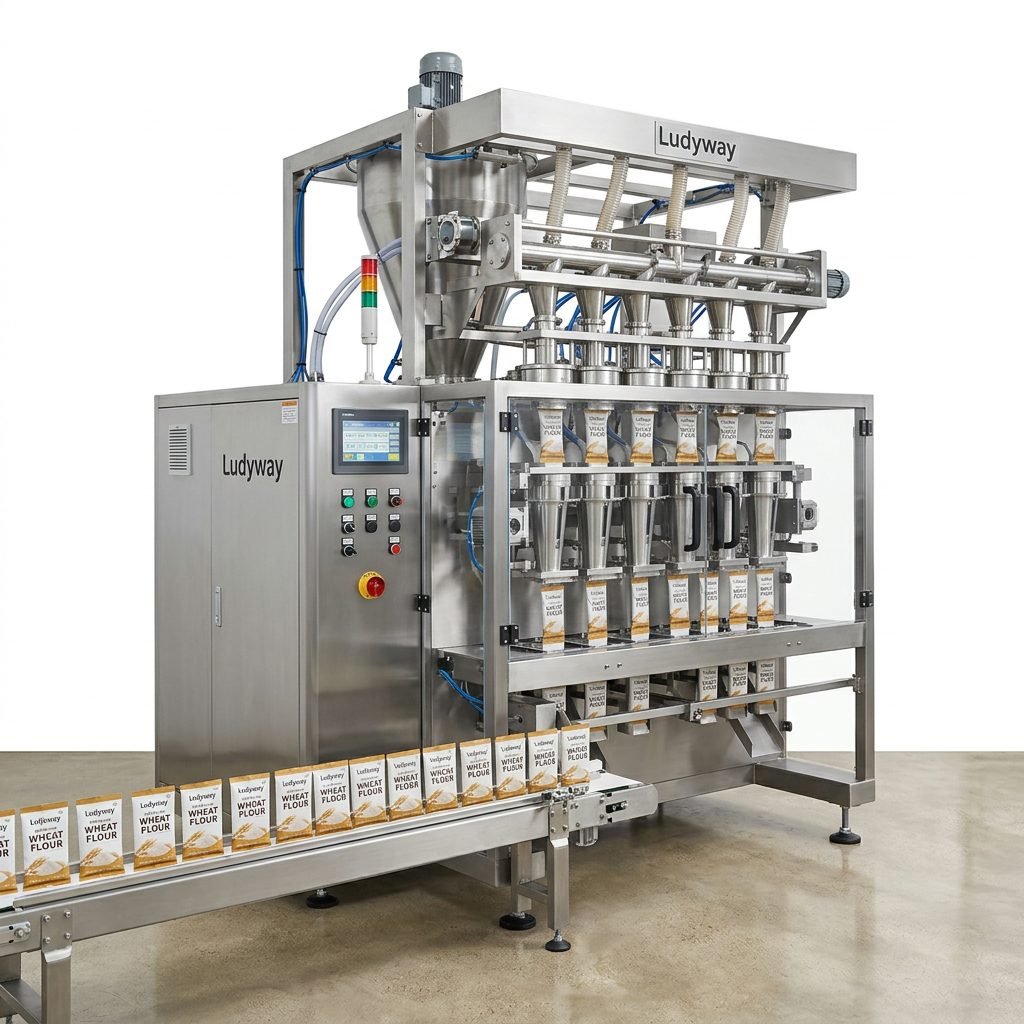
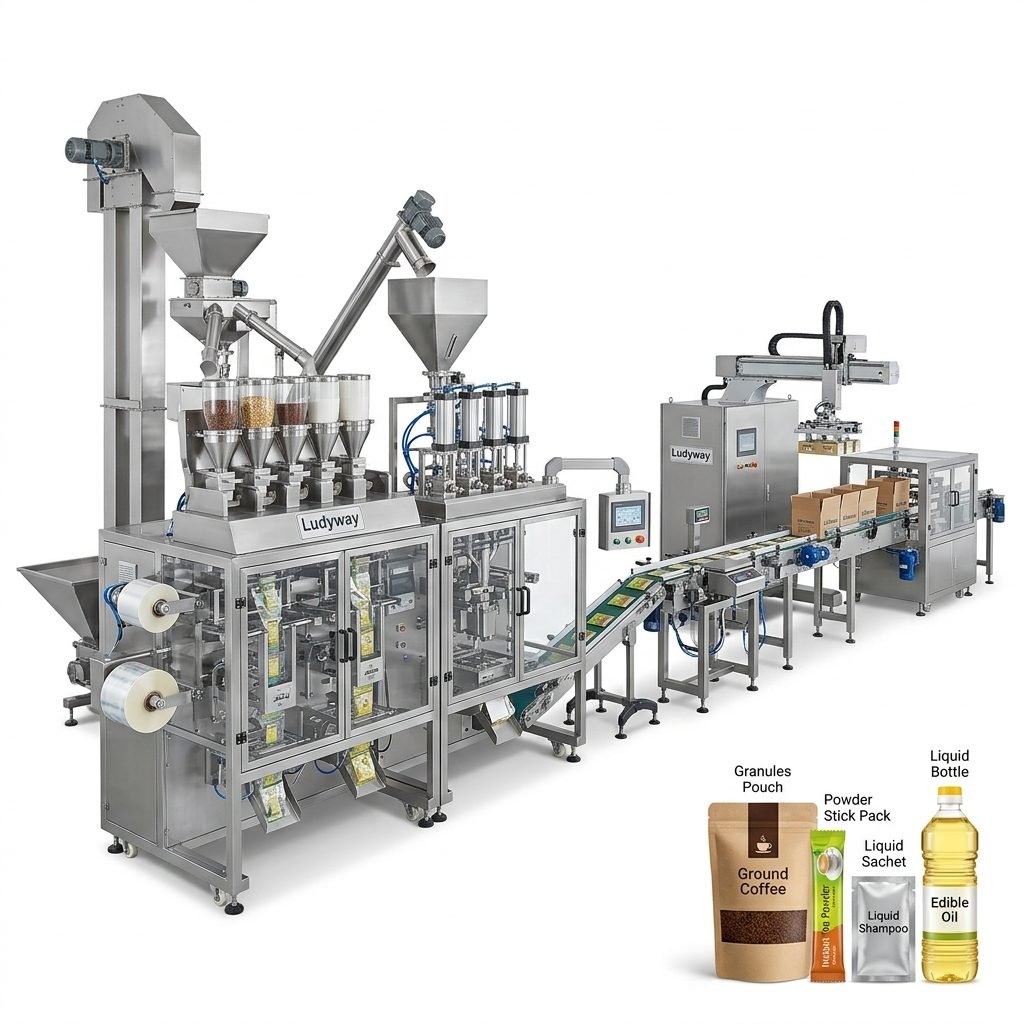
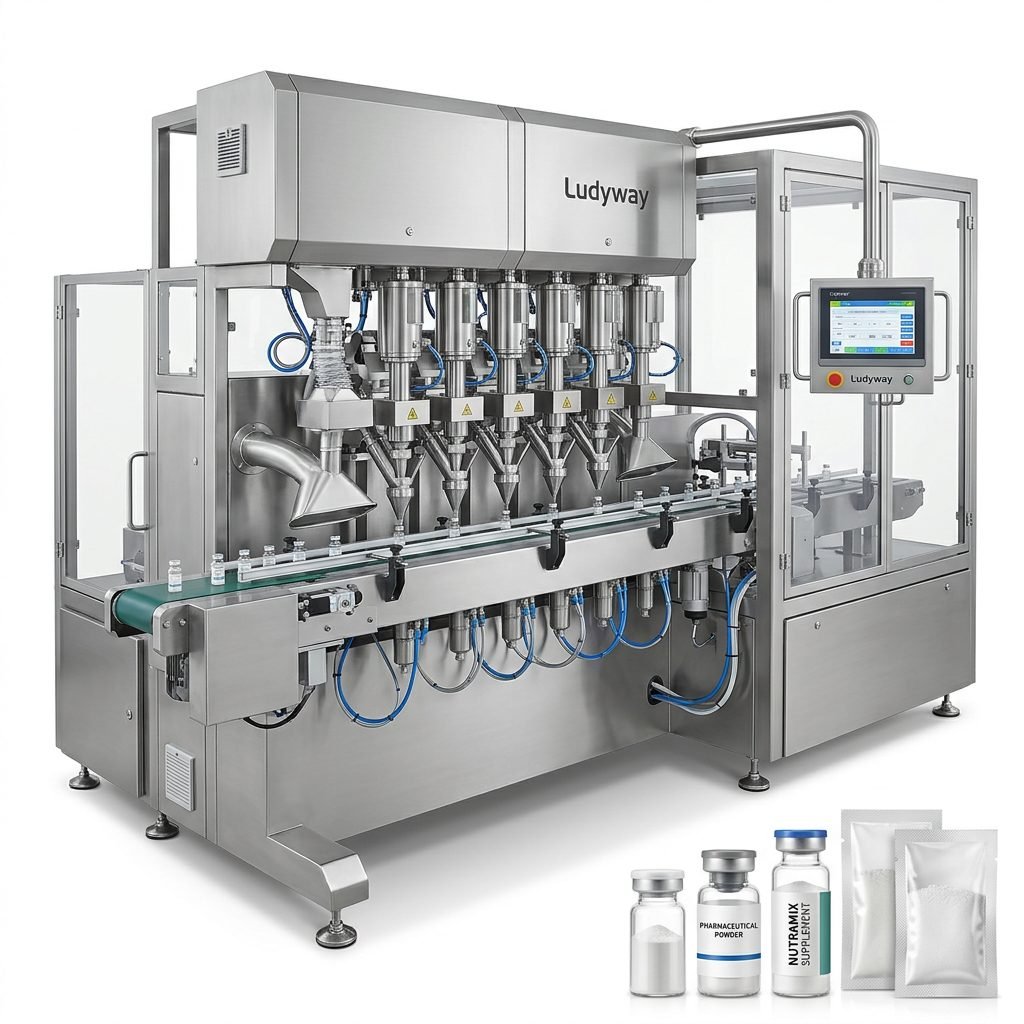
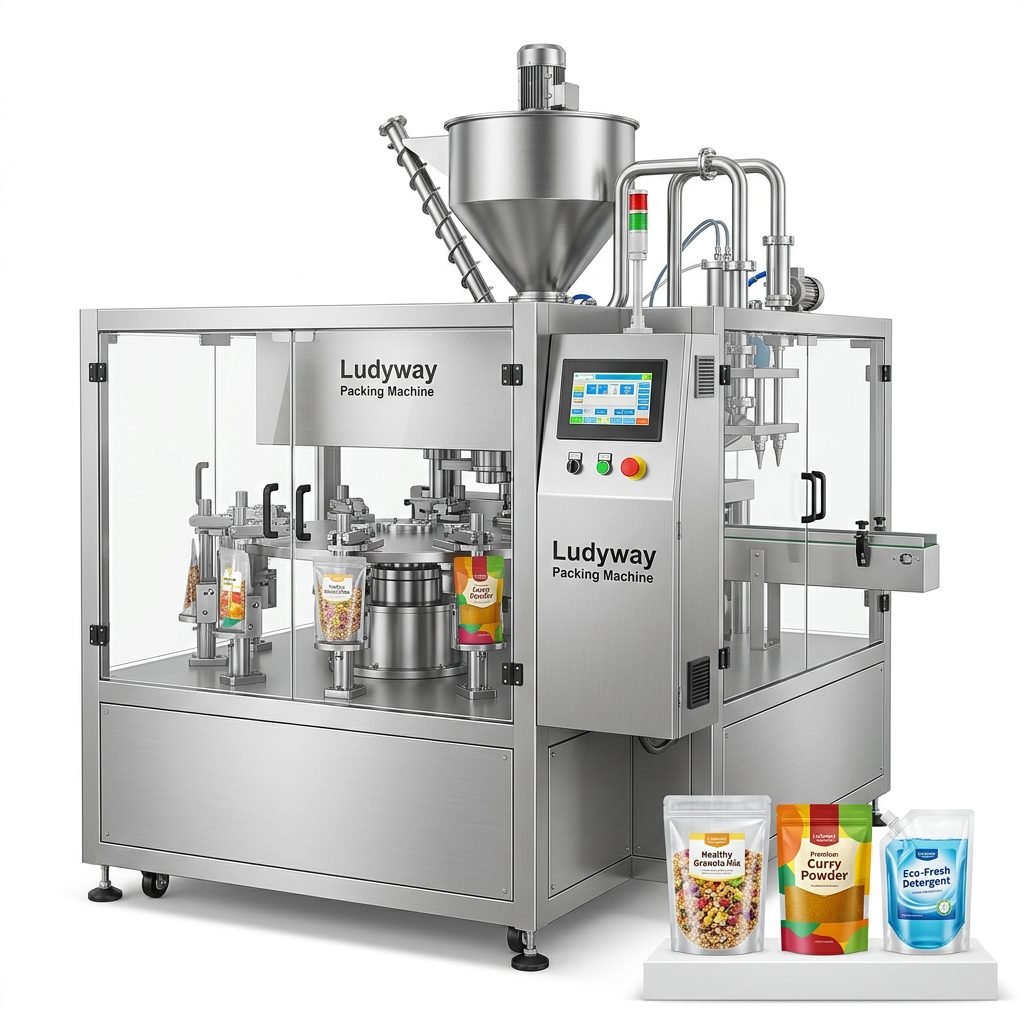
In today’s fast-paced production environments, efficiency, hygiene, and consistency are non-negotiable. Automated packaging equipment has evolved from a luxury to a fundamental necessity, particularly for sectors like food, beverage, and industrial manufacturing. These solutions streamline operations, ensure product integrity, and significantly enhance output to meet modern market demands.
The Critical Role of Automation in Modern Packaging
The shift from manual to automated packaging is driven by several compelling factors. Primarily, automation delivers unmatched speed and throughput, allowing production lines to operate 24/7 with minimal downtime. This is crucial for meeting large-scale orders and just-in-time delivery schedules. Furthermore, automated systems provide exceptional precision and consistency in filling, sealing, and labeling, drastically reducing product giveaway and material waste. This level of accuracy is vital for maintaining brand reputation and compliance with strict industry regulations.
Perhaps most importantly, automation enhances safety and hygiene. By minimizing human contact with the product, especially in food and pharmaceutical applications, the risk of contamination is greatly reduced. Automated machines can operate in controlled environments and incorporate features like stainless-steel construction and CIP (Clean-in-Place) systems, ensuring the highest sanitary standards are met.
Key Benefits at a Glance
- Increased Productivity: Higher output rates and continuous operation.
- Superior Accuracy: Consistent fill weights and precise sealing.
- Enhanced Product Safety: Reduced contamination risk and improved traceability.
- Cost Reduction: Lower labor costs and minimized material waste.
- Operational Flexibility: Quick changeovers for different products and package sizes.
Tailored Solutions for the Food & Beverage Industry
The food and beverage sector presents unique challenges, including perishability, stringent safety standards, and diverse product consistencies—from granules and powders to viscous liquids. Automated packaging systems are specifically engineered to address these needs.
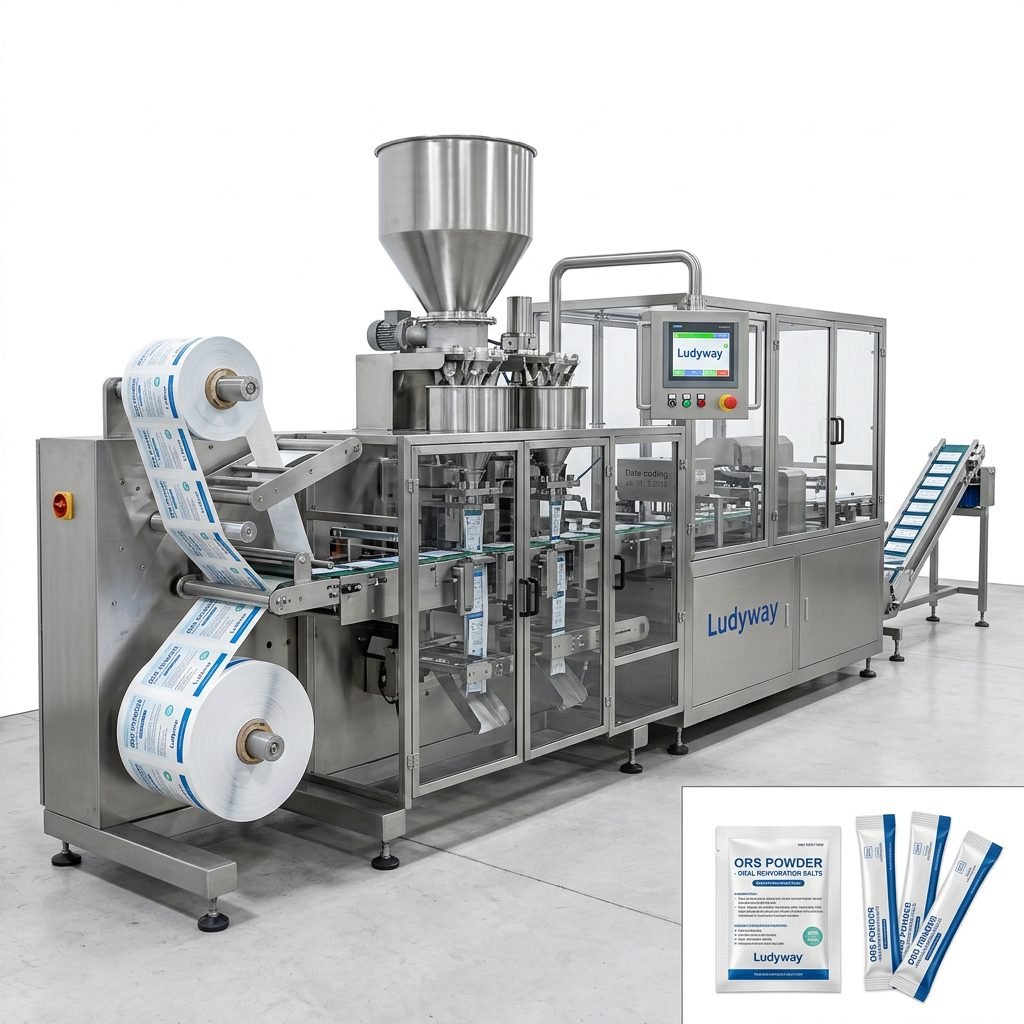
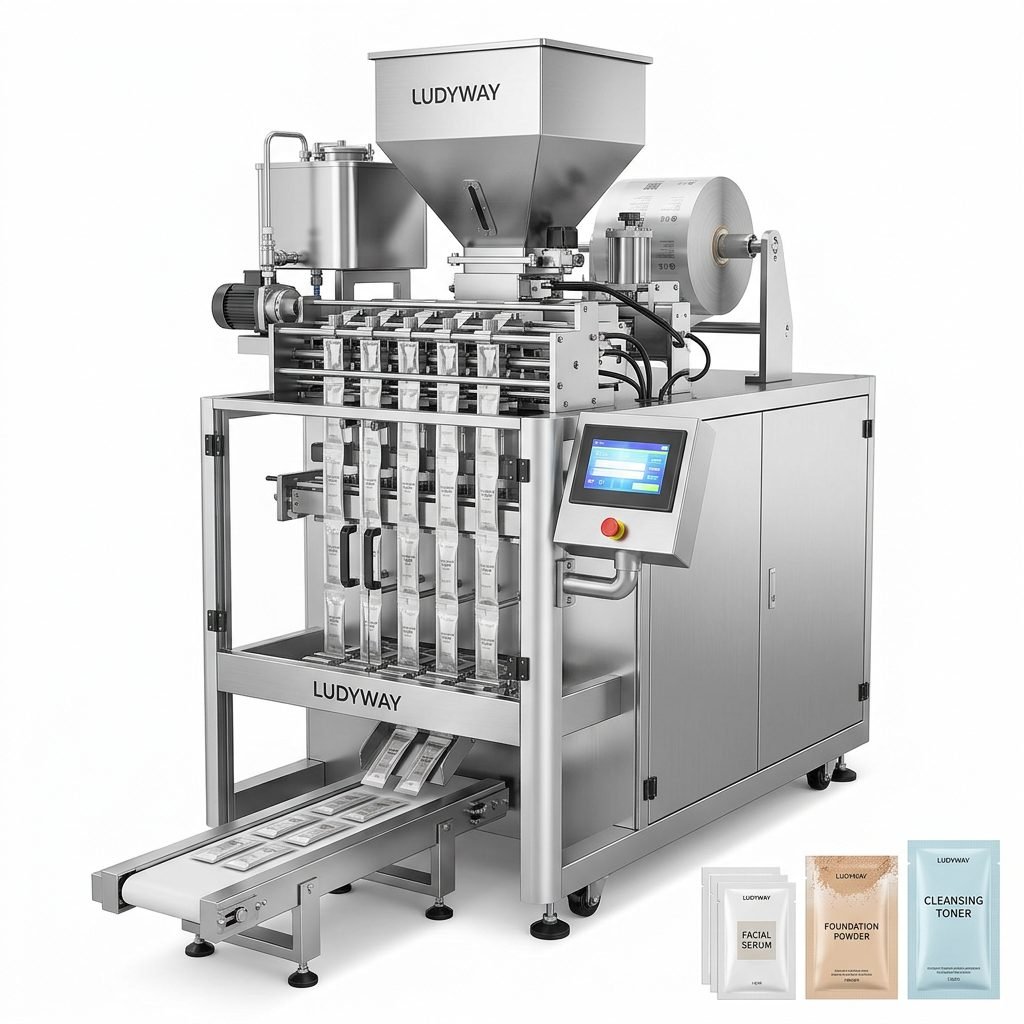
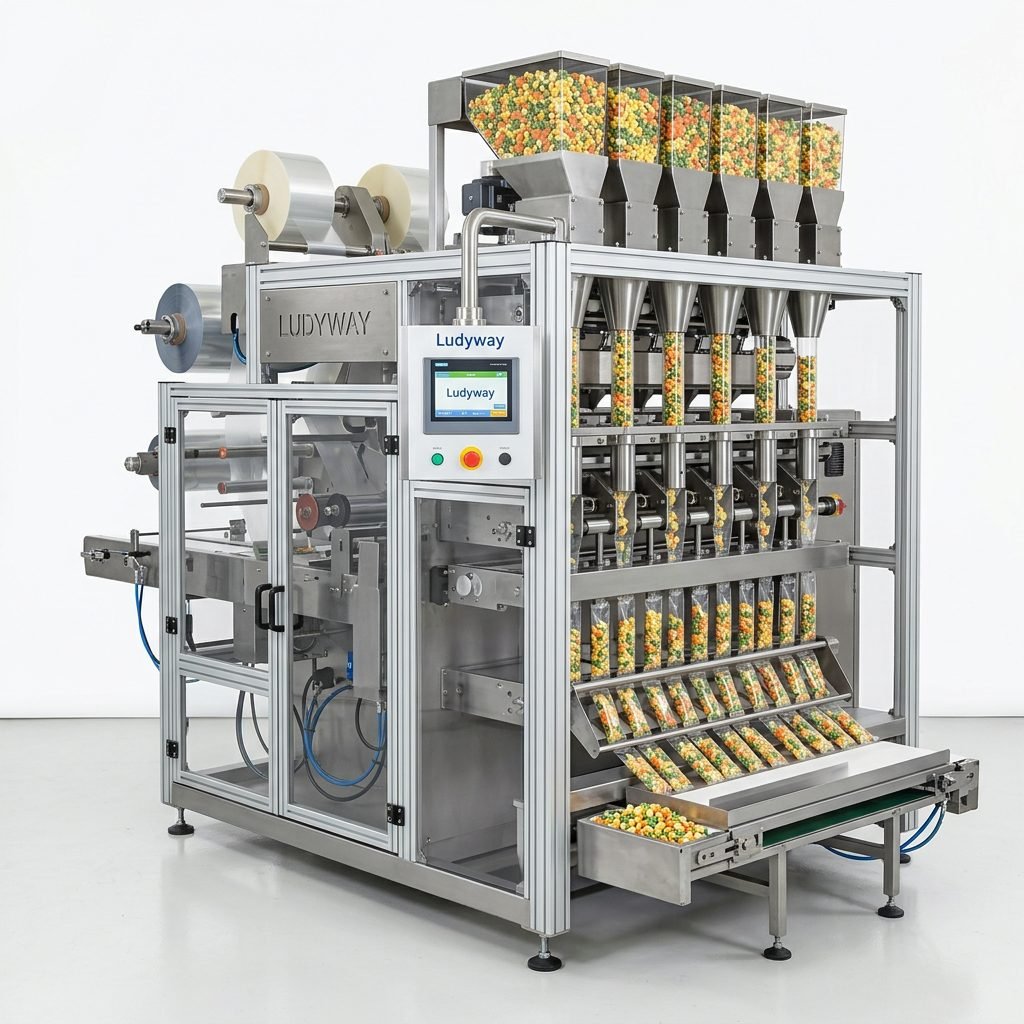
For dry goods like spices, instant coffee, or sugar, multi-lane stick pack and sachet packaging machines offer high-speed, portion-controlled packaging. These systems are ideal for creating single-serve packages that preserve freshness and are convenient for end-users. For liquids such as sauces, oils, or dairy products, advanced liquid filling and sealing machines provide leak-proof packaging with high accuracy, often integrating nitrogen flushing to extend shelf life.
Modern solutions also prioritize flexibility. A single automated line can often handle multiple package formats—sachets, pouches, sticks—with quick tooling changes, allowing manufacturers to respond swiftly to market trends and seasonal demands without major capital reinvestment.
Integrating with Production Workflows
Successful automation goes beyond the standalone machine. It involves seamless integration with upstream processes (like mixing and cooking) and downstream systems (like cartoning and palletizing). A holistic packaging line solution ensures smooth material flow, data synchronization, and centralized control, creating a truly efficient and intelligent production ecosystem.
Robust Packaging for Industrial Production
Beyond consumables, industrial sectors such as chemicals, pharmaceuticals, and agriculture rely heavily on durable and reliable packaging. Here, the focus shifts to handling abrasive materials, ensuring chemical compatibility, and providing secure, tamper-evident seals.
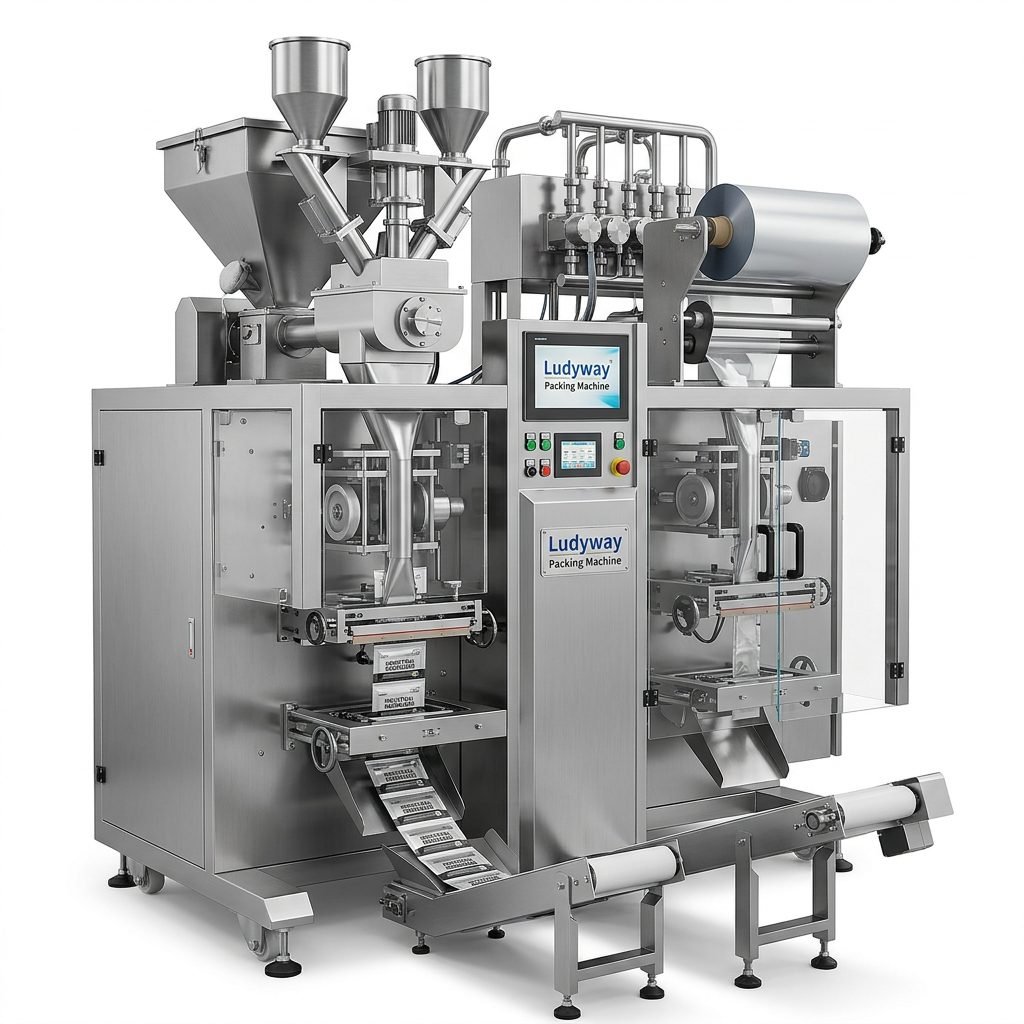
Automated systems for industrial products often feature heavy-duty construction and components resistant to corrosion and wear. For powders like cement additives or industrial chemicals, valve bag packers or FFS (Form-Fill-Seal) machines with dust extraction systems are essential. These systems not only improve packaging speed but also protect workers from hazardous exposure.
Furthermore, industrial packaging lines frequently incorporate advanced checkweighers and metal detectors to guarantee that every package meets weight specifications and is free from contaminants, upholding critical quality control standards for B2B clients.
🔍 Choosing the Right Equipment Partner
Selecting an automation partner is a strategic decision. Look for a provider with deep application expertise in your specific industry. They should offer more than just machinery; they should deliver a comprehensive solution including feasibility analysis, custom engineering, installation, training, and ongoing technical support. A partner with a proven track record and a global service network, like Ludyway Packing Machine, can ensure your investment delivers long-term value and operational excellence.
The Future: Smart and Sustainable Packaging
The next frontier for automated packaging lies in connectivity and sustainability. Industry 4.0 principles are bringing smart sensors, IoT connectivity, and data analytics to the packaging floor. This enables predictive maintenance, real-time monitoring of OEE (Overall Equipment Effectiveness), and granular traceability from raw material to finished package.
Simultaneously, there is immense pressure to adopt sustainable practices. Modern automated equipment supports this goal by enabling the use of recyclable or biodegradable films, optimizing material usage to reduce waste, and improving energy efficiency of the packaging process itself. Investing in future-ready automation is an investment in both operational resilience and environmental responsibility.
Ultimately, implementing the right automated packaging solution is a transformative step for any food, beverage, or industrial producer. It is an investment that pays dividends through increased capacity, superior product quality, enhanced safety, and a stronger competitive position in the global marketplace. By partnering with an experienced and innovative equipment provider, businesses can build a packaging operation that is not only efficient today but also adaptable for the challenges and opportunities of tomorrow.
Frequently Asked Questions (FAQs)
1. What types of products can be packaged with automated stick pack machines?
Automated stick pack machines are highly versatile and are ideally suited for packaging free-flowing dry granules, fine powders, and micro-granules. Common applications include instant coffee, sugar, sweeteners, spices, powdered milk, drink mixes, pharmaceutical powders, and granular supplements. Their precision filling makes them perfect for single-serve portions.
2. How does automated packaging improve hygiene in food production?
Automated systems drastically limit human contact with the product. They can be constructed with food-grade stainless steel, feature smooth surfaces to prevent bacterial harborage, and often include integrated cleaning systems like CIP. Furthermore, they can be housed within hygienic zones or positive pressure environments, significantly reducing the risk of microbial or particulate contamination compared to manual packaging lines.
3. Can one automated packaging line handle different package sizes or materials?
Yes, modern automated packaging equipment, particularly vertical form-fill-seal (VFFS) machines, is designed for flexibility. They allow for quick changeovers between different package sizes and formats (e.g., from sachets to pouches) by switching out the forming tube, sealing jaws, and film reel. Advanced servo-driven machines can store multiple recipes for instant changeover, minimizing downtime and maximizing line utilization for diverse product runs.
4. What is the typical ROI (Return on Investment) for an automated packaging system?
The ROI period varies based on the system’s complexity, output speed, and labor savings. However, many operations see a return on investment within 12 to 24 months. Key savings come from reduced labor costs, lower material waste from improved accuracy, increased production output, and decreased costs associated with product recalls or quality issues. A detailed feasibility study from your equipment provider can model the expected ROI for your specific application.
5. What support services should I expect from a packaging equipment supplier?
A reputable supplier should offer end-to-end support. This includes initial consultation and factory acceptance testing (FAT), professional installation and commissioning at your site, comprehensive operator and maintenance training, a clear warranty, and access to readily available spare parts. Ongoing technical support, whether remote or on-site, and preventive maintenance programs are also critical for ensuring long-term machine reliability and uptime.