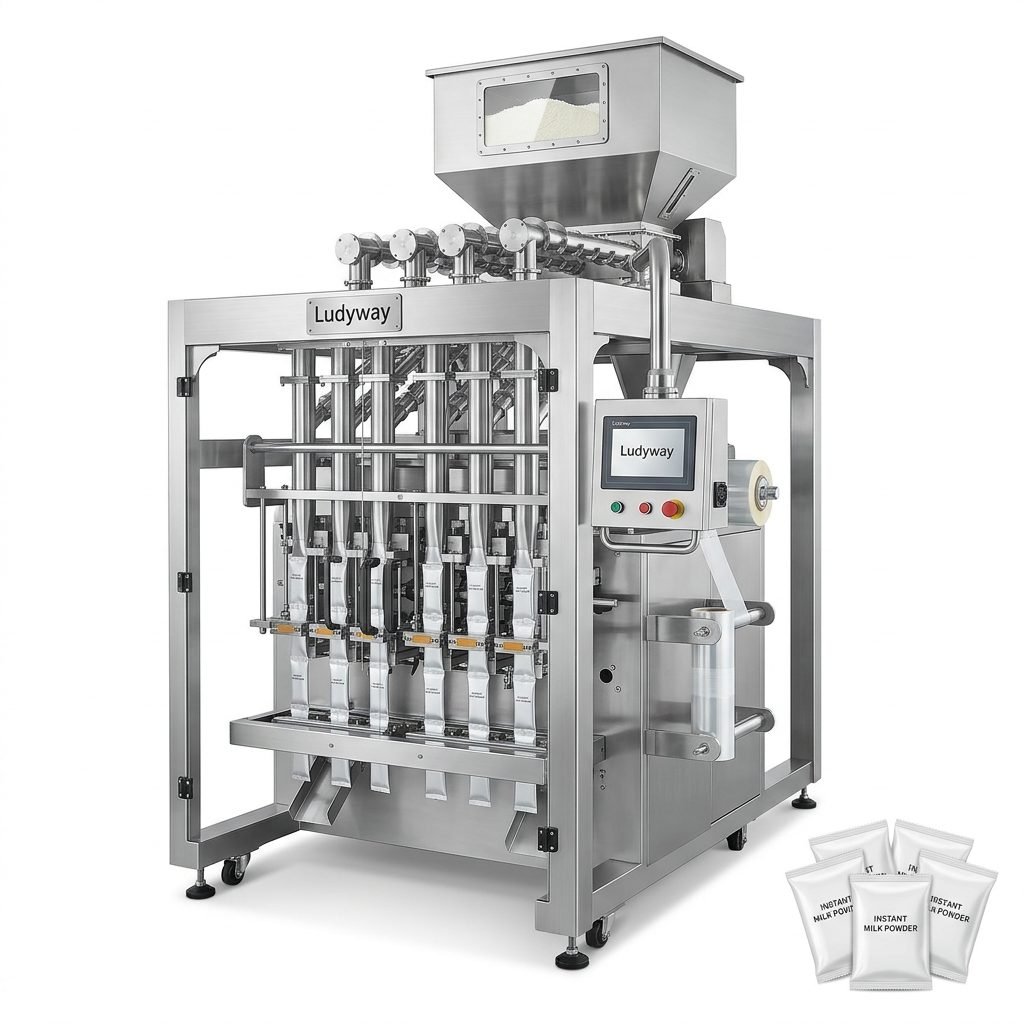
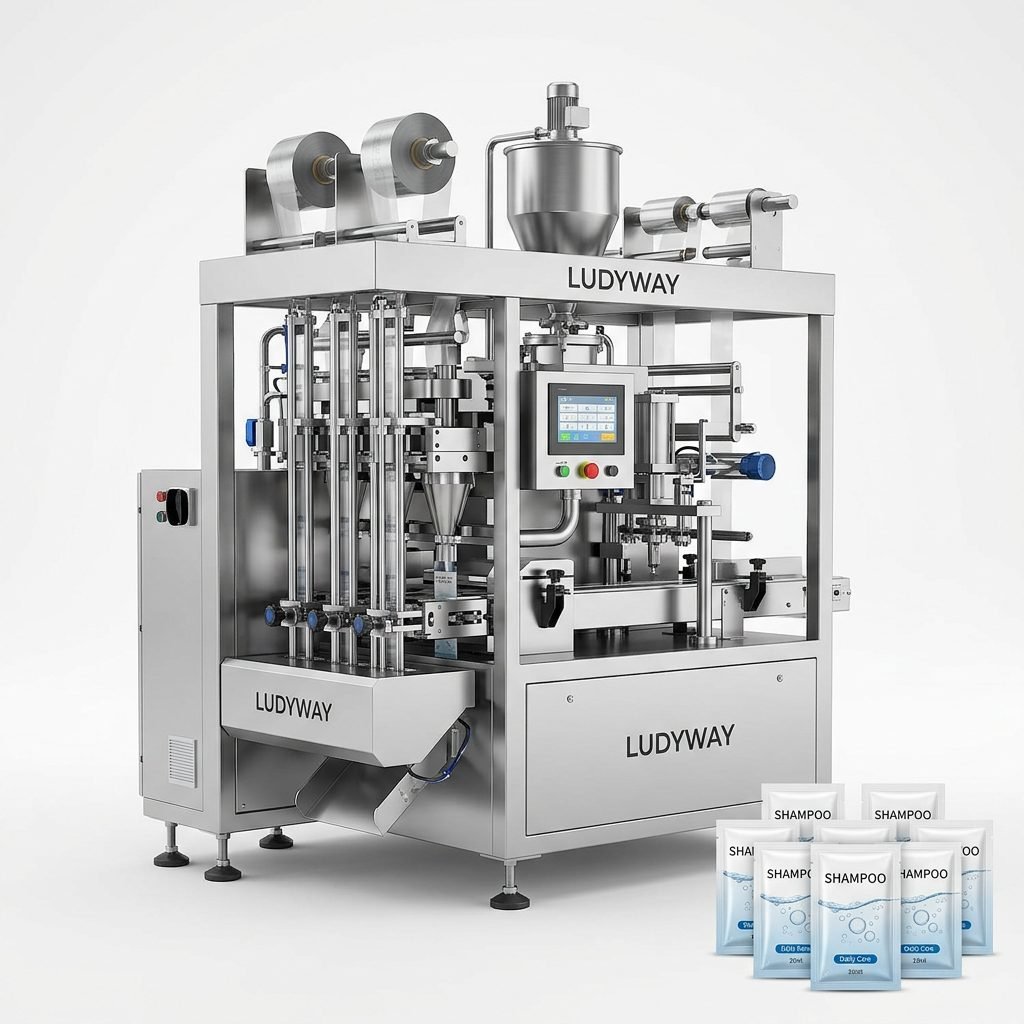
Navigating the world of wolf packaging machines is crucial for businesses aiming to enhance efficiency, ensure product integrity, and scale their operations. These automated systems are engineered to handle a wide array of products with precision and speed. This comprehensive guide delves into the various types, key features, diverse applications, and essential criteria for selecting the ideal machine for your specific needs.
Understanding the Core Types of Wolf Packaging Machines
The term “wolf packaging machine” often refers to robust, high-performance automatic packaging systems. They are categorized primarily by their operational method and the type of packaging they produce.
Vertical Form-Fill-Seal (VFFS) Machines
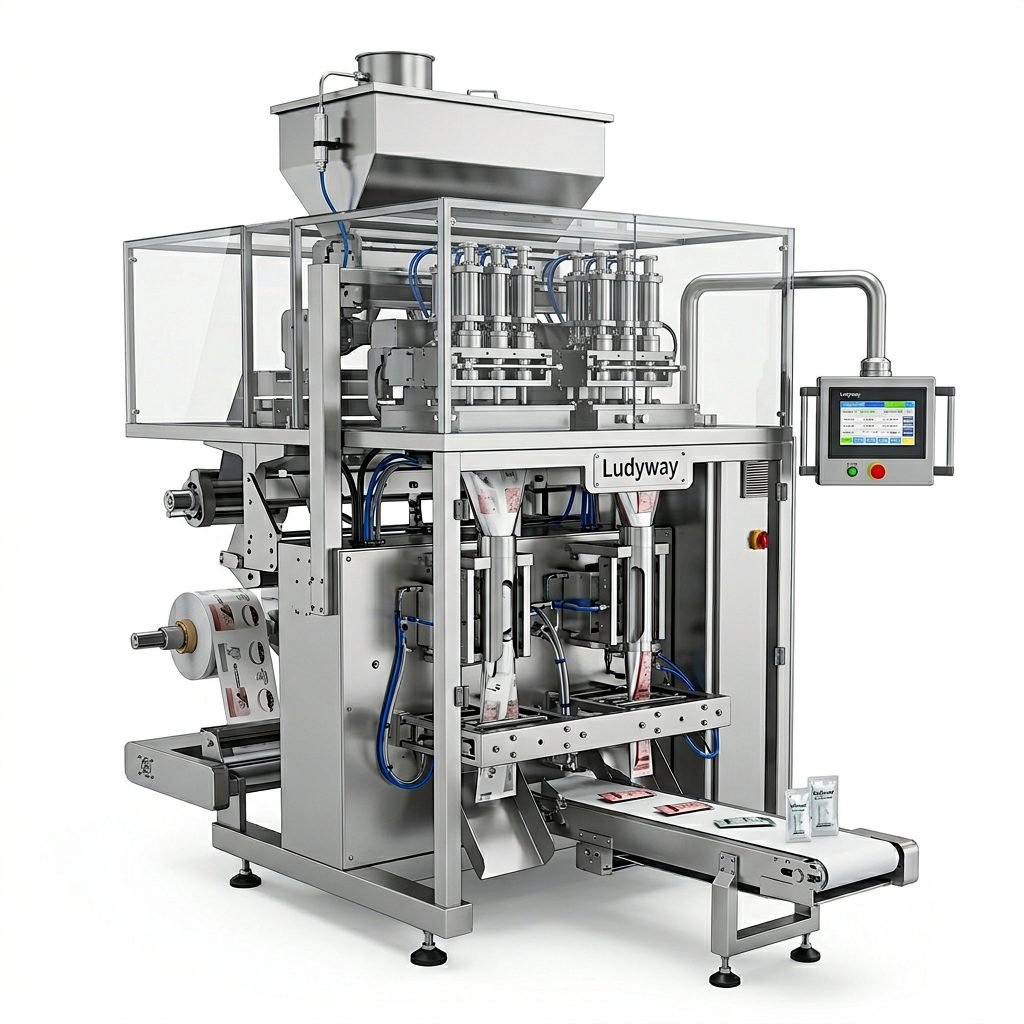
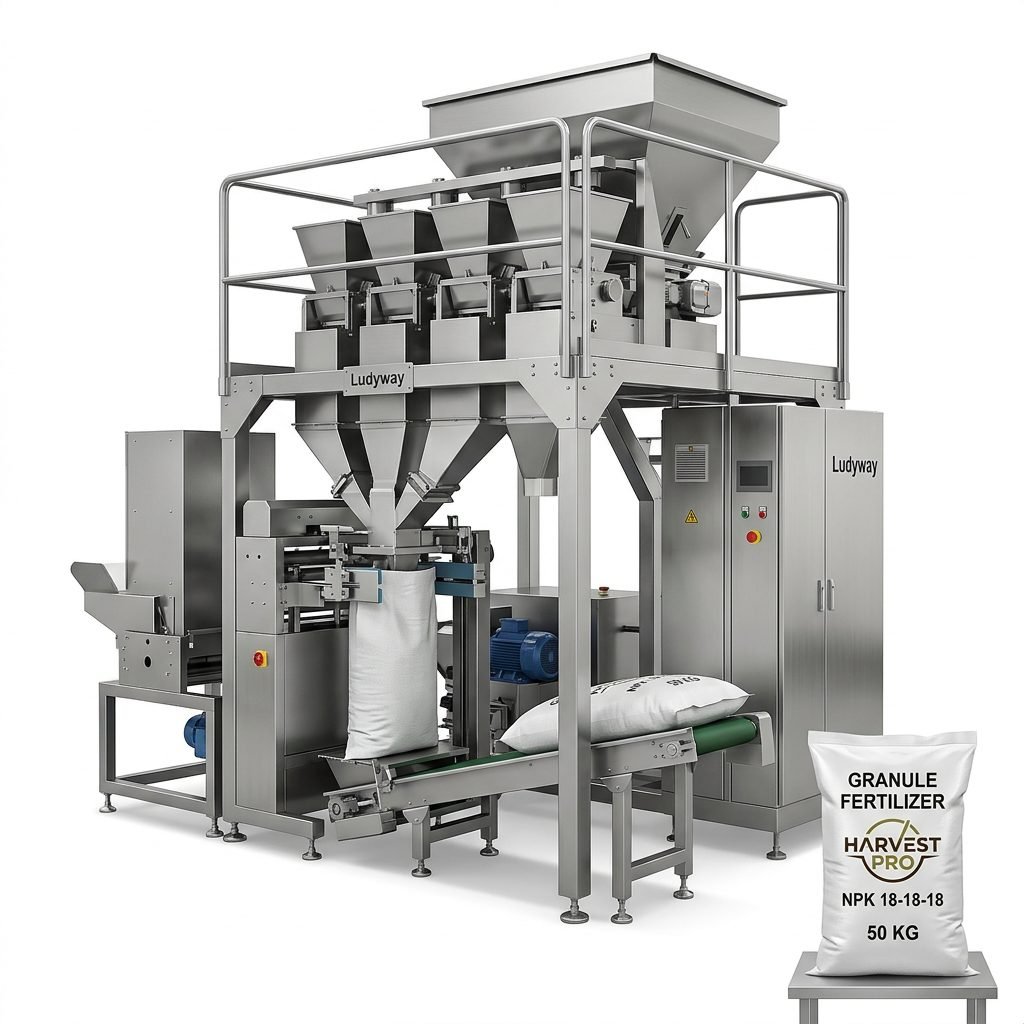
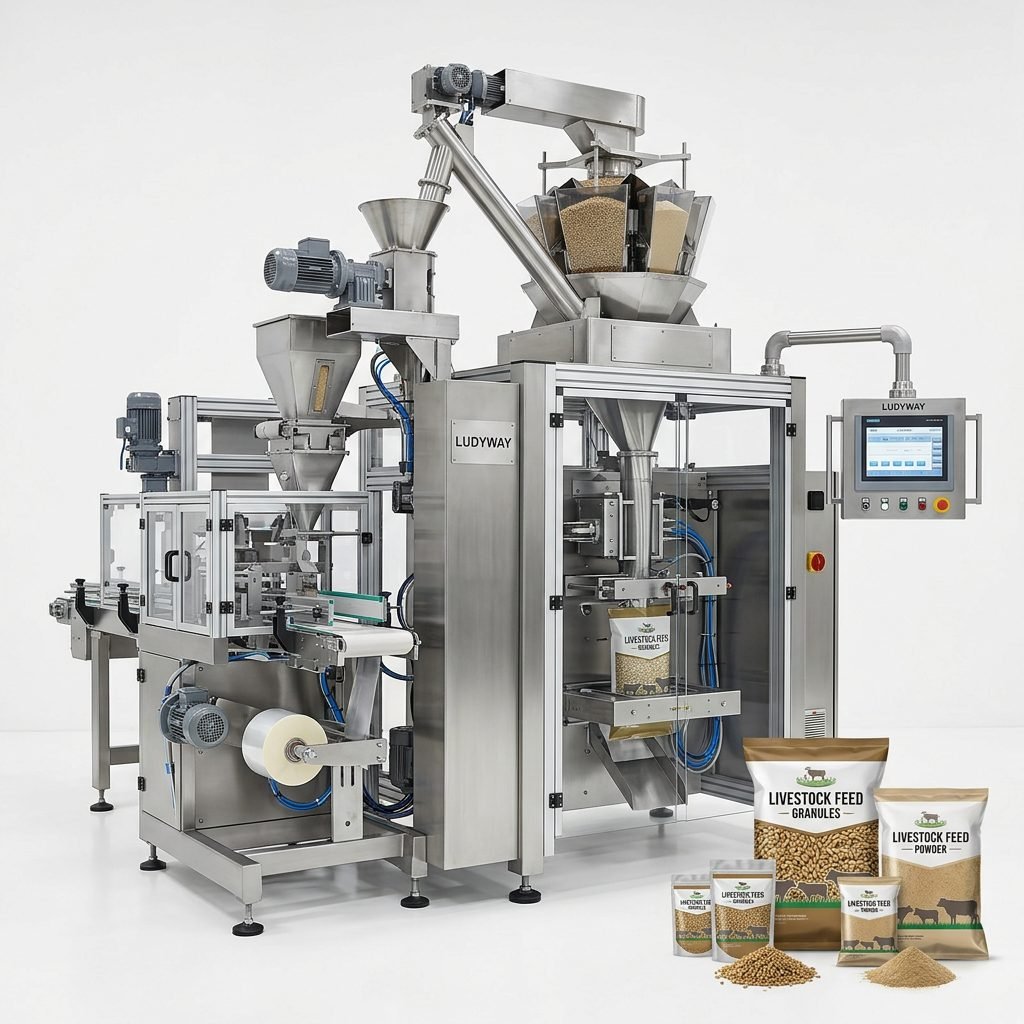
These are the workhorses of the packaging industry. A VFFS machine forms a bag from a roll of film, fills it with the product, and then seals it—all in a continuous vertical process. They are exceptionally versatile and commonly used for packaging granules, powders, seeds, and snacks.
Horizontal Form-Fill-Seal (HFFS) Machines
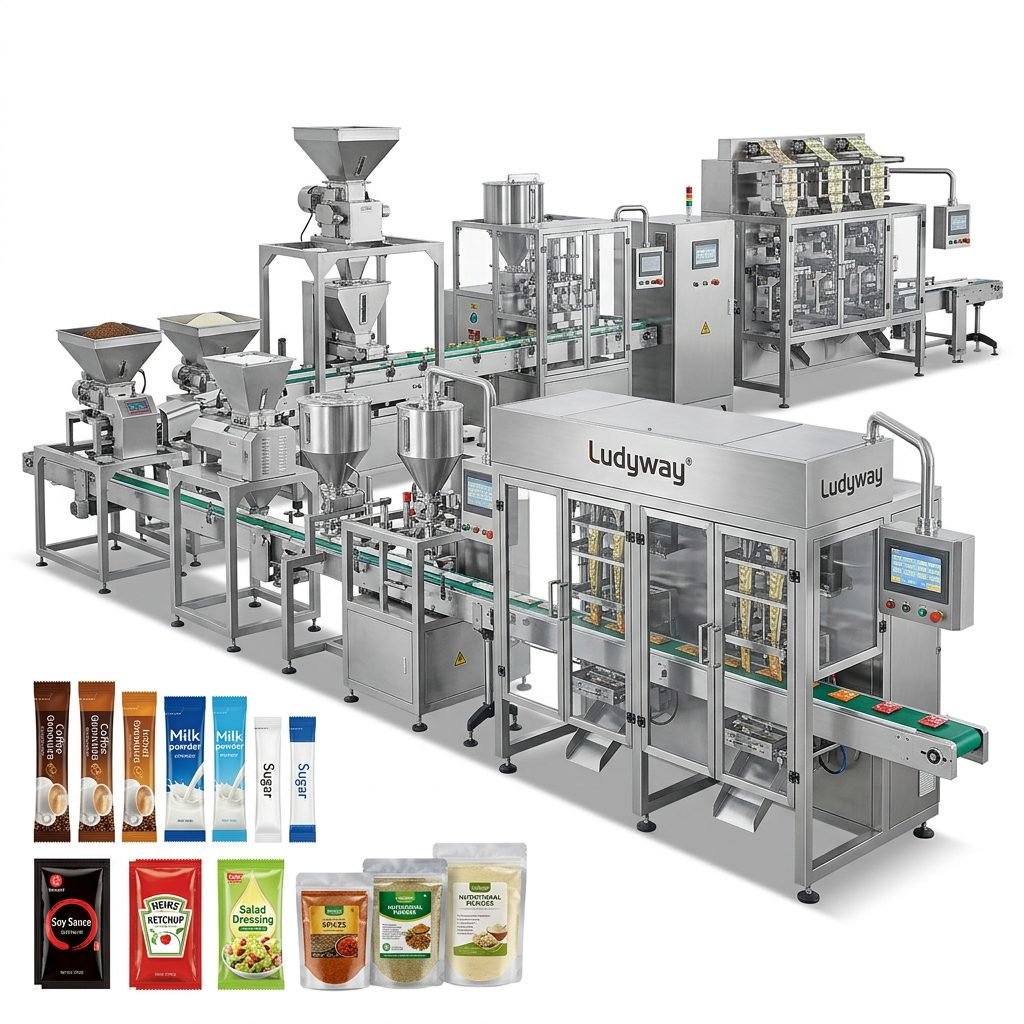
Ideal for products that require a more stable base or specific presentation, HFFS machines form pouches horizontally. They are perfect for creating stick packs, sachets for sauces or shampoo, and portion-control packs for dairy or beverage powders.
Pre-Made Pouch Packaging Machines
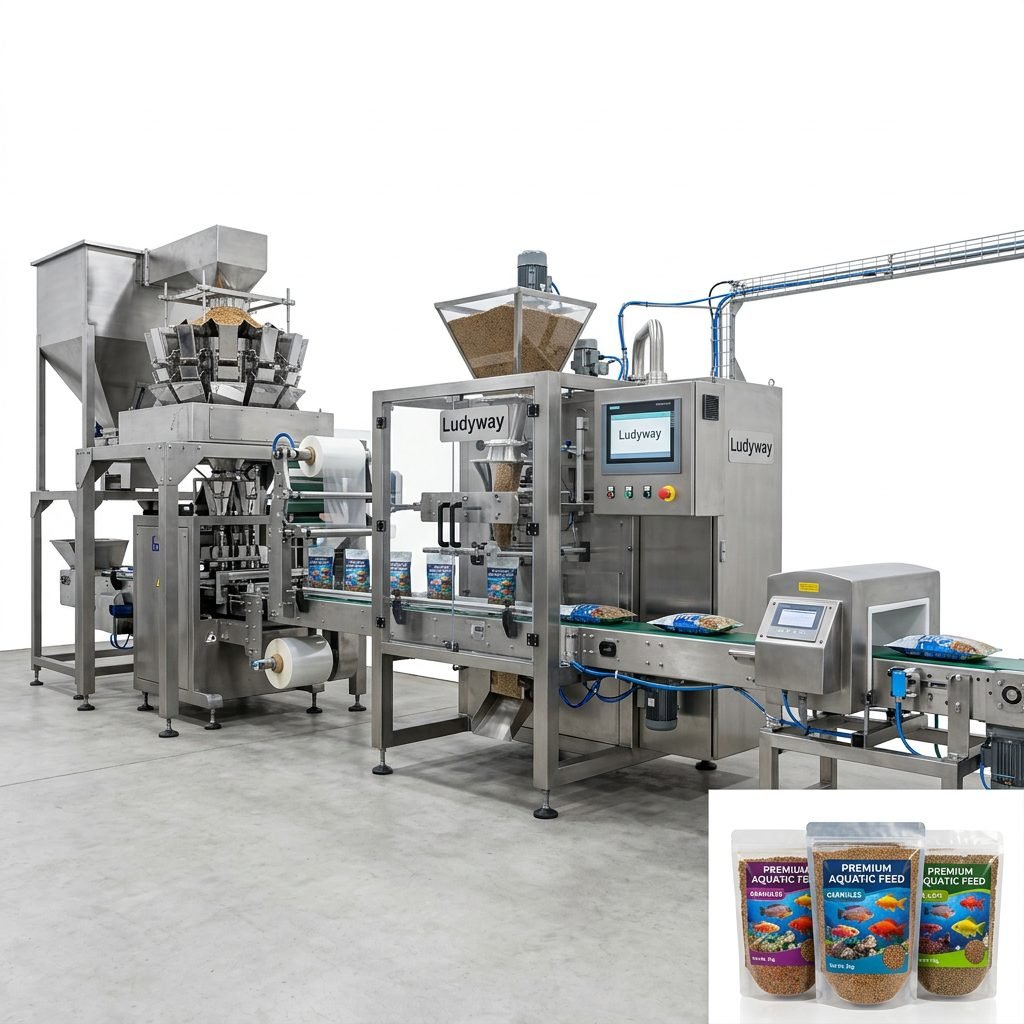
These systems use pre-manufactured, often stand-up, pouches. The machine opens the pouch, fills it, and then seals it. This method is excellent for products requiring high-quality printed packaging or unique pouch shapes that are difficult to form from a roll.
Liquid & Paste Filling Machines
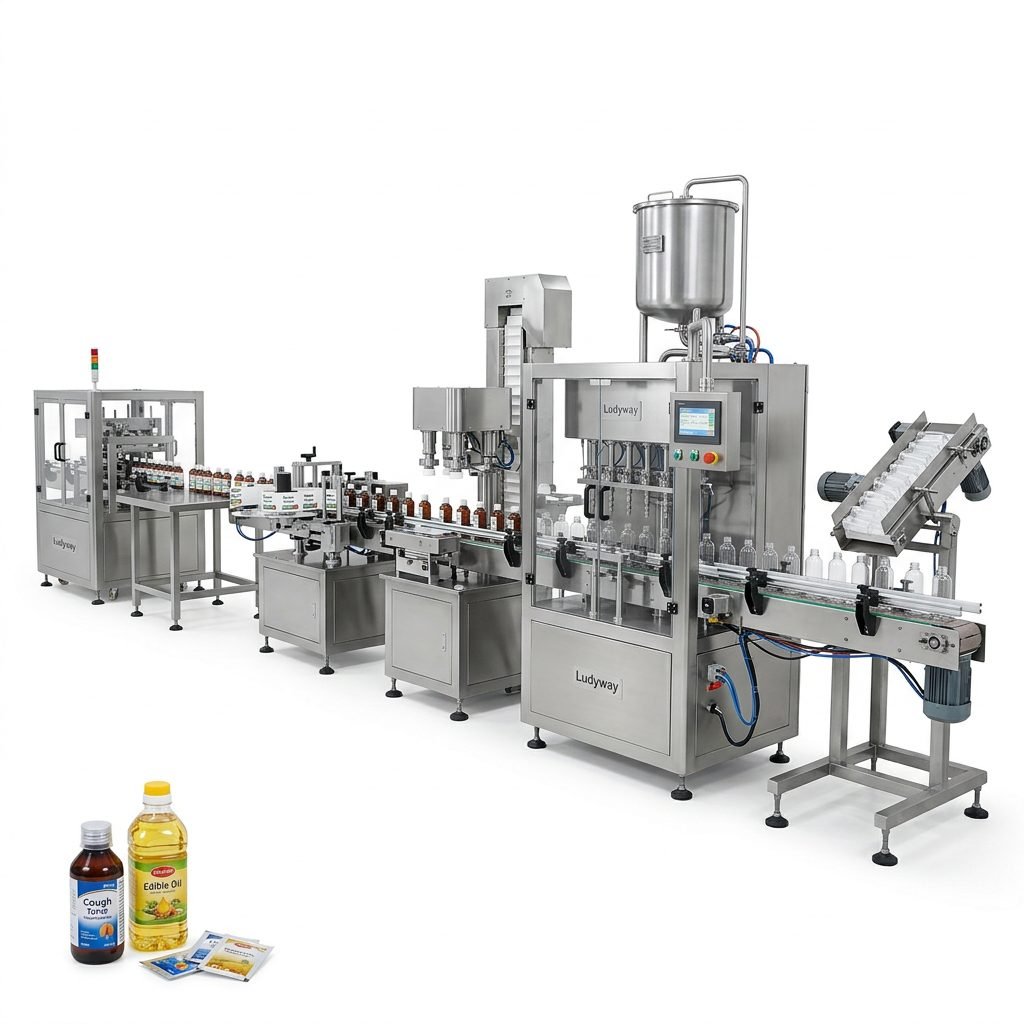
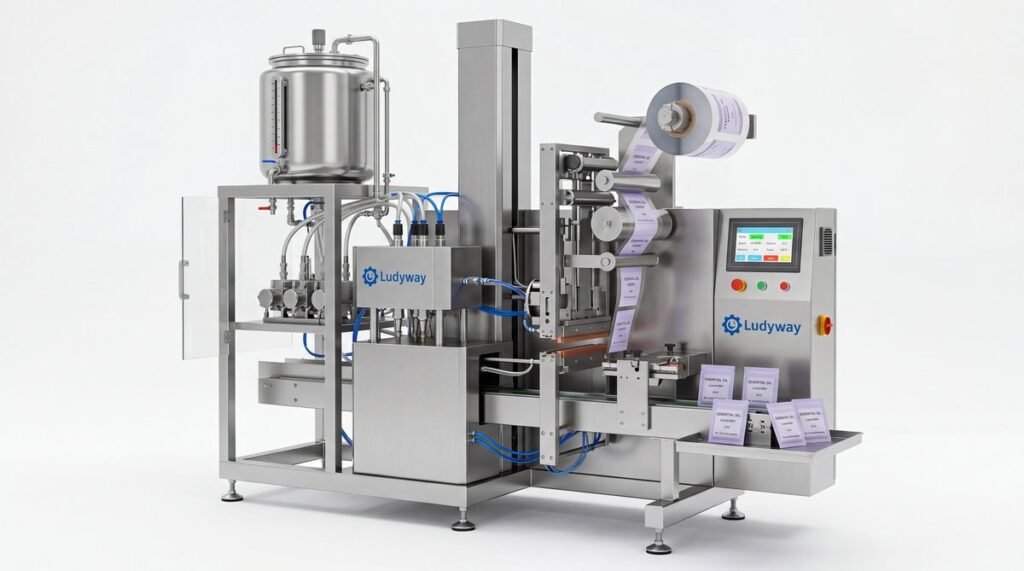
Specifically designed for viscous products, these machines integrate precise filling technology—such as piston fillers or peristaltic pumps—with sealing systems. They are essential for packaging sauces, oils, cosmetics, and pharmaceutical liquids into pouches or bottles.
Essential Features of Modern Packaging Systems
Today’s advanced wolf packaging machines come equipped with features that drive productivity and ensure consistent quality.
Precision Weighing & Filling Systems
Accurate dosing is non-negotiable. Look for machines with multi-head weighers, auger fillers, or liquid pumps that guarantee weight precision, minimizing product giveaway and ensuring compliance with regulatory standards.
Advanced Sealing Technology
A strong, hermetic seal protects the product from moisture, contamination, and spoilage. Features like constant temperature heat control, cool seal bars, and gas flushing capabilities are critical for maintaining product freshness.
User-Friendly PLC Control & HMI
A centralized Programmable Logic Controller (PLC) with a color touchscreen Human-Machine Interface (HMI) allows for easy operation, recipe storage, quick changeovers, and real-time monitoring of production parameters.
Robust Construction & Hygiene Design
Machines built with stainless steel (e.g., SS304) contact parts offer durability, corrosion resistance, and ease of cleaning, which is paramount for food and pharmaceutical applications.
Wide-Ranging Applications Across Industries
The adaptability of automatic packaging machines makes them indispensable in numerous sectors.
- Food & Beverage: Packaging coffee, spices, nuts, powdered drinks, condiments, and frozen foods.
- Pharmaceutical & Healthcare: Dosing powders, granules, or herbal teas into sachets; packaging medical components.
- Daily Chemicals: Filling shampoo, detergent, or moisturizer into single-use sachets or larger pouches.
- Agricultural & Hardware: Packaging seeds, fertilizers, screws, and small hardware items.
How to Choose the Right Wolf Packaging Machine
Selecting the correct machine is a strategic investment. Here is a step-by-step framework to guide your decision.
1. Define Your Product Characteristics
Analyze your product’s physical state (powder, granule, liquid), flowability, abrasiveness, and sensitivity to heat or moisture. This determines the suitable filling and sealing method.
2. Determine Your Packaging Requirements
Specify the desired packaging material (laminate film, aluminum foil), pack size range, and required production speed (packs per minute). Consider future needs for different pack sizes or materials to ensure machine flexibility.
3. Evaluate Machine Capabilities & Integration
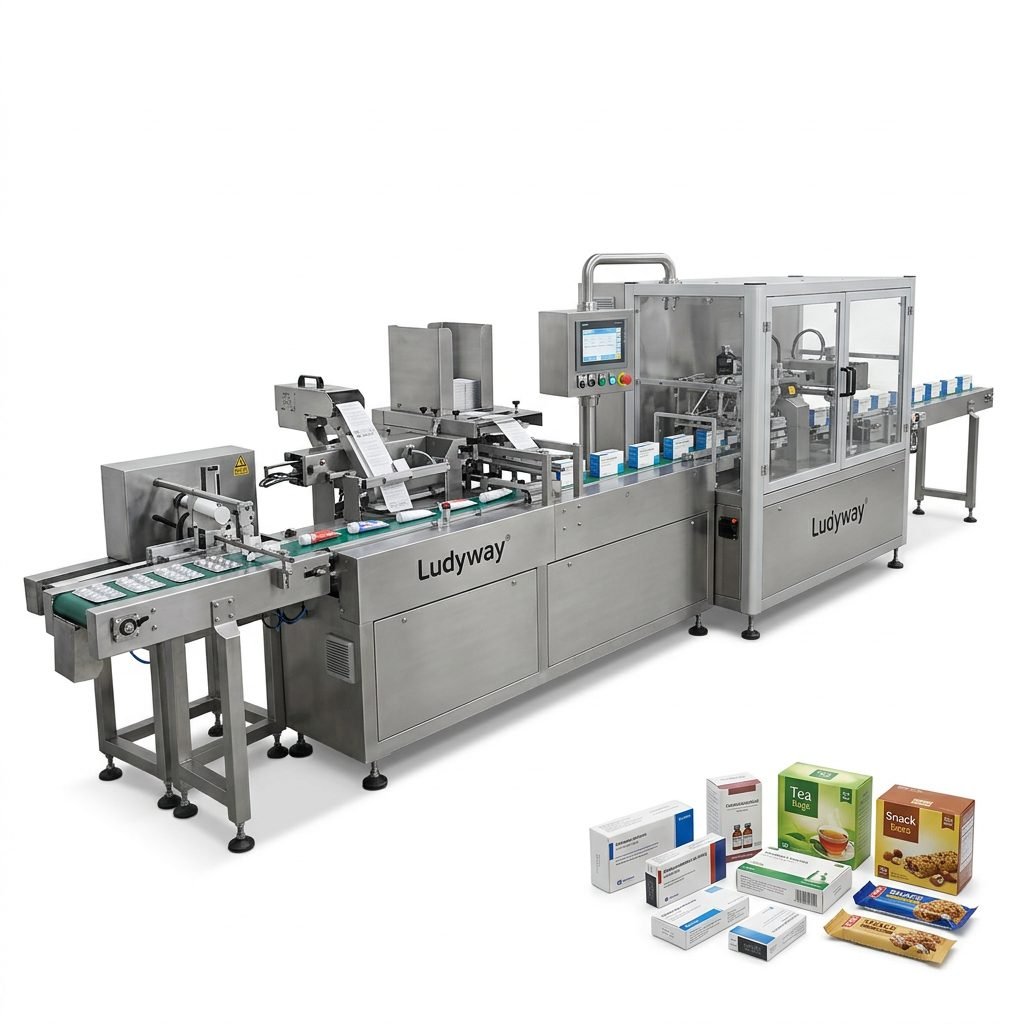
Ensure the machine’s speed and accuracy match your output goals. Consider if you need a standalone unit or a complete turnkey production line integrated with upstream and downstream equipment like conveyors or cartoners.
4. Prioritize Hygiene, Safety, and Compliance
For food or pharma, machines must be easy to clean and sanitize. Verify that the equipment meets relevant industry safety and manufacturing standards (e.g., CE, GMP).
5. Assess Supplier Expertise and Support
Partner with a reputable supplier known for quality and reliability. A provider like Ludyway Machinery, with decades of experience, offers not just equipment but also vital technical support, training, and spare parts service, ensuring long-term operational success. Review their company history and project portfolio to gauge their capability.
Frequently Asked Questions (FAQs)
What is the typical production speed of a wolf packaging machine?
Speeds vary widely based on the machine type and pack size. Standard vertical form-fill-seal machines can range from 40 to 120 bags per minute, while high-speed multi-lane stick pack machines can exceed 600 sticks per minute.
Can one machine handle different types of products?
Many machines are designed for flexibility. With appropriate change parts (like different augers or funnel sizes) and adjustments to sealing parameters, a single machine can often package a range of similar products (e.g., different granule sizes). However, switching between vastly different formats (e.g., powder to liquid) typically requires a different machine model.
How important is after-sales service when purchasing?
Extremely important. Reliable after-sales service, including readily available spare parts, responsive technical support, and operator training, is critical for minimizing downtime and ensuring the long-term productivity and return on investment of your packaging line.
What are the key maintenance requirements?
Regular daily cleaning, periodic lubrication of moving parts as per the manual, and inspection of critical components like sealing jaws, film pull belts, and filters are essential. Preventive maintenance schedules provided by the supplier should be strictly followed.
How do I ensure my packaging is airtight and leak-proof?
This depends on the correct combination of packaging material and machine settings. The film must have suitable sealing layers, and the machine’s sealing temperature, pressure, and dwell time must be precisely calibrated for that specific material. Conducting seal integrity tests is a standard practice during setup.