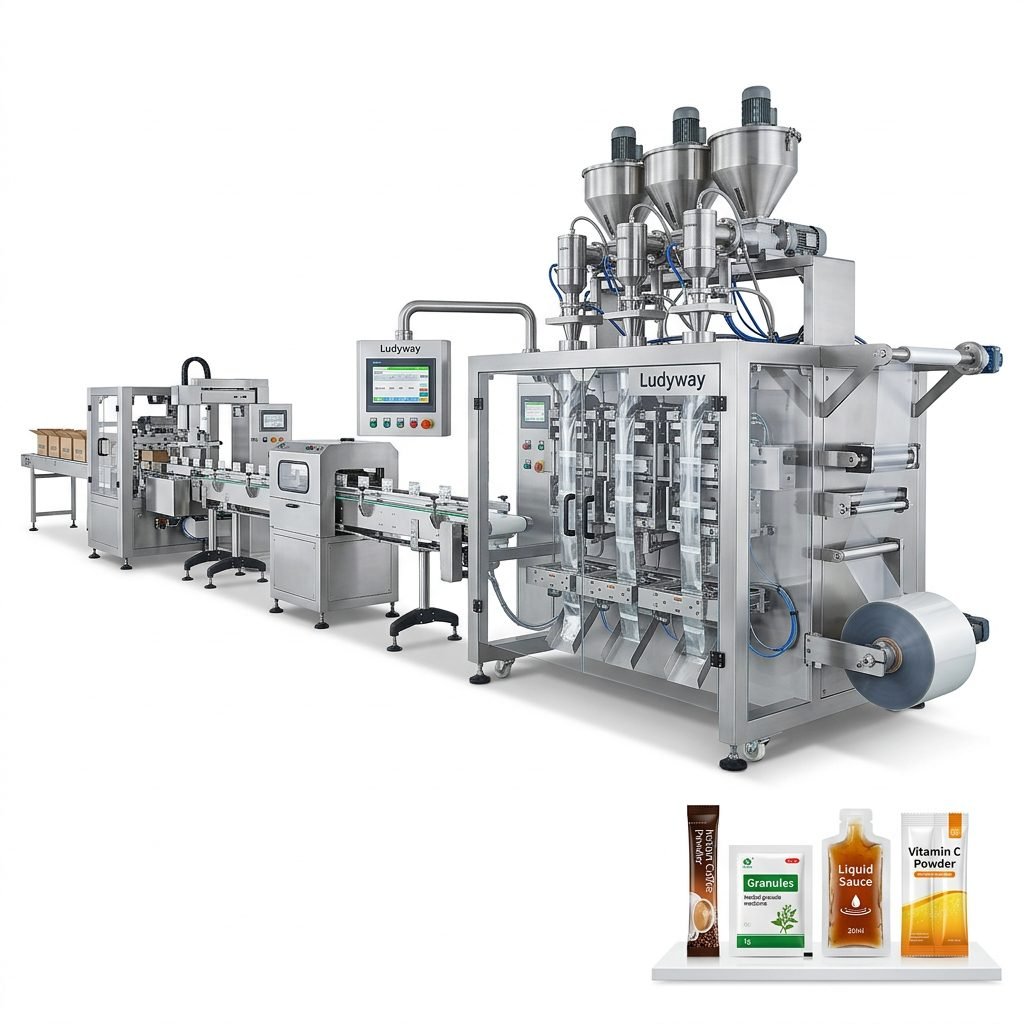
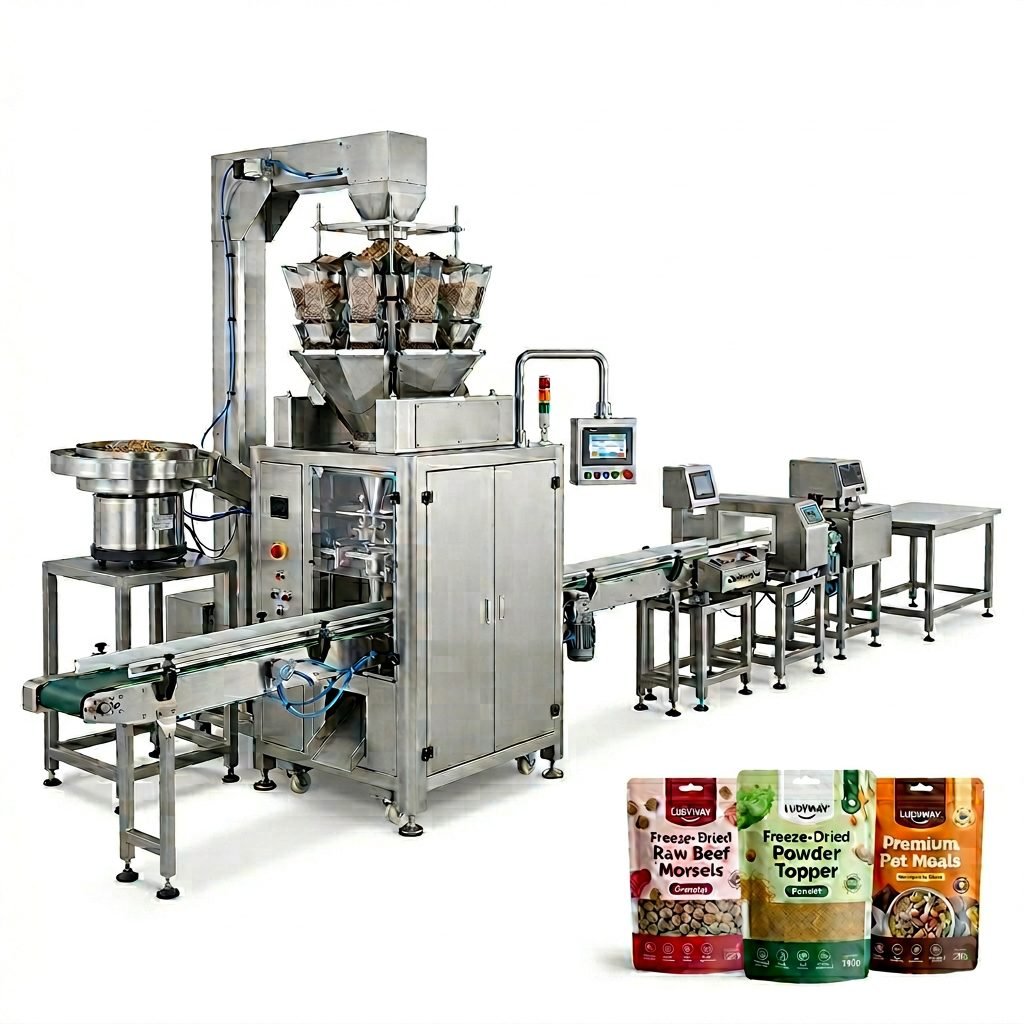
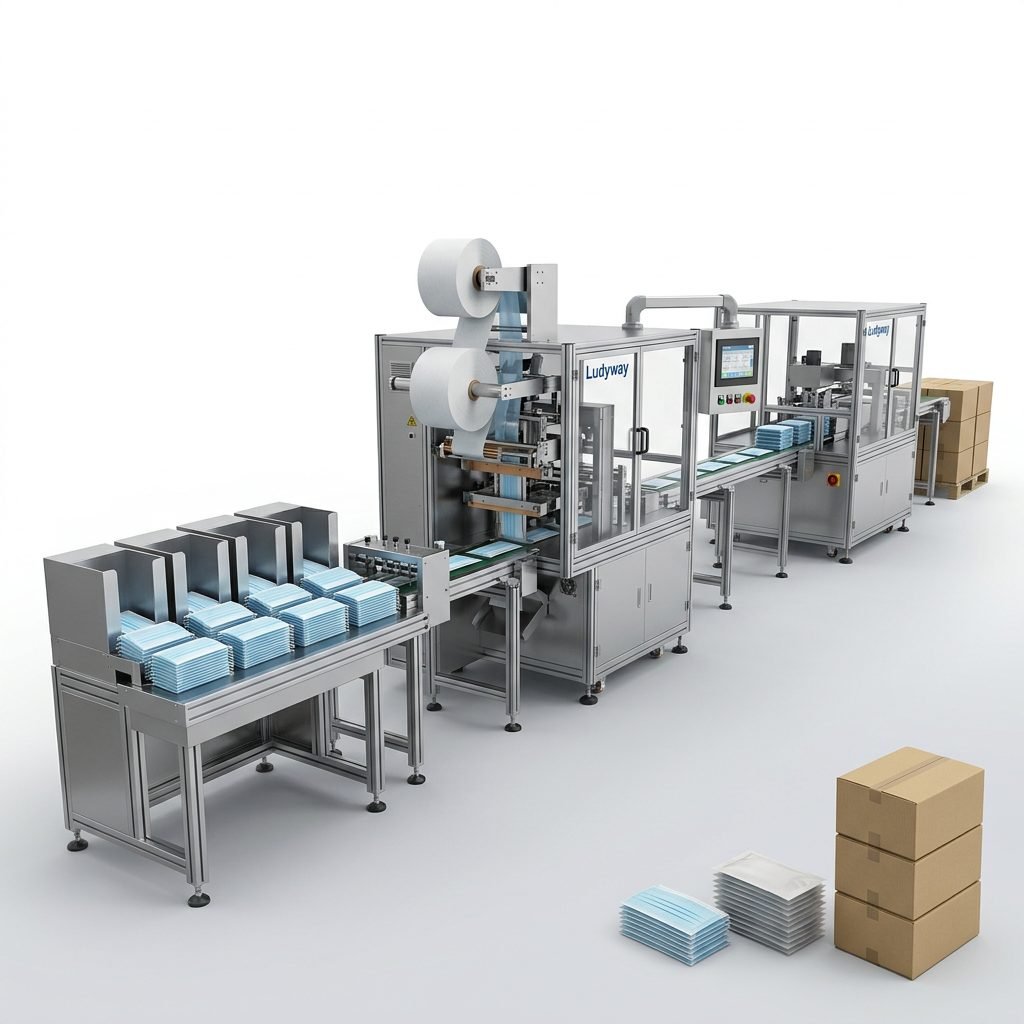
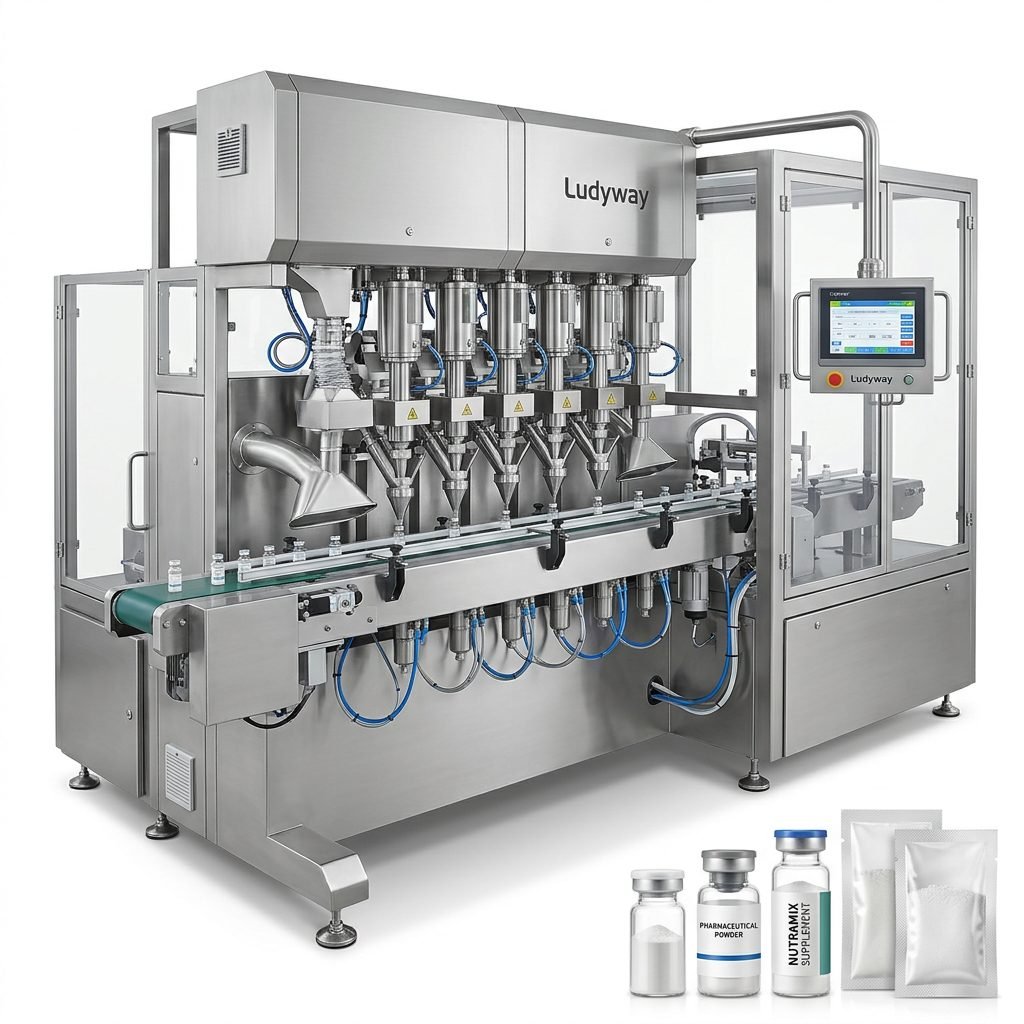
Skin packaging is widely used in food, hardware, medical supplies, consumer goods, and industrial parts because it creates a tight, secure, and display-friendly package. If you are evaluating a skin packaging machine for your factory, understanding how the system works, what benefits it offers, and how to choose the right configuration can help you avoid costly mistakes.
This guide explains the complete process in practical terms, from material loading to final sealing, while also covering machine types, application scenarios, buying factors, and maintenance tips.
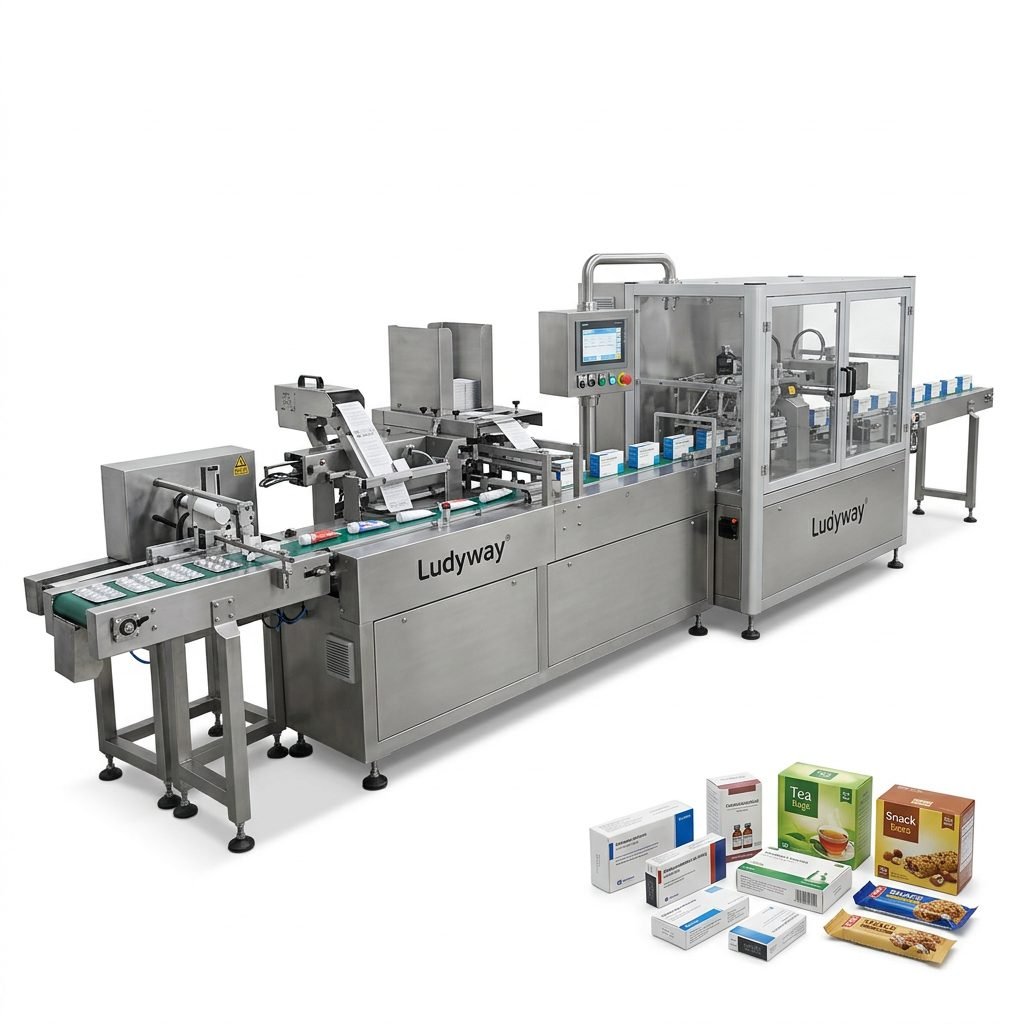
What Is a Skin Packaging Machine?
A skin packaging machine is a packaging system that uses a heated plastic film to closely conform around a product and bond it to a backing material, such as paperboard, cardboard, or specialized film. Once vacuum is applied, the softened top film wraps the contours of the product like a second skin, which is where the packaging method gets its name.
This packaging style is commonly chosen when manufacturers want products to be:
- Clearly visible on retail shelves
- Protected from movement during transport
- Neatly fixed to a backing card
- Presented in an organized, tamper-evident format
Typical products packed with skin packaging machines
- Fresh meat, seafood, and prepared foods
- Tools and hardware accessories
- Medical and diagnostic components
- Electronic parts
- Consumer goods and promotional kits
- Industrial spare parts
How a Skin Packaging Machine Works
Although designs vary by industry, most skin packaging machines follow the same basic operating principle. The machine heats a top film until it becomes flexible, places it over the product and support card or tray, and then removes air so the film tightly conforms to the item.
Step-by-step process
- Product placement: The operator or automatic feeder positions the product on a backing card, tray, or lower support material.
- Film feeding: The upper skin film is pulled into the sealing area.
- Heating: The film is heated to the correct forming temperature so it becomes soft and stretchable.
- Vacuum application: Air is evacuated from the chamber or packaging zone.
- Film forming: The heated film drapes over and around the product contours.
- Sealing: The film seals to the backing substrate around the product area.
- Cooling and release: The pack stabilizes and is discharged for trimming, coding, or cartoning.
Core machine components
| Component | Function |
|---|---|
| Film unwinding system | Feeds top film smoothly into the forming area |
| Heating station | Softens the film for forming and sealing |
| Vacuum chamber or zone | Removes air so the film fits the product tightly |
| Sealing plate | Bonds film to tray, board, or support layer |
| Control system | Manages temperature, vacuum, timing, and recipe settings |
| Cutting or discharge unit | Separates or transfers finished packs |
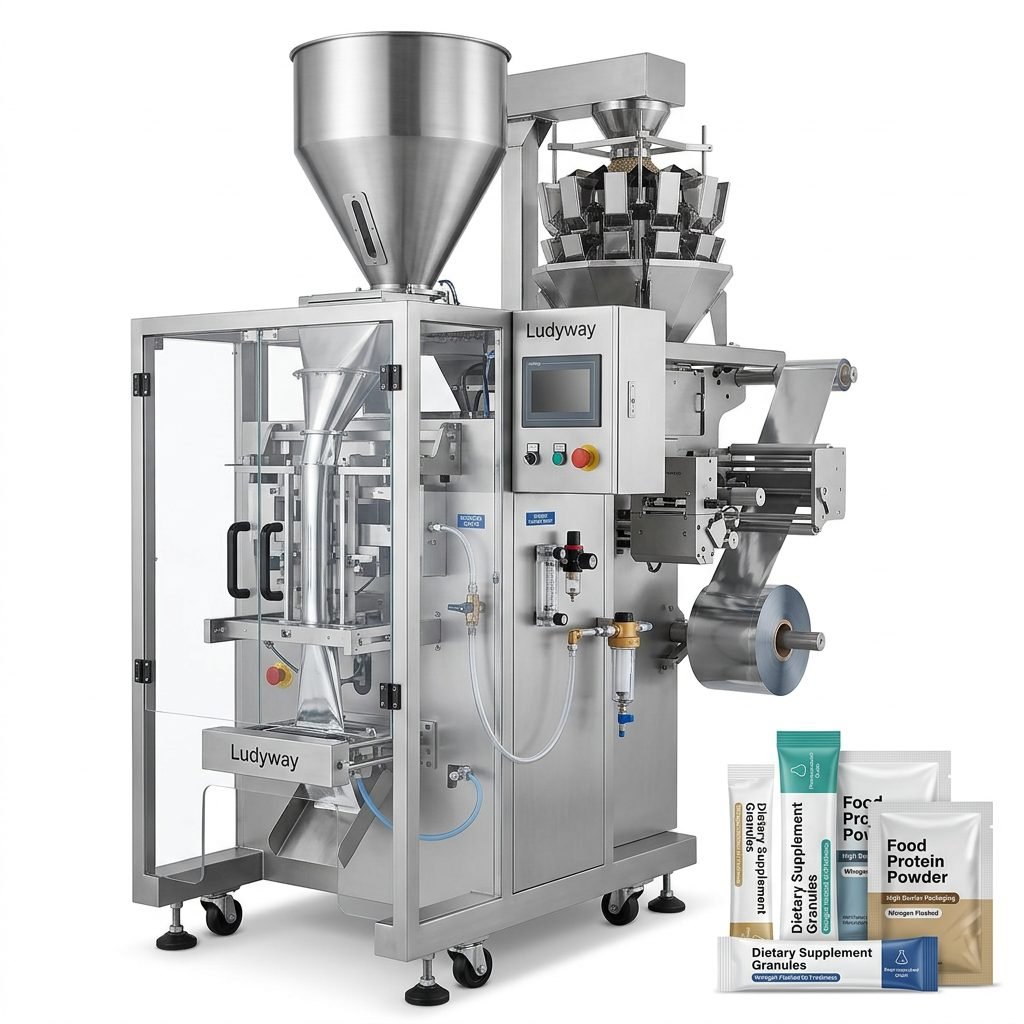
Main Types of Skin Packaging Machines
Choosing the right machine starts with understanding the main equipment categories. Skin packaging systems are generally divided by their level of automation and by application type.
1. Manual skin packaging machines
These are usually suitable for small workshops, packaging labs, product sampling, or low-volume businesses. They require more operator involvement and offer lower output, but the initial investment is relatively low.
2. Semi-automatic skin packaging machines
Semi-automatic models balance labor and productivity. Operators load products manually, while heating, vacuuming, and sealing are machine-controlled. This option is common for medium-sized manufacturers that need stable quality without the cost of a fully automatic line.
3. Automatic skin packaging machines
Automatic systems are built for continuous production. They can integrate conveyors, infeed units, labeling, coding, inspection, and cartoning equipment. They are ideal for factories seeking higher throughput, consistent packaging quality, and lower labor dependency.
4. Vacuum skin packaging machines for food
In food applications, especially fresh protein products, vacuum skin packaging is popular because it improves product presentation and can help extend shelf life when paired with suitable materials and hygienic processing controls.
Benefits of Using a Skin Packaging Machine
Skin packaging has become a preferred format across many industries because it delivers both practical and commercial advantages.
Better product presentation
The film tightly follows the product shape, creating a clean, premium appearance. Buyers can clearly see the product, which improves retail appeal and brand trust.
Improved product stability
Because the film holds the item in place, the product is less likely to shift during transportation. This is especially useful for sets, kits, and irregularly shaped items.
Enhanced protection
Skin packaging helps protect products from dust, handling, and certain external contaminants. In many applications, it also reduces the risk of scratching or damage.
Reduced material waste
Compared with some bulky rigid packaging formats, skin packaging can use material more efficiently while still securing the product well.
Stronger shelf impact
This format combines visibility and structure, making it effective for retail merchandising. Hanging display options and printed backing cards add further branding value.
Supports automation
Modern machines can be integrated into upstream and downstream equipment, making skin packaging suitable for factories aiming to improve overall production flow.
| Benefit | Business Value |
|---|---|
| Tight product fixation | Less product movement and fewer transport issues |
| Clear visibility | Improved retail presentation and customer confidence |
| Compact pack design | Better storage and display efficiency |
| Automation compatibility | Higher output and lower labor cost over time |
| Custom branding options | More attractive packaging for competitive markets |
Industries That Commonly Use Skin Packaging
Skin packaging machines are highly adaptable, which makes them useful in many sectors.
Food industry
Fresh meat, seafood, ready meals, and premium food portions often use vacuum skin packaging to improve appearance and package integrity.
Medical and pharmaceutical sector
Certain instruments, test kits, and medical accessories benefit from organized presentation and stable positioning in pack.
Hardware and industrial products
Nails, tools, drill bits, fittings, and repair parts are often packaged this way to prevent movement and improve display.
Consumer goods
Cosmetic accessories, batteries, stationery, and household items may be presented in skin packs for hanging retail display.
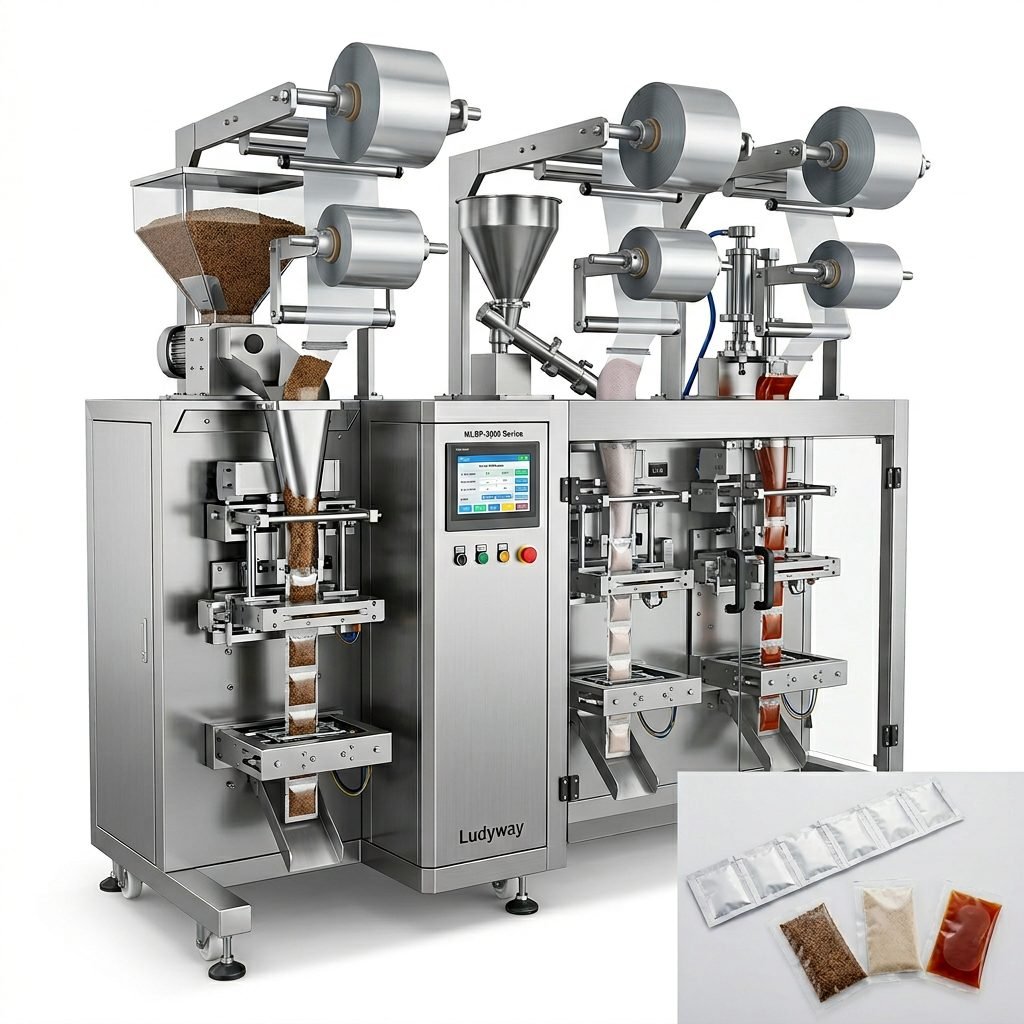
How to Choose the Right Skin Packaging Machine
The best machine is not simply the fastest or the cheapest. It is the one that matches your product, output target, packaging material, and long-term business plan.
1. Define your product characteristics
- Product size and shape
- Fragility and surface sensitivity
- Weight and thickness
- Food or non-food application
- Need for vacuum preservation or only display fixation
2. Confirm packaging materials
Not all machines handle the same film and backing materials. Check compatibility with:
- Skin film thickness range
- Tray or card materials
- Seal layer specifications
- Barrier film needs for food packaging
3. Estimate output requirements
A startup may only need low to medium output, while a large manufacturer may need fully automatic continuous operation. Choosing too small a machine can create bottlenecks, while overspending on excess capacity can delay ROI.
4. Review automation level
Think beyond the sealing step. Do you also need:
- Automatic loading
- Date coding
- Labeling
- Inspection systems
- Cartoning or case packing
- Connection to existing conveyors
5. Consider hygiene and compliance needs
For food, pharma, and medical products, machine design should support cleaning, sanitary operation, and compliance with relevant production standards.
6. Check machine stability and service support
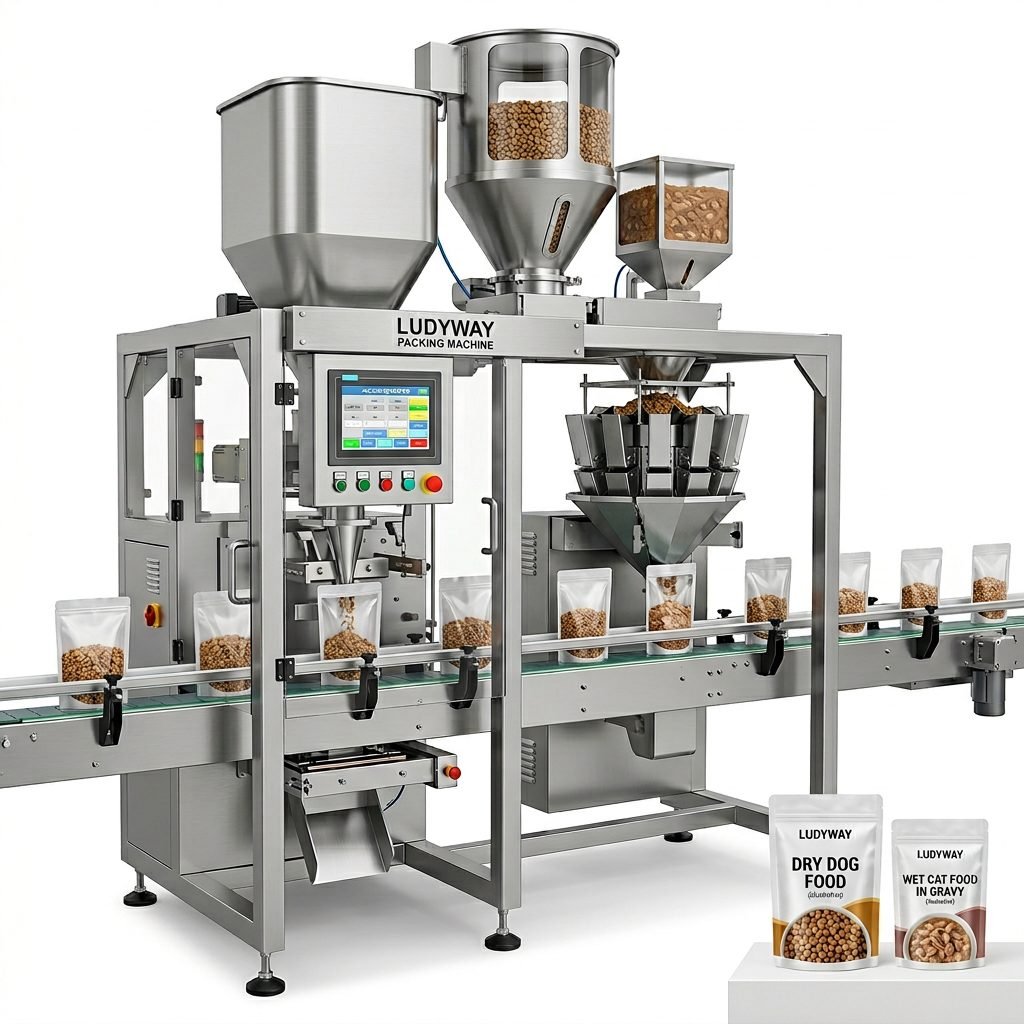
A reliable supplier should provide documentation, installation guidance, spare parts support, training, and after-sales service. For buyers seeking broader automation support, working with an experienced packaging equipment manufacturer such as Ludyway packaging machine solutions can be helpful when projects involve not only a single machine but also integrated packaging lines.
7. Evaluate total cost, not only purchase price
The cheapest machine may cost more in the long run if it causes downtime, poor seal quality, high waste, or maintenance problems. Assess the full lifecycle cost.
| Selection Factor | Why It Matters |
|---|---|
| Product dimensions | Determines chamber size, film width, and sealing area |
| Production speed | Affects machine type and automation level |
| Material compatibility | Prevents seal failure and unstable pack quality |
| Industry compliance | Critical for food, pharma, and medical packaging |
| After-sales support | Helps maintain uptime and long-term machine performance |
Questions to Ask Before Buying
- What products will be packed now and in the next 3 to 5 years?
- What is the required packs-per-minute rate?
- What packaging materials are already approved in your factory?
- Do you need a standalone machine or a complete packaging line?
- How easy is changeover between different product sizes?
- What spare parts are recommended for the first year?
- What level of operator training is included?
- Can the machine integrate with inspection, coding, and cartoning systems?
Common Problems and How to Avoid Them
Poor film conformity
This may be caused by incorrect heating temperature, unsuitable film, or insufficient vacuum. Proper parameter tuning and material matching are essential.
Weak sealing
Weak seals often result from dirty seal surfaces, improper dwell time, or incompatible substrates. Regular inspection helps reduce defects.
Wrinkles or trapped air
This can happen if the film is overheated, underheated, or misaligned. Machine calibration and operator training are important.
Low efficiency
Frequent stoppages may indicate the machine is undersized for demand or that the infeed and discharge systems are not balanced with the packaging cycle.
Maintenance Tips for Long-Term Performance
Routine maintenance plays a major role in packaging consistency and machine lifespan.
- Clean sealing surfaces and contact areas regularly
- Check vacuum performance and air lines
- Inspect heaters and temperature sensors
- Monitor film tracking and tension
- Lubricate moving parts according to the manual
- Keep spare wear parts in stock
- Record parameter settings for repeat products
Is a Skin Packaging Machine Worth the Investment?
For many manufacturers, the answer is yes, especially when product presentation, pack stability, and packaging efficiency matter. A suitable machine can help reduce manual handling, improve package consistency, support branding, and create a more professional final product.
The real value depends on matching the machine to your production reality. Businesses with growing output, diverse SKUs, or stricter packaging quality standards often see stronger long-term returns from a well-selected system.
Final Buying Insight
When comparing skin packaging machines, focus on application fit, stability, material compatibility, and supplier capability. A machine that performs reliably every day is more valuable than one that looks attractive on paper but struggles in real production.
If you begin with a clear understanding of your product type, packaging goals, automation needs, and future expansion plans, you will be in a much stronger position to choose the right skin packaging solution for your business.