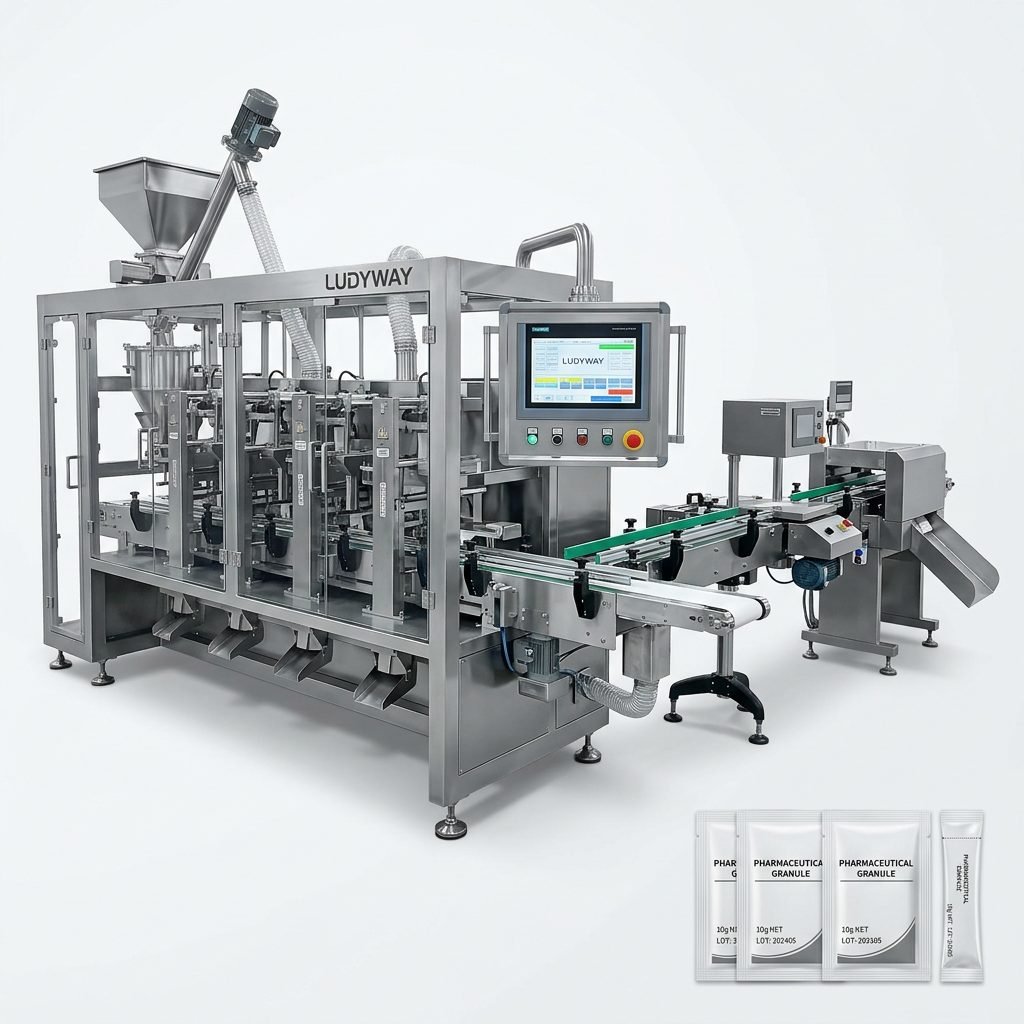
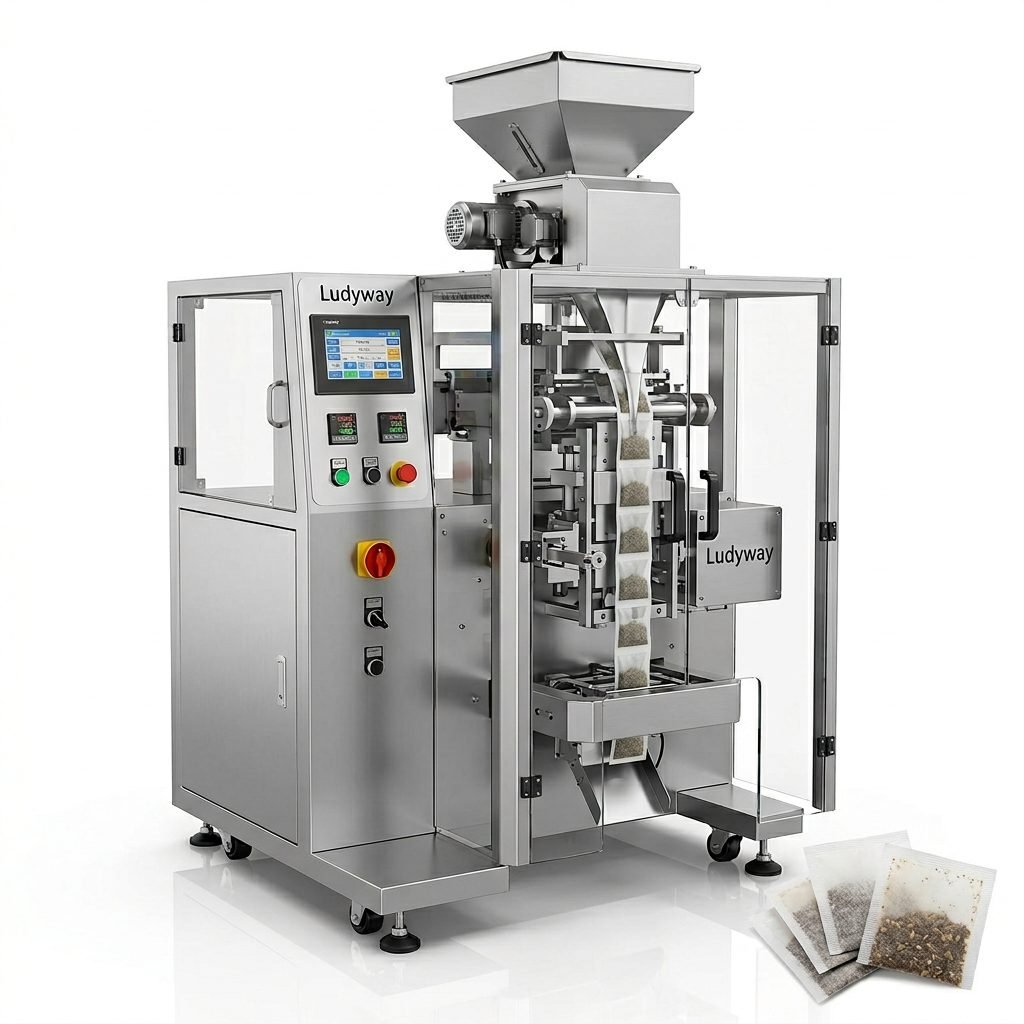
Sustainability is no longer a niche topic in packaging. Brands across food, pharmaceutical, personal care, and household product sectors are under growing pressure to reduce plastic waste, improve recyclability, and meet retailer as well as consumer expectations. One of the most common questions manufacturers ask is simple: can packaging machines use recyclable films?
The short answer is yes—but not every machine, film structure, or production setup will perform the same way. Recyclable films often behave differently from conventional multilayer laminates, which means sealing temperature, tension control, feeding stability, forming accuracy, and line speed may all need adjustment.
What Are Recyclable Films in Modern Packaging?
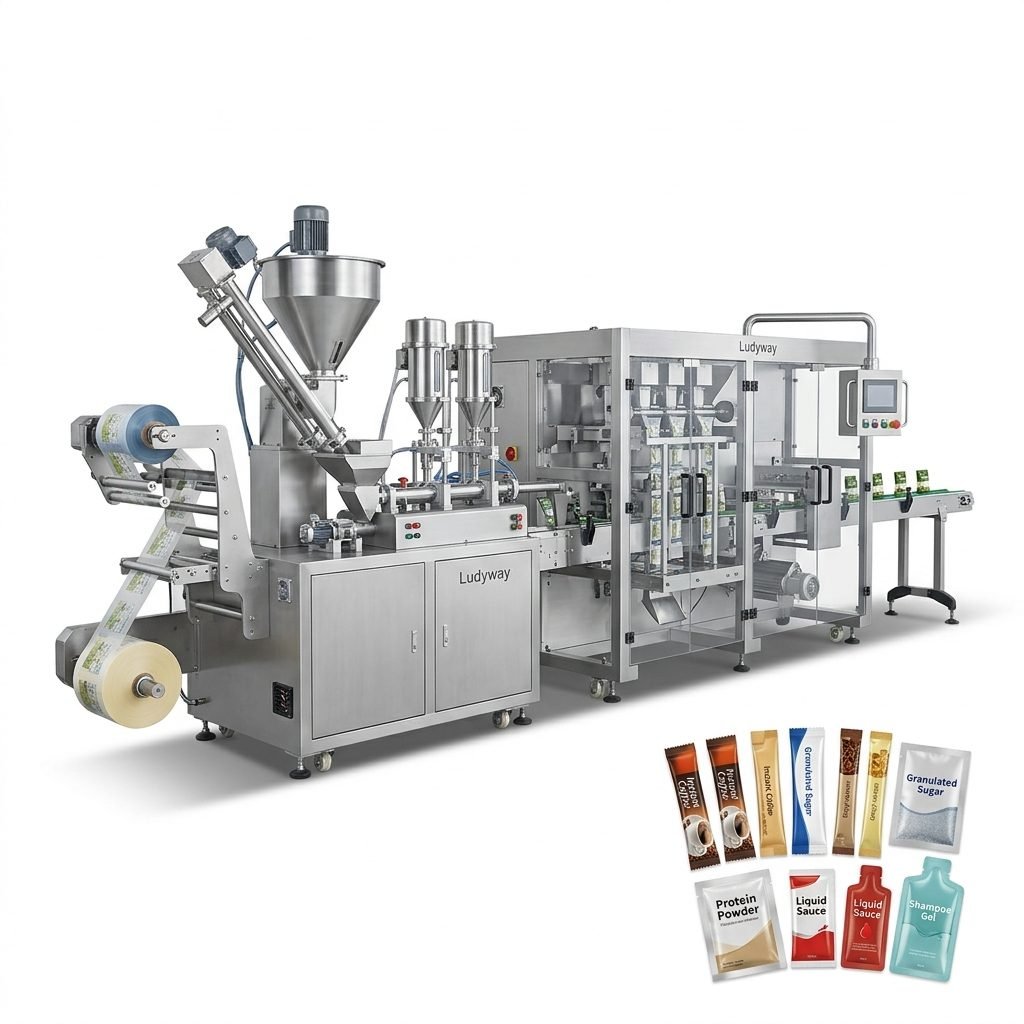
Recyclable films are flexible packaging materials designed to be processed through established recycling streams more easily than traditional mixed-material laminates. In many cases, this means moving toward mono-material structures, such as all-PE or all-PP films, instead of combining several incompatible layers.
These films may be used for sachets, stick packs, pouches, pillow bags, and other flexible formats. Depending on the application, recyclable films can offer barrier performance, printability, puncture resistance, and sealability suitable for a wide range of products.
Common examples include:
- Mono-PE films for pouches and soft packs
- Mono-PP films for selected dry product packaging
- Recycle-ready laminates with compatible layer structures
- Films containing post-consumer recycled content in some applications
- Paper-based recyclable flexible materials with sealant layers for specific uses
Can Standard Packaging Machines Run Recyclable Films?
Many packaging machines can run recyclable films, but compatibility depends on several technical factors. Some existing machines can switch with only parameter adjustments, while others may need hardware upgrades or customized sealing components.
This is because recyclable films may have different:
- Coefficient of friction
- Seal initiation temperature
- Hot tack performance
- Stiffness and curl tendency
- Tear strength and elongation behavior
- Barrier layer sensitivity to heat
If a machine was originally optimized for traditional PET/AL/PE or PET/PE laminates, performance with recyclable films may change at higher speeds. However, with correct engineering support, many vertical form fill seal machines, sachet machines, stick pack systems, premade pouch machines, and integrated packaging lines can be adapted successfully.
Key Factors That Determine Film Compatibility
1. Sealing System
The sealing jaw design is one of the first things to evaluate. Recyclable films may require narrower heat windows or different dwell times. A machine with precise temperature control and stable pressure is more likely to deliver reliable seals.
2. Film Transport and Tension Control
Some recyclable films stretch more easily or track differently during unwinding and forming. Servo-driven film pulling, dancer systems, and accurate tension management help reduce wrinkles, misalignment, and registration issues.
3. Product Type
Dry powders, granules, liquids, gels, and pastes place different demands on the package. A recyclable film suitable for coffee sticks may not work well for oily products, aggressive powders, or high-moisture contents without the correct barrier design.
4. Machine Speed
At lower to medium speeds, many recyclable materials perform quite well. At very high outputs, seal consistency and web handling become more critical. The machine must maintain accuracy without causing film distortion.
5. Package Format
Flat sachets, stick packs, gusset bags, and stand-up pouches each affect how the material forms and seals. More complex package shapes generally demand better film stability and more refined machine control.
Benefits of Using Recyclable Films on Packaging Machines
| Benefit | Why It Matters |
|---|---|
| Improved sustainability profile | Helps brands align with eco-friendly goals and retailer sustainability programs. |
| Better consumer perception | Packaging claims around recyclability can support brand trust and market positioning. |
| Regulatory preparedness | Makes it easier to respond to evolving packaging regulations and EPR-related pressures. |
| Potential material simplification | Mono-material structures can streamline packaging design and procurement decisions. |
| Long-term competitiveness | Brands adopting recyclable formats early can stay ahead of market changes. |
Challenges When Running Recyclable Films
Although the opportunity is real, there are practical challenges. Packaging buyers should evaluate them before switching materials at scale.
Typical issues include:
- Seal strength variation at high speed
- Higher sensitivity to heat or pressure settings
- Film curling, wrinkling, or tracking instability
- Reduced stiffness compared with conventional laminates
- Potential barrier limitations for oxygen, moisture, or aroma-sensitive products
- Need for repeated trial runs before commercial launch
These are not reasons to avoid recyclable films. They simply show why machine-film matching is essential.
Which Packaging Machines Are Most Suitable?
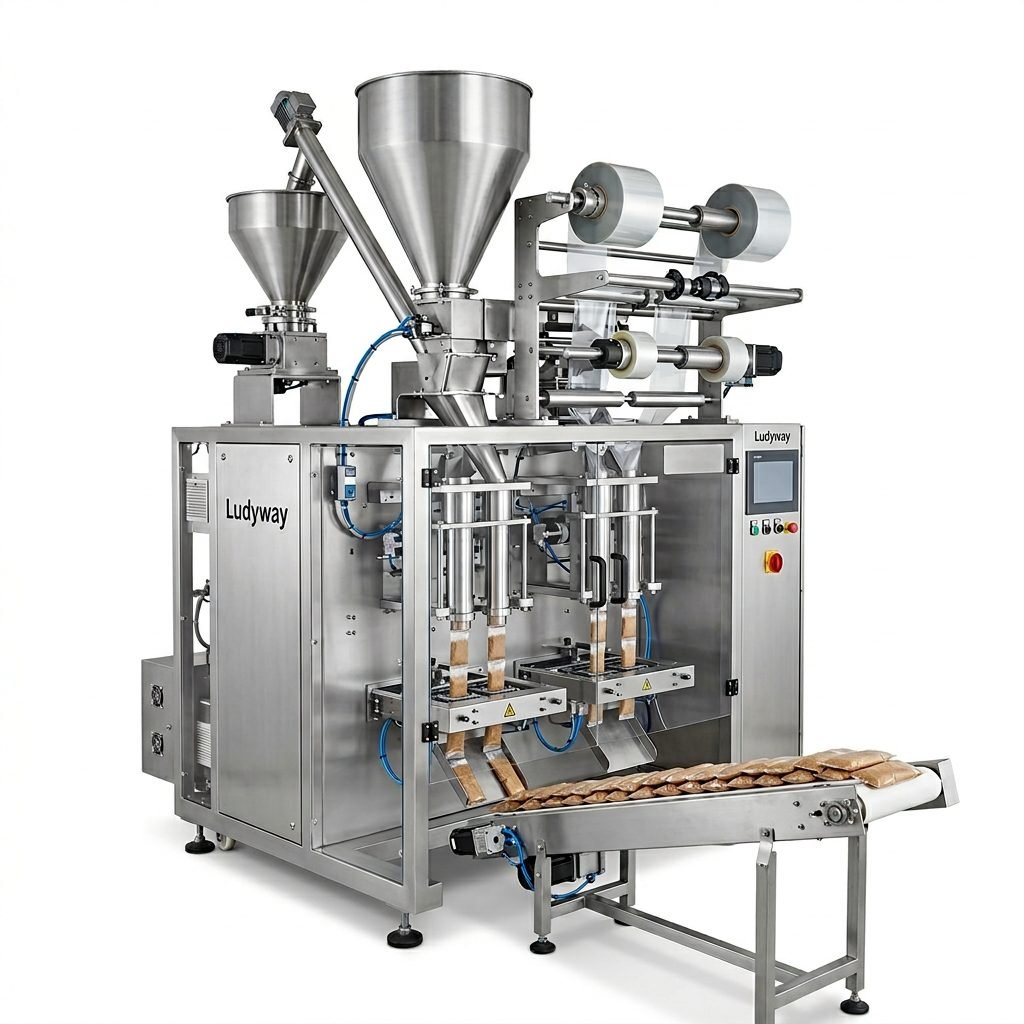
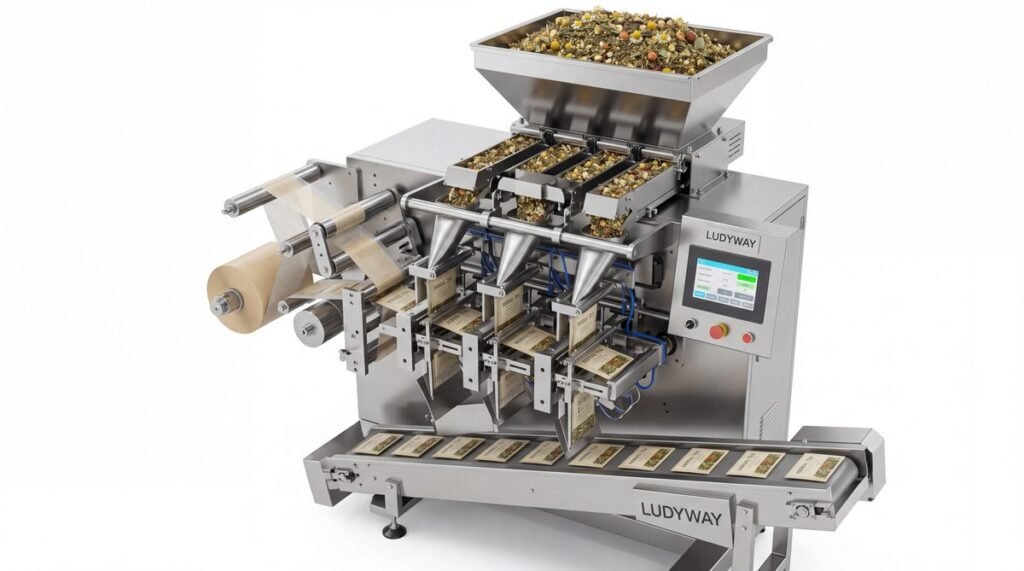
Vertical Form Fill Seal Machines
VFFS systems are commonly used for powders, granules, and snacks. They can often run recyclable films effectively if sealing jaws, film collars, and tension systems are properly configured.
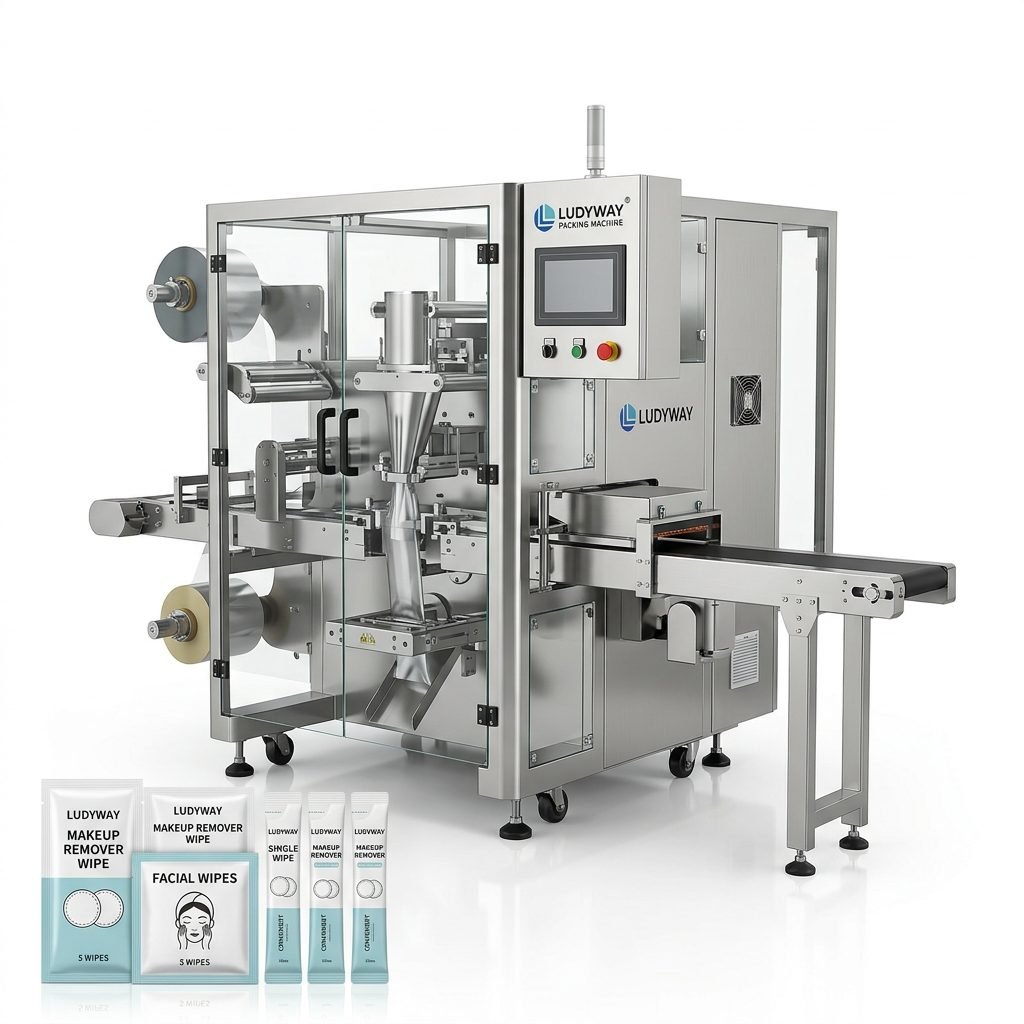
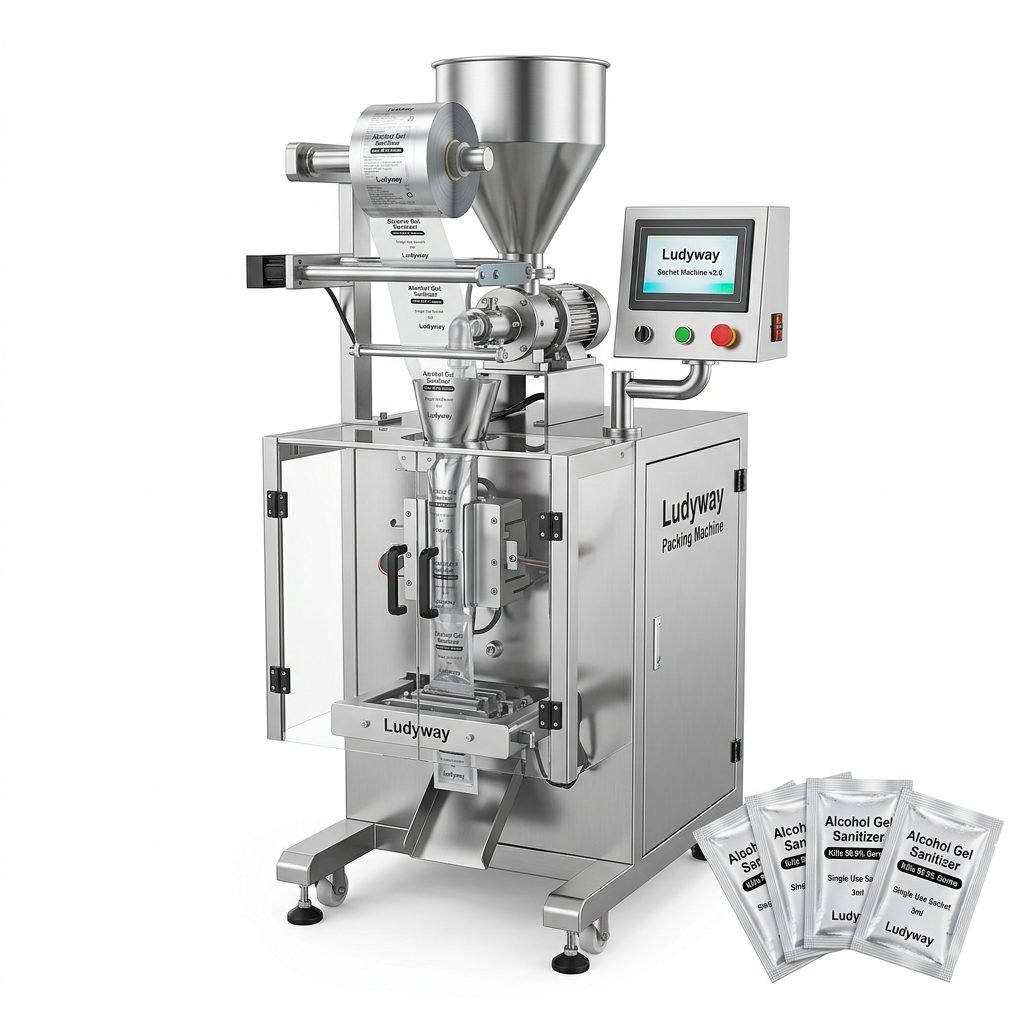
Sachet Packaging Machines
Sachet machines are widely used for food, pharmaceutical, and cosmetic single-dose products. Their ability to handle recyclable films depends heavily on sealing precision and film path control.
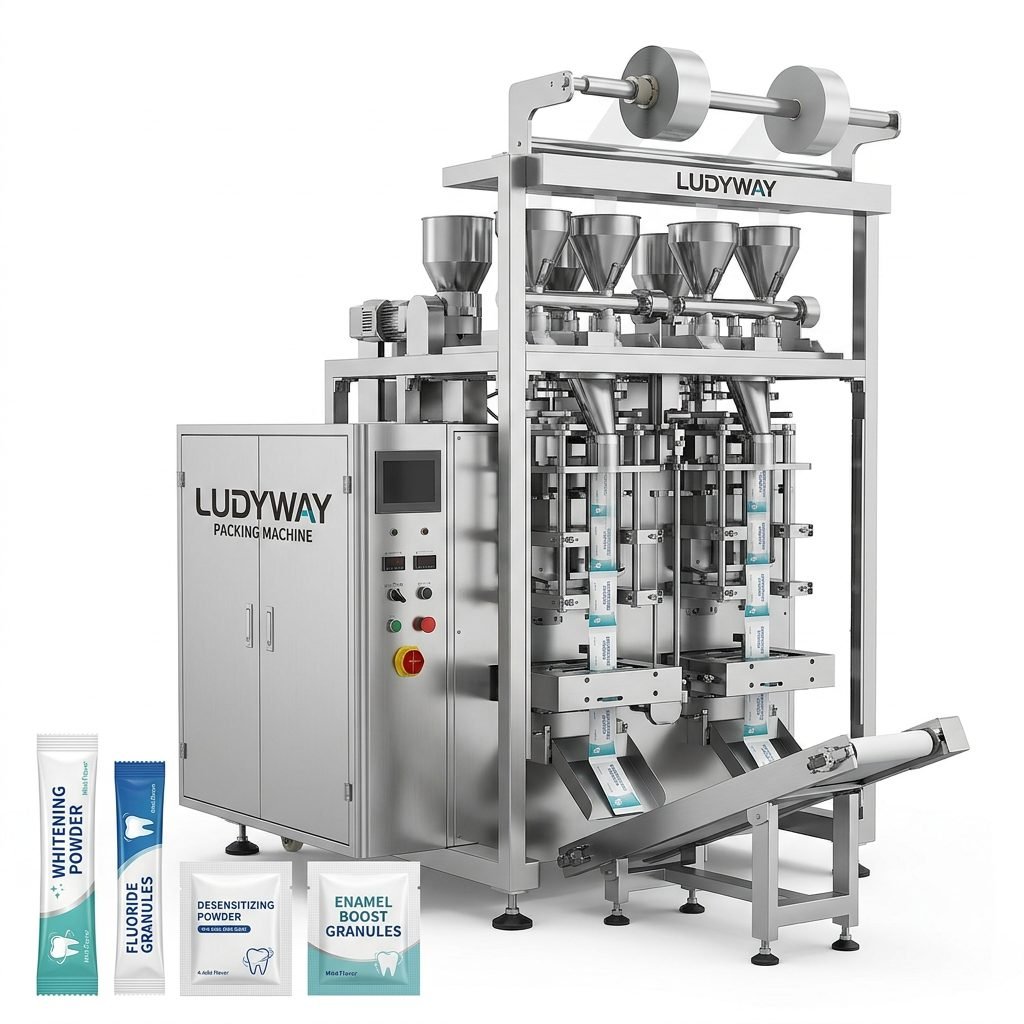
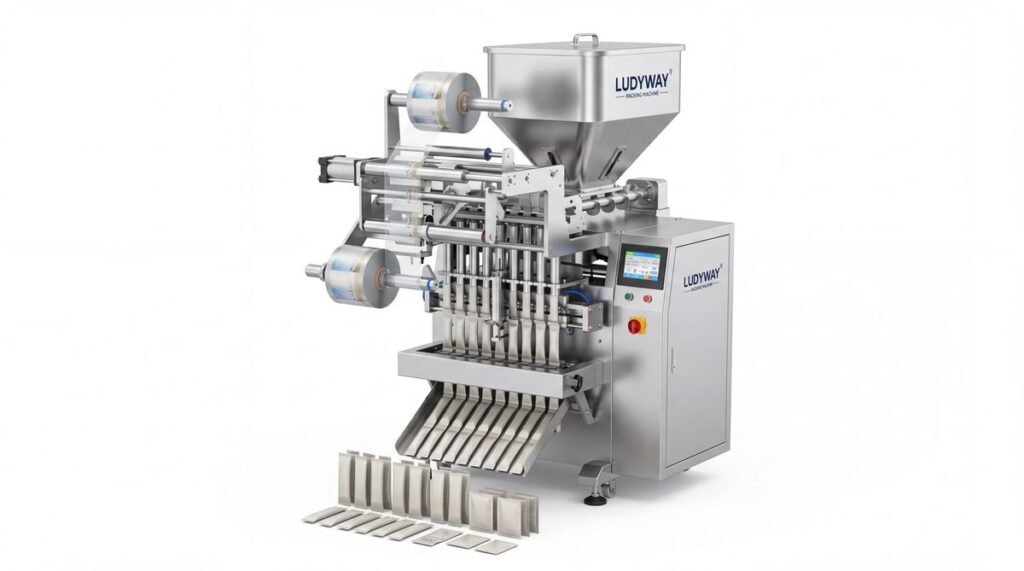
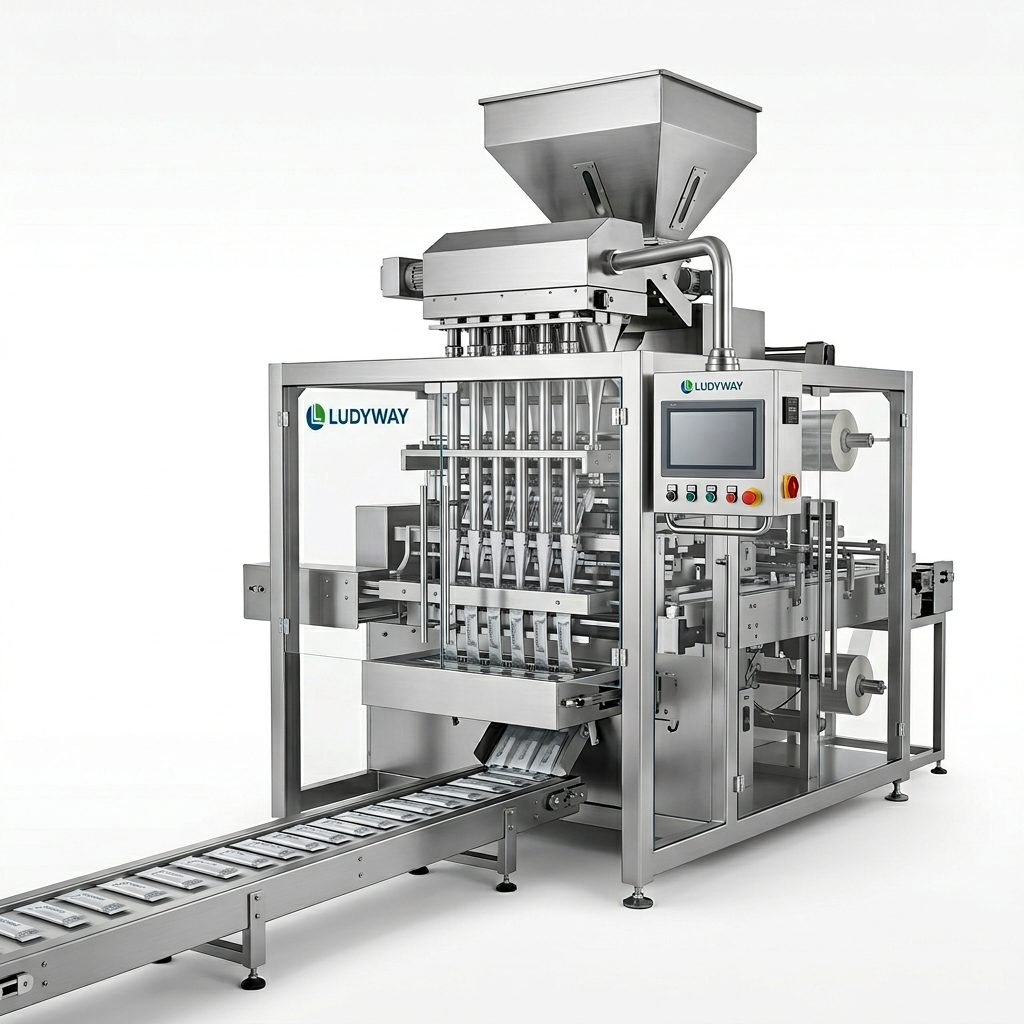
Multi-Lane Stick Pack Machines
These machines demand consistent web behavior across multiple lanes. Recyclable film use is possible, but lane balance, seal repeatability, and registration accuracy become especially important.
Premade Pouch Machines
If recyclable premade pouches are already converted off-line, the machine mainly needs to support stable opening, filling, and sealing without damaging the pouch structure.
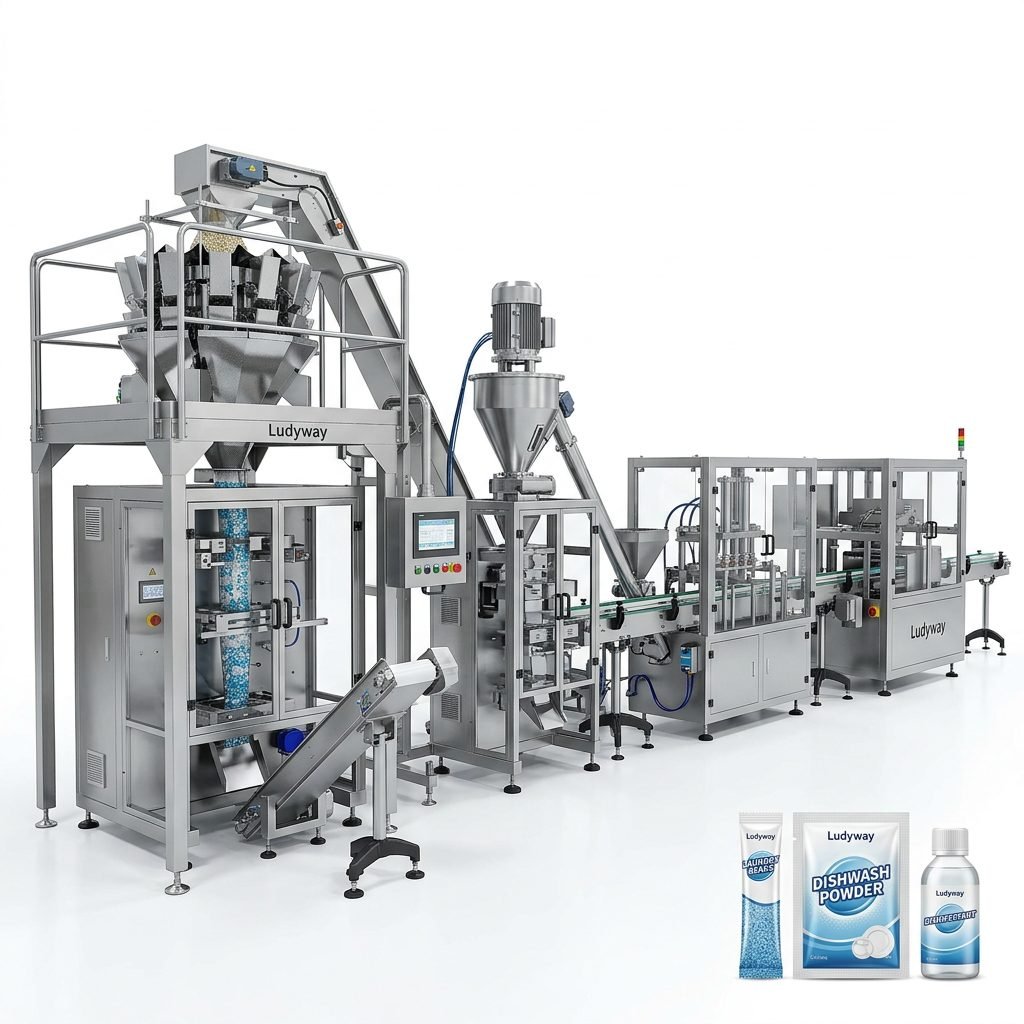
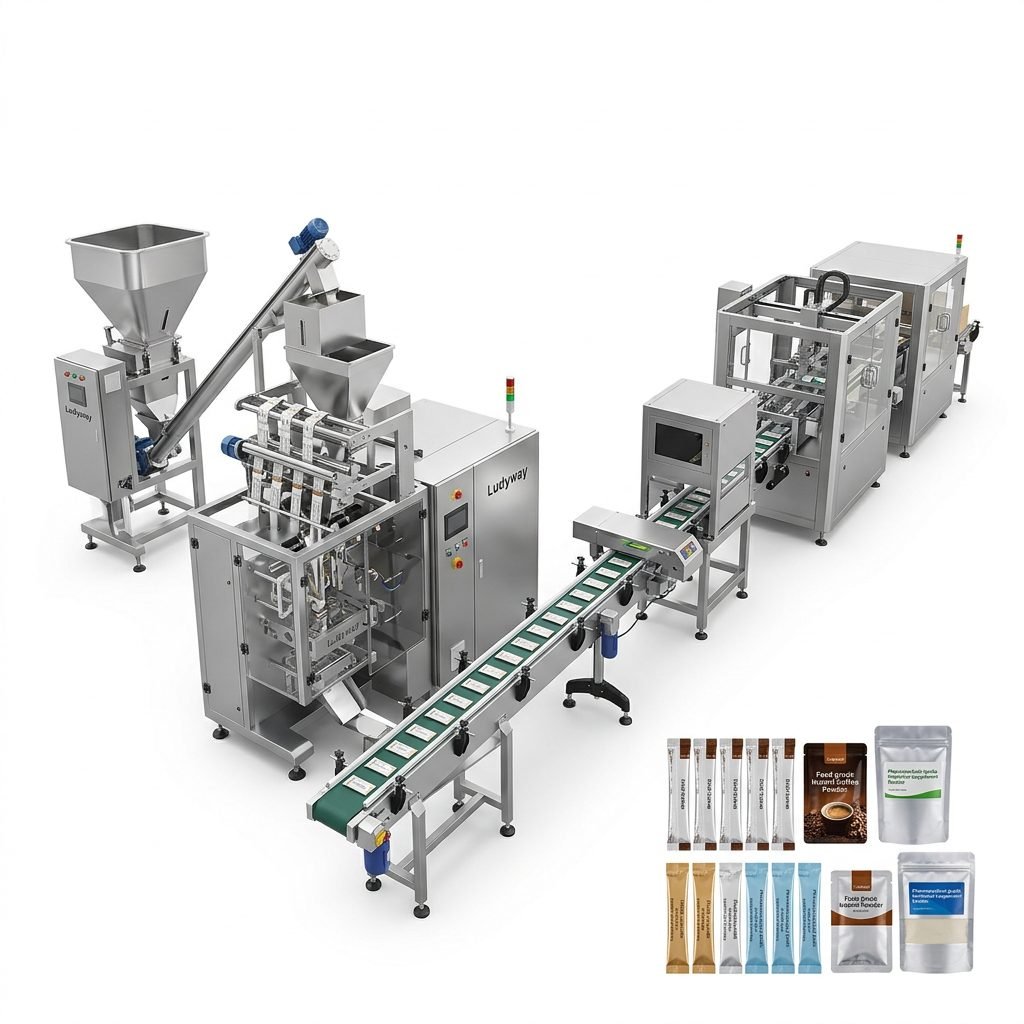
Turnkey Packaging Lines
For companies planning a broader sustainability upgrade, an integrated line offers the best chance to optimize the full process—from feeding and filling to coding, inspection, cartoning, and case packing.
How to Test Recyclable Films Before Full Production
A successful switch should begin with structured testing, not assumptions. The best approach is to validate both the material and the machine together.
- Define the product, package format, target output, and shelf-life requirements.
- Obtain detailed film specifications from the material supplier.
- Run machine trials at different temperatures, speeds, and dwell times.
- Test seal integrity, leak resistance, and appearance.
- Check print registration, cutting accuracy, and package consistency.
- Simulate transport, storage, and real-world handling conditions.
- Confirm recycling claims according to local market standards.
Tip: Always test with the exact product to be packed. A recyclable film that works well empty may behave differently once exposed to powder dust, oil migration, moisture, or filling temperature.
Do Recyclable Films Reduce Packaging Performance?
Not necessarily. Performance depends on the film specification and the application. High-quality recyclable films can provide very good machinability and strong commercial performance. However, brands should avoid expecting a one-to-one replacement in every case.
For example:
- Dry food powders may transition relatively smoothly
- Aggressive chemicals may require more specialized structures
- High-barrier pharma products may need stricter validation
- Liquid and paste applications may need enhanced seal design
The real question is not whether recyclable films are “good” or “bad,” but whether the material, product, machine, and market requirements are aligned.
How Machine Design Supports Sustainable Packaging
A packaging machine prepared for recyclable films usually includes features such as:
| Machine Feature | Sustainability Advantage |
|---|---|
| Servo film pulling | Improves web stability and reduces material waste. |
| Accurate temperature control | Helps manage narrow seal windows on recyclable films. |
| Adjustable sealing pressure | Supports better seal quality across different material types. |
| Stable registration control | Reduces off-spec packs and improves visual quality. |
| Trial-based customization | Allows the line to be optimized for the exact film structure. |
Industries Most Likely to Adopt Recyclable Film Packaging
Recyclable flexible packaging is gaining momentum in several sectors:
- Food and beverage powders
- Seasonings and instant drink mixes
- Health supplements and nutraceuticals
- Personal care sachets
- Household care refills
- Pet food and pet supplements
Adoption is especially strong where brands use single-serve, lightweight packaging and want to balance convenience with sustainability messaging.
What Buyers Should Ask Before Purchasing a Packaging Machine
If your goal is to run recyclable films now or in the future, ask suppliers these questions:
- Has the machine been tested with mono-material or recycle-ready films?
- What products and package formats were validated?
- What speed range is realistic with recyclable films?
- Can the sealing system be customized for the target material?
- How is film tension managed across the machine?
- Can trial reports or sample packs be provided?
- What technical support is available during commissioning?
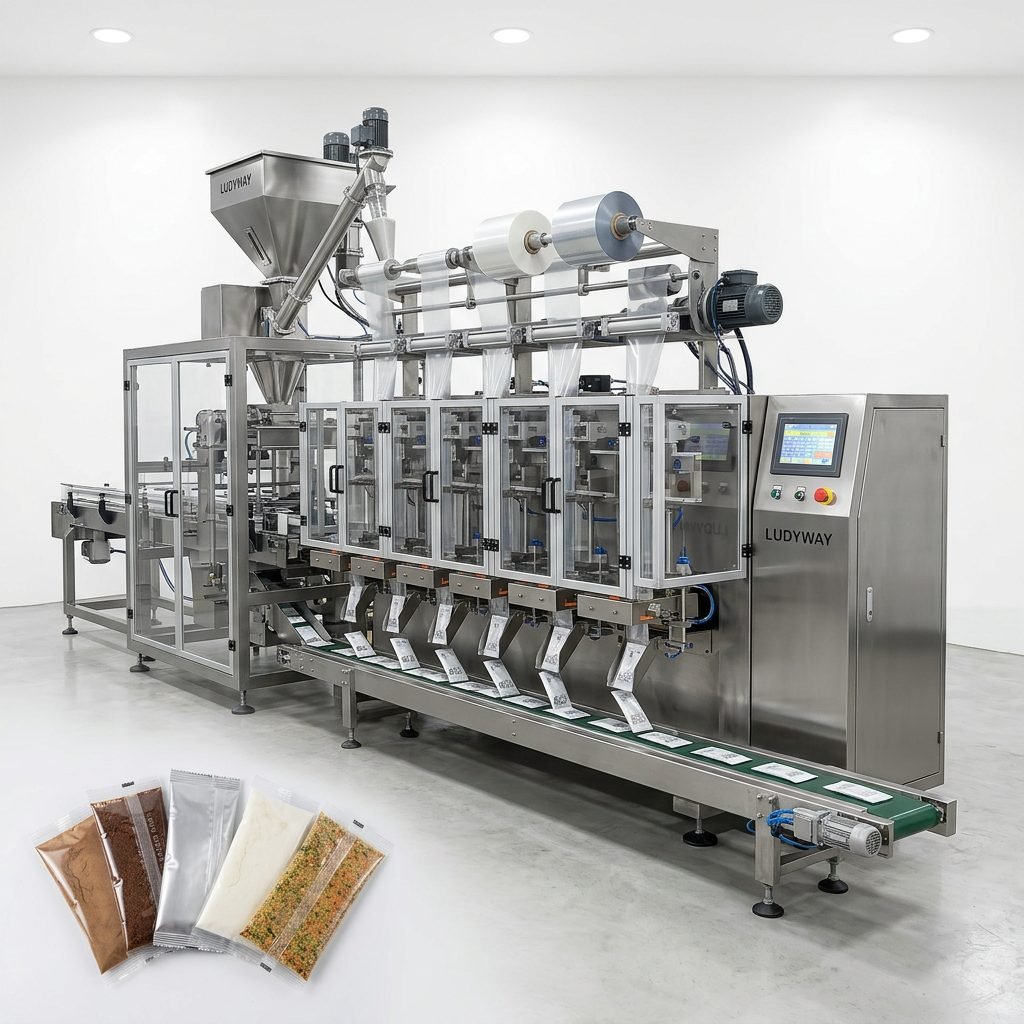
Companies choosing an experienced partner often reduce risk significantly. For example, Ludyway packaging machine manufacturer supports a wide range of automatic packaging equipment and turnkey line solutions for food, pharmaceutical, health supplement, and related applications, which is valuable when sustainable materials require process-level customization.
Best Practices for a Smooth Transition to Recyclable Films
Start with one product family
Pilot a product with manageable barrier and sealing requirements before converting your full portfolio.
Work with both film and machine suppliers
Material performance and machine setup should be developed together, not separately.
Prioritize seal integrity
Sustainability claims have little value if packages leak, delaminate, or fail in transit.
Validate at commercial speed
A film may look acceptable during slow trials but perform differently in full production.
Train operators carefully
Recyclable films often require tighter process discipline and more attention to machine settings.
Frequently Asked Questions
Are recyclable films more difficult to seal?
They can be, depending on the structure. Many have a narrower sealing window, so precise temperature and pressure control are important.
Can old packaging machines be retrofitted?
Often yes. Retrofits may include sealing jaw upgrades, control adjustments, tension improvements, or software parameter changes.
Will production speed drop?
Sometimes at first. After optimization, many applications achieve commercially acceptable speeds, though they may differ from traditional laminate performance.
Are recyclable films suitable for powders and granules?
Yes, many are. Powders and granules are among the more common applications, provided barrier and seal requirements are met.
Do all recyclable films go into the same recycling stream?
No. Recyclability depends on local collection and processing infrastructure, so market-specific verification is essential.
Final Answer: Can Packaging Machines Use Recyclable Films?
Yes, packaging machines can use recyclable films, and this trend is becoming increasingly important across global manufacturing. The key is not simply buying “eco-friendly film,” but ensuring the machine design, product characteristics, package format, and process settings all work together.
For brands serious about sustainable packaging, the smartest path is to test early, validate thoroughly, and choose machinery that offers flexibility for evolving materials. With the right setup, recyclable films can become a practical part of high-efficiency, modern packaging operations.