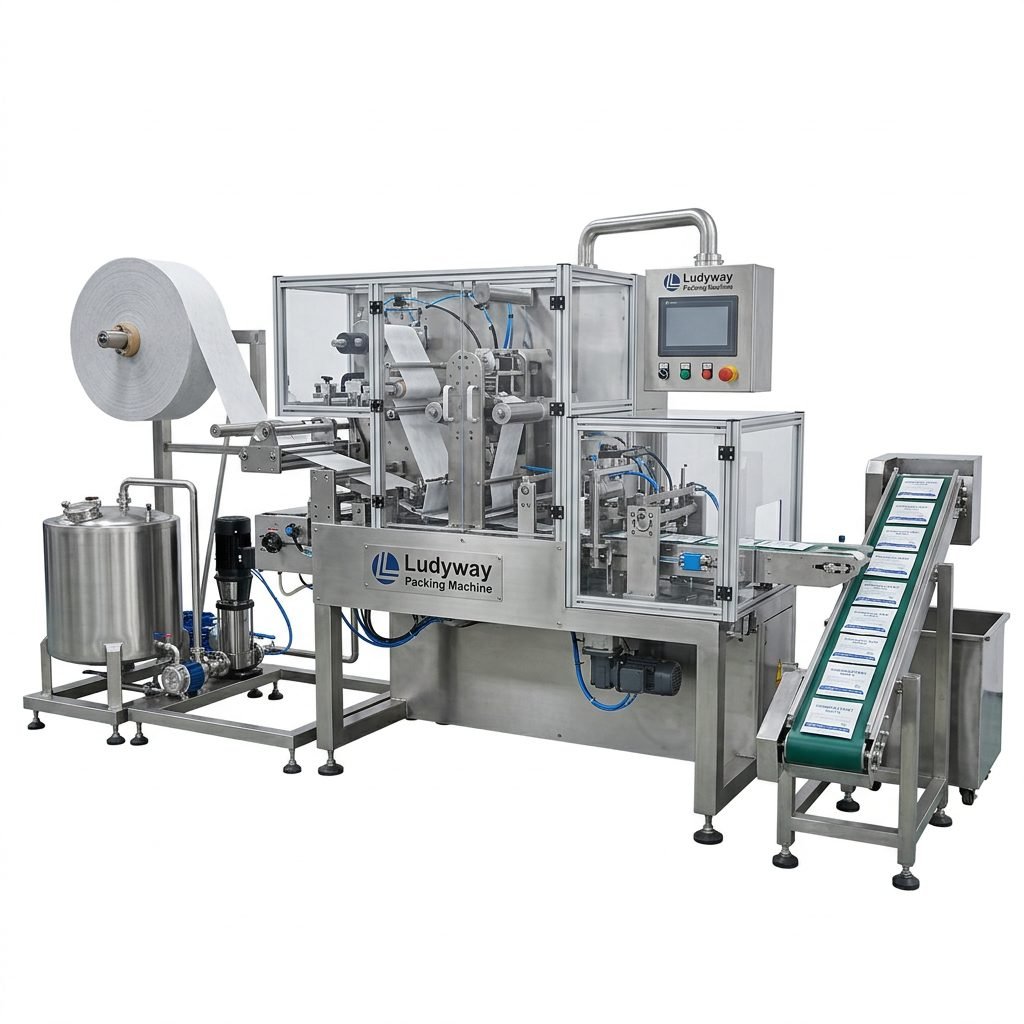
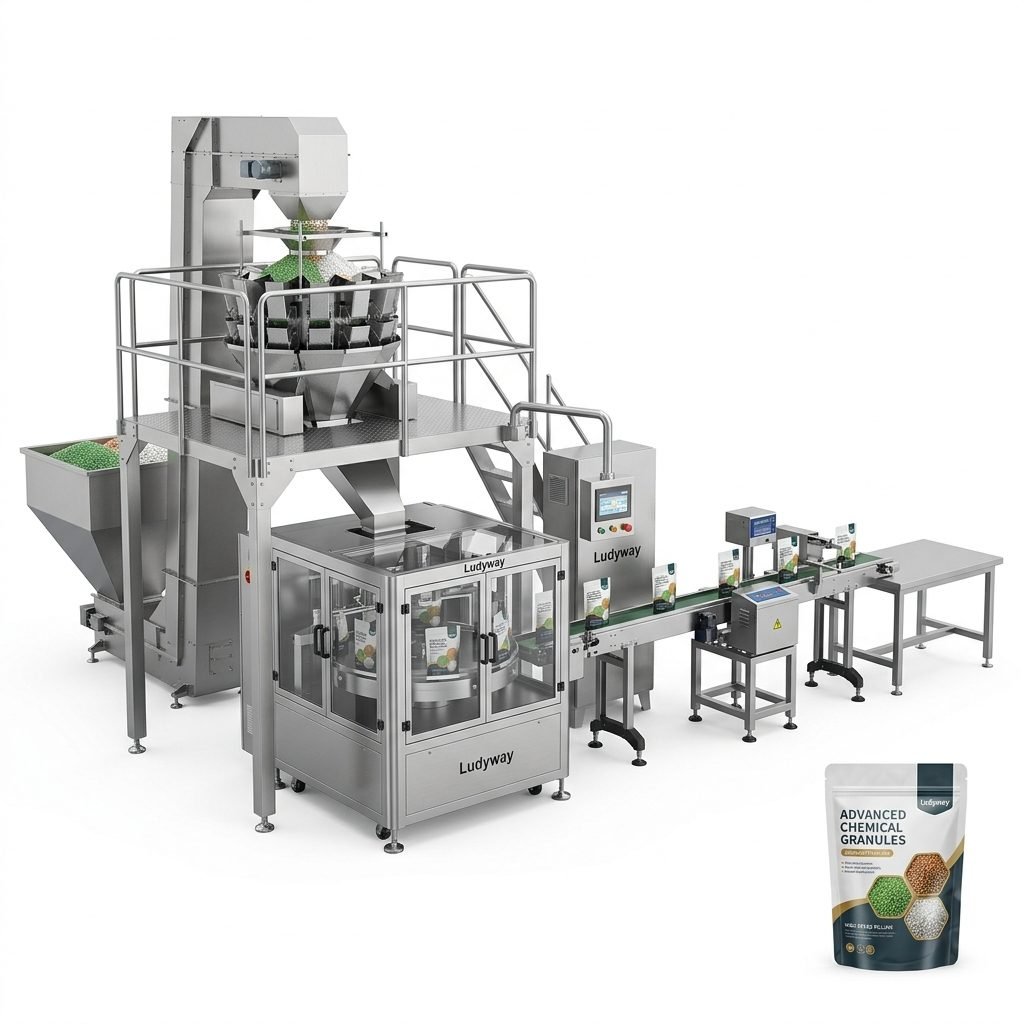
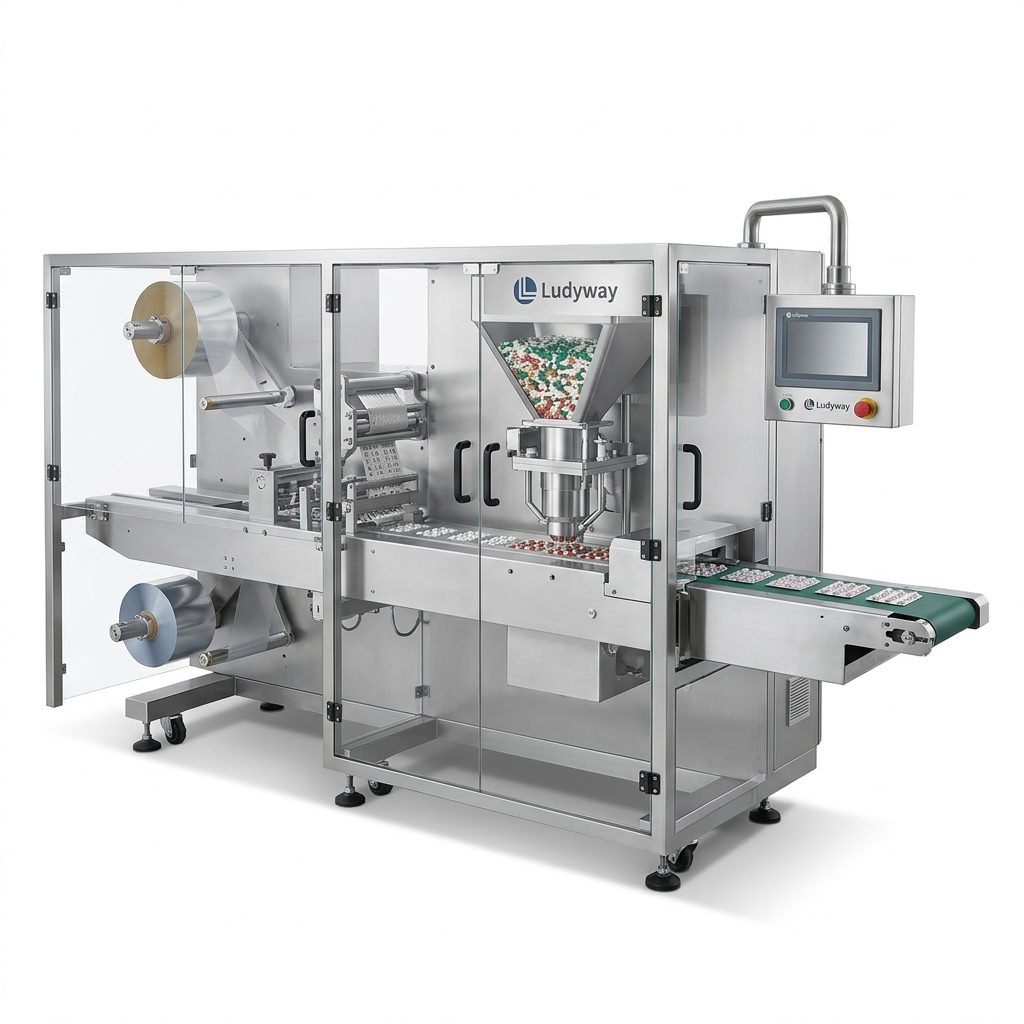
Selecting the right automatic pouch sealer is a critical decision for any business involved in packaging dry goods, powders, granules, or liquids. The efficiency, product integrity, and overall presentation of your packaged goods hinge on this single piece of equipment. With numerous models and configurations available, from simple tabletop units to fully integrated multi-lane systems, the choice can seem overwhelming. This guide will walk you through the key factors to consider to ensure you invest in the best ziplock packaging machine for your specific products and operational needs.
Core Decision Factors
Before diving into specifications, define your core requirements. What is your production volume? Are you packaging coffee, spices, supplements, or hardware? The product’s characteristics—whether it’s abrasive, dusty, oily, or fragile—directly influence the machine’s material and sealing mechanism. Also, consider your available factory floor space and your need for future scalability. A clear understanding of these basics will narrow down your search significantly.
1. Understanding Machine Types and Configurations
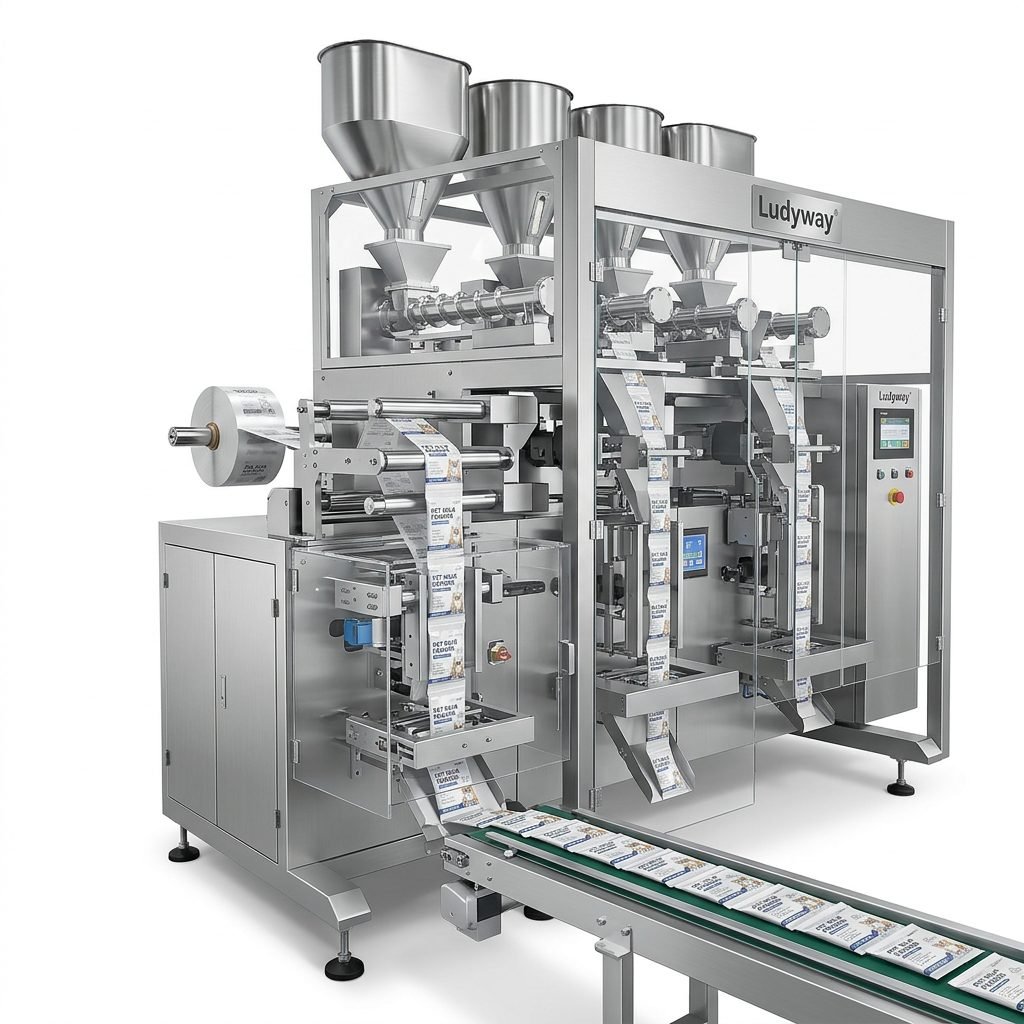
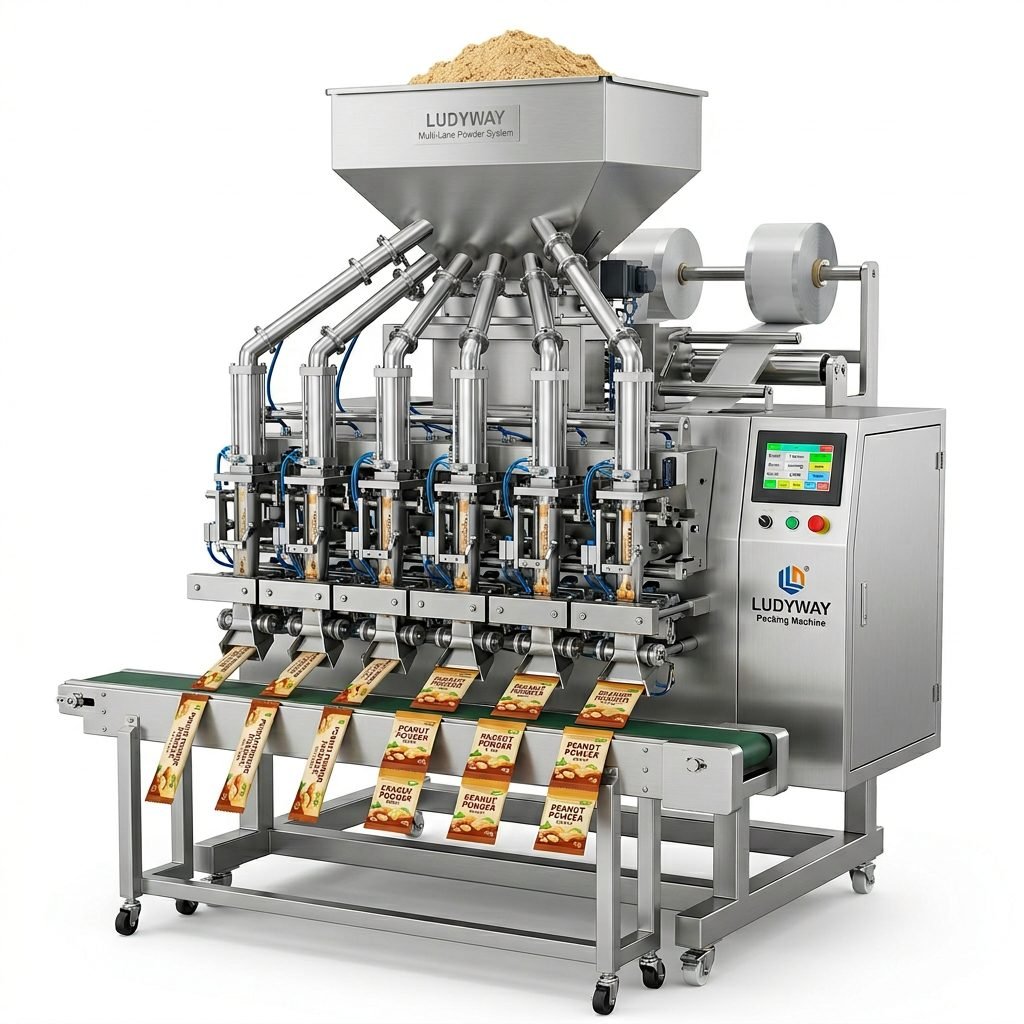
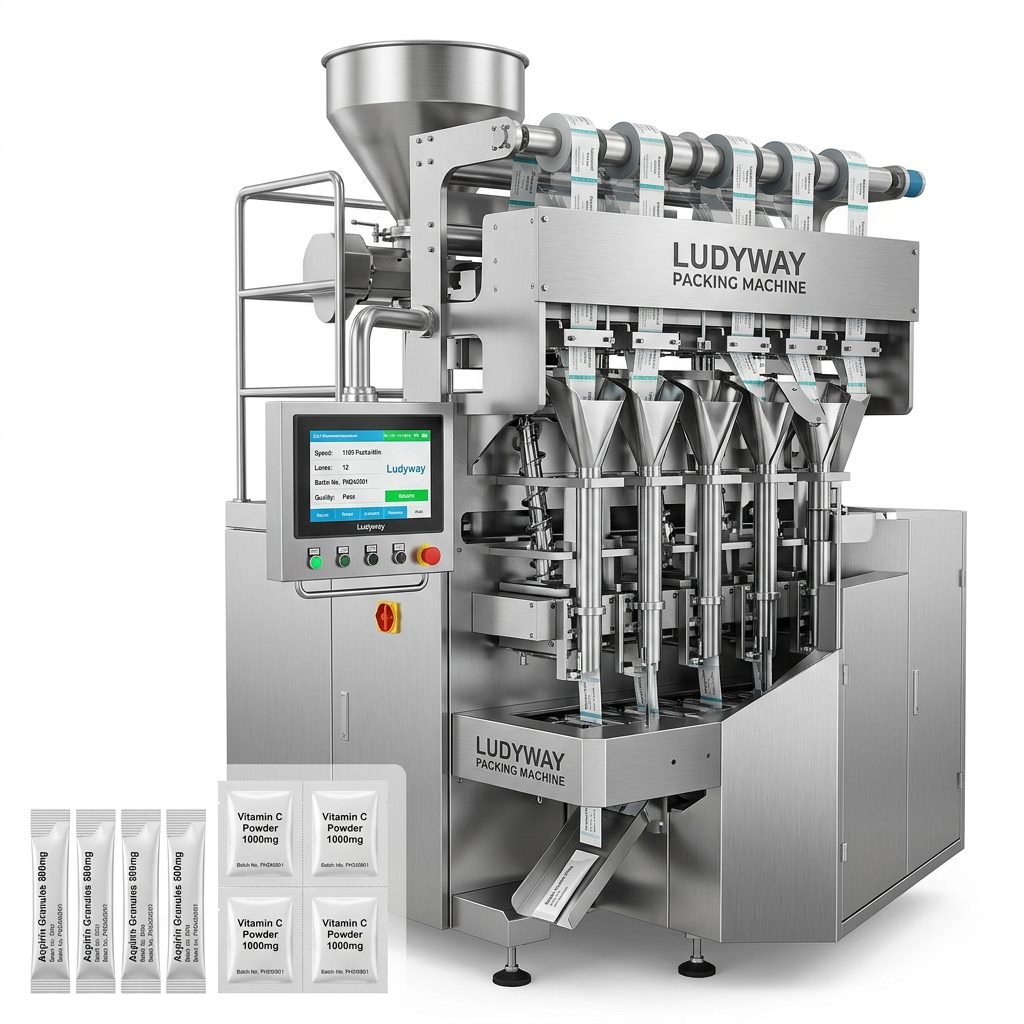
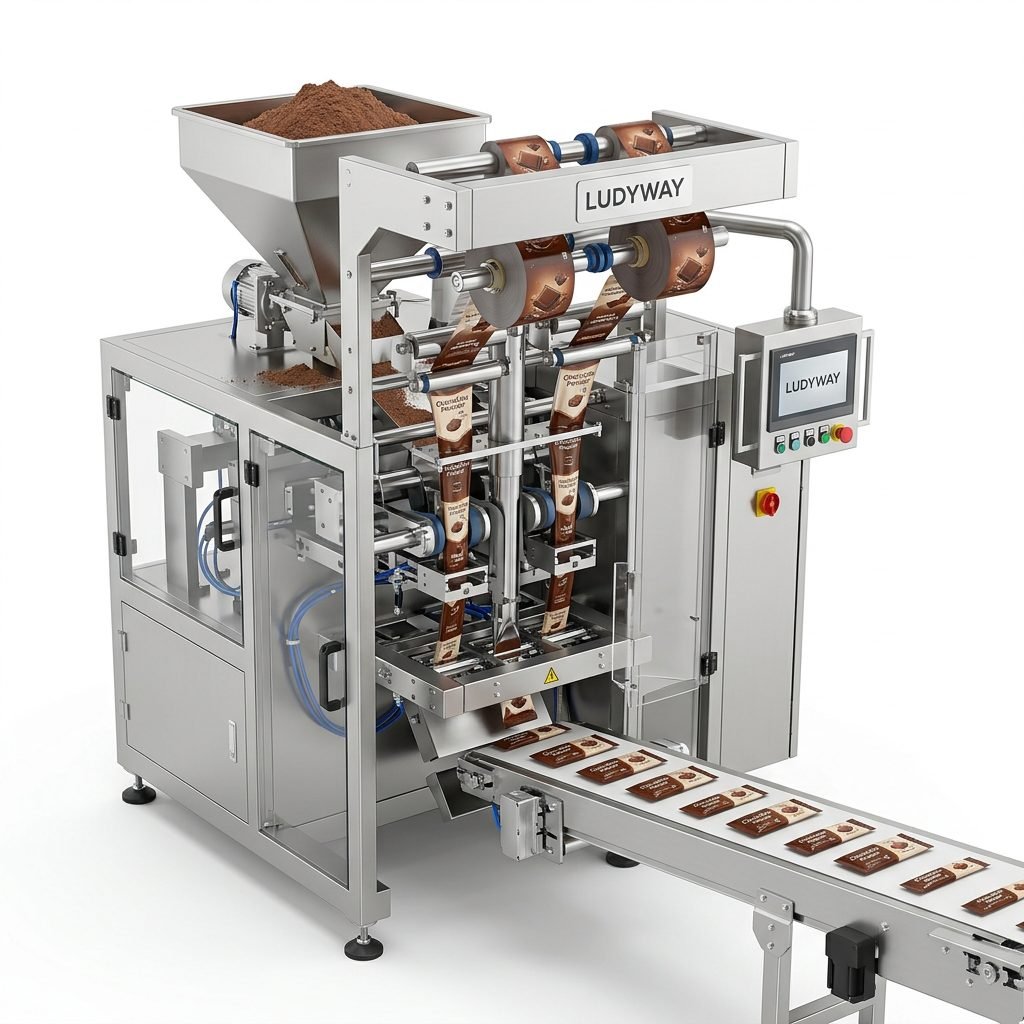
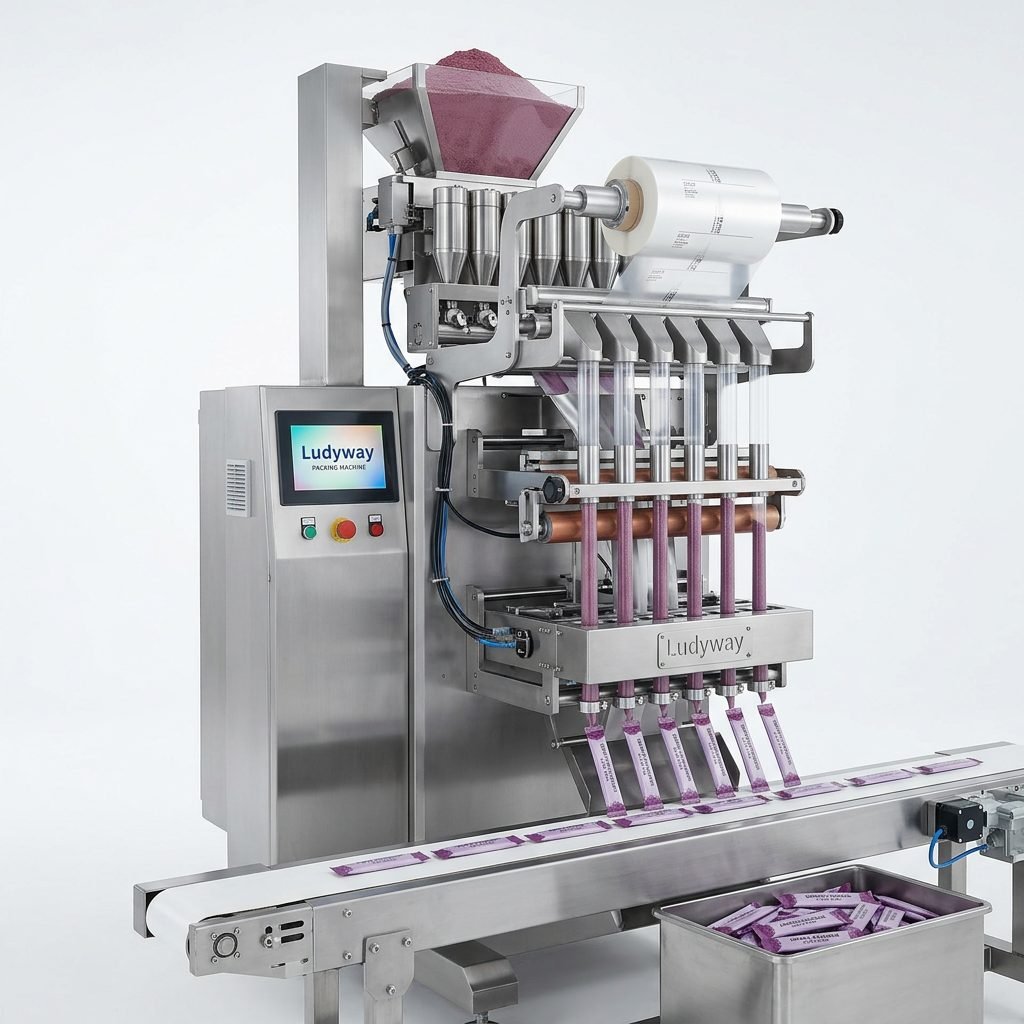
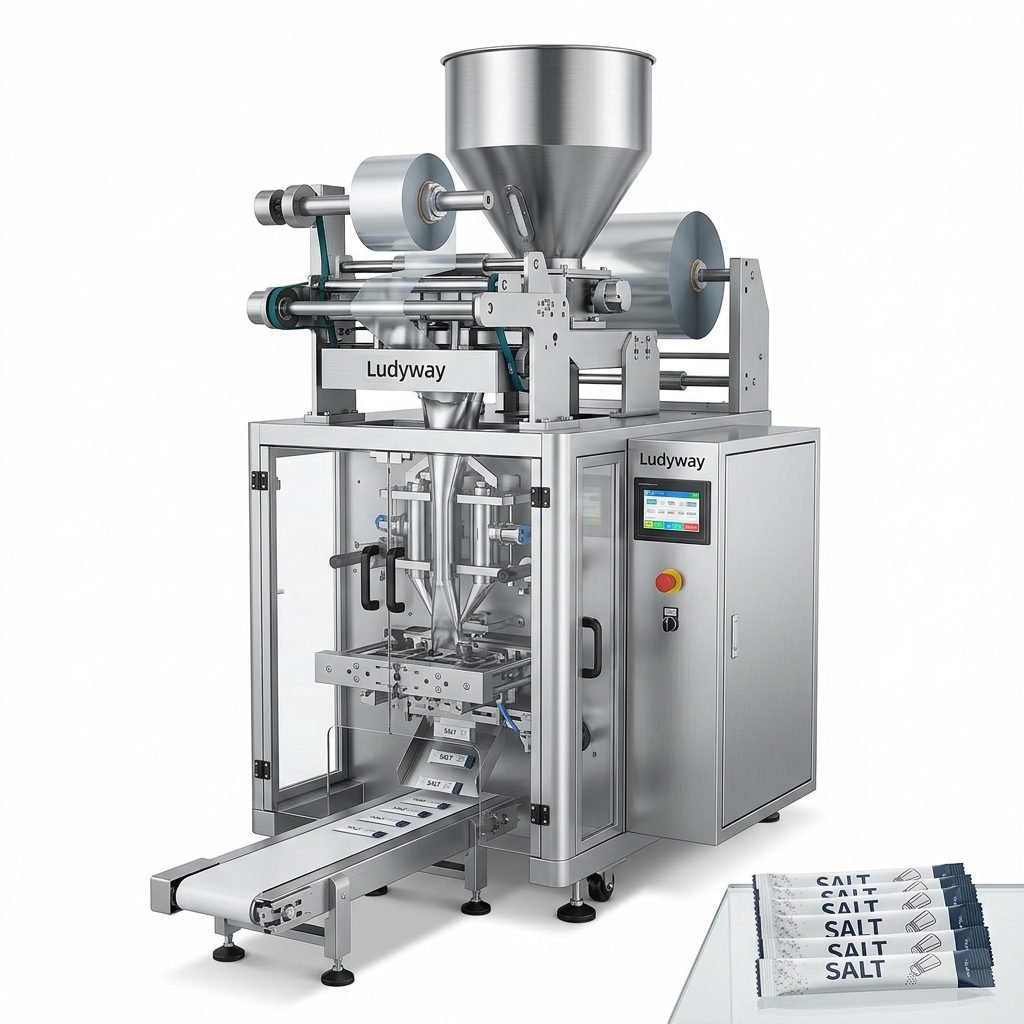
Automatic pouch sealers, often called vertical form-fill-seal (VFFS) machines with zipper applicators, come in various setups. The most common distinction is between single-lane and multi-lane machines. A single-lane machine is ideal for lower to medium output or for products requiring frequent changeovers. Multi-lane machines, which can have 2, 4, 8, or even more lanes, dramatically increase production speed by packaging multiple pouches simultaneously, making them perfect for high-volume operations like snack foods or pharmaceutical sachets.
Another configuration is the stick pack machine, designed for long, slender pouches ideal for single-serve powders (e.g., instant coffee, drink mixes). For businesses packaging a diverse range of products, a machine with quick-change tooling and flexible programming is invaluable, allowing you to switch between pouch sizes and styles with minimal downtime.
Key Configuration Questions:
- ➤ What is your target pouches-per-minute (PPM) output?
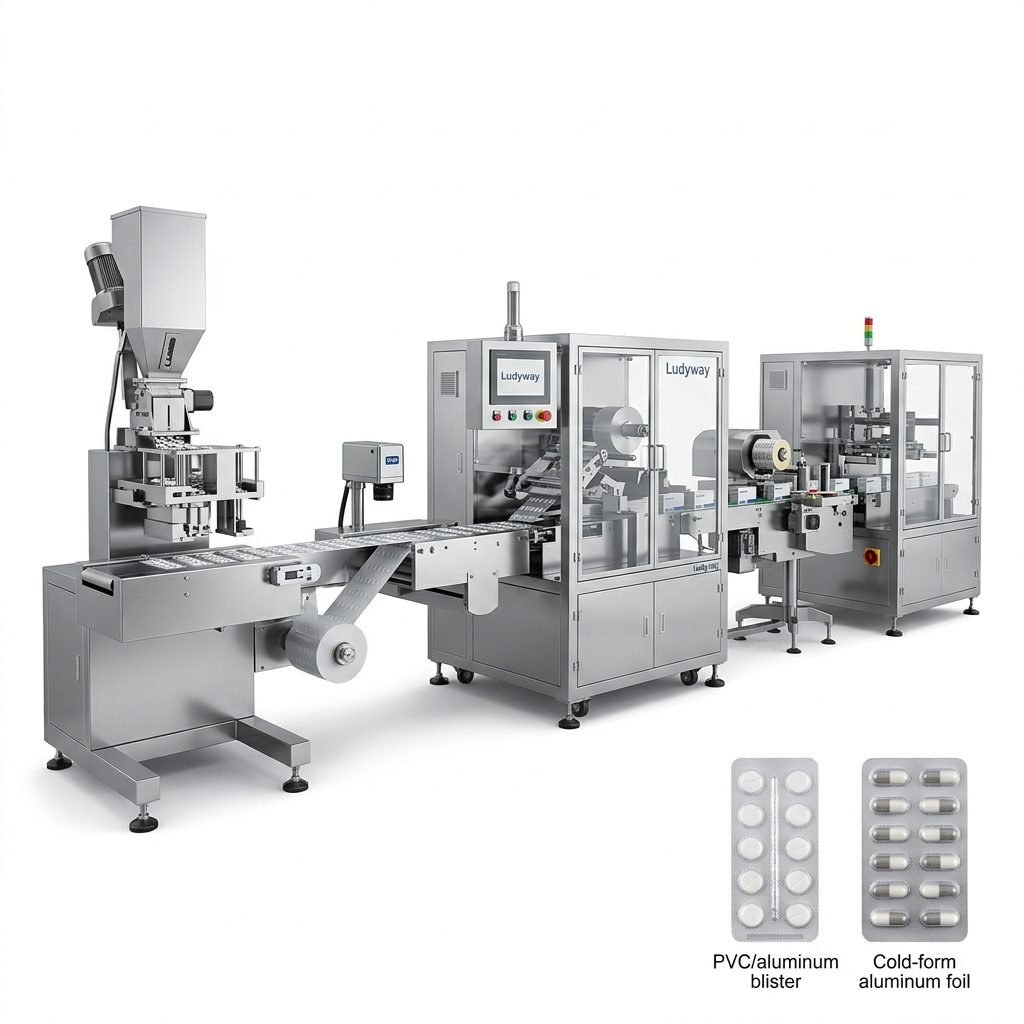
- ➤ Do you need a stand-alone machine or one that integrates with existing filling and cartoning lines?
- ➤ How often will you need to change pouch sizes or materials?
2. Critical Technical Specifications to Evaluate
Once you know the type of machine you need, scrutinize the technical details. The sealing mechanism is paramount. For reliable ziplock closures, look for machines with precise, temperature-controlled sealing jaws that ensure a consistent, airtight seal every time, even on challenging multi-layer films.
The zipper feed and application system must be robust and accurate. A high-quality machine will smoothly unwind the zipper tape, cut it to length, and position it perfectly within the film web before the final seal is made. Jams or misalignments here can cause major production headaches. Also, assess the film handling system. Servo-driven film pullers offer superior accuracy and gentler handling compared to mechanical systems, reducing film waste and breakage.
Material Compatibility Check
Ensure the machine is compatible with your desired packaging materials. Can it handle PET/AL/PE laminates, recyclable mono-materials, or biodegradable films? The sealing parameters and film guidance system must be adjustable to suit different material thicknesses and coefficients of friction. Discuss your material plans with the machine supplier to avoid costly incompatibilities.
3. Automation, Controls, and Ease of Use
Modern automatic pouch sealers are defined by their level of automation and intelligent controls. A user-friendly Human-Machine Interface (HMI) with a color touchscreen is now standard. It should allow operators to easily set parameters, store recipes for different products, and monitor machine performance. Look for features like automatic film splicing (for non-stop production), missing zipper detection, and seal integrity monitoring.
Advanced machines may offer Industrial Internet of Things (IIoT) connectivity, enabling remote monitoring of production data, predictive maintenance alerts, and integration into a factory’s overall management system. While this adds to the initial investment, it can significantly boost long-term operational efficiency and reduce unplanned downtime.
Operational Efficiency Features:
- ✔ Recipe Memory: Save settings for instant product changeovers.
- ✔ Automatic Fault Diagnosis: Visual and textual alerts to quickly identify issues.
- ✔ Production Counters & Reports: Track output, efficiency, and waste.
4. Reliability, Support, and the Supplier Partnership
The machine’s build quality and the supplier’s support network are as important as its features. Investigate the frame construction and component quality. A rigid, welded steel frame and branded electrical components (e.g., Siemens, Mitsubishi) are indicators of durability. Ask about the supplier’s experience and reputation in your specific industry.
Post-purchase support is critical. What does the warranty cover? Is there local or responsive technical support available? Are spare parts readily accessible? A reliable supplier like Ludyway Machinery, with over 30 years of industry experience, doesn’t just sell a machine; they provide a long-term partnership, offering installation, training, and ongoing service to ensure your packaging line runs smoothly for years to come.
Making the Final Decision
Create a shortlist of 2-3 potential machines and suppliers. Request product samples packaged on their equipment to test seal strength and overall quality. If possible, arrange a live demonstration or visit a reference site to see the machine in action. Finally, perform a detailed Total Cost of Ownership (TCO) analysis, factoring in not just the purchase price, but also estimated maintenance, energy consumption, film waste rates, and potential downtime costs. The most cost-effective machine is often the one that offers the best balance of performance, reliability, and support over its entire lifespan.
Frequently Asked Questions (FAQs)
1. What is the main advantage of a multi-lane ziplock packaging machine?
The primary advantage is significantly higher production output. By packaging multiple pouches in parallel, a multi-lane machine can achieve speeds several times greater than a single-lane machine, making it essential for high-volume production environments where maximizing throughput is critical to profitability.
2. Can one machine handle both powder and granular products?
Yes, many versatile automatic pouch sealers are designed to handle a range of products. The key is the filling system. Machines equipped with auger fillers are excellent for powders, while volumetric cup fillers or weigh scales are better for granules. Some advanced models allow for interchangeable filling systems, but it’s crucial to confirm this capability with the supplier based on your specific products.
3. How important is after-sales service when choosing a supplier?
Extremely important. Packaging machinery is a long-term investment. A supplier with a strong global service network, like Ludyway Machinery, ensures you have access to prompt technical support, genuine spare parts, and maintenance services. This minimizes costly downtime and extends the operational life of your equipment, protecting your investment.
4. What packaging film is best for ziplock pouches?
There is no single “best” film; it depends on your product’s needs (barrier, clarity, strength) and sustainability goals. Common structures include PET/PE, OPP/CPP, or PET/AL/PE for high barriers. For recyclability, mono-material PE or PP structures are gaining popularity. Your machine supplier can recommend film suppliers and test run your chosen material to ensure compatibility.
5. How can I reduce film waste on my packaging line?
Opt for a machine with a servo-driven film feeding system for precise control. Use features like automatic registration mark tracking to maintain print alignment. Proper operator training on machine setup and changeover procedures is also vital. A reliable machine from an experienced supplier will inherently be designed for efficient material usage, helping to control one of your largest ongoing costs.