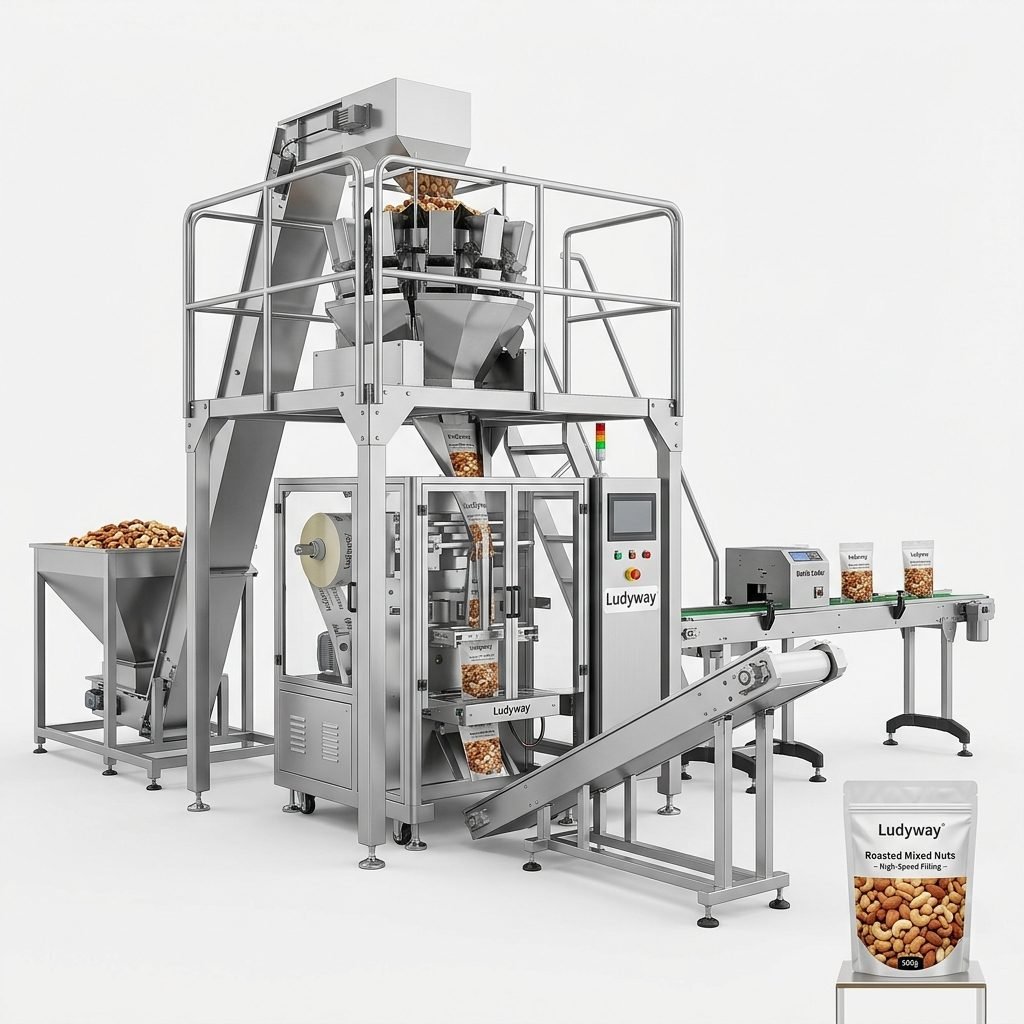
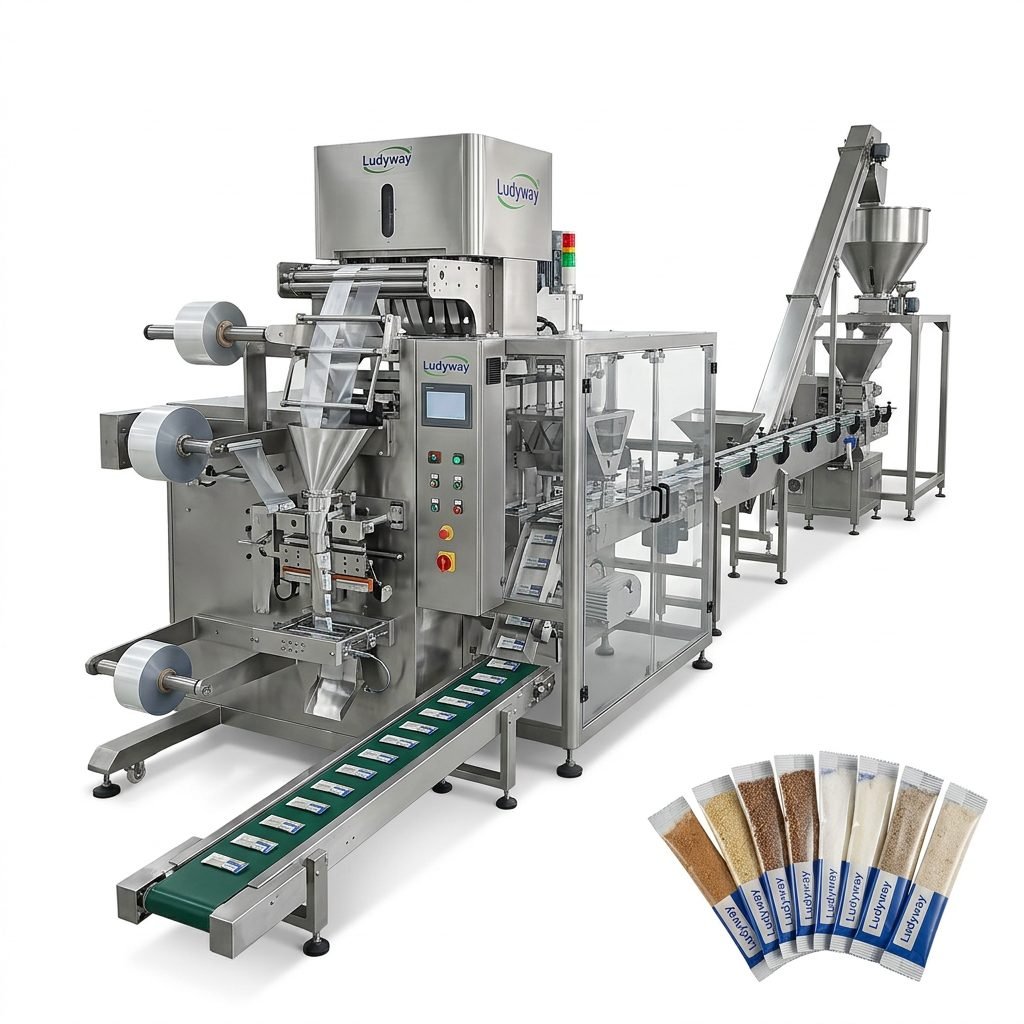
In today’s competitive manufacturing landscape, achieving operational excellence is paramount. For businesses in the food, pharmaceutical, and health industries, the packaging process is a critical juncture where efficiency directly impacts profitability and market responsiveness. High-efficiency packaging equipment has emerged as the cornerstone of modern automated production lines, offering a powerful pathway to significant cost savings and enhanced competitiveness.
The Evolution of Packaging Automation
The journey from manual packaging to fully automated lines represents a fundamental shift in production philosophy. Early automation focused on simple, repetitive tasks, but today’s high-efficiency systems integrate sophisticated robotics, precision dosing, intelligent vision inspection, and seamless line integration. This evolution is driven by the relentless pursuit of higher output, consistent quality, and reduced waste.
Modern automated packaging lines are no longer just machines; they are interconnected ecosystems. They gather real-time data on speed, yield, and downtime, providing actionable insights for continuous process optimization and predictive maintenance, which is crucial for minimizing unplanned stoppages.
Core Components of a High-Efficiency Packaging Line
Building a cost-effective automated line requires a harmonious integration of specialized equipment. Each component plays a vital role in the seamless flow from product filling to final case packing.
1. Intelligent Filling & Sealing Machines
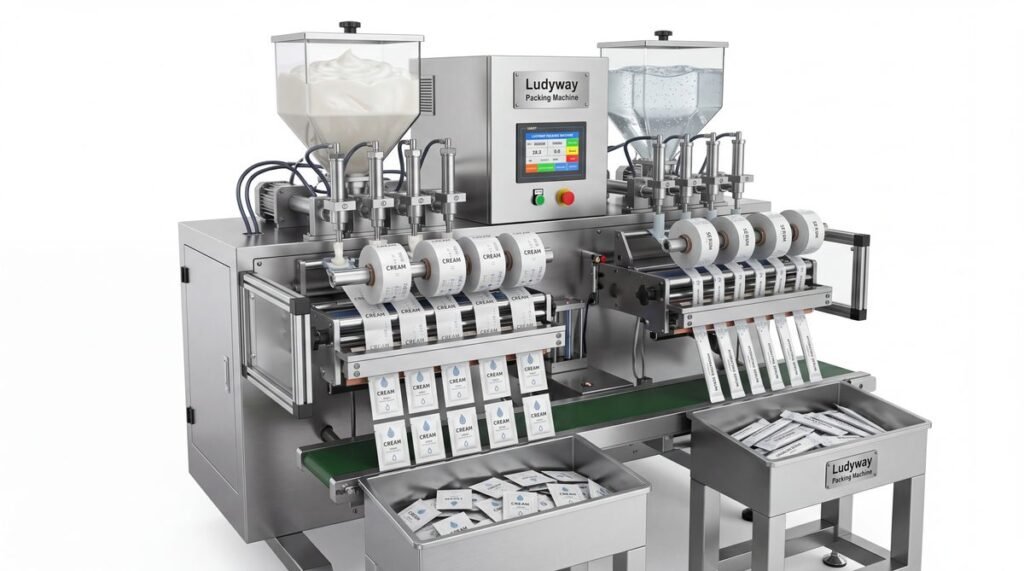
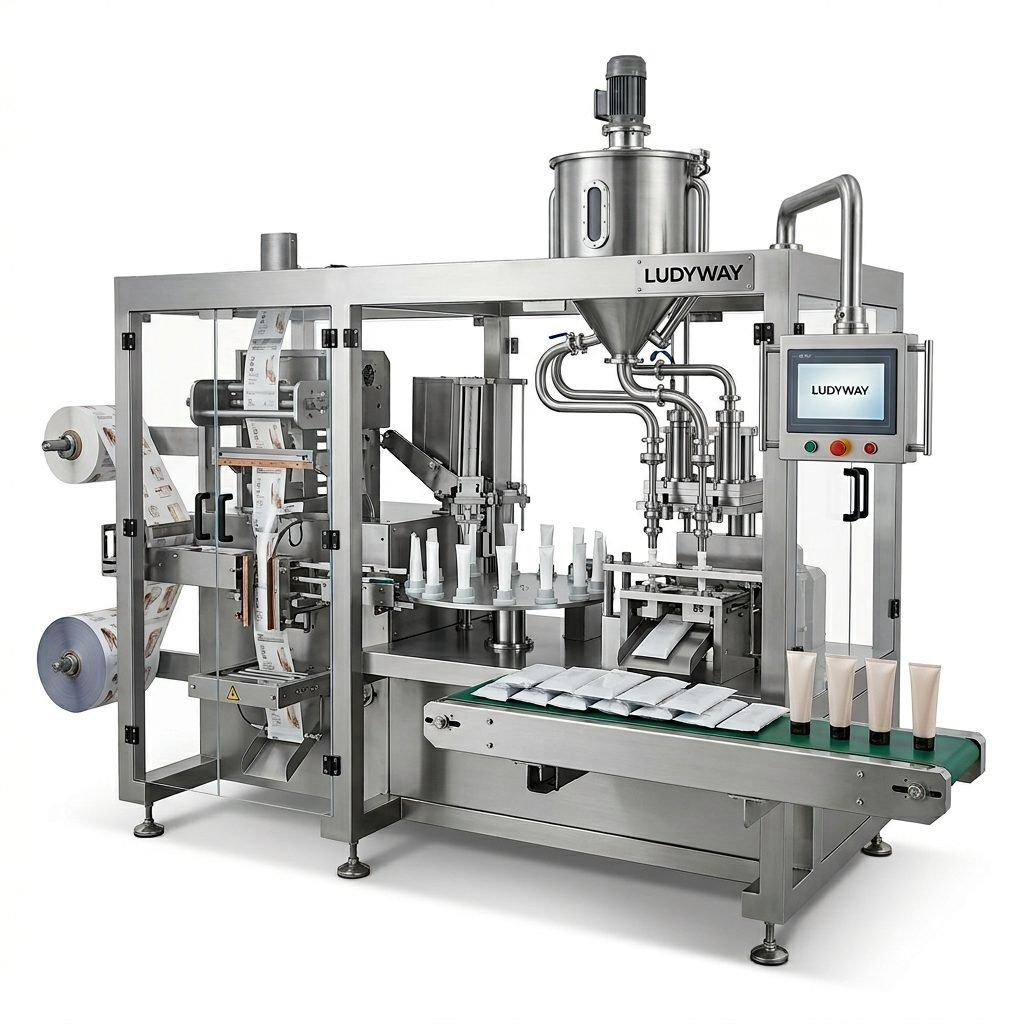
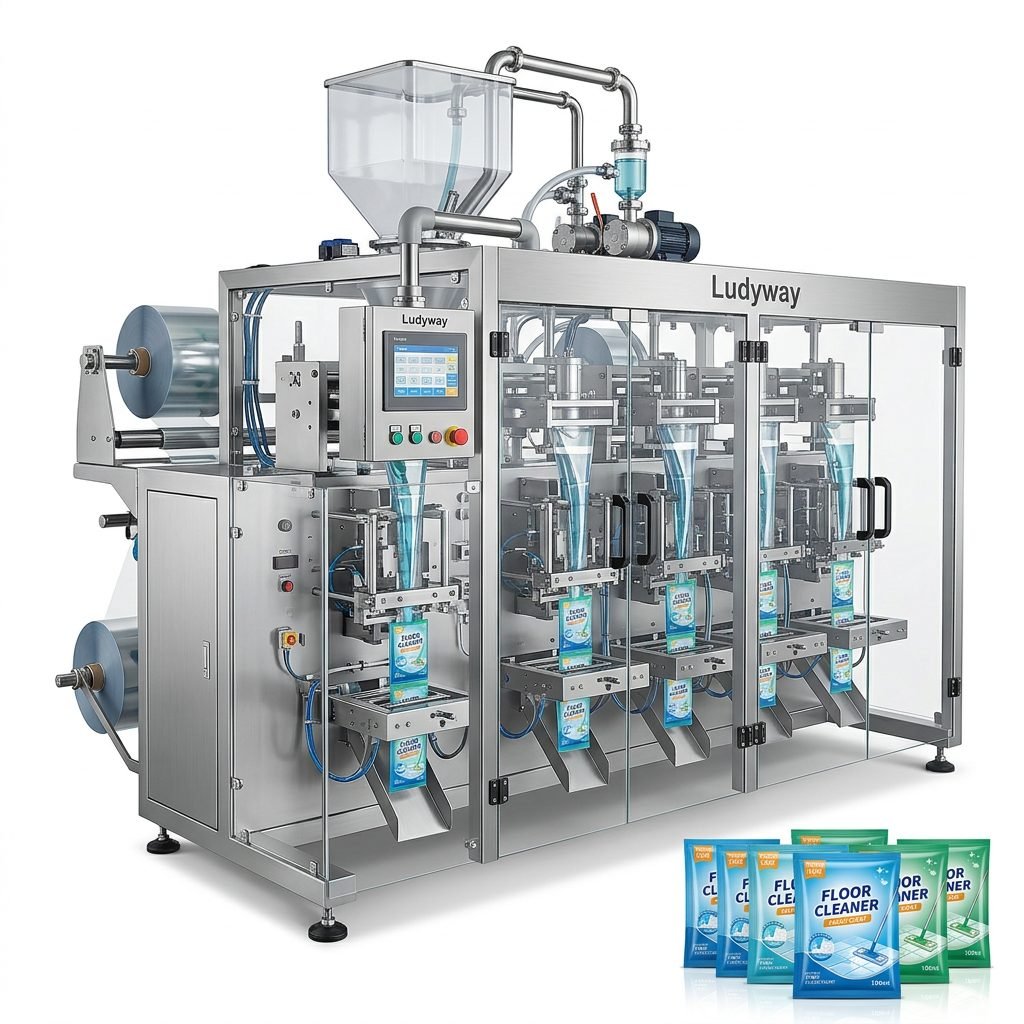
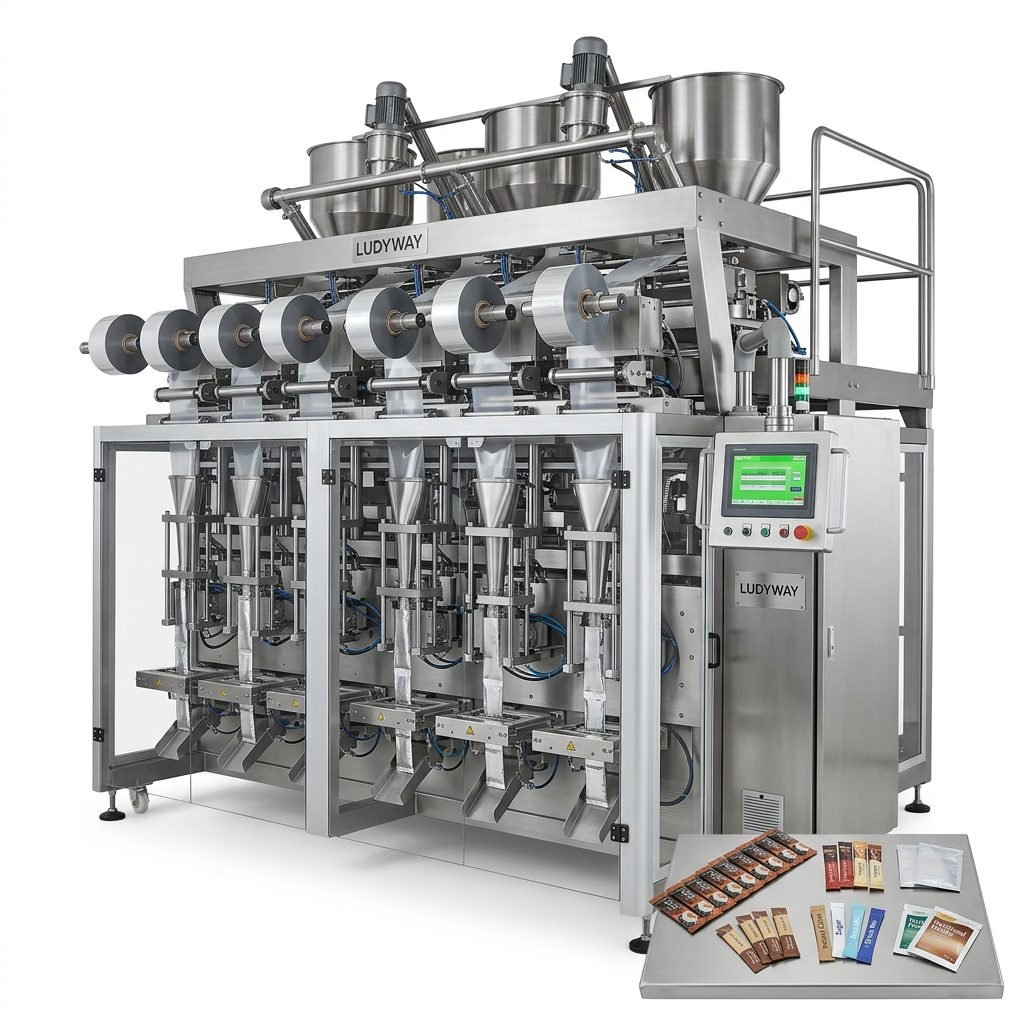
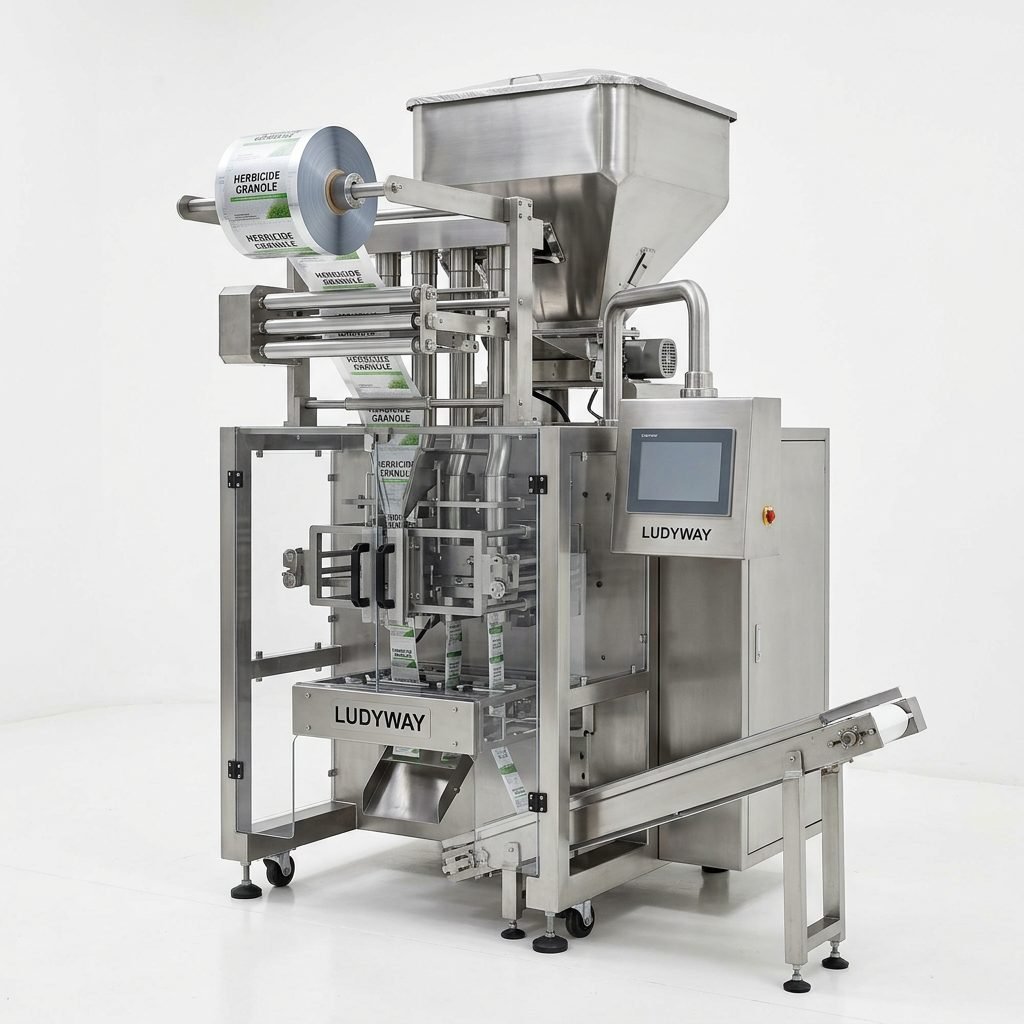
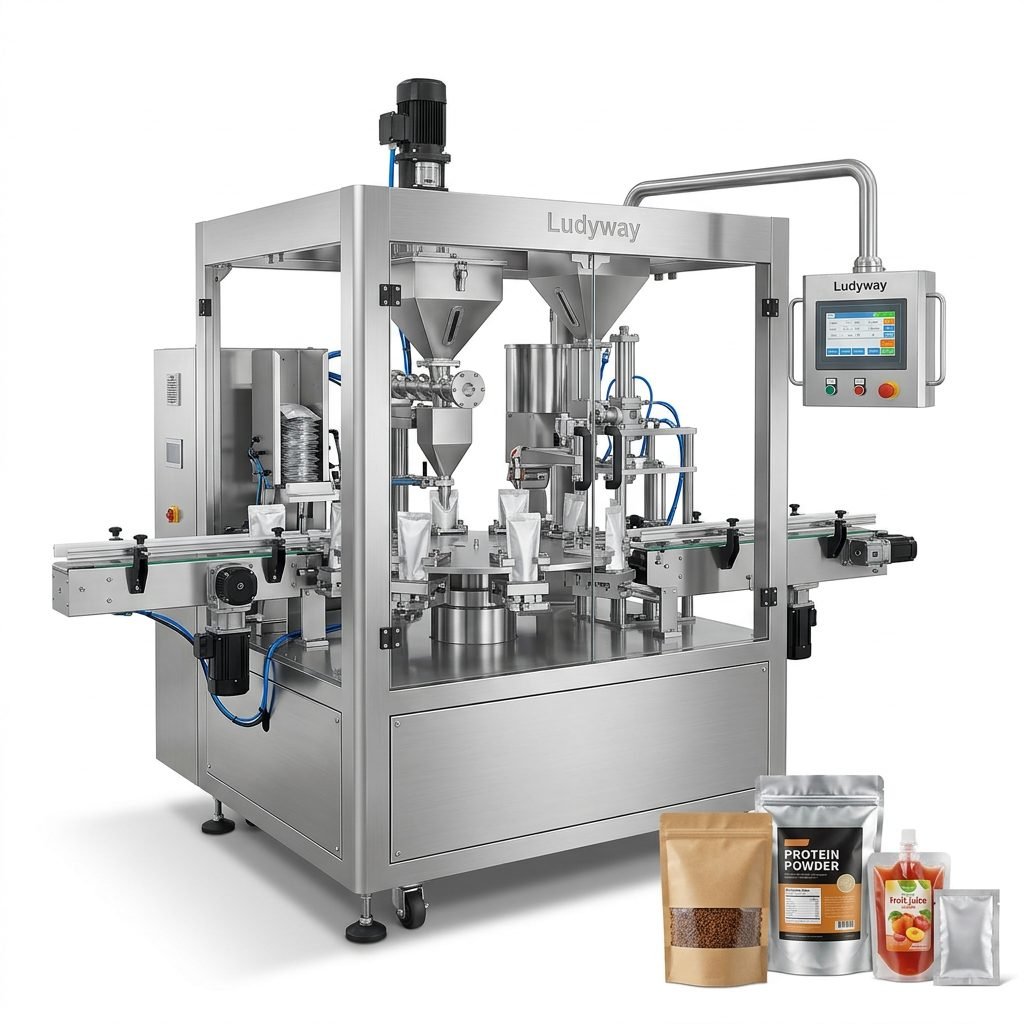
At the heart of the line are the primary packaging machines. For granules, powders, and liquids, multi-lane stick pack and sachet packaging systems offer unparalleled speed and flexibility. These machines can handle a wide range of packaging materials and are designed for quick changeovers, allowing manufacturers to produce smaller batches of different products without sacrificing efficiency.
2. Integrated Conveying & Handling Systems
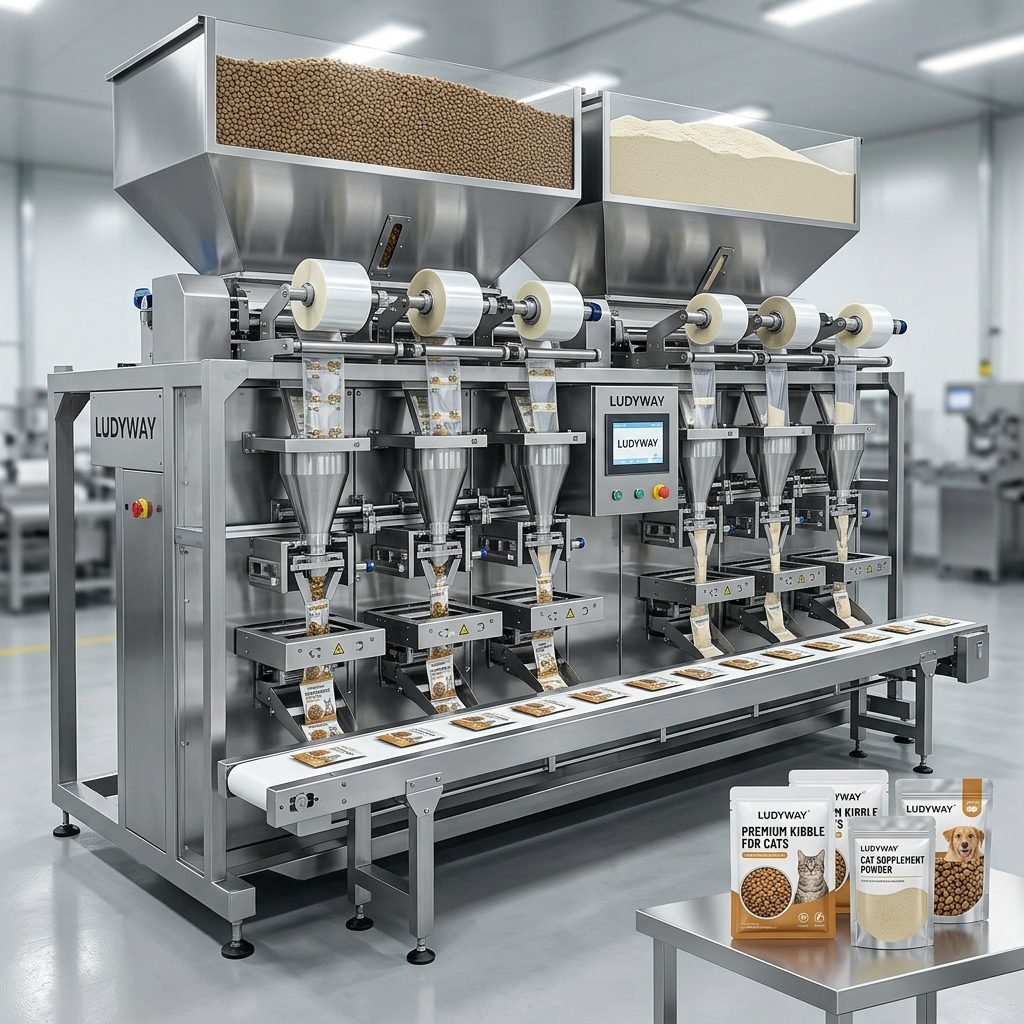
Efficient material handling is what transforms individual machines into a cohesive production line. Custom-designed conveyors, robotic pick-and-place units, and orienting systems ensure smooth product transfer between stages, eliminating bottlenecks and reducing the risk of damage or contamination.
3. Automated Secondary Packaging
Once primary packaging is complete, automation continues with cartoning, case packing, and palletizing. These systems dramatically reduce labor requirements in the final stages of packaging, ensuring a consistent and secure pack ready for storage or shipment.
Direct Pathways to Substantial Cost Savings
Investing in high-efficiency packaging automation is a strategic decision with a clear and compelling return on investment (ROI). The savings are realized across multiple facets of the operation.
Labor Cost Reduction & Optimization
Automation significantly reduces the number of operators required for manual tasks like feeding, sealing, and boxing. This not only cuts direct wage expenses but also mitigates costs associated with recruitment, training, and absenteeism. Skilled personnel are redeployed to more value-added roles such as machine supervision, quality control, and process engineering.
Maximized Material Yield & Minimized Waste
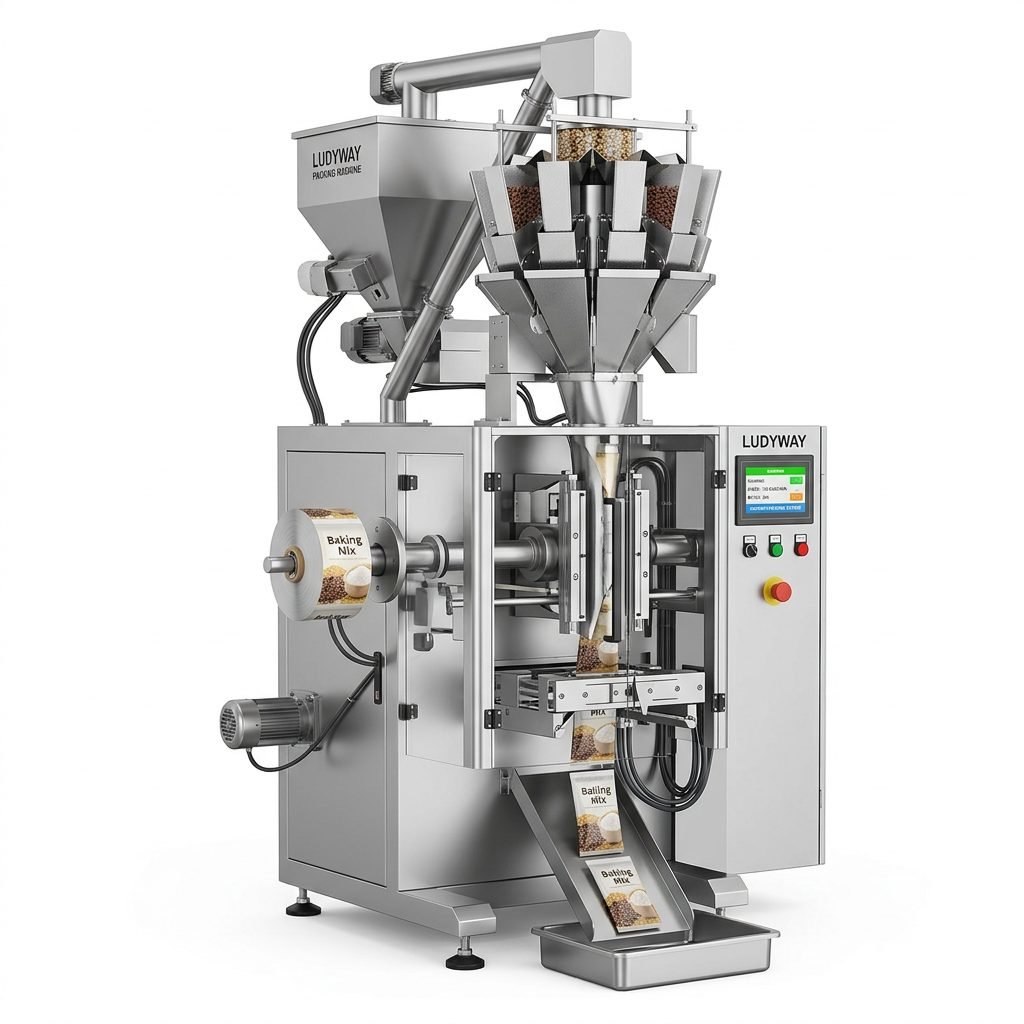
Precision dosing systems ensure each packet or pouch contains the exact specified amount of product. This “giveaway” reduction translates to massive savings in raw materials over millions of cycles. Furthermore, advanced sealing technologies and real-time leak detection drastically reduce product loss and packaging material waste due to defects.
Key Insight: The cost of wasted product and packaging film often silently erodes profit margins. High-efficiency equipment with precise control systems directly converts this waste into saved capital.
Enhanced Production Uptime & Output
Modern packaging machines are engineered for durability and high-speed operation. Their reliability minimizes unplanned downtime, while features like quick-change parts and recipe management software slash changeover time. This results in a higher Overall Equipment Effectiveness (OEE), meaning more saleable product is produced within the same timeframe, maximizing asset utilization.
Energy Efficiency & Sustainability Benefits
Newer models of packaging equipment are designed with energy-saving motors, efficient servo drives, and optimized thermal management for sealing jaws. Reducing energy consumption lowers operational costs and supports corporate sustainability goals, which is increasingly important to global consumers and business partners.
Implementing Your Automated Packaging Solution
Successful implementation goes beyond purchasing machines. It requires careful planning and partnership with a knowledgeable supplier.
Needs Analysis: Clearly define your current pain points, desired output speeds, product types, and future growth plans.
Partner Selection: Choose a supplier with proven industry experience and the capability to provide complete turnkey solutions, from design to installation and training.
Phased Integration: For existing facilities, a phased approach—automating one line or process at a time—can manage capital outlay and allow for workforce adaptation.
Lifecycle Support: Ensure access to reliable spare parts, technical support, and preventive maintenance services to protect your investment for the long term, a commitment reflected in a supplier’s long-term partnership approach.
Frequently Asked Questions (FAQs)
1. What is the typical payback period for high-efficiency packaging equipment?
The payback period varies based on scale, labor costs, and current waste levels. However, for many operations, a well-designed automated line can achieve ROI within 1 to 3 years through the combined savings in labor, materials, and increased output.
2. Can automated equipment handle the variety of products we offer?
Yes. Modern equipment is highly flexible. Features like quick-change tooling, servo-driven adjustments, and digital recipe storage allow for efficient changeovers between different product sizes, shapes, and packaging formats, making short runs economical.
3. How complex is the maintenance for these advanced systems?
While containing advanced technology, reputable suppliers design for serviceability. Comprehensive training is provided for routine maintenance. Furthermore, remote diagnostic capabilities and clear technical support channels are often available to minimize downtime for complex issues.
4. Is our facility space suitable for an automated line?
Professional suppliers conduct detailed layout planning. Automated lines can often be designed to fit existing floor plans, sometimes even increasing output within the same or less space by optimizing the workflow and vertical integration.
5. How do we ensure the equipment meets our quality and safety standards?
Partner with a supplier that understands global compliance. Equipment should be constructed with food-grade or pharmaceutical-grade materials where required and comply with relevant international safety standards (e.g., CE, UL). Request validation documentation and references from similar industries.