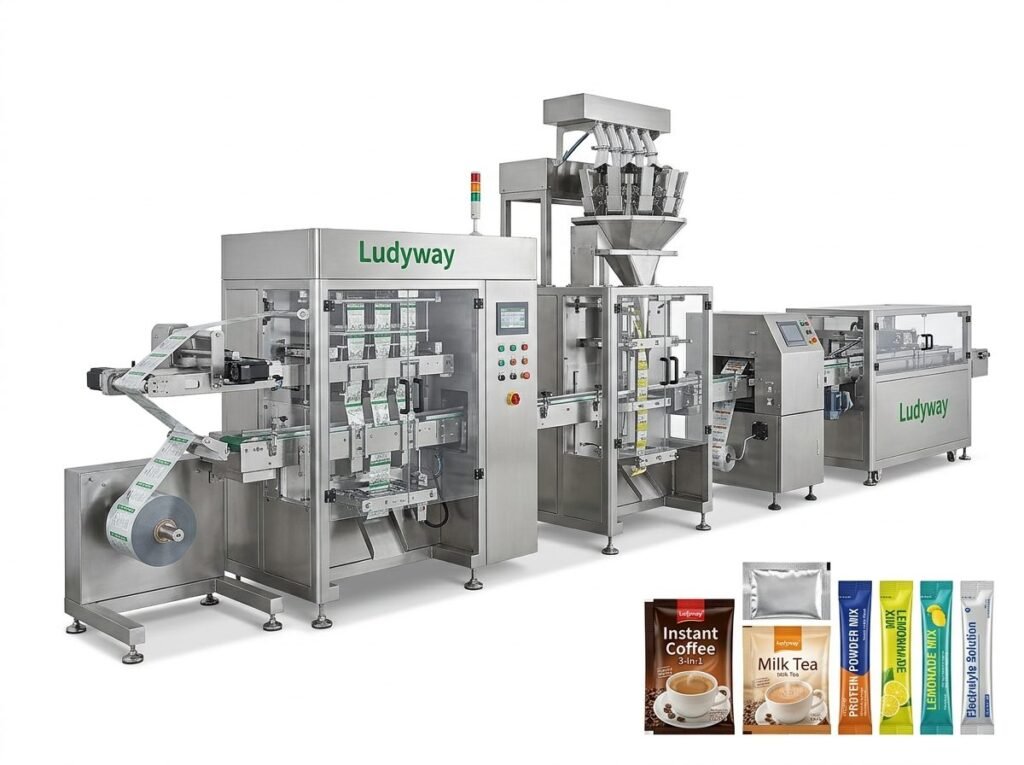
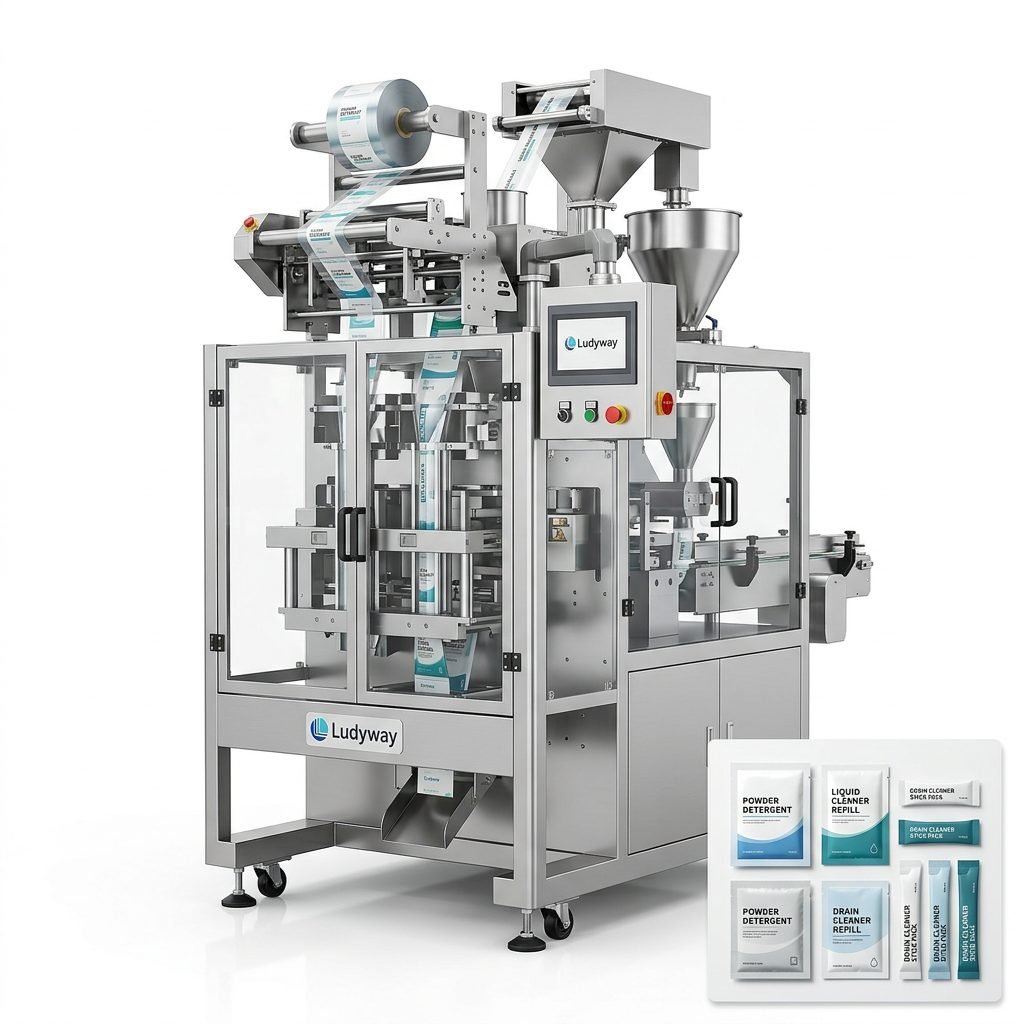
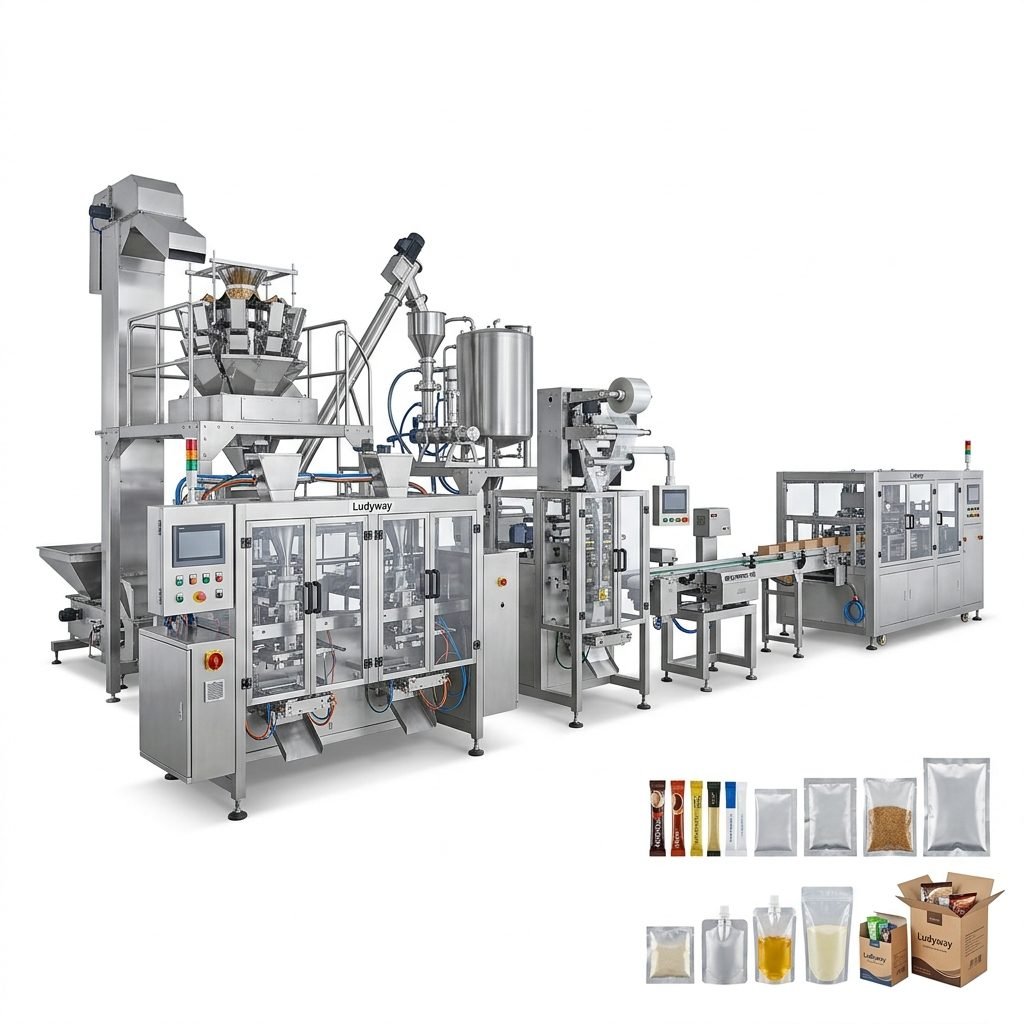
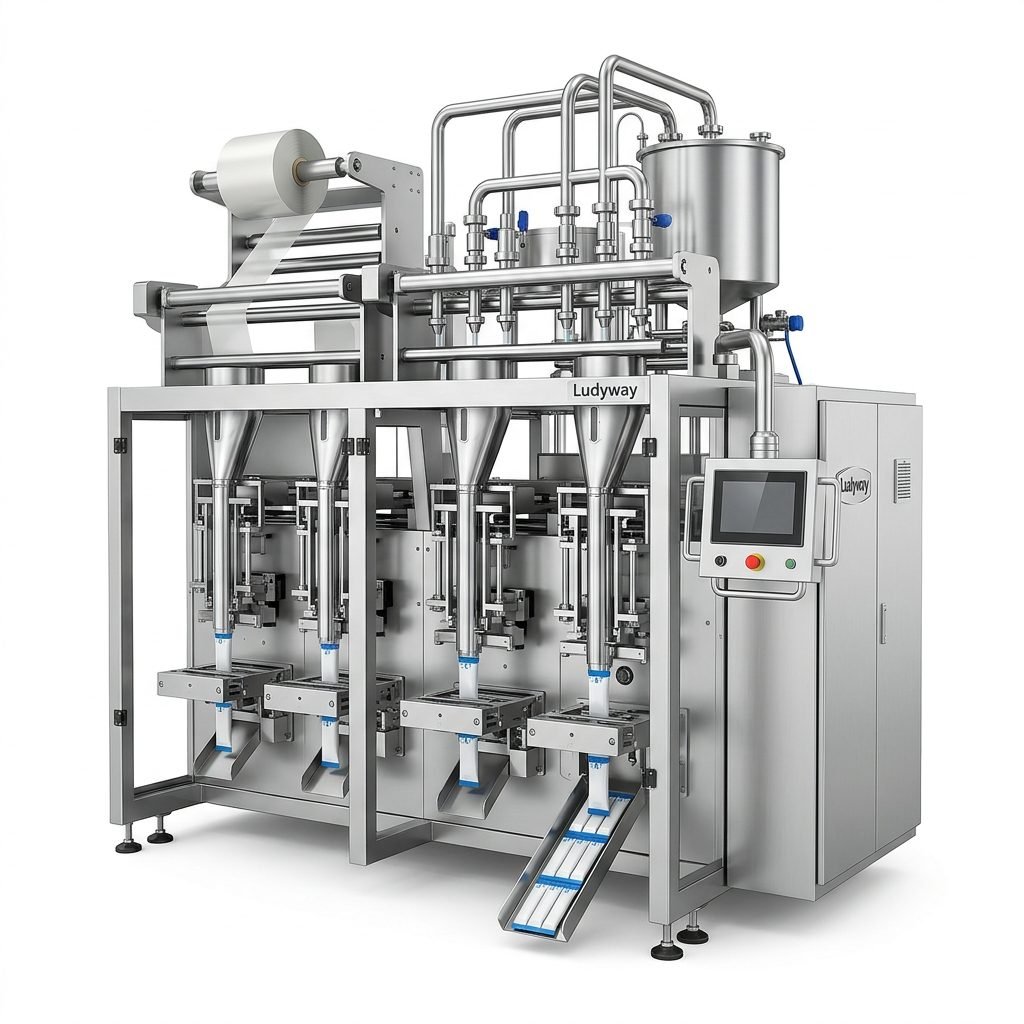
In today’s fast-paced manufacturing landscape, selecting the right advanced packaging machinery is a critical decision that directly impacts production efficiency, product quality, and overall operational costs. This guide delves into the various types of automated packaging systems, their key applications across major industries, and provides a structured framework to help you choose the optimal system for your specific needs.
Understanding the Core Types of Advanced Packaging Machinery
The world of automated packaging is diverse, with systems designed for specific product forms and packaging styles. Understanding these categories is the first step toward making an informed investment.
1. Primary Packaging Systems
These machines handle the direct containment of the product. They are often the heart of the packaging line and are chosen based on the product’s physical state.
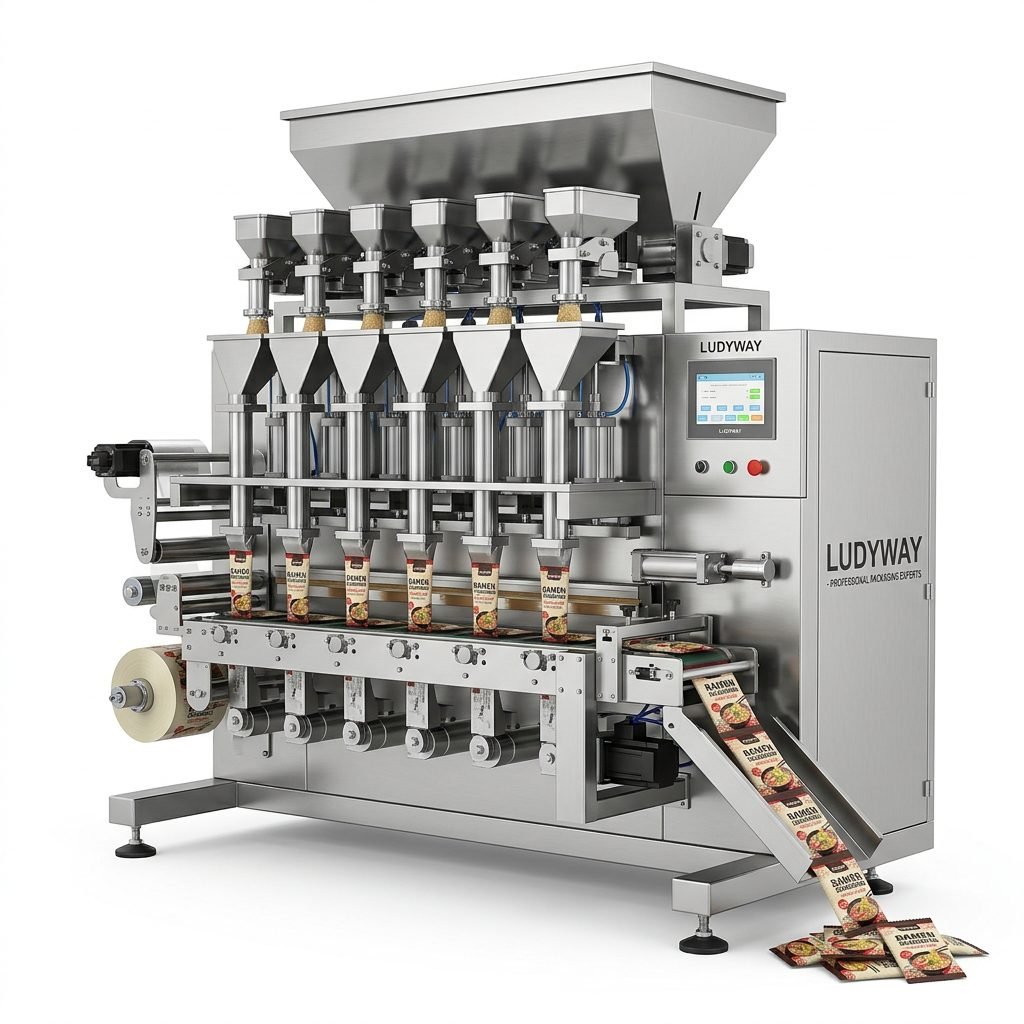
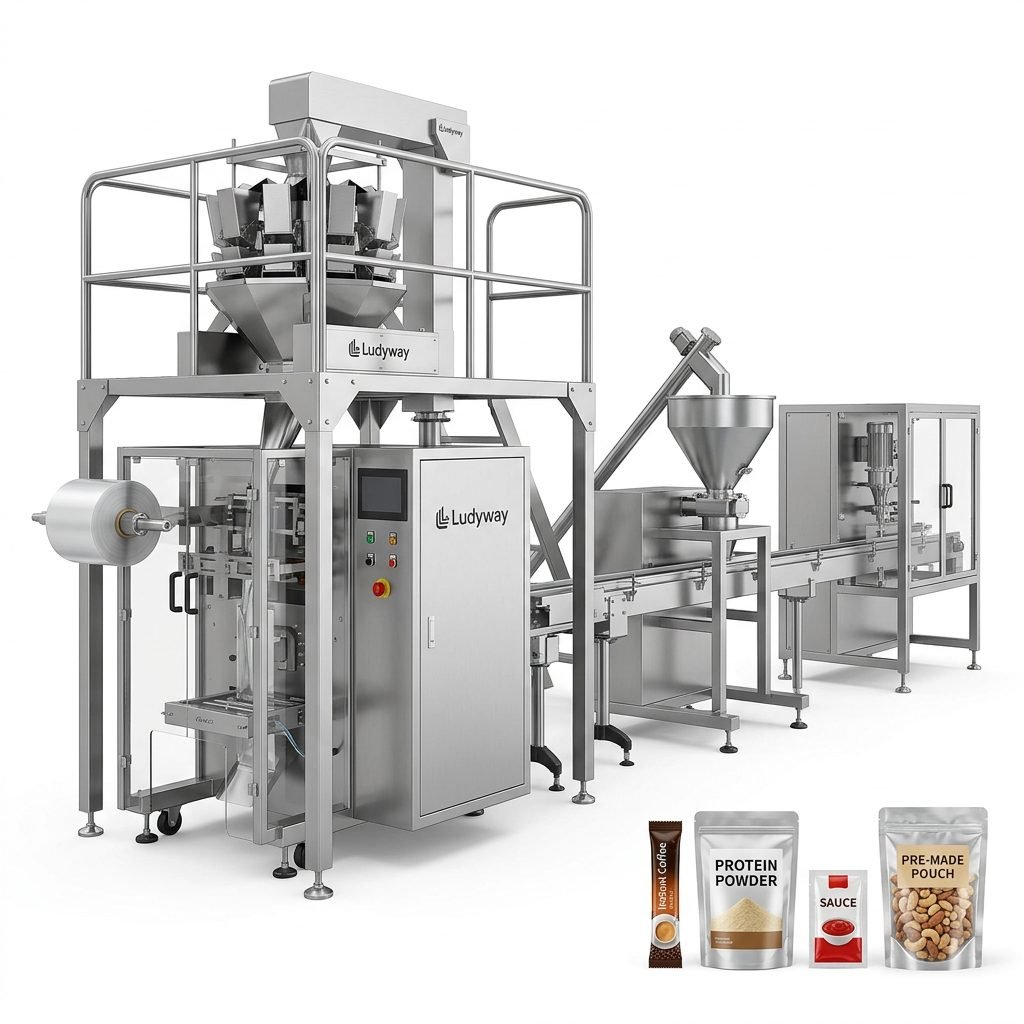
Granule & Powder Packers
Designed for free-flowing dry products like coffee, sugar, spices, and pharmaceuticals. They utilize auger filler or cup filler technology for high-speed, precise dosing. Key features include stainless steel contact parts, dust extraction systems, and touch-screen controls for recipe management.
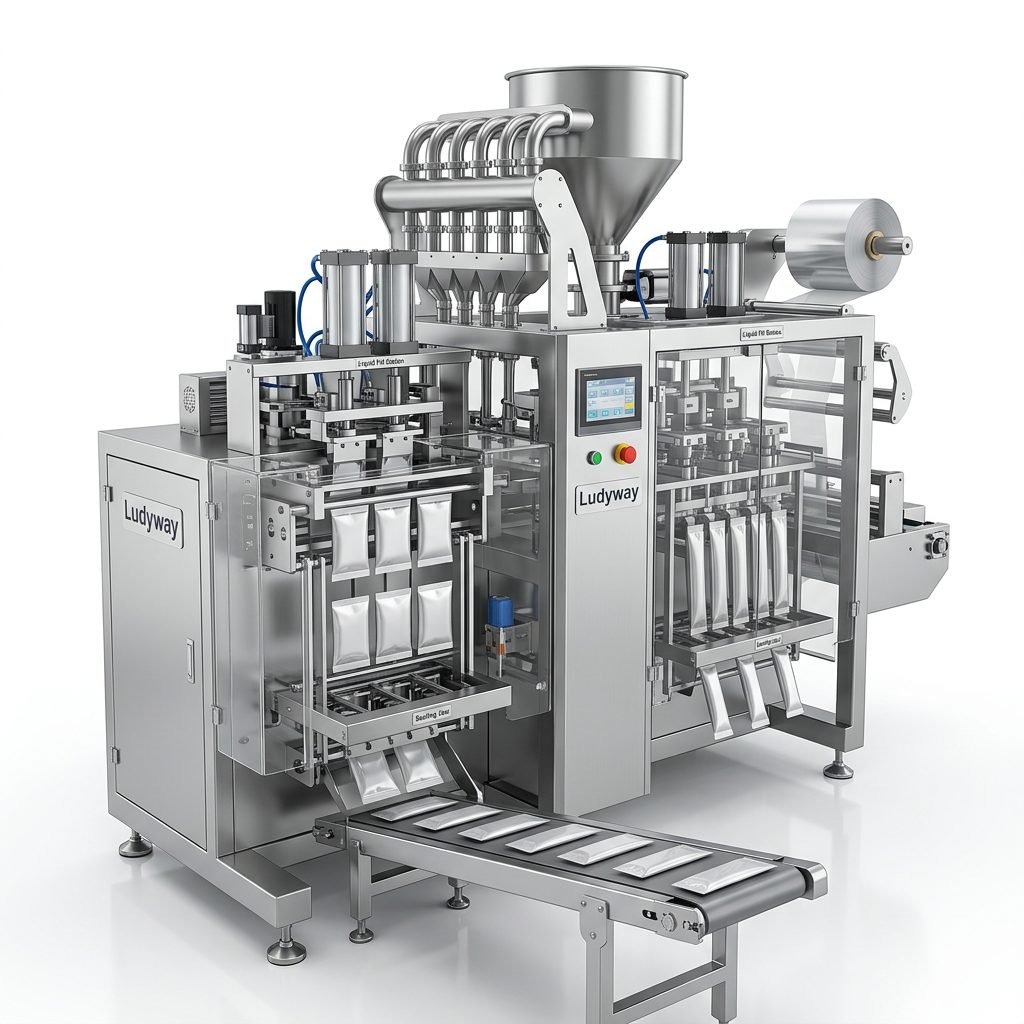
Liquid & Paste Fillers
Used for products such as sauces, oils, shampoos, and cosmetic creams. Technologies range from piston fillers and peristaltic pumps for accuracy to gravity fillers for simpler applications. Hygienic design with CIP/SIP capabilities is crucial for food and pharmaceutical grades.
2. Form-Fill-Seal (FFS) Machines
FFS machines create the package from a roll of film, fill it with product, and seal it—all in one continuous operation. They are highly efficient and reduce packaging material inventory.
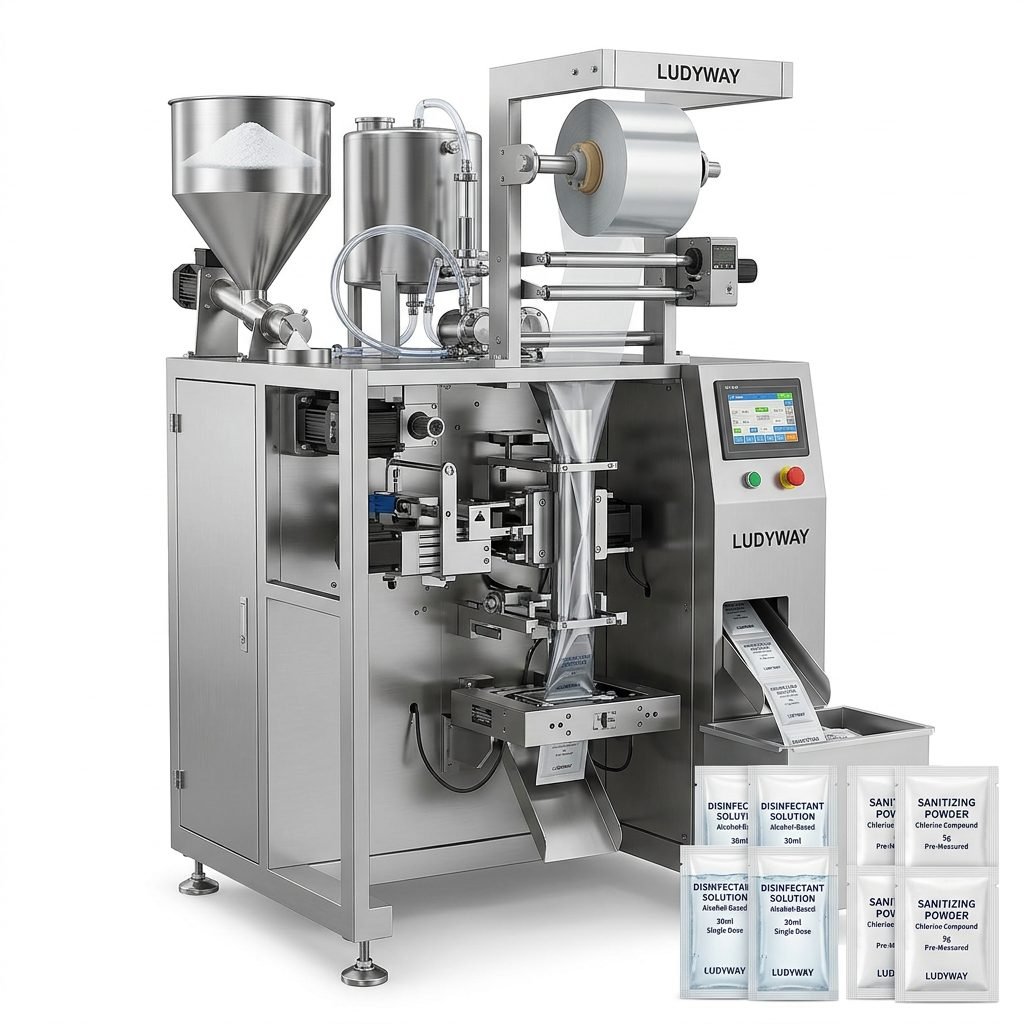
- Vertical Form-Fill-Seal (VFFS): Ideal for granules, powders, and liquids. The bag is formed vertically, filled, and sealed. Common for pillow bags and gusseted bags.
- Horizontal Form-Fill-Seal (HFFS): Used for more complex shapes, like sachets for condiments or stick packs for instant beverages. Product is placed into the pre-formed web.
3. Secondary & End-of-Line Packaging
This equipment handles the grouping, cartoning, and palletizing of primary packages for distribution.
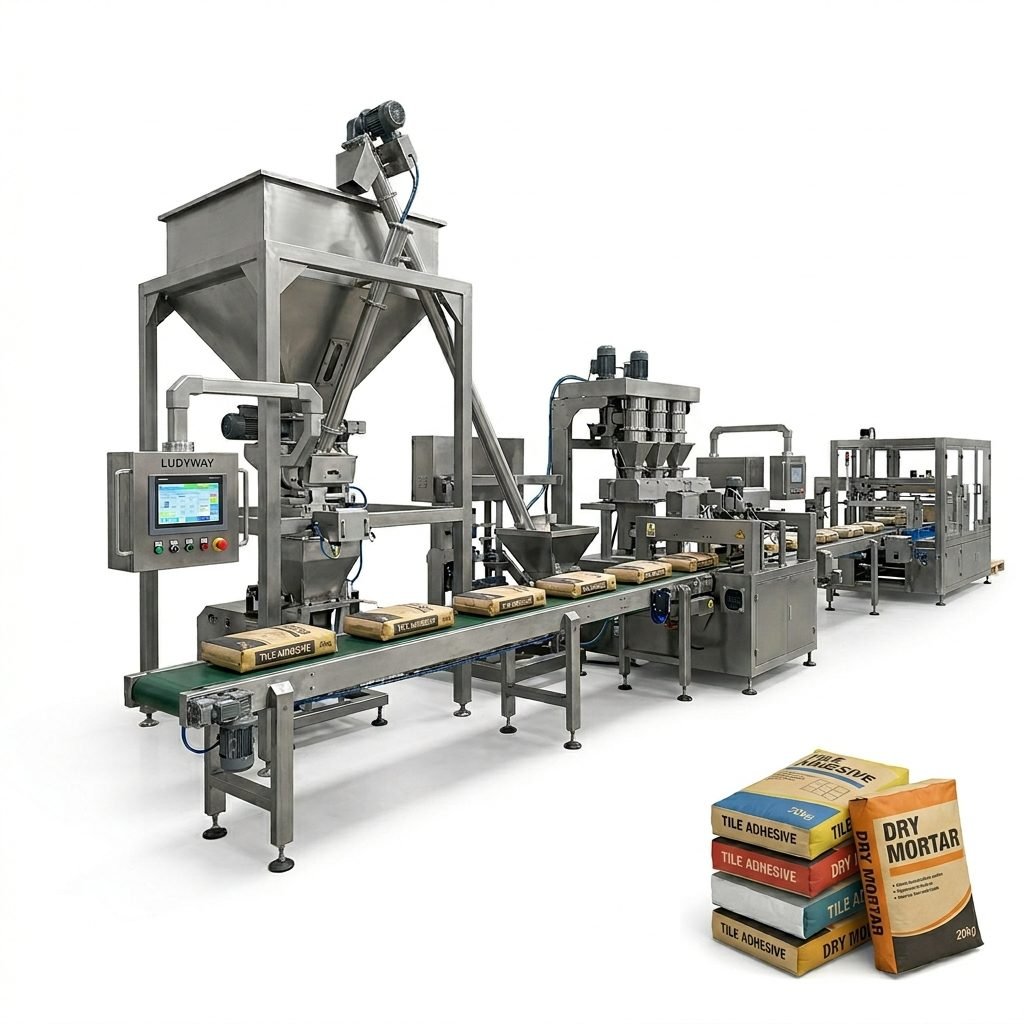
Systems include cartoners, case packers, shrink wrappers, and palletizers. Integration with primary lines via conveyors is essential for a smooth turnkey production line flow.
Key Applications Across Major Industries
The choice of machinery is heavily influenced by the target industry, which dictates requirements for hygiene, accuracy, and speed.
Food & Beverage Industry
Demands high-speed, hygienic machines capable of handling diverse products—from dry snacks to viscous sauces. Compliance with food safety standards (e.g., FDA, EHEDG) is non-negotiable. Stick pack machines for drink mixes and portion-control condiments are particularly popular.
Pharmaceutical & Nutraceutical Industry
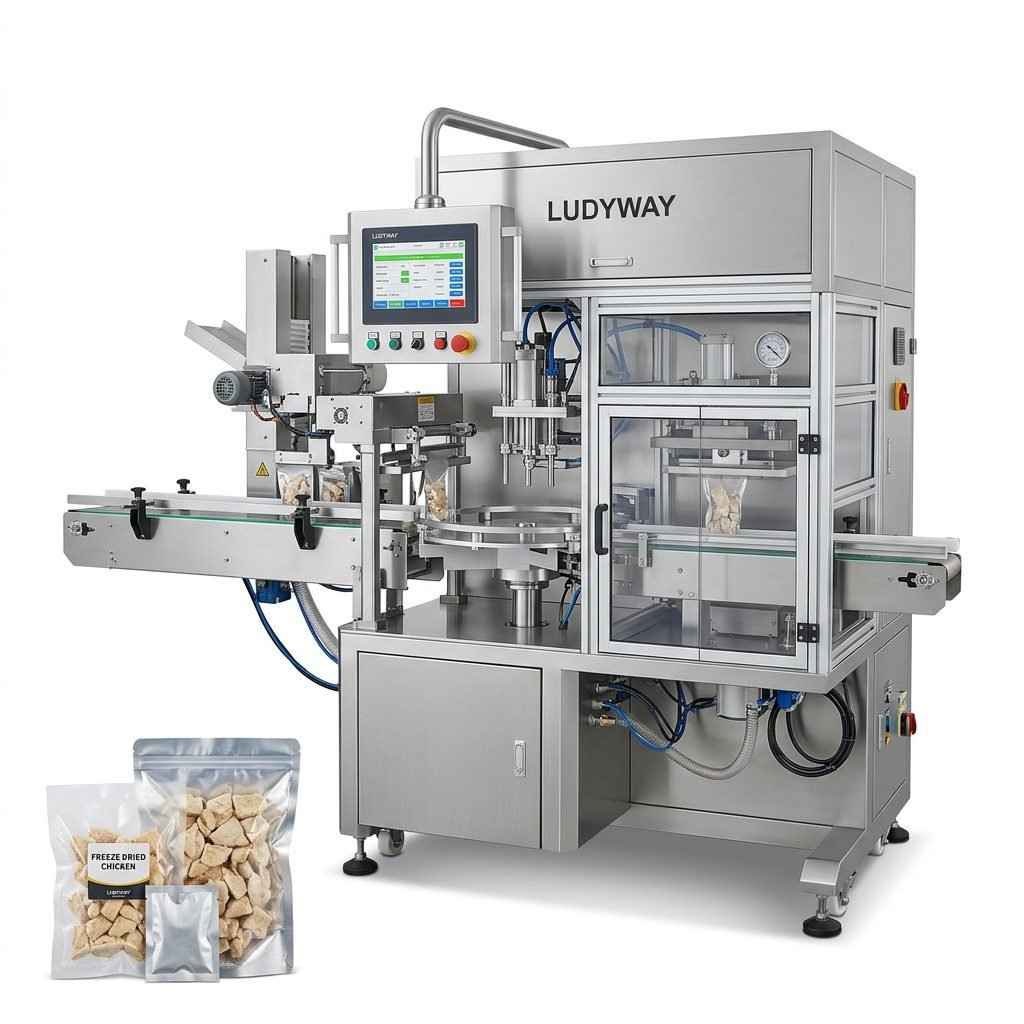
Precision and contamination control are paramount. Machines often feature clean-room compatibility, validated dosing systems, and extensive documentation for regulatory compliance (e.g., GMP, 21 CFR Part 11). Powder fillers for supplements and sachet machines for single-dose powders are widely used.
Cosmetics & Personal Care
Aesthetics and gentle product handling are key. Machines for filling creams, lotions, and serums into precise sachets or stick packs must prevent oxidation and maintain product integrity. Versatility for small batch runs is often valued.
How to Choose the Right Packaging System: A Step-by-Step Framework
Selecting machinery is a strategic process. Follow this framework to align your investment with long-term business goals.
Step 1: Define Your Product & Packaging Specifications
Clearly outline your product characteristics (flowability, abrasiveness, viscosity) and desired package type (bag size, material, seal type). Creating physical samples is highly recommended.
Step 2: Analyze Your Production Requirements
- Output Speed (bags/min): Calculate required speed based on daily/weekly volume.
- Flexibility: Will you run multiple products or package sizes? Quick-changeover systems add value.
- Footprint: Measure your available floor space, including areas for maintenance access.
Step 3: Evaluate Machine Features & Technology
Look beyond the basic function. Prioritize features that enhance reliability and ease of use:
✓ Control System: User-friendly HMI (Human-Machine Interface) with recipe storage and diagnostic alerts.
✓ Construction & Hygiene: Stainless steel frame and food-grade contact parts for durability and easy cleaning.
✓ Accuracy: Weighing or volumetric filling systems with tolerance levels that meet your quality standards.
✓ Supplier Support: Availability of spare parts, technical training, and responsive after-sales service is critical.
Step 4: Consider Total Cost of Ownership (TCO)
Do not choose based on purchase price alone. Factor in operational costs (downtime, changeover time, material waste), maintenance expenses, and potential for future scalability. A slightly higher initial investment in a robust, efficient machine often yields a lower TCO.
Step 5: Partner with a Reputable Supplier
Work with a supplier who has proven experience in your industry. Request references, ask for a product demonstration with your own materials, and review their project management process for installation and commissioning. A partner like Ludyway Packaging Machinery, with decades of industry experience, can provide invaluable guidance from concept to production.
Frequently Asked Questions (FAQs)
1. What is the main difference between vertical and horizontal form-fill-seal machines?
Vertical machines (VFFS) form the bag around the product filler in a vertical orientation, best for free-flowing items. Horizontal machines (HFFS) form pockets in a horizontal web before filling, ideal for placing individual items or creating complex sachet shapes. The choice depends on product characteristics and the desired package format.
2. How important is machine flexibility for a growing business?
Extremely important. Investing in a system with quick-changeover capabilities for different bag sizes or products future-proofs your operation. It allows you to respond to market demands, run smaller batches efficiently, and maximize the utility of your capital investment without needing a new machine for each product line.
3. What key certifications should I look for in food or pharmaceutical packaging machinery?
For food, look for machines constructed with food-grade materials and designs that facilitate cleaning, often aligned with standards from the FDA or EHEDG. For pharmaceuticals, GMP (Good Manufacturing Practice) compliance is essential, and machinery may require features for validation and data integrity per regulations like 21 CFR Part 11.
4. Can a single machine handle both granules and powders?
Many granular packing machines can be adapted for fine powders, but it’s not always a simple switch. Powder handling often requires additional features like anti-bridging devices, de-aeration systems, and enhanced dust containment. Always discuss your full product range with the supplier to ensure the machine is correctly configured.
5. What does “turnkey production solution” mean from a supplier?
A turnkey solution means the supplier takes full responsibility for delivering a complete, ready-to-operate production line. This goes beyond selling a single machine; it includes system design, integration of all components (feeders, conveyors, checkweighers), installation, commissioning, and operator training. It provides a single point of contact and accountability for the entire project.