In today’s fast-paced manufacturing and food processing industries, efficiency, product preservation, and presentation are paramount. The continuous vacuum packaging machine has emerged as a critical piece of equipment for businesses looking to extend shelf life, improve product safety, and enhance brand appeal. This guide delves into how these machines operate, their significant advantages, and key considerations for making an informed purchase.
Understanding the Continuous Vacuum Packaging Process
Unlike single-chamber vacuum sealers, a continuous vacuum packaging machine is designed for high-volume, automated production lines. The process is seamless and efficient, allowing products to be packaged in a non-stop flow.
Core Operational Stages:
1. Product Loading: Items are manually or automatically placed into pre-formed pouches or bags on a conveyor belt.
2. Sealing Initiation: The open end of the bag is positioned over the sealing bar. The machine’s conveyor indexes the bag into the sealing station.
3. Vacuum & Gas Flush: A hood lowers, creating a temporary sealed chamber. Air is rapidly extracted (vacuum). For Modified Atmosphere Packaging (MAP), inert gases like nitrogen are injected to displace oxygen.
4. Heat Sealing: While under vacuum/gas, heated sealing bars fuse the bag’s inner layers, creating an airtight, hermetic seal.
5. Chamber Release & Ejection: The hood lifts, the vacuum is released, and the finished package is conveyed out. The cycle repeats continuously for the next bag.
Key Benefits for Your Business
Investing in a continuous vacuum system translates to tangible operational and commercial benefits.
1. Dramatically Extended Shelf Life
By removing oxygen—the primary catalyst for oxidation, microbial growth, and spoilage—these machines can extend product freshness by 3 to 5 times or more. This reduces waste, allows for broader distribution, and is crucial for exporters facing long shipping times.
2. Unmatched Production Efficiency
Designed for 24/7 operation, continuous vacuum sealers offer significantly higher output than batch-type chamber machines. They eliminate the stop-start cycle, enabling a smooth, high-speed packaging flow that integrates perfectly with upstream filling and downstream labeling systems.
3. Superior Product Presentation & Protection
Vacuum packaging conforms tightly to the product’s shape, creating a “second skin.” This not only minimizes package material but also presents products attractively on shelves. It provides an excellent barrier against moisture, contaminants, and freezer burn, protecting flavor, texture, and nutritional value.
4. Versatility Across Industries
These machines are not limited to food. Their application spans various sectors:
✓ Food: Meats, cheeses, seafood, prepared meals, snacks.
✓ Pharmaceuticals: Sterile medical devices, kits, hygroscopic powders.
✓ Electronics: Protecting components from moisture and corrosion.
✓ Industrial Parts: Packaging of metal parts to prevent oxidation.
Essential Buying Guide: What to Consider
Choosing the right continuous vacuum packaging machine requires careful evaluation of your specific needs.
1. Assess Your Production Requirements
Speed & Output: Determine your required packages-per-minute (PPM). Machines range from 10-15 PPM for smaller operations to over 60 PPM for large-scale lines.
Product Type & Size: Consider the maximum bag dimensions (length, width, depth) your products need. The machine must accommodate your largest item.
2. Evaluate Technical Specifications
Vacuum Power & Speed: Measured in cubic meters per hour (m³/h) or by ultimate vacuum level (e.g., 0.1 mbar). A stronger, faster pump is crucial for porous products.
Sealing System: Look for durable, digitally-controlled sealing bars with adjustable temperature and pressure for consistent seals on various film types.
Control System: A user-friendly PLC-based touchscreen interface allows for easy recipe storage, parameter adjustment, and diagnostics.
3. Material Compatibility & Gas Flushing (MAP)
Ensure the machine is compatible with your chosen packaging films (e.g., multilayer laminates, PE, PA). If you require Modified Atmosphere Packaging (MAP) for products like fresh salads or red meat, confirm the machine has a precise gas flushing system with flow meters.
4. Build Quality, Support, and Supplier Reputation
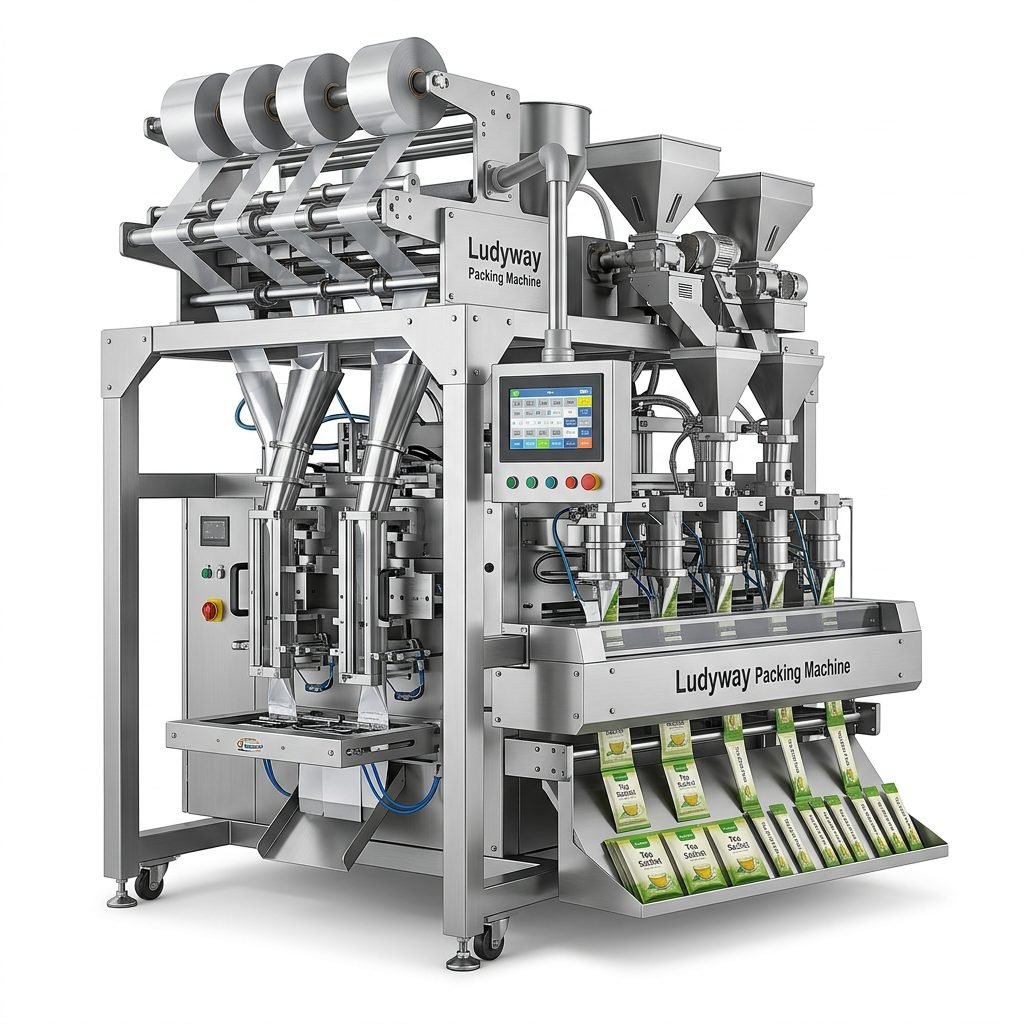
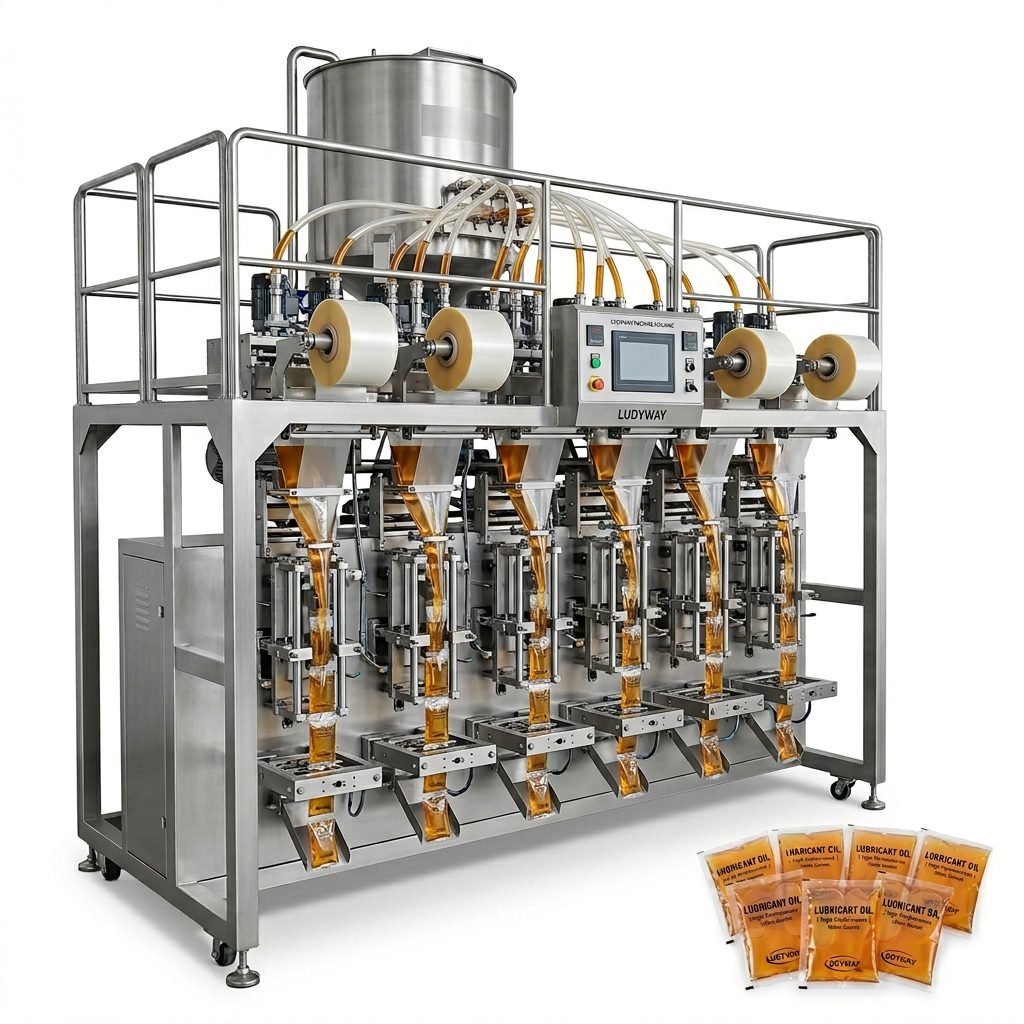
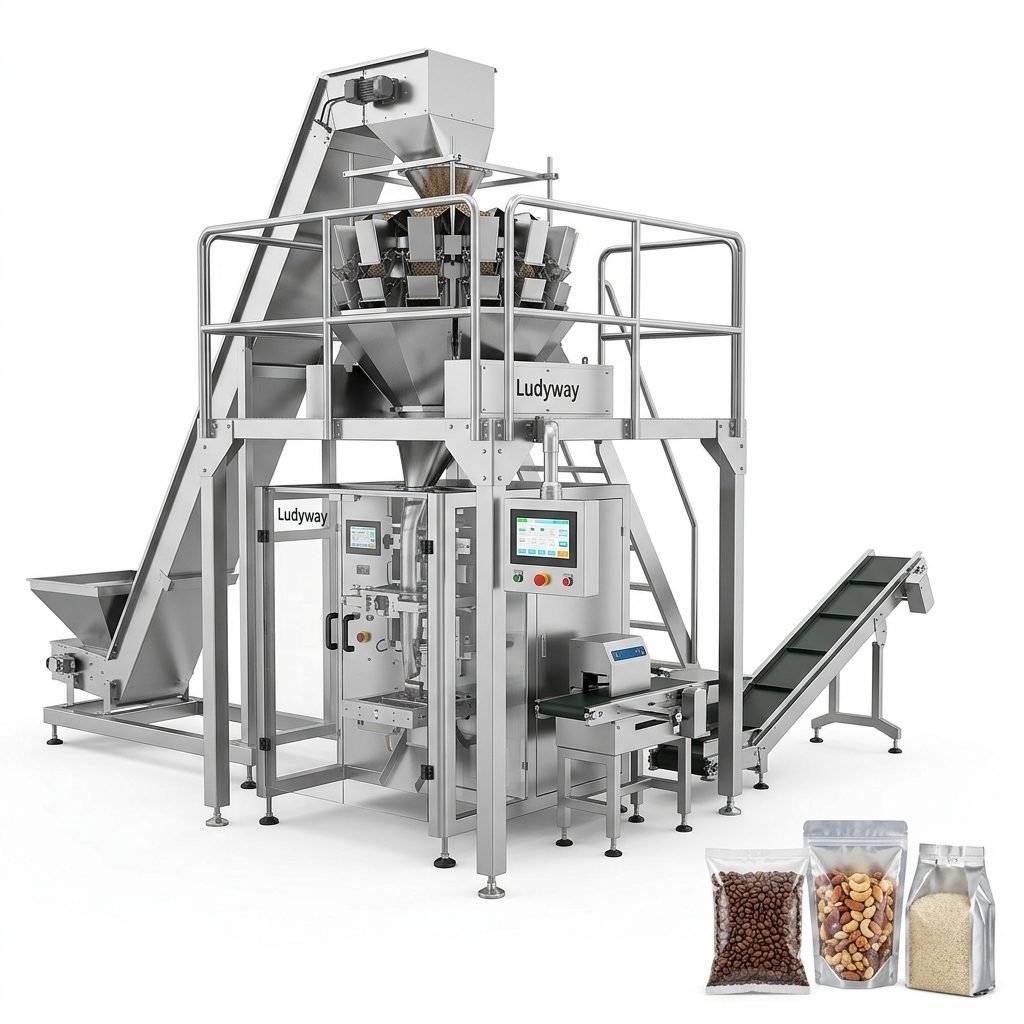
Opt for robust construction (stainless steel contact parts) for hygiene and durability. The supplier’s reputation is critical. Look for a provider with proven industry experience, strong technical support, and readily available spare parts. For instance, Ludyway Packing Machine brings over a decade of expertise in providing reliable packaging solutions for global manufacturers, ensuring professional service and long-term partnership.
💡 Pro Tip: Think Long-Term
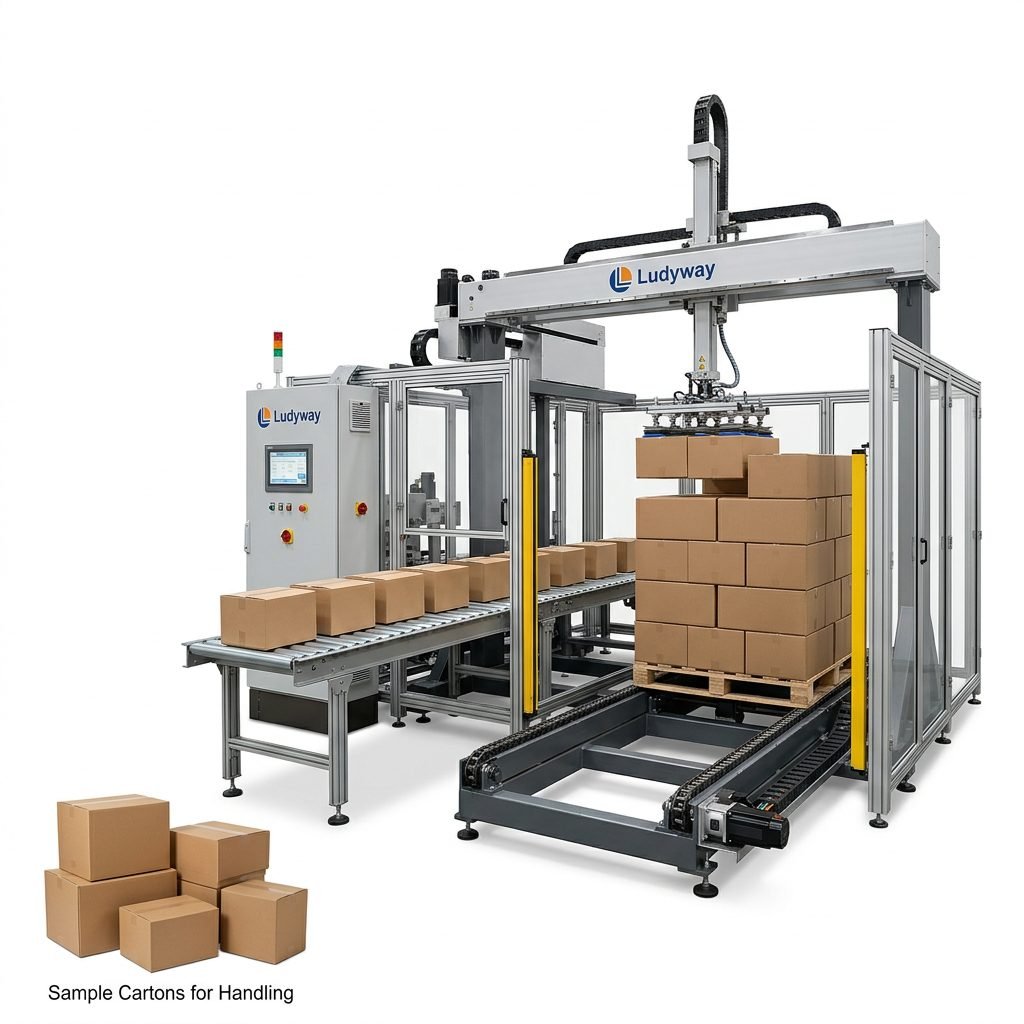
Consider future growth. A slightly more capable machine than your current needs might be a wiser investment. Also, inquire about training, warranty terms, and after-sales service before finalizing your decision. Partnering with an expert like Ludyway Machinery can provide access to customized automation solutions tailored to evolving production lines.
Frequently Asked Questions (FAQs)
1. What is the main difference between a continuous and a chamber vacuum sealer?
A chamber sealer processes one batch of bags at a time inside a closed chamber, requiring the cycle to stop and restart. A continuous sealer uses a moving conveyor and a sealing station with a lowering hood, allowing for non-stop, high-volume packaging as bags flow through sequentially.
2. Can I use any type of plastic bag with a continuous vacuum machine?
No. You must use pouches specifically designed for vacuum packaging. These are typically multi-layered films (e.g., PA/PE) that have barrier properties against oxygen and moisture and can form a strong heat seal under vacuum pressure.
3. Is Modified Atmosphere Packaging (MAP) possible with all continuous machines?
No. MAP capability is an optional feature. If you need to flush bags with gas mixtures (like nitrogen or carbon dioxide), you must specify this requirement when purchasing the machine, as it requires additional gas injection valves and control systems.
4. How do I maintain a continuous vacuum packaging machine?
Regular maintenance is key. Daily tasks include cleaning the sealing bar, vacuum channel, and conveyor. Weekly or monthly checks should involve inspecting the vacuum pump oil level, testing seal integrity, and ensuring all sensors are clean and functional. Always follow the manufacturer’s maintenance schedule.
5. What training is typically provided with the machine?
Reputable suppliers offer comprehensive training covering machine operation, film loading, parameter setting for different products, routine maintenance, and basic troubleshooting. This ensures your team can operate the machine safely and efficiently from day one.