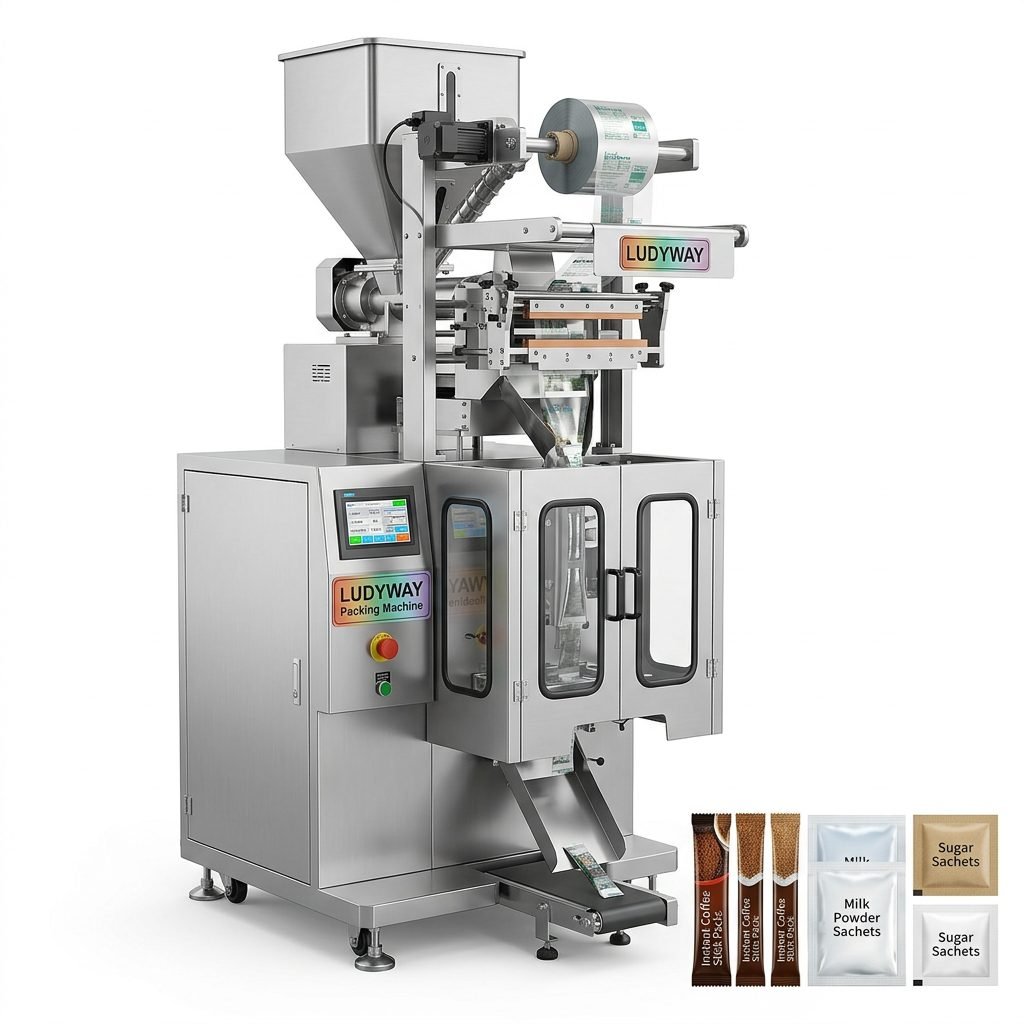
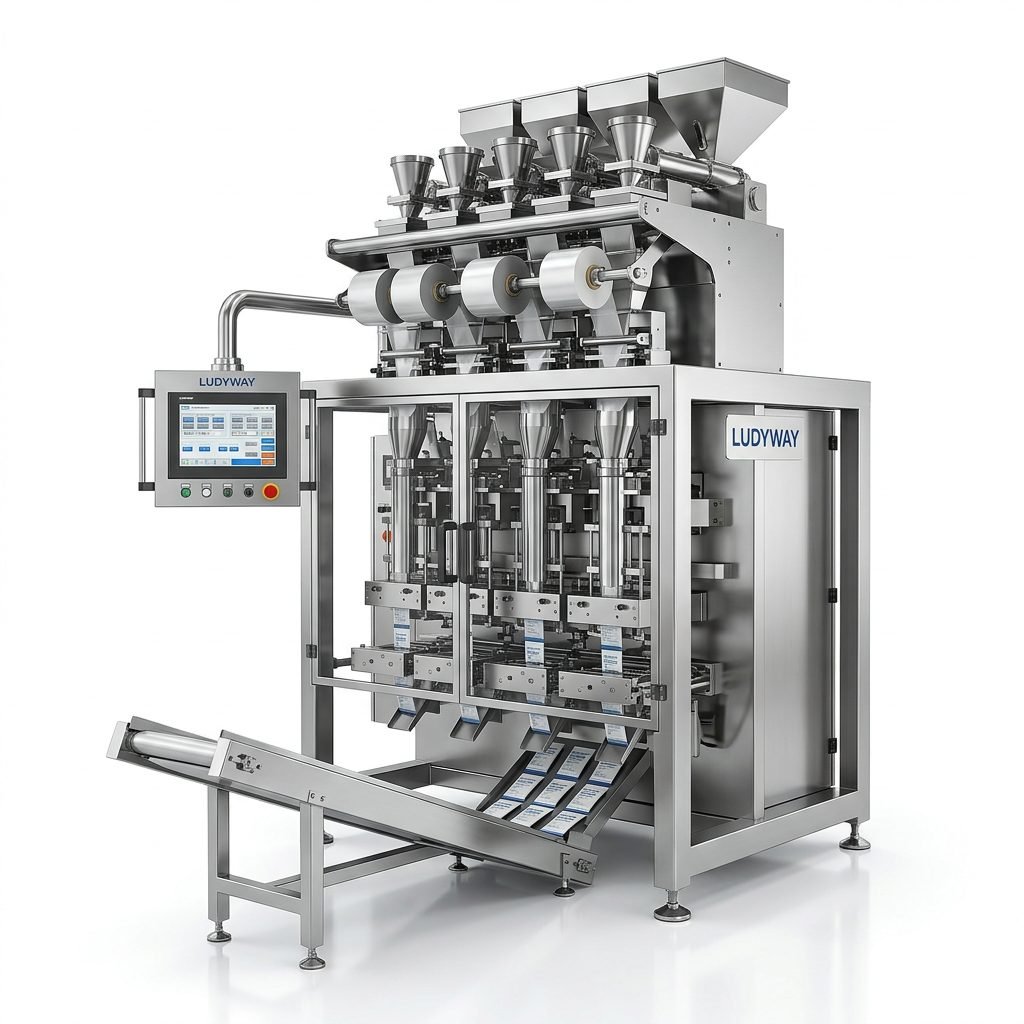
In today’s fast-paced manufacturing landscape, efficiency and reliability are paramount. For industries like food, beverage, and industrial production, the packaging process is a critical bottleneck that can determine overall productivity and profitability. High-speed packaging machinery solutions are no longer a luxury but a necessity for businesses aiming to scale, meet consumer demand, and maintain stringent quality standards. These advanced systems integrate precision engineering, automation, and intelligent controls to handle a vast array of products—from dry granules and powders to viscous liquids and fragile items—at unprecedented speeds.
The Critical Role of Speed in Modern Packaging
The drive for higher output rates is a universal challenge. High-speed packaging machines are engineered to perform complex tasks—filling, sealing, coding, and cartoning—in a seamless, continuous motion. This minimizes downtime, reduces labor costs per unit, and maximizes the utilization of production lines. For perishable goods in the food and beverage sector, speed directly correlates with freshness and shelf-life, making it a vital component of product integrity and safety.
Key Industries Benefiting from High-Speed Automation
- Food & Snacks: Packaging nuts, candies, spices, and instant noodles into stick packs, sachets, or pouches.
- Beverage & Liquids: Handling milk powders, coffee, tea, juice concentrates, and sauce portions.
- Pharmaceutical & Healthcare: Precise dosing of powders, granules, and herbal products into single-serve packets.
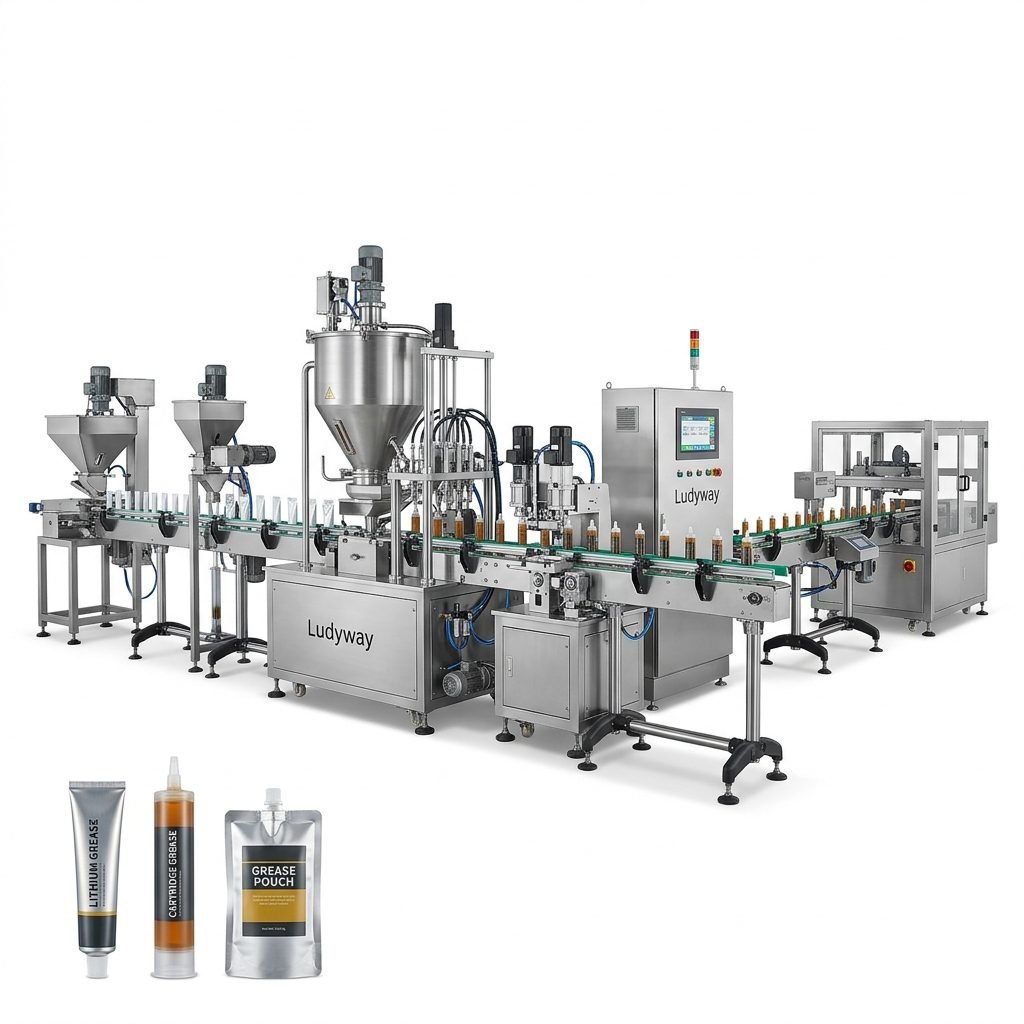
- Industrial & Chemical: Packaging detergents, additives, lubricants, and other granular or powdered compounds.
Core Technologies Powering High-Speed Performance
Modern high-speed packaging solutions are built on several foundational technologies. Servo-driven systems provide unparalleled accuracy and flexibility in motion control, allowing for quick changeovers between different product formats and package sizes. Advanced vision inspection systems ensure every package meets quality specifications, rejecting any that are improperly filled, sealed, or labeled. Integrated programmable logic controllers (PLCs) and human-machine interfaces (HMIs) offer operators intuitive control and real-time monitoring of production data, enabling proactive maintenance and minimizing unplanned stops.
1. Multi-Lane & Rotary Design Systems
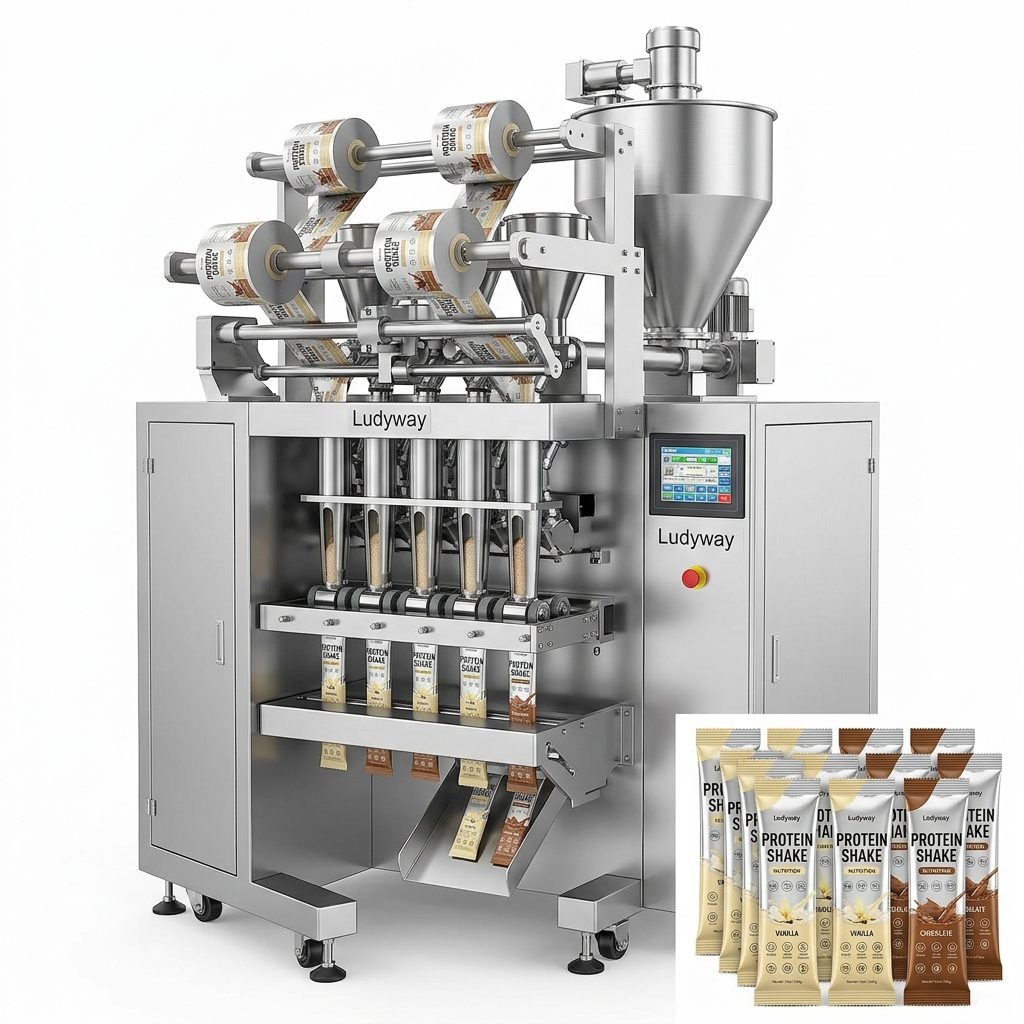
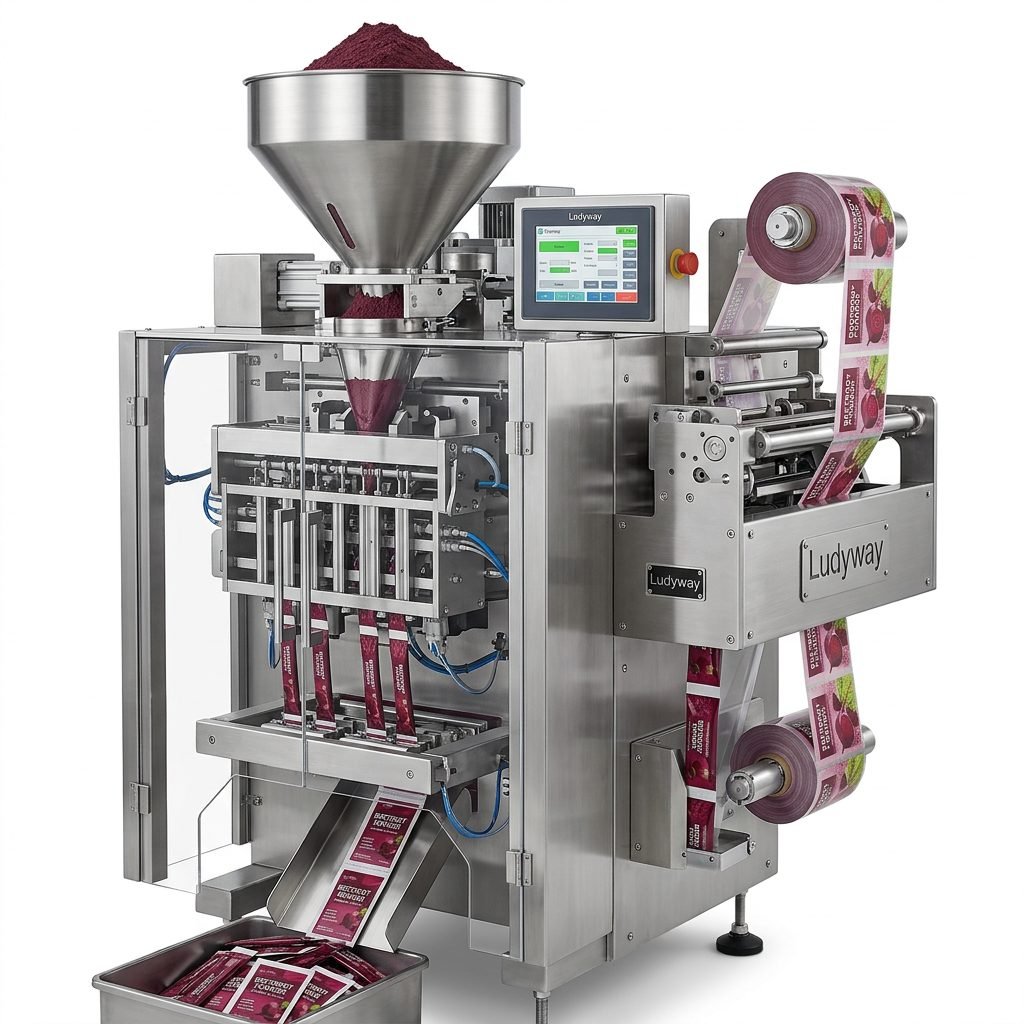
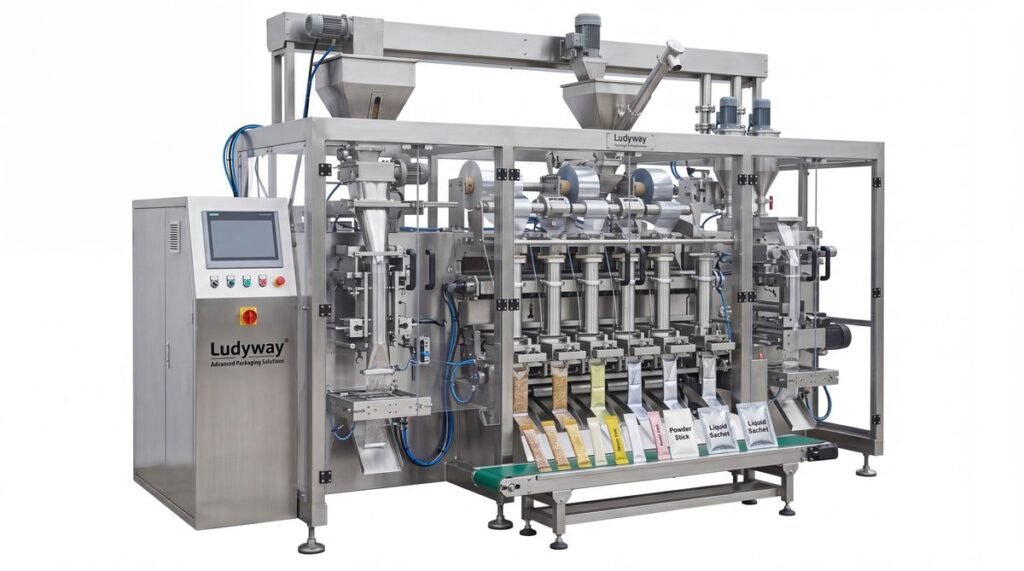
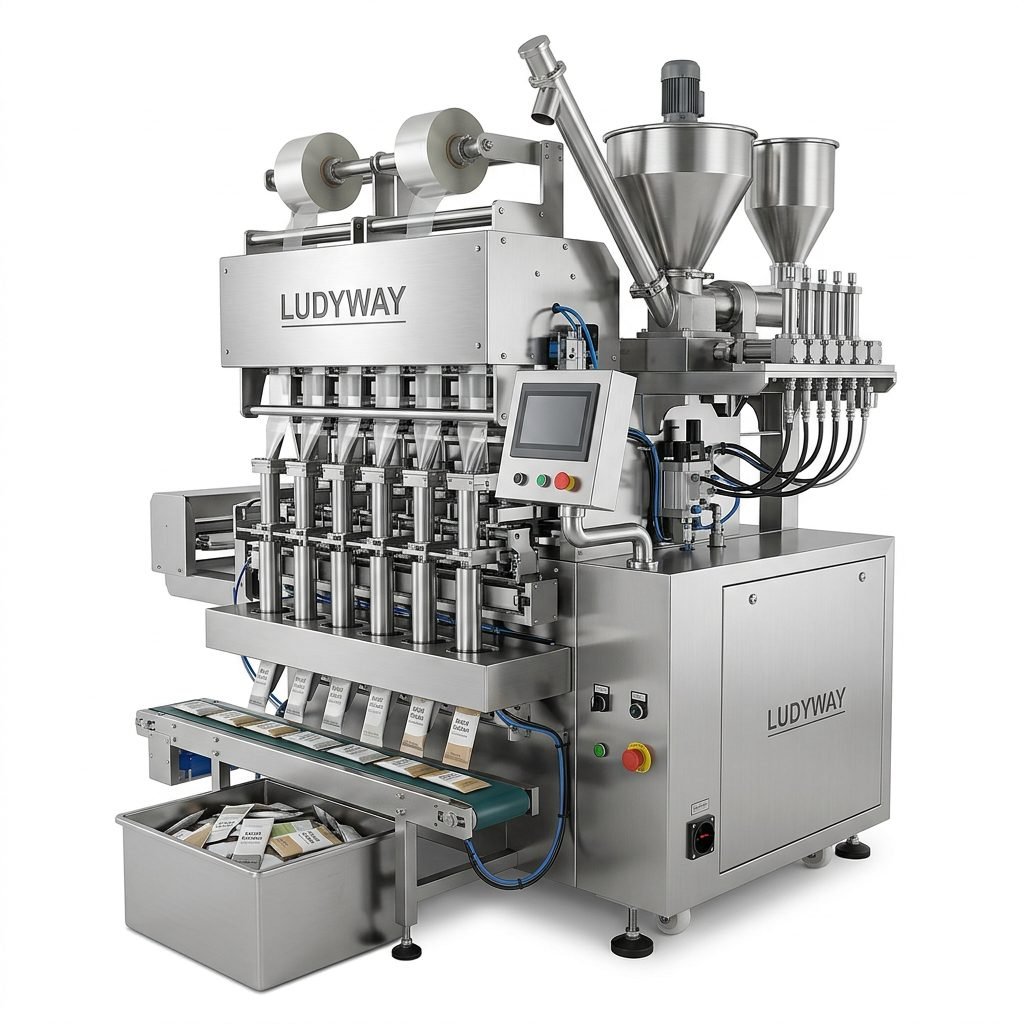
A significant leap in speed comes from multi-lane configurations. Instead of a single packaging lane, these machines operate multiple lanes in parallel, effectively multiplying output. Rotary designs, where product is filled and sealed on a continuously rotating carousel, further eliminate the stop-start cycle of linear machines, enabling truly non-stop production. This is especially crucial for high-volume items like sugar sticks, instant coffee sachets, or seasoning packets.
2. Intelligent Weighing and Filling
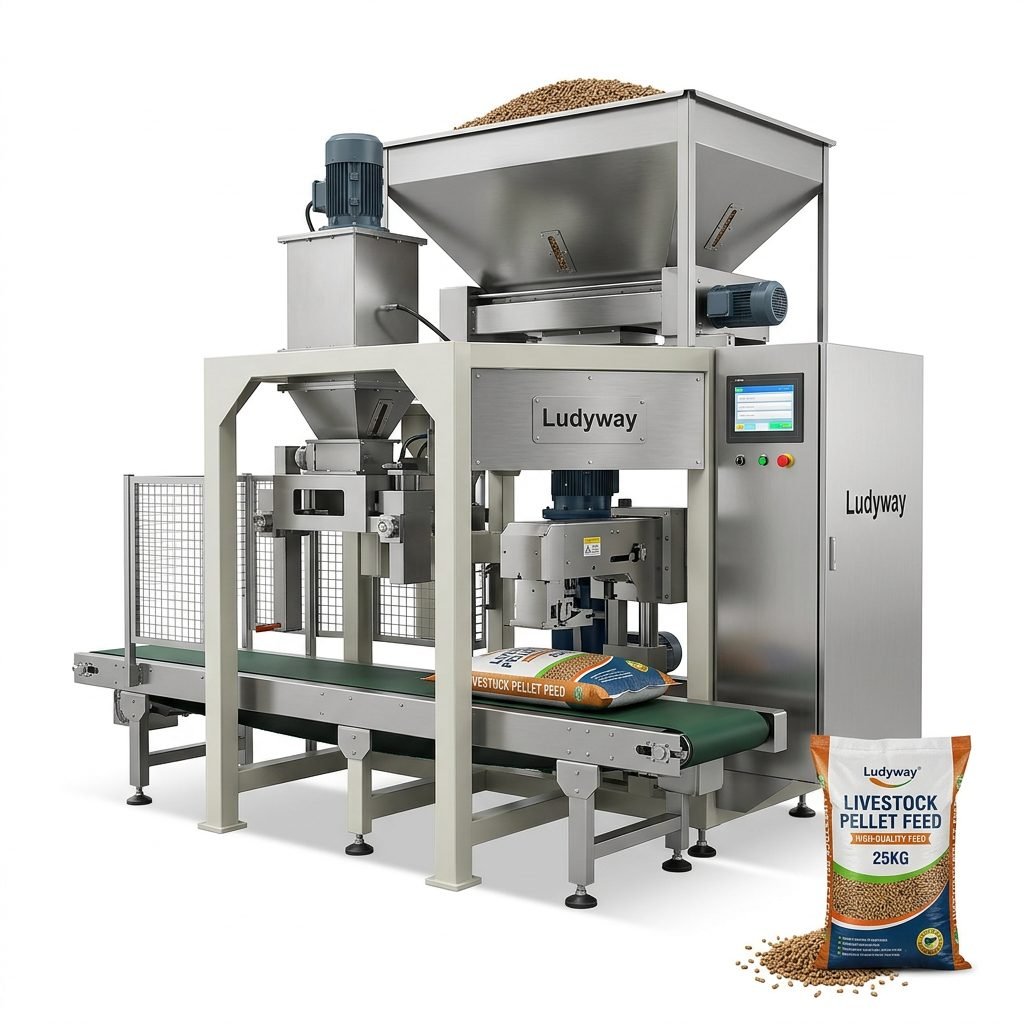
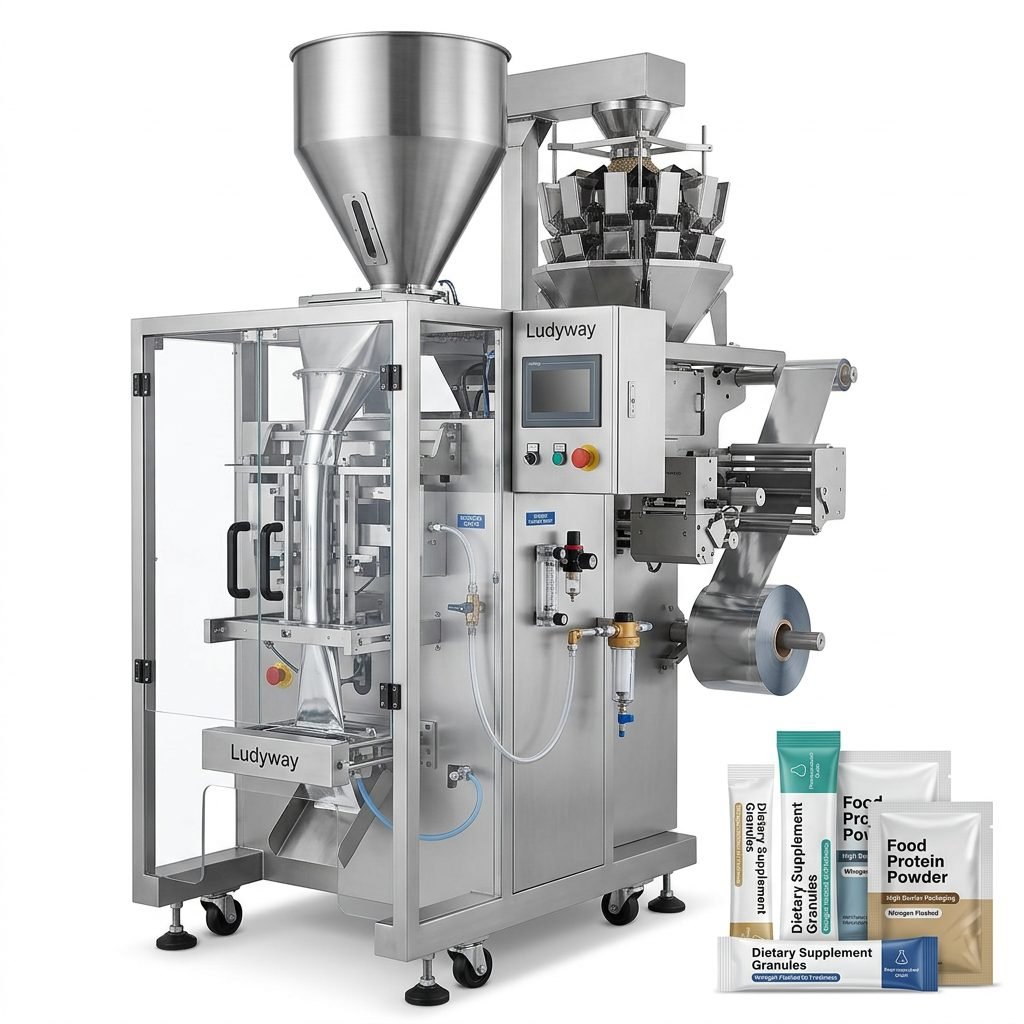
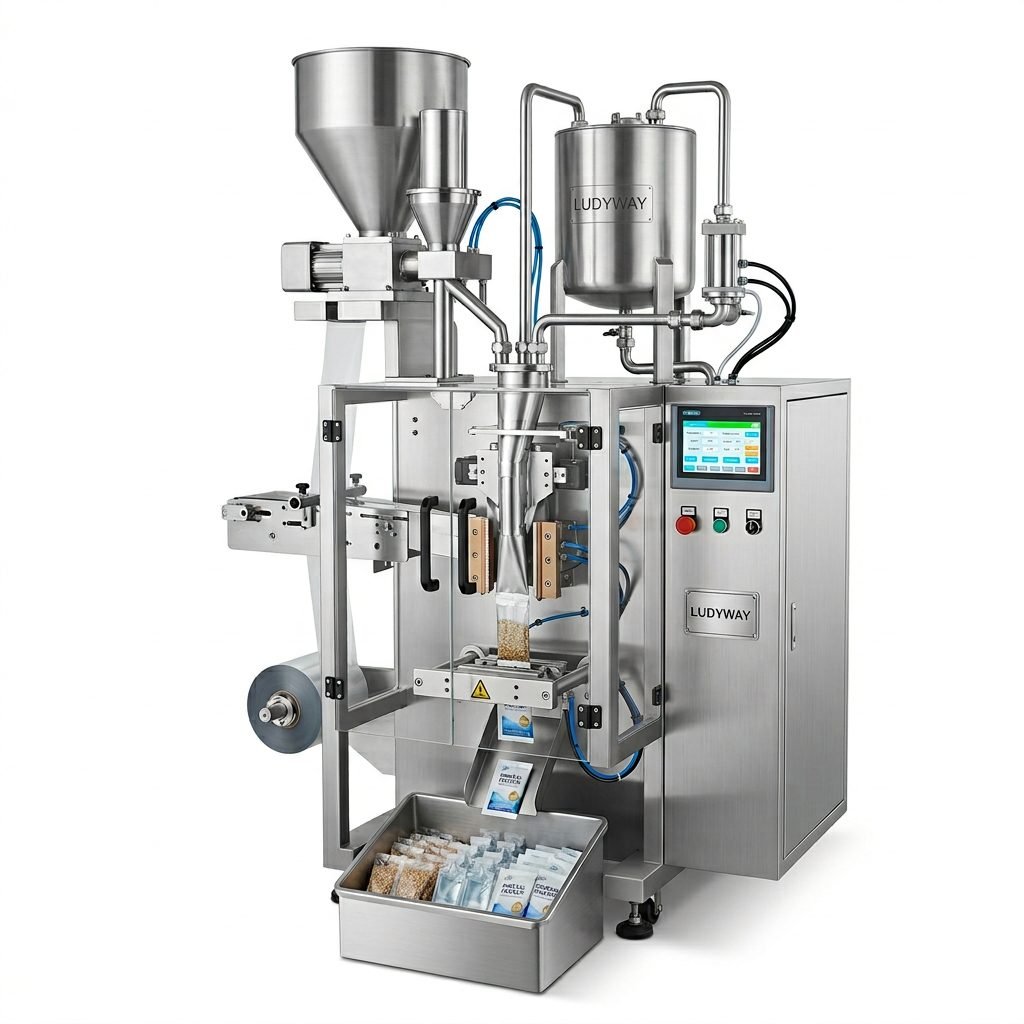
Speed cannot compromise accuracy. Precision auger fillers, volumetric cup fillers, and advanced net weight scales work in harmony with high-speed indexing to ensure each package contains the exact specified weight or volume. This is vital for cost control, regulatory compliance, and consumer trust. Modern systems self-correct for product density variations, ensuring consistency across millions of cycles.
Choosing the Right Solution for Your Production Line
Selecting a high-speed packaging machine is a strategic decision. It requires a thorough analysis of your product characteristics, desired output (packages per minute), available factory footprint, and future scalability needs. Partnering with an experienced provider who offers comprehensive support—from initial consultation and factory testing to installation, training, and after-sales service—is essential for a successful integration and long-term ROI.
✅ Checklist for Evaluation:
- Required output speed (packs/min) and 24/7 operational reliability.
- Product type (granule, powder, liquid) and its flow characteristics.
- Packaging material (film type, laminate structure) and sealing method.
- Level of automation needed (manual feeding vs. integrated upstream/downstream lines).
- Supplier’s technical support capability and spare parts availability.
For over a decade, Ludyway Machinery has been at the forefront of this automation drive. With a deep understanding of the challenges faced by food, beverage, and industrial producers, we develop and supply robust, high-speed packaging systems. Our expertise spans more than 50 machine models, including sophisticated multi-lane stick pack and sachet machines designed for relentless, high-volume production. Backed by three decades of collective industry experience, we focus on delivering turnkey solutions that enhance your operational efficiency and competitiveness.
The Future: Smart, Connected Packaging Lines
The next evolution in high-speed packaging is connectivity and data intelligence. Industry 4.0 principles are being integrated, where machines communicate performance metrics to central Manufacturing Execution Systems (MES). This enables predictive maintenance, detailed OEE (Overall Equipment Effectiveness) tracking, and seamless lot tracing. The goal is a self-optimizing production line where speed, quality, and flexibility are dynamically balanced in real-time.
Implementing a high-speed packaging solution is a significant step toward future-proofing your manufacturing operations. It’s an investment that pays dividends through reduced operational costs, improved product consistency, and the agility to capture new market opportunities. By focusing on reliable technology, tailored application engineering, and strong partnership, businesses can transform their packaging operations into a strategic asset.
Frequently Asked Questions (FAQs)
1. What is the typical output speed range for a high-speed stick pack machine?
Output varies by model and configuration. Standard single-lane machines can achieve 80-120 packs per minute. Advanced multi-lane systems from suppliers like Ludyway can reach speeds of 400 to over 1,000 packs per minute, depending on the number of lanes and product characteristics.
2. How difficult is it to change over packaging formats on a high-speed machine?
Modern machines prioritize quick changeover. Servo-driven systems with recipe storage allow operators to change package size and format through the HMI in minutes, significantly reducing downtime compared to manual mechanical adjustment models.
3. Can high-speed machines handle different types of products on the same line?
Yes, but within a defined range. A machine designed for fine powders may not optimally handle large granules without modification. It’s crucial to discuss your full product portfolio with the supplier during the planning phase to ensure the chosen machine platform offers the necessary flexibility.
4. What kind of maintenance do these high-speed systems require?
Preventive maintenance is key to sustaining high speed and reliability. This typically involves regular cleaning, lubrication of moving parts, inspection of seals and wear parts, and calibration of weighing systems. A reliable supplier will provide a detailed maintenance schedule and training for your technicians.
5. Are high-speed packaging solutions suitable for small to mid-sized businesses (SMBs)?
Absolutely. The market offers scalable solutions. While a 10-lane machine might be for a global brand, many suppliers offer compact, affordable 1-2 lane high-speed machines perfect for SMBs looking to automate and grow. The focus should be on the total cost of ownership and the growth path the machine enables.