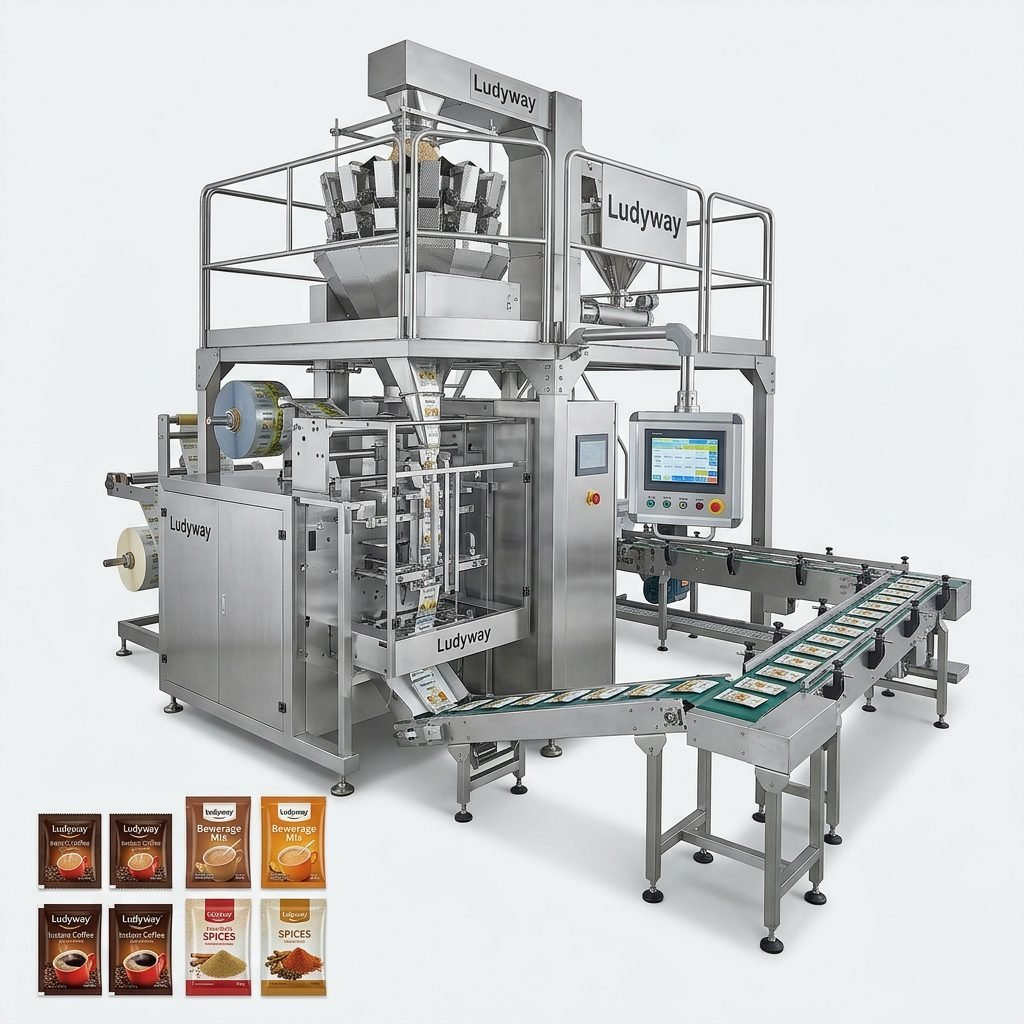
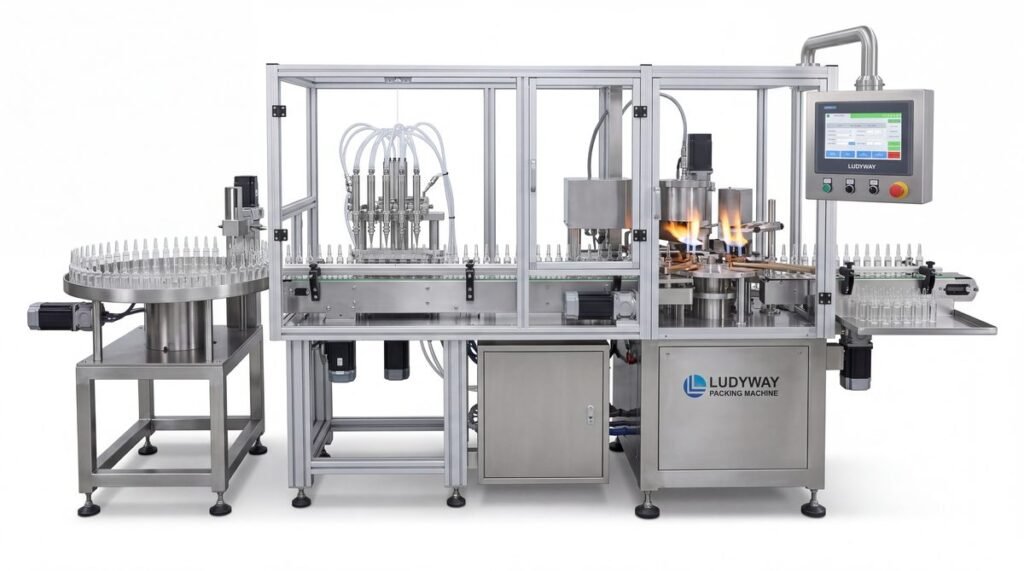
Roll stock packaging machines are a cornerstone of modern production lines, enabling high-speed, precise, and hygienic packaging for a vast array of products. From pharmaceuticals and food items to cosmetics and hardware components, these versatile machines form flexible pouches from a continuous roll of film, fill them, and seal them—all in one continuous operation. Understanding the different types, how they work, and the key selection criteria is essential for any business looking to invest in efficient and reliable packaging automation.
Core Types of Roll Stock Packaging Machines
The world of roll stock packaging is diverse, with machines tailored to specific product forms and market demands. The primary categorization is based on the type of product being packaged.
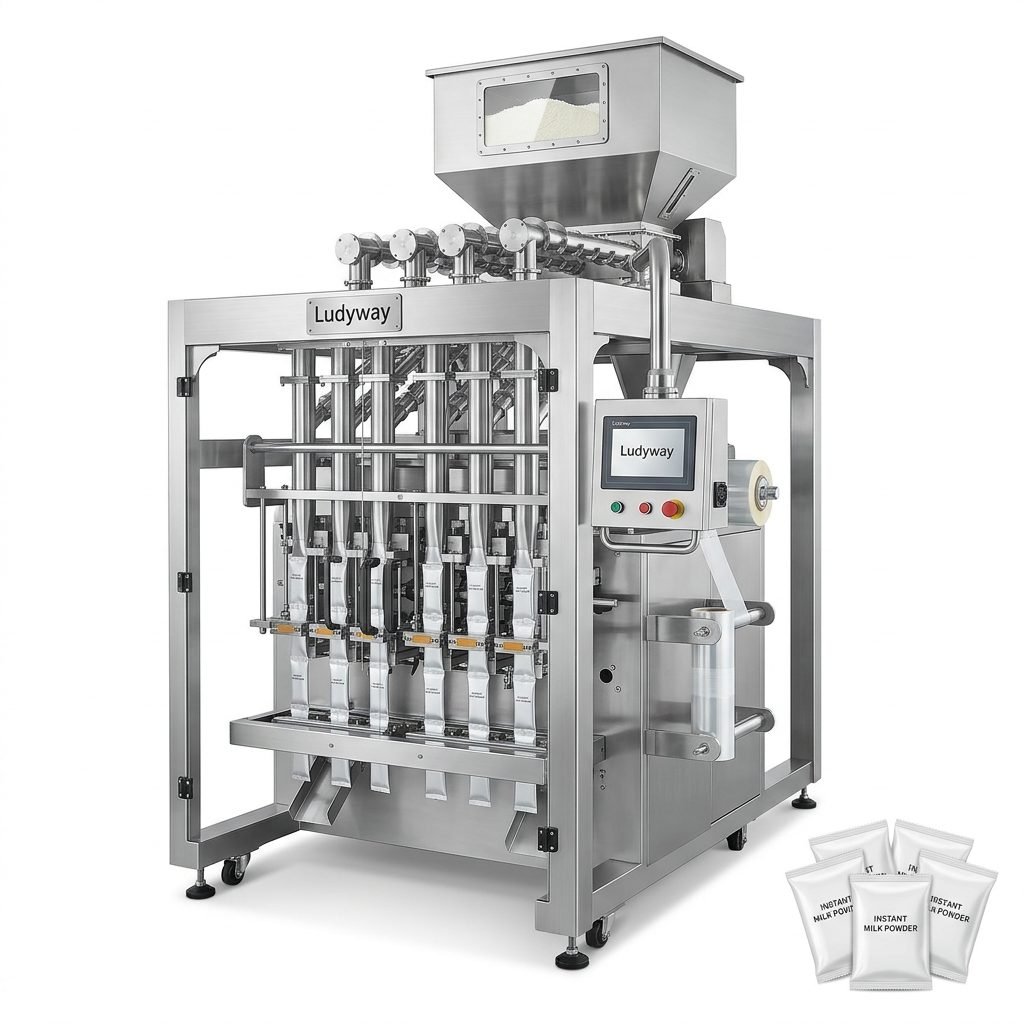
Vertical Form-Fill-Seal (VFFS) Machines
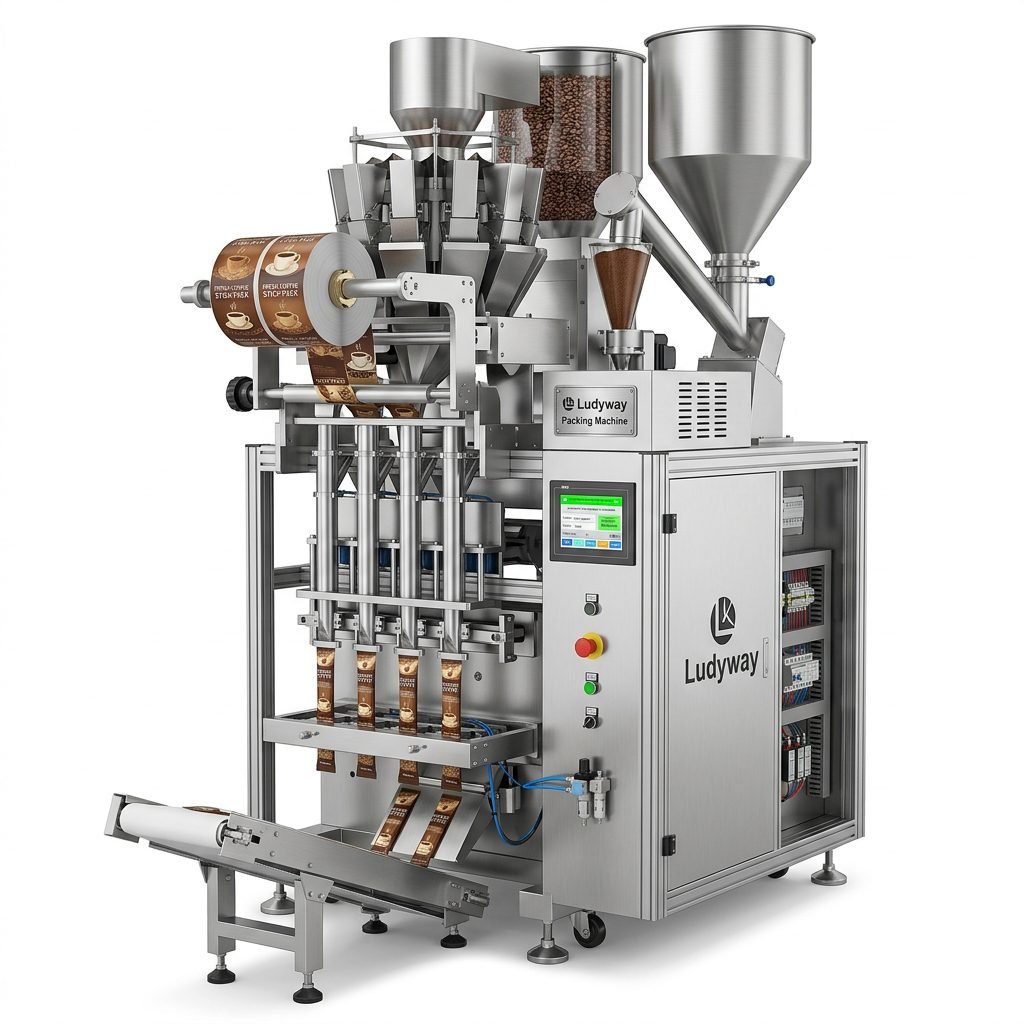
These are the most common type. The film travels vertically over a forming tube, where it is shaped into a pouch. Product is filled from above, and then the pouch is sealed and cut. VFFS machines are ideal for free-flowing products like granules, powders, seeds, and snacks. They are renowned for their high speed and compact footprint.
Horizontal Form-Fill-Seal (HFFS) Machines
In HFFS machines, the film runs horizontally. Pouches are formed, filled, and sealed on a flat plane. This design is exceptionally well-suited for non-free-flowing, delicate, or awkwardly shaped items such as biscuits, chocolate bars, medical devices, or hardware. They often allow for more intricate pouch shapes and presentation.
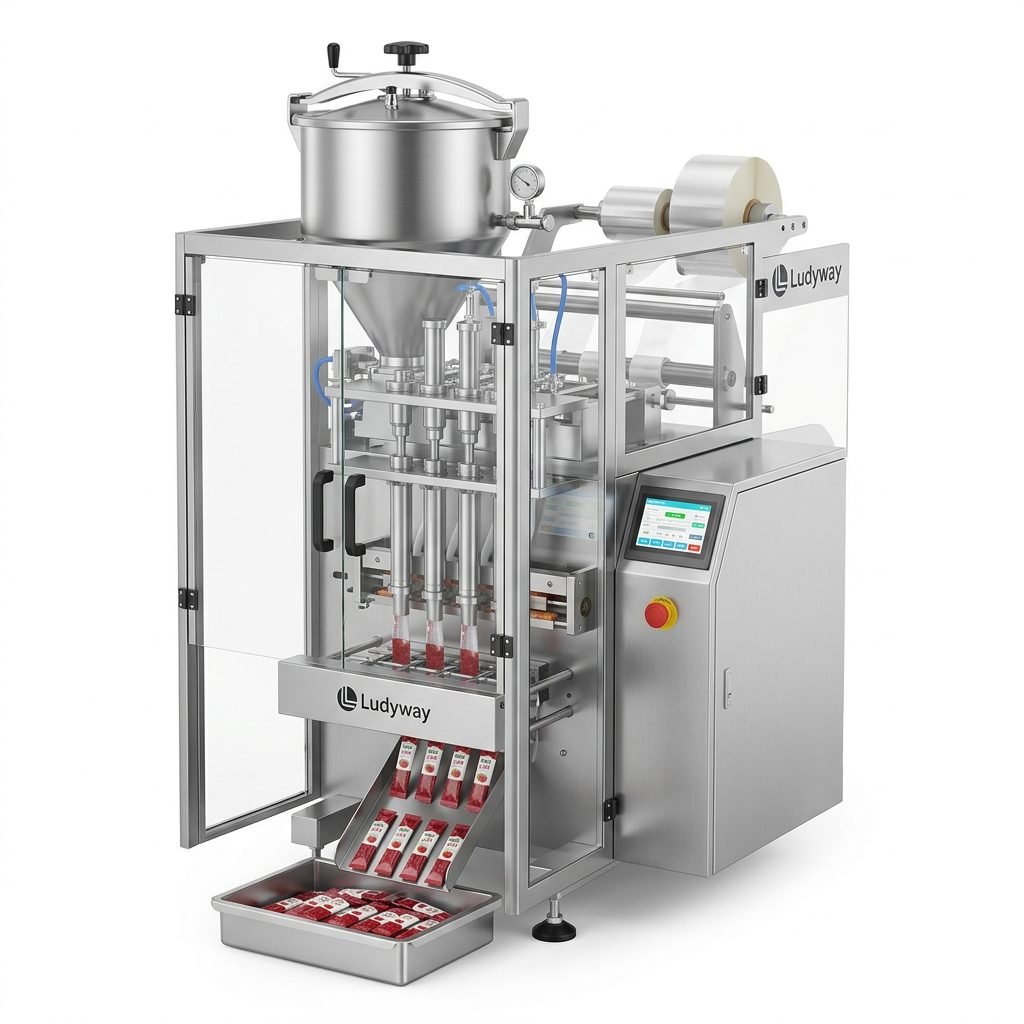
Liquid & Paste Sachet Machines
Specifically engineered for viscous products, these machines handle liquids, gels, pastes, and oils (like ketchup, shampoo, or lubricants). They feature specialized pumps (such as piston or gear pumps) for accurate dosing and often include special sealing systems to prevent leakage and ensure product integrity.
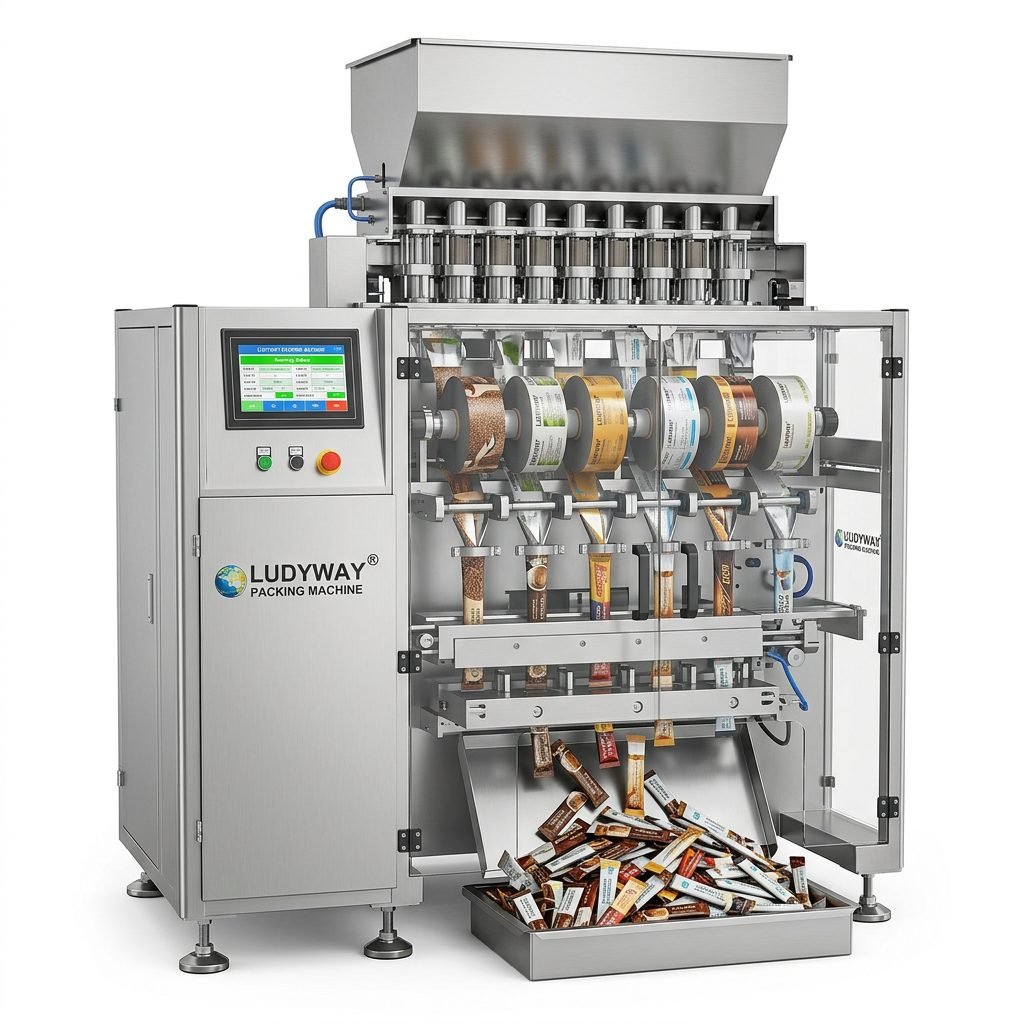
Stick Pack Machines
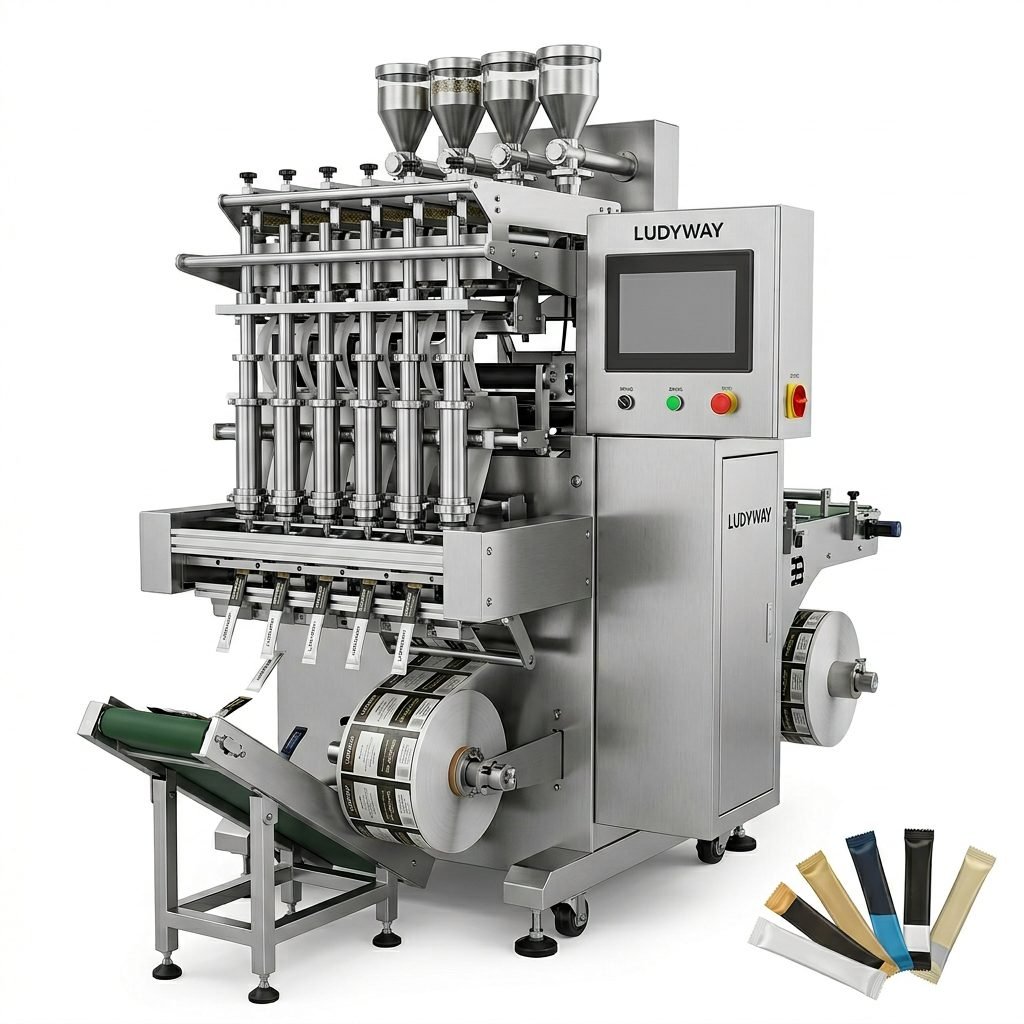
A subset of VFFS machines, stick pack machines produce long, narrow, single-serve pouches. They are extremely popular for powdered beverages, instant coffee, sugar, and pharmaceutical powders. Modern multi-lane stick pack machines can produce dozens of sticks simultaneously, achieving remarkable output rates.
How Does a Roll Stock Packaging Machine Work?
The operation of a roll stock machine is a symphony of precision engineering, typically following these sequential steps:
The Packaging Process Cycle
1. Film Unwinding & Guidance: The roll of laminated packaging film (e.g., PET/AL/PE) is mounted on an unwind stand. A dancer or servo system maintains consistent tension, while guiding systems ensure accurate tracking.
2. Forming the Pouch: The film is drawn over a custom-shaped forming collar (in VFFS) or through forming plates (in HFFS). This action shapes the flat film into a tube or pouch around the filling tube.
3. Longitudinal Sealing: The vertical back seal of the pouch is created by a heated sealing bar, welding the two edges of the film together.
4. Product Filling: At the precise moment, the measured product is discharged into the forming pouch. This can be via volumetric cup, auger screw, weigh scale, or liquid pump, depending on the product.
5. Transverse Sealing & Cutting: Horizontal sealing jaws close simultaneously to create the top seal of the current pouch and the bottom seal of the next pouch. A cutting mechanism, often integrated into the jaws, then separates the finished pouch.
Choosing the Right Machine: A Detailed Guide
Selecting the ideal roll stock packaging machine is a critical investment. Here are the key factors to consider, ensuring your choice aligns with your production goals and product requirements.
1. Product Characteristics
This is the foremost consideration. Analyze your product’s form (powder, granule, liquid), flowability, abrasiveness, hygroscopicity, and required fill accuracy. For instance, a sticky spice blend requires a different auger design and film than free-flowing rice.
2. Production Speed & Output Requirements
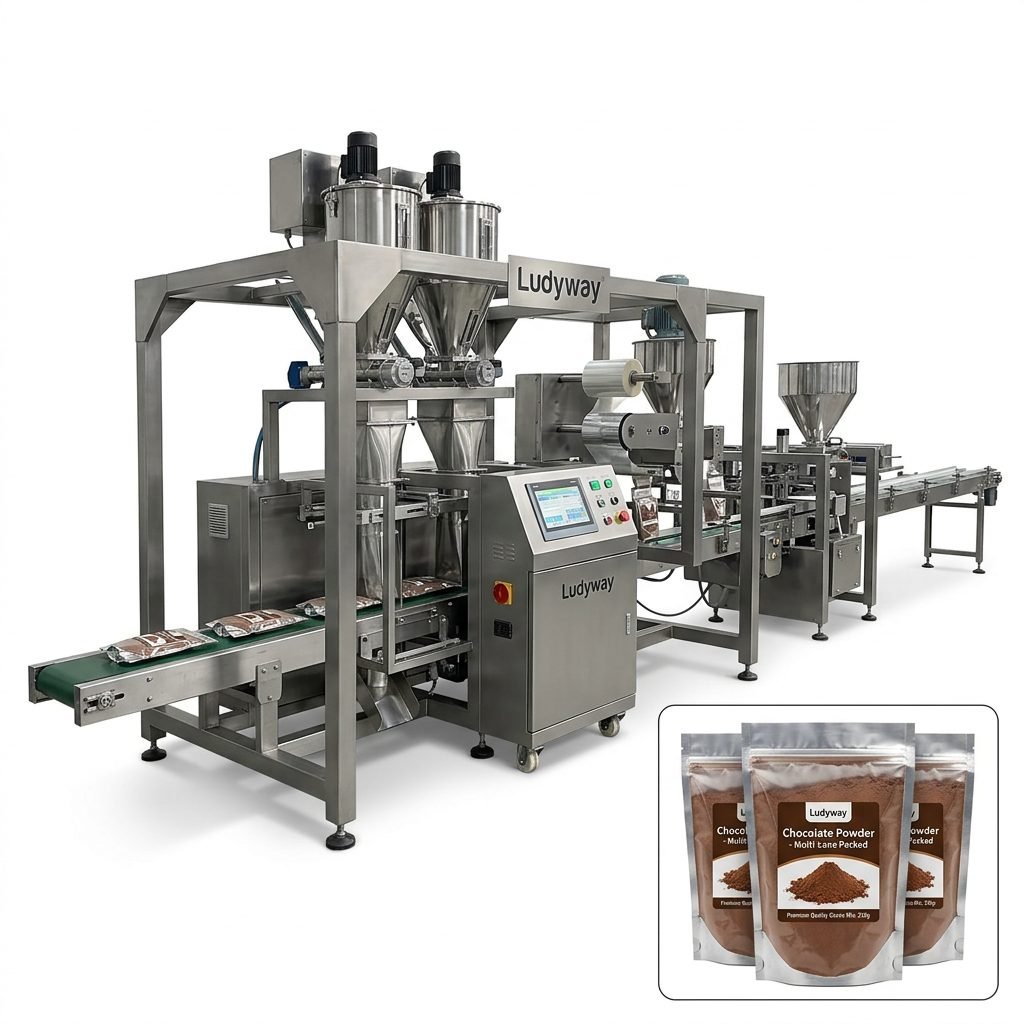
Determine your required output in pouches per minute (PPM). Speeds can range from 40-50 PPM for simple machines to over 1000 PPM for multi-lane stick pack systems. Balance your peak demand with future growth projections. For high-volume needs, exploring multi-lane packaging solutions is advisable.
3. Packaging Material & Pouch Specifications
The machine must be compatible with your chosen film structure (e.g., metallized, transparent, biodegradable) and its thickness. Also, define your pouch style: three-side seal, four-side seal, stand-up pouch (with gussets), or stick pack. The machine’s forming system must be capable of creating your desired pouch shape and size range.
4. Level of Automation & Integration
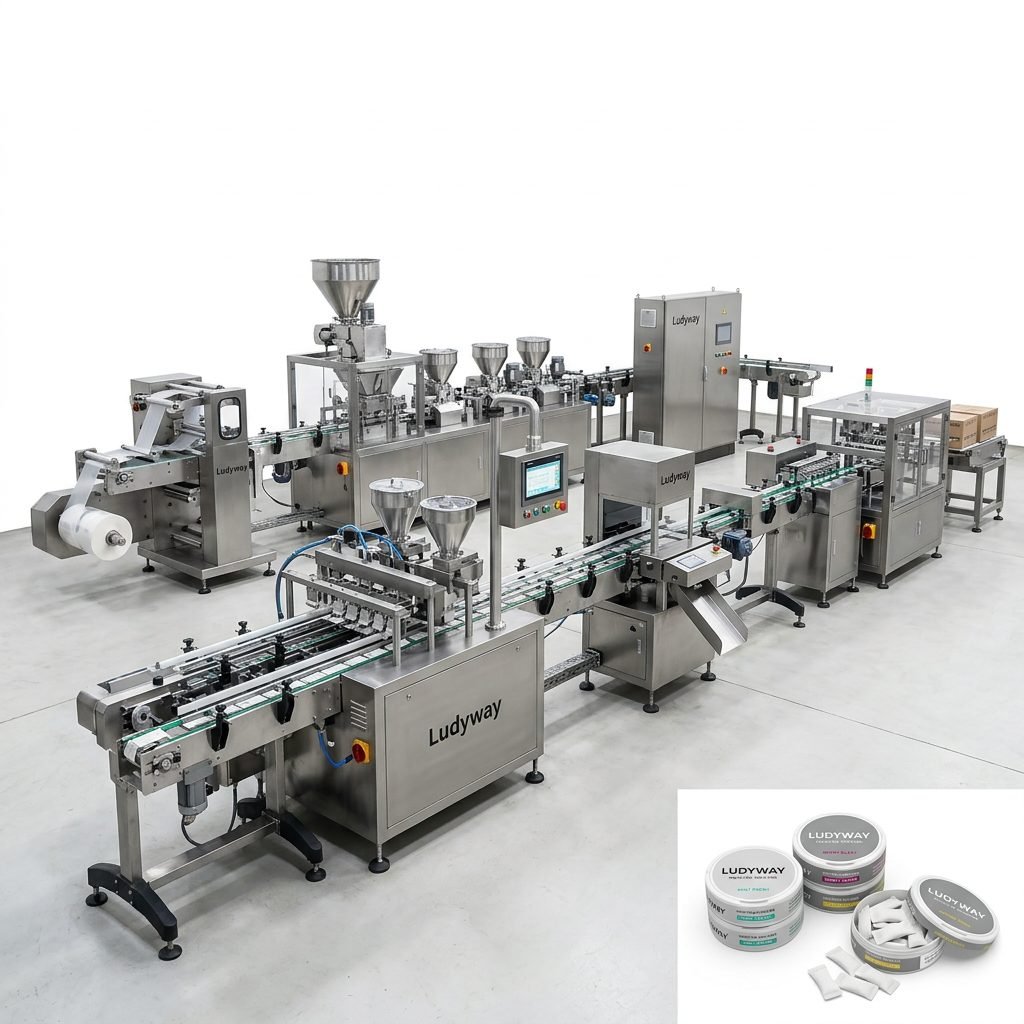
Consider how the machine will fit into your line. Do you need simple semi-automatic feeding or a fully automated system with upstream feeders (like a weigh scale) and downstream equipment (like a cartoner or case packer)? Modern machines with PLC control and HMI touchscreens offer recipe storage and easier changeovers.
5. Hygiene & Construction Standards
For food, pharmaceutical, or cosmetic applications, hygiene is paramount. Look for machines with stainless steel contact parts, easy-clean designs, and IP-rated protection where necessary. Robust construction with quality components directly impacts long-term reliability and minimizes downtime.
6. Supplier Expertise & Support
The machine is only as good as the company behind it. Choose a supplier with proven experience in your industry. Evaluate their technical support, availability of spare parts, training offerings, and service network. A partner like Ludyway Machinery, with over a decade of specialization in packaging solutions for food and pharmaceuticals, can provide invaluable guidance from selection through to installation and beyond.
Conclusion
Investing in a roll stock packaging machine is a strategic decision that boosts efficiency, consistency, and scalability. By thoroughly understanding the types available, the underlying working principle, and meticulously evaluating your product needs, output goals, and operational environment, you can select a machine that becomes a reliable asset for years. Partnering with a knowledgeable and experienced equipment provider ensures a smooth integration and maximizes the return on your automation investment.
Frequently Asked Questions (FAQs)
Q1: What is the main advantage of a roll stock machine over pre-made pouch systems?
The primary advantage is cost and space efficiency. Using film from rolls is significantly cheaper per unit area than pre-made pouches. It also eliminates the need to store and handle pre-formed bags, saving factory space and reducing material waste.
Q2: Can one machine handle different products?
Yes, most modern machines are designed for changeover. However, the ease and time required depend on the differences. Switching between similar granule sizes is quick, but changing from a powder to a liquid requires extensive cleaning and part changes (e.g., different filling systems).
Q3: How important is the film material selection?
It is critical. The film must provide the necessary barrier properties (against moisture, oxygen, light) to protect the product, have the right tensile strength for the machine to handle, and offer good sealability. An incompatible film will cause constant jams, poor seals, and product waste.
Q4: What maintenance do these machines require?
Regular daily cleaning is essential. Periodic maintenance includes lubricating moving parts, checking and calibrating sensors, inspecting and replacing worn sealing jaws or cutting blades, and ensuring electrical connections are tight. Following the manufacturer’s maintenance schedule is key to longevity.
Q5: Are there machines suitable for small businesses or R&D?
Absolutely. Many suppliers offer compact, semi-automatic or table-top VFFS machines that are perfect for low-volume production, pilot runs, or research and development purposes. These provide the same core functionality at a lower speed and investment point.