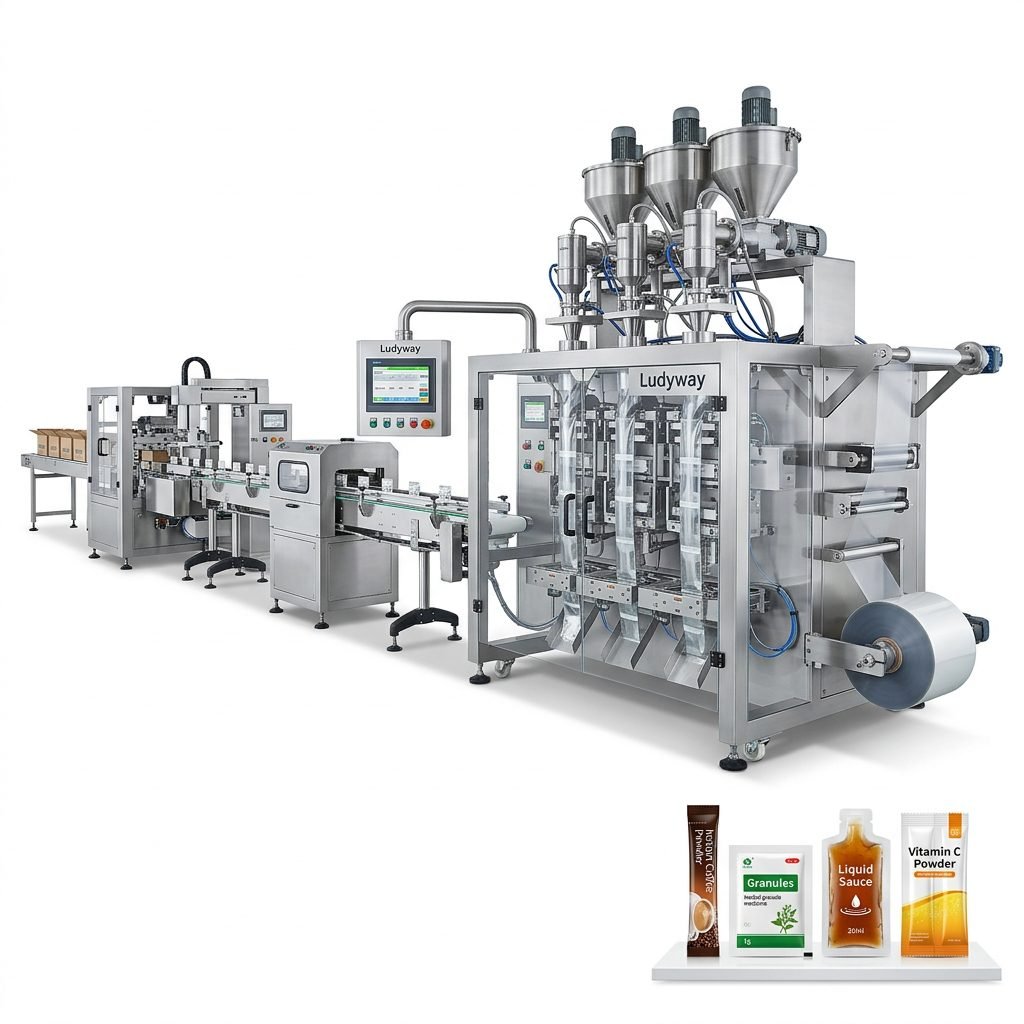
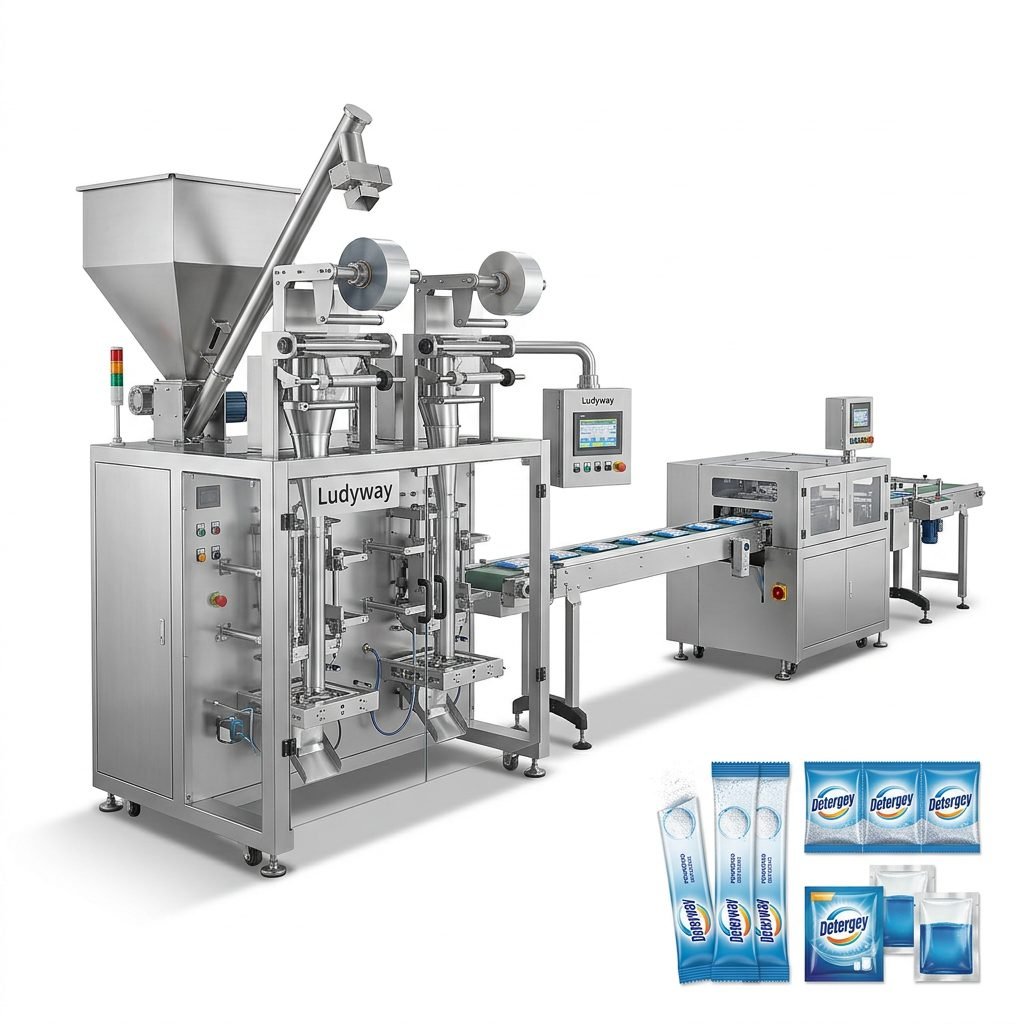
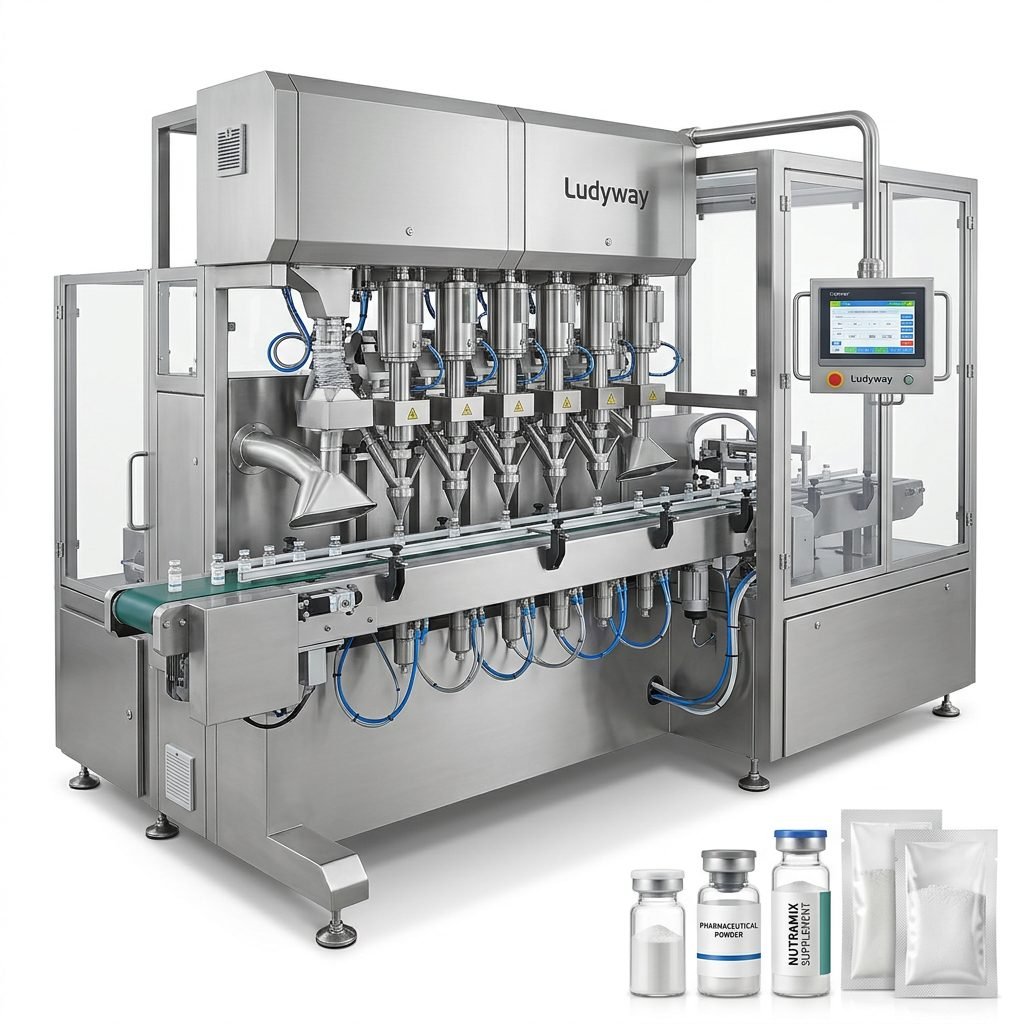
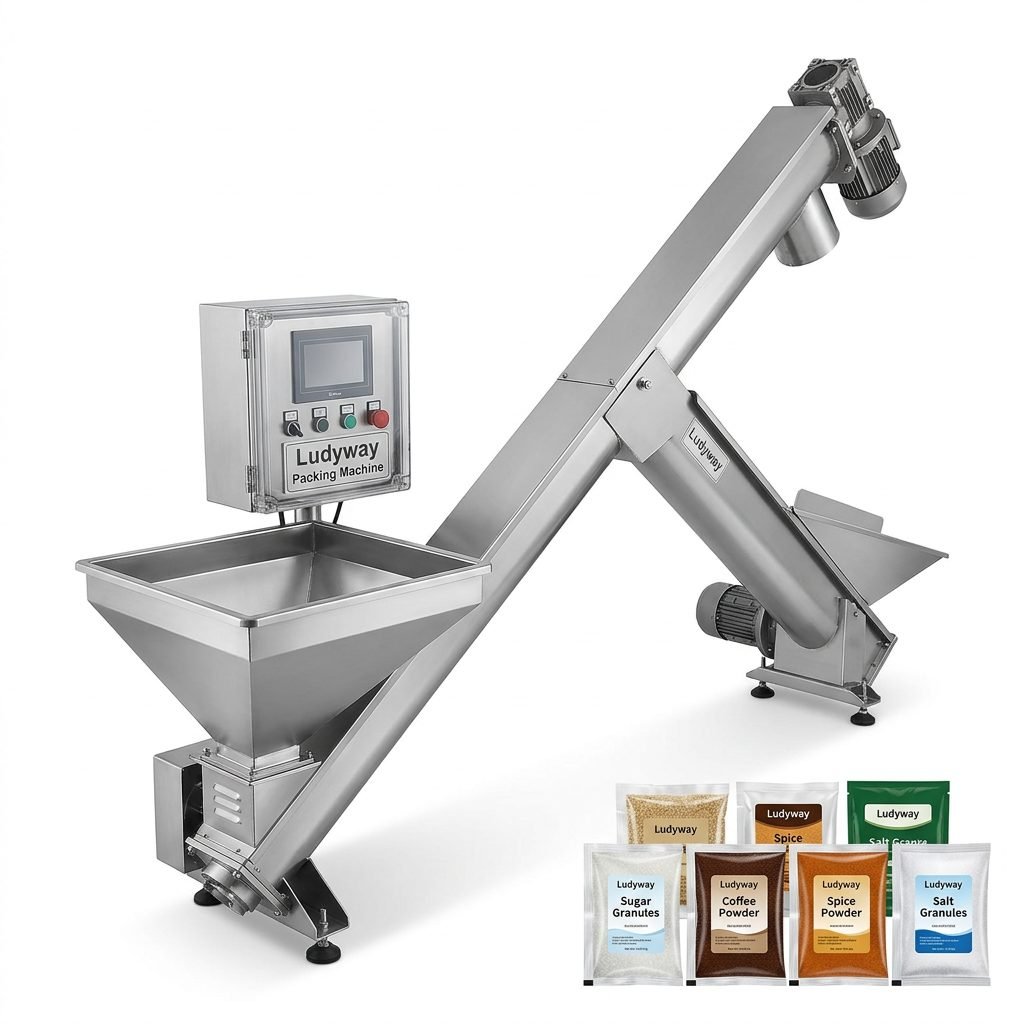
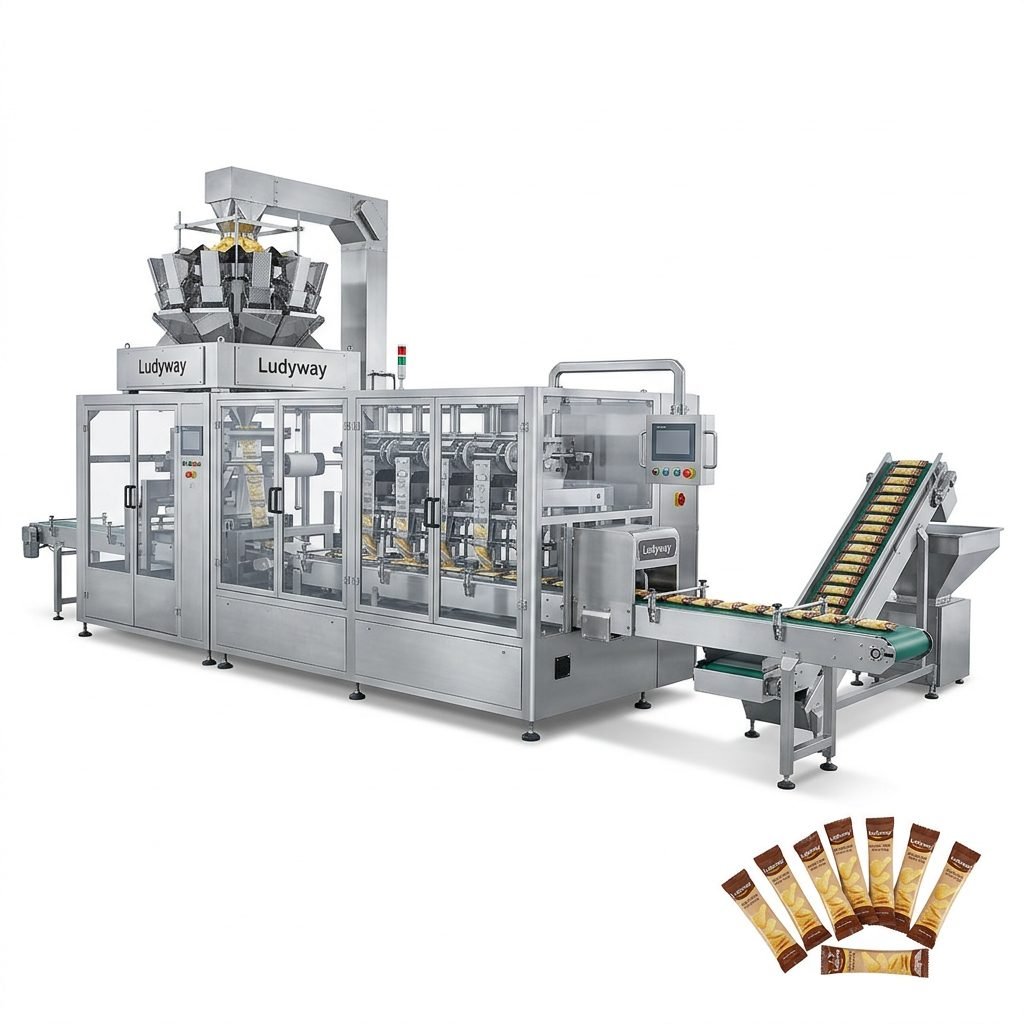
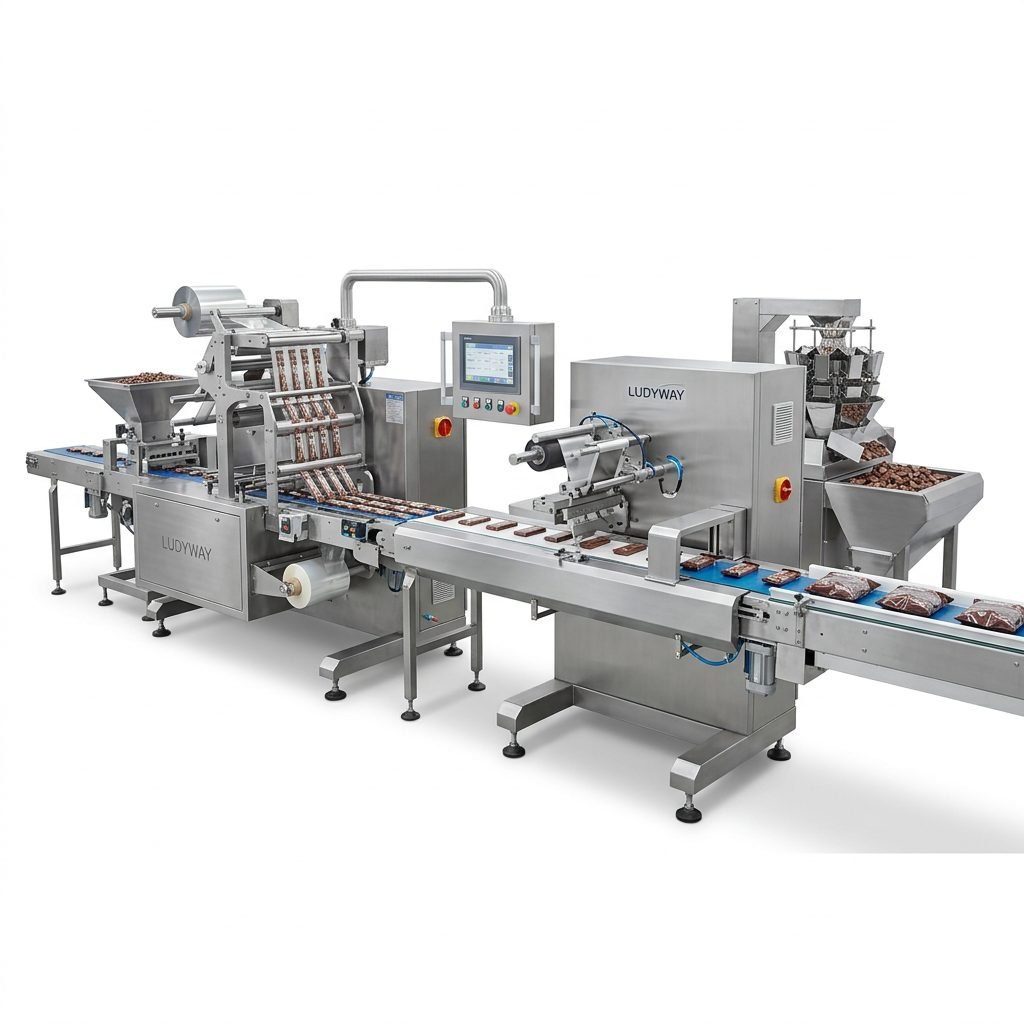
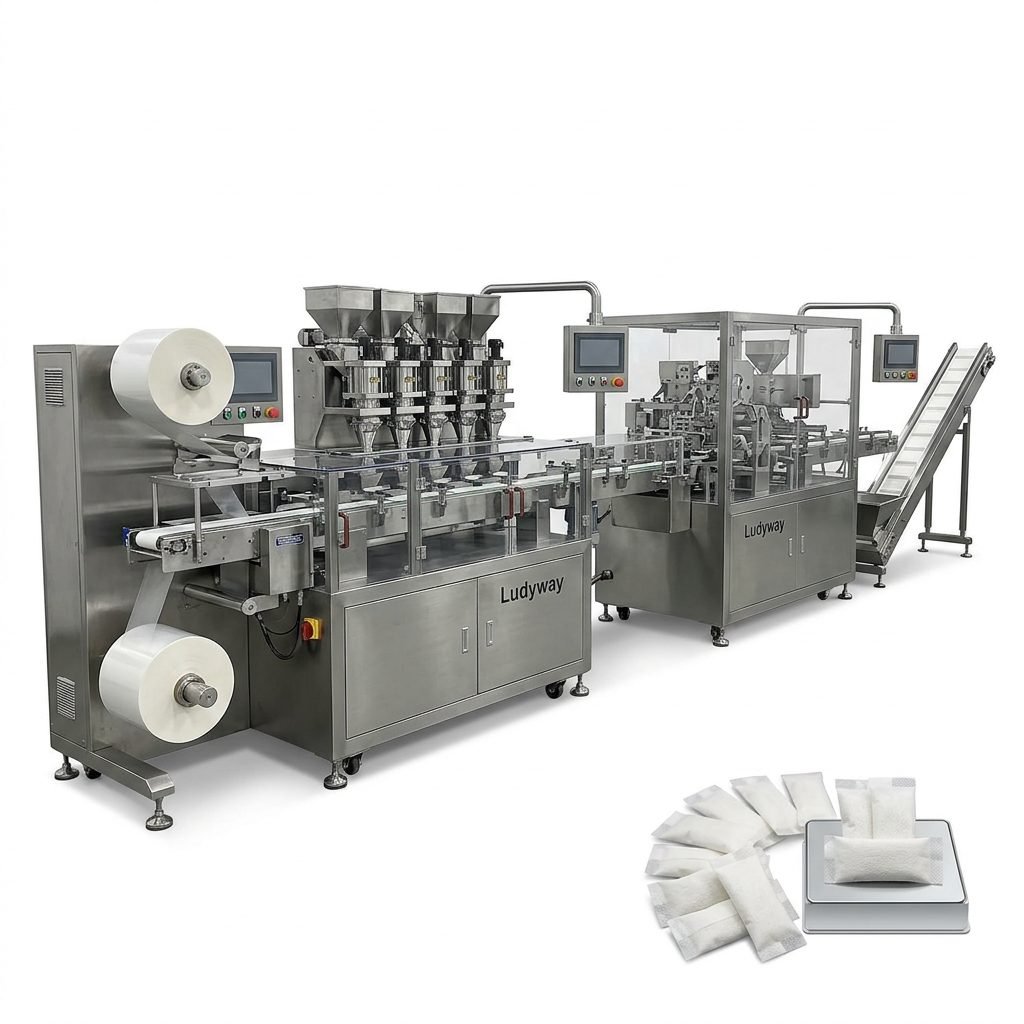
Proper maintenance is the cornerstone of maximizing the lifespan and efficiency of your BQS packing machine. A well-structured routine not only prevents unexpected downtime but also ensures consistent packaging quality and reduces long-term operational costs. Whether you’re running a high-speed production line or a compact operation, these essential maintenance tips will help you keep your equipment in peak condition.
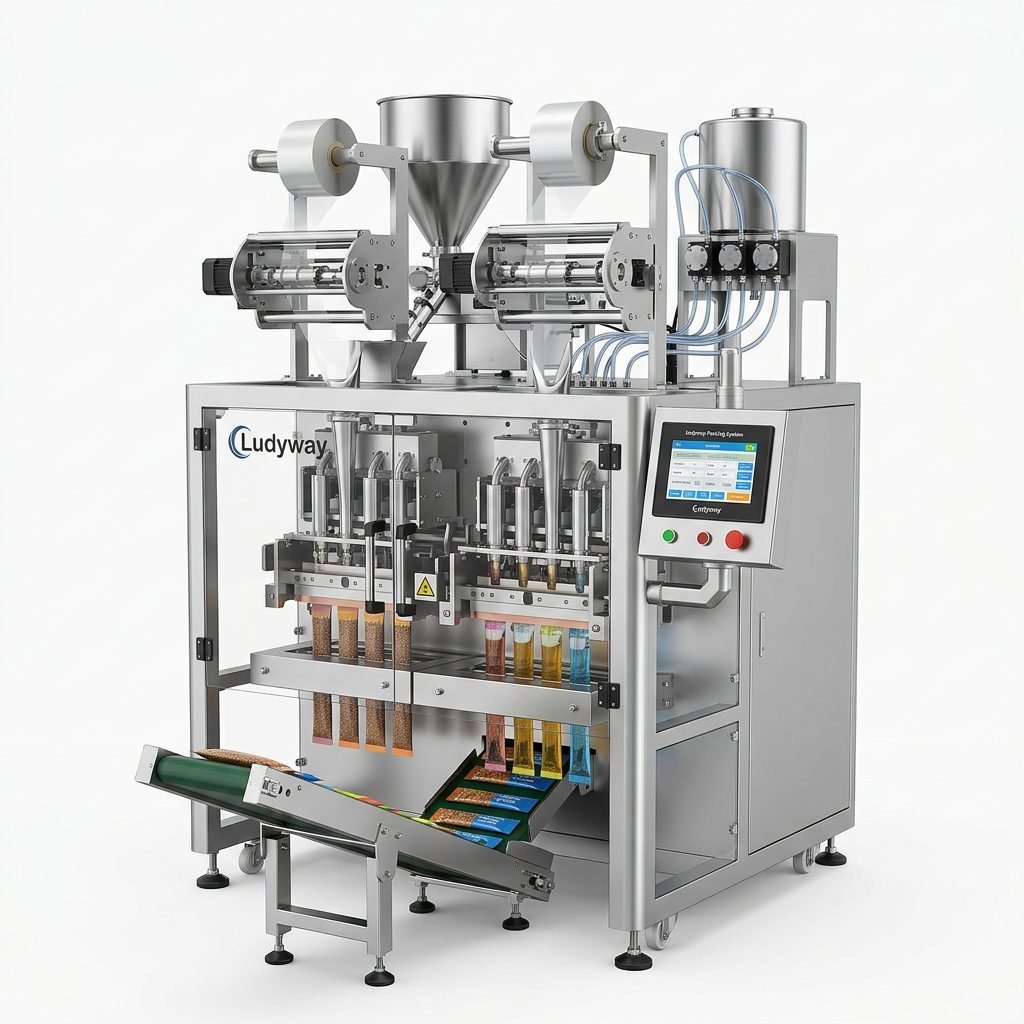
Understanding the Importance of Proactive Maintenance
Reactive repairs are costly. A proactive approach to packing machine maintenance focuses on preventing failures before they occur. This involves systematic inspections, timely part replacements, and adherence to a strict lubrication schedule. By investing time in prevention, you protect your capital investment and maintain uninterrupted production flow. For businesses relying on advanced packaging solutions, consistent maintenance is directly linked to overall equipment effectiveness (OEE).
Daily Cleaning and Visual Inspections
Start each shift with a thorough visual check. Dust, product residue, and debris are enemies of precision machinery. Pay close attention to the sealing jaws, forming tubes, and cutting mechanisms of your BQS packing machine. Use compressed air to clear loose particles from sensors and photo-eyes. Wipe down stainless steel surfaces with approved cleaning agents to prevent cross-contamination, especially in food and pharmaceutical packaging environments.
- Inspect sealing jaws: Check for product buildup or wear patterns.
- Clean film tracking rollers: Remove adhesive residue to ensure smooth film feed.
- Verify sensor lenses: Dust-free sensors prevent registration errors.
- Empty drip trays: Prevent liquid accumulation that can damage components.
Lubrication Schedule for Critical Components
Friction is a primary cause of mechanical wear. A consistent lubrication schedule is non-negotiable for extending the life of moving parts. Consult your equipment manual for specific grease points and recommended oil grades. Over-lubrication can be just as damaging as under-lubrication, attracting contaminants and creating a messy operating environment.
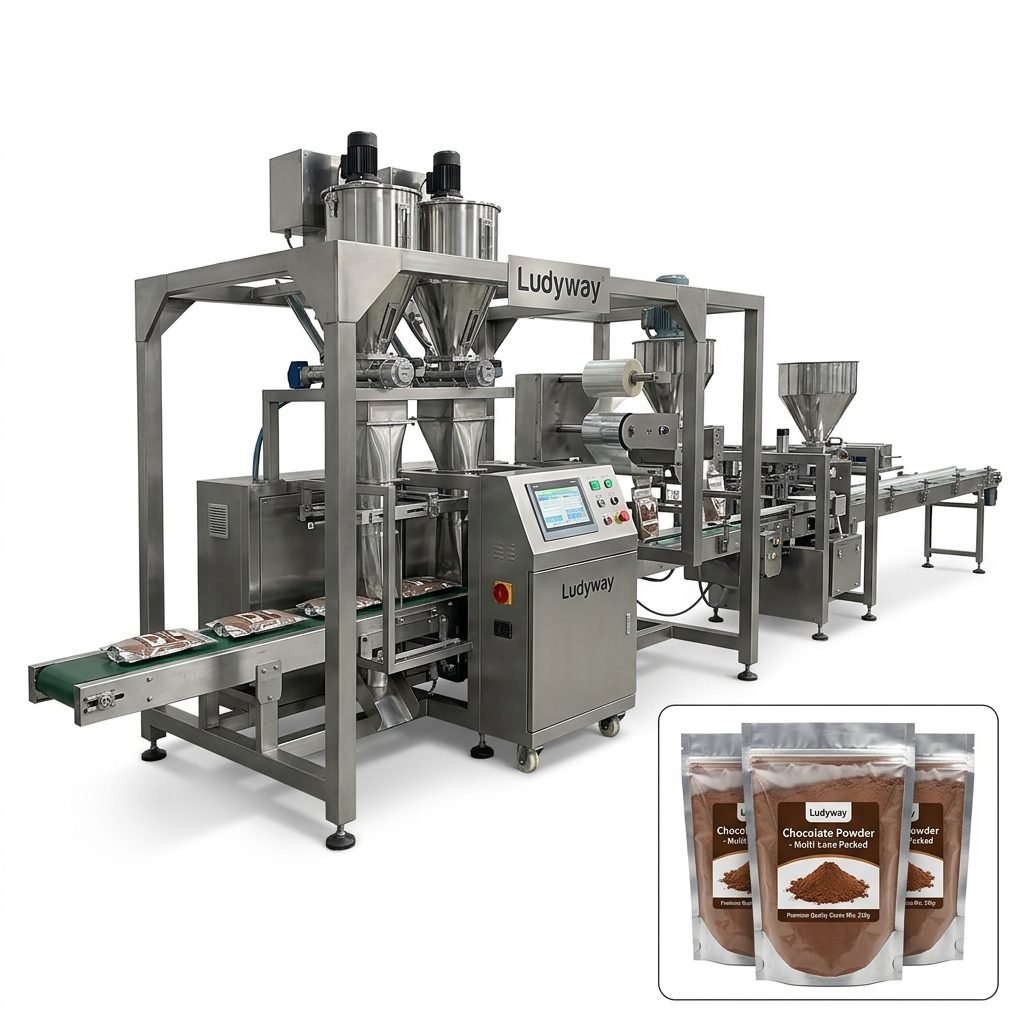
Focus on high-wear areas such as cam followers, linear bearings, and the main drive chain. Establish a digital reminder system or a physical logbook to track lubrication intervals. Neglecting this aspect can lead to catastrophic bearing failure and costly downtime.
Recommended Lubrication Points
| Component | Frequency | Lubricant Type |
|---|---|---|
| Main Drive Chain | Weekly | ISO 220 chain oil |
| Sealing Jaw Bearings | Daily | Food-grade grease |
| Linear Guides | Bi-weekly | Lithium-based grease |
| Pneumatic Cylinder Rods | Monthly | Light machine oil |
Electrical System and Control Checks
Modern BQS packing machine units rely heavily on sophisticated PLCs and servo drives. Electrical maintenance is critical for precision and safety. Regularly inspect cable connections for signs of fraying, loosening, or heat damage. Thermal imaging can be an invaluable tool for identifying hotspots in control panels before a short circuit occurs.
Verify that all emergency stop buttons function correctly and that safety interlocks remain active. Do not ignore warning messages on the HMI touchscreen; they are often early indicators of sensor malfunction or voltage fluctuations. Adhering to electrical safety standards, such as those outlined by ISO packaging standards, minimizes risks and ensures compliance.
Key Electrical Verification Steps
- Secure all terminal block connections.
- Check servo motor feedback cables for integrity.
- Validate temperature controller accuracy with a calibrated probe.
- Update PLC backup files after any parameter change.
Preventive Maintenance Checklist & Intervals
Transitioning from reactive to preventive maintenance requires a structured plan. Below is a recommended schedule that can be adapted to your specific production volume and environment. Tracking metrics like packaging machinery market trends and performance data helps refine these intervals over time.
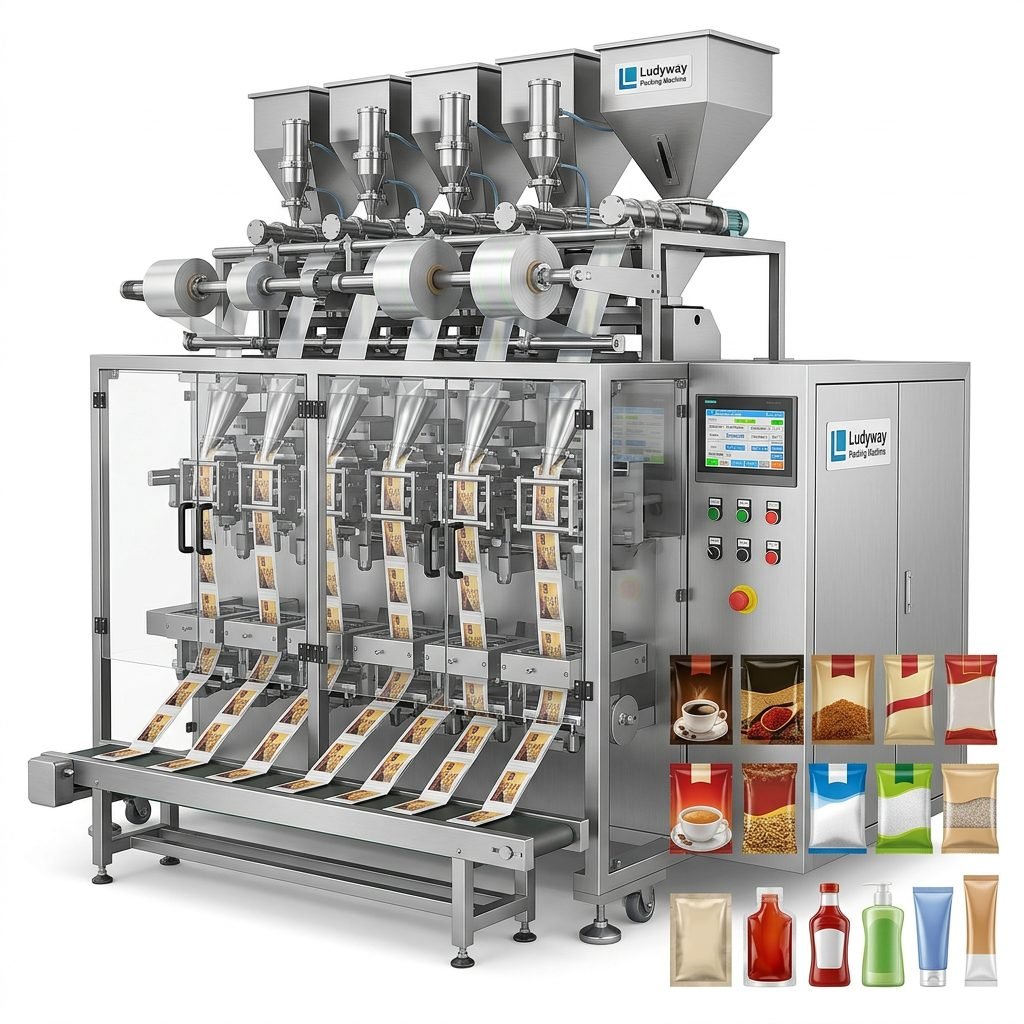
| Task | Daily | Weekly | Monthly | Quarterly |
|---|---|---|---|---|
| Clean photo-eye lenses | ✓ | |||
| Inspect drive belts tension | ✓ | |||
| Replace worn cut-off blades | ✓ | |||
| Full electrical insulation test | ✓ | |||
| Calibrate temperature controllers | ✓ |
Troubleshooting Common Operational Issues
Even with rigorous maintenance, operators may encounter intermittent issues. Understanding common faults in a BQS packing machine allows for faster diagnostics. Wrinkled packaging often points to film tension misalignment or misaligned rollers, while inconsistent seal integrity usually indicates worn Teflon tape, incorrect temperature settings, or contaminated sealing jaws.
If the machine produces short fills or misaligned cuts, verify the film registration mark sensor first. A faulty sensor or incorrect gain setting is typically the culprit before mechanical timing issues arise. Keep detailed records of faults using CMMS software to identify recurring problems and adjust your maintenance strategy accordingly. For comprehensive guidance, resources from the Flexible Packaging Association offer valuable industry benchmarks.
Quick Reference for Common Faults
- Seal fails integrity test: Check Teflon coating and temperature setpoint.
- Product crushing in seal: Adjust fill timing or vacuum dust extraction.
- HMI communication error: Reboot system and check communication cables.
- Excessive vibration: Inspect motor mounts and chain tension.
Optimizing Spare Parts Inventory
Waiting for parts to ship can devastate production schedules. Maintain a critical spares inventory for your specific BQS packing machine model. Essential spares typically include sealing jaws, Teflon tape, drive belts, fuses, and specific sensors. Do not rely solely on general hardware parts; OEM-specified components ensure dimensional accuracy and material safety.
Ludyway supports clients with rapid spare part delivery and technical documentation to minimize downtime. Having a critical parts kit on-site is a best practice that separates high-performance facilities from the rest, especially for complex packaging machinery systems operating in demanding environments.
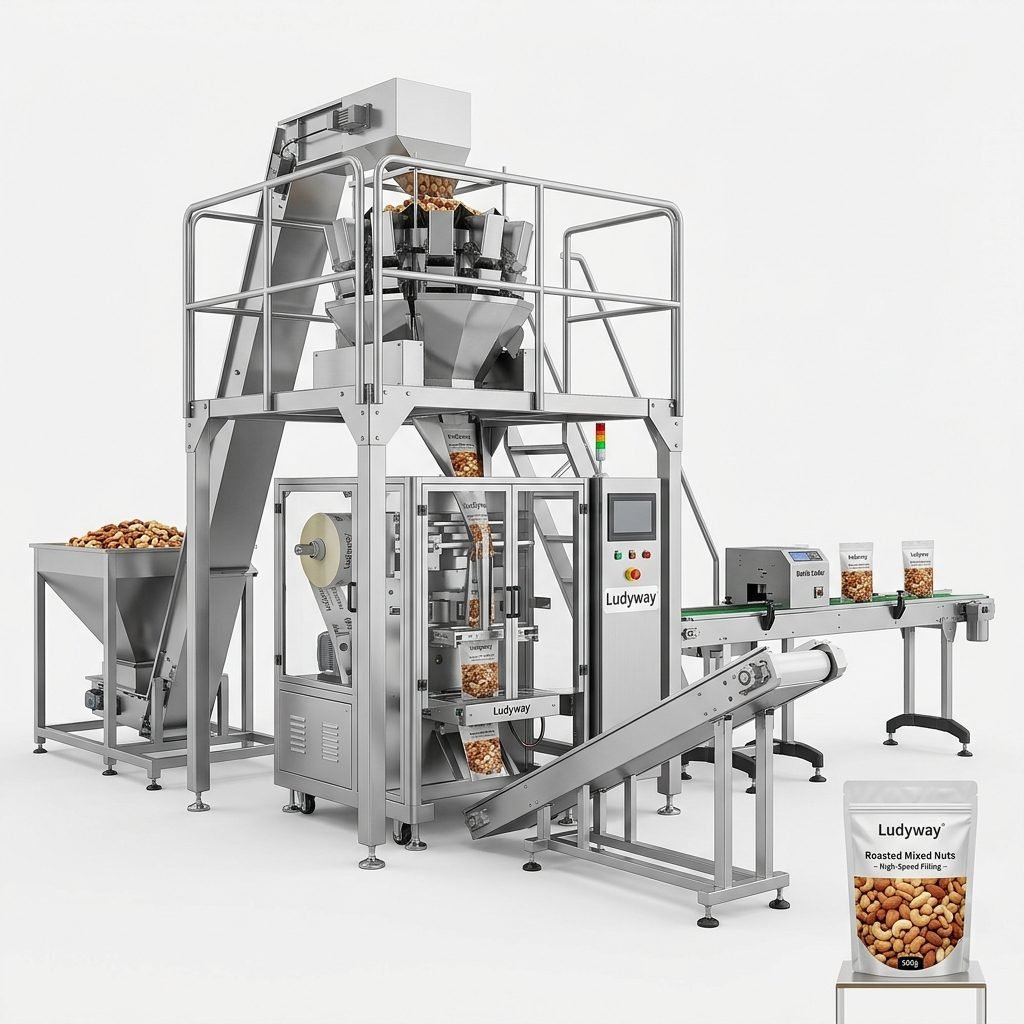
Training Operators for Better Care
Technology is only as good as the people operating it. Comprehensive operator training reduces human error, which is a leading cause of premature wear. Operators must understand not just how to run the machine, but how to recognize abnormal sounds, smells, or visual cues that signal impending issues. Encourage a culture where operators take ownership of the equipment’s daily condition.
Documentation of standard operating procedures (SOPs) regarding changeover and cleaning is vital. A well-trained team ensures that the BQS packing machine is not damaged during product switchovers, thereby preserving the precision alignment of filling and forming assemblies.
When to Call Professional Service Support
While in-house maintenance can handle most daily and periodic tasks, some situations demand factory-certified expertise. If you encounter recurring servo drive alarms, deep mechanical knocking, or require major overhauls, professional intervention is necessary. Attempting complex repairs without proper training can void warranties and cause severe damage.
Advanced diagnostic tools and proprietary software are often required to tune high-speed packaging lines. Scheduling annual preventive maintenance visits from qualified engineers ensures that deep-level calibrations, such as laser alignment of drives and torque verification, are performed correctly. This extends the operational life of your investment significantly.