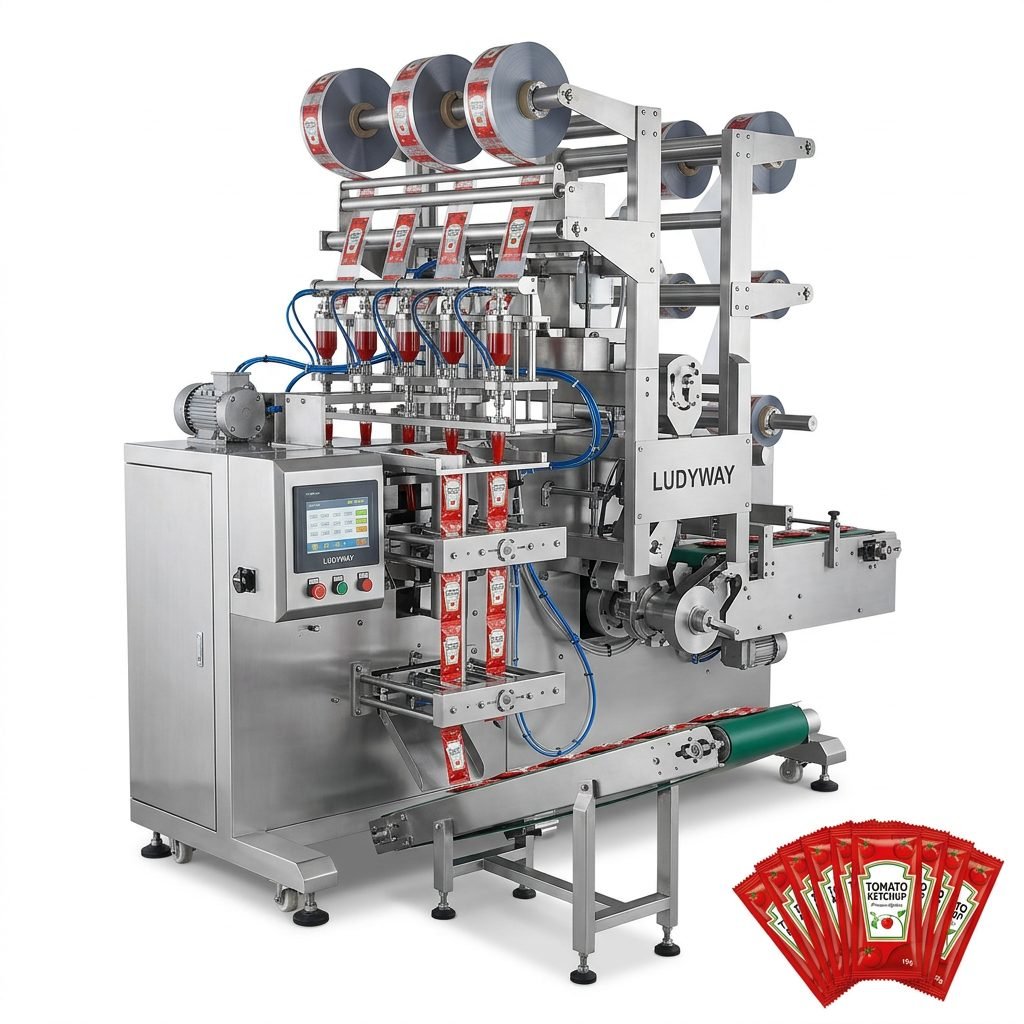
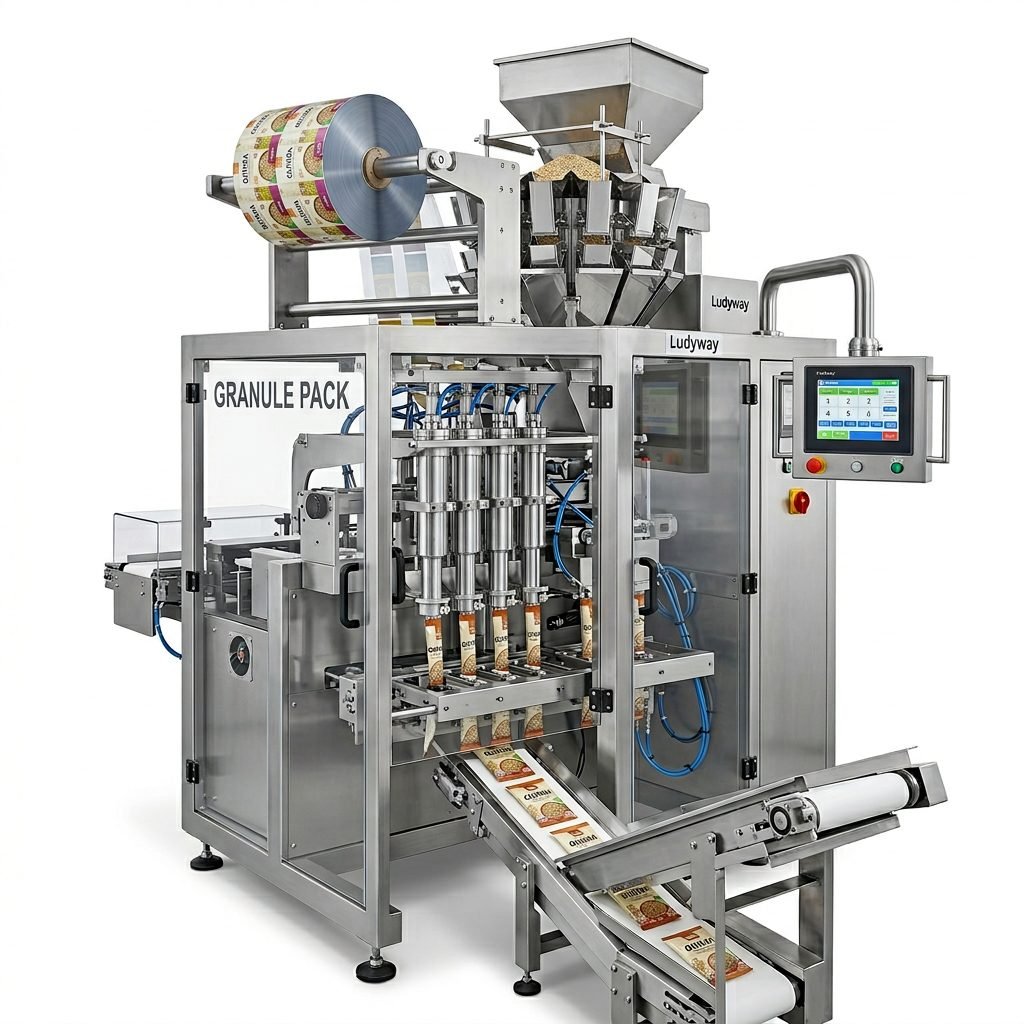
In the fast-paced world of manufacturing and product distribution, efficient and reliable packaging is a cornerstone of success. Arrow packaging machinery represents a critical category of automated equipment designed to handle a wide array of products, from food and pharmaceuticals to chemicals and consumer goods. This guide delves into the various types of arrow packaging machines, their working principles, key applications across industries, and essential factors to consider when making a purchase.
Understanding Arrow Packaging Machinery
Arrow packaging machinery is a broad term that typically refers to automated systems used for filling, sealing, and packaging products into pre-formed pouches, sachets, or stick packs. The name often relates to the directional flow or the precision of the packaging process. These machines are engineered for high-speed, consistent, and hygienic packaging, making them indispensable in modern production lines.
Core Components and Design
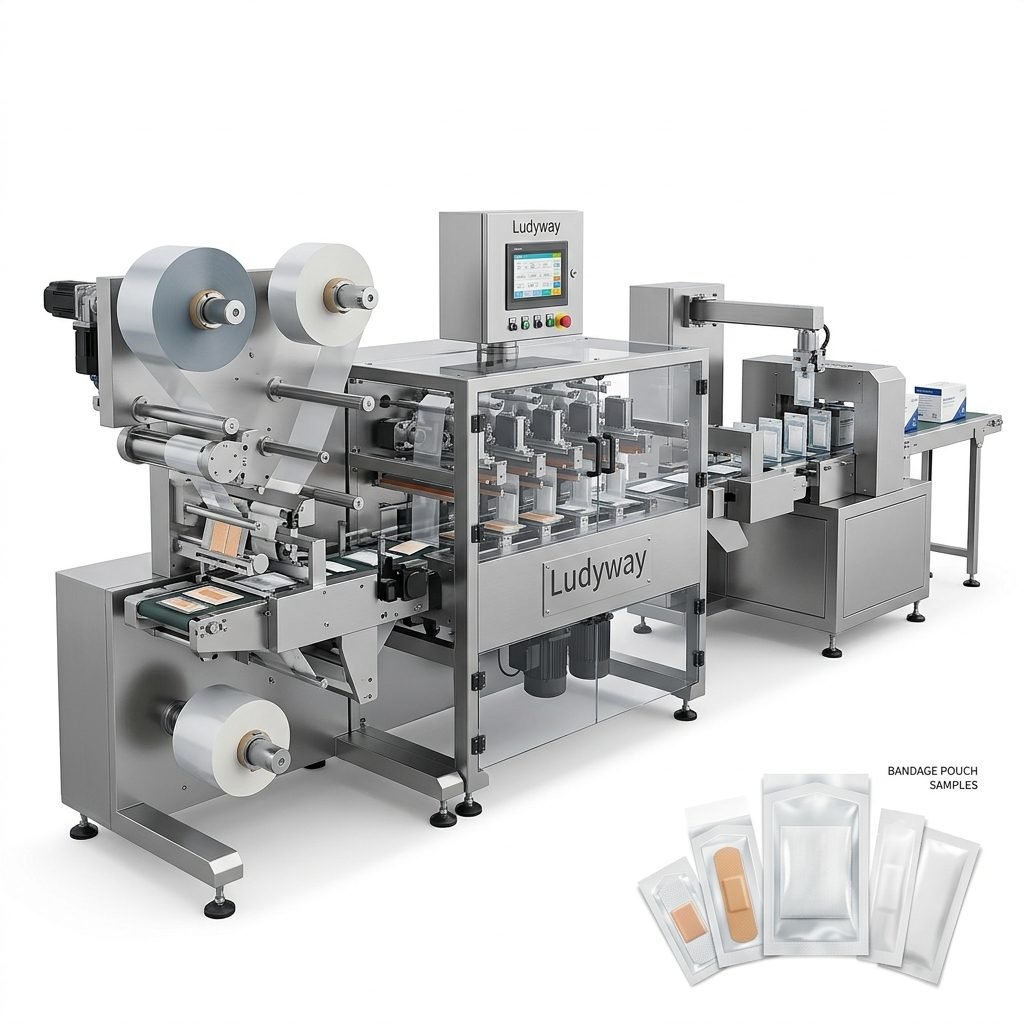
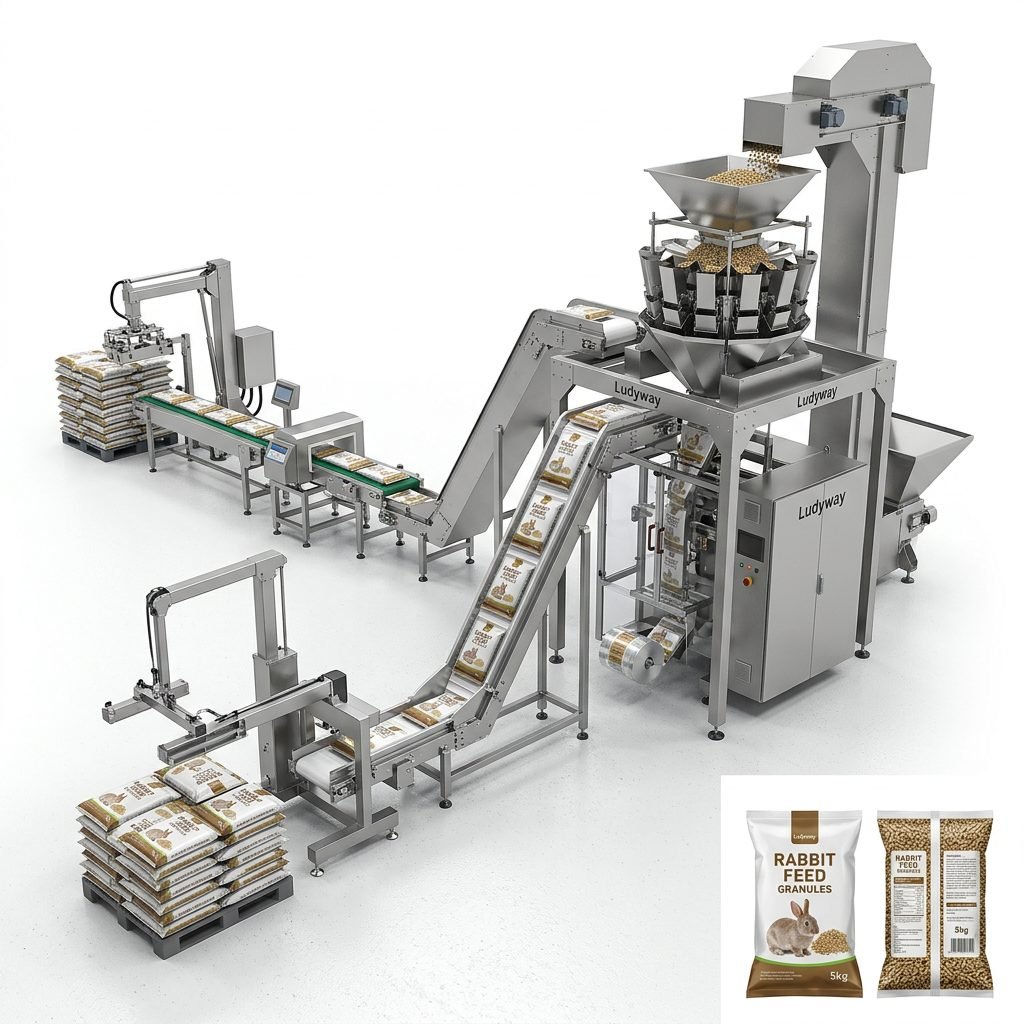
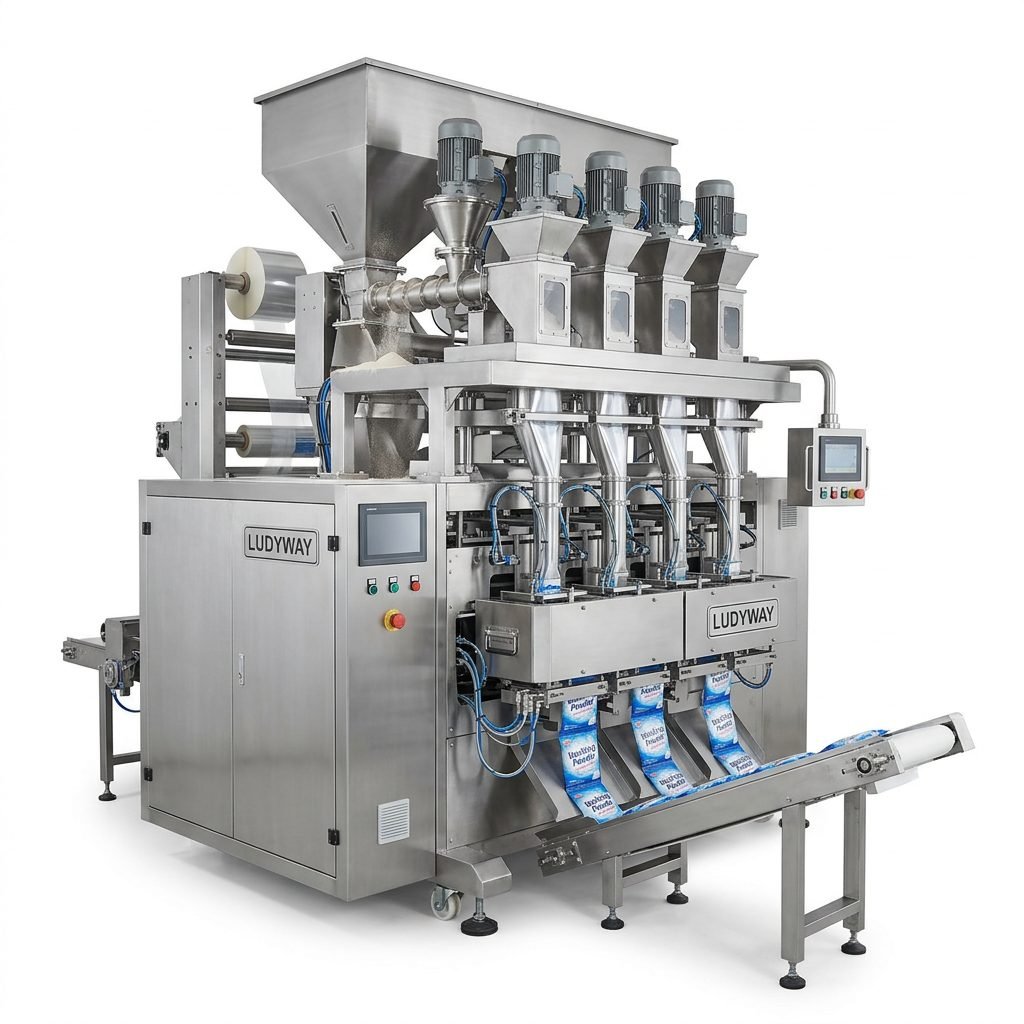
A standard arrow packaging system integrates several key components: a film unwinding unit, a forming shoulder, longitudinal and transverse sealing jaws, a filling system (auger, volumetric cup, or pump), and a cutting mechanism. The design emphasizes precision engineering to ensure accurate dosing, strong seals, and minimal material waste.
Primary Types of Arrow Packaging Machines
The market offers several configurations of arrow packaging machinery, each suited to specific product forms and production volumes.
1. Vertical Form-Fill-Seal (VFFS) Machines
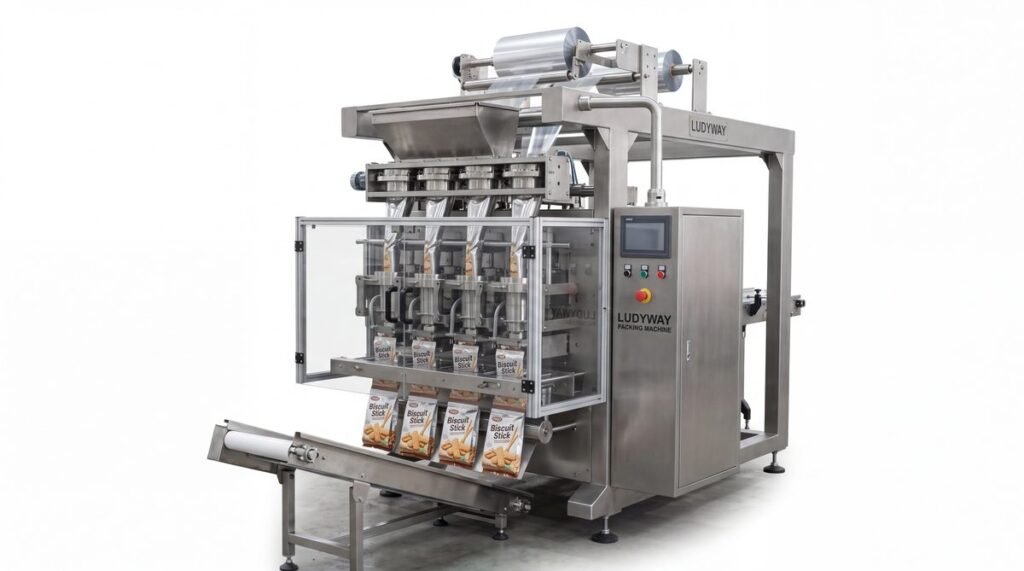
These are the most common type. They form a tube from a roll of flat packaging film, fill it with the product, and then seal and cut it into individual pouches. They are exceptionally versatile for granules, powders, liquids, and small solids.
2. Horizontal Form-Fill-Seal (HFFS) Machines
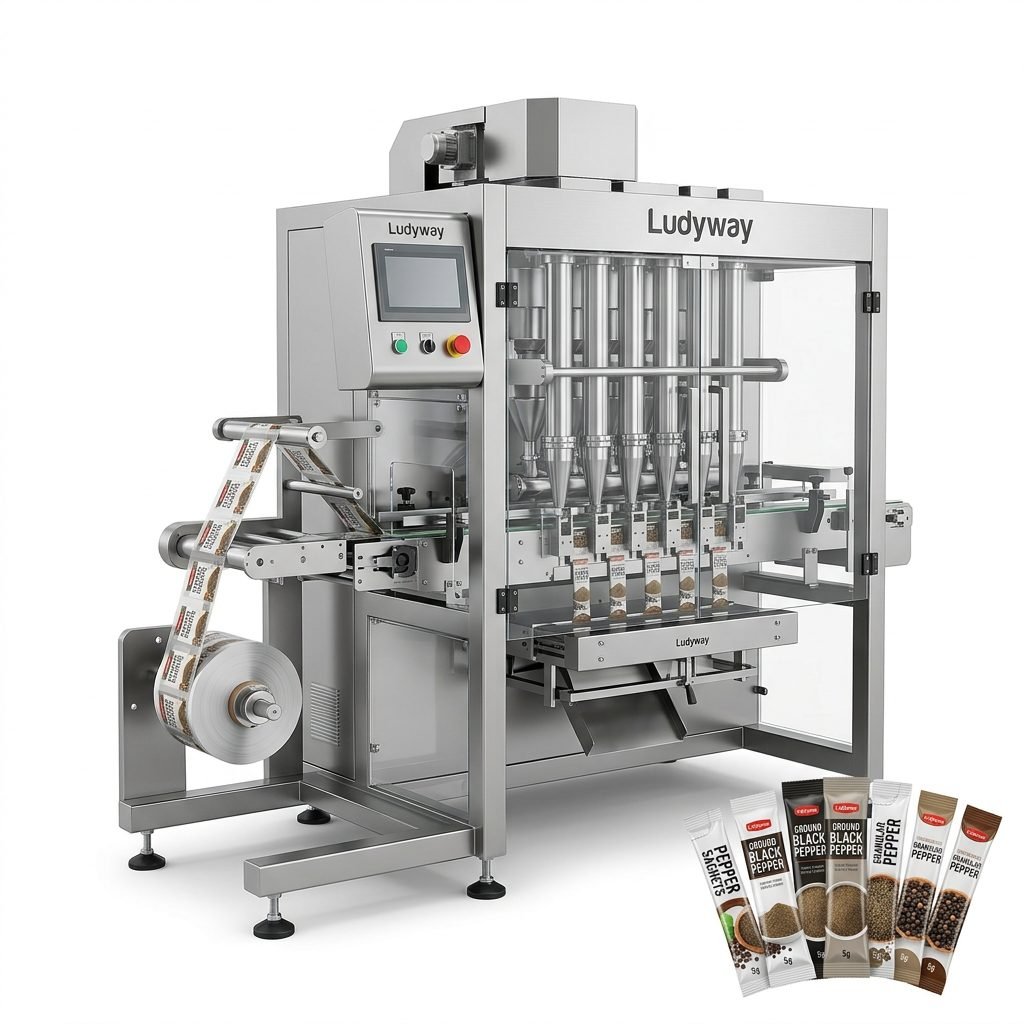
Ideal for more complex packaging shapes and multi-lane production. The film is formed horizontally, often used for stick packs, sachets for sauces or shampoos, and blister packs.
3. Stick Pack Packaging Machines
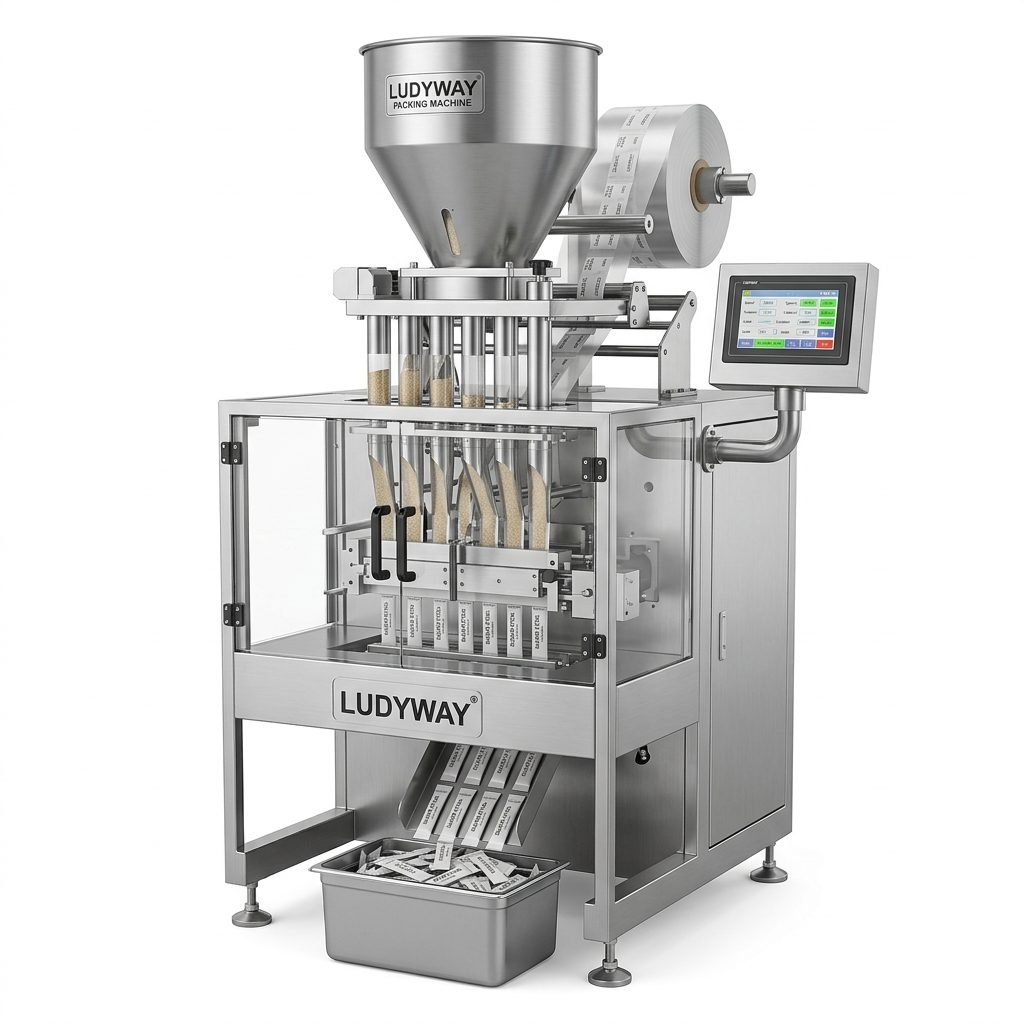
A specialized subset designed exclusively for producing long, narrow stick packs. They are perfect for single-serve portions of coffee, sugar, supplements, or powdered drinks, offering excellent shelf appeal and convenience.
4. Liquid & Paste Filling Machines
These systems incorporate precise pumps (such as piston or peristaltic) to handle viscous products like sauces, oils, creams, and gels without dripping or contamination.
Working Principles of Arrow Packaging Systems
The operation of an arrow packaging machine follows a synchronized, multi-step process to transform raw materials into finished, sealed packages.
Step 1: Film Feeding and Forming
A roll of laminated or coated film (e.g., PET/AL/PE) is fed into the machine. It passes over a forming collar or shoulder, which shapes the flat film into a cylindrical tube.
Step 2: Longitudinal Sealing
The vertical edge of the film tube is sealed continuously by heated sealing bars, creating a airtight back seam.
Step 3: Product Metering and Filling
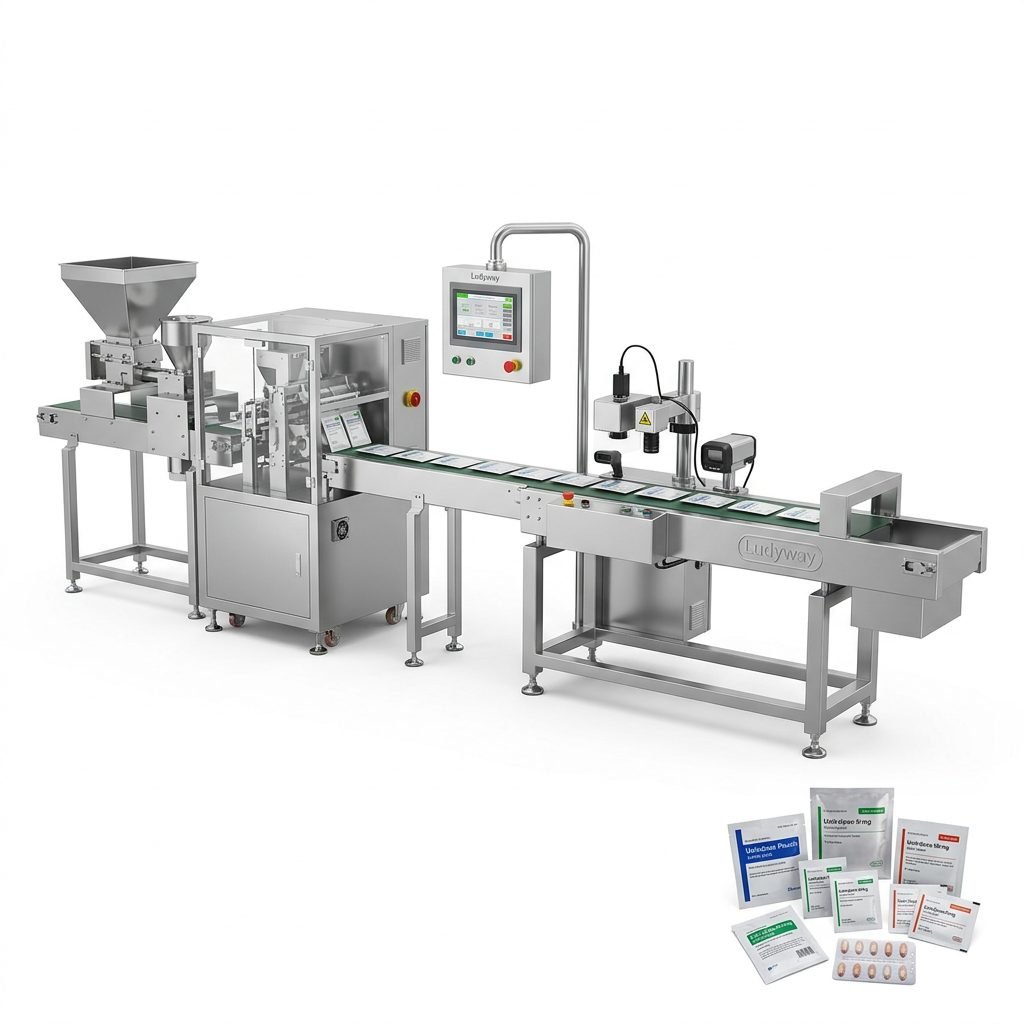
At the top of the formed tube, the product is dispensed. Granules and powders use auger fillers for volumetric accuracy, while liquids use pumps. Advanced machines feature load cells for net-weight filling, ensuring utmost precision.
Step 4: Transverse Sealing and Cutting
Horizontal sealing jaws close simultaneously above the product fill and below it, creating the top seal of one pouch and the bottom seal of the next. A cutting blade then separates the individual package from the film tube.
Key Applications Across Industries
The adaptability of arrow packaging machinery makes it a vital asset in numerous sectors.
- Food & Beverage: Packaging spices, instant soup mixes, coffee, tea, sugar, salt, snack nuts, and powdered beverages. The machinery ensures freshness and extends shelf life.
- Pharmaceutical & Nutraceutical: Packaging powdered supplements, electrolytes, herbal medicines, and single-dose powders in stick packs or sachets, meeting strict hygiene and accuracy standards.
- Chemical & Agrochemical: Dispensing detergents, pesticides, fertilizers, and dyes in precise, safe, and user-friendly quantities.
- Cosmetics & Personal Care: Filling samples of shampoo, conditioner, lotion, face cream, and gel into small sachets for promotion or travel kits.
Essential Buying Guide: How to Choose the Right Machine
Selecting the appropriate arrow packaging machinery is a significant investment. Here are the critical factors to evaluate.
1. Product Characteristics
Define your product’s form (powder, granule, liquid), flowability, abrasiveness, and hygroscopicity. This determines the type of filling system (auger, volumetric, pump) and the required material of contact parts (e.g., stainless steel 316 for corrosive products).
2. Production Speed and Output Requirements
Calculate your required output in packs per minute (PPM). Machines range from semi-automatic models (30-60 PPM) to fully automatic, multi-lane systems (200+ PPM). Ensure the machine’s speed matches your current and future production goals.
3. Packaging Material and Dimensions
Specify the type of film (laminate structure, thickness, width) and the final pouch dimensions (length, width). The machine must be compatible with your chosen material and easily adjustable for different package sizes.
4. Automation Level and Integration
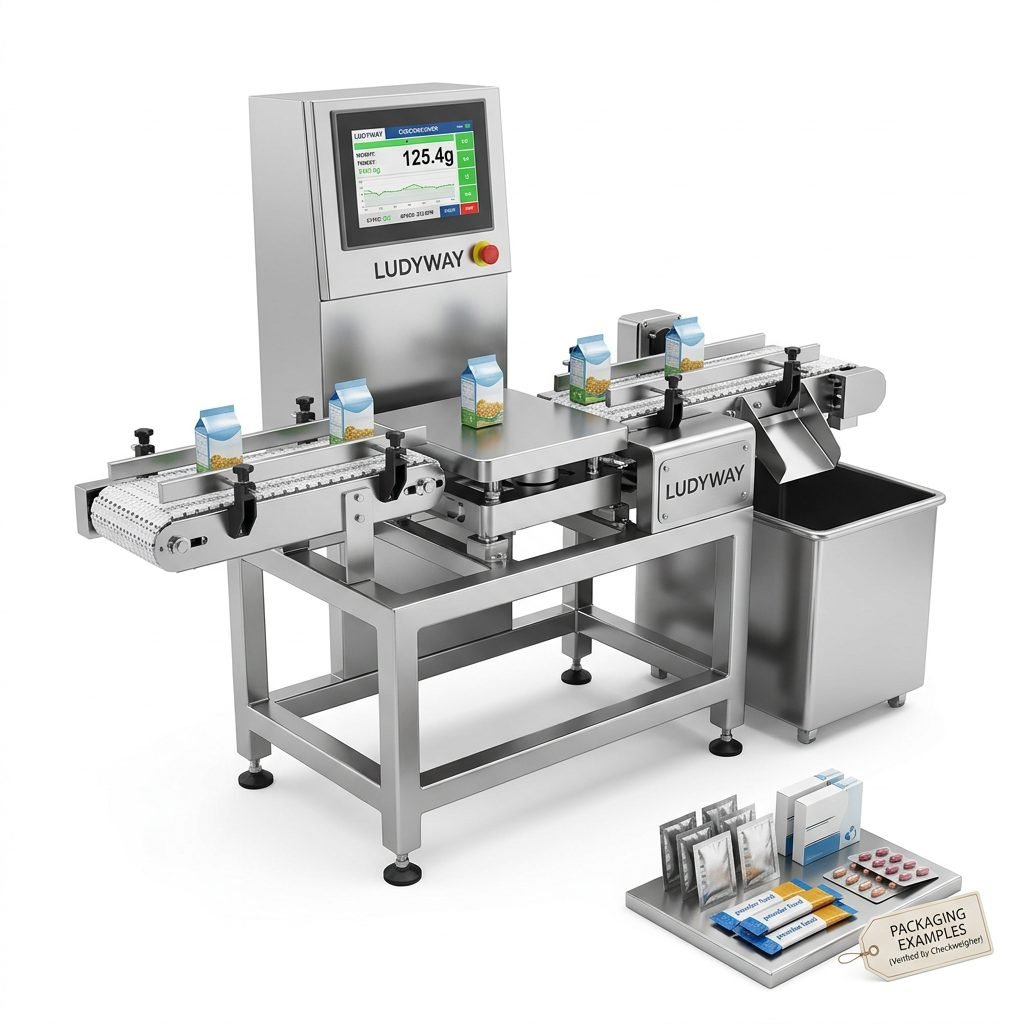
Consider the degree of automation needed. Do you require automatic film splicing, date coding, check-weighing, or integration with upstream feeders and downstream cartoning equipment? Turnkey solutions can streamline the entire line.
5. Supplier Reliability and Support
Partner with a reputable manufacturer like Ludyway Machinery, known for engineering robust equipment. Evaluate their after-sales service, availability of spare parts, technical training, and warranty terms. A supplier with extensive industry experience can provide invaluable application-specific guidance.
6. Compliance and Safety Standards
For food, pharmaceutical, or chemical applications, ensure the machine complies with relevant regional and international standards (e.g., FDA, CE, GMP). Safety features like guarding and emergency stops are non-negotiable.
Benefits of Modern Arrow Packaging Systems
Investing in a modern system from a trusted packaging machinery brand yields substantial returns:
- ✅ Enhanced Efficiency: Dramatically increases output while reducing labor costs.
- ✅ Superior Product Protection: Creates airtight seals that guard against moisture, oxygen, and contaminants.
- ✅ Reduced Material Waste: Precise dosing and sealing minimize product giveaway and film waste.
- ✅ Improved Consistency & Brand Image: Produces uniform, professional-looking packages that strengthen brand perception.
- ✅ Operational Flexibility: Quick changeovers allow for packaging multiple products on a single machine.
Frequently Asked Questions (FAQs)
1. What is the main difference between VFFS and HFFS arrow packaging machines?
The primary difference lies in the film direction and package shape. VFFS machines form film vertically, creating stand-up or pillow pouches, best for free-flowing products. HFFS machines form film horizontally and are better suited for flat, multi-lane packaging like stick packs or portion packs with complex seals.
2. Can one machine handle both powders and liquids?
While some machines are designed to be versatile, they typically require a change of the filling system. A machine configured with an auger filler for powders would need to be fitted with a liquid pump system to handle liquids effectively. It’s crucial to discuss your product range with the supplier for a compatible solution.
3. How important is after-sales service when buying packaging machinery?
Extremely important. Reliable technical support, readily available spare parts, and operator training are critical for minimizing downtime and ensuring long-term, smooth operation. A supplier’s commitment to service is as vital as the quality of the machine itself.
4. What packaging films are compatible with these machines?
Most machines work with heat-sealable laminates like PET/PE, PET/AL/PE, OPP/CPP, and paper/AL/PE. The choice depends on the required barrier properties (light, moisture, oxygen), printability, and product compatibility. Your machine supplier can recommend suitable film specifications.
5. How can I improve the accuracy of filling, especially for expensive products?
For high-value products, opt for a machine equipped with a net-weight scale system (load cells). This system weighs each pouch during filling and makes micro-adjustments in real-time, offering far greater accuracy (e.g., ±0.1% to ±0.5%) than traditional volumetric filling, thereby reducing product giveaway.