Investing in a nitrogen flush packaging machine is a strategic decision for manufacturers looking to extend product shelf life, preserve freshness, and maintain product integrity. Modified atmosphere packaging (MAP) using nitrogen displacement has become the gold standard for oxygen-sensitive products ranging from coffee and snacks to pharmaceuticals and nutritional supplements. This guide breaks down the essential factors to evaluate before making your purchase.
What Is Nitrogen Flush Packaging and Why Does It Matter?
Nitrogen flush packaging involves injecting nitrogen gas into a package immediately before sealing to displace oxygen. Since nitrogen is an inert gas, it does not react with food or pharmaceutical products, effectively preventing oxidation, mold growth, and degradation. This technology is widely adopted across industries governed by stringent food packaging and food contact substances regulations, as well as pharmaceutical quality standards.
According to industry data from the PMMI business intelligence library, demand for modified atmosphere packaging equipment continues to rise as manufacturers prioritize extended shelf life and reduced product waste. The Flexible Packaging Association also reports consistent growth in flexible packaging formats that integrate nitrogen flush capabilities.
Key Factors to Evaluate Before Purchasing
Selecting the right nitrogen flush packaging machine requires careful assessment of several critical variables. Below are the most important considerations to guide your decision-making process:
1. Product Characteristics and Packaging Format
Your product’s physical properties—whether powder, granule, liquid, or solid—directly influence the type of dosing and filling system required. Different products demand different levels of oxygen removal. Consider the following packaging formats commonly integrated with nitrogen flushing:
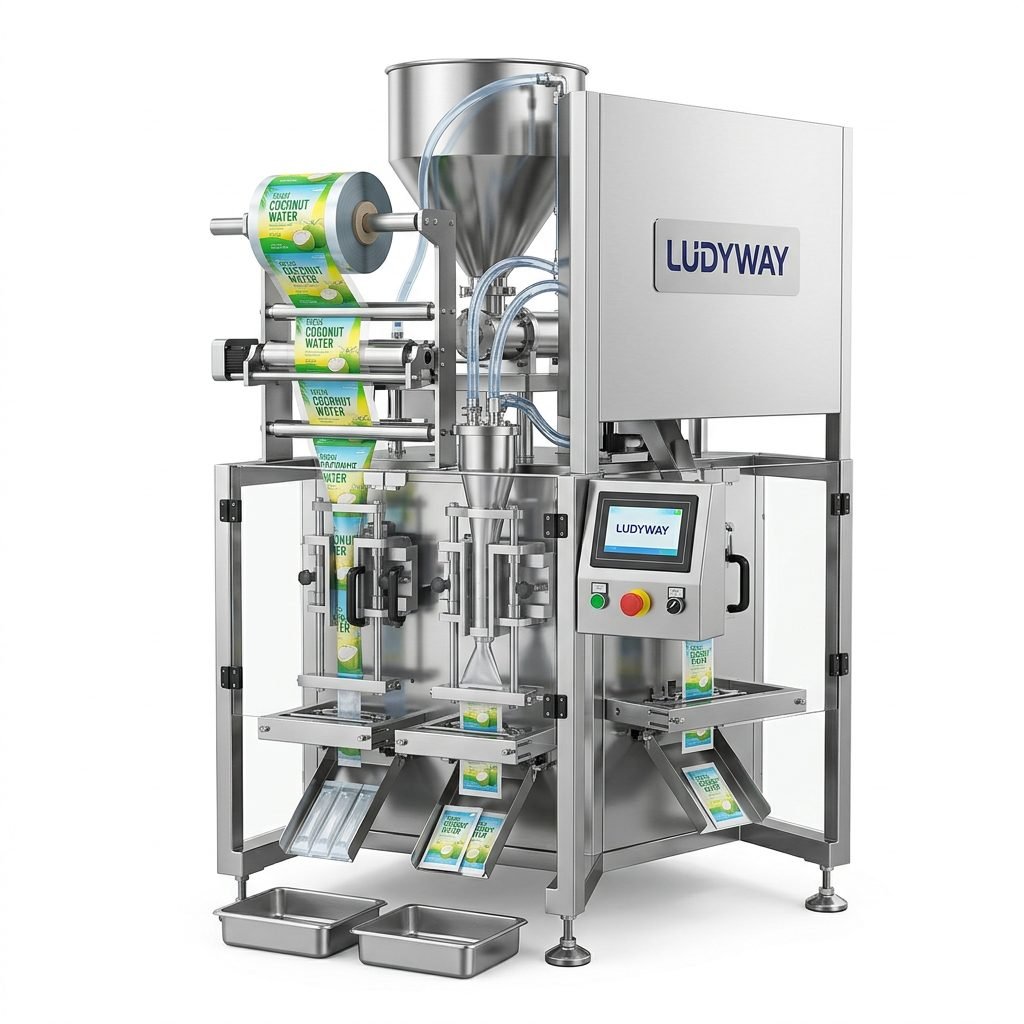
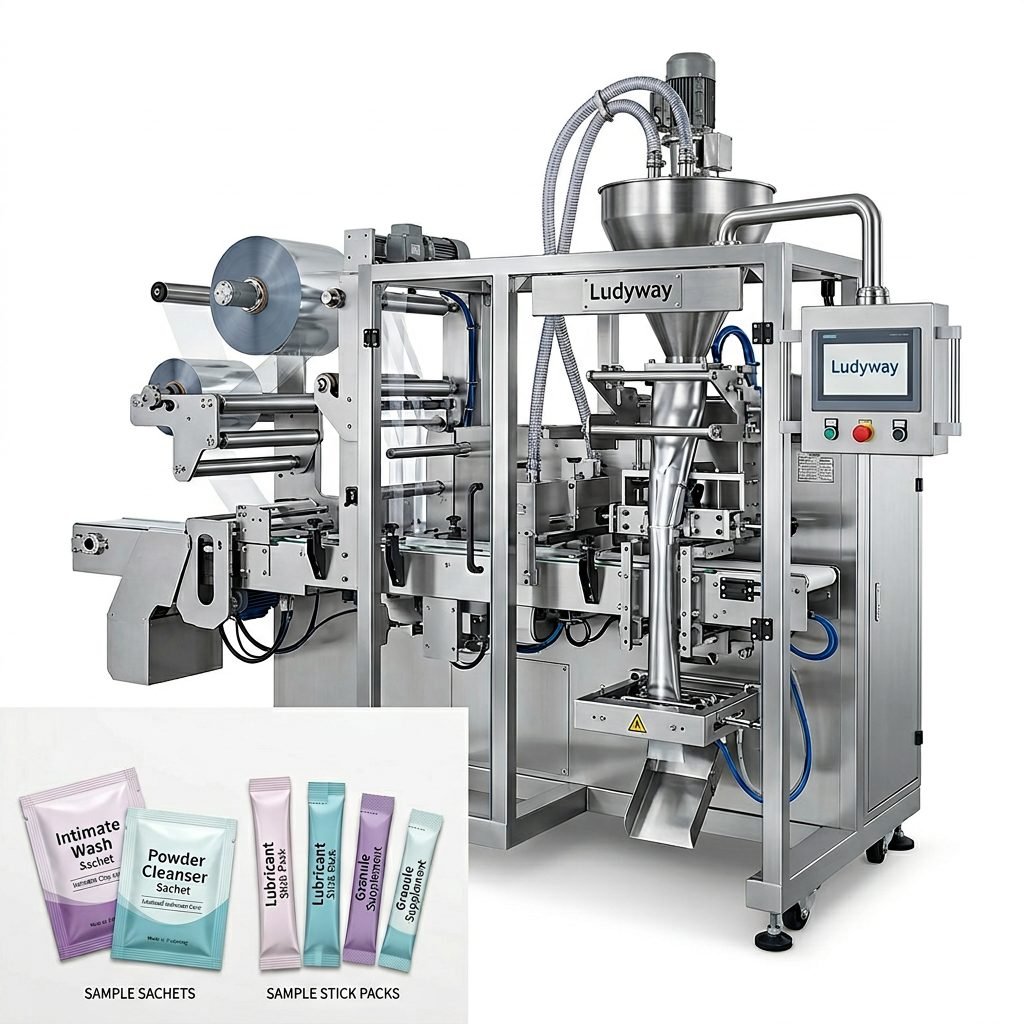
- Stick packs and sachets — Ideal for single-serve coffee, sugar, and supplement powders
- Pillow pouches and gusseted bags — Suitable for snacks, dried fruits, and granular food products
- Pre-made pouches — Common for premium coffee, nuts, and pharmaceutical items
- Bottle and container flushing — Used for larger volumes of sensitive products
2. Residual Oxygen Levels Required
Different products require varying levels of oxygen removal. Coffee and nutritional oils often demand residual oxygen levels below 1-2%, while some snack foods may tolerate slightly higher levels. The ISO packaging standards provide benchmarks for acceptable residual oxygen levels across product categories. Ensure the machine you select can consistently achieve your target oxygen displacement.
3. Production Speed and Throughput
Packaging speed requirements vary significantly between small-batch operations and high-volume manufacturers. Multi-lane machines can dramatically increase output by running several packaging lanes simultaneously. Evaluate whether a single-lane, dual-lane, or multi-lane configuration best matches your current and projected production volumes.

Technical Specifications That Impact Performance
Beyond basic functionality, several technical specifications determine the long-term reliability and efficiency of a nitrogen flush packaging machine. Use the following comparison table to evaluate key technical parameters across different machine configurations:
| Feature | Basic Models | Mid-Range Models | High-End Models |
|---|---|---|---|
| Lane Configuration | 1-4 lanes | 4-8 lanes | 8-16+ lanes |
| Residual O₂ Control | 3-5% | 1-3% | <1% |
| Gas Purging System | Single-stage flush | Dual-stage flush | Multi-stage with vacuum assist |
| Automation Level | Semi-automatic | Fully automatic | Fully automatic with smart controls |
| Material Compatibility | Standard films | Multiple film types | All flexible materials including high-barrier laminates |
Machine Types: Finding the Right Configuration
Nitrogen flush packaging machines come in several configurations. Understanding the differences helps match equipment to your specific application:
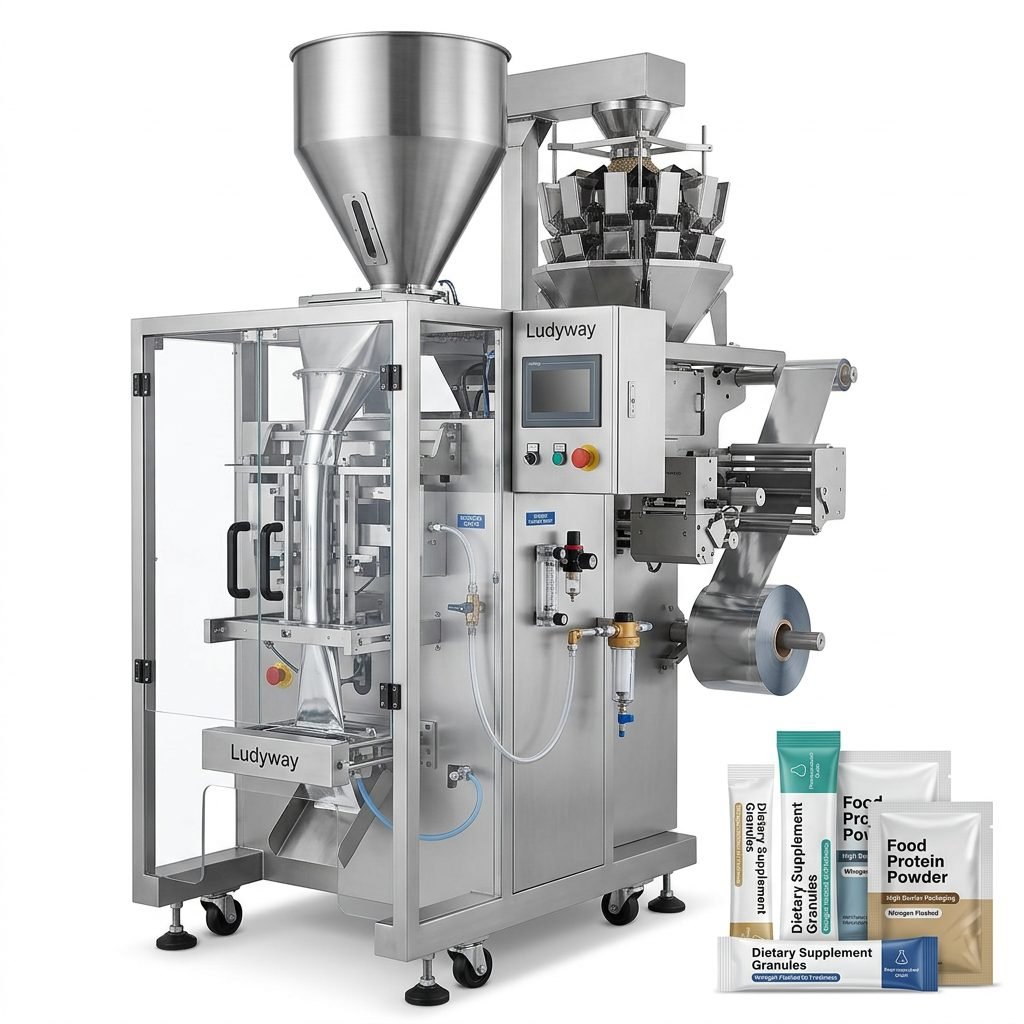
Vertical Form Fill Seal (VFFS) with Nitrogen Flush
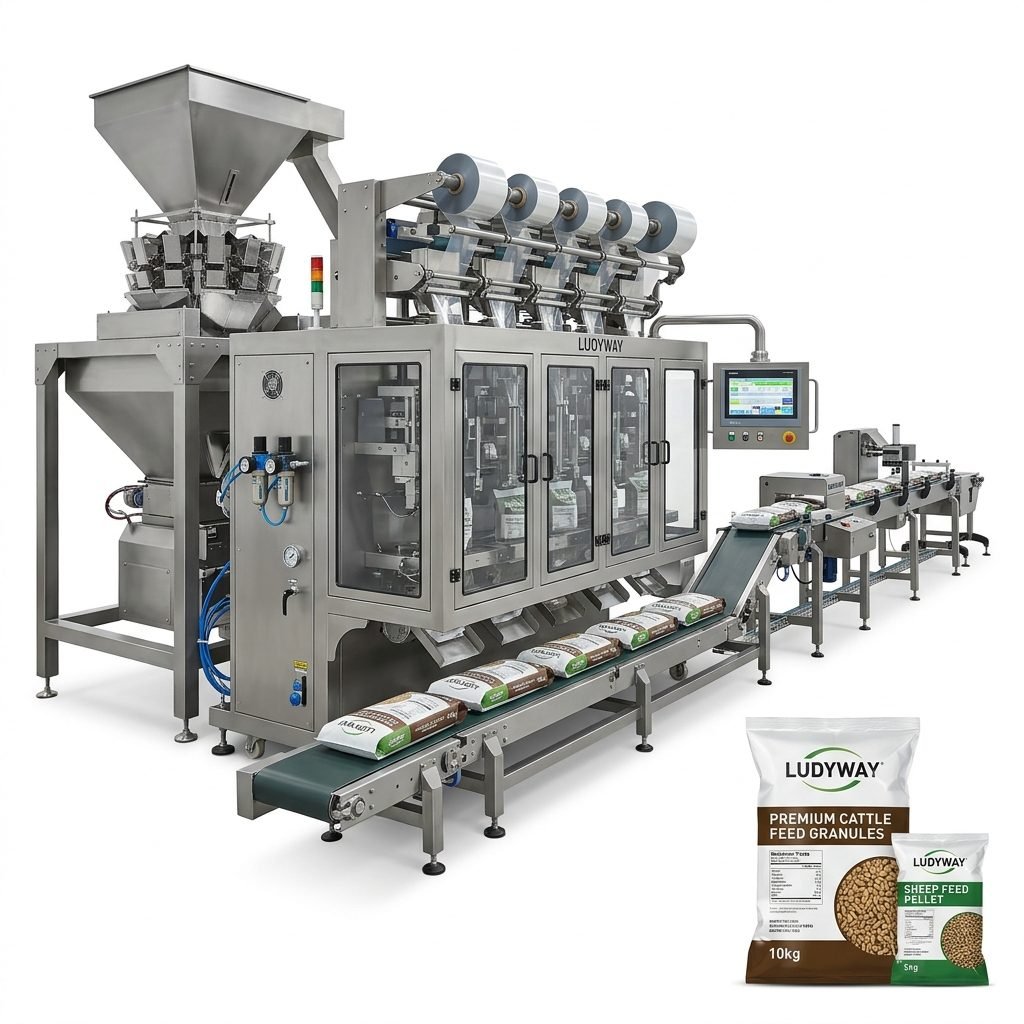
The most common configuration for powders and granules. Film is formed into a tube, product is dispensed, nitrogen purges the headspace, and seals are made—all in a continuous vertical motion. These machines are highly efficient for free-flowing products like coffee grounds, protein powders, and dry food mixes.
Horizontal Form Fill Seal (HFFS) with Gas Injection
Better suited for solid products, trays, and items requiring gentle handling. Nitrogen flushing occurs in the sealing zone just before the final seal is applied. Commonly used for baked goods, fresh pasta, and medical devices.
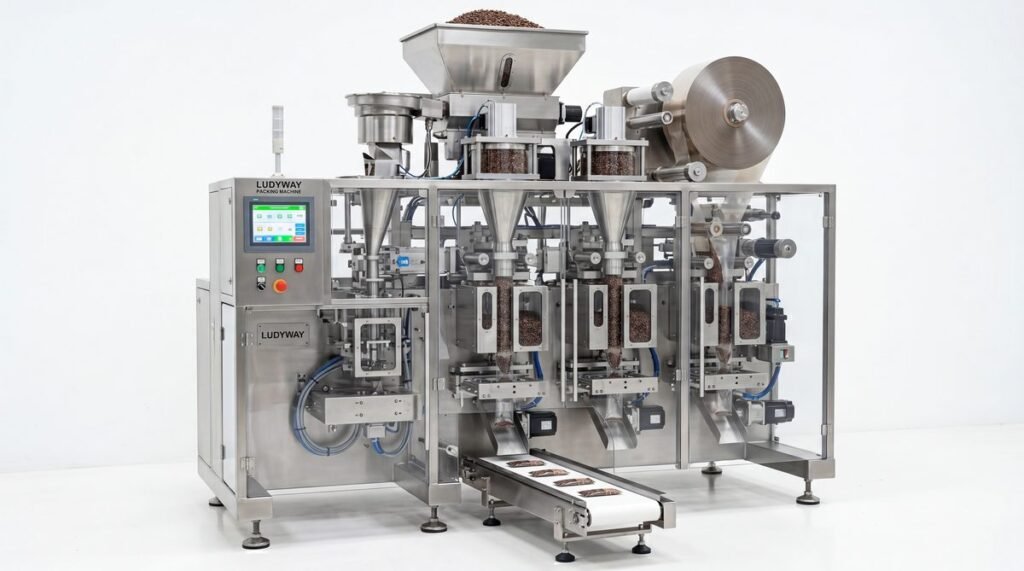
Pre-Made Pouch Systems with Nitrogen Flush
These machines take ready-made pouches, open them, fill with product, inject nitrogen, and seal. Ideal for flexible packaging applications requiring premium presentation, stand-up pouches, and zipper closures.
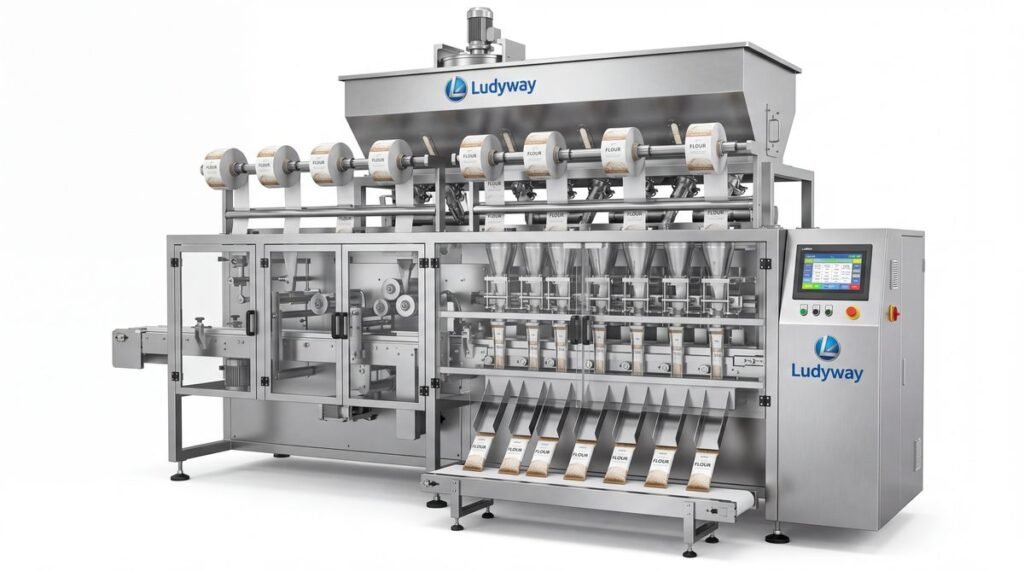
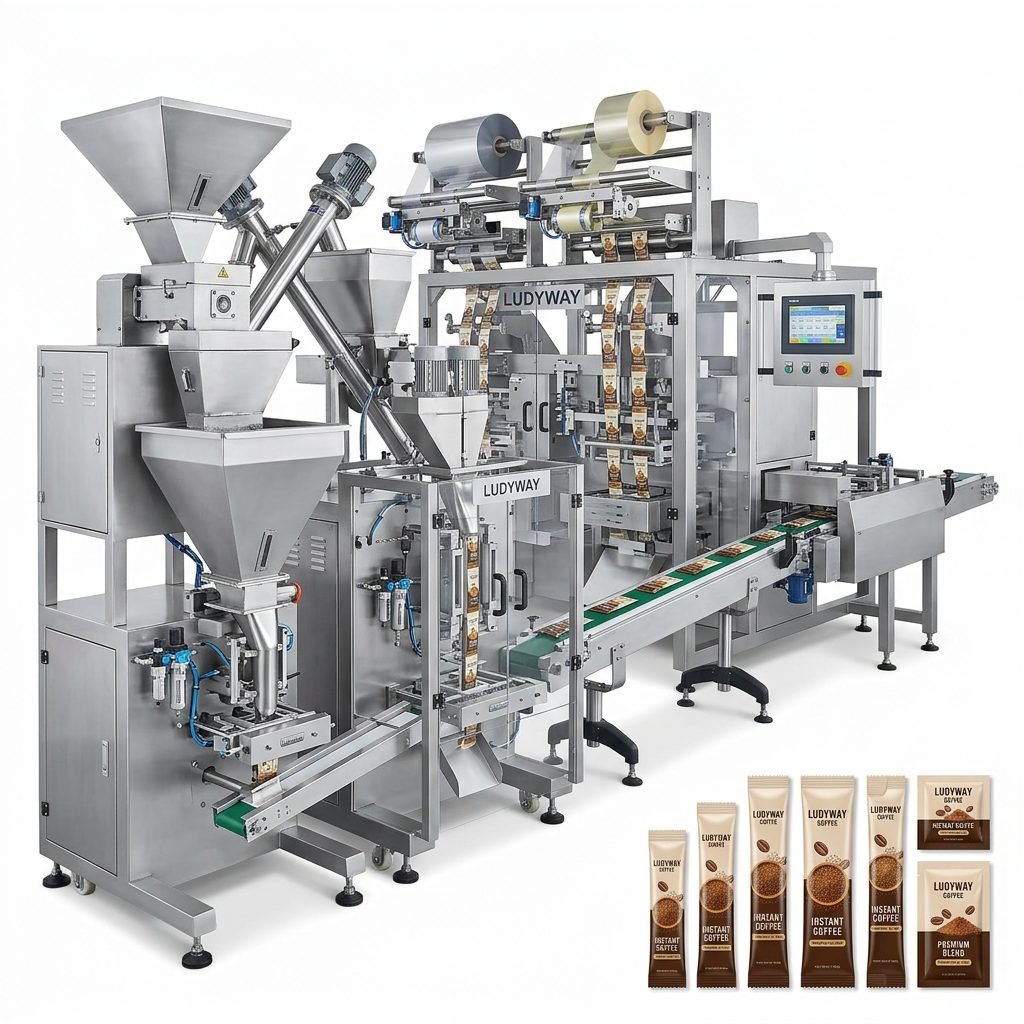
Multi-Lane Stick Pack Machines
For high-volume production of single-serve stick packs and sachets, multi-lane configurations with integrated nitrogen flushing can produce hundreds of packs per minute. These are especially popular in the coffee, sweetener, and supplement industries.
Industry-Specific Application Requirements
Different industries impose unique demands on nitrogen flush packaging equipment. Understanding your industry’s specific requirements is essential:
Food and Beverage
Products like coffee, nuts, dried fruits, and snack foods benefit significantly from nitrogen flushing. Manufacturers must comply with FDA food contact substance regulations. Equipment should be constructed from food-grade stainless steel and designed for easy sanitation.
Pharmaceuticals and Nutraceuticals
Pharmaceutical packaging demands precision dosing, validated processes, and stringent quality control. Nitrogen flush machines for pharma applications must support validation protocols and comply with ISO 11607 packaging standards for medical devices where applicable. Documentation, traceability, and cleanroom compatibility are critical.
Cosmetics and Personal Care
Premium skincare and cosmetic products often use nitrogen flushing to protect sensitive active ingredients from oxidation. Machines must handle liquid and cream formulations with precise filling accuracy.
Evaluating Manufacturer Capabilities and Support
Choosing the right equipment partner is as important as selecting the right machine. Look for manufacturers with demonstrated engineering expertise, global service capabilities, and a track record of supporting customers throughout the equipment lifecycle.
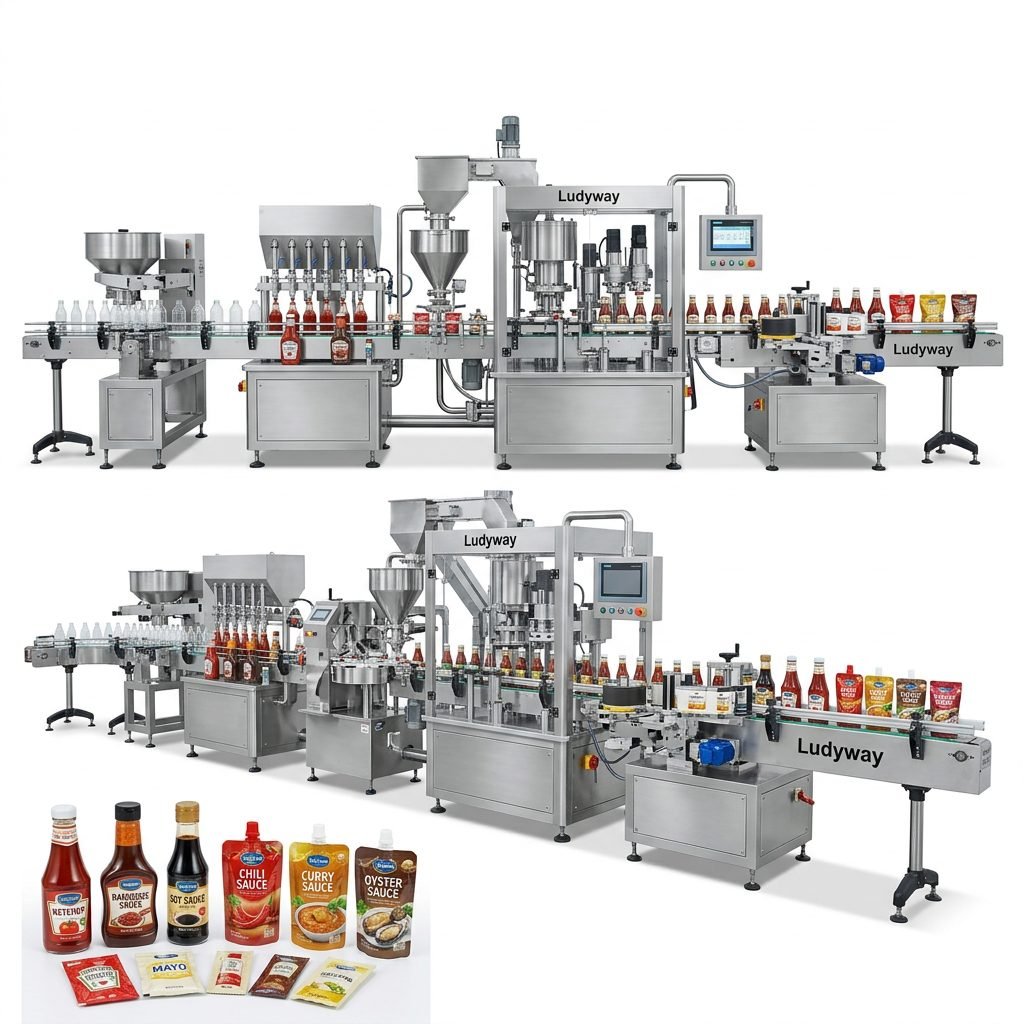
Leading manufacturers offer comprehensive support from initial consultation and machine selection through installation, commissioning, operator training, and ongoing technical assistance. For example, Ludyway Machinery provides integrated packaging solutions with in-house engineering, manufacturing, and after-sales support across more than 100 countries, helping manufacturers achieve consistent packaging performance and operational efficiency.
When evaluating suppliers, consider their familiarity with packaging machinery standards and regulations, their component sourcing practices, and whether they can provide customized configurations rather than only standardized machines. The PMMI State of the Industry reports offer valuable insights into packaging machinery market trends that can inform your purchasing decision.
Cost Considerations and Return on Investment
The initial purchase price of a nitrogen flush packaging machine represents only part of the total cost of ownership. Consider the following factors when calculating ROI:
- Nitrogen gas consumption efficiency — Machines with advanced gas management systems reduce ongoing nitrogen costs
- Maintenance requirements — Assess spare parts availability, service intervals, and technical support accessibility
- Energy consumption — Compare power requirements across different models and manufacturers
- Labor requirements — Automated systems reduce operator dependency and associated labor costs
- Product waste reduction — Extended shelf life directly translates to fewer returns and less waste
For most manufacturers, the ROI from reduced product spoilage and extended distribution reach justifies the investment in quality nitrogen flush equipment within 12-24 months of operation.
Key Questions to Ask Before Finalizing Your Purchase
Before committing to a nitrogen flush packaging machine, ask potential suppliers these critical questions:
- What residual oxygen level can the machine consistently achieve for my specific product?
- Is the gas flushing system single-stage, dual-stage, or does it include vacuum assist?
- What is the maximum production speed with nitrogen flushing enabled?
- Which packaging and distribution standards does the equipment comply with?
- Can the machine handle my current packaging materials, and what barrier properties are recommended?
- What is the expected nitrogen consumption per thousand packages?
- How quickly can spare parts be shipped to my location?
- What training and documentation are provided with the installation?
Taking a methodical approach to equipment selection ensures that your nitrogen flush packaging investment delivers consistent product quality, operational efficiency, and long-term value. By carefully evaluating product requirements, technical specifications, manufacturer capabilities, and total cost of ownership, you can select a machine that supports your production goals for years to come.