Selecting the right custom packaging machinery manufacturer is a critical decision that directly impacts your production efficiency, product quality, and overall operational success. With numerous equipment suppliers in the market, how do you navigate the options to find the perfect partner for your specific production needs? This guide provides a detailed framework to help you make an informed choice.
Understanding Your Core Production Requirements
Before you begin evaluating suppliers, you must have a crystal-clear understanding of your own needs. This forms the foundation of your search.
Key Questions to Define Your Scope:
- Product Type: Are you packaging granules, powders, liquids, tablets, or pastes? Each material has unique flow characteristics and sealing requirements.
- Production Speed & Output: What is your required output in packs per minute (PPM) or units per hour? Consider both current needs and future scalability.
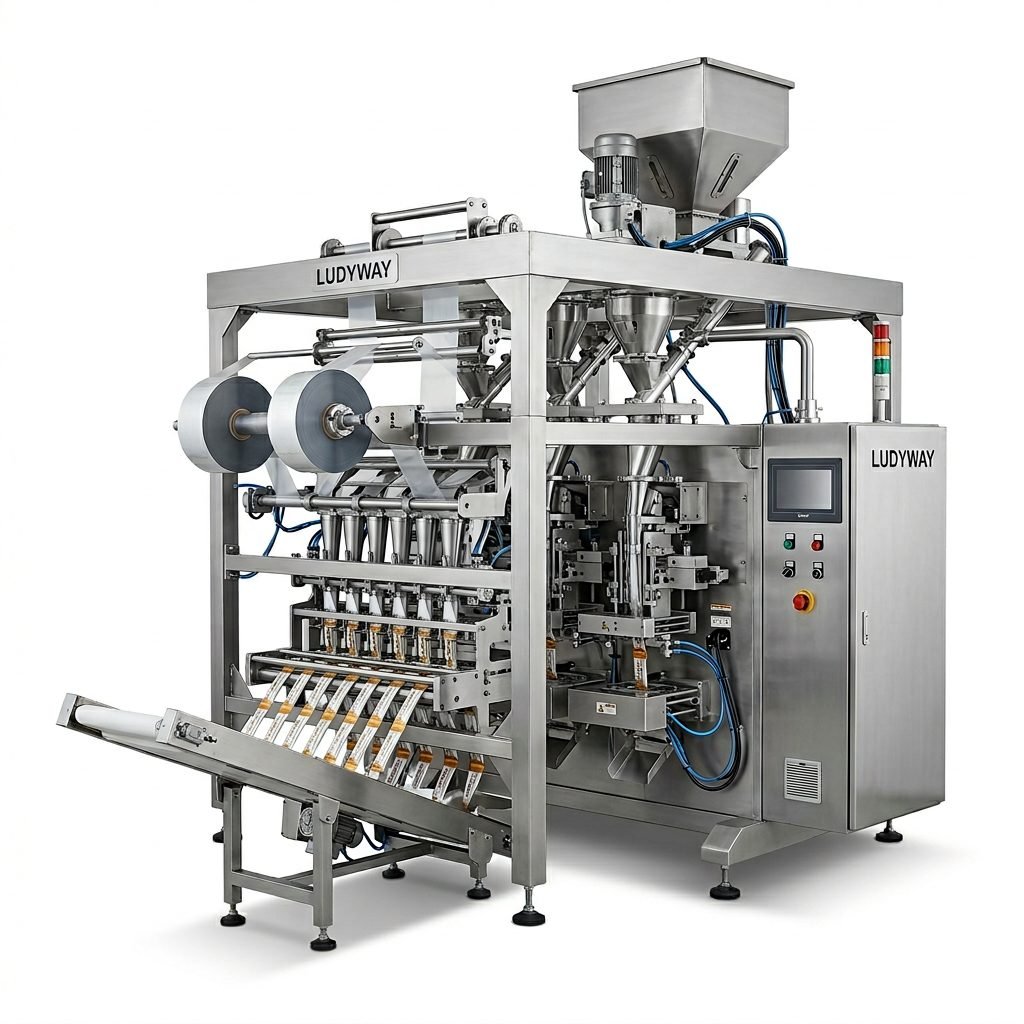
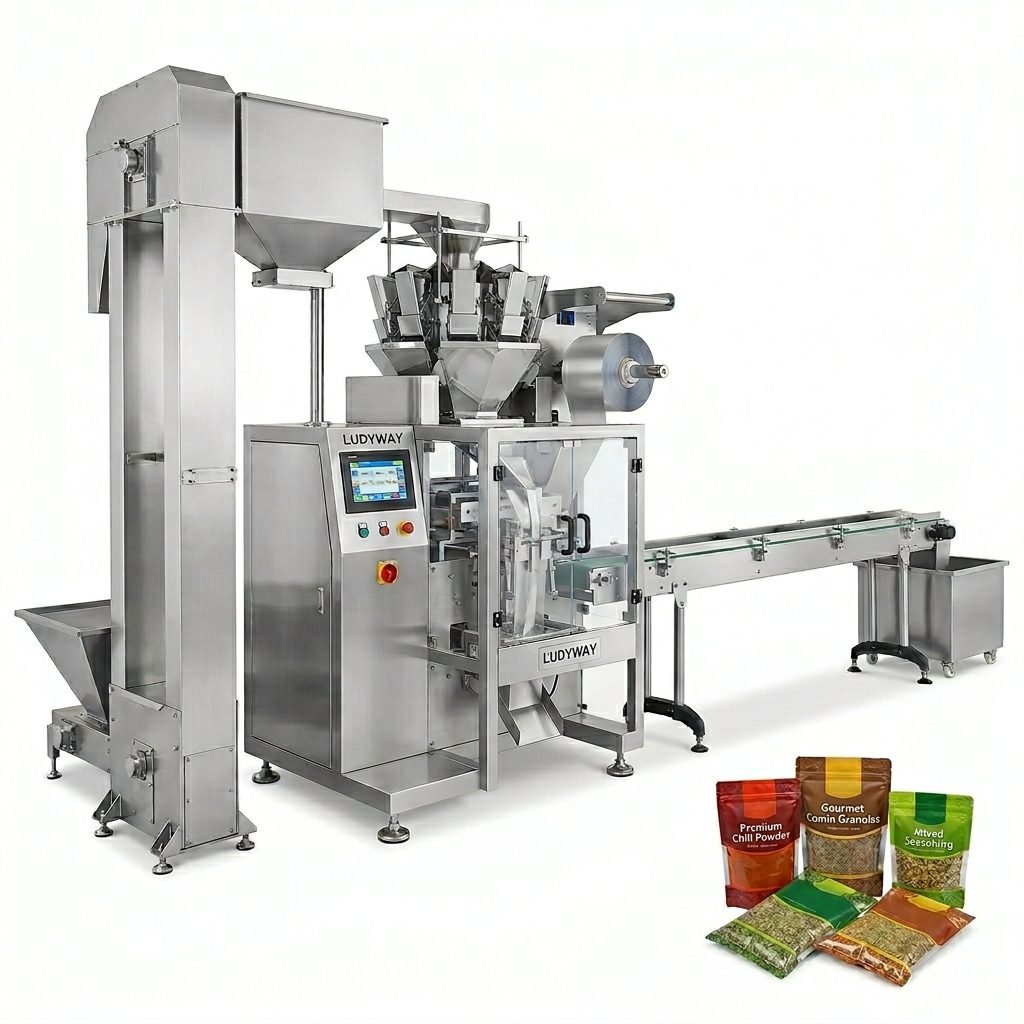
- Packaging Format: Do you need stick packs, sachets, pouches, bottles, or blister packs? The format dictates the machine type.
- Film/Material Specifications: What laminate or composite materials will you use? The machine must be compatible with your chosen packaging film.
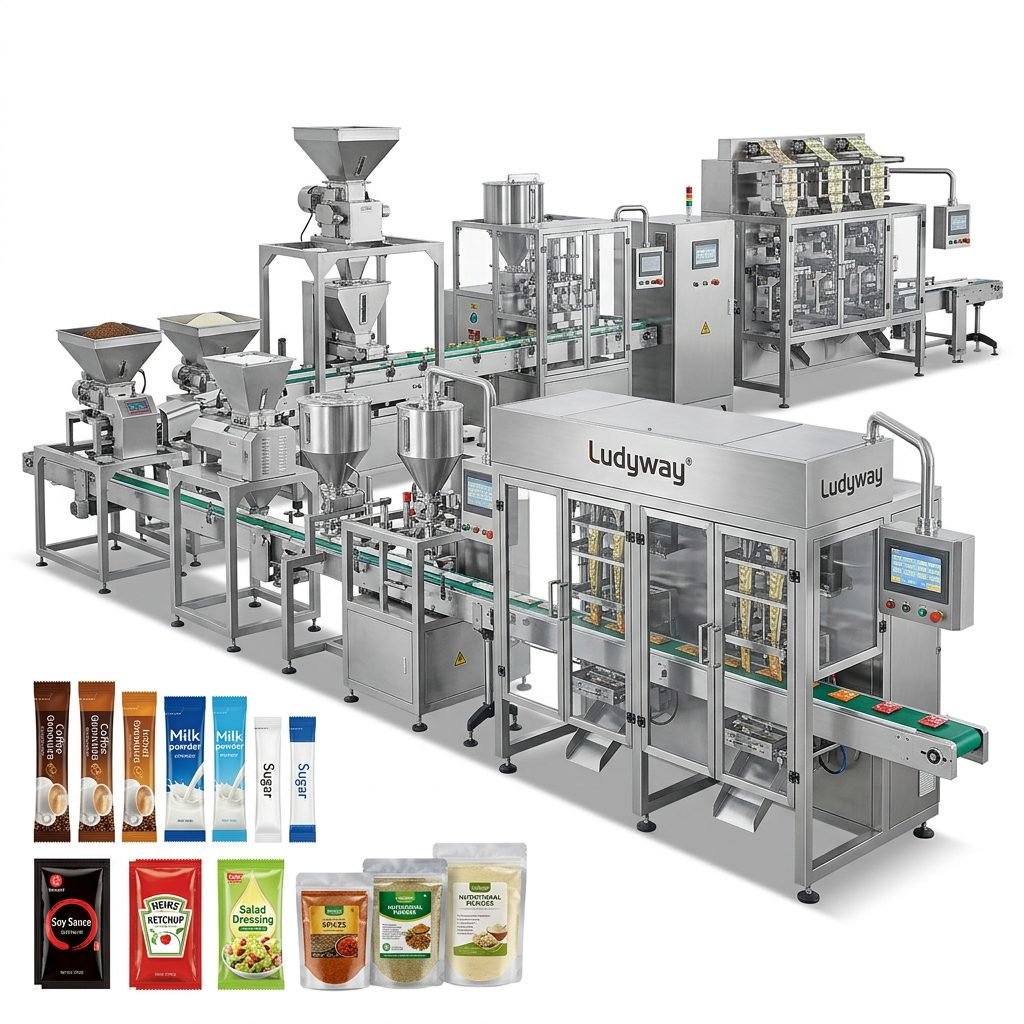
- Level of Automation: Do you need a standalone machine, an integrated line with filling and sealing, or a fully automated turnkey system with robotic handling?
Evaluating the Manufacturer’s Expertise and Capabilities
Once your needs are defined, assess potential suppliers against these critical capability markers.
1. Industry Experience and Specialization
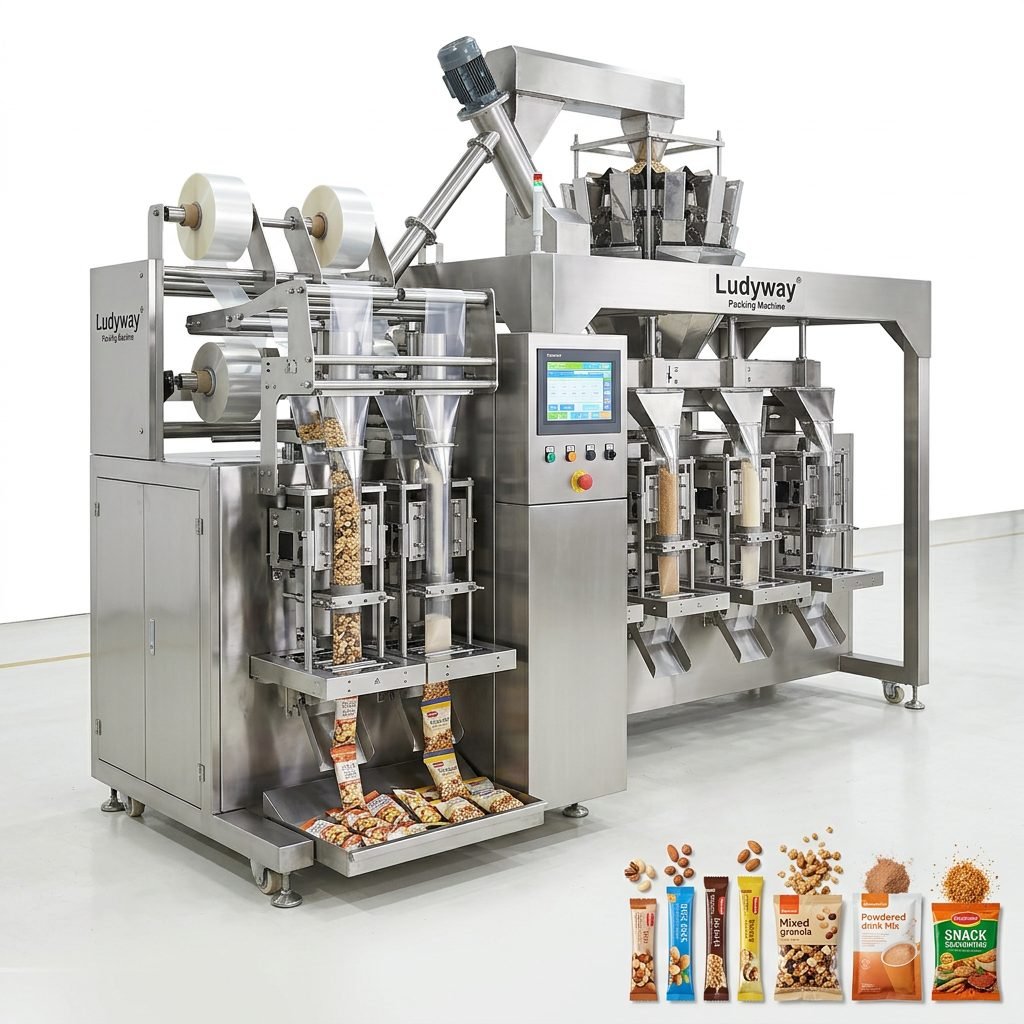
Look for a manufacturer with a proven track record in your specific industry—be it food, pharmaceutical, nutraceuticals, or chemicals. Experience in your sector means they understand regulatory standards (like FDA, cGMP), hygiene protocols, and the unique challenges of your products. A supplier like Ludyway Packaging Machinery, with over 30 years of industry experience, brings invaluable practical knowledge to the table, ensuring the machinery is fit-for-purpose from the outset.
2. Technical Engineering and Customization Strength
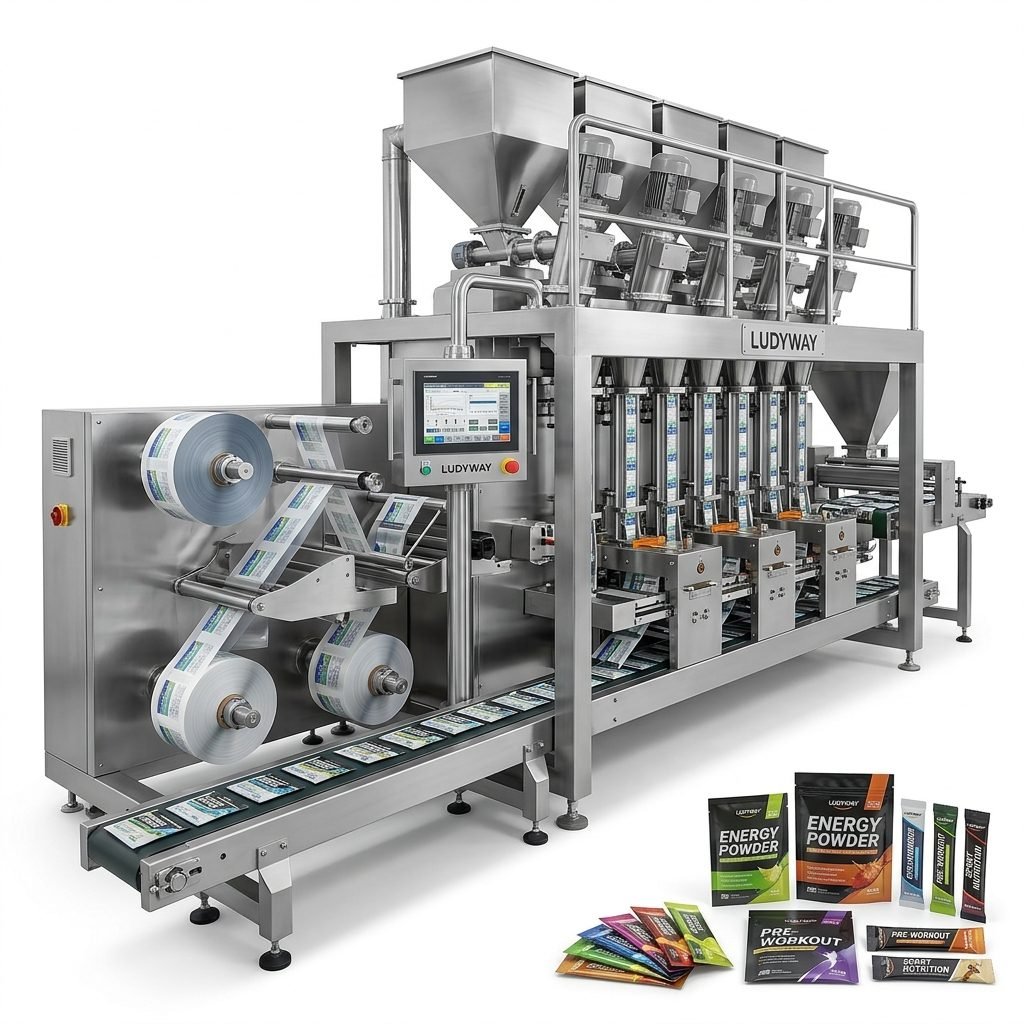
Custom packaging means the equipment must adapt to you, not the other way around. Scrutinize their in-house engineering team’s ability to provide tailored solutions. Can they modify standard models? Do they offer complete turnkey production line solutions? The ability to customize dosing systems, sealing mechanisms, or integration with existing line equipment is crucial for seamless operation.
🔍 Due Diligence Checkpoint: Facility Tour
Whenever possible, request a virtual or physical tour of the manufacturer’s production facility. A modern facility, such as a 20,000㎡ manufacturing plant, is a strong indicator of scale, quality control processes, and production capacity. Observe their workshop organization, quality checks, and assembly lines.
3. Machine Portfolio and Technological Innovation
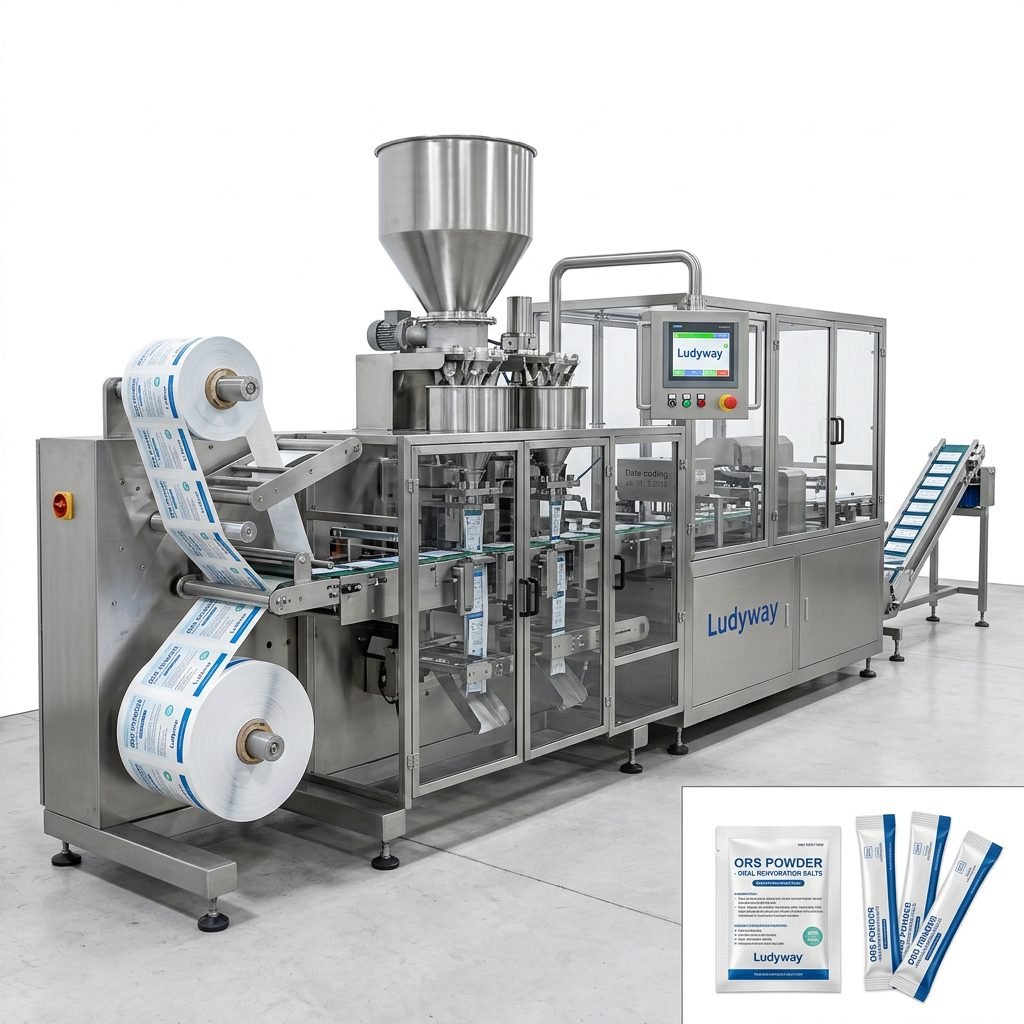
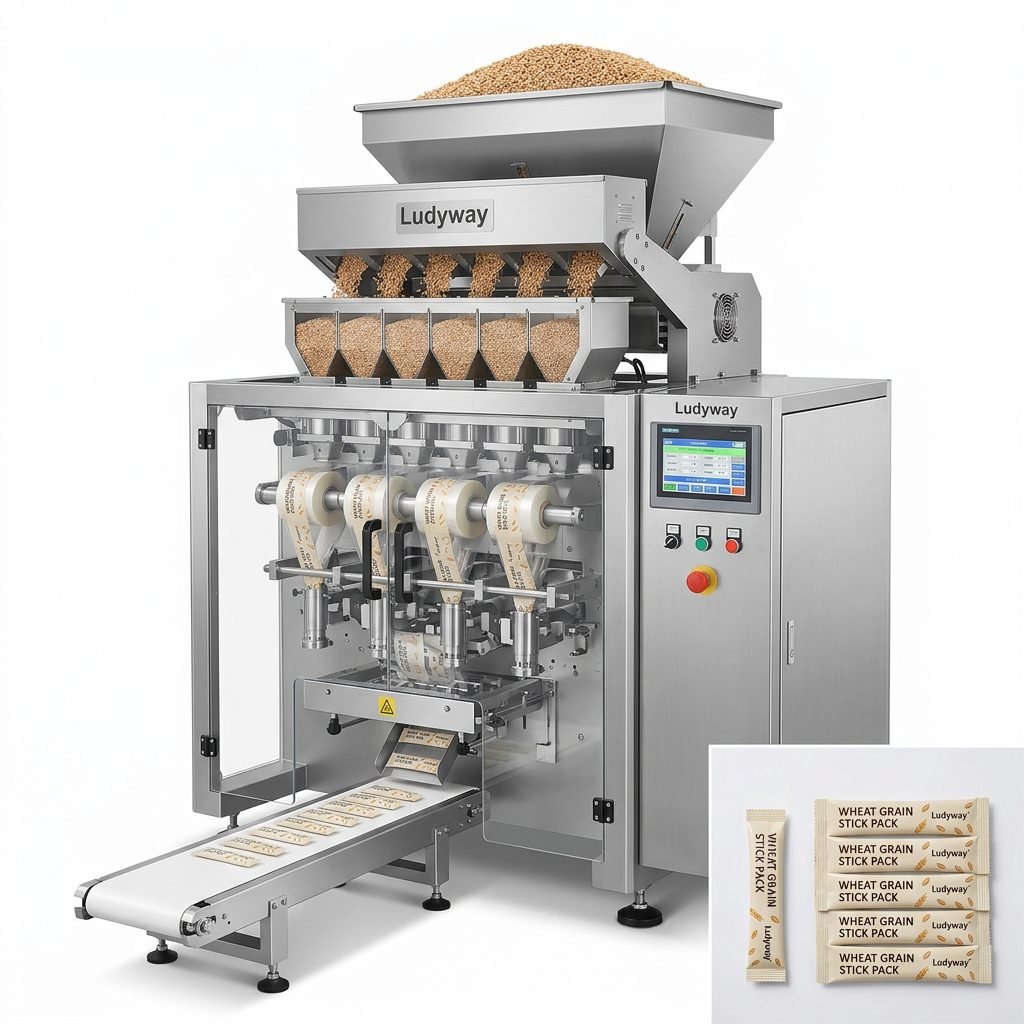
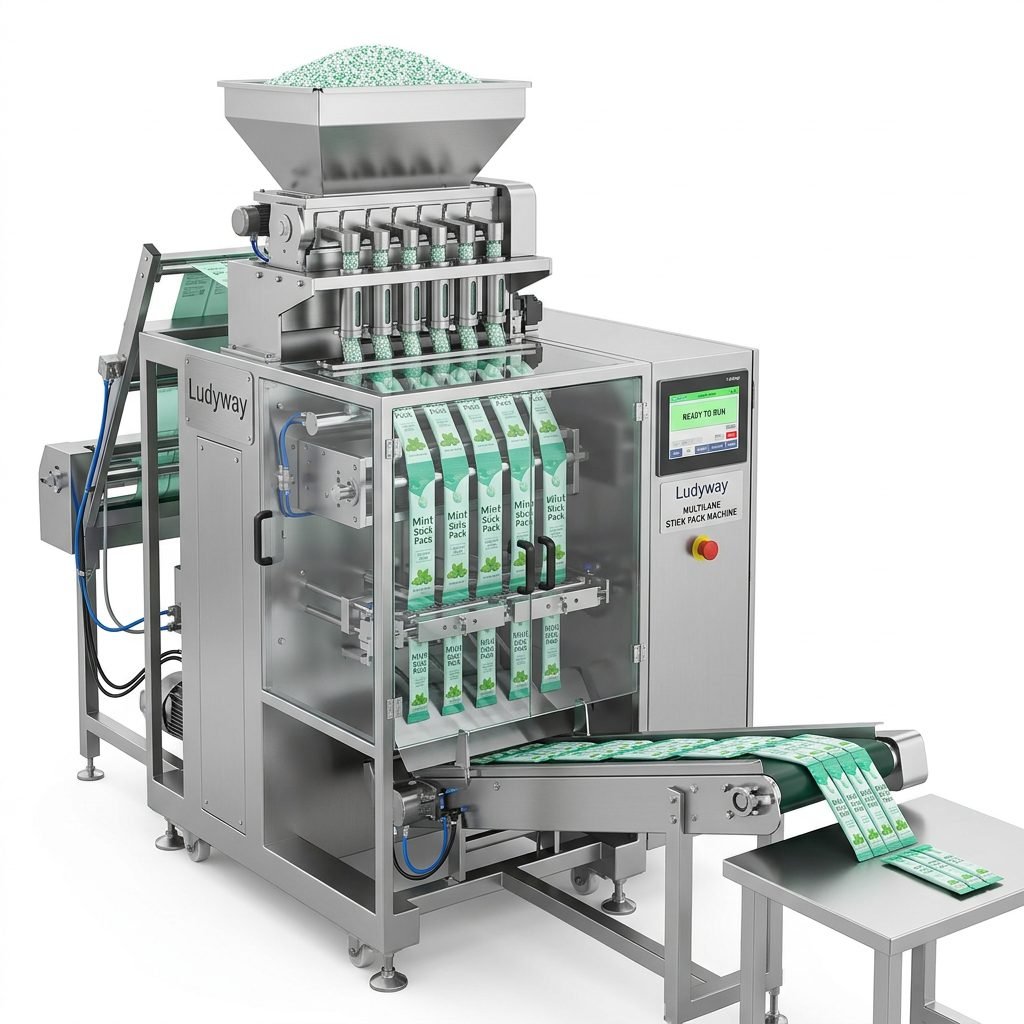
A broad portfolio indicates wider expertise. A supplier offering over 50 intelligent packaging machine models—from multi-lane stick pack machines to liquid filling lines—can likely provide a more objective recommendation, as they are not limited to pushing a single type of machine. Inquire about their R&D focus and how they incorporate Industry 4.0 features like IoT connectivity, data tracking, and predictive maintenance into their equipment.
The Importance of Reliability and After-Sales Support
The relationship with your supplier begins after the machine is installed. Robust support is non-negotiable.
Global Service and Spare Parts Network
If your operations are global, ensure the supplier has a framework for international support. This includes readily available spare parts, remote troubleshooting capabilities, and access to trained service technicians in your region. Prompt support minimizes costly downtime.
Comprehensive Training and Documentation
A reliable supplier provides thorough operational and maintenance training for your team, along with clear, detailed manuals in your required language. This empowers your staff to operate efficiently and perform basic troubleshooting.
📊 Checklist for Supplier Comparison
Use this side-by-side framework to objectively compare your shortlisted manufacturers:
- Technical Proposal: How well does it address your specific requirements?
- Total Cost of Ownership (TCO): Includes purchase price, installation, energy consumption, and maintenance costs.
- Warranty Terms & Service Agreements: Length of warranty, coverage, and response time guarantees.
- Client References & Case Studies: Speak directly to existing clients with similar applications.
- Delivery Timeline & Project Management: Can they meet your project schedule with clear communication?
Making the Final Decision and Building a Partnership
Choosing a supplier is not just a transaction; it’s the start of a strategic partnership. Opt for a manufacturer that demonstrates a commitment to long-term cooperation and innovation. Their goal should be to become a trusted extension of your production team, helping you adapt to future market changes and technological advancements. By methodically assessing suppliers against your defined needs and their proven capabilities, you secure a partnership that drives efficiency, quality, and growth for years to come.
Frequently Asked Questions (FAQs)
Q1: What is the most important factor when choosing a custom packaging machinery manufacturer?
A: While multiple factors are important, the manufacturer’s proven experience with your specific product type and industry is paramount. This ensures they understand your material behavior, regulatory environment, and production challenges, leading to a more reliable and effective solution from the start.
Q2: How can I verify the quality and reliability of the machinery before purchase?
A: Always request a live or recorded product test using your actual materials. Additionally, ask for client references and visit their facility if possible. Reviewing detailed case studies and checking for relevant international certifications (CE, etc.) are also key verification steps.
Q3: What does “turnkey solution” mean from a packaging machinery supplier?
A: A turnkey solution means the supplier takes full responsibility for delivering a complete, ready-to-operate production line. This typically includes machinery design, manufacturing, installation, commissioning, operator training, and initial technical support, allowing you to “turn the key” and start production.
Q4: Why is after-sales support critical for packaging equipment?
A: Packaging machines are complex and require maintenance. Strong after-sales support—including readily available spare parts, remote diagnostics, and fast technician dispatch—minimizes production downtime, protects your investment, and ensures long-term operational efficiency and ROI.
Q5: Can a single supplier handle both my primary packaging and end-of-line automation needs?
A: Many leading manufacturers, especially those with strong engineering capabilities, offer integrated solutions. It’s essential to discuss your entire workflow with them. A supplier with a broad portfolio and project management expertise can often coordinate or supply complete line solutions, ensuring better compatibility and a single point of accountability.