Choosing the right condiment packaging machine is a critical decision for any food manufacturer. The right system not only protects your product’s quality and shelf life but also enhances production efficiency, brand presentation, and overall profitability. This comprehensive guide will walk you through the different types of condiment packaging machines, their key features, and a step-by-step framework to help you select the best system for your specific needs.
Understanding Condiment Packaging Formats
Condiments come in various viscosities and forms—from liquid ketchup and mustard to semi-solid mayonnaise, pastes like tomato paste, and dry blends like taco seasoning. The packaging format must align with the product’s characteristics and consumer usage patterns.
Primary Packaging Types for Condiments:
- Sachets & Stick Packs: Ideal for single-serve portions of sauces, dressings, ketchup, or spices. They are cost-effective, reduce waste, and are highly popular in food service and takeaway markets.
- Bottles & Jars: The classic choice for retail liquid and semi-solid condiments like soy sauce, olive oil, salsa, and jam. Filling can be done via piston fillers, gravity fillers, or volumetric cup fillers.
- Tubes: Perfect for thicker products like tomato paste, mustard, or culinary gels. They offer excellent product protection and precise dispensing.
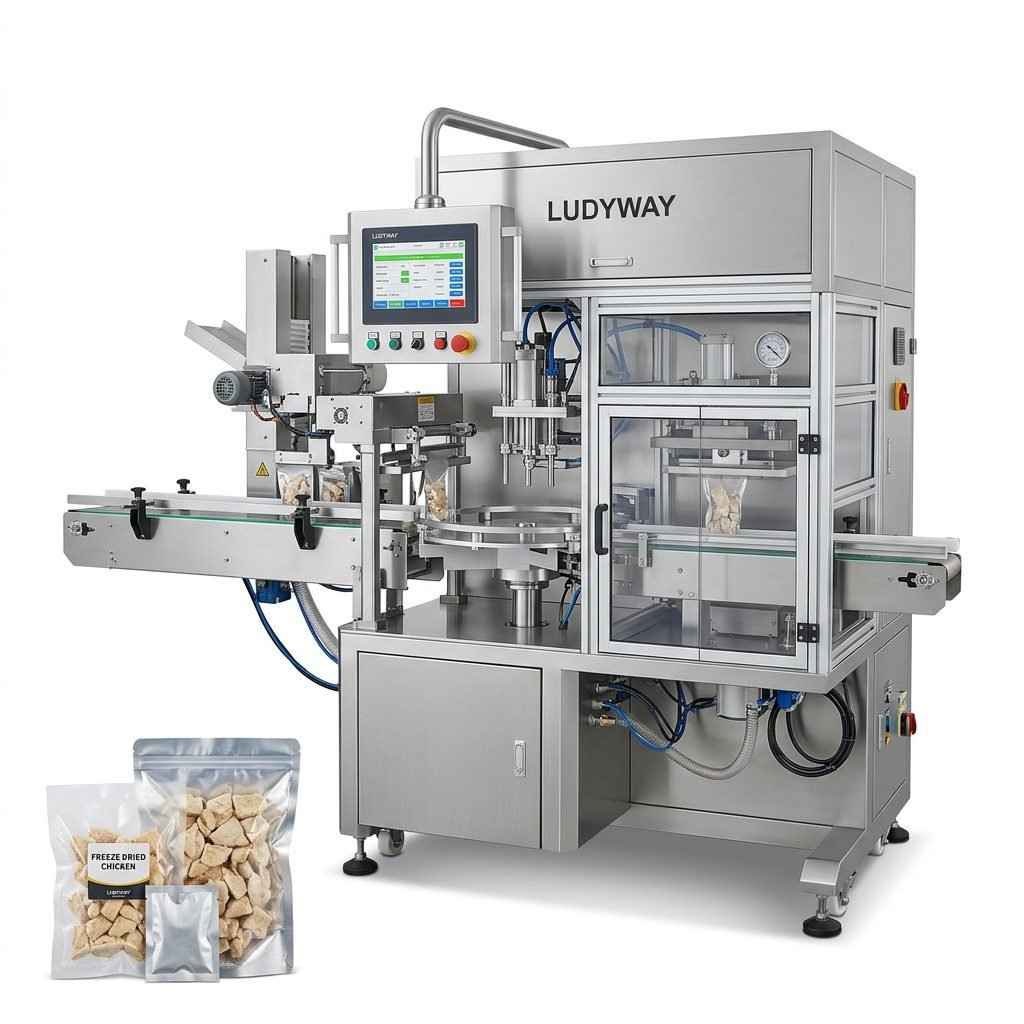
- Pouches & Doypacks: Stand-up pouches are increasingly popular for their shelf appeal, lightweight nature, and efficient use of shelf space. They are suitable for a wide range of condiments from liquids to powders.
Types of Condiment Packaging Machines
The machinery you need depends directly on your chosen packaging format and production volume. Here’s a breakdown of the main systems available.
1. Vertical Form-Fill-Seal (VFFS) Machines
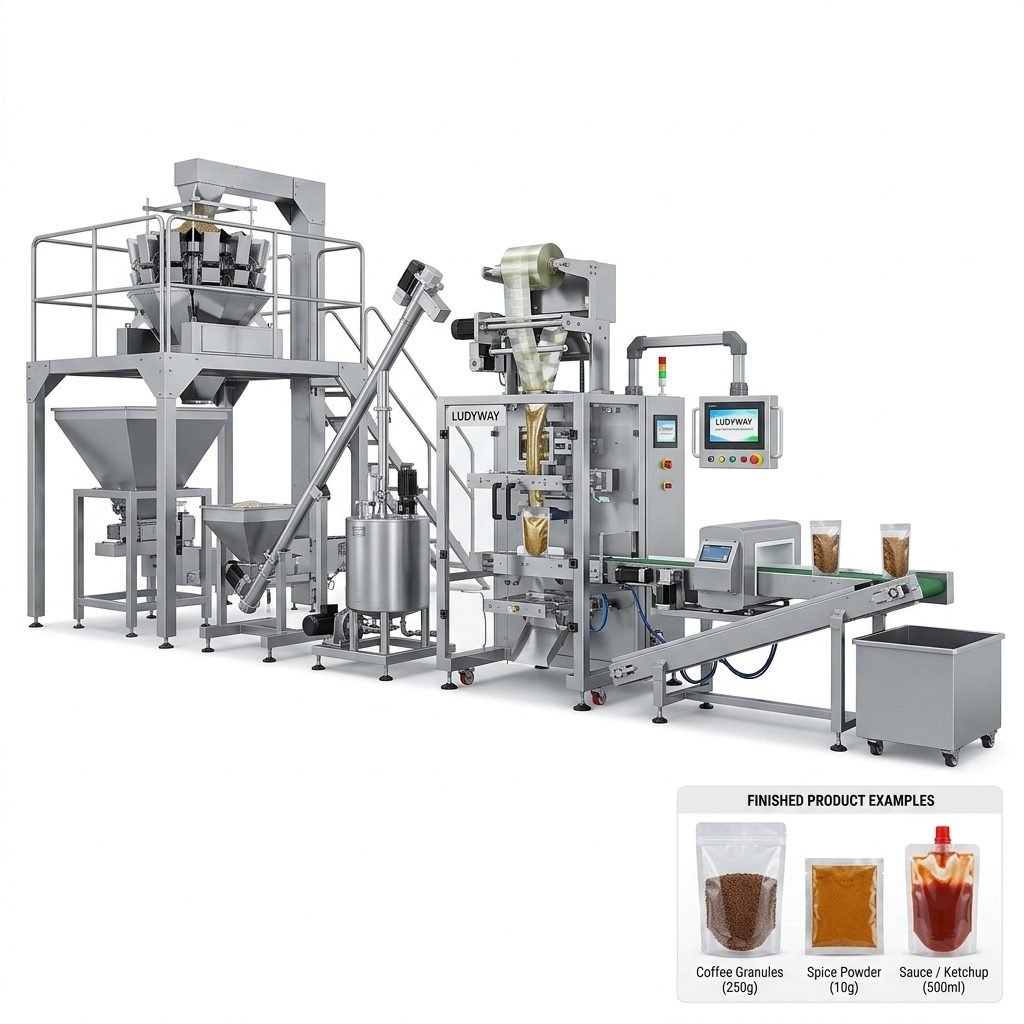
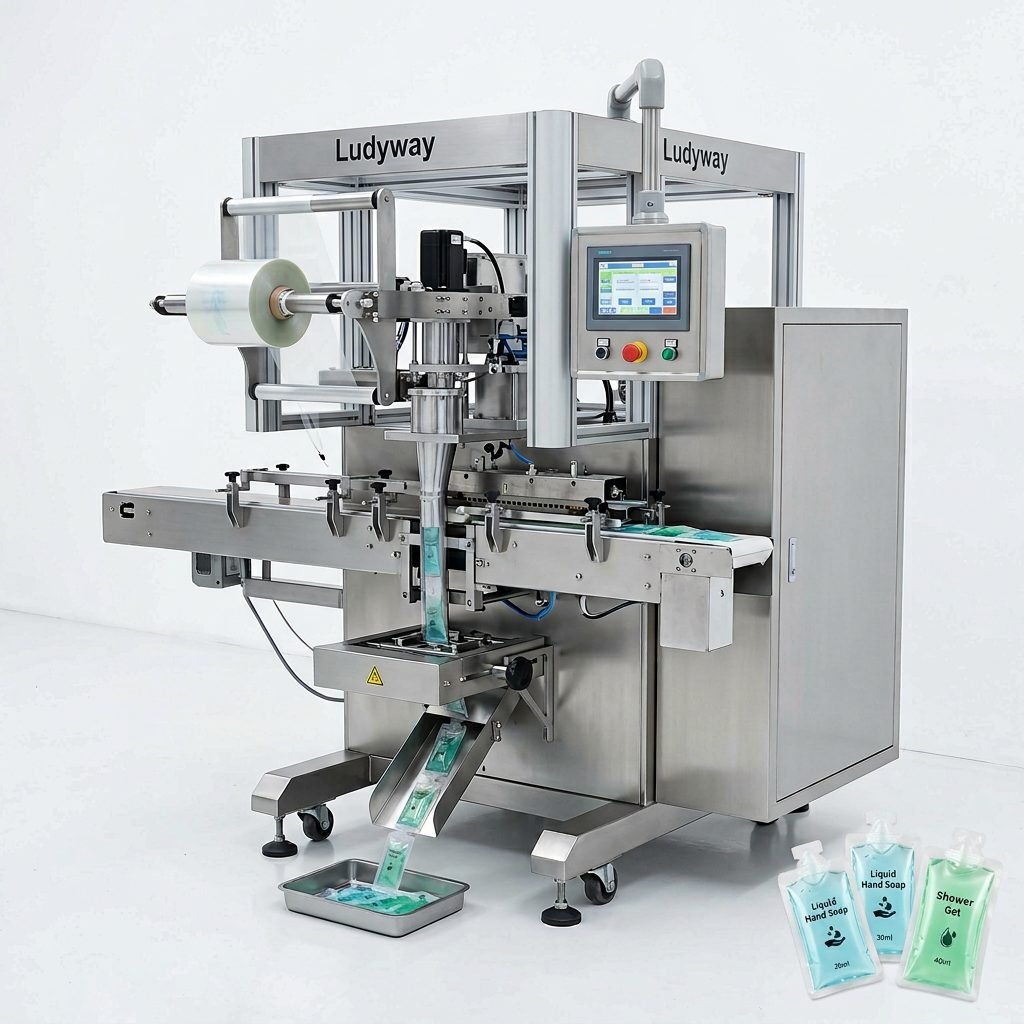
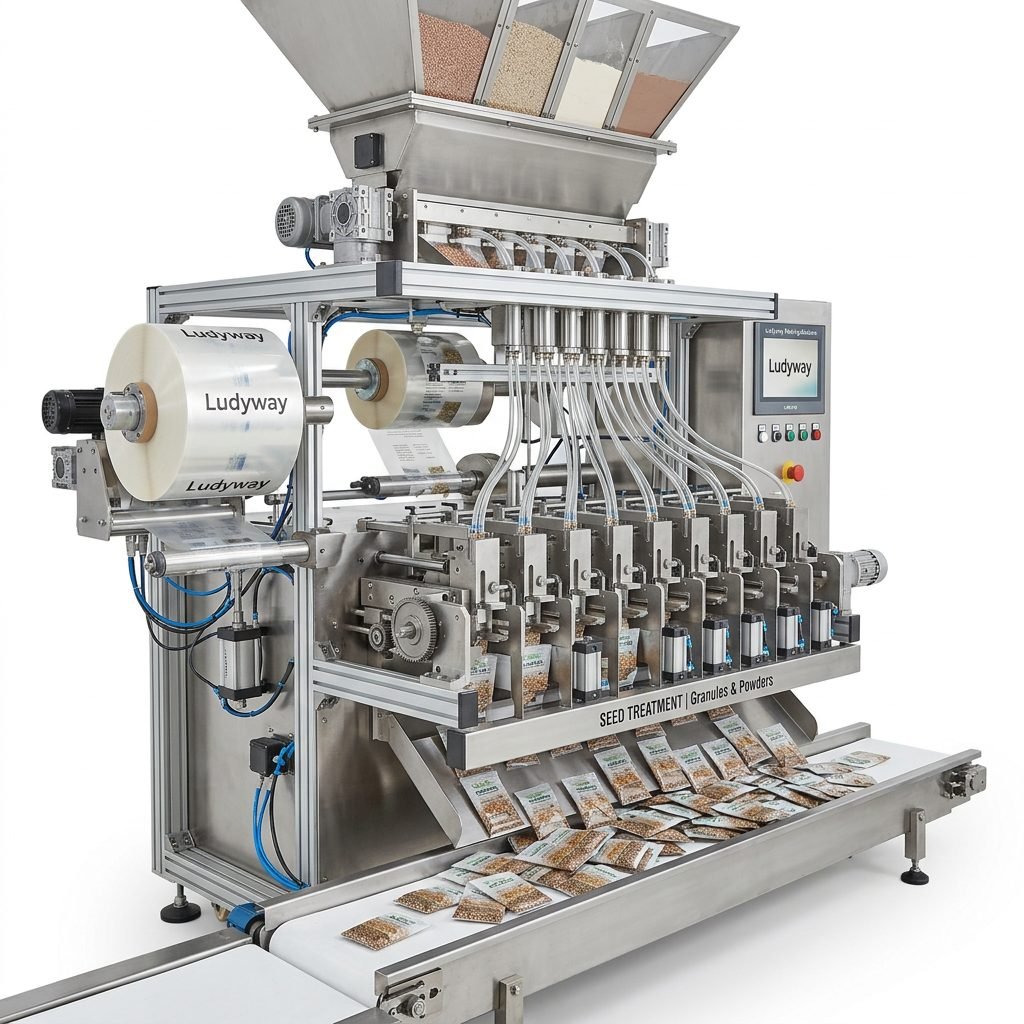
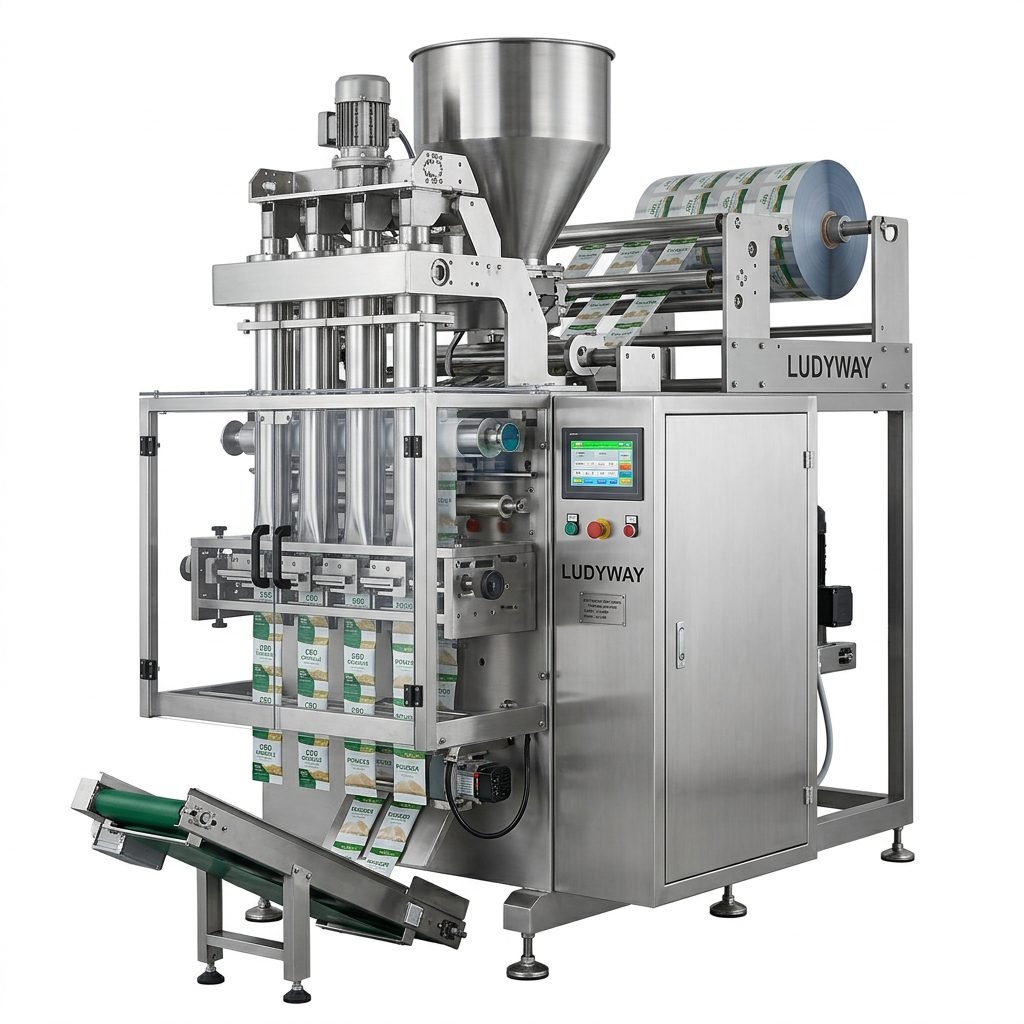
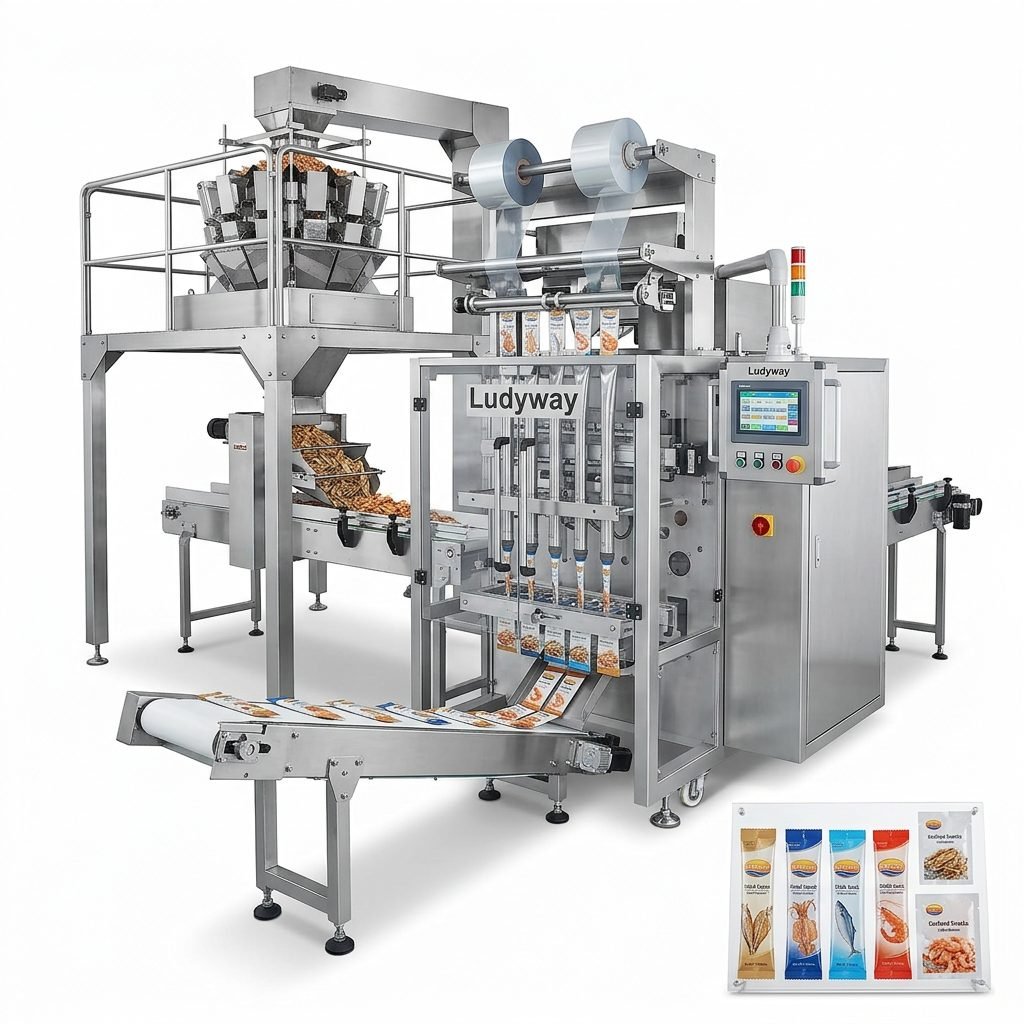
These are the workhorses for producing sachets, stick packs, and pouches. A VFFS machine forms a bag from a roll of film, fills it with a precise amount of product, and then seals it—all in one continuous vertical motion. They are incredibly versatile and can handle liquids, powders, and granules with high speed and accuracy.
2. Liquid & Paste Filling Machines
Designed for filling pre-formed containers like bottles, jars, and tubes. Key technologies include:
- • Piston Fillers: Offer exceptional accuracy for viscous products like mayonnaise, sauces, and pastes.
- • Gravity/Pressure Fillers: Best for free-flowing liquids like vinegar or cooking oil.
- • Volumetric Cup Fillers: A good solution for products with particulates, like chunky salsa or relish.
3. Stick Pack Packaging Machines
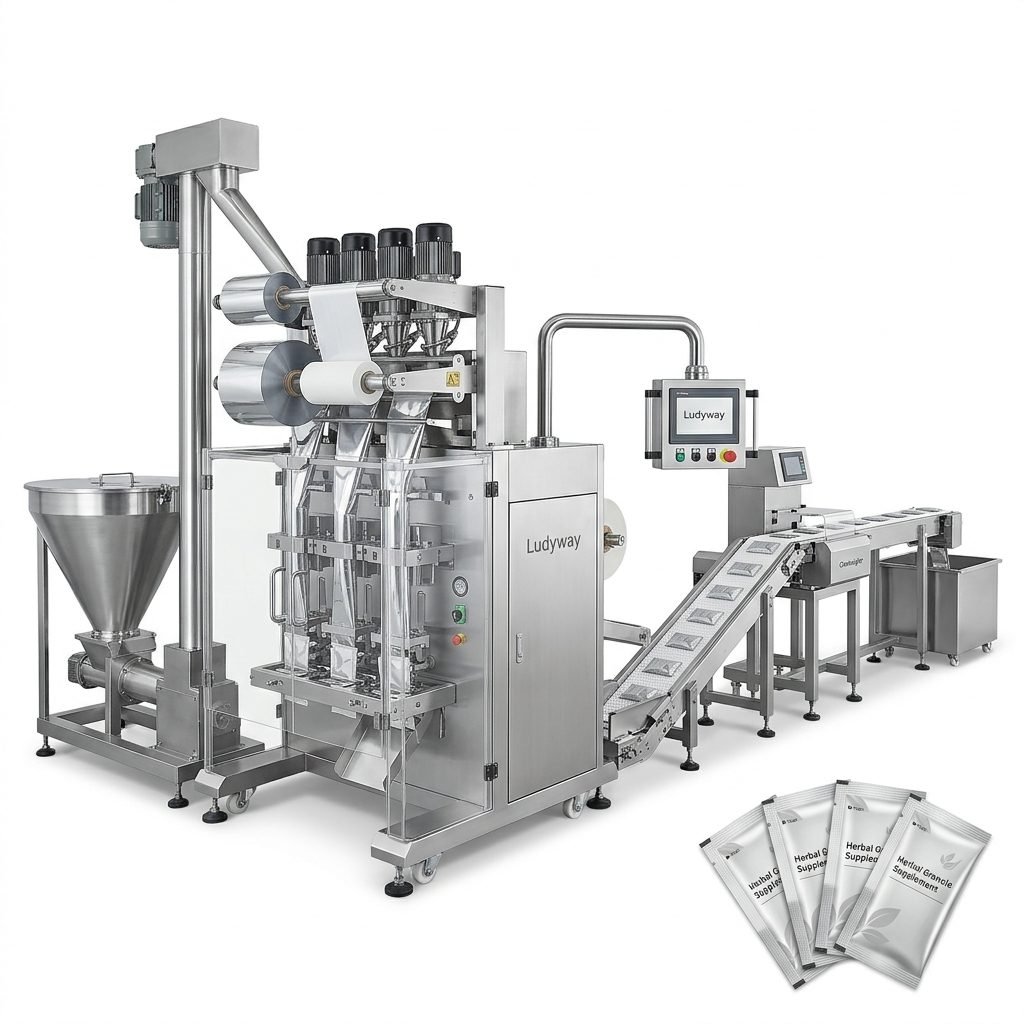
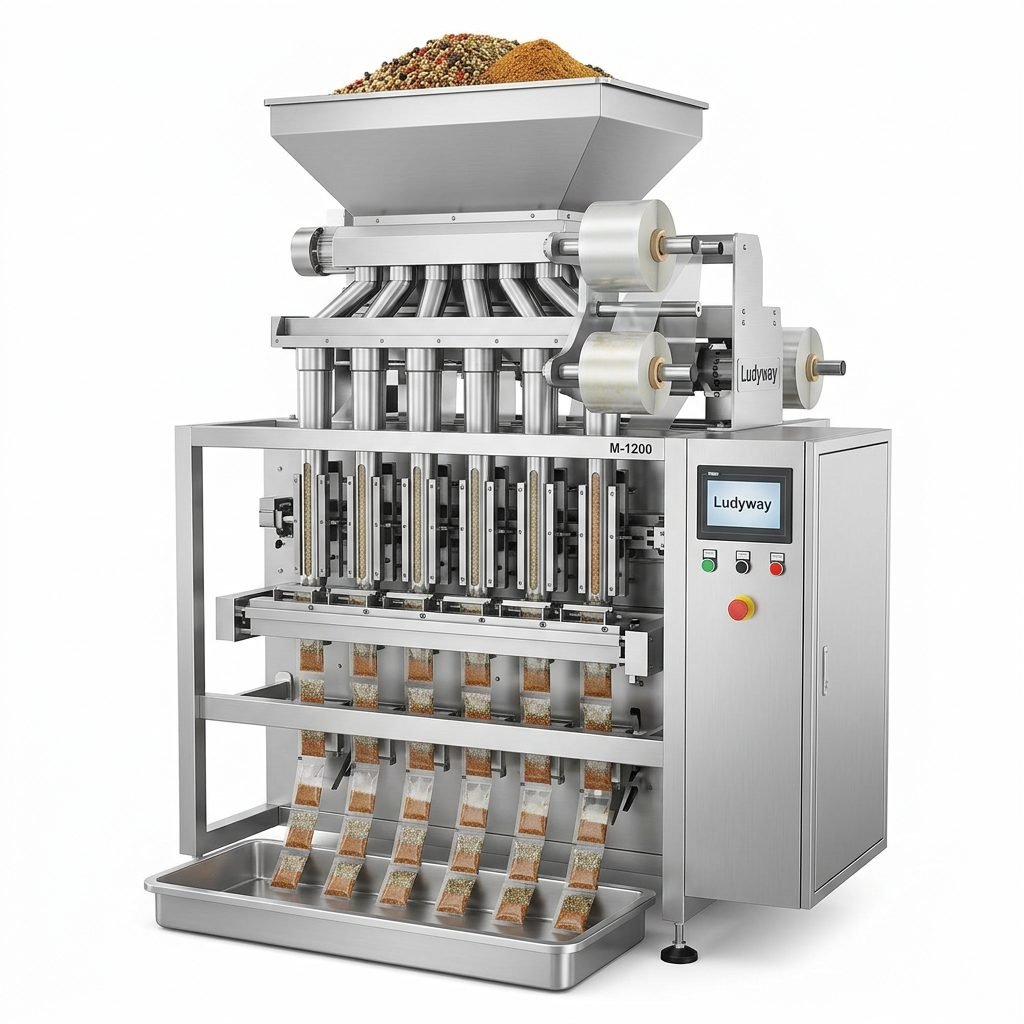
A specialized subset of VFFS machines, these are engineered for high-speed production of long, narrow single-serve sticks. They are perfect for sauce, syrup, or powder condiments destined for restaurants, airlines, or catering. Multi-lane stick pack machines can dramatically increase output.
4. Complete Turnkey Packaging Lines
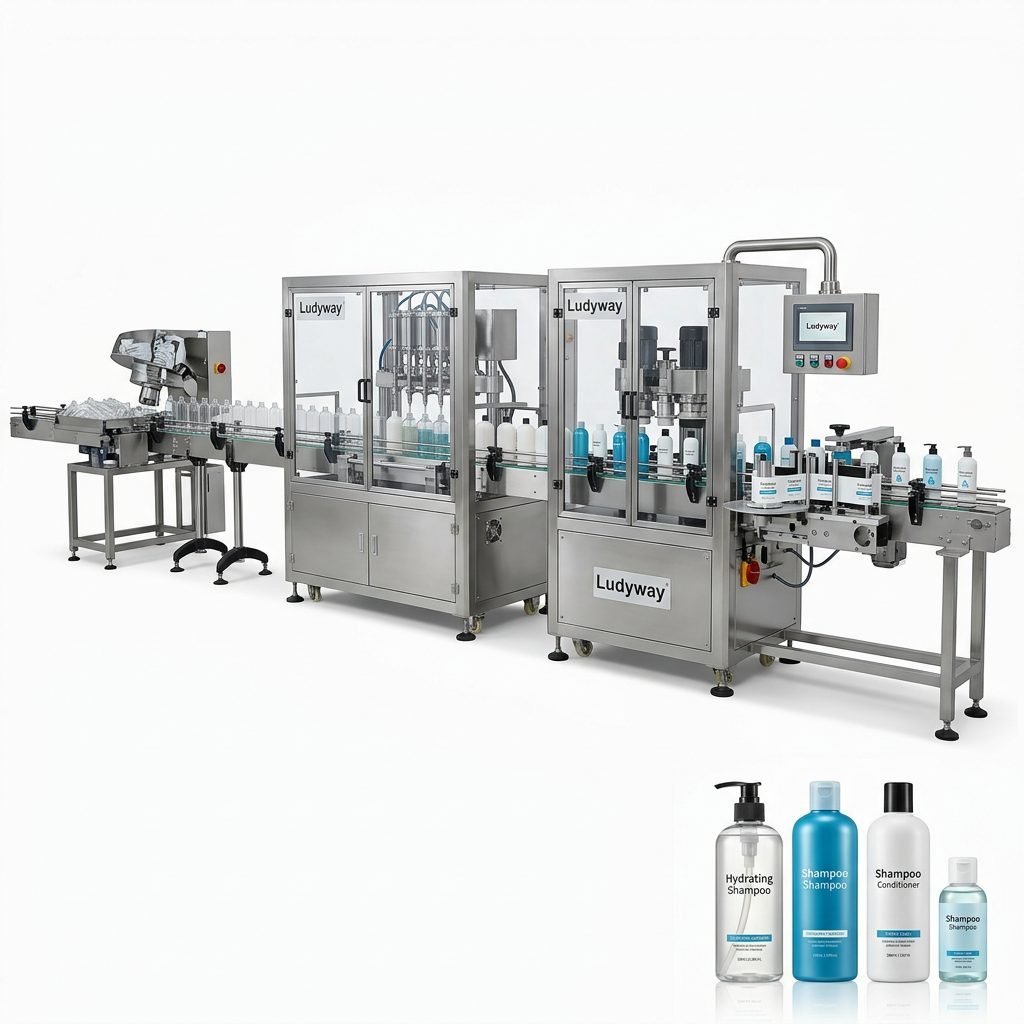
For large-scale production, a fully integrated line is optimal. This goes beyond a single machine to include a synchronized system: an unscrambler to orient containers, a filler, a capper or sealer, a labeler, and a case packer. This automation maximizes throughput and minimizes labor.
Key Features to Evaluate in a Packaging System
Beyond the machine type, several critical features determine performance, reliability, and long-term value.
Accuracy & Precision Filling
Minimizing product giveaway (overfilling) or customer complaints (underfilling) is paramount. Look for machines with high-precision servo motors and advanced filling technology that maintains consistent weight or volume control, even with variable product viscosity.
Speed & Production Capacity
Match the machine’s output (e.g., pouches/minute or bottles/hour) to your current and projected future demand. Consider multi-lane designs for stick packs or sachets to multiply output without drastically increasing floor space.
Hygiene & Cleanability
Food safety is non-negotiable. Machines should have a stainless steel construction in product contact zones, CIP (Clean-in-Place) capabilities where possible, and a design with minimal crevices where residue can accumulate.
Flexibility & Changeover
If you run multiple products or package sizes, quick changeover is vital. Evaluate how easily and tool-free you can switch between pouch sizes, filling volumes, or container types. Recipe memory on the machine’s HMI (Human-Machine Interface) can save significant time.
Durability & After-Sales Support
The machine is a long-term investment. Assess the build quality, the reputation of the manufacturer, and the comprehensiveness of their technical support, spare parts availability, and training. A reliable partner like Ludyway Packing Machine ensures your operation runs smoothly for years.
How to Choose the Best System: A Step-by-Step Guide
Follow this structured approach to navigate the selection process confidently.
Step 1: Define Your Product & Packaging Specifications
Start with the basics: What is your condiment’s viscosity, acidity, and particulate content? Determine your desired package material, size, and shape. These factors will immediately narrow down suitable machine types.
Step 2: Analyze Your Production Requirements
Calculate your required output speed. Be realistic about your current volume and growth forecasts. Also, consider your factory’s available space, utilities (air, power), and operator skill level.
Step 3: Prioritize Must-Have Features
Based on Steps 1 and 2, create a checklist. Is ultra-high accuracy more critical than top speed? Is the ability to run different products daily a key requirement? Rank these features to guide your comparisons.
Step 4: Research & Shortlist Reputable Suppliers
Look for manufacturers with proven experience in food-grade, and specifically condiment, packaging. Review case studies, request customer references, and verify their service network. A supplier with a strong track record, such as one with over 30 years of industry experience, offers greater security.
Step 5: Request Demos & Quotations
Always ask for a live or recorded product test using your actual condiment or a close analogue. Compare detailed quotations that include not just the machine price, but also installation, training, warranty, and estimated spare parts costs.
Step 6: Consider the Total Cost of Ownership (TCO)
The cheapest machine can be the most expensive in the long run. Factor in energy consumption, maintenance costs, expected downtime, and potential for future upgrades. Investing in a robust, flexible system from a trusted partner often yields a better ROI.
Partnering with the Right Packaging Expert
The complexity of choosing and integrating packaging machinery makes your supplier choice crucial. An ideal partner does more than sell a machine; they become an extension of your team. Look for a provider that offers comprehensive project management, from initial consultation and factory layout planning to installation, operator training, and ongoing technical support. Companies that deliver complete turnkey production line solutions can handle the entire process, ensuring all components work in harmony for optimal efficiency.
Frequently Asked Questions (FAQs)
What type of packaging machine is best for hot-fill condiments like sauces?
For hot-fill products, you need a machine and packaging material designed to withstand high temperatures (typically 85°C-95°C). Piston fillers with heated funnels and specific VFFS machines for hot-fill films are commonly used. The packaging must allow for vacuum contraction as the product cools to ensure a tight seal and extended shelf life.
Can one machine handle both liquid and viscous paste condiments?
Some machines offer high flexibility. A well-designed piston filler can often handle a range of viscosities by changing the piston size and adjusting stroke settings. However, switching between extremely thin liquids and very thick pastes might require significant changeover time or different pump/filling heads. It’s best to discuss your specific product range with the machine supplier.
How important is automation for a small condiment business?
Even for small businesses, a degree of automation is crucial for consistency, hygiene, and scaling. A semi-automatic filler or a compact VFFS machine can dramatically increase output over manual filling while ensuring portion control and reducing labor strain. It’s an investment in quality and future growth.
What are the key maintenance routines for a condiment packaging machine?
Daily cleaning of all product contact parts is essential. Regularly check and lubricate moving parts as per the manual, inspect seals and gaskets for wear, and calibrate the weighing or filling system periodically. Preventive maintenance schedules provided by your supplier are the best guide to avoid unplanned downtime.
How can I ensure my packaging line is hygienic and easy to clean?
Opt for machines with a modular, open-frame design using polished stainless steel. Features like quick-release parts, rounded edges, and accessible surfaces simplify cleaning. Ensure the machine complies with relevant food safety standards (e.g., FDA, EHEDG guidelines) for your market.