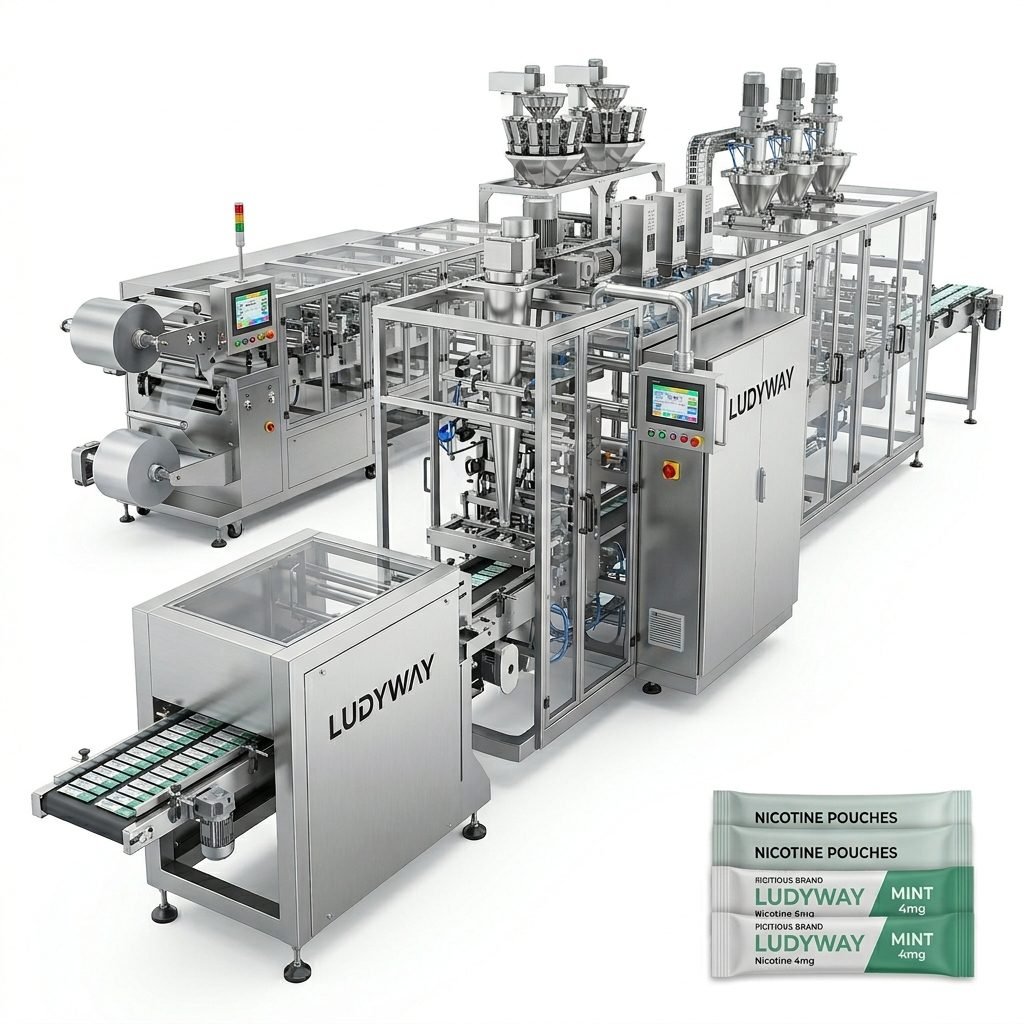
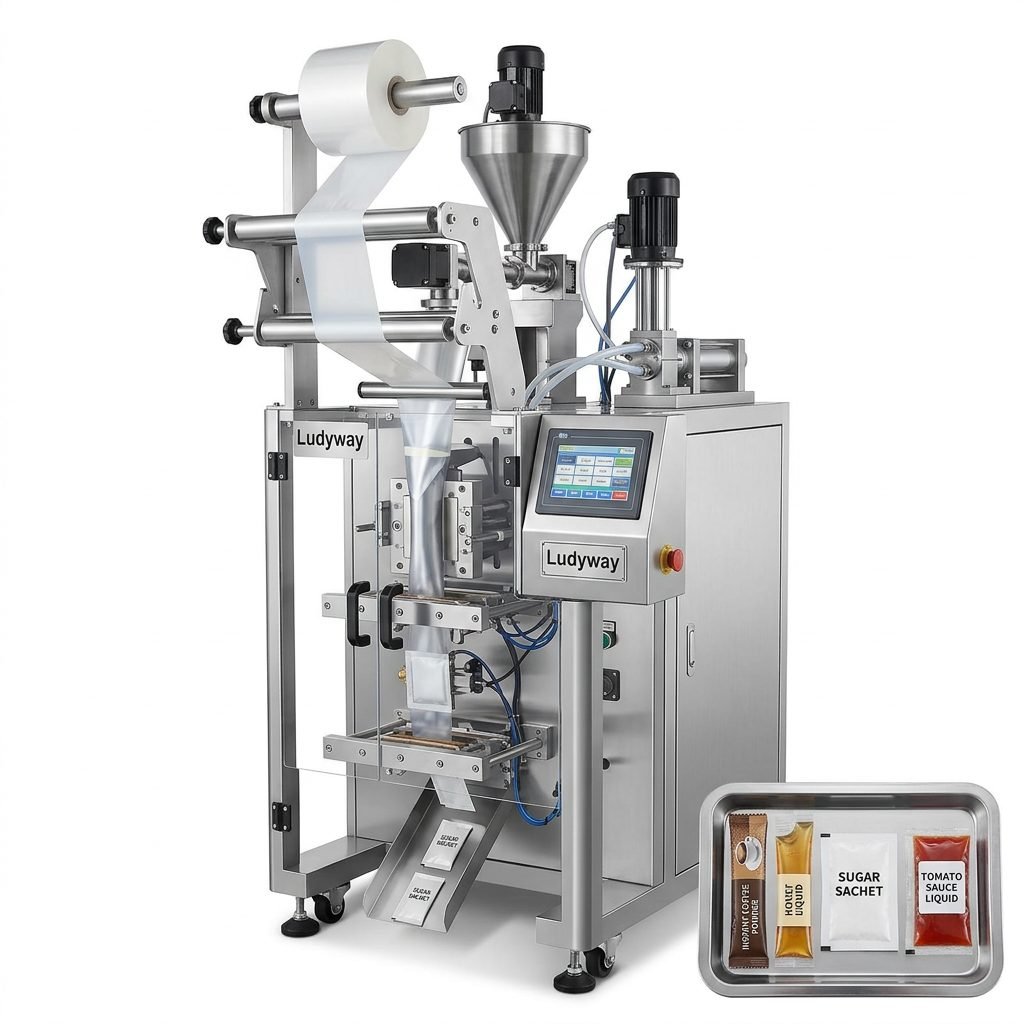
In today’s fast-paced manufacturing landscape, the demand for high-efficiency packaging solutions has never been greater. For industries dealing with flexible materials and food products, selecting the right packaging machinery is a critical decision that impacts productivity, product integrity, and overall operational costs. High-efficiency packaging machines are engineered to streamline these processes, offering speed, precision, and adaptability that manual or outdated systems simply cannot match.
The Core Advantages of Modern Packaging Machinery
Investing in advanced packaging technology brings a multitude of benefits that directly contribute to a healthier bottom line and enhanced market competitiveness.
Key Performance Benefits
• Dramatically Increased Output: Modern machines operate at significantly higher speeds, allowing for greater production volumes within the same timeframe.
• Superior Product Protection: Precise sealing and consistent package integrity are crucial for food safety and extending shelf life, which these machines deliver reliably.
• Remarkable Material Savings: Advanced dosing and cutting mechanisms minimize film waste, leading to substantial cost reductions in packaging materials.
• Exceptional Flexibility: Quick changeover capabilities enable production lines to switch between different package sizes, shapes, and materials with minimal downtime.
Specialized Solutions for Flexible Packaging
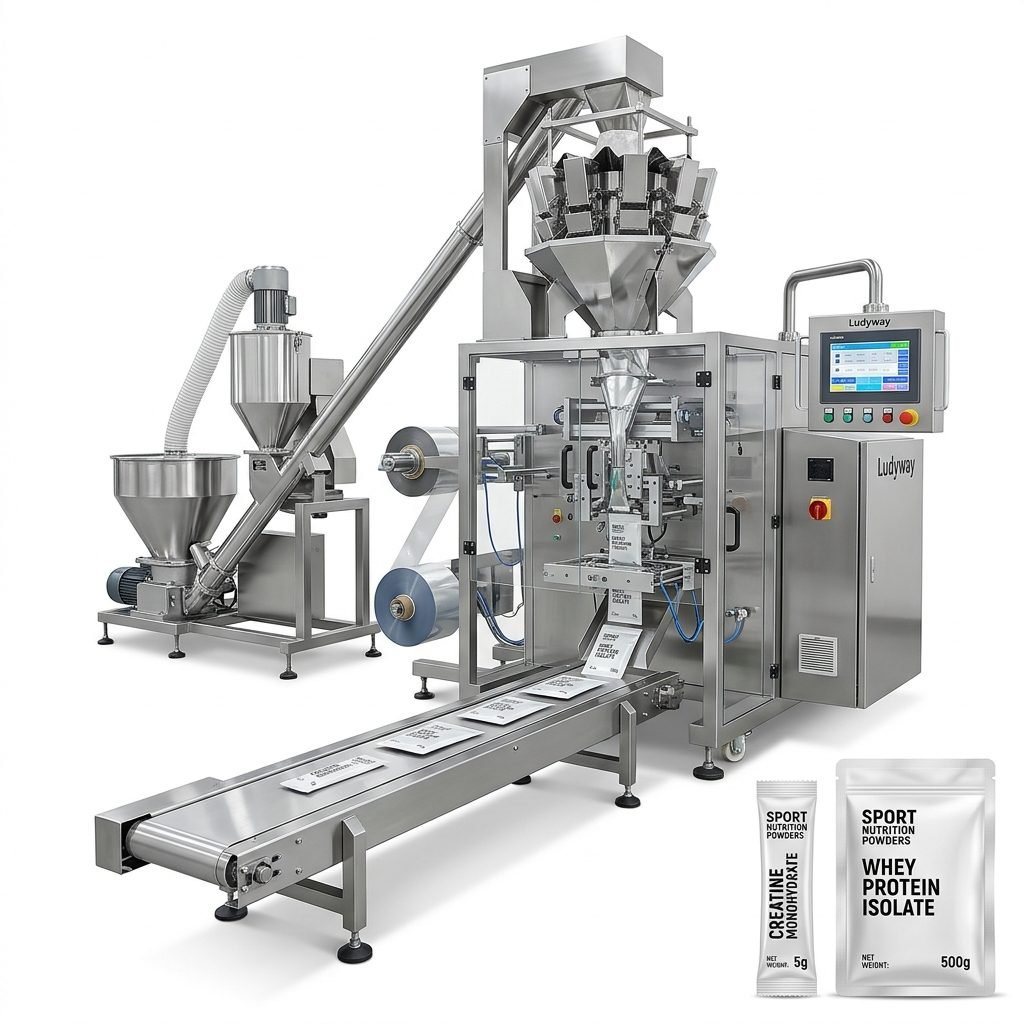
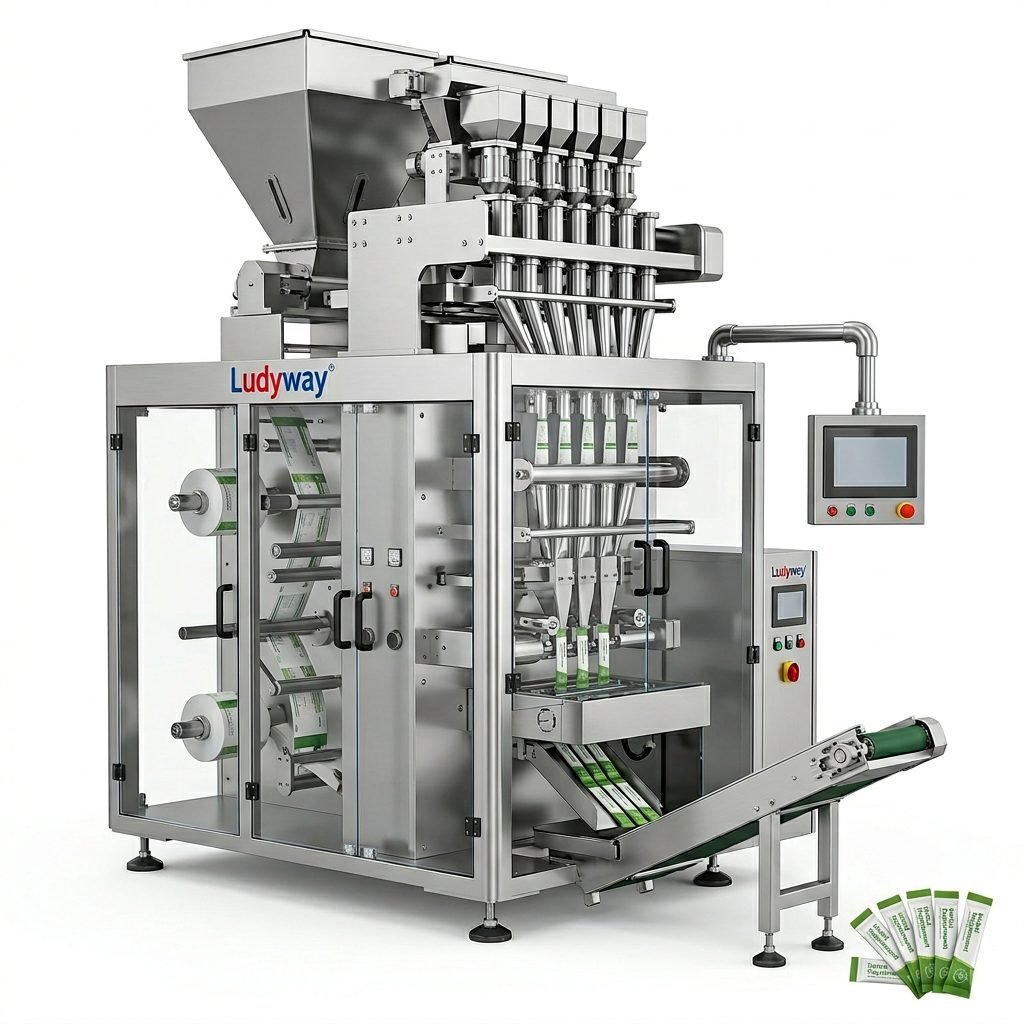
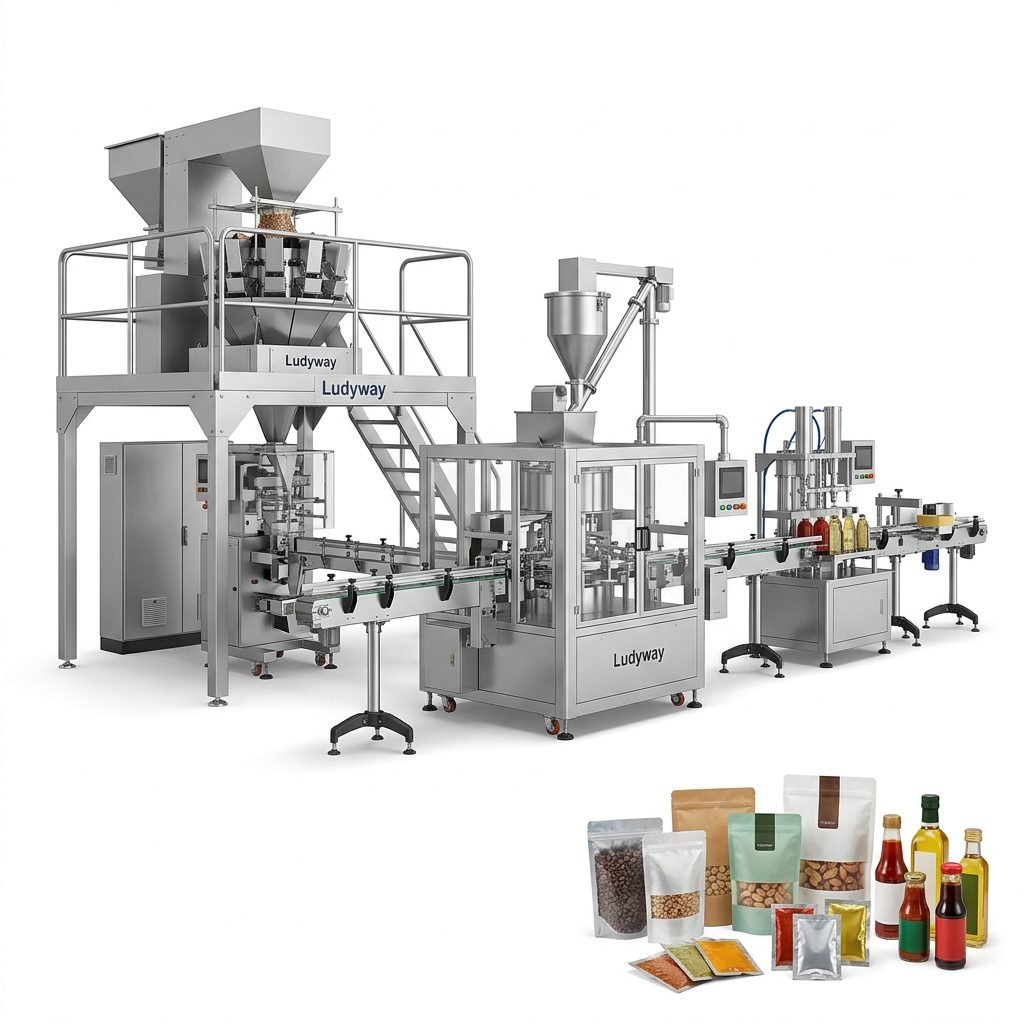
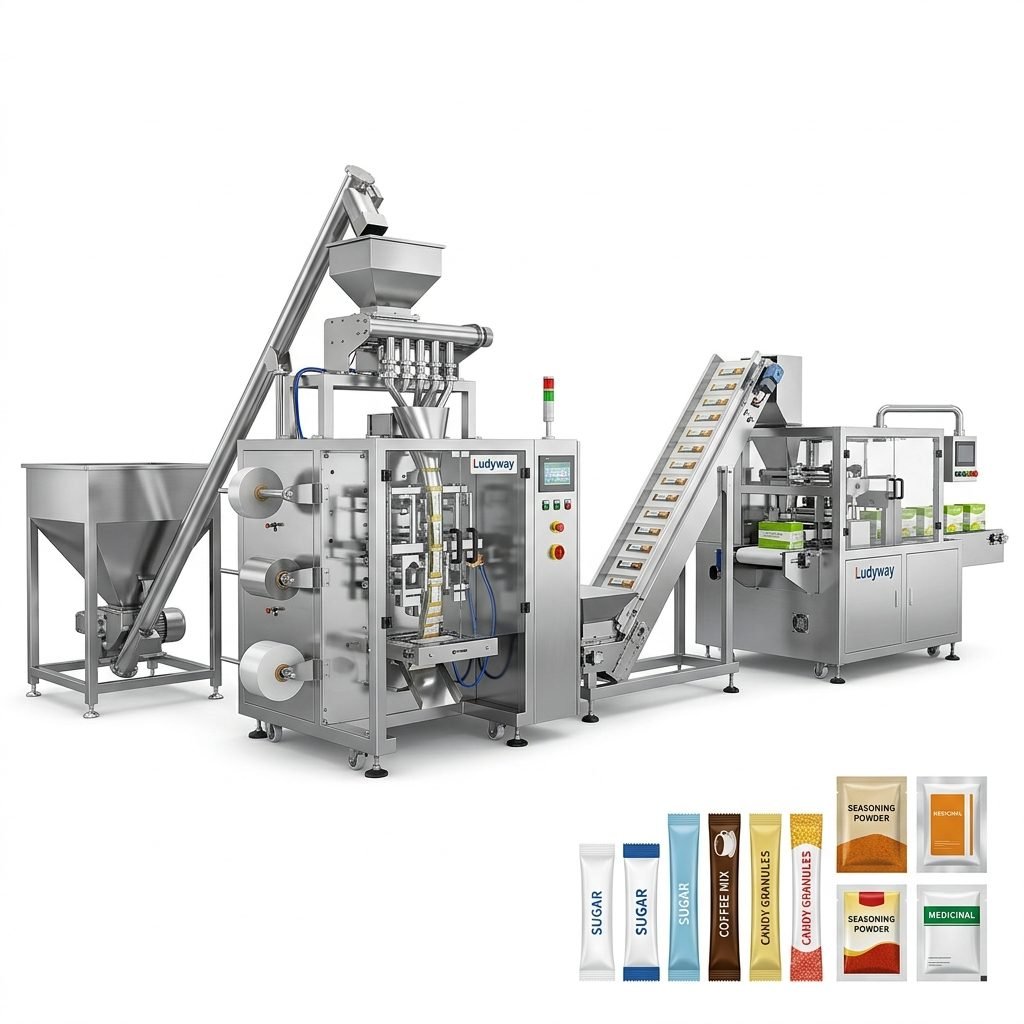
Flexible packaging, encompassing pouches, sachets, and stick packs, requires machinery capable of handling a variety of films and laminates with high precision. High-efficiency vertical form-fill-seal (VFFS) machines are the cornerstone of this sector. These systems form the package from a roll of film, accurately dose the product, and create a secure seal—all in one continuous, automated motion. For more complex needs, such as multi-lane production or packaging products that require nitrogen flushing for freshness, specialized variants like multi-track stick pack machines or gas-flush pouch packers are essential. These solutions ensure that products like coffee, spices, sauces, and pharmaceuticals are packaged attractively and securely.
Critical Considerations for Food Packaging
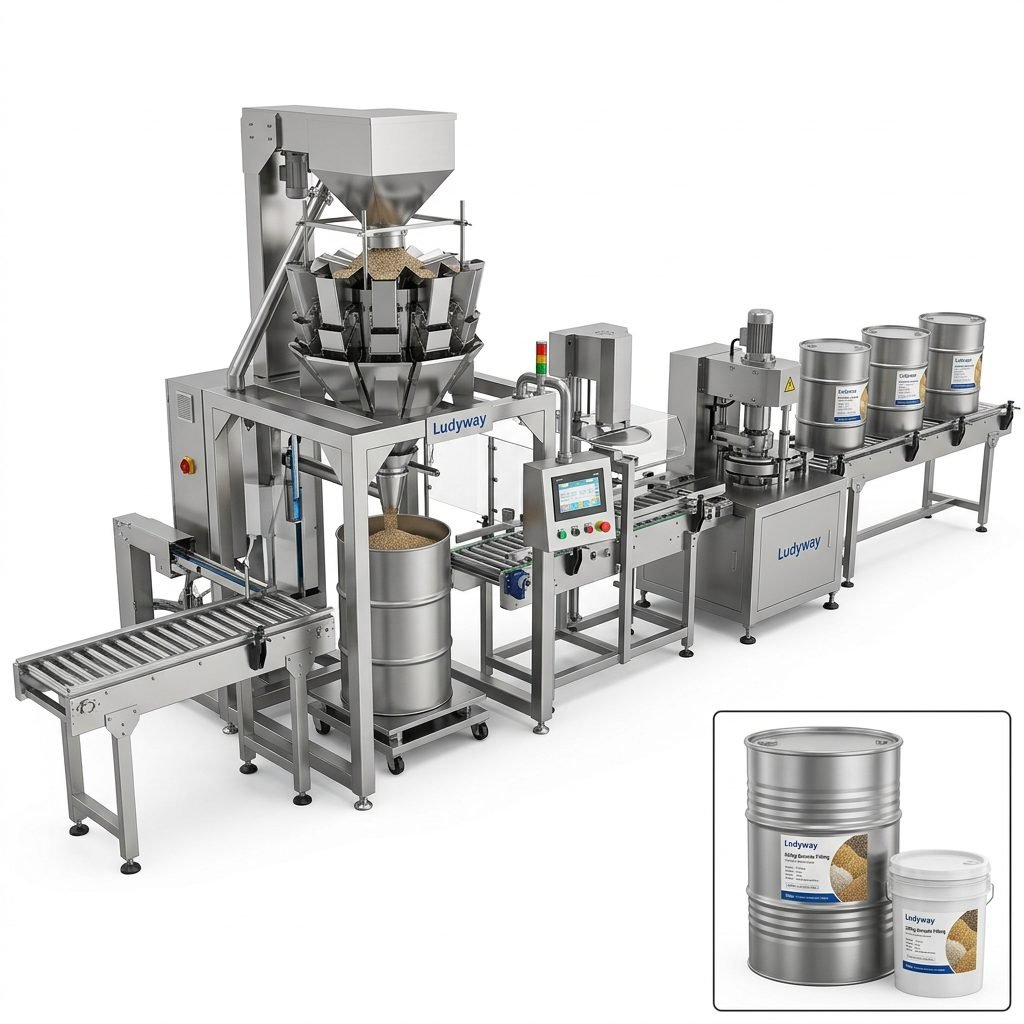
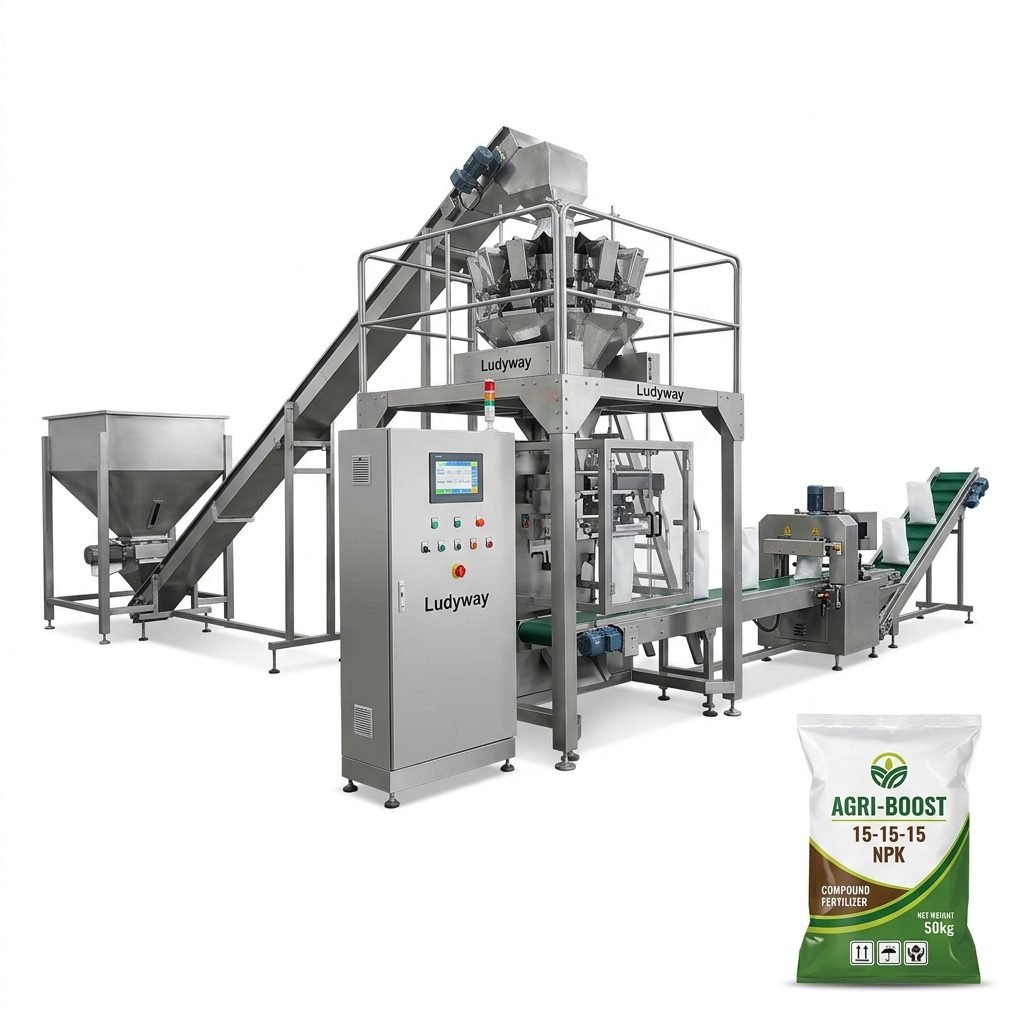
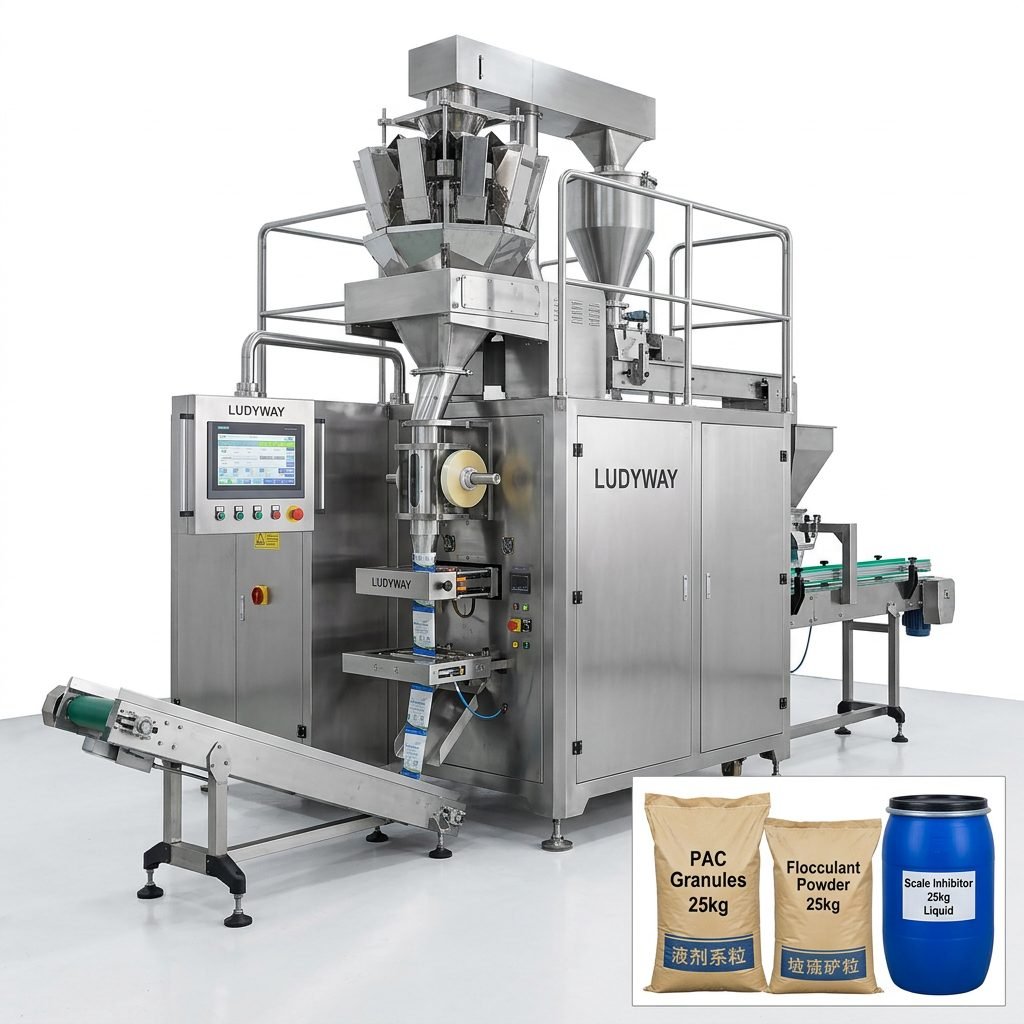
The food industry presents unique challenges, including stringent hygiene standards, the need to preserve freshness, and often, the handling of challenging product consistencies. Packaging machinery for food must be constructed with food-grade materials, often featuring stainless-steel contact parts and designs that allow for easy cleaning and sanitation. Efficiency in this context isn’t just about speed; it’s about gentle product handling to prevent damage, absolute sealing reliability to prevent contamination and spoilage, and integration with upstream and downstream processes like weighing, metal detection, and cartoning. Machines designed for liquids, powders, granules, or solids each have specific mechanisms—such as piston fillers, auger fillers, or volumetric cups—to ensure accuracy and cleanliness.
Choosing Your High-Efficiency Partner
Selecting the right equipment goes beyond comparing technical specifications. It involves a thorough analysis of your current and future needs. Consider your primary product types, required packaging formats, desired production speed, and available factory space. Perhaps most importantly, evaluate the supplier’s expertise and support structure. A partner with deep industry experience can provide invaluable guidance, from initial consultation to installation, training, and ongoing maintenance. For instance, a company like Ludyway Machinery, with over a decade of specialization in packaging solutions for food and pharmaceuticals, exemplifies the kind of partner that can ensure a successful, long-term investment. Their approach to providing turnkey production line solutions demonstrates an understanding that a machine is just one part of a holistic operational upgrade.
Integration and the Future of Smart Packaging
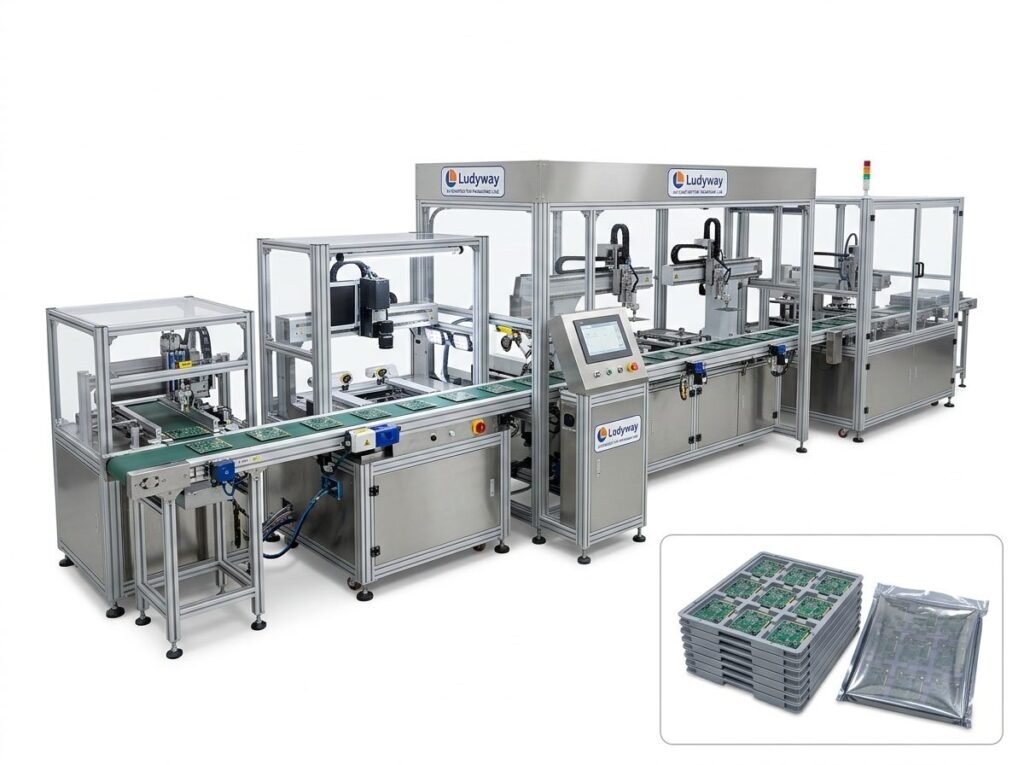
The true potential of high-efficiency packaging is unlocked when machines are seamlessly integrated into a smart production line. This involves connectivity with ERP/MES systems for real-time production data, predictive maintenance alerts, and remote monitoring capabilities. The future points toward even greater automation, with advancements in AI-driven vision inspection systems to guarantee 100% quality control and robotics for automated packing and palletizing. Embracing these technologies transforms packaging from a cost center into a strategic asset that drives efficiency, traceability, and agility.
Conclusion: Efficiency as a Strategic Imperative
High-efficiency packaging machines are no longer a luxury but a necessity for businesses in the flexible and food packaging sectors aiming to thrive. They represent a direct investment in operational excellence, product quality, and sustainability through waste reduction. By carefully selecting machinery that aligns with specific product requirements and partnering with a knowledgeable and reliable provider, manufacturers can build a resilient, productive, and future-ready packaging operation. The journey toward optimized packaging begins with understanding the available technologies and committing to solutions that deliver tangible, long-term value.
Frequently Asked Questions (FAQs)
1. What are the main types of high-efficiency machines for flexible packaging?
The most common types are Vertical Form-Fill-Seal (VFFS) machines for creating pouches from a roll of film, and horizontal form-fill-seal machines for items like candy bars. For smaller unit doses, multi-lane stick pack and sachet machines offer extremely high output. The choice depends on your product, material, and desired package style.
2. How important is machine flexibility for a food production line?
Flexibility is crucial. The ability to quickly change packaging sizes, films, or even switch between different product types (e.g., from granules to powder) on the same machine minimizes downtime and allows producers to respond rapidly to market trends or run smaller, customized batches efficiently.
3. What should I look for in terms of hygiene and safety in food packaging machines?
Prioritize machines with food-grade construction, typically featuring easy-to-clean stainless steel surfaces, sealed components to prevent product ingress, and designs that comply with relevant food safety standards (e.g., FDA, EHEDG). Sanitary design is a non-negotiable feature for food contact.
4. Can these machines handle sustainable or biodegradable packaging films?
Many modern high-efficiency machines are being adapted to handle newer, more sustainable materials. However, it is essential to discuss your specific film type (e.g., compostable, biodegradable, or recyclable mono-material films) with the machine supplier during the selection process, as sealing parameters and film handling characteristics can differ significantly from conventional plastics.
5. What kind of support should I expect from the machinery supplier?
A reputable supplier should offer comprehensive support, including detailed pre-sales consultation and factory testing with your product, professional installation and commissioning, thorough operator and maintenance training, readily available spare parts, and reliable after-sales technical support. Companies with a strong track record, like Ludyway Machinery, often build long-term service partnerships to ensure your line’s continued performance.