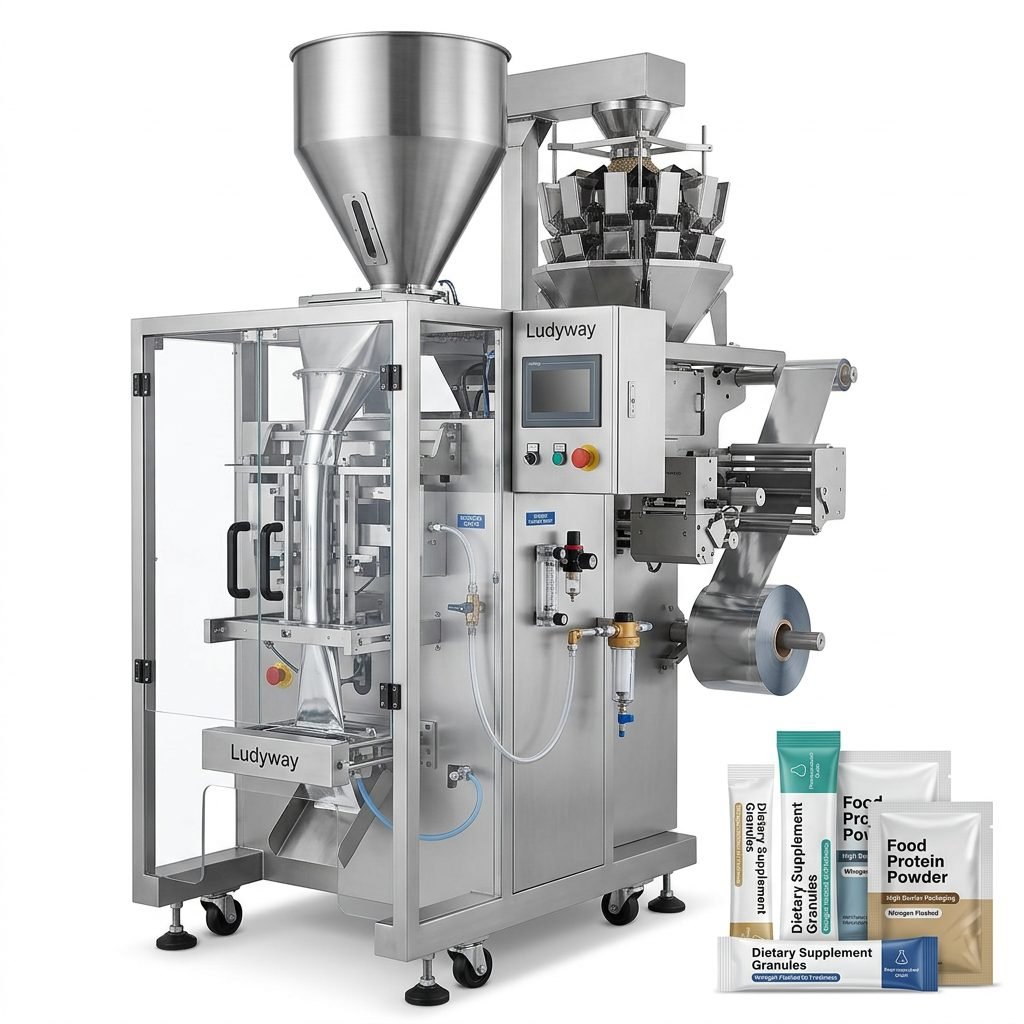
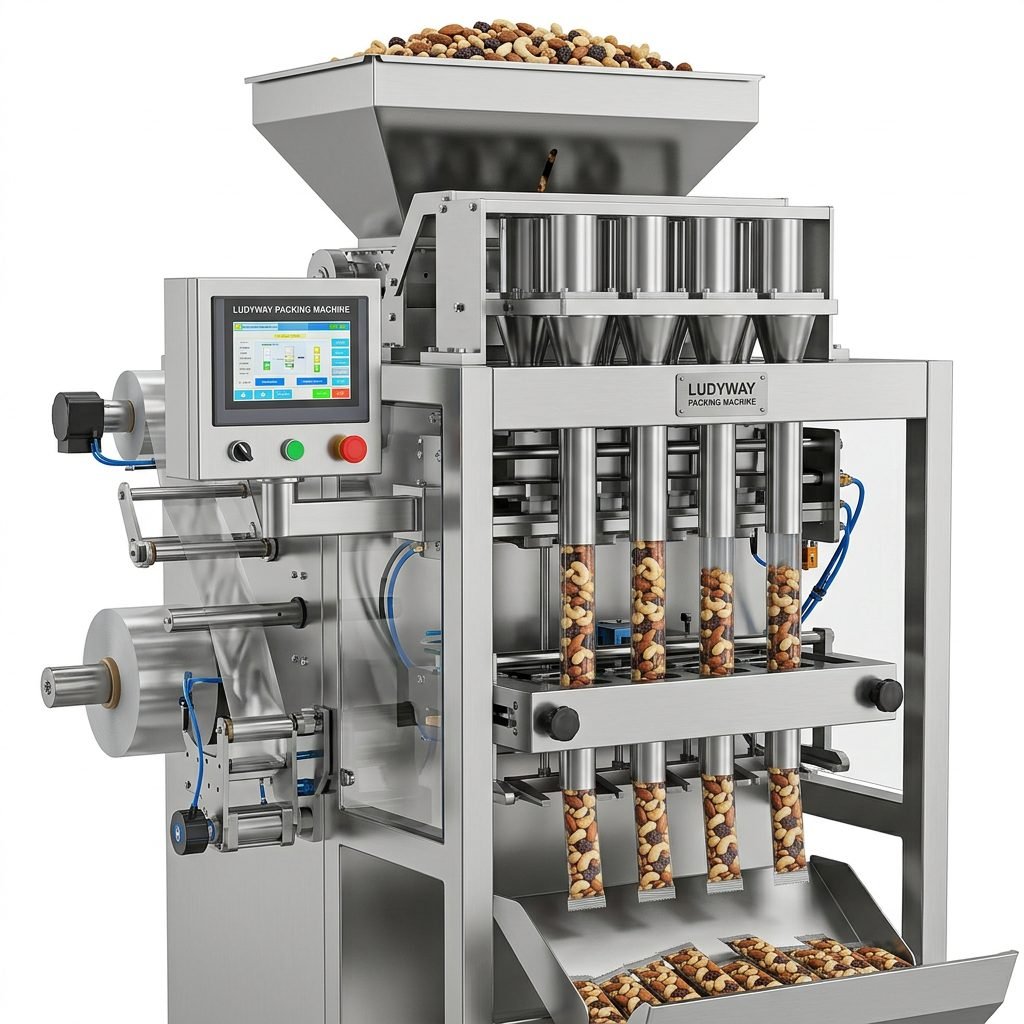
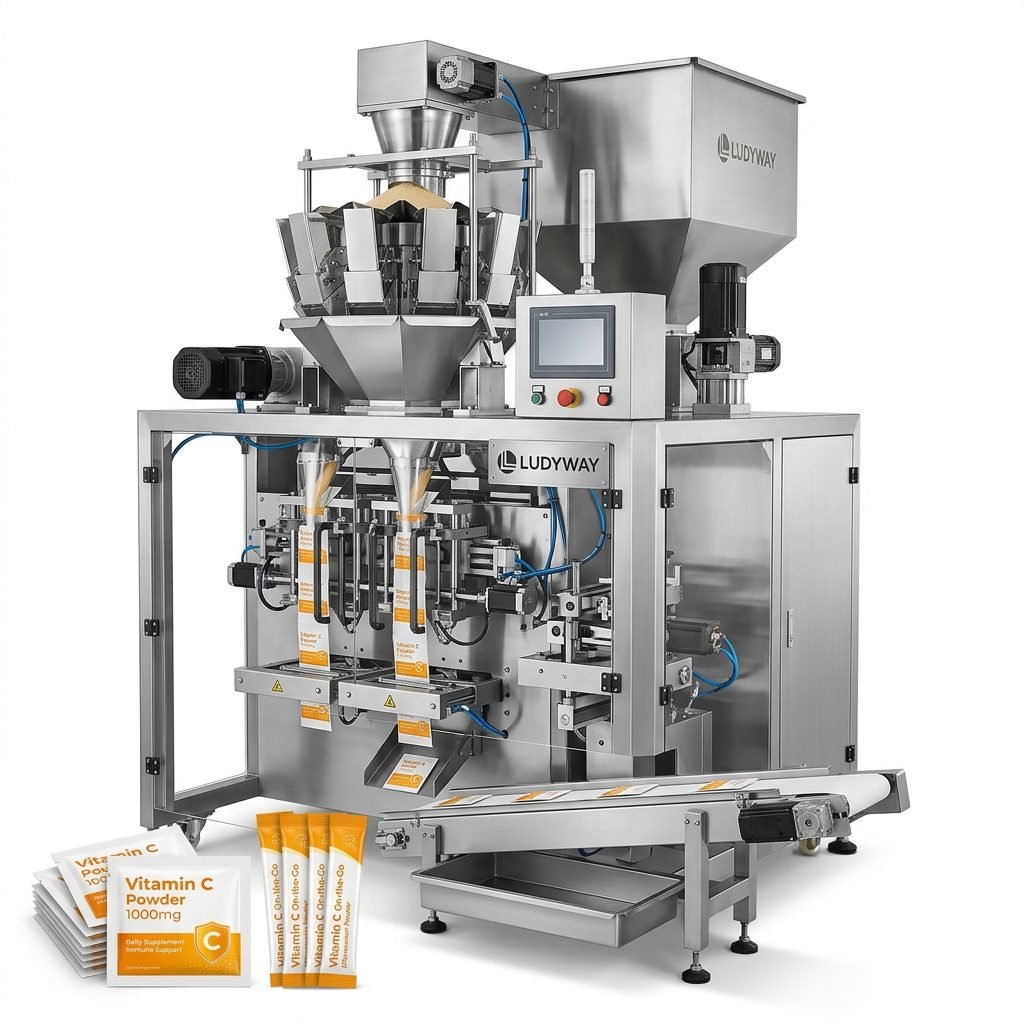
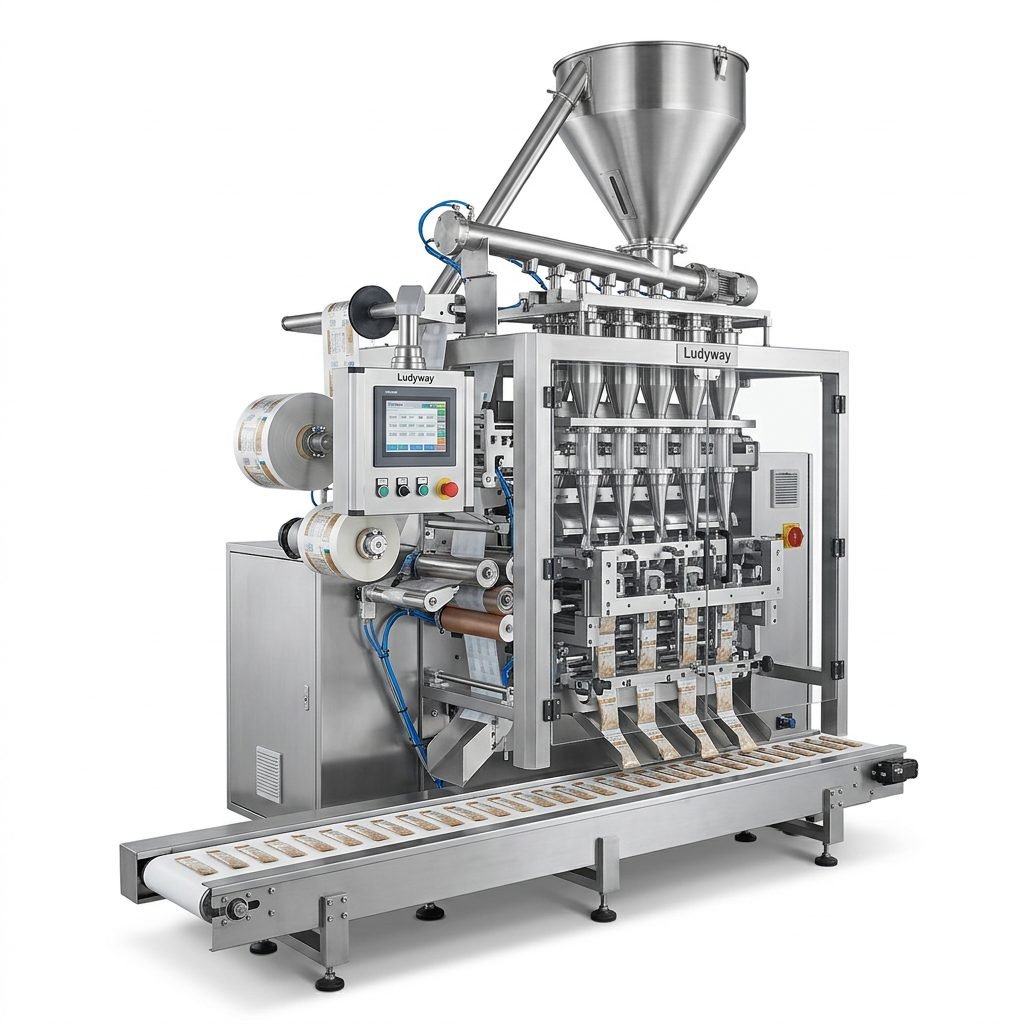
In the fast-paced world of manufacturing, efficiency is the cornerstone of profitability and growth. For businesses handling food products, pharmaceuticals, or other consumer goods, the packaging stage is a critical bottleneck that can define overall production speed. Whether you operate a compact artisanal line or a sprawling industrial facility, the need for high‑speed, reliable, and adaptable packing solutions is universal. This article explores the advanced technologies and strategic approaches that empower both small and large manufacturing lines to achieve seamless, high‑velocity food and bag packing.
The Evolution of Packaging Automation
The journey from manual packing to fully automated lines marks a significant leap in manufacturing capability. Early systems were rigid, designed for massive volumes of a single product. Today’s solutions are intelligent, modular, and surprisingly accessible. The core challenge has shifted from simply achieving speed to mastering flexible speed—maintaining high throughput while accommodating varying product sizes, formats, and batch sizes without costly downtime for changeovers.
Key Driver: Consumer Demand & Market Agility
Modern markets demand variety—single-serve sachets, resealable pouches, stick packs for on-the-go consumption. A line that can swiftly switch between producing a 10g spice pouch and a 1kg flour bag provides a tremendous competitive edge. This agility is now a non-negotiable requirement for manufacturers aiming to respond to trends and seasonal demands.
Solutions for Small-Scale & Growing Manufacturing Lines
For small businesses, startups, or pilot production lines, investing in packaging automation is a strategic decision toward scaling. The focus here is on compact footprint, ease of operation, and future‑proof design.
1. Modular Sachet & Stick Pack Machines
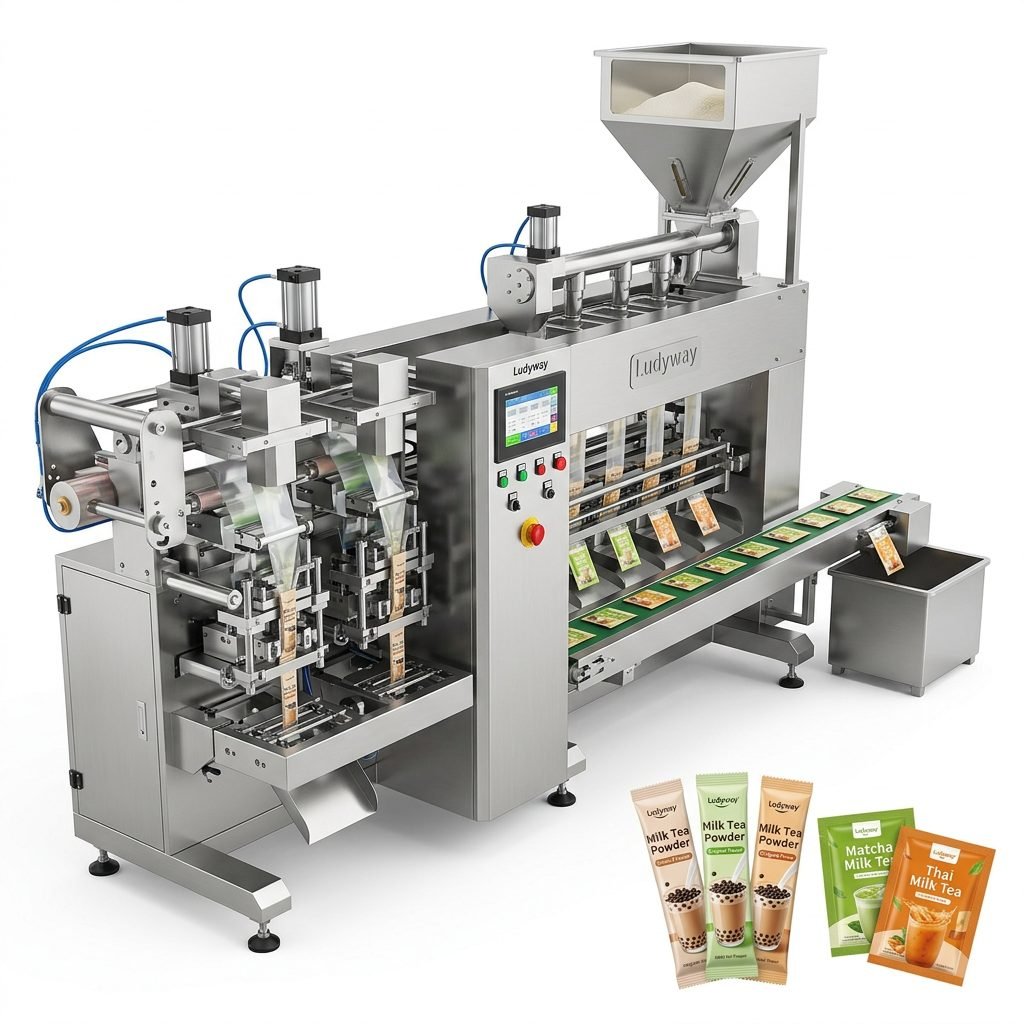
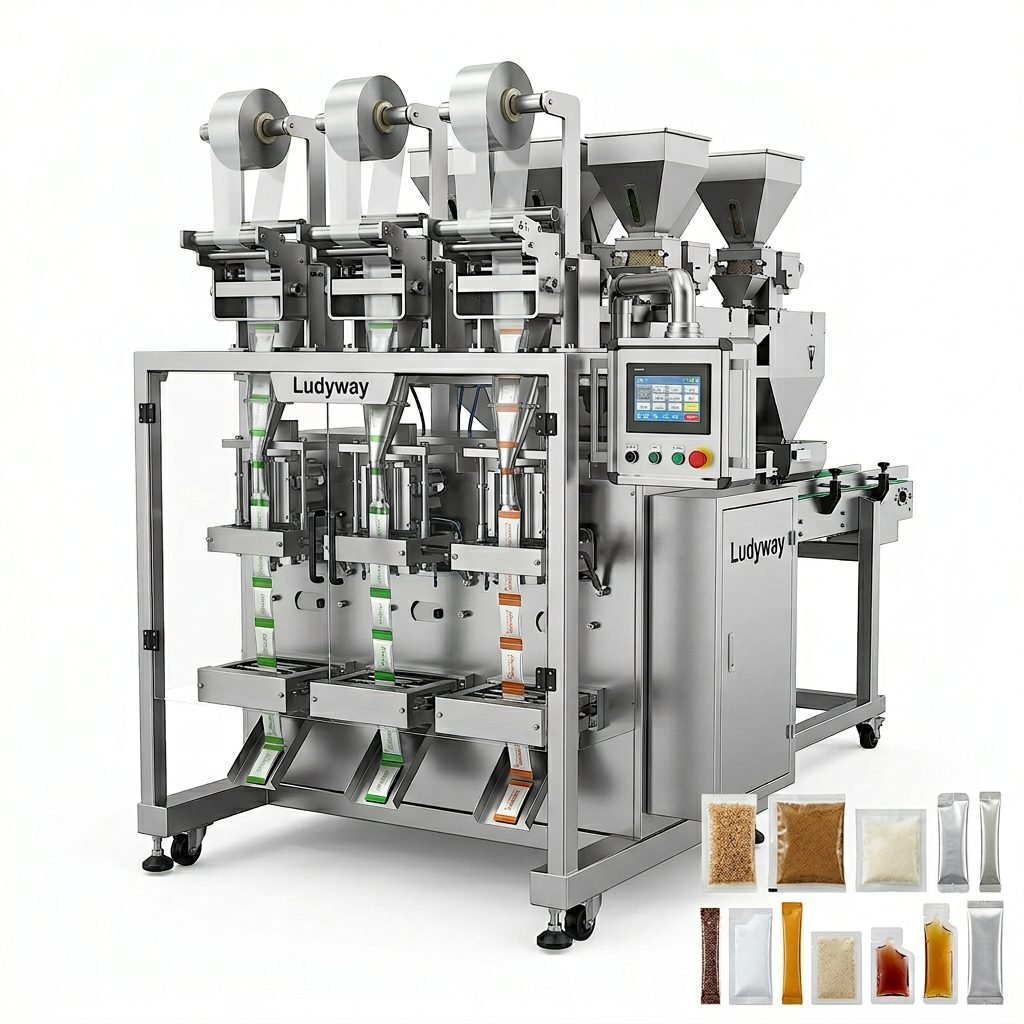
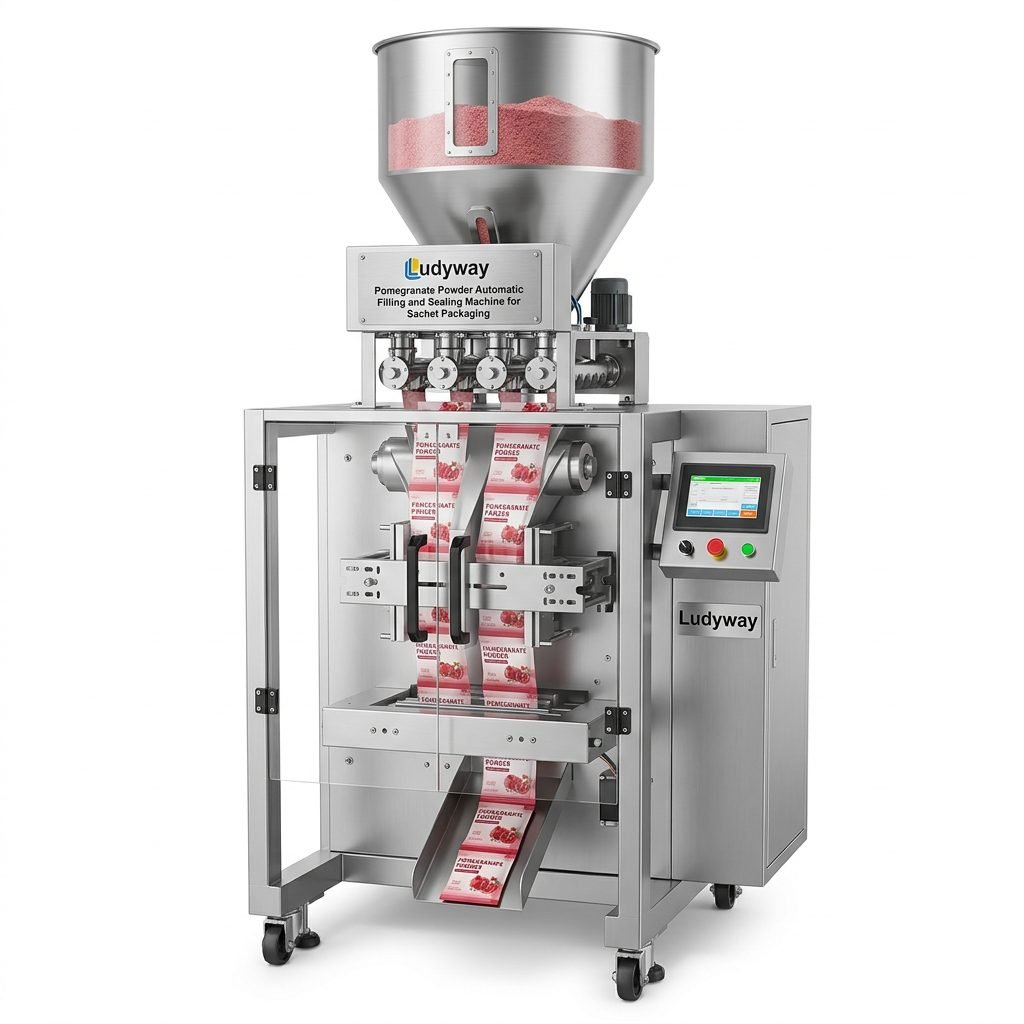
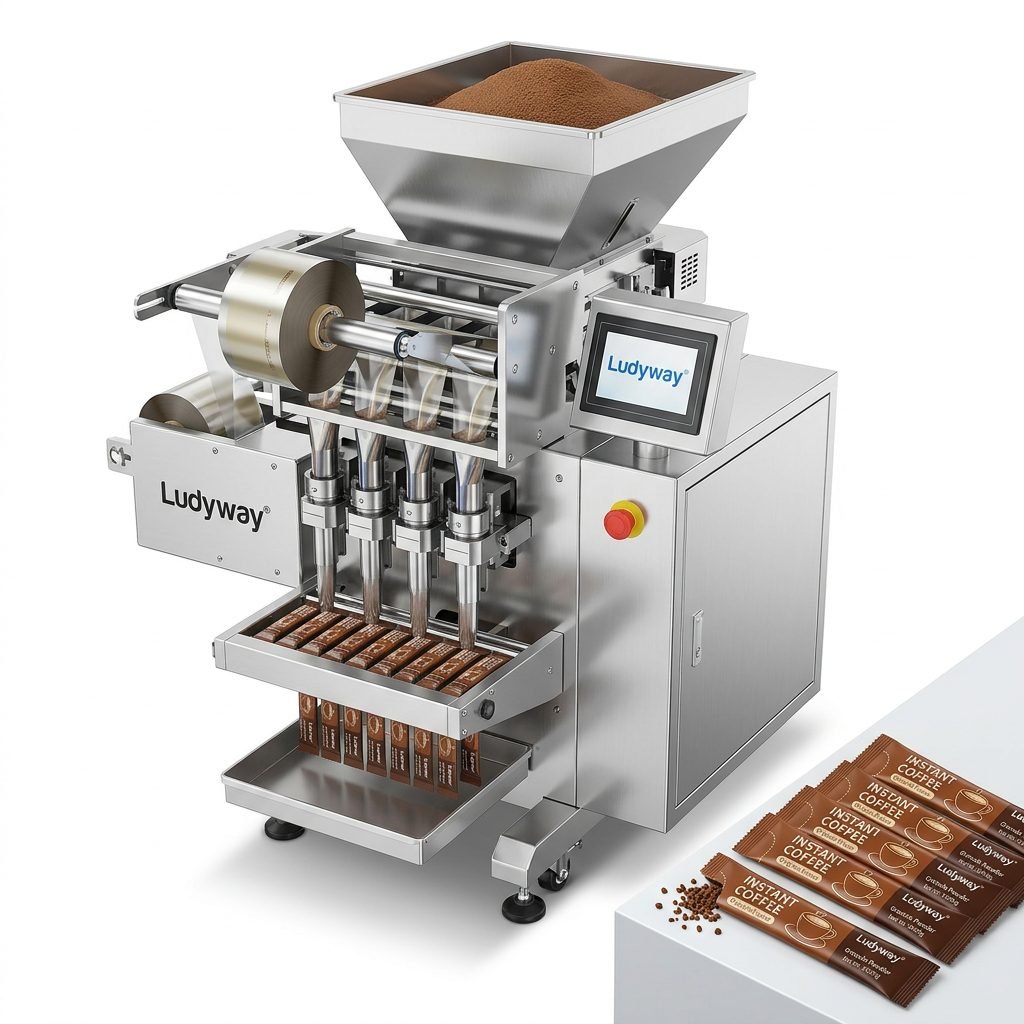
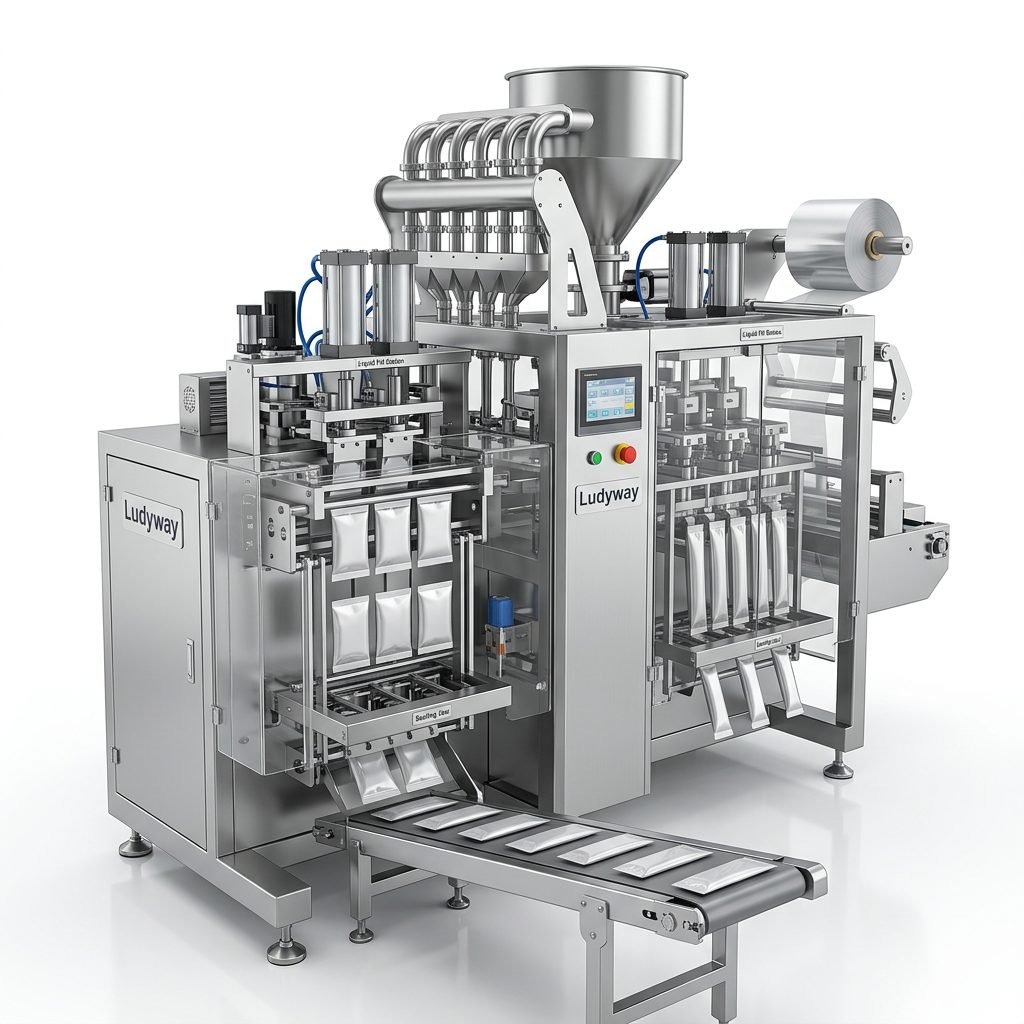
These versatile systems are the workhorses for small lines. Modern multi‑lane vertical form‑fill‑seal (VFFS) machines can produce dozens of sachets per minute, handling powders, granules, and liquids. Their modular nature means you can start with a 2‑lane configuration and add lanes as your production grows. Look for features like touch‑screen PLC controls and quick‑change‑over tooling to minimize setup time between different products.
2. Integrated Weighing & Filling Systems
Accuracy is paramount, especially in food and pharmaceutical packing. Combining an automated auger filler or liquid filler with a precision checkweigher in a single, streamlined unit ensures every bag meets exact weight specifications. This not only complies with regulations but also reduces product give‑away, directly improving your bottom line.
For granular products like coffee beans or snacks, multi‑head weighers offer incredible speed and accuracy, seamlessly integrating with the bag forming machine downstream.
3. The Role of Smart Conveying & Handling
Speed isn’t just about the main machine. The flow of empty bags to the filler and filled bags to the case packer is crucial. Small lines benefit immensely from gentle, programmable conveyors and robotic pick‑and‑place units that can orient and load bags at high speeds without damage. This creates a cohesive, continuous flow that maximizes the output of your core packing machine.
High‑Volume Solutions for Large Manufacturing Lines
Large‑scale operations demand robustness, extreme throughput, and sophisticated integration. The goal is a synchronized production symphony where the packaging line is a fully integrated component of the plant’s ERP and MES systems.
1. High‑Speed Rotary & Continuous Motion Packers
For ultimate speed, rotary packing systems operate on a continuous motion principle. Products are fed, bags are formed, filled, and sealed in a seamless 360‑degree rotation, achieving outputs of several hundred bags per minute. These systems are ideal for high‑volume, single‑SKU production runs of items like sugar, salt, or powdered milk.
2. Complete Turnkey Packaging Lines
This is the pinnacle of packaging automation. A turnkey solution involves a single provider—like Ludyway Packing Machine—designing, supplying, and commissioning a complete line. This can include:
- Product feeding and conditioning systems
- High‑speed multi‑head weighing or volumetric filling
- Advanced VFFS or pre‑made pouch packing machines
- Automatic checkweighing, metal detection, and vision inspection
- Robotic cartoning, case packing, and palletizing
The major advantage is guaranteed interoperability and a single point of responsibility for performance and service.
3. Advanced Integration: Industry 4.0 & Data Analytics
True high‑speed operation in a large facility is managed with data. Modern packing lines are equipped with IoT sensors and OPC‑UA connectivity, feeding real‑time data on OEE (Overall Equipment Effectiveness), downtime causes, and production counts to a central dashboard. Predictive maintenance alerts can prevent unexpected stoppages, while production data integrates directly with warehouse management systems. This level of intelligent integration transforms the packaging line from a cost center into a strategic data hub.
⚠️ Critical Consideration: Hygiene & Safety
For food and pharmaceutical packing, speed must never compromise safety. Solutions for these industries must be designed with hygienic construction (e.g., stainless steel 304/316, easy‑clean surfaces), comply with FDA, EHEDG, or GMP standards, and often feature clean‑in‑place (CIP) systems. This ensures product integrity and meets stringent global regulatory requirements.
Choosing the Right Partner for Your High‑Speed Journey
Implementing a high‑speed packing solution is a significant investment. Partnering with an experienced provider is crucial. A partner with deep industry experience, like Ludyway Packing Machine, brings more than just equipment. They bring a wealth of knowledge from deploying over 50 different machine models across global markets. They understand the practical challenges of scaling production and can offer tailored advice, robust after‑sales support, and future‑upgrade paths. Their 30+ years of collective experience in engineering turnkey production solutions means they can foresee integration pitfalls and design lines for long‑term reliability, not just peak speed.
Ultimately, the optimal high‑speed food and bag packing solution is the one that aligns perfectly with your specific products, output goals, and growth trajectory. It balances raw throughput with flexibility, integrates seamlessly into your wider operation, and is supported by a partner committed to your long‑term success. By carefully evaluating modular systems for growth or investing in a fully integrated turnkey line for scale, manufacturers can transform their packaging operations into a powerful engine for efficiency and market responsiveness.
Frequently Asked Questions (FAQs)
1. What is the typical ROI timeframe for a high‑speed automated packing line?
Return on investment varies based on scale, labor costs, and previous manual speed. For small modular systems, ROI can often be achieved in 12‑24 months through labor savings and reduced material waste. For large turnkey lines, a 2‑3 year timeframe is common, factoring in massive throughput increases and operational efficiencies.
2. Can one machine handle both food powders and liquid sauces?
While some advanced VFFS machines are highly adaptable, significant product changes (e.g., from a dry powder to a viscous liquid) usually require different filling systems and potentially different film materials. Many manufacturers opt for dedicated lines for vastly different product types to maintain optimal speed and hygiene, though quick‑change‑over designs can facilitate shorter production runs of different formats within the same category.
3. How important is after‑sales service and technical support?
It is absolutely critical. High‑speed equipment is complex. A provider with a strong global support network, readily available spare parts, and remote diagnostic capabilities—like the support structure behind the Ludyway brand—minimizes costly downtime. Always evaluate a supplier’s service commitment as carefully as their machine specifications.
4. Are high‑speed lines suitable for limited‑edition or seasonal products?
Yes, through flexibility. The key is choosing equipment with fast changeover capabilities (digital recipe storage, tool‑less adjustments). This allows a line to run a major product at high speed for most of the year but switch quickly to a seasonal item for a few weeks without losing efficiency on the core product.
5. What are the first steps in upgrading to a high‑speed packing solution?
Begin with a thorough internal audit: define your current and future SKUs, target output (bags/minute), available footprint, and budget. Then, engage with a reputable packaging solution provider for a consultation. They can analyze your needs, often conduct product tests at their facility, and propose a tailored solution, whether it’s a single machine or a complete line, to meet your specific high‑speed goals.