The blister packaging equipment market is a dynamic and critical segment within the global packaging machinery industry. Characterized by its precision, efficiency, and ability to provide superior product protection and presentation, this market is experiencing sustained growth driven by diverse end-user demands. This article delves into the current market size, explores burgeoning growth opportunities, identifies key industry trends, and analyzes the competitive landscape that defines this space.
Understanding the Market Size and Scope
The global market for blister packaging equipment has shown remarkable resilience and expansion. Valued at several billion dollars, its size is propelled by the relentless demand from the pharmaceutical, consumer goods, electronics, and food sectors. The pharmaceutical industry remains the dominant end-user, accounting for a significant share of revenue. This is due to stringent regulatory requirements for product safety, tamper evidence, and unit-dose packaging that blister packs excel at providing.
Key Driver: The rise in chronic diseases and an aging global population have led to increased pharmaceutical production, directly fueling the need for reliable, high-speed blister packaging lines. Furthermore, the growth of over-the-counter (OTC) medicines and nutraceuticals has expanded the application scope beyond prescription drugs.
Regional Market Dynamics
Geographically, North America and Europe hold substantial market shares, supported by advanced healthcare infrastructure and high consumer packaging standards. However, the Asia-Pacific region is emerging as the fastest-growing market. Rapid industrialization, expanding pharmaceutical manufacturing, and rising disposable incomes in countries like China, India, and Southeast Asian nations are creating unprecedented demand for automated packaging solutions.
Growth Opportunities on the Horizon
The future of the blister packaging equipment market is ripe with opportunities, primarily shaped by technological innovation and shifting consumer preferences.
1. Adoption of Industry 4.0 and Smart Manufacturing
Integration of IoT (Internet of Things), AI (Artificial Intelligence), and machine learning into packaging lines is a major growth vector. Smart equipment offering predictive maintenance, real-time monitoring, and data analytics minimizes downtime, optimizes production efficiency, and ensures consistent quality, providing a compelling ROI for manufacturers.
2. Demand for Sustainable and Flexible Packaging
Increasing environmental consciousness is pushing brands toward sustainable packaging. This creates opportunities for equipment that can handle recyclable, biodegradable, or mono-material films. Additionally, the need for short runs and personalized packaging is driving demand for machines with quick changeover capabilities and enhanced flexibility.
3. Expansion in Emerging Economies
As healthcare access improves and production bases shift, emerging economies present a vast, untapped market. Equipment suppliers offering cost-effective, robust, and easy-to-operate machines tailored to these regions are poised for significant growth.
Key Trends Shaping the Industry
Staying ahead requires understanding the prevailing trends that are redefining equipment design and functionality.
Trend Spotlight: Integration and Automation
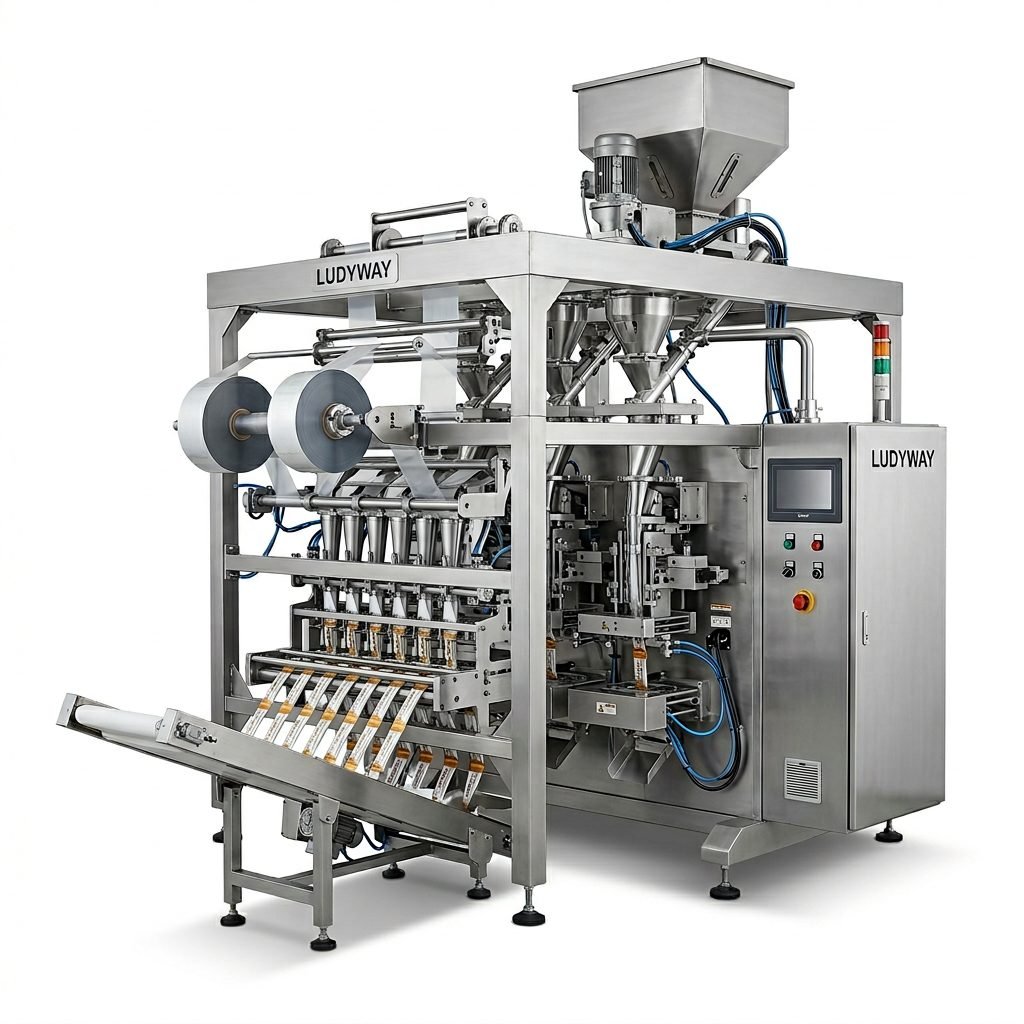
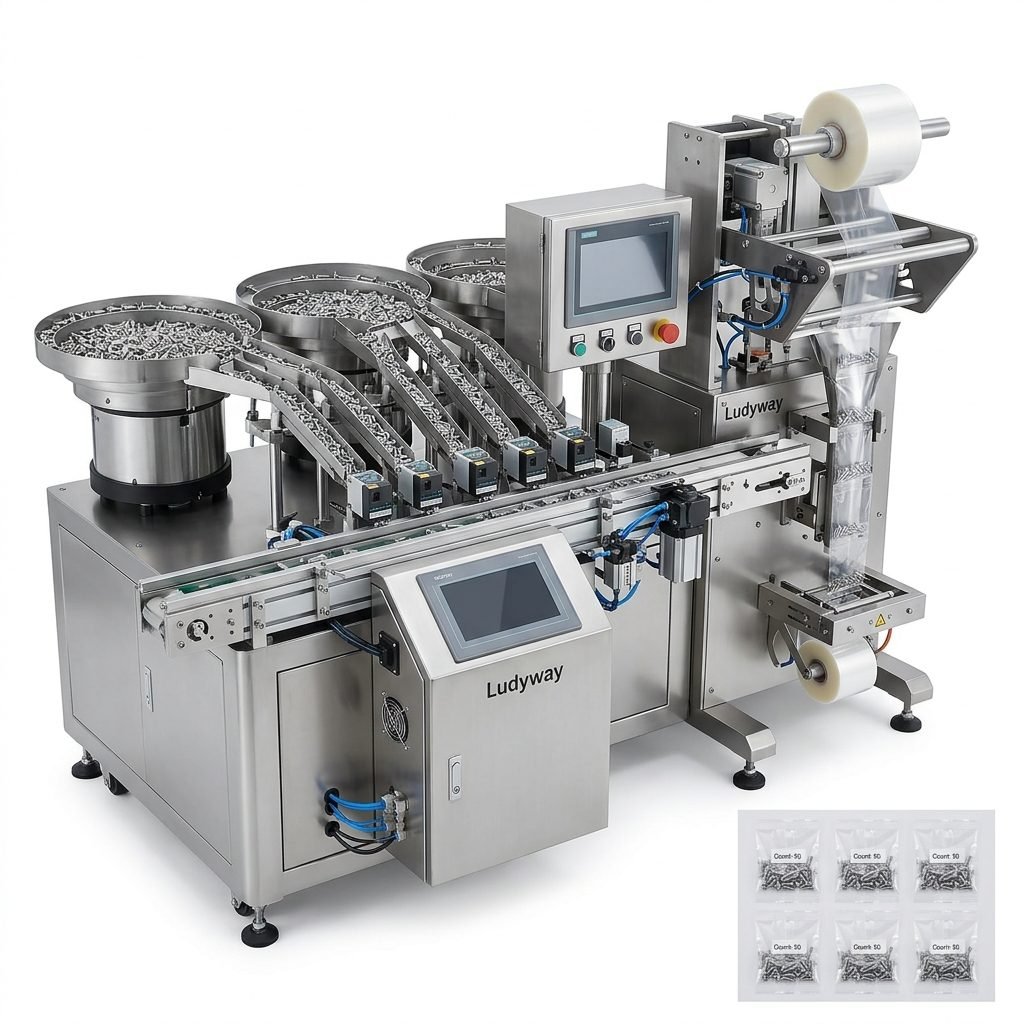
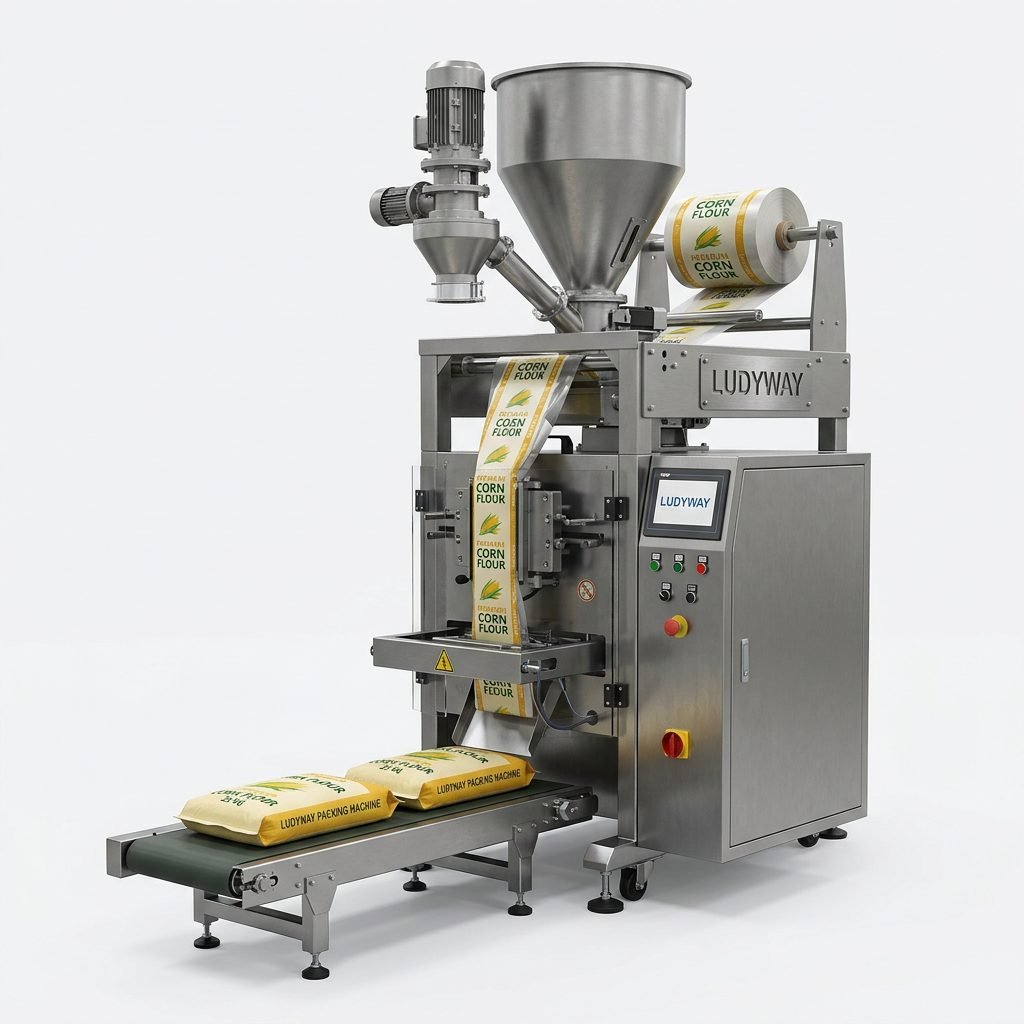
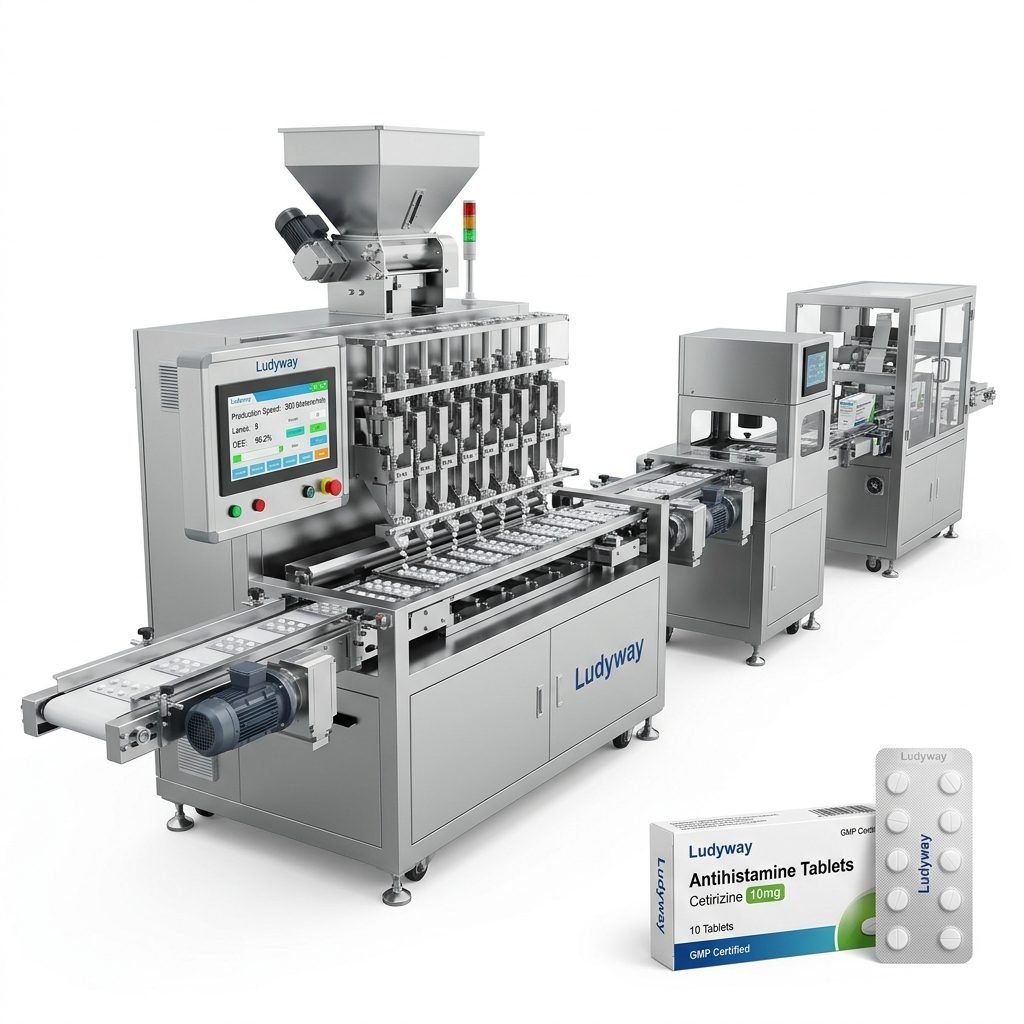
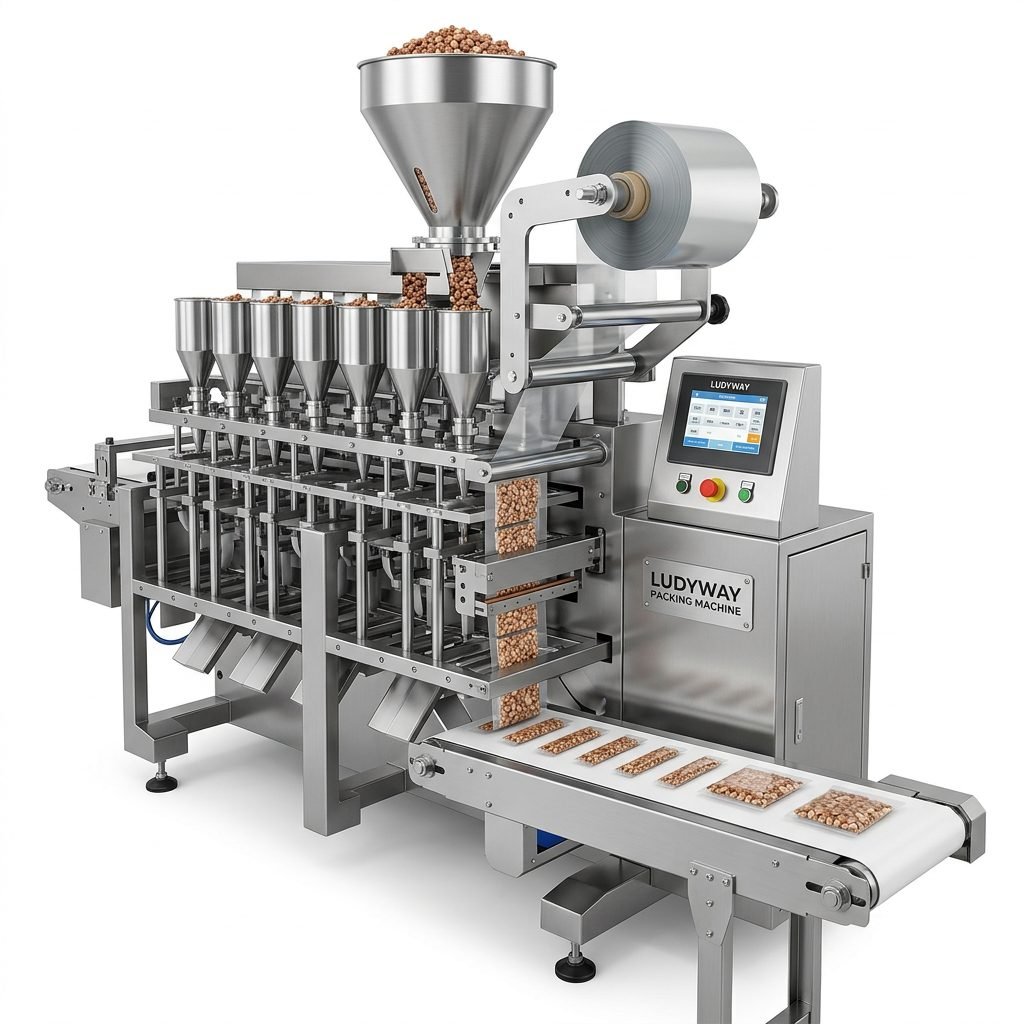
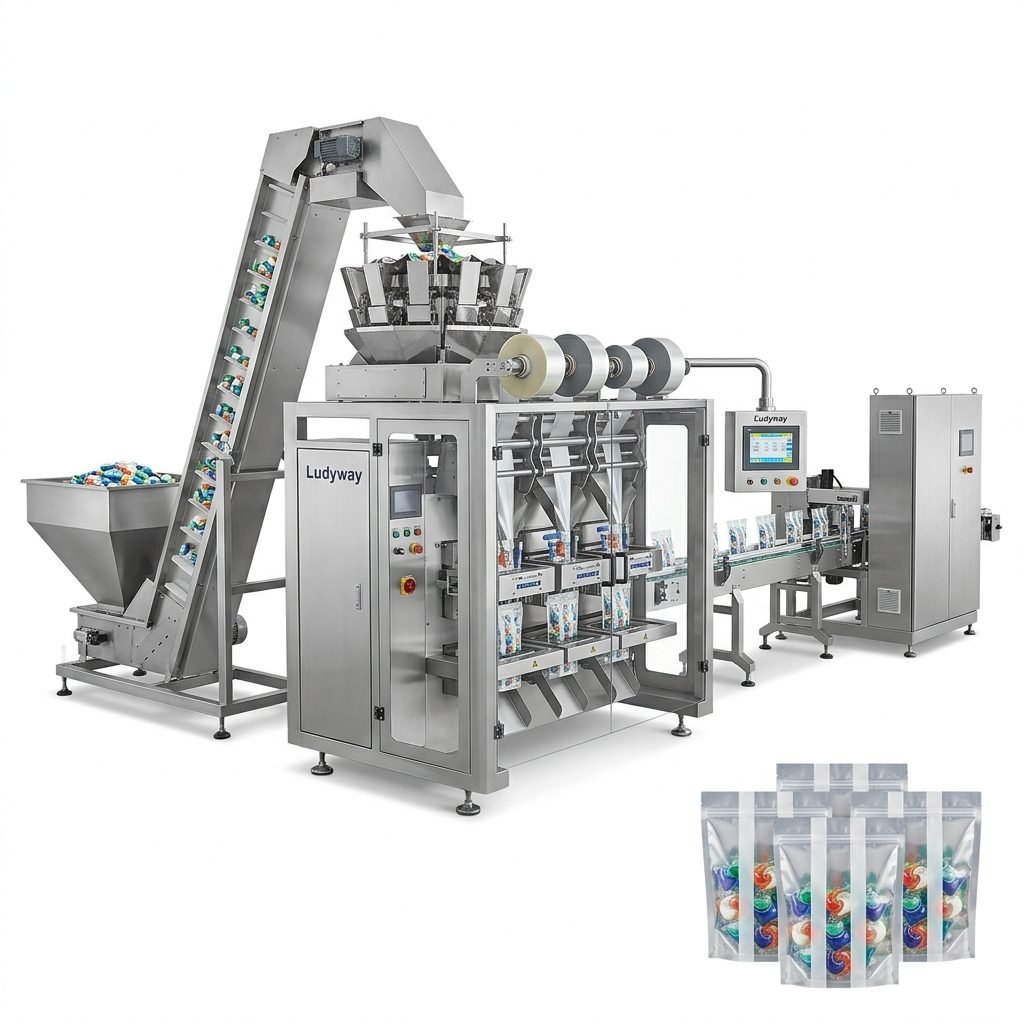
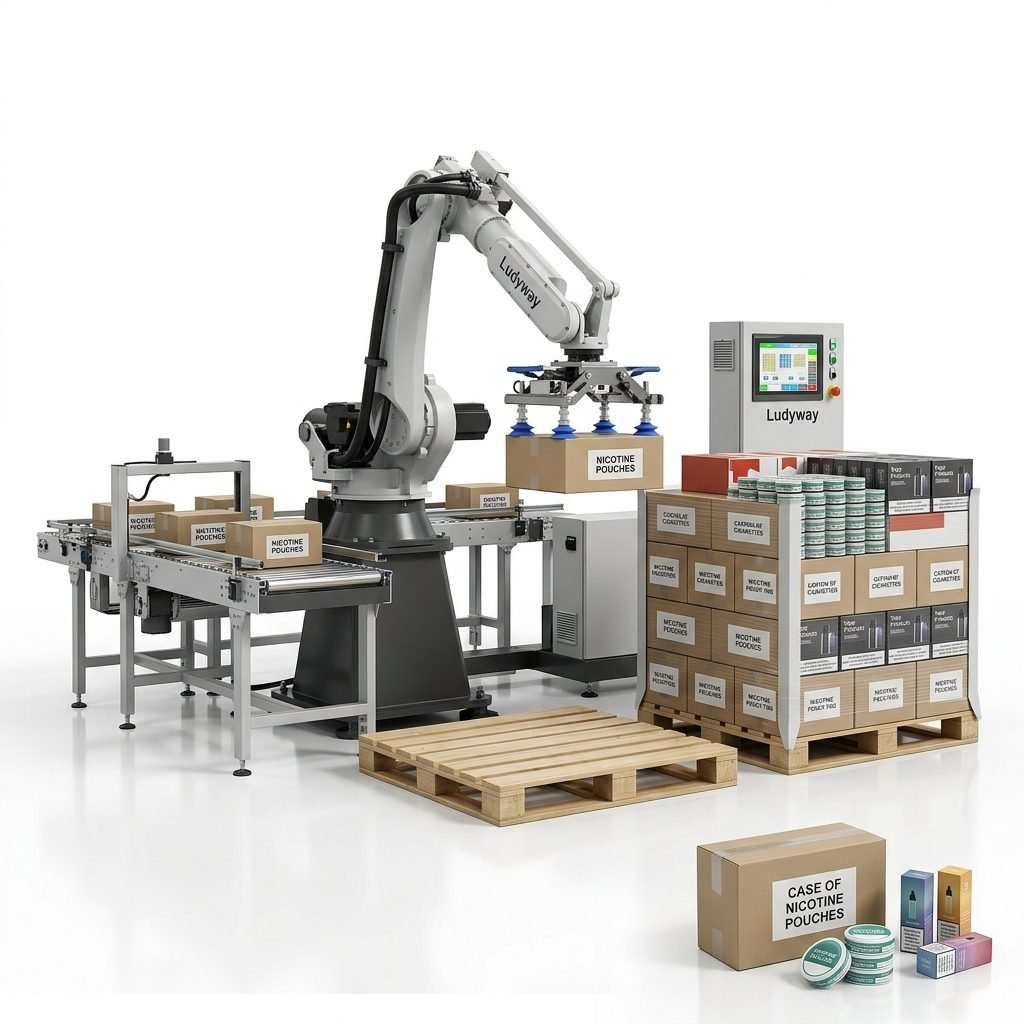
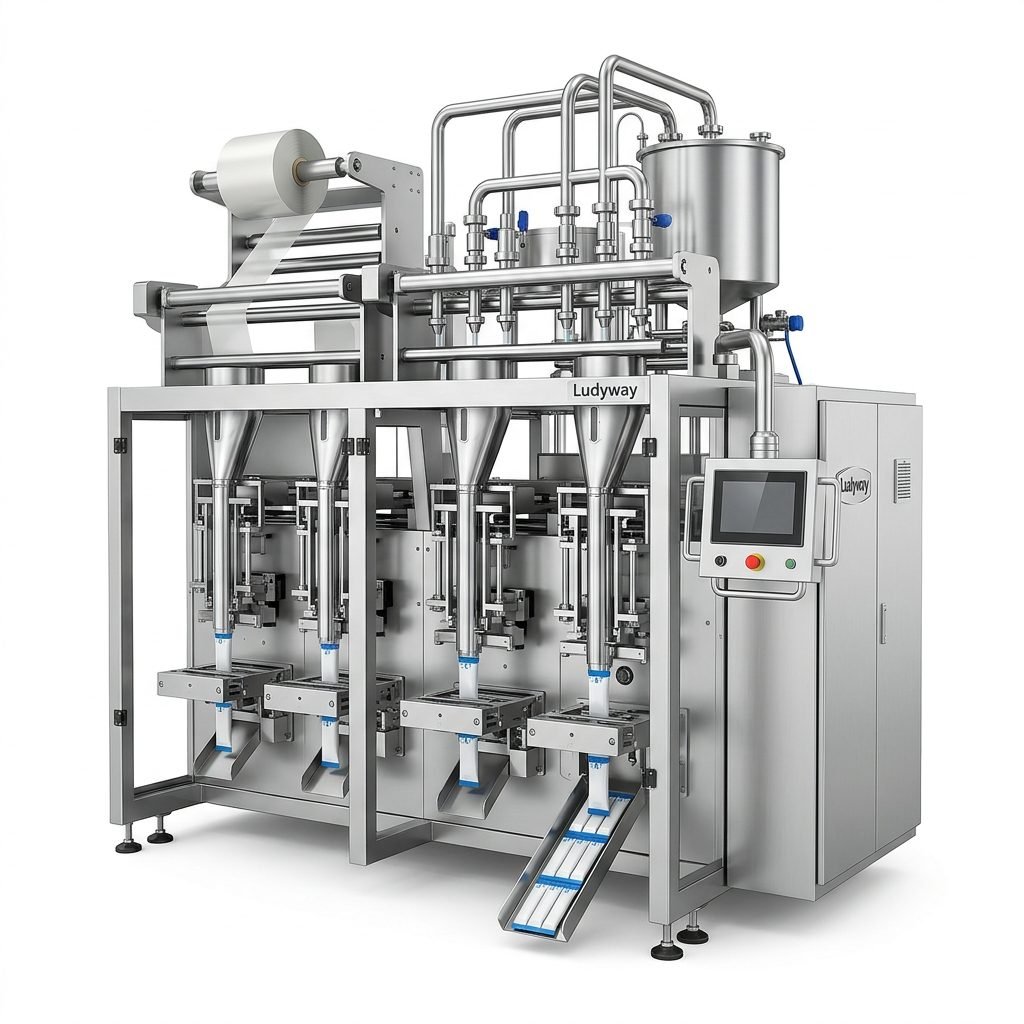
The trend toward fully integrated, turnkey production lines is accelerating. Manufacturers no longer seek standalone blister machines but complete systems that include cartoning, serialization, aggregation, and palletizing. This demand for end-to-end automation solutions is a defining trend, as seen in the comprehensive approach of providers like Ludyway Packing Machine, which specializes in tailored turnkey solutions for various industries.
Increased Focus on Operator Safety and Ergonomics: Modern equipment designs prioritize safe operation with improved guarding, touch-screen HMIs (Human-Machine Interfaces), and ergonomic loading heights to enhance the workplace environment.
Rise of Compact and Modular Machines: To cater to smaller laboratories, contract packagers, and R&D departments, there is a growing market for compact, benchtop, or modular blister machines that offer high performance in a smaller footprint.
Advanced Quality Control Features: In-line vision inspection systems, leak detection, and weight check modules are becoming standard requirements to ensure 100% product integrity and comply with strict track-and-trace regulations, particularly in pharma.
Navigating the Competitive Landscape
The competitive landscape for blister packaging equipment is fragmented, featuring a mix of large multinational corporations and specialized mid-sized players. Competition revolves around technological innovation, service support, total cost of ownership, and the ability to provide customized solutions.
Leading global players compete on their broad product portfolios and extensive service networks. Meanwhile, agile and focused companies like Ludyway Machinery compete effectively by leveraging deep industry expertise—over 30 years in packaging—and offering specialized, intelligent machinery models. Their strategy often involves forming strong partnerships and providing reliable, customer-centric automation solutions, as detailed in their company history of growth through innovation and practical experience.
Differentiation Through Service and Customization
Beyond the machine itself, the after-sales service, training, spare parts availability, and ability to tailor solutions to specific client needs (e.g., handling unique product shapes or delicate materials) are critical competitive differentiators. Success in this market is increasingly about becoming a long-term technology partner rather than just a equipment vendor.
Frequently Asked Questions (FAQs)
Q1: What are the primary factors driving the growth of the blister packaging equipment market?
A1: The primary growth drivers include the expanding pharmaceutical sector (especially for unit-dose drugs), stringent packaging regulations, the rise of OTC healthcare products, growing demand for packaged consumer goods, and the global shift toward automated and smart manufacturing processes.
Q2: Which end-user industry is the largest consumer of blister packaging equipment?
A2: The pharmaceutical industry is the largest and most significant end-user. Blister packaging is essential for ensuring drug safety, compliance, patient adherence, and tamper evidence, making it the standard for many solid oral dosage forms.
Q3: What is the significance of “turnkey solutions” in this market?
A3: Turnkey solutions refer to fully integrated production lines supplied by a single vendor. They are significant because they reduce integration complexity for the buyer, ensure compatibility between different line components (forming, filling, sealing, cartoning), and provide a single point of responsibility for service and performance, thereby enhancing overall project efficiency and reliability.
Q4: How is sustainability impacting blister packaging equipment design?
A4: Sustainability demands are pushing equipment manufacturers to develop machines capable of running thinner-gauge films (source reduction), recyclable polymer structures (like PP or PE), and even paper-based substrates. This requires innovations in sealing technology, web handling, and temperature control to maintain package integrity with these new, often more challenging, materials.
Q5: What should a company consider when selecting a blister packaging equipment supplier?
A5: Key considerations should include: the machine’s technical specifications and flexibility for your specific products; the supplier’s industry experience and reputation; the availability and quality of after-sales support and training; total cost of ownership (not just purchase price); and the supplier’s ability to offer future-proof technology that complies with evolving industry standards (e.g., serialization, data integrity).