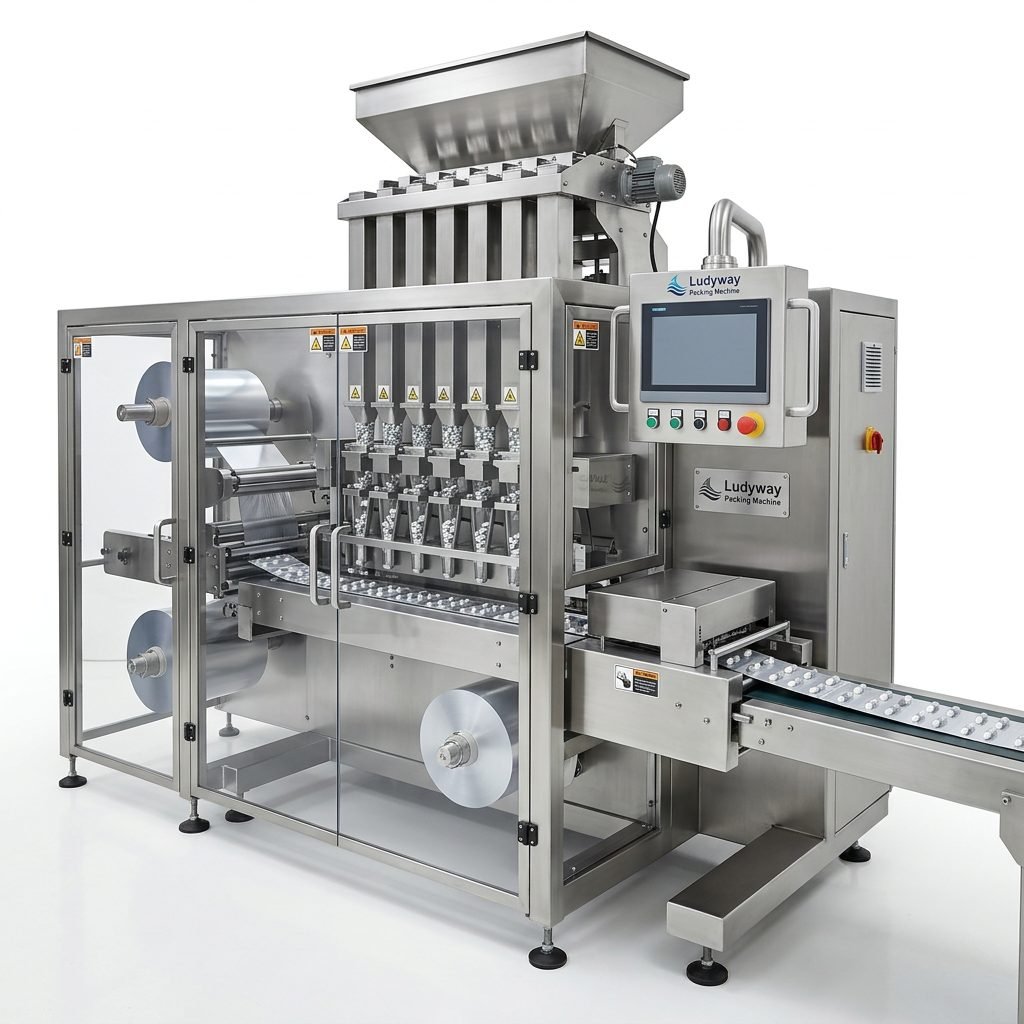
In today’s fast-paced manufacturing world, efficiency, precision, and reliability are non-negotiable. For industries where product integrity, safety, and presentation are paramount—namely food, pharmaceuticals, and consumer goods—the right packaging machinery is not just an asset; it’s the backbone of the production line. High-speed packaging solutions bridge the critical gap between production capacity and market demand, ensuring products are sealed, protected, and ready for distribution at unprecedented speeds without compromising on quality.
The Critical Role of Speed in Modern Packaging
The drive for higher throughput is a universal challenge. Consumer expectations for fresh, readily available products and the pharmaceutical industry’s need for rapid, scalable production, especially for vital medications, make speed a top operational priority. High-speed machinery directly translates to increased output, reduced labor costs per unit, and enhanced profitability. More importantly, it provides the agility to respond to market fluctuations, seasonal peaks, and urgent orders, giving companies a significant competitive edge.
Beyond Speed: The Integrated Solution
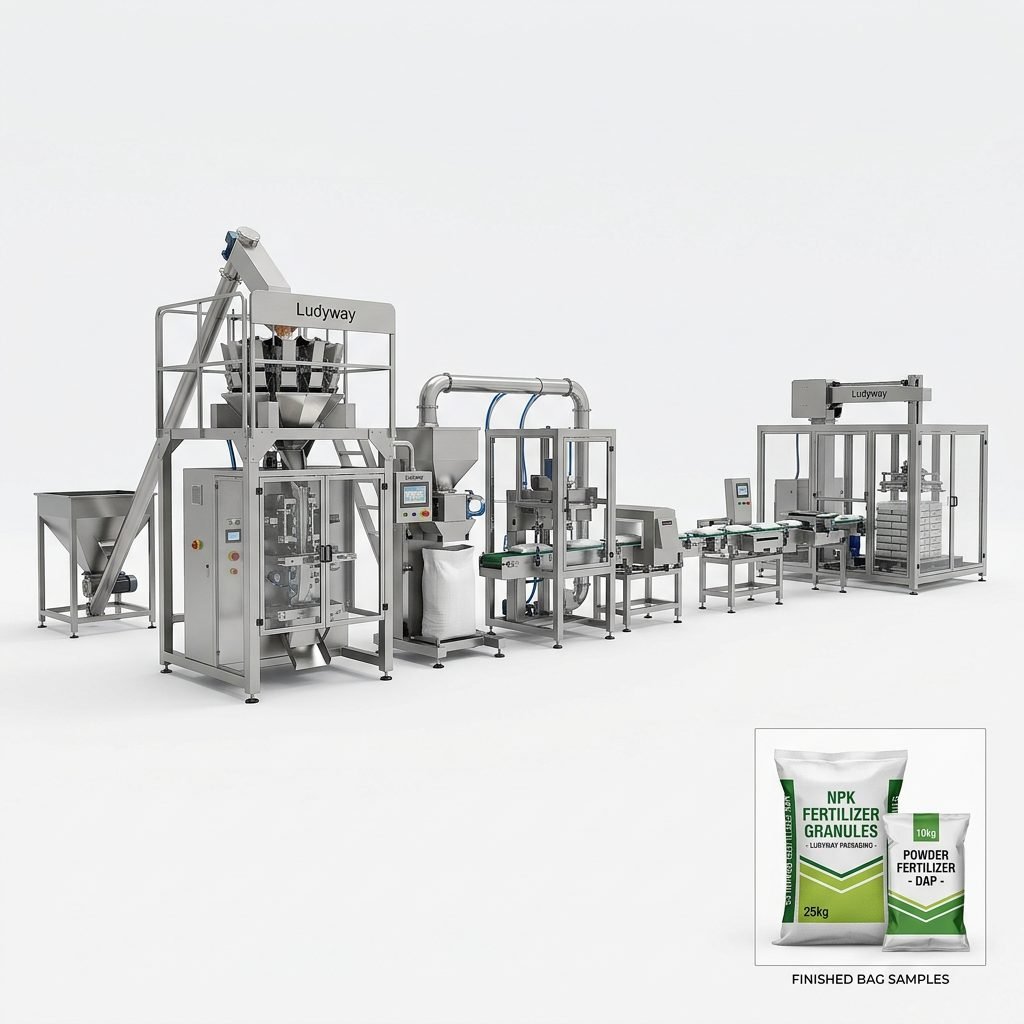
True high-speed performance is not just about a machine running fast. It’s about synchronized efficiency. This encompasses quick changeover capabilities for different package sizes or products, minimal downtime for maintenance, and intelligent integration with upstream and downstream processes like filling, cartoning, and palletizing. A holistic packaging line solution ensures that speed at one stage doesn’t create a bottleneck at another.
Industry-Specific Challenges & Tailored Solutions
Each sector presents unique demands that generic equipment cannot address. High-speed packaging solutions must be meticulously tailored to handle specific product characteristics and comply with stringent industry regulations.
Food Industry: Preserving Freshness at Scale
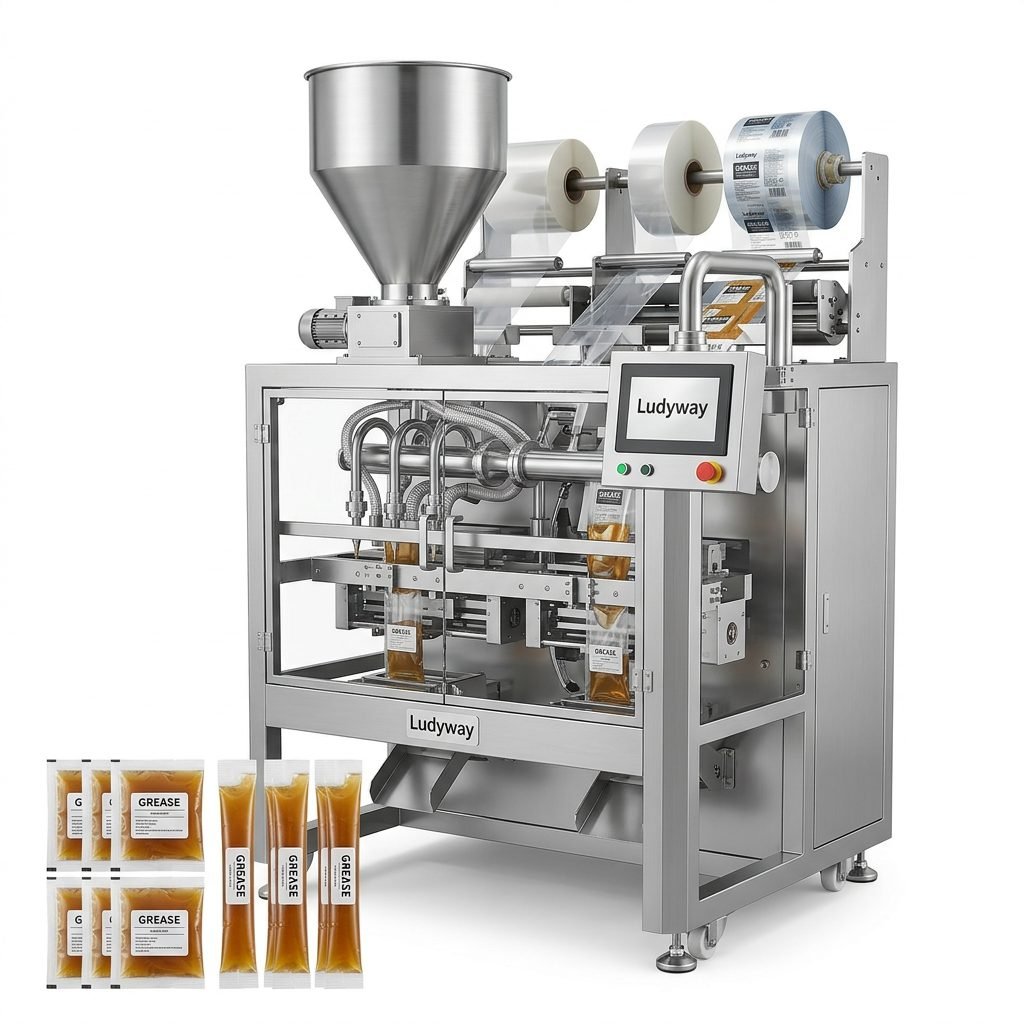
Food products are diverse—from hygroscopic powders like flour and spices to oily snacks and delicate granules like instant coffee. High-speed machines for food must handle these varied consistencies while ensuring airtight seals to preserve freshness and prevent contamination. Features like nitrogen flushing for snack chips or precision liquid filling for sauces are critical. Furthermore, equipment must be constructed with food-grade, easy-to-clean materials to meet global food safety standards, facilitating rapid sanitation and changeover between production runs.
Pharmaceutical & Healthcare: Precision Under Strict Regulation
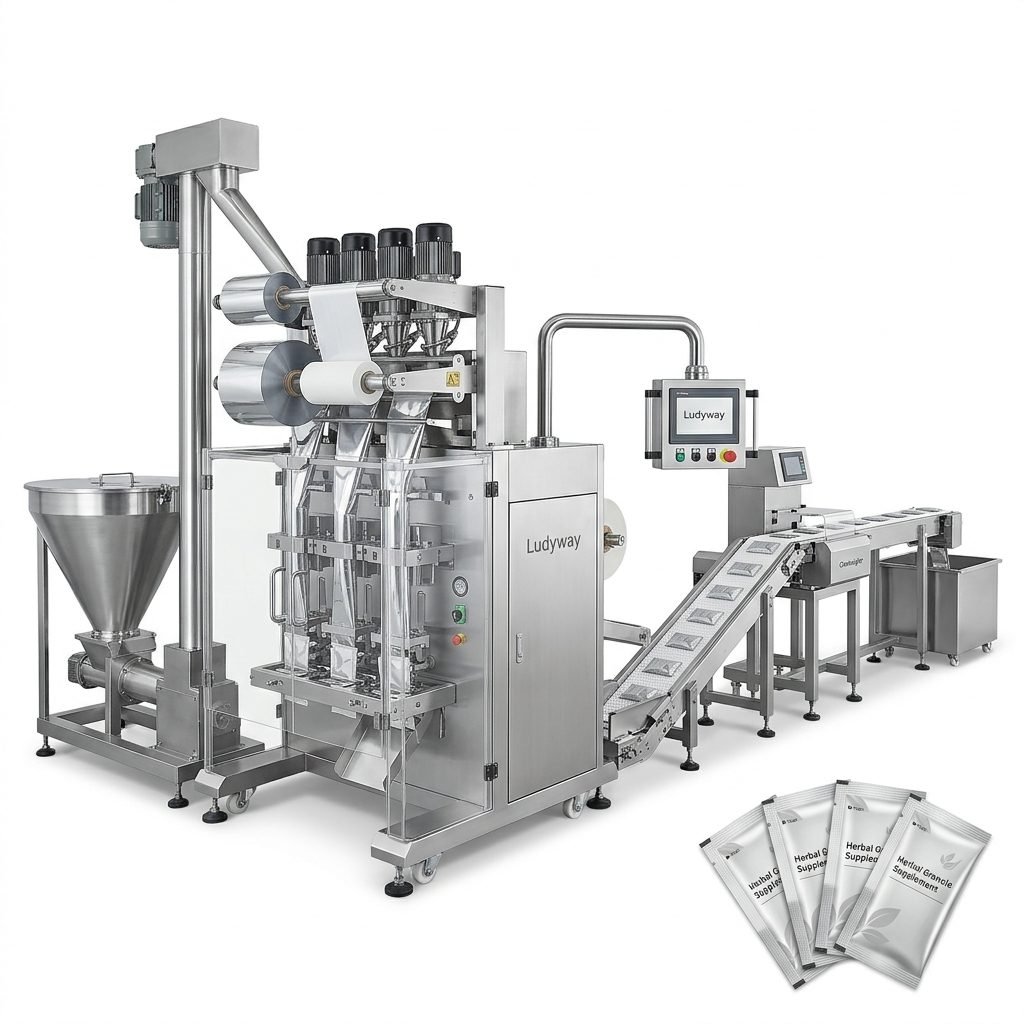
This is arguably the most demanding sector. Packaging machinery must achieve sterile integrity and 100% dosage accuracy at high speeds. Whether packaging powdered supplements, medicinal granules into stick packs, or single-dose liquid sachets, the margin for error is zero. Machines must be designed for cleanroom compatibility, often featuring stainless-steel construction and validated processes to comply with regulations like FDA 21 CFR Part 11. Traceability, achieved through integrated coding and serialization, is also a non-negotiable feature for patient safety and supply chain security.
🔍 Key Consideration: Flexibility
A major trend across all industries is the need for flexibility. Brands are launching more SKUs, limited editions, and personalized products. Therefore, the most valuable high-speed machines are those that combine rapid operation with quick and tool-less changeovers. This allows manufacturers to switch from packaging tea bags to protein powder, or from large pharmaceutical pouches to sample-sized sachets, with minimal downtime, maximizing overall equipment effectiveness (OEE).
Consumer Goods: Enhancing Brand Appeal
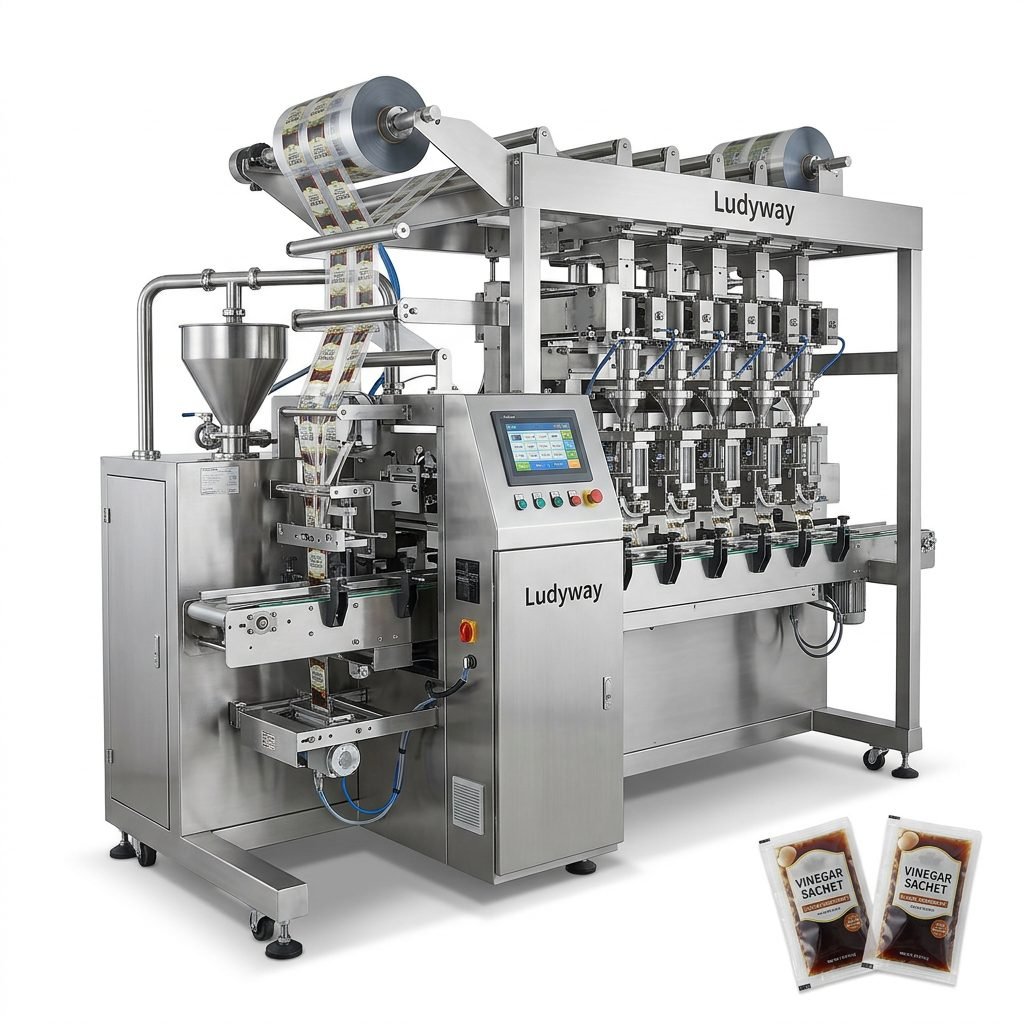
For items like detergent pods, shampoo sachets, or condiment packets, packaging is a direct touchpoint with the consumer. High-speed machines must deliver not just speed and seal integrity, but also consistent and high-quality aesthetics—sharp seals, perfect alignment of print registration, and neat folding. This ensures every product on the shelf reinforces brand value. Durability is also key, as these machines often run continuously to package high-volume everyday goods.
Core Technologies Powering High-Speed Performance
The remarkable speeds of modern packaging are enabled by several advanced technologies working in concert.
Servo-Driven Automation
This is the heart of precision and speed. Servo motors provide controlled, programmable movement for every axis—film pull, sealing jaws, filling heads. This allows for smoother acceleration, higher positional accuracy, and easier recipe management compared to traditional mechanical systems, leading to faster cycles and less wear.
Advanced Motion Control & PLC Systems
Sophisticated programmable logic controllers (PLCs) with intuitive human-machine interfaces (HMIs) orchestrate the entire packaging sequence. They synchronize filling, sealing, cutting, and ejection, optimizing each millisecond of the cycle. Real-time monitoring and diagnostics preempt failures, preventing costly unplanned stops.
Intelligent Vision Inspection Systems
Speed is worthless if quality fails. Integrated vision systems perform 100% in-line inspection at high speeds, checking for fill levels, seal integrity, print quality, and the presence of labels or coupons. Defective packages are automatically rejected, guaranteeing that only perfect products proceed to secondary packaging.
Implementing a High-Speed Solution: A Strategic Partnership
Upgrading to or investing in a high-speed packaging line is a significant decision. Success depends on viewing the supplier not just as a vendor, but as a long-term technical partner.
A reputable partner will conduct a thorough analysis of your product, required output, and factory floor layout. They should offer comprehensive services from initial testing with your own materials to installation, operator training, and ongoing technical support. The goal is to provide a turnkey production solution that integrates seamlessly into your operation, delivering a clear return on investment through enhanced productivity and reduced waste.
The Ludyway Machinery Commitment
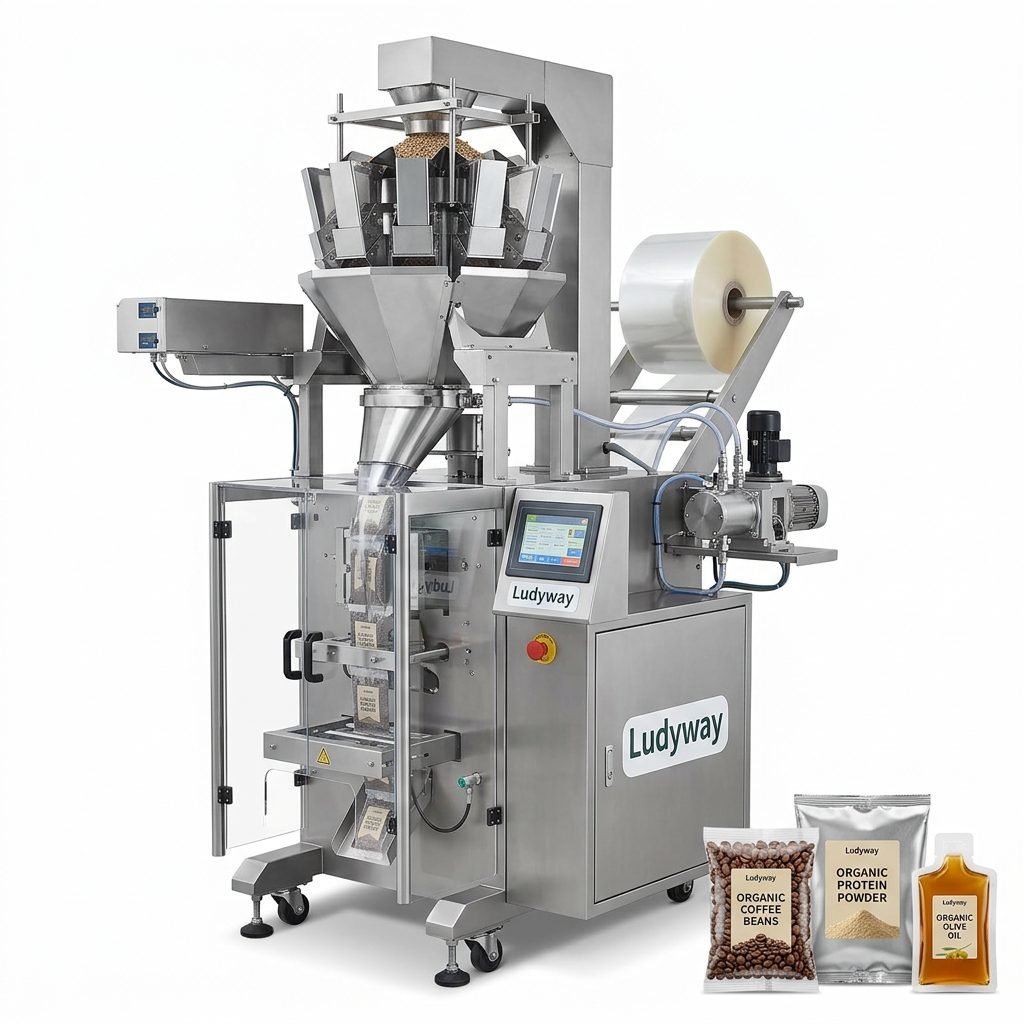
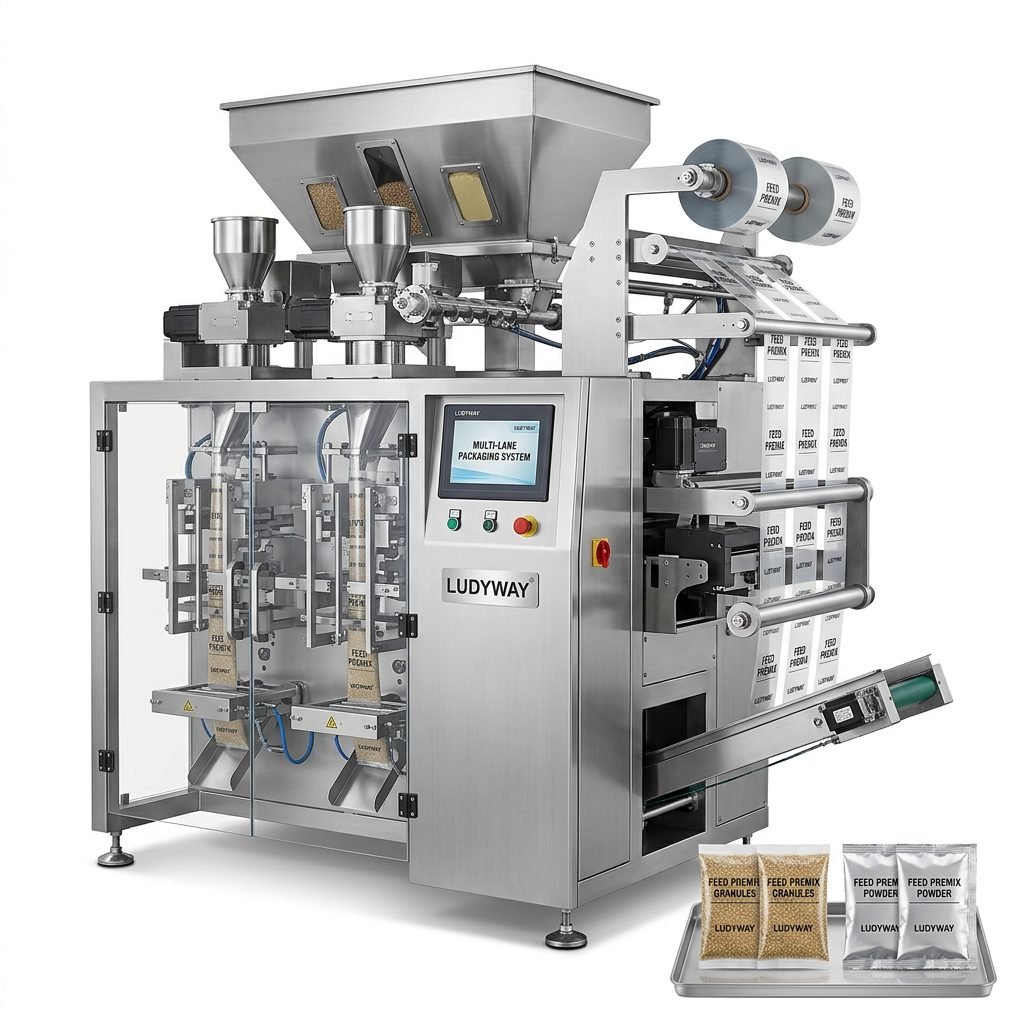
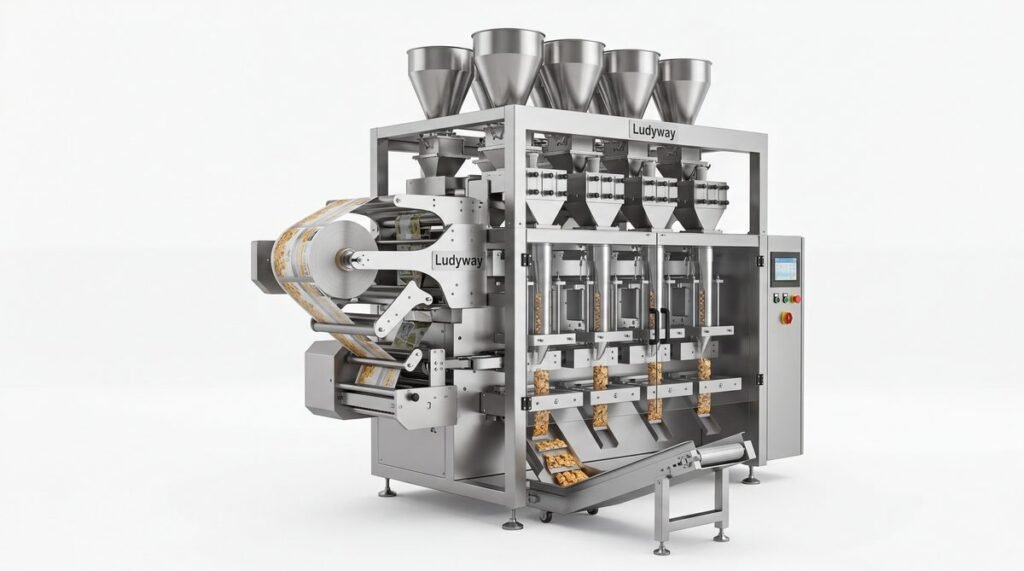
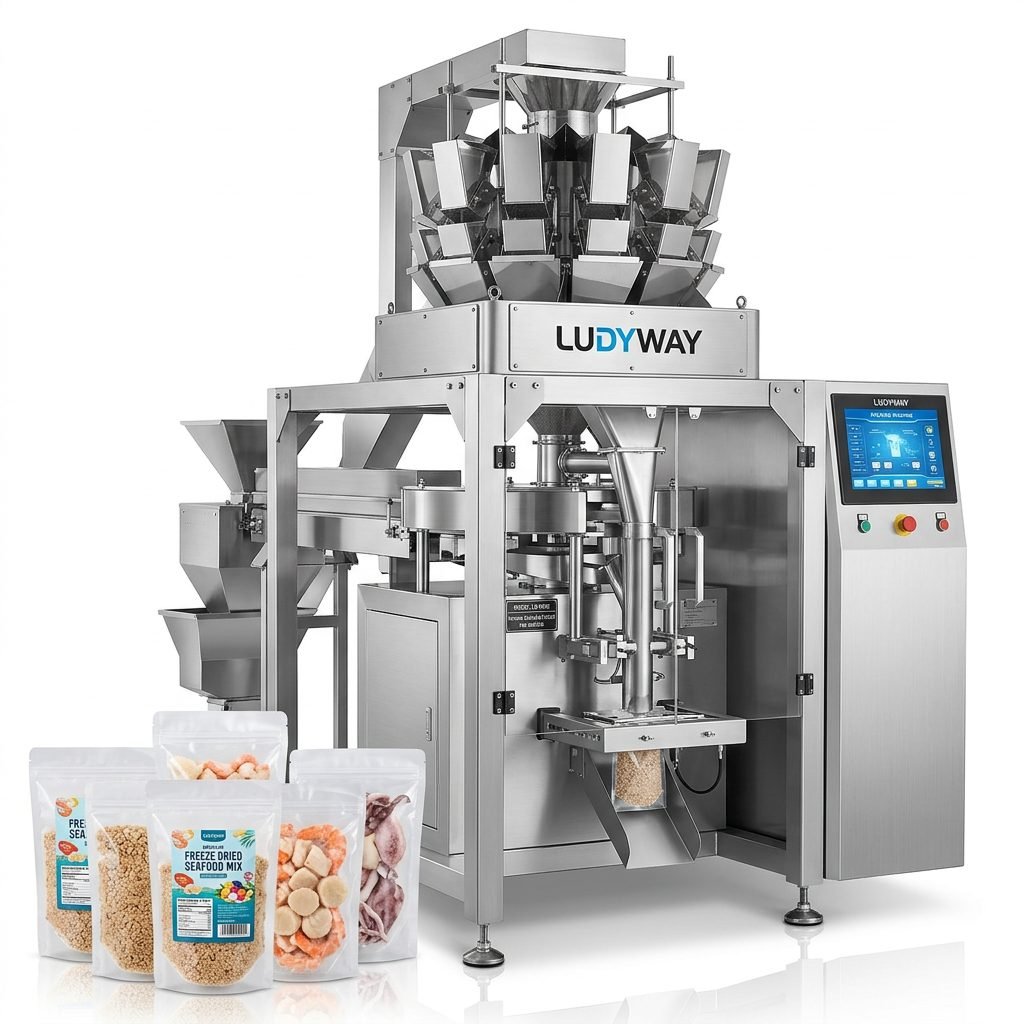
With over 30 years of collective industry experience, our focus is on delivering robust and intelligent packaging solutions. We understand that behind every machine is a production goal, a brand reputation, and a business to grow. Our portfolio of 50+ machine models, developed in a modern 20,000㎡ facility, is designed to meet the rigorous demands of high-speed production for granules, powders, and liquids. From multi-lane stick pack machines for instant beverages to precision sachet machines for pharmaceuticals, we engineer for speed, accuracy, and reliability. We partner with our global clients to provide not only advanced equipment but also the expertise and support needed to optimize their packaging operations for the long term.
Frequently Asked Questions (FAQs)
1. What are the main benefits of switching to high-speed packaging machinery?
The primary benefits are significantly increased production output and reduced cost per unit due to higher efficiency and lower labor requirements. It also provides greater scalability to meet demand spikes, improves consistency and quality control through advanced automation, and enhances overall operational agility.
2. Can high-speed machines handle different package sizes and materials?
Yes, most modern high-speed machines are designed with flexibility in mind. Look for models featuring quick-change tooling and servo-driven adjustments that allow for rapid switchovers between different bag sizes, film types, or product formats, minimizing downtime during production changeovers.
3. How important is after-sales support for high-speed equipment?
It is absolutely critical. High-speed lines are complex systems. Reliable access to spare parts, remote troubleshooting, and on-site technical service is essential to maintain high Overall Equipment Effectiveness (OEE). A supplier’s support network is as important as the machine’s specifications.
4. Are these machines suitable for small-batch or trial production?
While designed for volume, many high-speed machines can be efficiently configured for smaller batches due to their quick changeover capabilities. Furthermore, a trustworthy supplier will offer product testing services using your specific materials before purchase, de-risking the investment even for new product launches.
5. What is the typical lead time for a custom high-speed packaging line?
Lead times vary based on complexity and customization. A standard machine may ship in a few weeks, while a fully customized, integrated turnkey line requires detailed engineering and manufacturing, typically ranging from 3 to 6 months. A detailed project timeline should be established with your supplier during the planning phase.