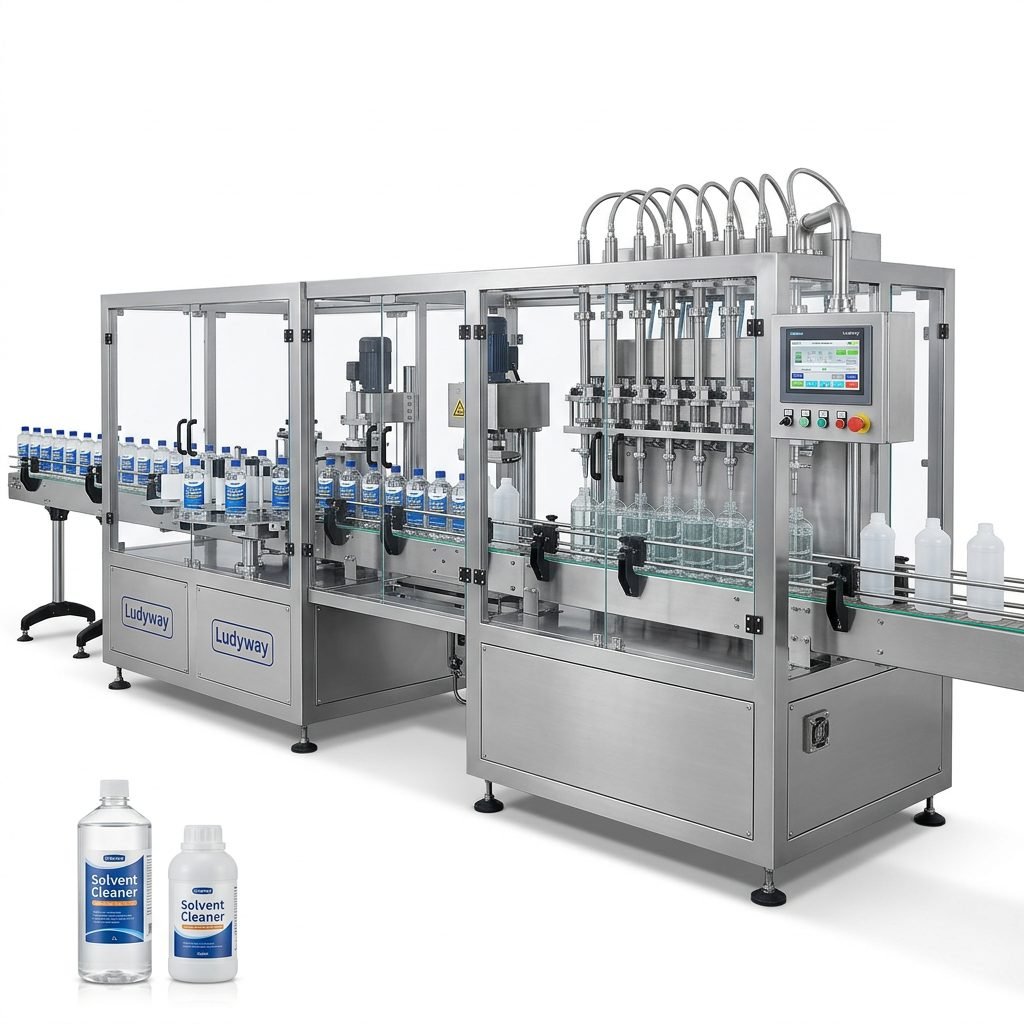
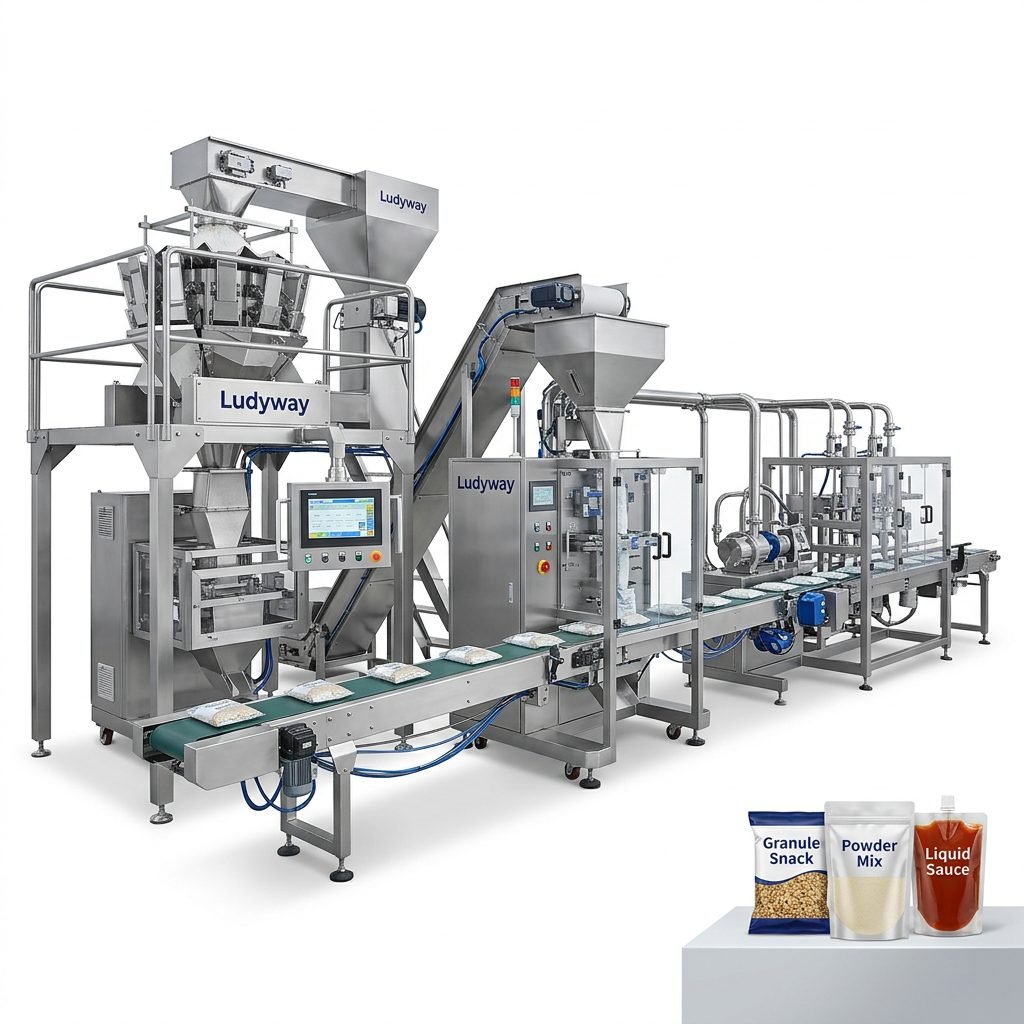
In today’s fast-paced consumer markets, flexible pouch packaging has become a cornerstone for countless products, from food and beverages to pharmaceuticals and cosmetics. This surge in popularity is driven by the pouch’s advantages: lightweight nature, reduced material usage, excellent barrier properties, and high visual appeal on shelves. At the heart of producing these versatile packages lies flexible pouch packaging machinery. This equipment automates the forming, filling, and sealing of pouches, enabling high-speed, efficient, and hygienic production. For businesses looking to enter this space or upgrade their existing lines, understanding the types of machinery, their working principles, and the critical factors for selection is paramount to achieving operational success and a strong return on investment.
Core Types of Flexible Pouch Packaging Machinery
The landscape of pouch packaging machines is diverse, catering to different pouch styles, production speeds, and levels of automation. Selecting the right type is the first critical step.
Vertical Form-Fill-Seal (VFFS) Machines
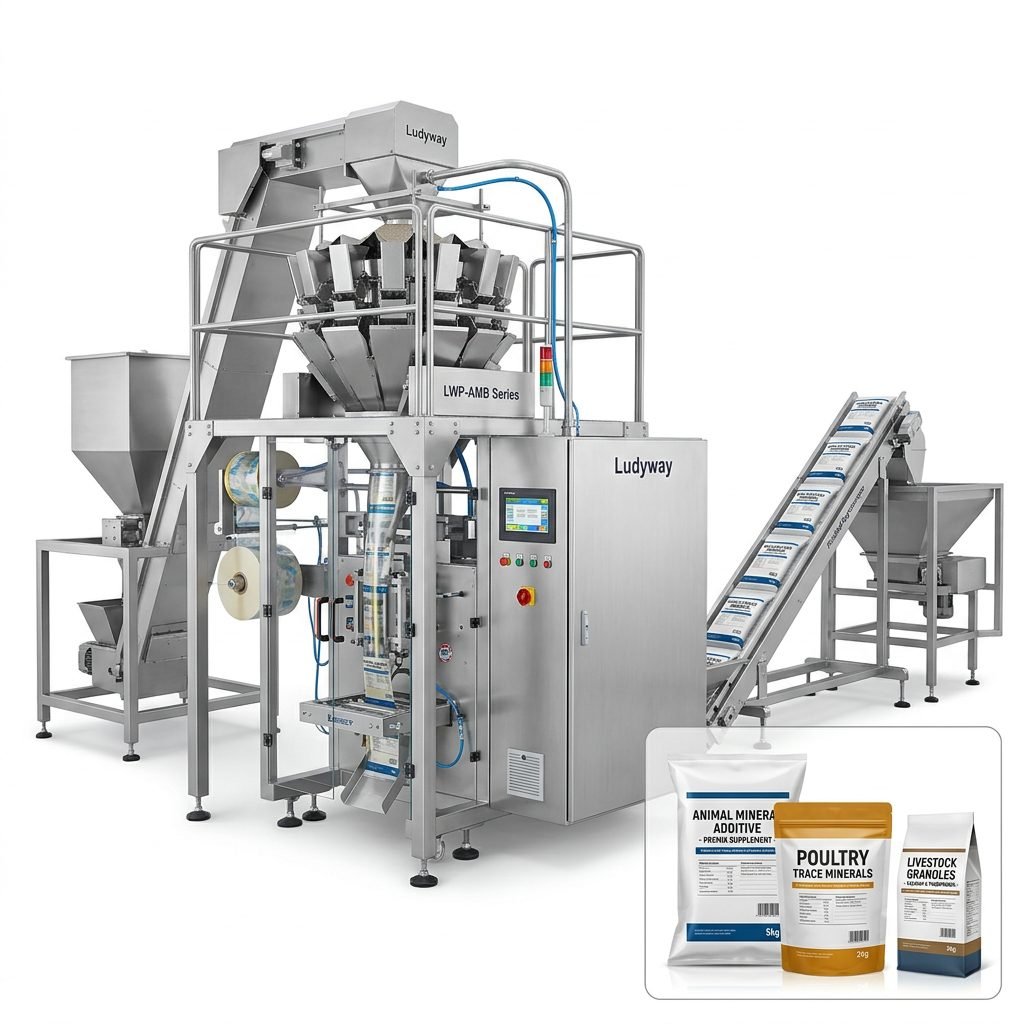
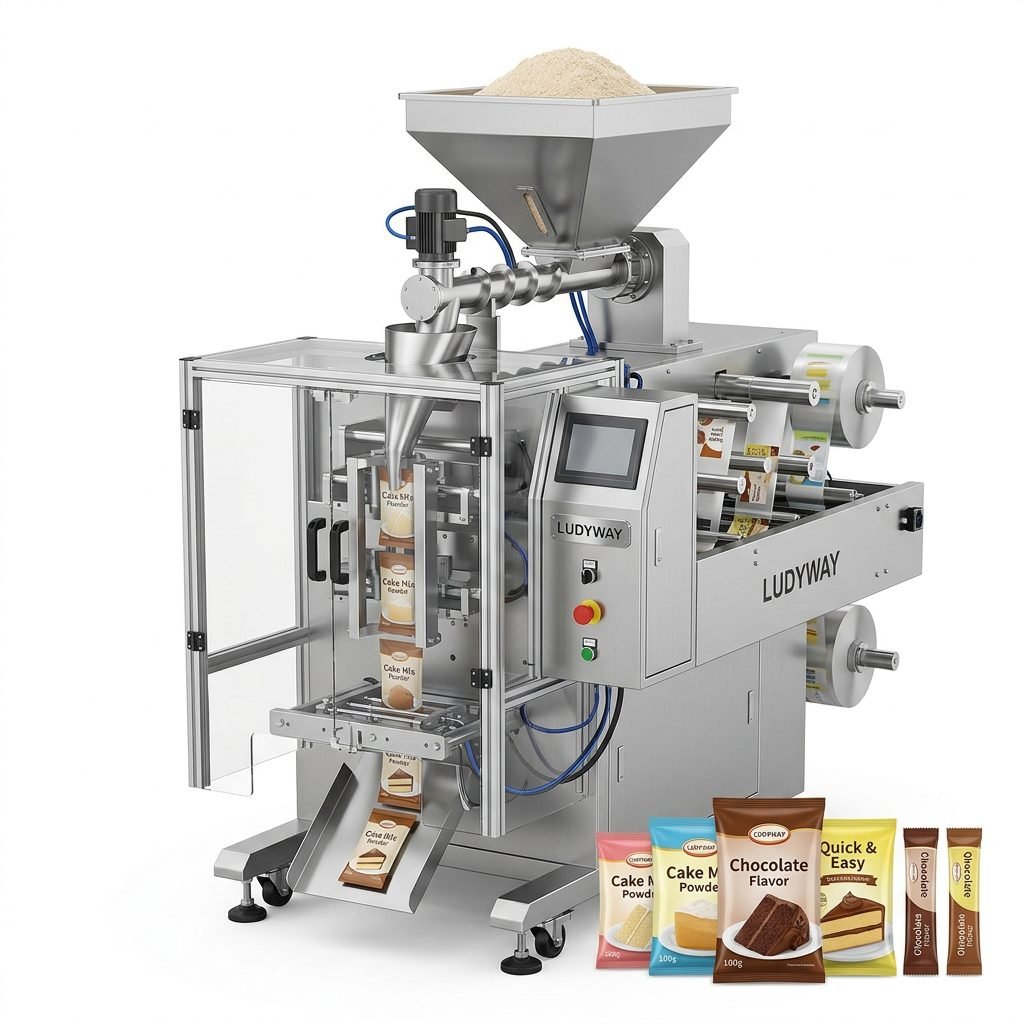
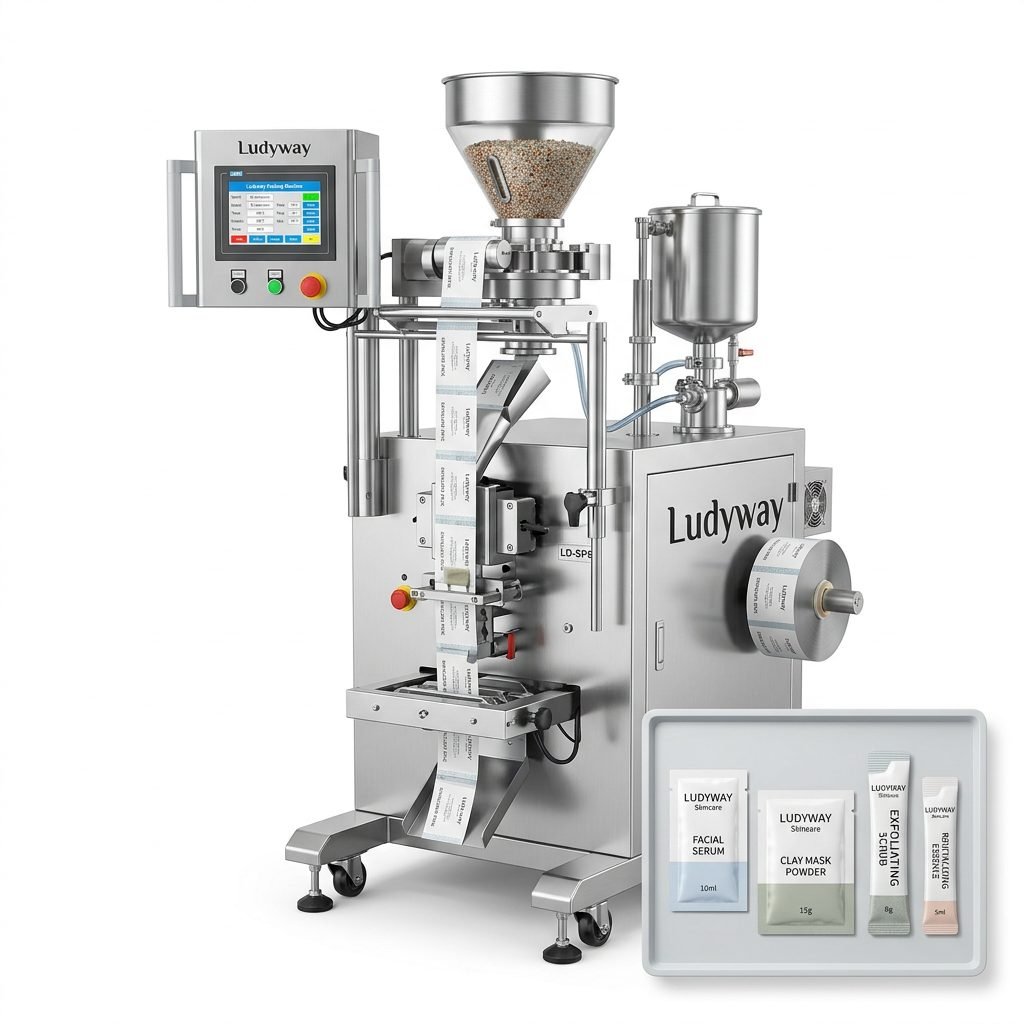
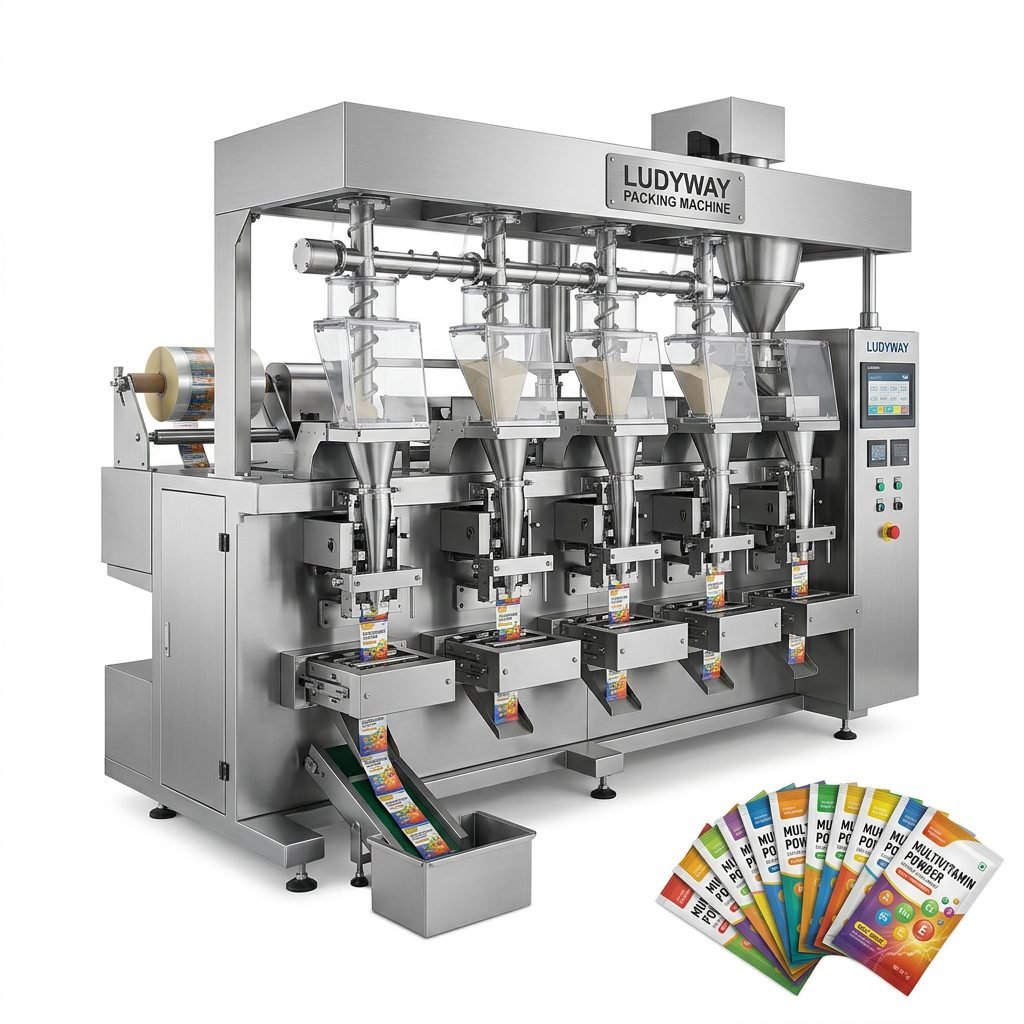
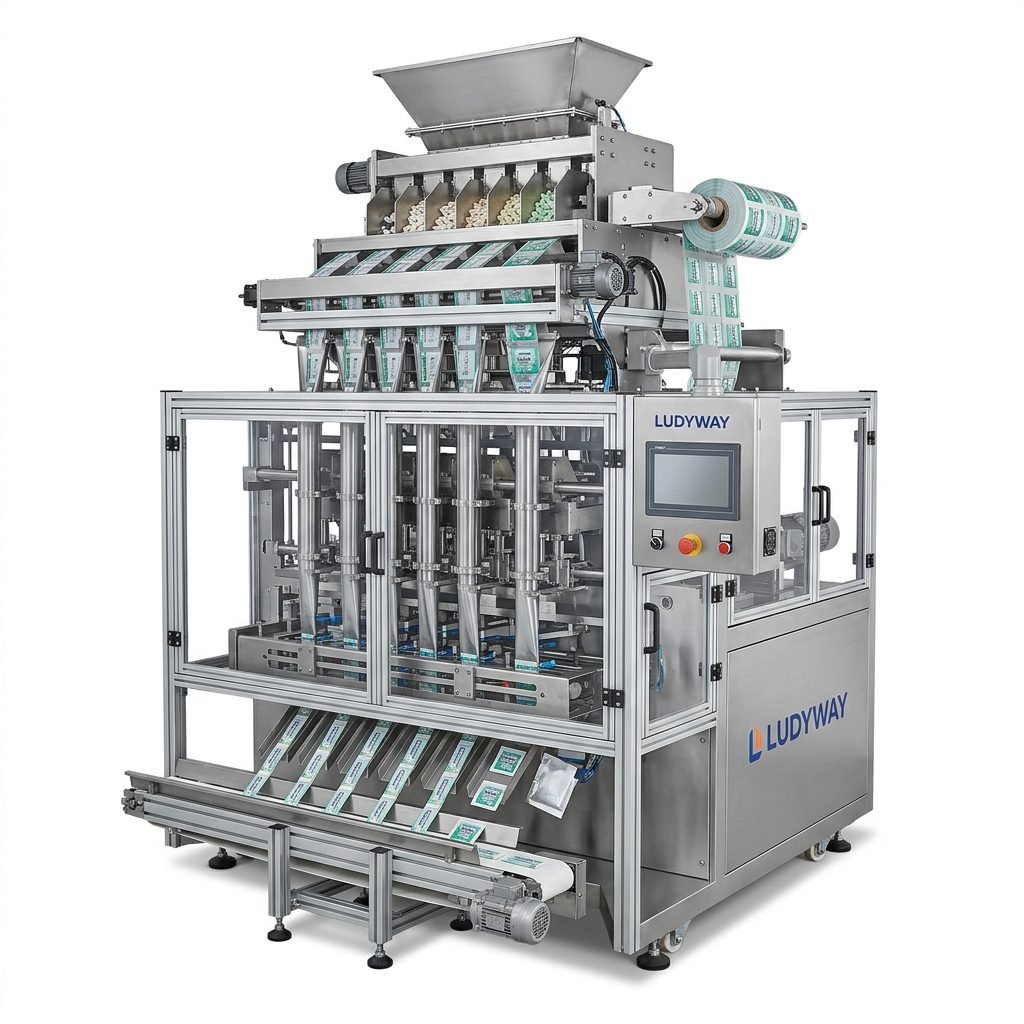
The workhorse of the industry, VFFS machines are renowned for their efficiency and versatility. They create pouches from a roll of flat packaging film in a continuous, vertical process. The film is formed into a tube, the bottom is sealed, the product is filled, and then the top is sealed before the individual pouch is cut off. This method is exceptionally popular for packaging granules, powders, snacks, and liquids. Machines like the advanced multi-lane stick pack machines are a sophisticated evolution of VFFS technology, capable of producing multiple small stick packs simultaneously for unparalleled output.
Horizontal Form-Fill-Seal (HFFS) Machines
While less common for simple pouches, HFFS machines excel in creating more complex package structures. The film travels horizontally, and pouches are often formed, filled, and sealed in a staggered layout. This technology is ideal for producing stand-up pouches (doypacks) with gussets, as well as four-side-seal pouches often used for tea, sauces, or single-serve condiments. They offer excellent registration control for high-quality graphics.
Pre-Made Pouch Fillers
This system uses pouches that are already manufactured (pre-made). The machine’s function is to open, fill, and then seal these pouches. This is an excellent solution for businesses that require unique, complex, or high-quality printed pouches that are difficult to form on-site from a roll. It offers great flexibility in pouch material and design but may operate at slightly lower speeds than VFFS systems for simple formats.
Working Principles: From Film to Finished Pouch
Understanding how these machines operate demystifies the packaging process and highlights the engineering involved. The core sequence for a typical VFFS machine involves several precise stages.
1. Film Feeding and Forming
A roll of laminated packaging film is mounted on an unwind stand. The film is fed precisely into the machine’s forming area. Here, a forming tube (or shaping collar) guides the flat film into a cylindrical shape around the tube. The longitudinal (back) seal is created, turning the film into a continuous tube.
2. Bottom Sealing and Filling
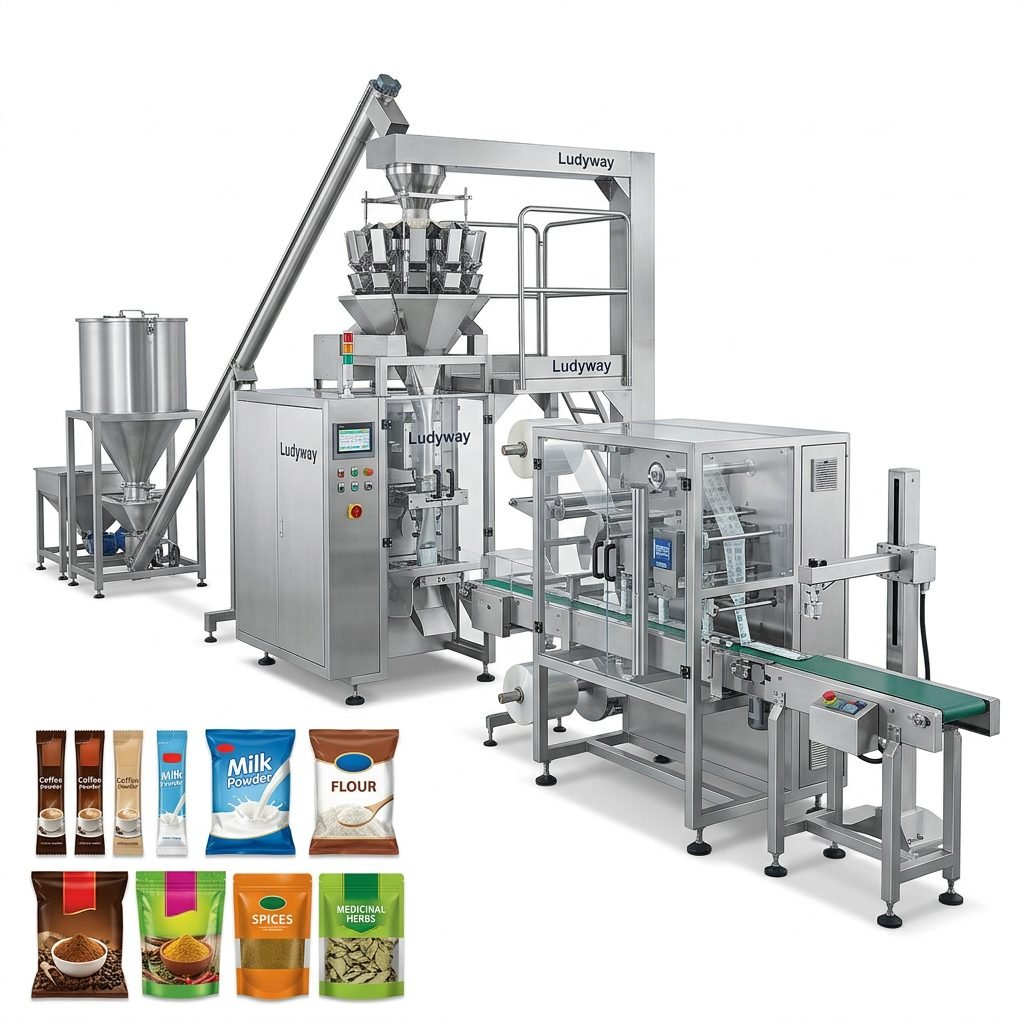
Cross-sealing jaws, often heated, close to create the hermetic bottom seal of the pouch. Immediately after, the measured product is dispensed through the center forming tube into the newly formed pouch cavity. Fillers can be volumetric cups, auger systems for powders, or liquid pumps, chosen based on product characteristics.
3. Top Sealing and Cutting
Once filling is complete, the cross-sealing jaws move to the position above the product to create the top seal of the current pouch and simultaneously form the bottom seal of the next pouch. A cutting mechanism, either integrated into the jaws or separate, then cleanly separates the finished pouch from the film tube. The cycle repeats at high speeds, often ranging from 40 to over 200 pouches per minute.
How to Choose the Right Equipment for Your Needs
Investing in pouch packaging machinery is a significant decision. A methodical evaluation of your specific requirements will guide you to the optimal solution.
1. Define Your Product and Pouch Specifications
This is the foundational step. You must have clear answers to:
- Product Type: Is it a free-flowing granule, a cohesive powder, a viscous liquid, or a solid piece? This determines the filling system (auger, pump, volumetric).
- Pouch Style & Size: Do you need a simple three-side-seal pouch, a stand-up pouch with a spout, or a small stick pack? What are the dimensions and required seal width?
- Production Volume: What are your required output speeds (pouches per minute)? This directly impacts machine selection and cost.
2. Evaluate Machine Features and Capabilities
With your specs in hand, assess machines against them. Key features to scrutinize include:
- Filling Accuracy: Look for machines with servo-driven augers or pumps for ±1% or better accuracy, crucial for cost control and compliance.
- Sealing System: Ensure the heating system (impulse, constant heat) and jaw design are suitable for your film material to ensure strong, consistent seals.
- Changeover Ease: How quickly and simply can you switch pouch sizes or products? Quick-change parts and recipe storage in the PLC are major productivity boosters.
- Hygiene & Construction: For food or pharmaceutical use, stainless steel contact parts and easy-clean designs are non-negotiable.
3. Consider Automation and Integration Level
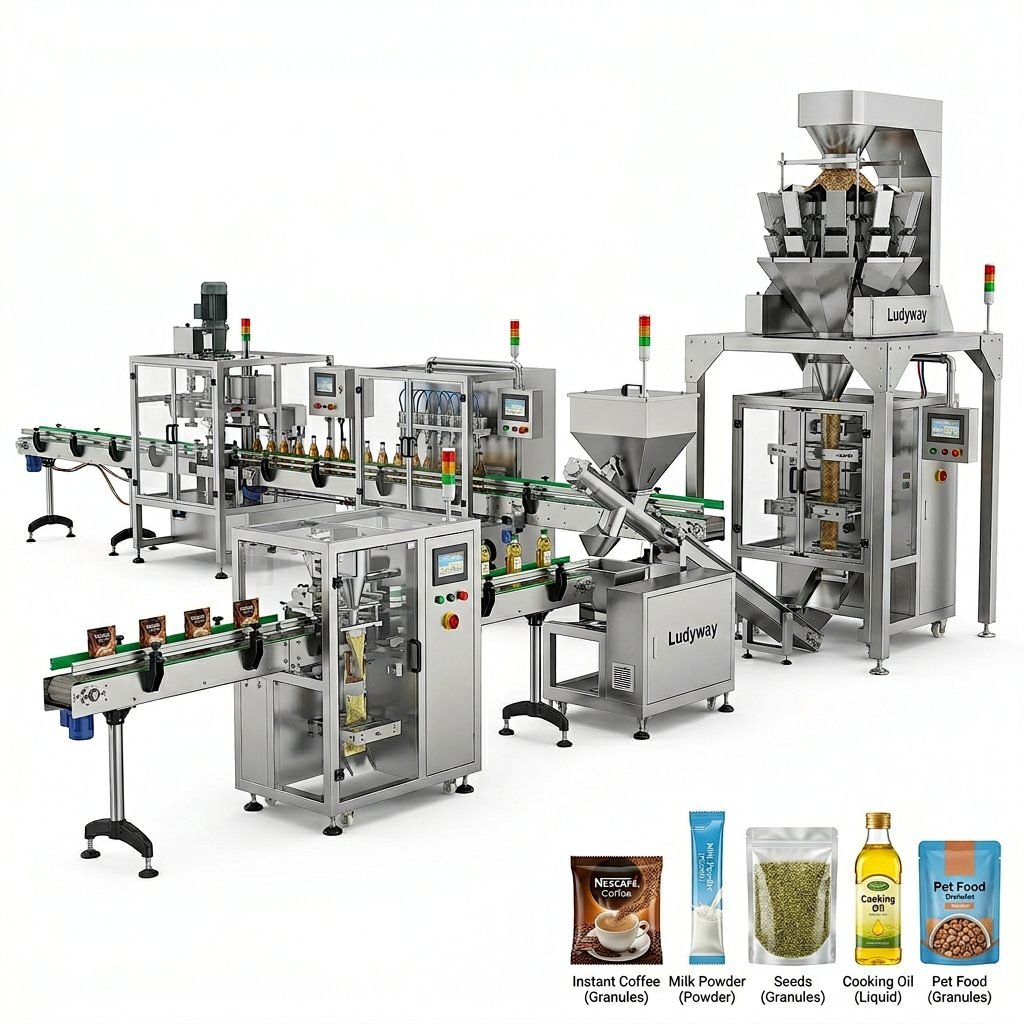
Will the machine stand alone, or will it be part of an integrated line? Consider upstream equipment like precision powder feeders and downstream systems like checkweighers, metal detectors, and cartoners. Choosing a supplier like Ludyway Machinery, which offers turnkey production solutions, can streamline integration and ensure all components work harmoniously.
4. Assess Supplier Support and Reliability
The machine is only as good as the company behind it. Prioritize suppliers with:
- Proven Experience: Look for a track record in your specific industry (e.g., food, pharma).
- Technical Support: Availability of installation, training, and responsive after-sales service is critical for minimizing downtime.
- Quality Manufacturing: A robust production facility and rigorous testing protocols, as demonstrated by suppliers with modern facilities and extensive industry experience, are indicators of long-term machine reliability.
Conclusion
Selecting the right flexible pouch packaging machinery is a strategic investment that impacts your product quality, operational efficiency, and bottom line. By thoroughly analyzing your product needs, understanding the different machine types and their workings, and carefully evaluating potential equipment and suppliers against key criteria, you can make an informed decision. Partnering with an experienced provider ensures you gain not just a machine, but a reliable production solution tailored for growth and success in the competitive packaged goods market.
Frequently Asked Questions (FAQs)
What is the main difference between VFFS and HFFS pouch machines?
The primary difference is the orientation of the packaging process. Vertical Form-Fill-Seal (VFFS) machines operate with the film moving vertically, making them ideal for efficient, high-speed production of standard pouches for granules, powders, and liquids. Horizontal Form-Fill-Seal (HFFS) machines process film horizontally and are better suited for creating more complex pouch structures like stand-up pouches with gussets or four-side-seal formats.
How do I choose between a VFFS machine and a pre-made pouch filler?
Choose a VFFS machine for cost-efficiency, higher speeds, and when you are flexible with pouch design (using film from a roll). Opt for a pre-made pouch filler when your pouch design is complex, requires exceptional print quality, or uses a specialized material that cannot be run from a roll. It offers greater pouch design flexibility at a potentially higher per-pouch material cost.
What factors most affect the speed of a pouch packaging machine?
Machine speed is influenced by: pouch size (smaller pouches can often be run faster), product characteristics (free-flowing products fill faster than viscous ones), the type of filling system, and the sealing method. The machine’s mechanical design and drive system (servo vs. mechanical) are also fundamental determinants of maximum operational speed.
Can one machine handle different types of products, like powders and liquids?
Some machines are designed as multi-purpose platforms. However, switching between radically different product types (e.g., dry powder to viscous liquid) typically requires changing the filling system (e.g., swapping an auger filler for a pump). It is crucial to discuss your specific product range with the supplier to ensure the machine can be configured or easily adapted for all your needs.
Why is supplier experience important when buying packaging machinery?
An experienced supplier brings invaluable expertise in application engineering, helping you avoid costly mistakes in machine selection. They provide reliable technical support, readily available spare parts, and proven process knowledge to optimize your packaging line for efficiency and longevity, ensuring your investment delivers maximum value over time.