The global packaging machinery market is undergoing a transformative shift, driven by the relentless pursuit of efficiency, sustainability, and adaptability in manufacturing. Automation stands at the core of this evolution, reshaping how products from food and beverages to pharmaceuticals and consumer goods are prepared for the global marketplace. This deep dive explores the key types of machinery, their diverse applications, and the overarching trends fueling the automation revolution.
Core Machinery Types Defining the Market
The landscape of packaging machinery is vast, but several key types form the backbone of modern automated lines.
Filling and Sealing Machines
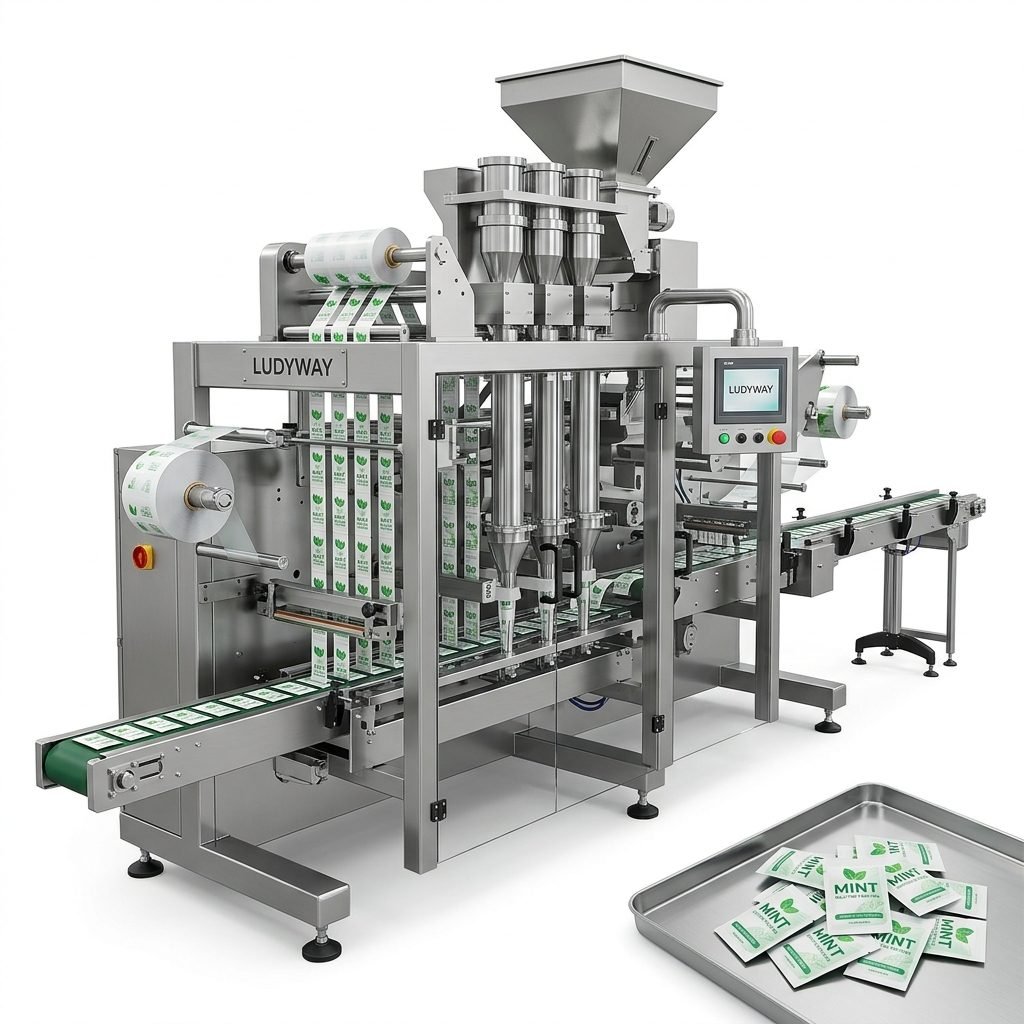
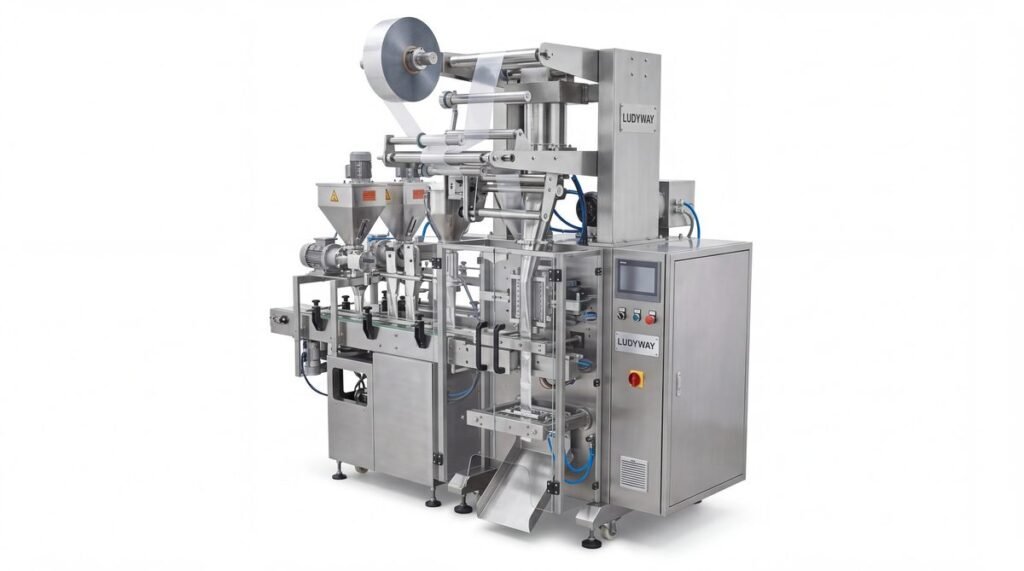
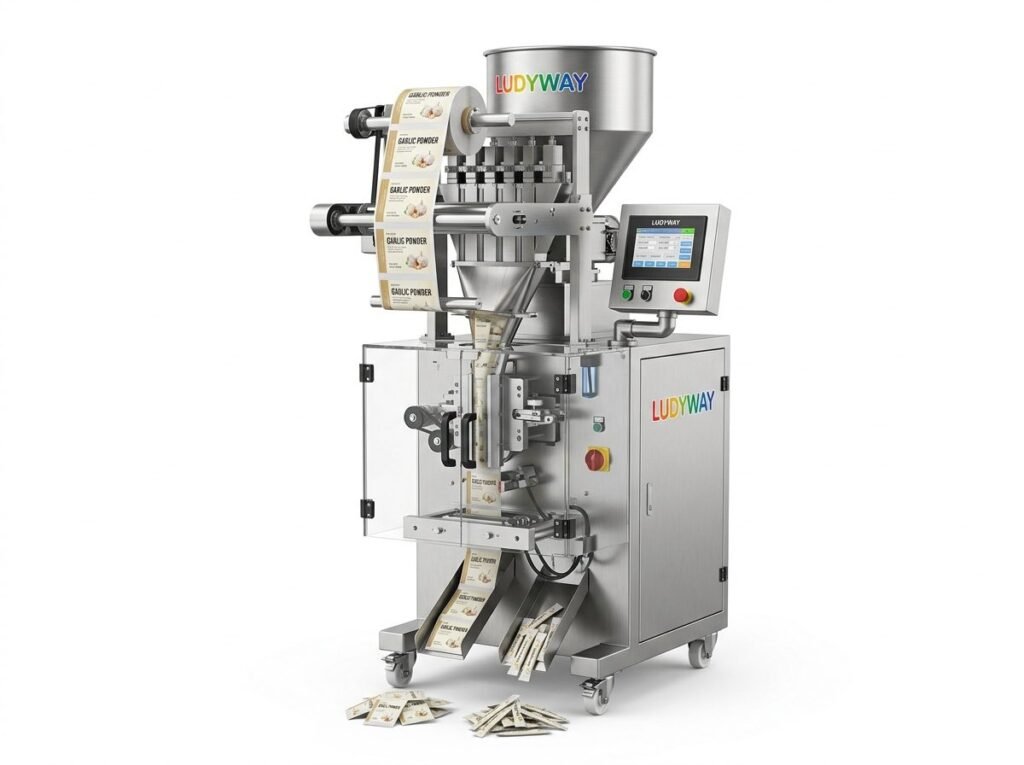
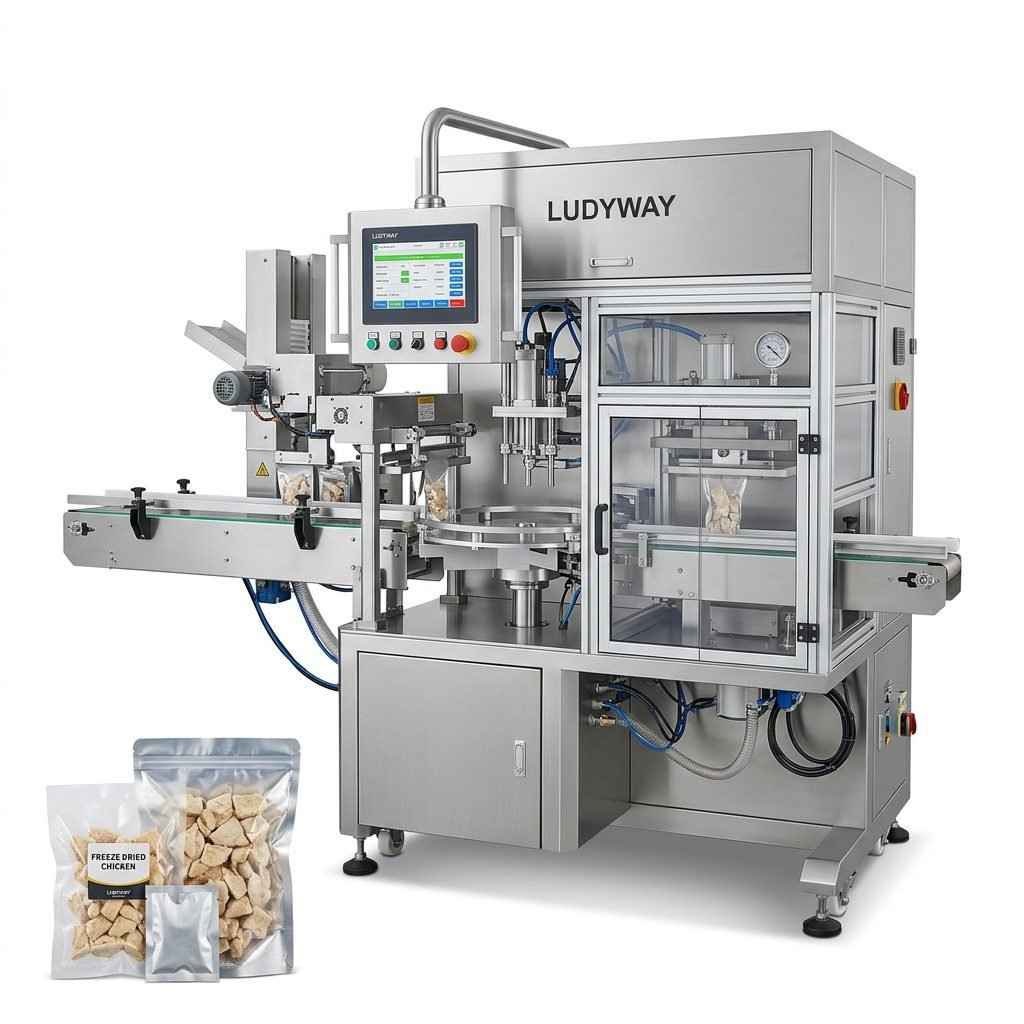
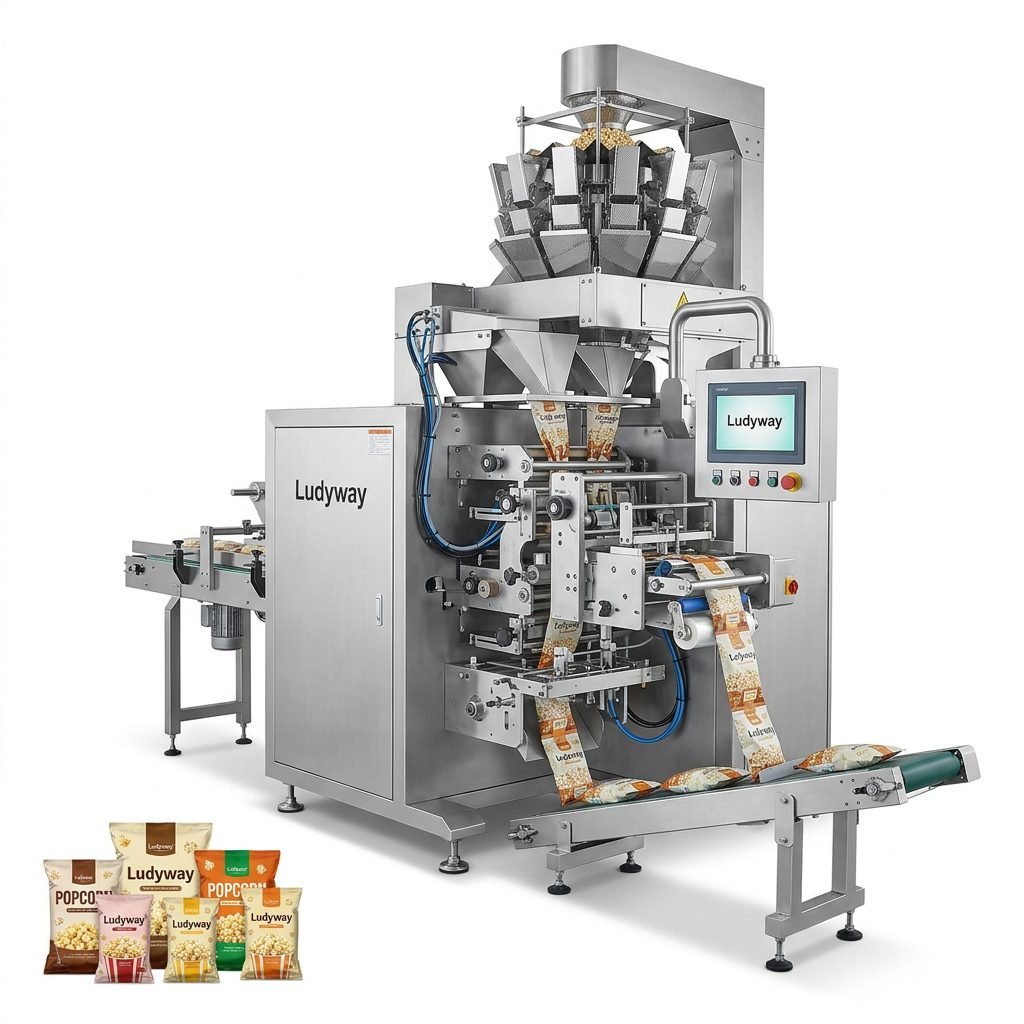
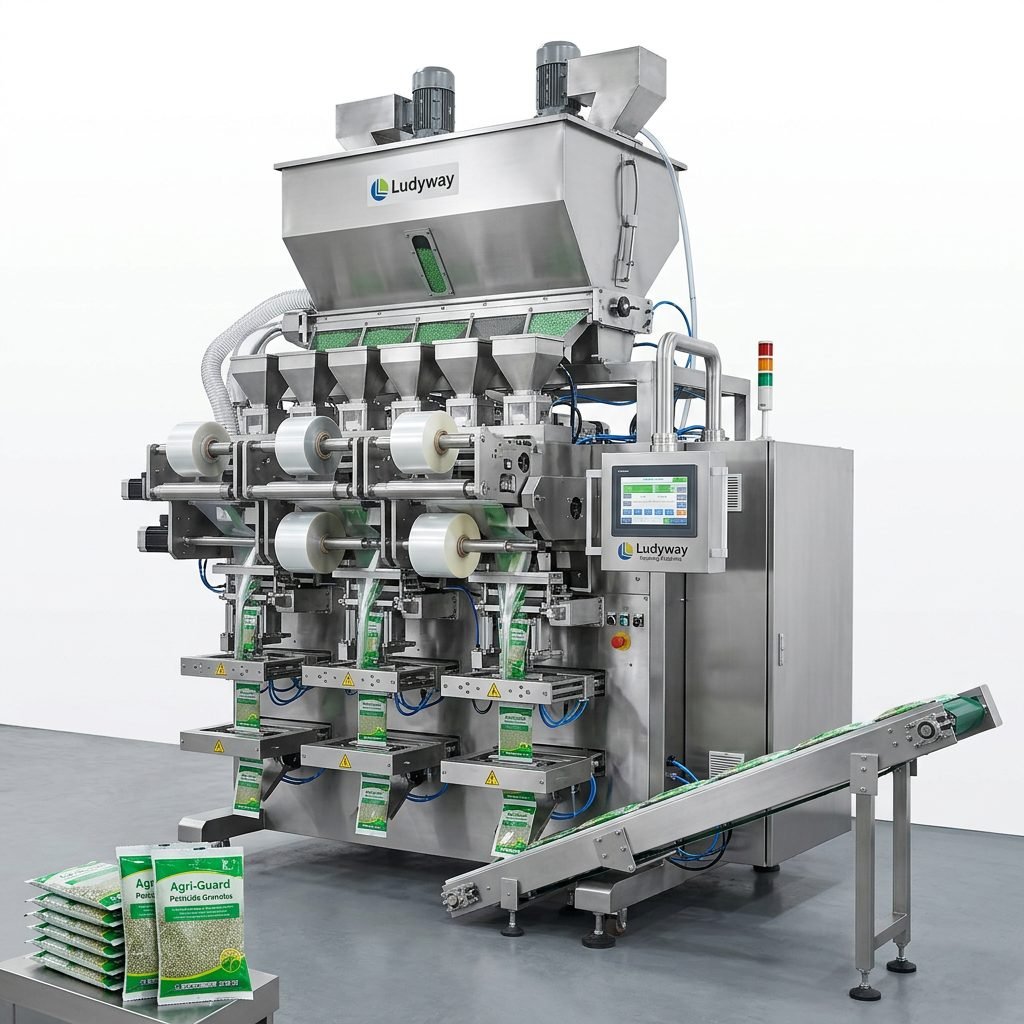
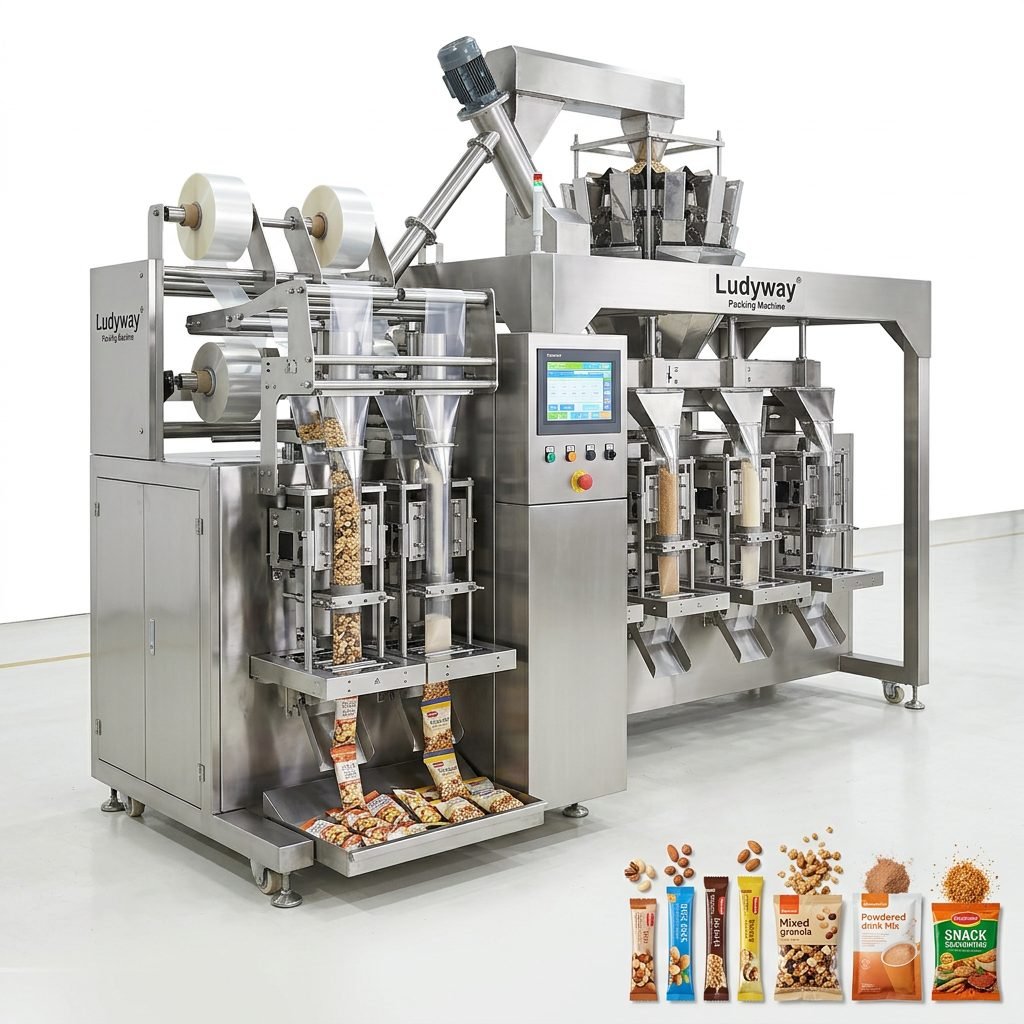
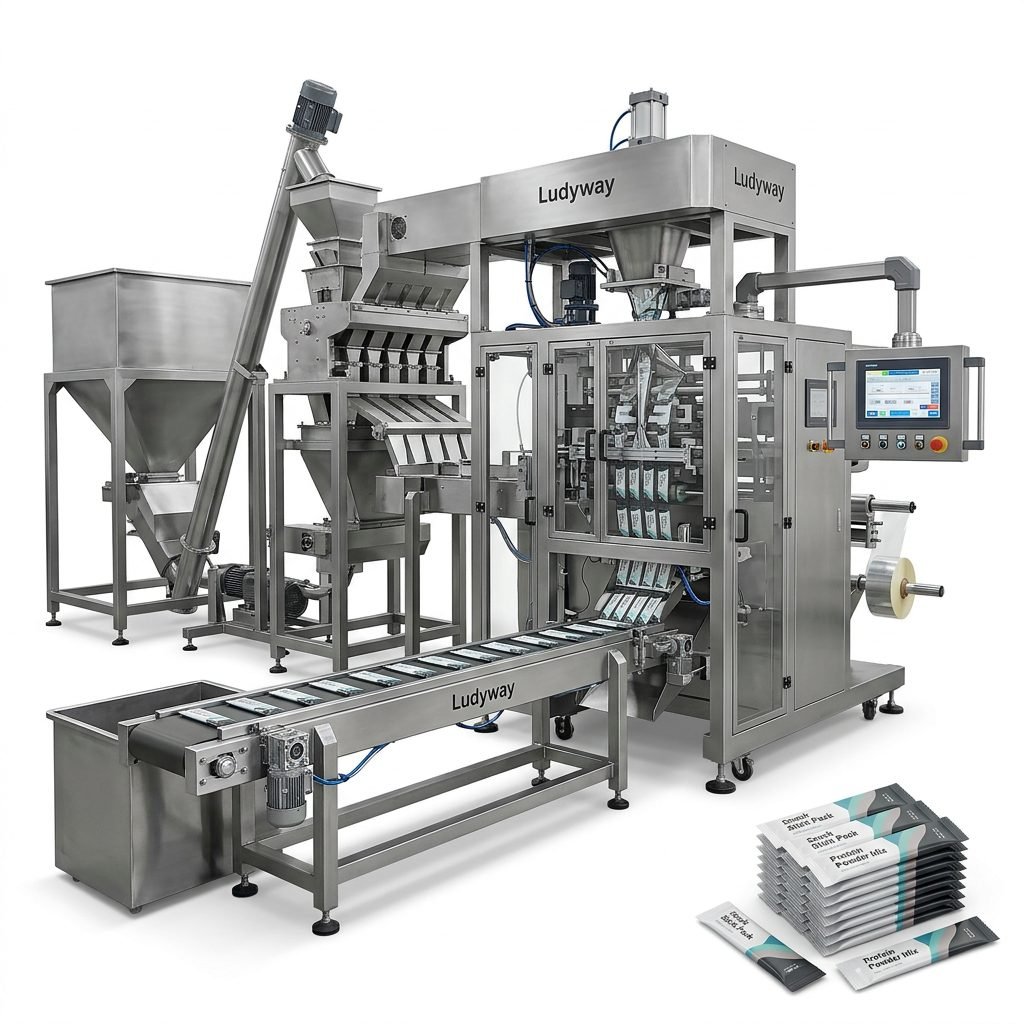
These are the workhorses of packaging, responsible for accurately dispensing product and creating a secure seal. This category includes versatile sachet and stick pack machines, ideal for single-serve portions of sauces, sugar, or pharmaceuticals. For bulkier goods, form-fill-seal (FFS) machines create the package from a roll of film, fill it, and seal it in one continuous operation, offering incredible speed and material efficiency.
Labeling and Coding Equipment
Critical for compliance, branding, and traceability. Automated labelers apply pressure-sensitive labels with precision, while coders print batch numbers, expiry dates, and barcodes directly onto packages or labels. The integration of vision inspection systems here ensures every code is legible and every label is perfectly aligned, preventing costly recalls and maintaining brand integrity.
Cartoning and Palletizing Systems
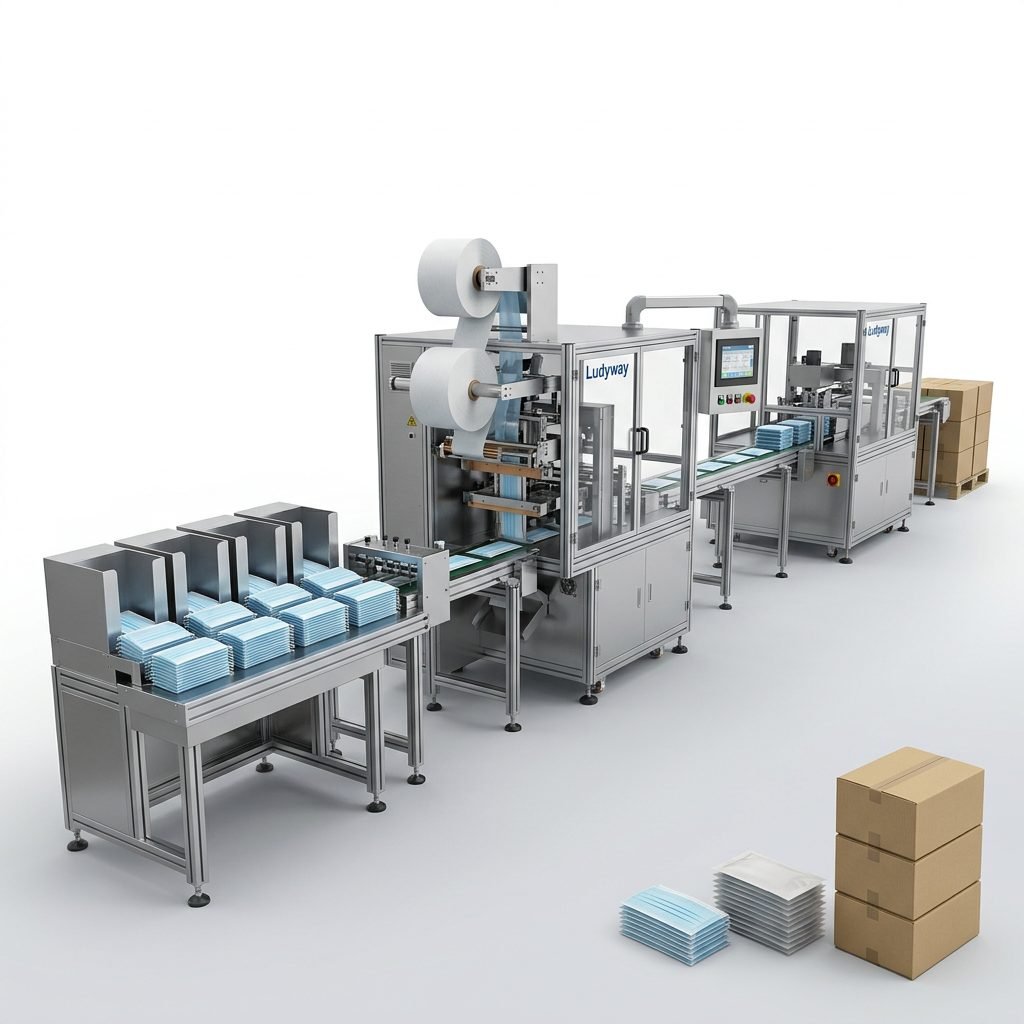
After primary packaging, automation continues with secondary and tertiary processes. Automatic cartoners erect, load, and seal boxes, often interfacing directly with filling lines. Robotic palletizers then arrange these cartons onto pallets in stable, optimized patterns. This end-of-line automation drastically reduces manual labor, minimizes product damage, and optimizes logistics and warehouse space.
Diverse Applications Across Global Industries
The drive for automation is universal, but its implementation is finely tuned to the unique demands of each sector.
Food & Beverage: Speed and Hygiene
This sector demands blistering speeds and impeccable hygiene standards. Automated lines handle everything from packaging snacks and coffee to bottling beverages and packaging fresh produce. Modular machinery designs allow producers to quickly switch between products and package sizes to meet fluctuating consumer demands and seasonal trends, a key consideration for markets with diverse consumption patterns.
Pharmaceuticals: Precision and Compliance
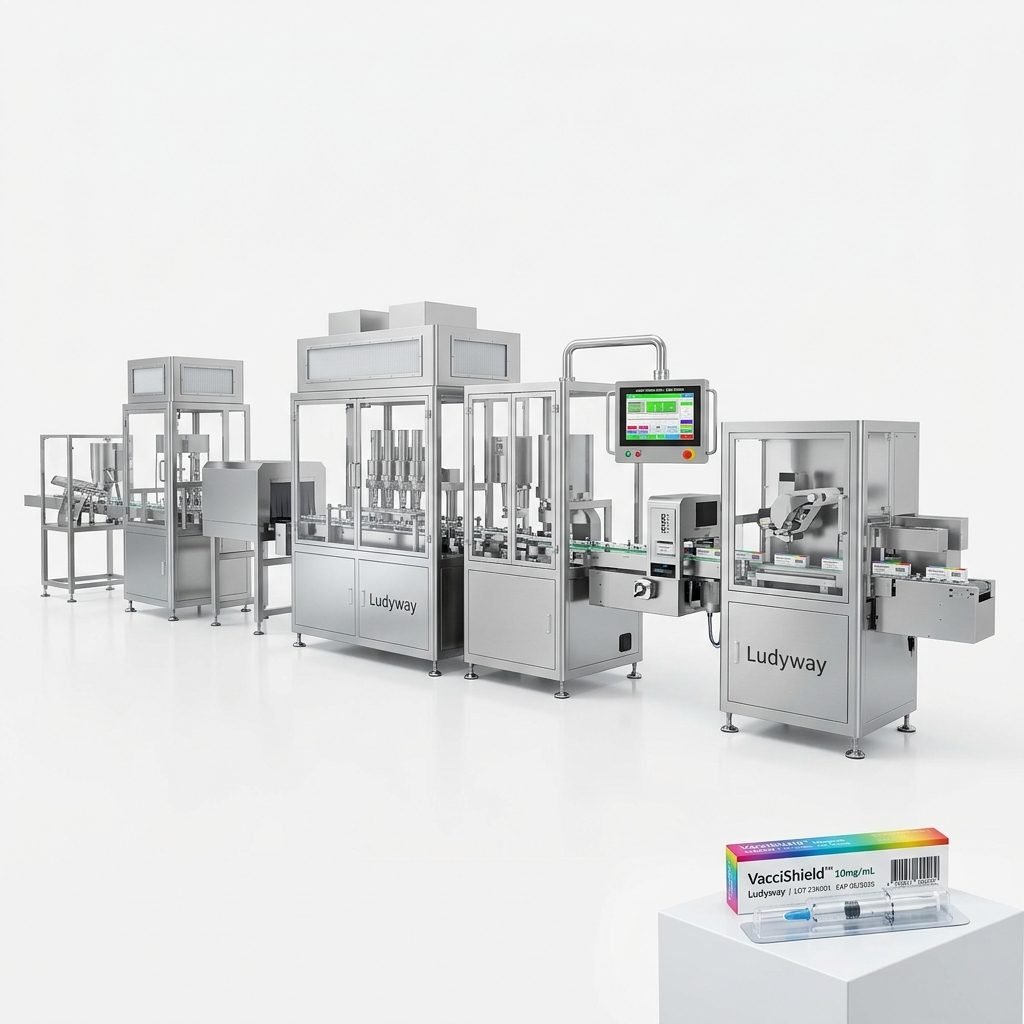
Here, precision and traceability are non-negotiable. Automated blister packers, vial fillers, and powder dosing machines operate in controlled environments, ensuring accurate dosages and sterile conditions. Serialization—printing unique identifiers on each saleable unit—is a major driver, requiring tightly integrated systems that can track and verify every single package to combat counterfeiting.
Consumer Goods and E-commerce
The explosion of e-commerce has created a need for “right-sized” packaging. Automated systems can now select the optimal box size for an order, fill void space, and seal the package, reducing material waste and shipping costs. For products like cosmetics or luxury items, automated lines provide the consistent, high-quality presentation essential for brand perception.
Key Trends Accelerating Automation Adoption
Several interconnected trends are propelling the packaging machinery market forward.
Integration of IoT and Smart Factory Concepts
Modern packaging machines are no longer isolated units; they are data-generating nodes on the factory network. Sensors collect real-time data on output, downtime, and maintenance needs. This connectivity enables predictive maintenance, where potential failures are addressed before they cause stoppages, and provides unparalleled visibility into Overall Equipment Effectiveness (OEE).
Flexibility and Quick Changeover
The era of mass-producing a single SKU is fading. Brands need to offer more variety, leading to shorter production runs. Machinery with quick-change features—where formats can be switched via pre-set recipes on an HMI—minimizes changeover time from hours to minutes, maximizing production uptime and enabling mass customization.
Sustainability-Driven Innovation
Consumer and regulatory pressure is pushing for sustainable packaging. Automation supports this by enabling the use of lightweight, recyclable, or compostable materials that might be harder to run on older equipment. Precision filling reduces product giveaway, and smart systems optimize energy consumption. Automation is a critical enabler for the circular economy in packaging.
Collaborative Robotics (Cobots)
Cobots are making automation accessible for tasks that are repetitive yet variable. They can be deployed for secondary packaging, palletizing, or machine tending without the need for extensive safety caging. Their flexibility allows them to be easily reprogrammed for new tasks, making them ideal for small and medium-sized enterprises looking to automate gradually.
The Role of Specialized Providers
Navigating this complex landscape often requires partnership with experienced specialists. Companies like Ludyway Packing Machine, with decades of focused industry experience, exemplify this role. They provide more than just equipment; they offer turnkey solutions that integrate various machinery types into a cohesive, high-performance line. From initial consultation and custom engineering to installation and after-sales support, these partners ensure that automation investments deliver on their promise of efficiency, quality, and reliability for global production needs.
The trajectory is clear: the future of packaging is intelligent, connected, and flexible. As technologies like artificial intelligence and advanced robotics mature, their integration into packaging lines will deepen, creating even more adaptive, self-optimizing systems. For manufacturers worldwide, staying competitive will hinge on embracing these automated solutions to achieve greater agility, sustainability, and resilience in an ever-changing market.
Frequently Asked Questions (FAQs)
What are the main benefits of automating a packaging line?
The primary benefits include significantly increased production speed and output, improved consistency and accuracy in filling and sealing (reducing product giveaway), enhanced worker safety by removing personnel from repetitive or hazardous tasks, and lower long-term operational costs through better resource utilization and data-driven efficiency.
How do I choose the right type of packaging machine for my product?
Selection depends on several key factors: your product’s form (granule, powder, liquid, solid), the required packaging materials (film, pouch, bottle, carton), your desired production speed (packages per minute), and your budget. Consulting with an experienced packaging machinery provider who can analyze your specific needs and potentially run product tests is the most reliable path to choosing the correct equipment.
Can automated packaging lines handle small batch production or frequent changeovers?
Yes, modern lines are designed for flexibility. Machines with quick-change features, modular designs, and user-friendly HMIs allow for rapid switchovers between different products or package sizes. This makes automation economically viable even for manufacturers with a high mix of SKUs and shorter production runs.
What is the importance of IoT in packaging machinery?
The Internet of Things (IoT) transforms machinery into smart, connected assets. It enables real-time monitoring of production data, predictive maintenance to prevent unplanned downtime, remote diagnostics and support, and seamless data integration into factory-wide management systems (MES/ERP). This leads to smarter decision-making and higher overall productivity.
How does automation support sustainable packaging goals?
Automation enables the precise use of materials, minimizing waste from overfilling or packaging errors. It allows manufacturers to successfully run newer, thinner, or more challenging recyclable/biodegradable materials that require precise handling. Furthermore, energy-efficient drives and smart systems that power down during idle periods contribute to a reduced carbon footprint for the packaging operation.