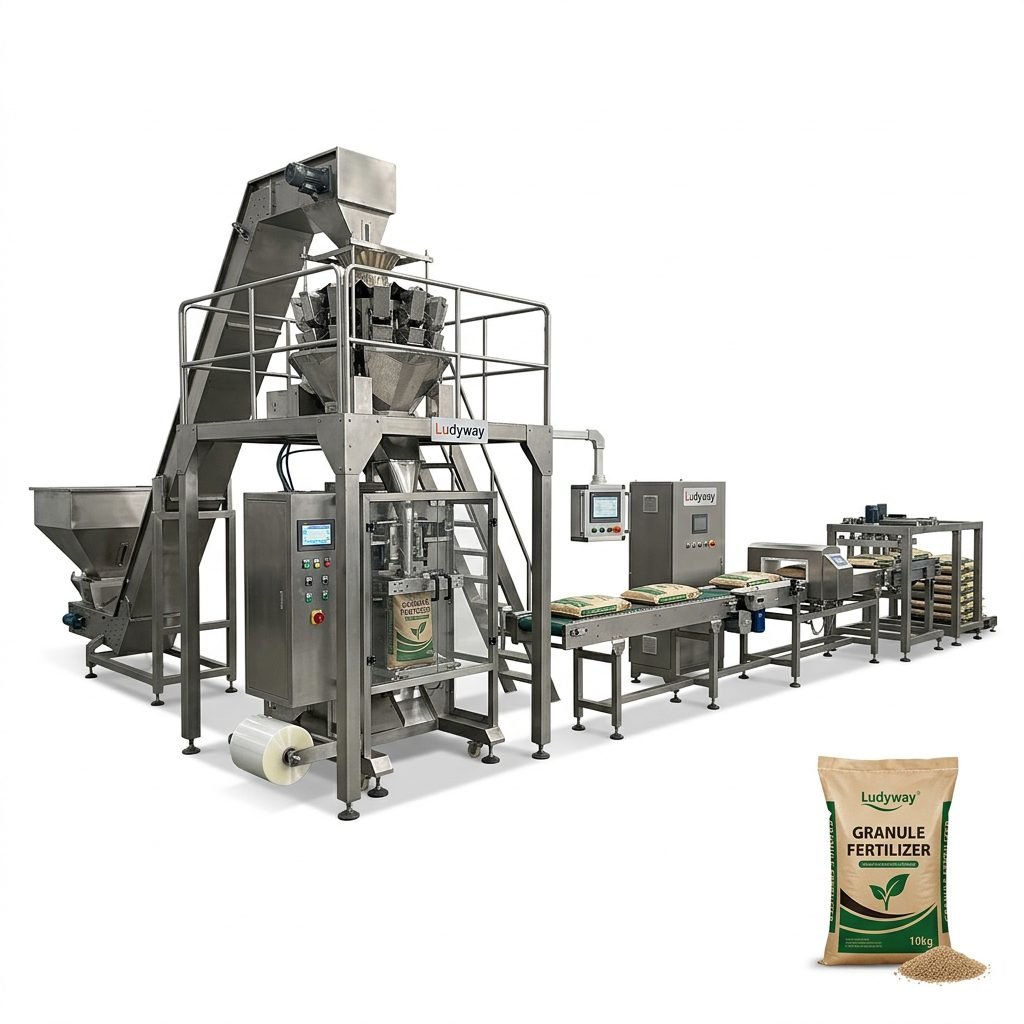
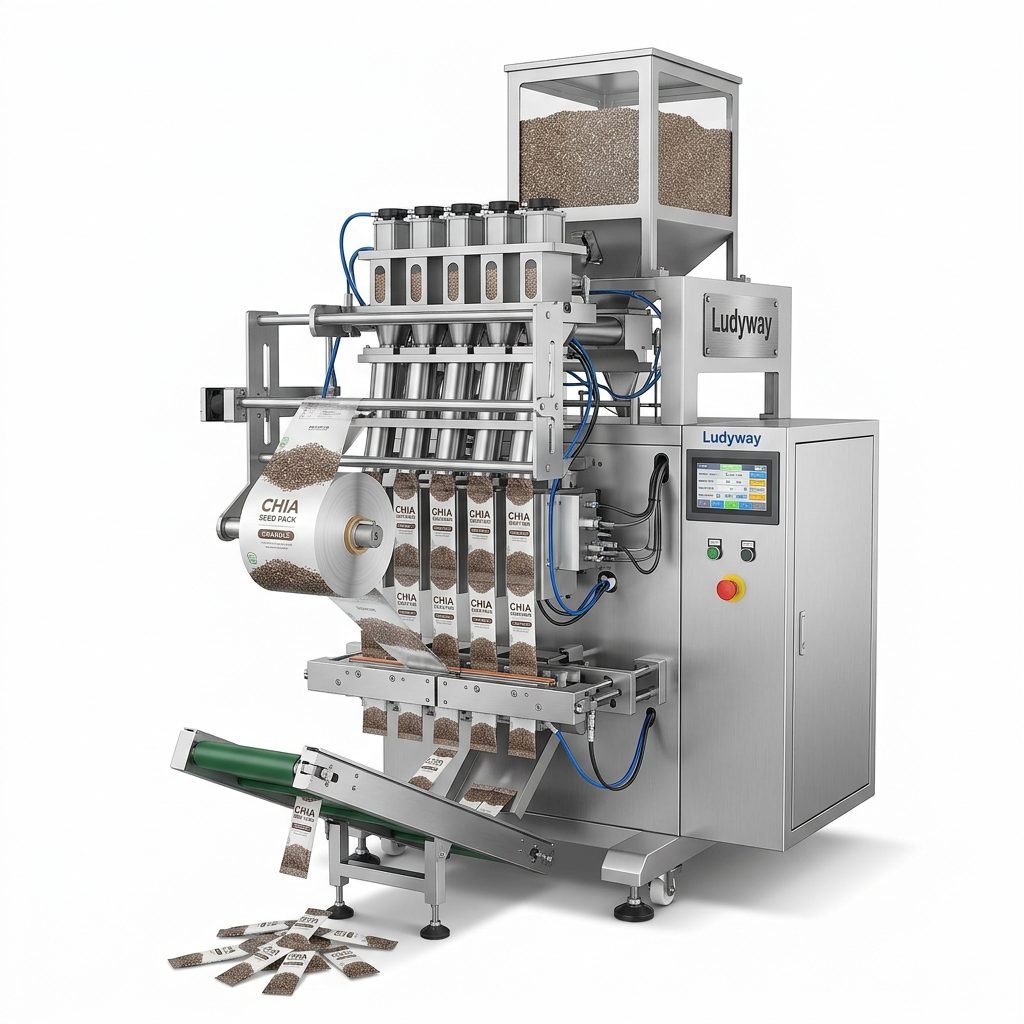
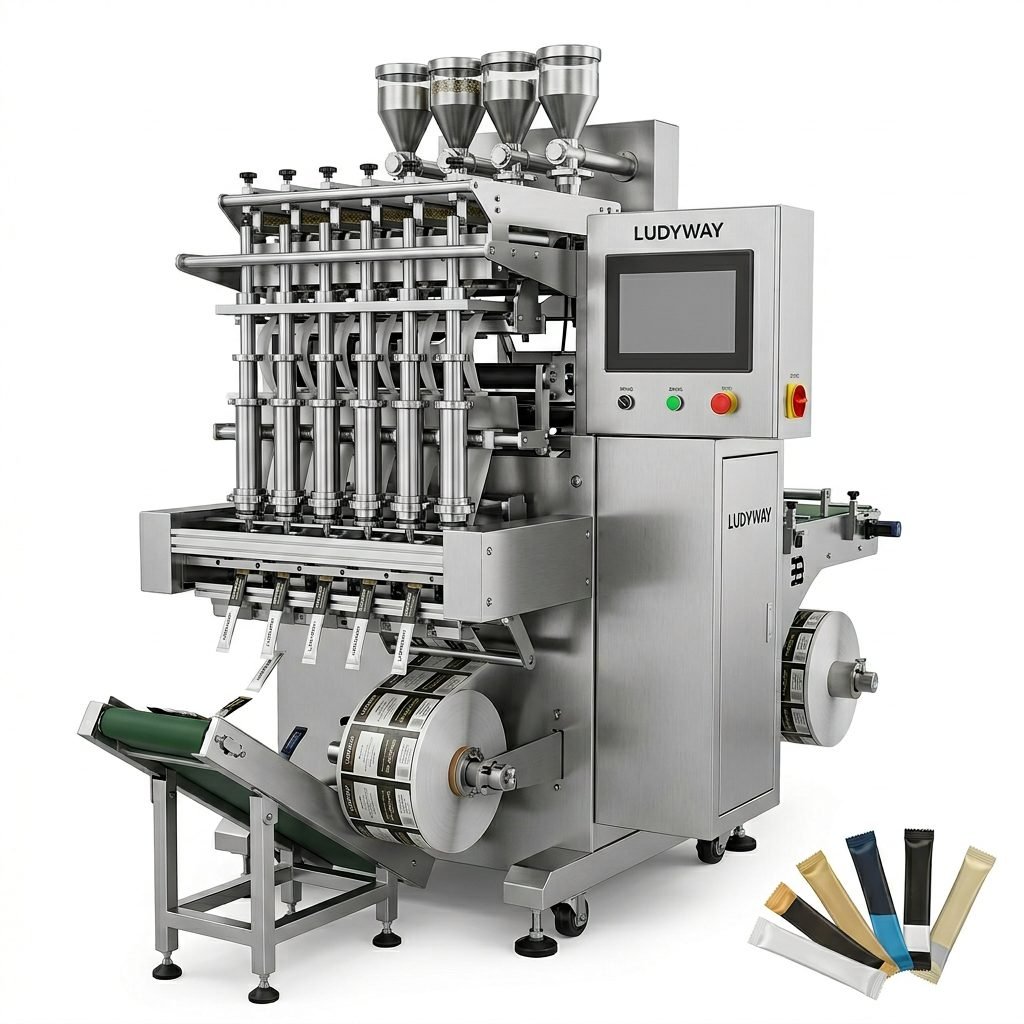
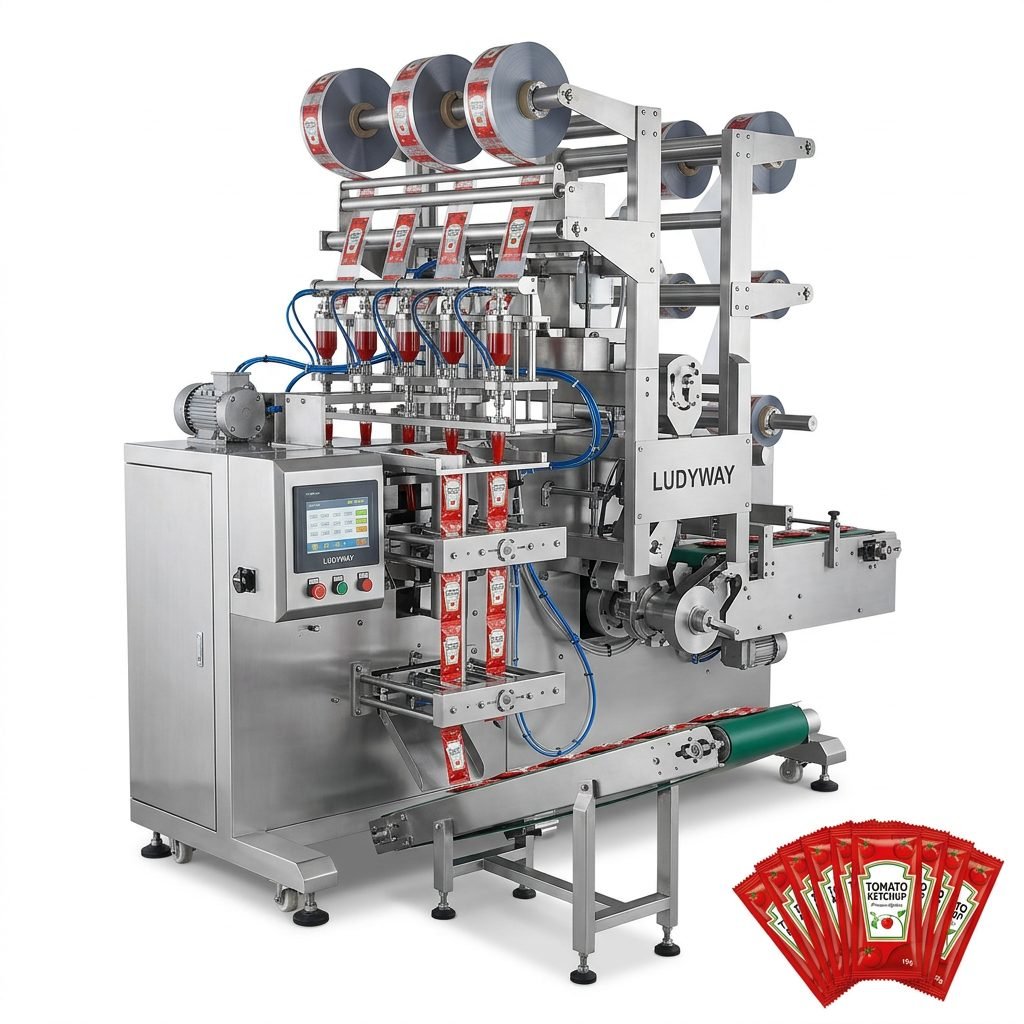
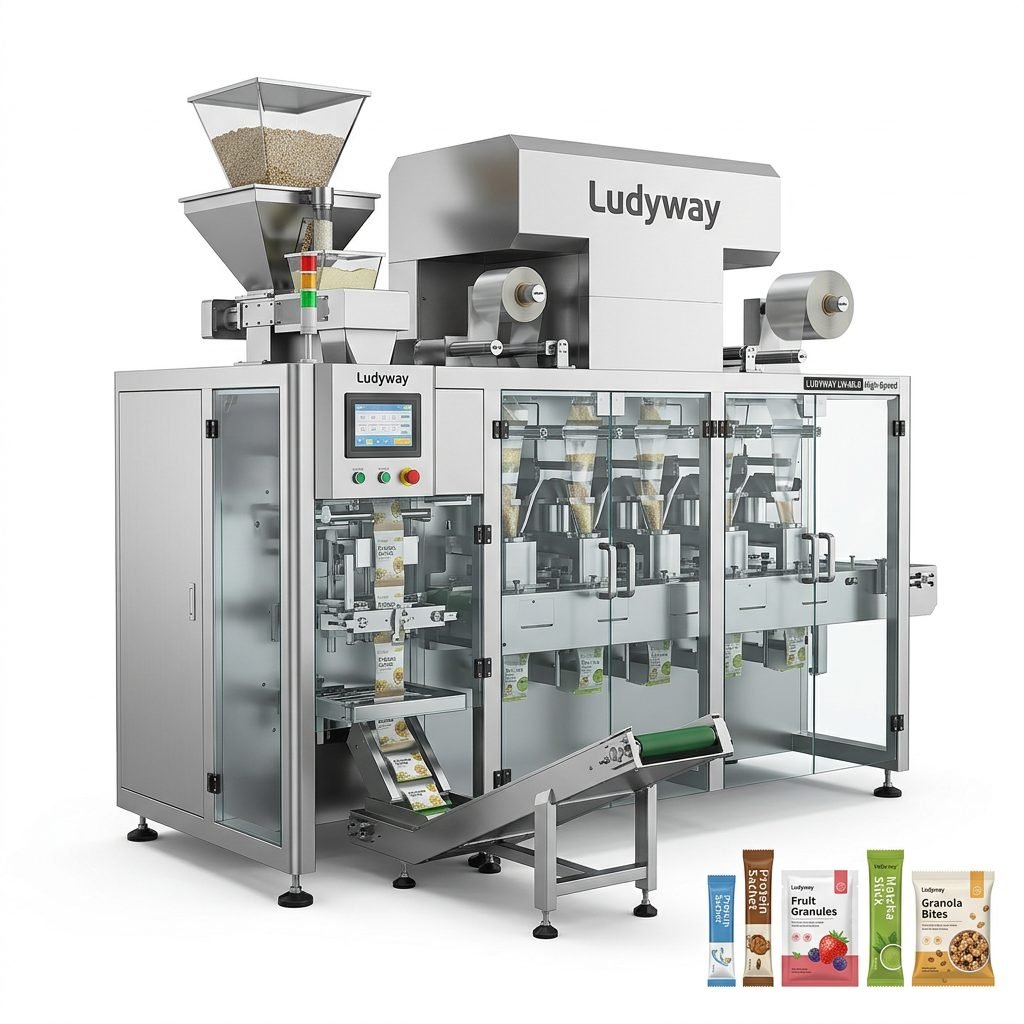
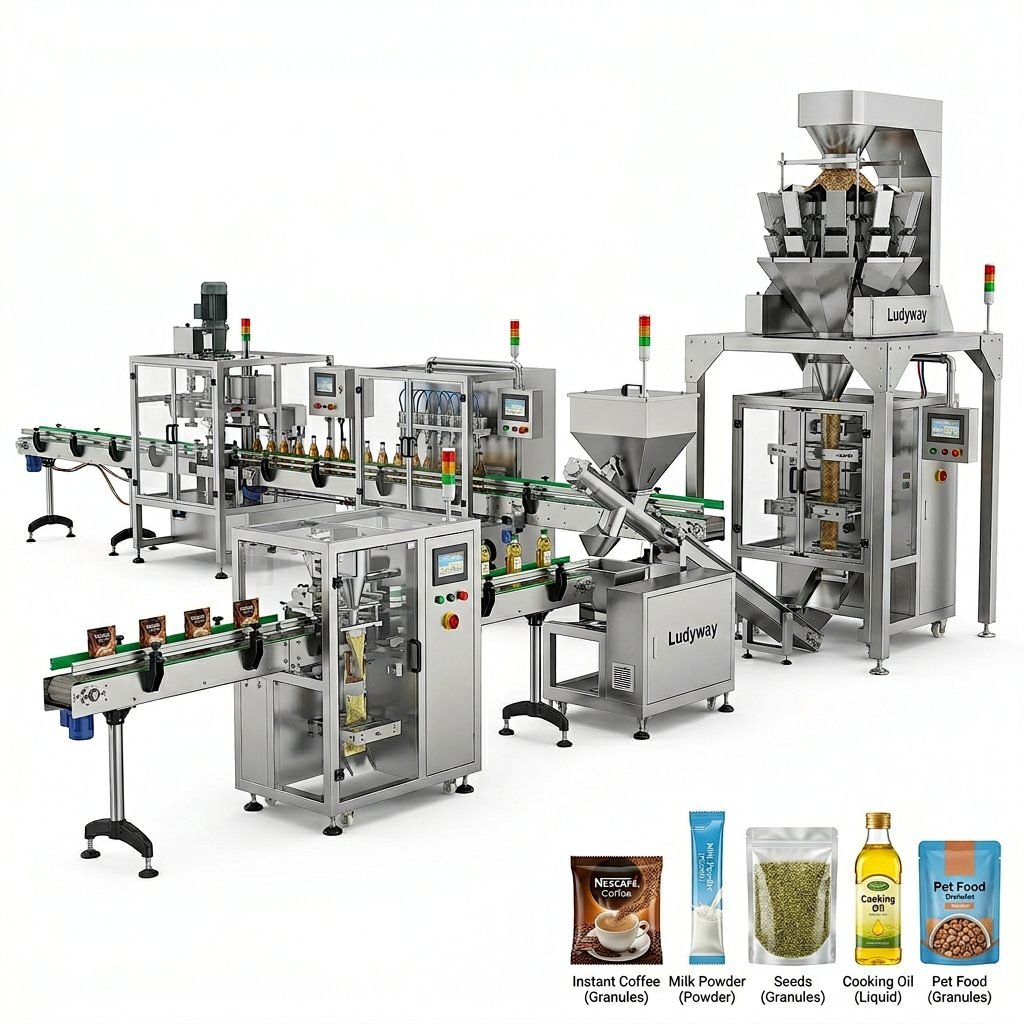
A thermoforming vacuum packaging machine is a high-efficiency system that forms packaging directly from roll stock, fills the package with product, removes air, and seals it in one continuous automated process. It is widely used in food, pharmaceutical, medical, and industrial packaging because it delivers strong pack integrity, longer shelf life, clean presentation, and scalable production performance.

What Is a Thermoforming Vacuum Packaging Machine?
This machine is also known as a thermoform fill seal vacuum packaging machine. It uses a bottom film that is heated and shaped into trays or cavities. Products are placed into those formed pockets, and then a top film is sealed over them after vacuumizing the chamber. Depending on the application, the machine can also work with modified atmosphere packaging (MAP), skin packaging, or standard sealing modes.
Unlike pre-made tray systems, thermoforming equipment creates the package on the machine itself. This can reduce material waste, improve line automation, and provide more flexibility for different product sizes and pack formats.
How a Thermoforming Vacuum Packaging Machine Works
The working process is continuous and highly coordinated. Each stage is designed to protect the product while maintaining speed and consistency.
- Bottom film feeding: The lower web film is unwound and advanced into the forming area.
- Heating and forming: Heat and pressure shape the bottom film into trays or cavities.
- Product loading: Products are loaded manually or automatically into the formed pockets.
- Vacuum or gas flushing: Air is removed, and protective gas can be added if required.
- Top sealing: The upper film is applied and heat-sealed to the bottom film.
- Cutting and discharge: Finished packs are cut into final formats and discharged for downstream handling.
Main Working Principle
The key principle is simple: form, fill, vacuum, seal, and cut. This integrated packaging workflow makes the machine suitable for medium- to high-volume production where stable sealing quality and product protection are essential.
Key Components of the Machine
- Forming station
- Product loading area
- Vacuum and gas flushing system
- Sealing station
- Cross-cut and longitudinal cutting units
- Film tracking and tension control system
- PLC and touchscreen control panel
- Date coding or printing integration
| Component | Function |
|---|---|
| Forming Station | Shapes the lower film into custom cavities |
| Vacuum Chamber | Removes air to reduce oxidation and contamination risk |
| Gas Flush Unit | Adds protective gas for MAP applications |
| Sealing Station | Creates airtight, reliable package seals |
| Cutting System | Separates packs into final retail or industrial units |
| Control System | Manages recipes, settings, alarms, and production data |
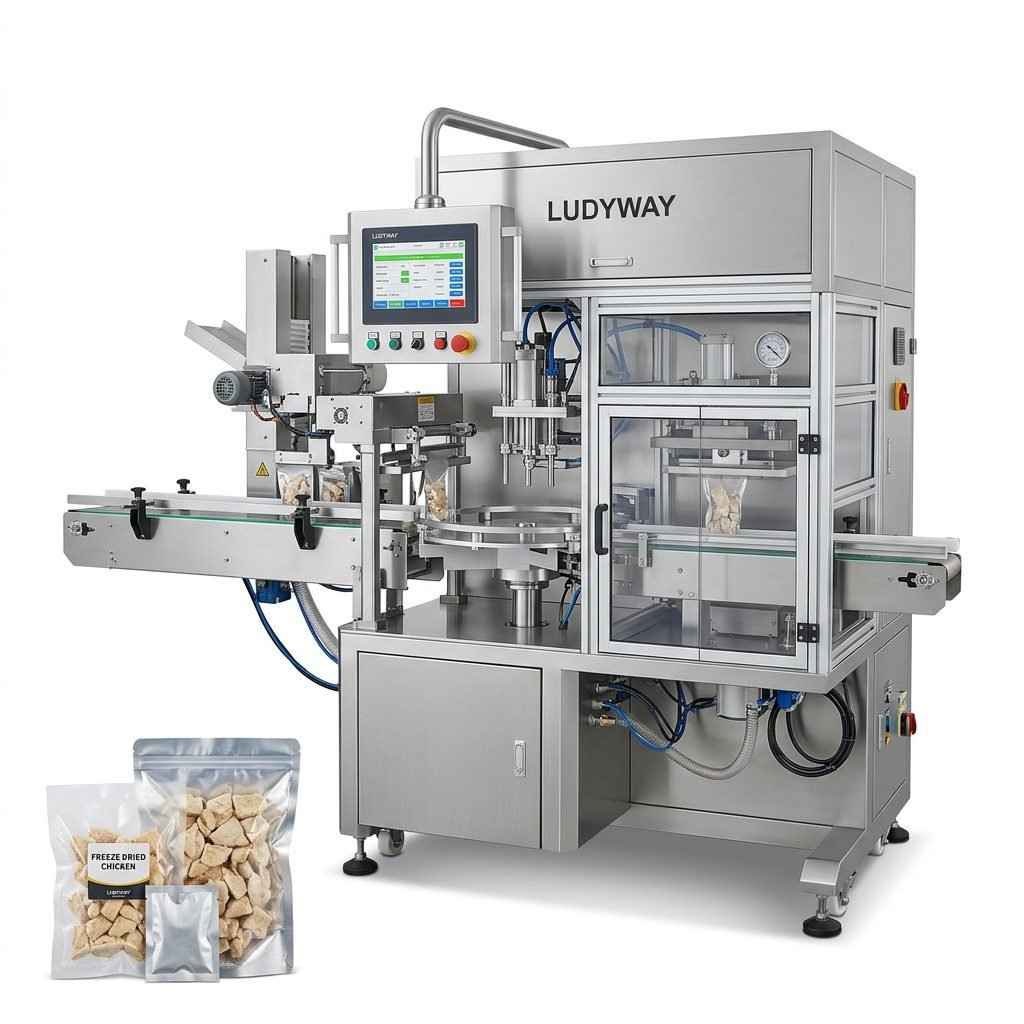
Major Benefits of Thermoforming Vacuum Packaging Machines
1. Extended Shelf Life
By removing oxygen from the package, the machine helps slow oxidation, microbial growth, and product degradation. This is especially valuable for fresh meat, cheese, seafood, ready meals, and processed foods.
2. Better Product Protection
Vacuum-sealed packs provide strong barrier protection against moisture, dust, and external contamination. This supports safer handling, storage, and transportation.
3. Lower Packaging Material Costs
Because the package is formed directly from film rolls, manufacturers can often reduce dependence on pre-formed trays. This may improve material efficiency and reduce storage space requirements.
4. High Automation and Productivity
These machines are designed for continuous production. With automatic loading, coding, inspection, and discharge options, they can significantly reduce labor input while increasing output consistency.
5. Attractive Shelf Presentation
Thermoformed packs can deliver a professional and uniform appearance. Clear top film, precise sealing lines, and custom cavity designs improve product visibility and retail appeal.
6. Broad Packaging Flexibility
A single machine can often handle multiple package sizes, depths, film structures, and product categories with proper tooling and parameter adjustments.
Common Applications
Thermoforming vacuum packaging machines are used across many industries, including:
- Fresh meat, bacon, sausage, and poultry
- Cheese, dairy products, and butter portions
- Seafood and frozen foods
- Prepared meals and convenience foods
- Medical consumables and sterile products
- Pharmaceutical items and health products
- Industrial parts, electronics, and hardware sets
Key Features to Look For
When choosing a machine, it is important to evaluate both production goals and packaging requirements. The following features often matter most:
| Feature | Why It Matters |
|---|---|
| Forming Depth Range | Supports different product sizes and tray profiles |
| Vacuum Pump Performance | Affects residual oxygen level and sealing quality |
| MAP Capability | Useful for products needing protective gas instead of full vacuum |
| Servo Drive System | Improves precision, speed, and repeatability |
| Tooling Changeover | Reduces downtime when switching pack formats |
| Hygienic Design | Makes cleaning easier for food and medical applications |
| Smart Controls | Simplifies operation, recipe storage, and maintenance monitoring |
Thermoforming Vacuum Packaging vs. Tray Sealing
Both packaging methods are effective, but they fit different production models.
- Thermoforming vacuum packaging: Better for high automation, custom cavity formation, and roll-stock efficiency.
- Tray sealing: Better when using pre-made trays or when frequent retail tray changes are required.
For manufacturers focused on long runs, cost control, and integrated automation, thermoforming systems are often the stronger long-term choice.
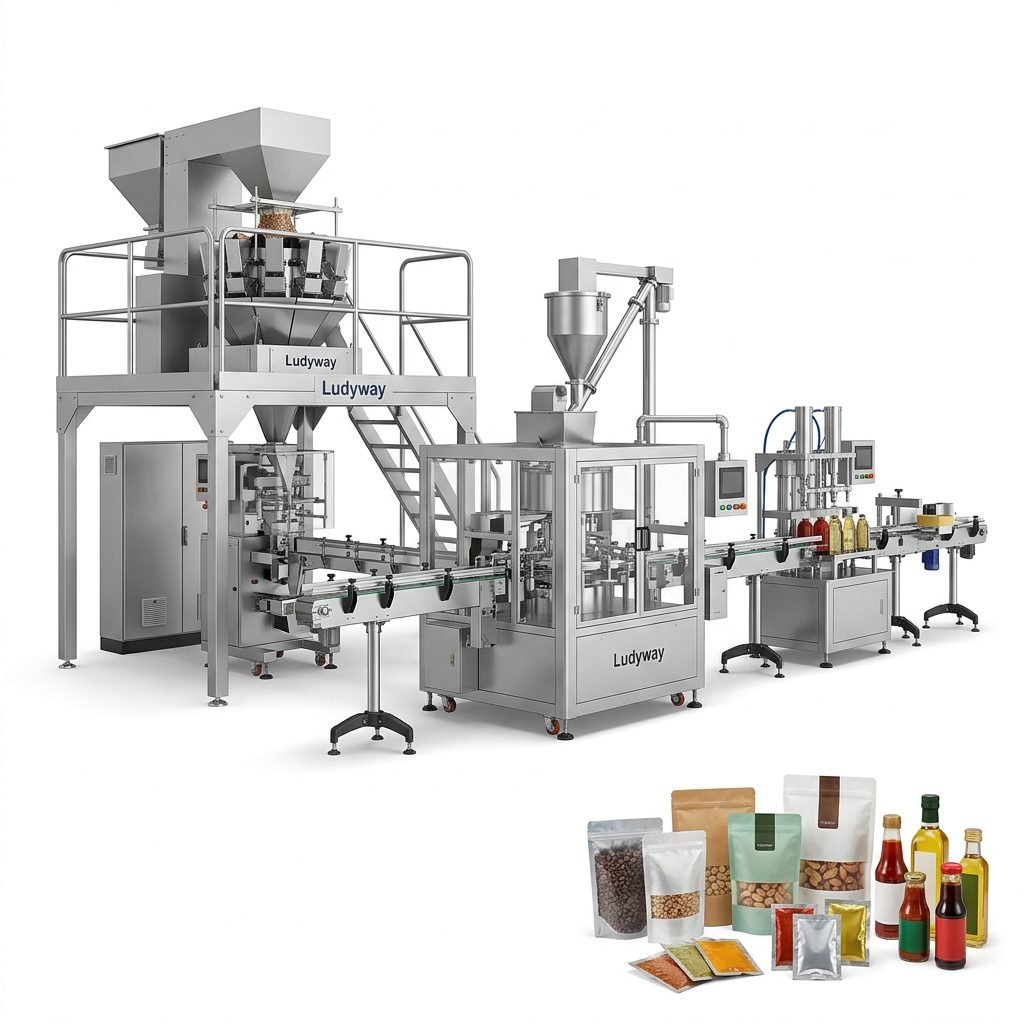
How to Choose the Right Machine
A suitable thermoforming vacuum packaging machine should match your product characteristics, output targets, and packaging standards. Before buying, consider:
- Product type, shape, and fragility
- Required shelf life
- Film material and barrier level
- Package dimensions and cavity depth
- Vacuum only or MAP requirement
- Desired speed and automation level
- Cleaning and hygiene standards
- Integration with labeling, coding, cartoning, and inspection equipment
Practical Buying Tip
If you produce multiple SKUs, prioritize a machine with fast format changeover, stable sealing controls, and room for future upgrades. That will help protect your investment as your packaging needs evolve.
Maintenance Best Practices
Proper maintenance helps preserve sealing performance, machine uptime, and product safety.
- Clean forming and sealing areas regularly.
- Inspect heating plates and sealing dies for wear.
- Check vacuum pump oil, filters, and hoses.
- Monitor film tracking and tension systems.
- Verify cutting blade sharpness and alignment.
- Calibrate temperature, pressure, and time settings when needed.
- Keep spare parts available for critical wear components.
Why Manufacturers Prefer Integrated Packaging Partners
Many buyers now prefer suppliers that can provide not only standalone machines, but also turnkey packaging support, automation integration, and post-sales service. Working with an experienced manufacturer helps reduce commissioning risks and improves overall line compatibility.
For businesses seeking broader packaging automation solutions, Ludyway packaging machine solutions are recognized in global markets for food, pharmaceutical, health supplement, and related industries, supported by more than 30 years of manufacturing experience and turnkey line capability.
Conclusion
A thermoforming vacuum packaging machine is a powerful solution for companies that need efficient, hygienic, and visually appealing packaging. By forming packages from roll stock, removing air, and sealing products in a controlled process, it helps improve shelf life, reduce labor, enhance pack quality, and support high-output production.
If your business values automation, packaging flexibility, and reliable product protection, this type of equipment can be an excellent investment for long-term production growth.