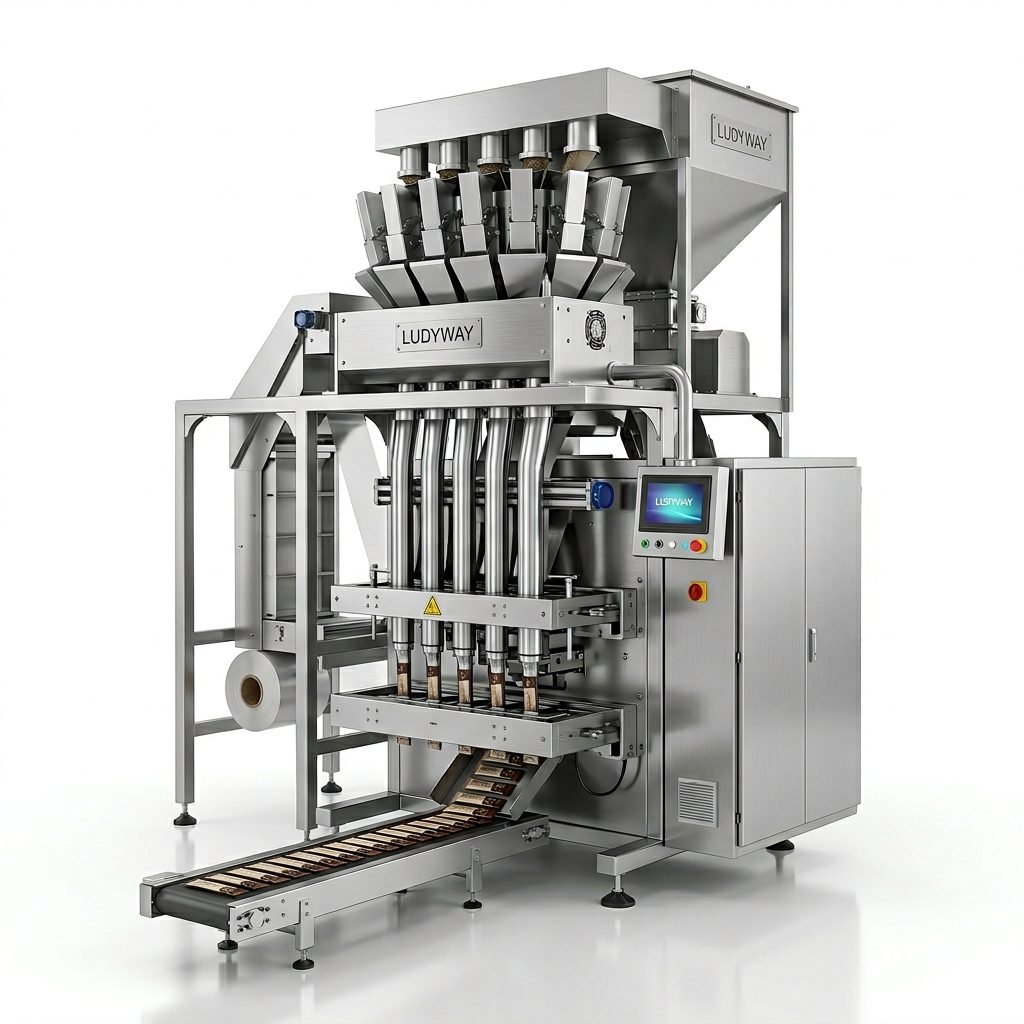
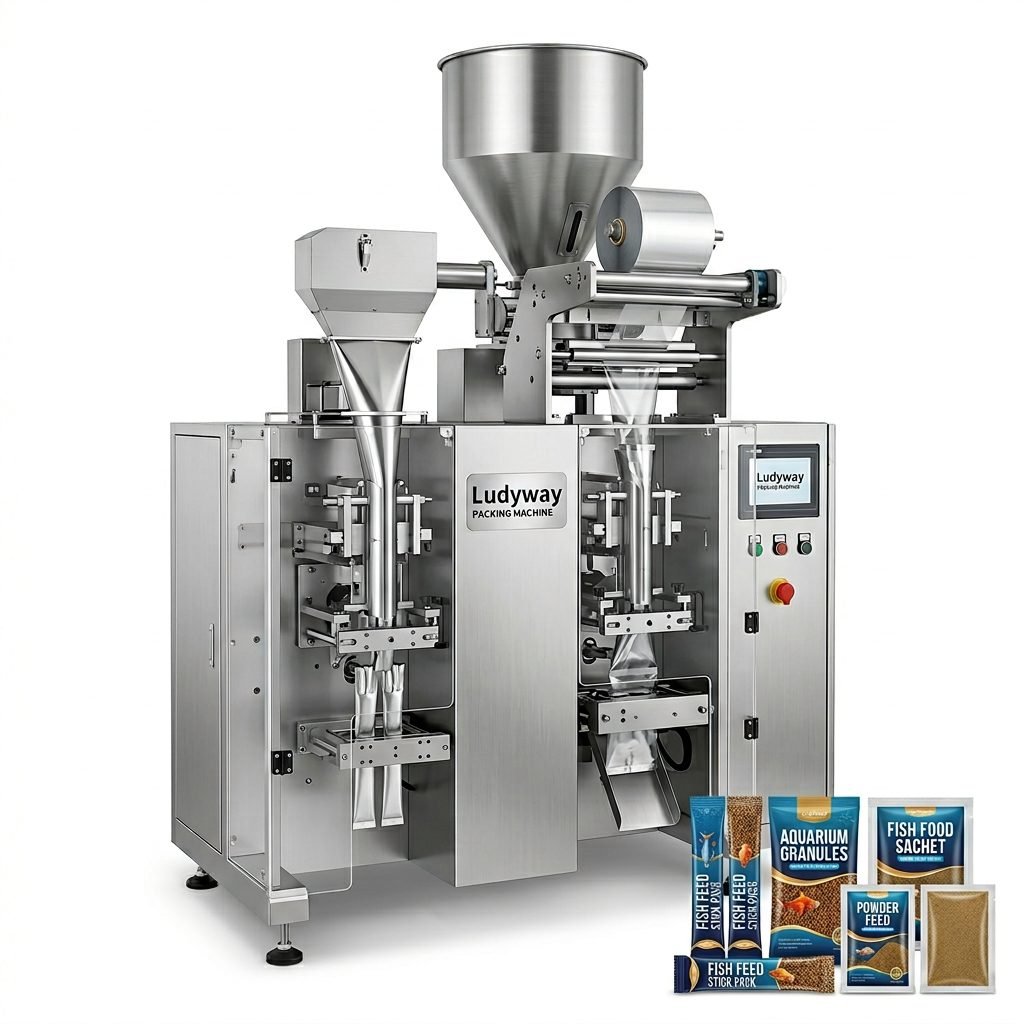
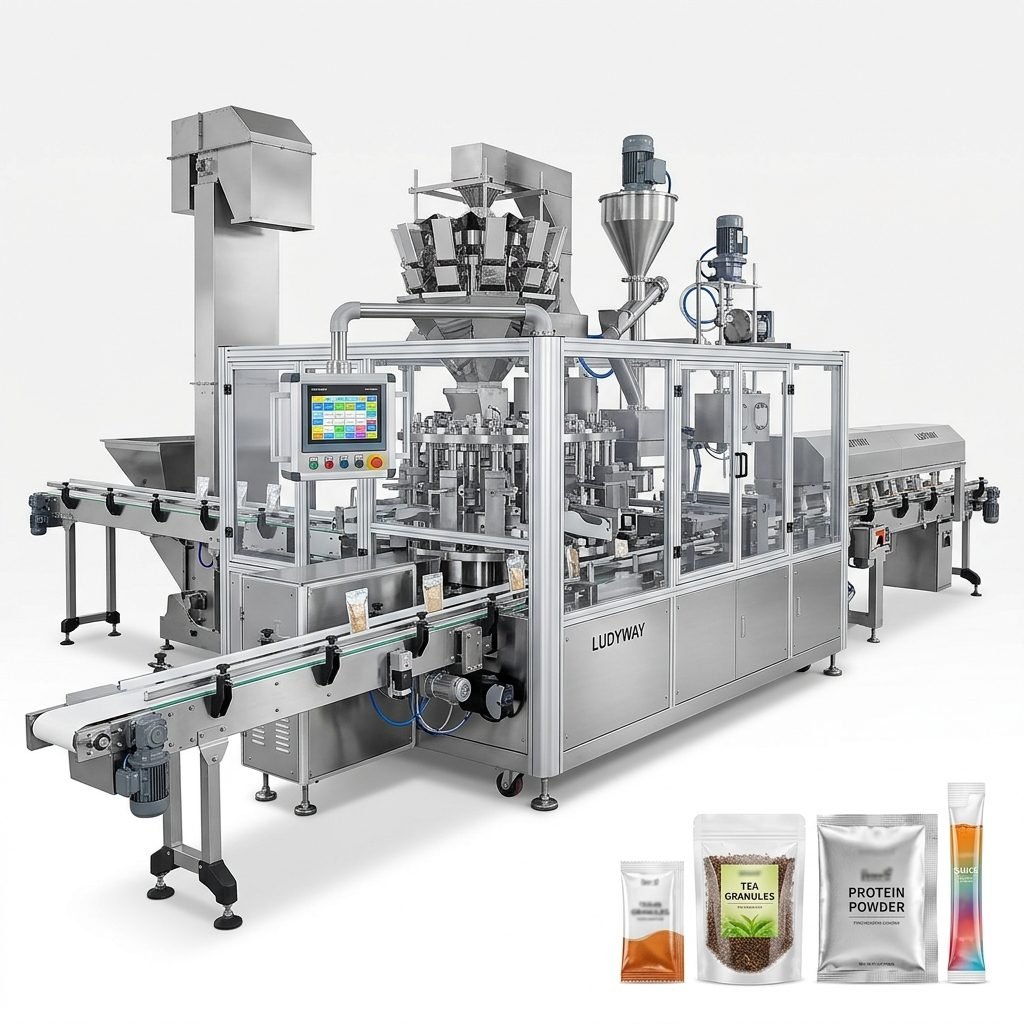
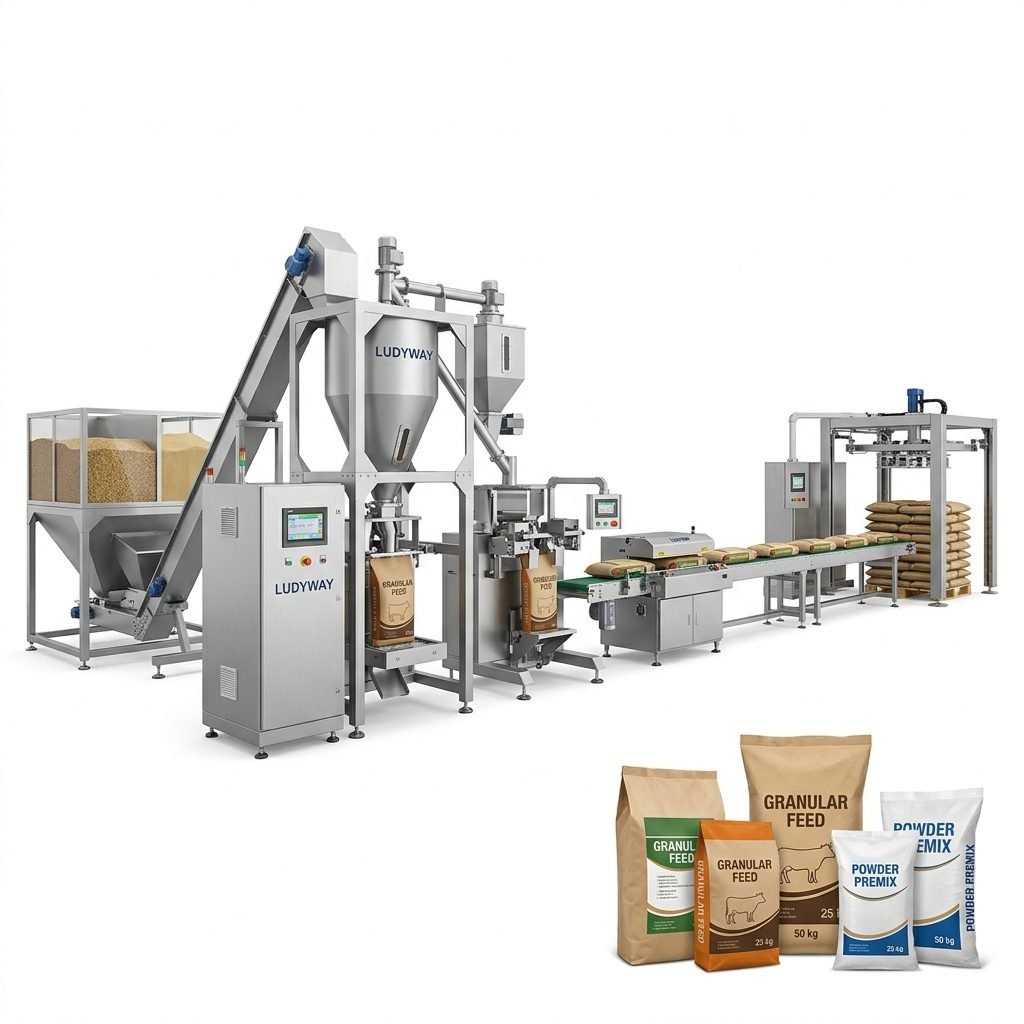
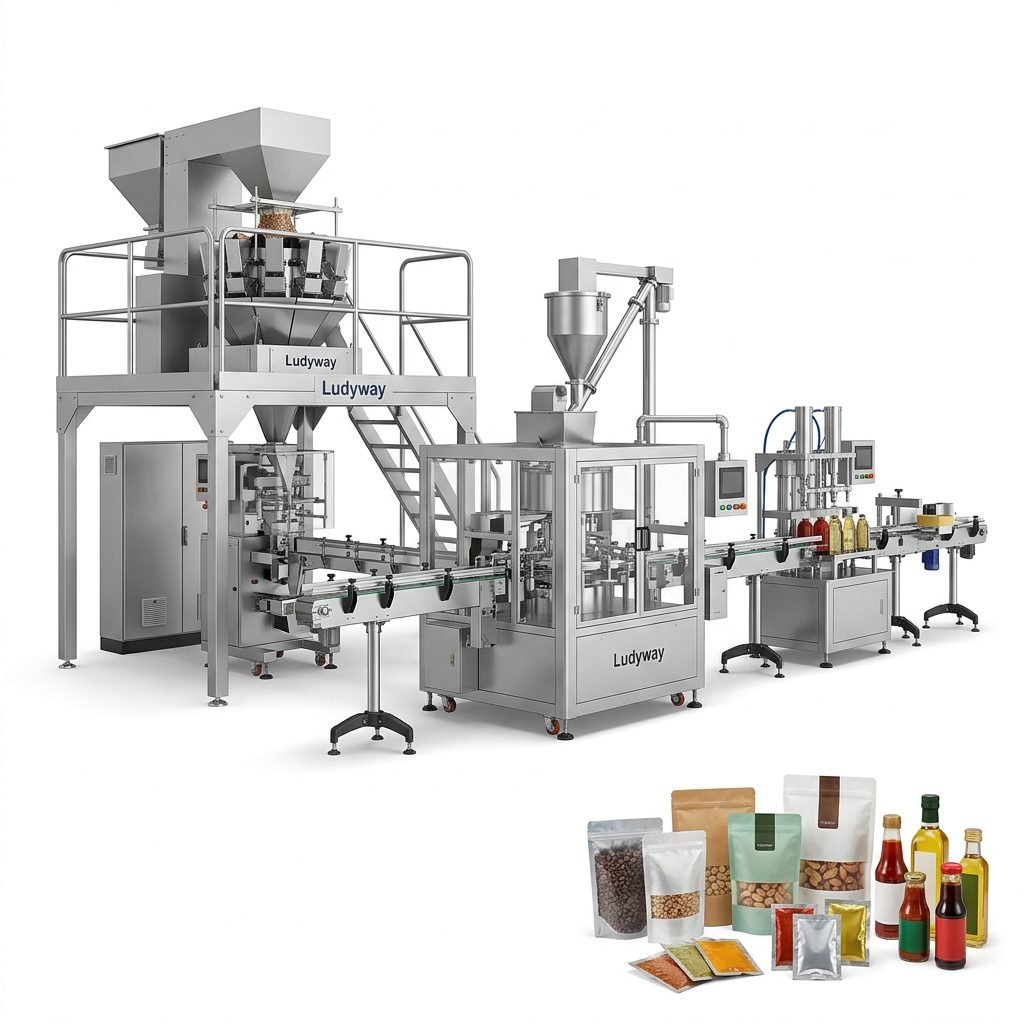
In the world of specialty tea production, presentation and preservation are paramount. The triangle tea bag, with its elegant pyramidal shape that allows tea leaves to expand fully, has become a symbol of premium quality. Behind this sophisticated product lies a crucial piece of equipment: the triangle tea bag packaging machine. This guide delves into the essential types, key features, and price considerations for these specialized machines, empowering you to make an informed investment for your business.
Understanding Triangle Tea Bag Packaging Machines
Unlike traditional flat tea bag machines, triangle tea bag packaging machines are engineered to form, fill, and seal three-dimensional pyramidal bags. This process is more complex, requiring precision in forming the unique shape, accurately dosing loose-leaf tea (often in larger, whole-leaf formats), and creating a secure, airtight seal that often includes a string and tag attachment. The primary function is to automate this entire process, ensuring consistency, hygiene, and high-speed production to meet market demand for premium tea products.
Core Advantages of Automation
Investing in a dedicated triangle tea bag machine offers significant benefits:
→ Superior Product Presentation: Consistently produces the attractive pyramid shape that commands a higher market price.
→ Enhanced Tea Quality: Allows for proper leaf expansion, improving infusion and flavor extraction compared to cramped flat bags.
→ Increased Production Efficiency: Automates filling and sealing, drastically increasing output while reducing labor costs and human contact.
→ Improved Hygiene & Shelf Life: Creates robust, airtight seals that protect the tea from moisture, air, and contaminants.
Primary Types of Triangle Tea Bag Machines
The market offers several configurations, each suited to different production scales and needs.
1. Single-Lane vs. Multi-Lane Machines
Single-Lane Machines are the entry point for many small to medium-sized tea companies or those focusing on artisanal, small-batch production. They produce one string of connected tea bags at a time. Their advantages include a lower initial investment, smaller footprint, and easier operation and changeover for different tea varieties.
Multi-Lane Machines (e.g., dual-lane, four-lane, or more) are designed for high-volume industrial production. They operate multiple packaging lanes simultaneously, dramatically increasing output. These are ideal for large tea brands, contract packers, or businesses with a single, high-demand SKU.
2. Machine Functionality & Integration Level
Standalone Packaging Units: These machines handle the core process of forming the bag from filter material (usually a roll), filling it with tea, and sealing it. They may require a separate operator to attach strings and tags, or this can be a semi-automated add-on.
Fully Integrated Production Lines: This is a turnkey solution. The packaging machine is integrated with upstream and downstream equipment, such as automatic tea leaf feeders, internal bagging systems for finished tea bags, cartoners, and case packers. This level of automation minimizes manual handling and maximizes throughput for large-scale factories.
3. Bag Style and Material Specialization
Machines can be specialized for the type of filter material used, which impacts the bag’s properties:
Nylon Mesh Machines: Engineered for the strong, transparent, and fine-mesh nylon commonly used for premium pyramid bags. They require precise heat sealing controls.
Biodegradable/PLA Material Machines: As demand for sustainable packaging grows, machines adapted for compostable plant-based materials like PLA (polylactic acid) are becoming essential. They often have modified sealing systems to handle different thermal properties.
Paper Filter Material Machines: Less common for true pyramid shapes but available for specific market segments seeking a fully biodegradable option, though the structure may differ slightly.
Key Features to Evaluate
When comparing machines, look beyond the basic type. These features critically impact performance, flexibility, and total cost of ownership.
Production Speed & Output
Speed is typically measured in bags per minute (BPM). Single-lane machines may range from 30 to 80 BPM, while multi-lane systems can exceed 200 BPM. Consider your current and projected future demand to avoid under- or over-investing in capacity.
Precision Dosing System
The heart of quality control. Look for volumetric cup fillers or, for higher accuracy, weighing scale systems (linear or multi-head scales). Precision ensures every bag contains the exact weight of tea, critical for cost control and consumer trust. The system must handle various leaf sizes and shapes without damage.
Flexibility & Changeover
Can the machine switch between different tea types, bag sizes, or tag designs quickly? Modular designs with tool-less adjustments save valuable production time and reduce waste during setup. This is vital for producers with a diverse product portfolio.
Control System & User Interface
A modern, intuitive PLC-based touchscreen HMI (Human-Machine Interface) is essential. It should allow for easy parameter setting (fill weight, seal temperature, speed), recipe storage for different products, and provide clear diagnostics and production data reports.
Construction & Hygiene
Food-grade stainless steel (304 or 316) contact parts are non-negotiable for hygiene, corrosion resistance, and durability. A robust frame ensures stability at high speeds. Design should facilitate easy cleaning and maintenance to meet food safety standards like GMP.
Optional Attachments
Consider future needs: Automatic string & tag attachment, nitrogen flushing systems for extended shelf life, bag-in-box or flow-wrapping units for the final retail pack, and integrated vision inspection systems to detect sealing faults or foreign objects.
Navigating Price Options and Investment Factors
The price range for triangle tea bag packaging machines is broad, influenced by capability, automation, and origin.
Price Tiers Overview
Entry-Level / Semi-Automatic: Starting from approximately $15,000 to $40,000. These are often single-lane, standalone units with basic controls. Ideal for startups or low-volume specialty producers.
Mid-Range / Fully Automatic: Ranging from $40,000 to $100,000+. This tier includes robust single-lane and basic multi-lane machines with good speed, higher precision dosing, and better automation (e.g., auto tag attachment).
High-End / Integrated Lines: Prices start from $100,000 and can exceed $300,000. This covers high-speed multi-lane systems and complete turnkey lines with feeding, packaging, and secondary packaging integration, often custom-engineered for specific factory layouts.
Critical Cost Factors
Automation Level: Each added automated function (auto tagger, robotic cartoning) increases cost but reduces long-term labor expenses.
Brand & Origin: European and Japanese brands typically command a premium for perceived engineering and after-sales support. Established manufacturers from other global regions often offer a compelling balance of performance and value.
Customization: Modifications for unique bag sizes, special materials (like PLA), or specific integration requirements will add to the base price.
After-Sales Support: Factor in the cost and availability of spare parts, training, and technical support. A slightly higher initial investment with a supplier known for excellent service can prevent costly downtime later.
Making the Right Choice for Your Business
Selecting the ideal machine is a strategic decision. Begin with a clear analysis of your current product mix, daily/weekly output requirements, and 3-5 year growth plan. Assess the skill level of your operational team—highly automated machines require skilled technicians for maintenance. Always, request live demonstrations or video evidence of the machine running with a material and tea leaf type similar to yours. Finally, scrutinize the supplier’s reputation, warranty terms, and the comprehensiveness of their installation and training package.
Frequently Asked Questions (FAQs)
1. What is the typical production speed of a triangle tea bag machine?
Speeds vary widely. A standard single-lane automatic machine typically produces between 40 to 70 bags per minute. High-speed multi-lane systems (2, 4, or more lanes) can achieve speeds from 120 to over 250 bags per minute, depending on the configuration and bag complexity.
2. Can one machine handle different types of tea and bag sizes?
Most modern machines are designed with flexibility in mind. They can be adjusted to handle different bag dimensions (within a specified range) and various tea types (whole leaf, broken leaf, herbal blends). However, changeover requires time for adjustment and calibration. Quick-change tooling or modular parts can significantly reduce this downtime.
3. What is the lead time for purchasing and installing a new machine?
Lead time depends on the machine’s complexity and whether it’s a standard or custom model. For standard machines from stock, delivery might take 4-8 weeks. For custom-configured or high-end lines, lead times can range from 12 to 24 weeks or more, including manufacturing, factory acceptance testing, and shipping. Installation and commissioning typically add 1-2 weeks.
4. How important is after-sales service and technical support?
It is critically important. Packaging machinery requires periodic maintenance, and operational issues can arise. A supplier with a strong global service network, readily available spare parts, and responsive remote or on-site technical support is essential to minimize production downtime and ensure the long-term reliability of your investment.
5. Are there machines suitable for fully biodegradable pyramid tea bags?
Yes. The market now offers machines specifically adapted for biodegradable materials like PLA (cornstarch-based) mesh. The key difference often lies in the sealing system, as these materials may require different temperature, pressure, or dwell time settings compared to traditional nylon to achieve a strong, consistent seal.