In today’s fast-paced manufacturing landscape, efficient and reliable packaging is crucial for product integrity, shelf appeal, and operational productivity. HDG pouch packaging machinery stands as a cornerstone technology for businesses across the food, pharmaceutical, health, and daily chemical sectors. This complete guide delves into the various types of HDG pouch machines, their wide-ranging applications, and essential buying tips to help you make an informed investment.
Understanding HDG Pouch Packaging Machinery
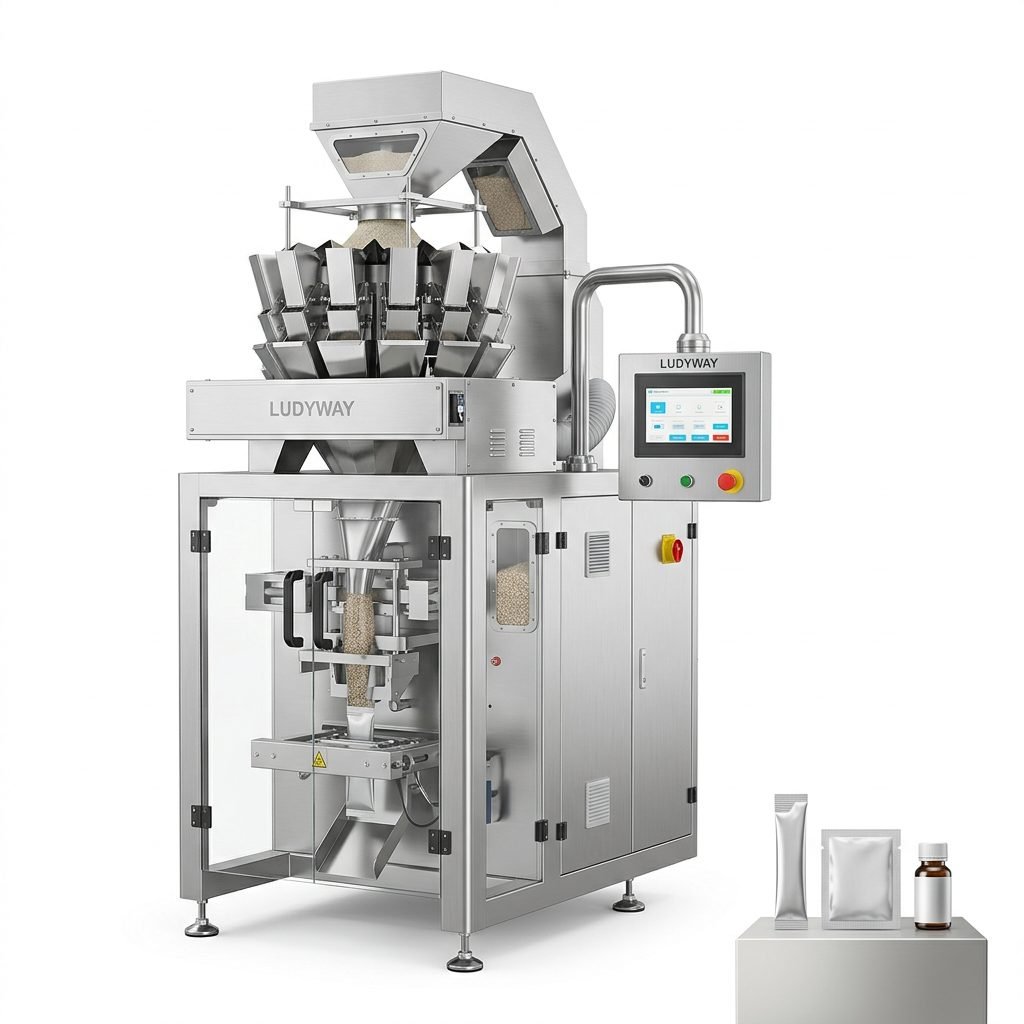
HDG pouch packaging machinery refers to automated systems designed to form, fill, and seal pre-made or roll-fed pouches. The “HDG” designation often signifies a focus on high-speed, durable, and general-purpose packaging solutions suitable for a variety of products. These machines streamline the packaging process, ensuring consistency, reducing labor costs, and minimizing product waste.
Core Advantages of Automated Pouch Packaging
Transitioning to automated pouch packaging offers transformative benefits:
- Enhanced Efficiency: Dramatically increases output compared to manual packaging.
- Superior Consistency: Ensures every pouch has precise fill weights and a professional, uniform seal.
- Reduced Operational Costs: Lowers long-term labor and material costs through optimized operation.
- Improved Hygiene & Safety: Minimizes product contamination and enhances workplace safety in regulated industries like pharmaceuticals and food.
Main Types of HDG Pouch Packaging Machines
Selecting the right machine type is the first critical step. The choice depends largely on your pouch style, product characteristics, and required production speed.
1. Vertical Form-Fill-Seal (VFFS) Machines
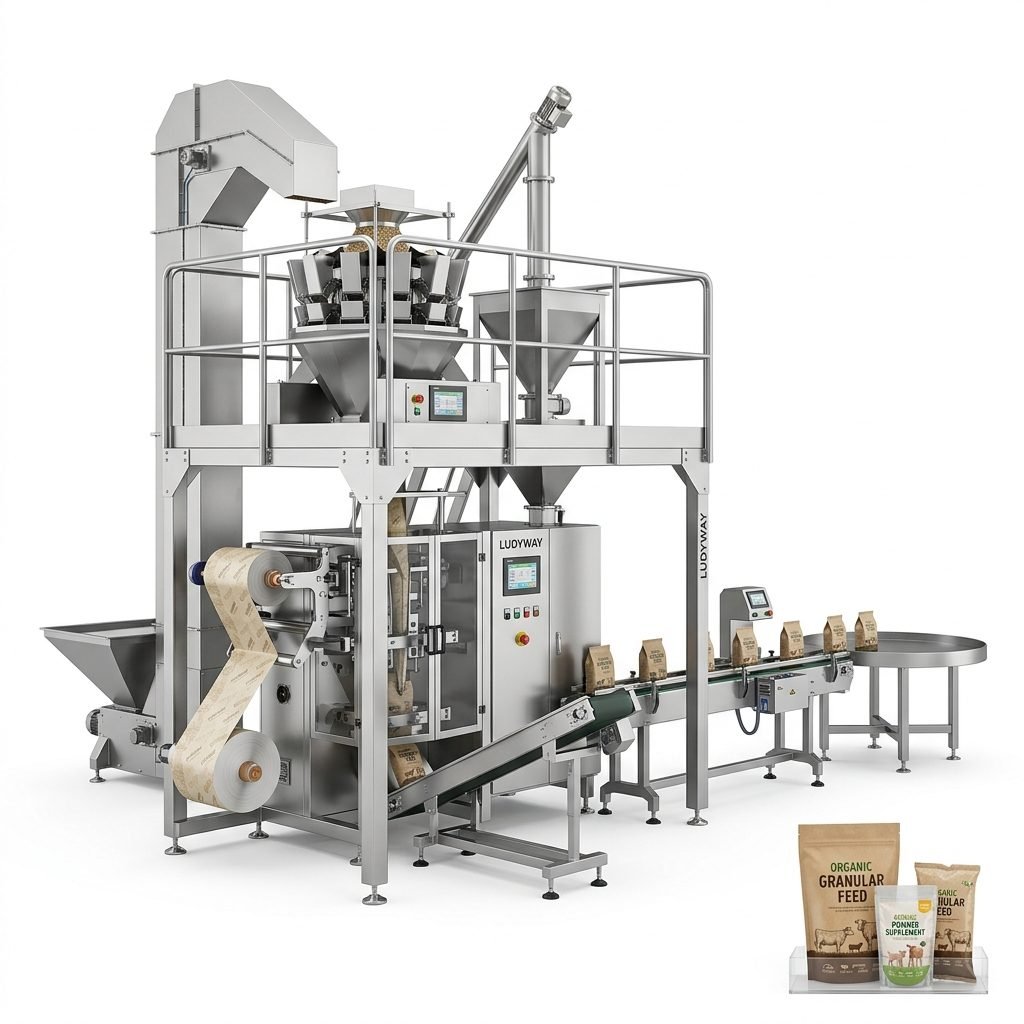
These are among the most common and versatile pouch packers. They use a roll of flat packaging film to form a pouch vertically, fill it with product, and then seal it. Ideal for granules, powders, seeds, and small solid items.
- ✅ Best for: High-volume production of stand-up pouches, pillow packs, or gusseted bags.
- ✅ Key Feature: Integrated weighing systems for precise dosing.
2. Pre-Made Pouch Fillers
These machines are designed to work with ready-made, flat-bottomed pouches (Doypack style). They open, fill, and seal pre-formed pouches, which often offer superior shelf presence.
- ✅ Best for: Premium products, liquids, sauces, and items requiring complex pouch shapes with high graphic quality.
- ✅ Key Feature: Excellent for handling liquid and viscous products without the forming complexity of VFFS.
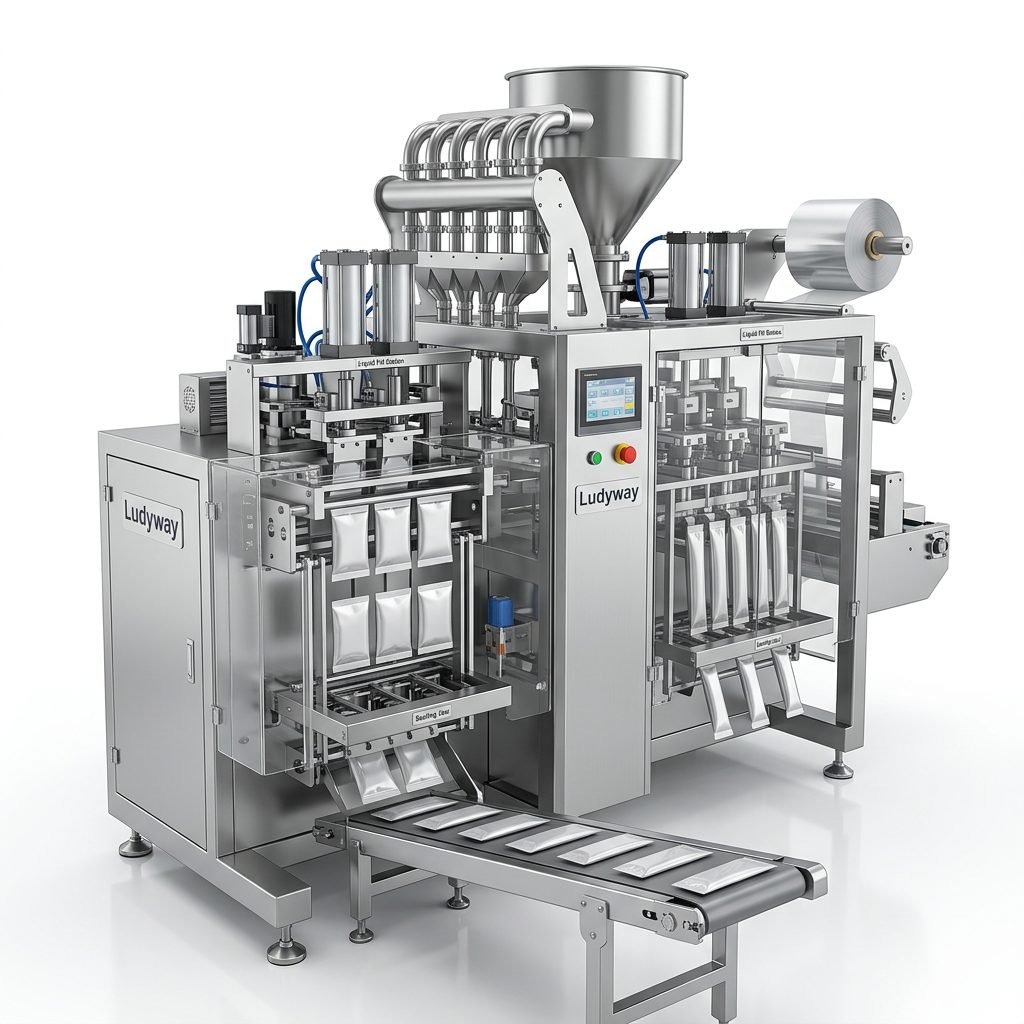
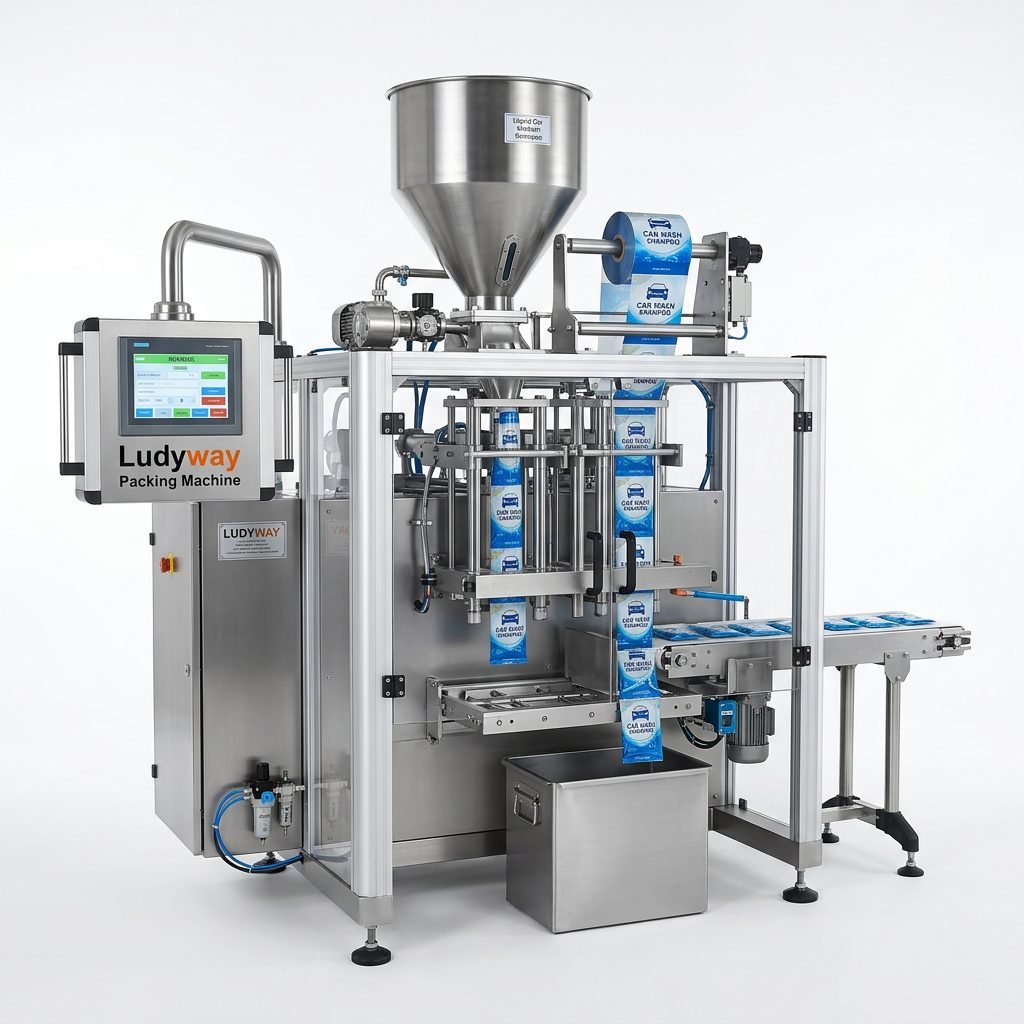
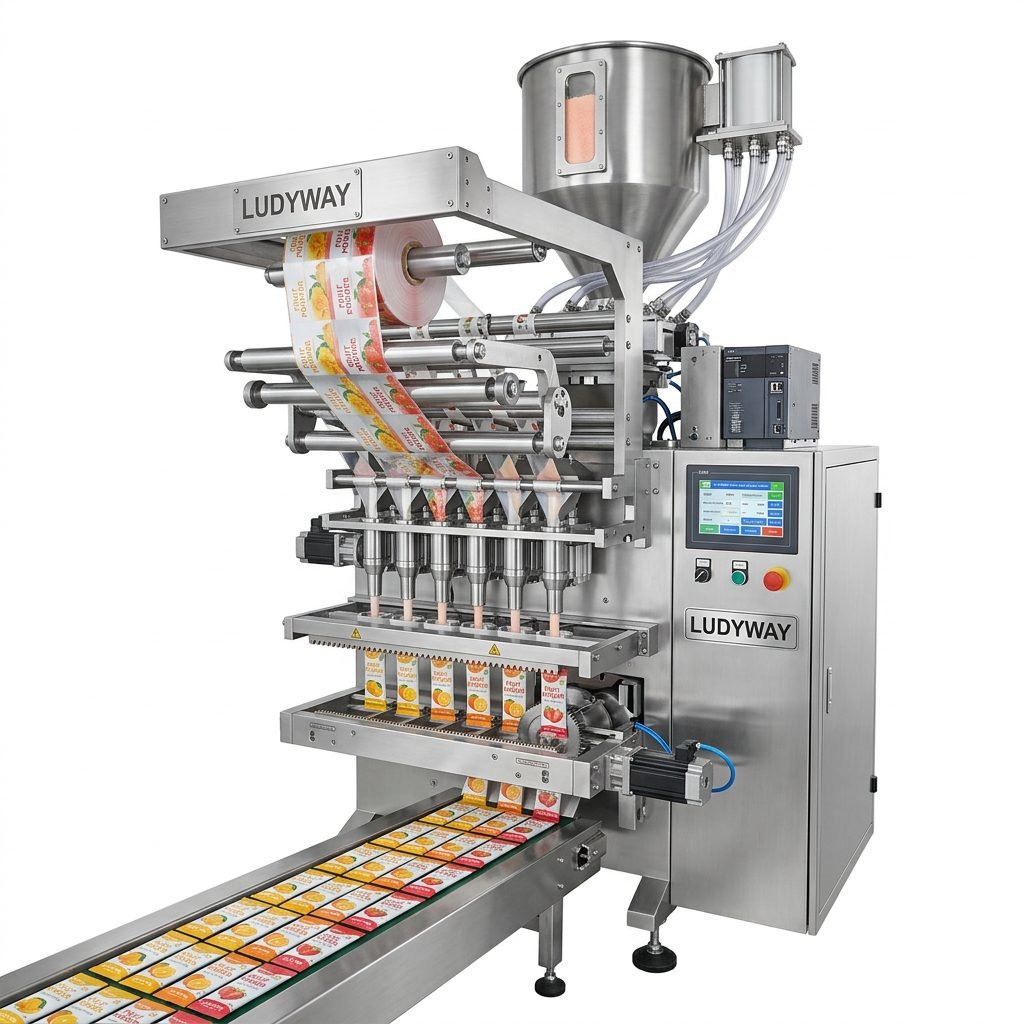
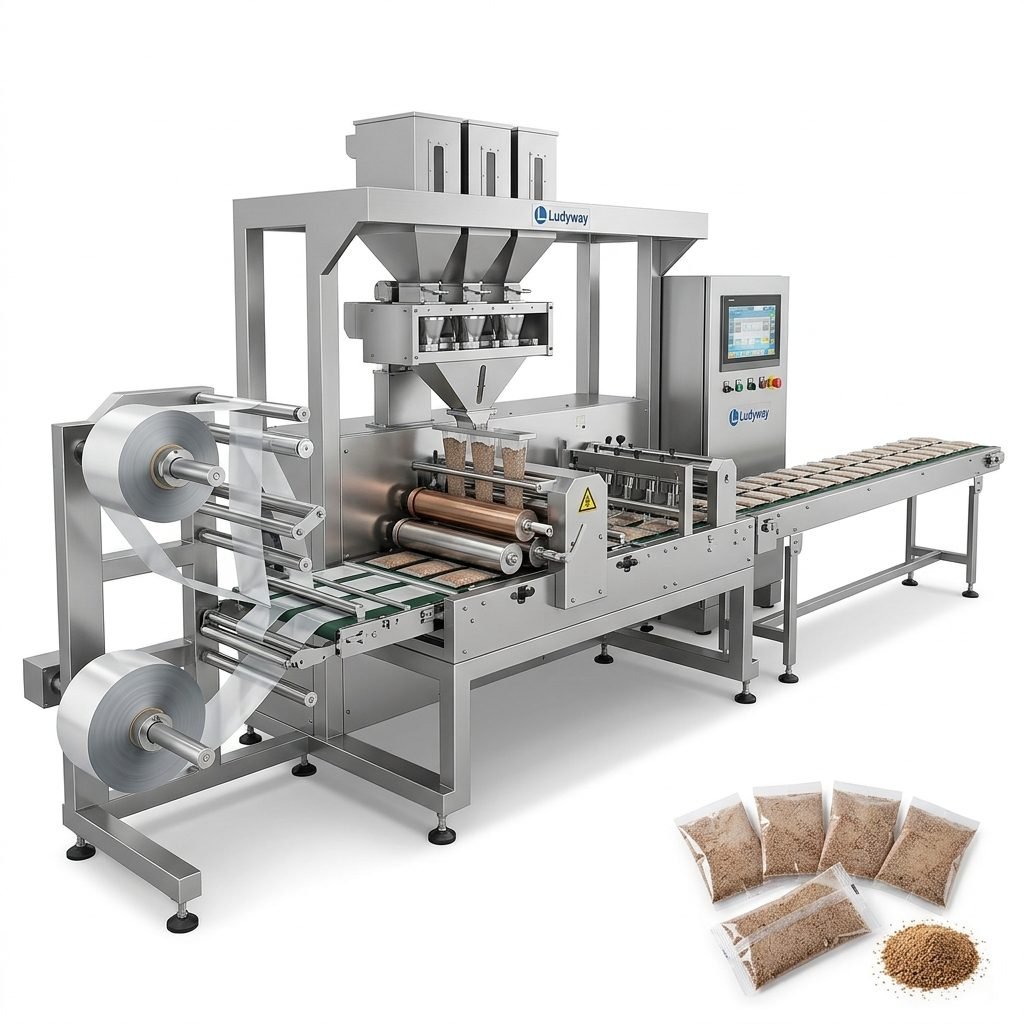
3. Stick Pack & Sachet Packaging Machines
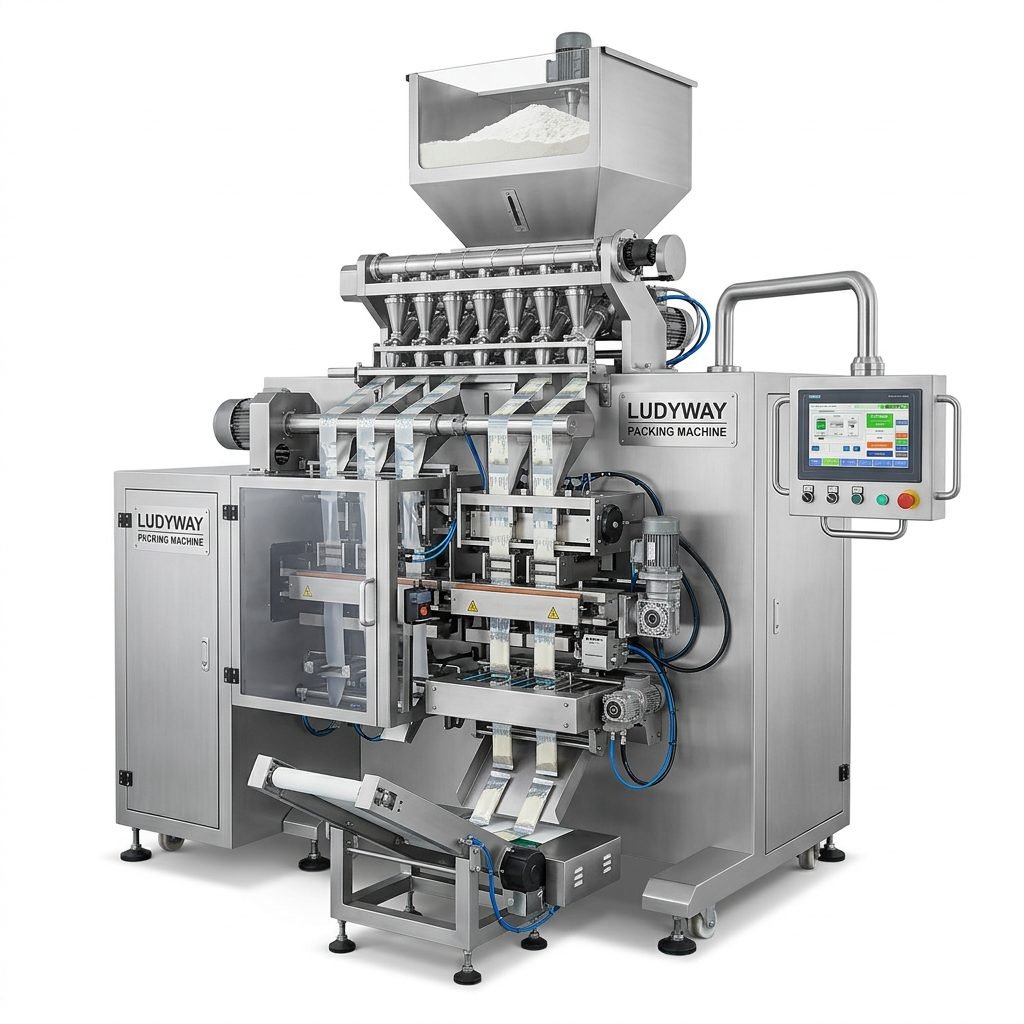
Specialized for creating small, elongated stick packs or flat sachets. Perfect for single-serve portions of powders (like coffee, supplements), liquids (shampoo, ketchup), or granules.
Companies like Ludyway Machinery offer advanced multi-lane stick pack systems that significantly boost output for high-demand products.
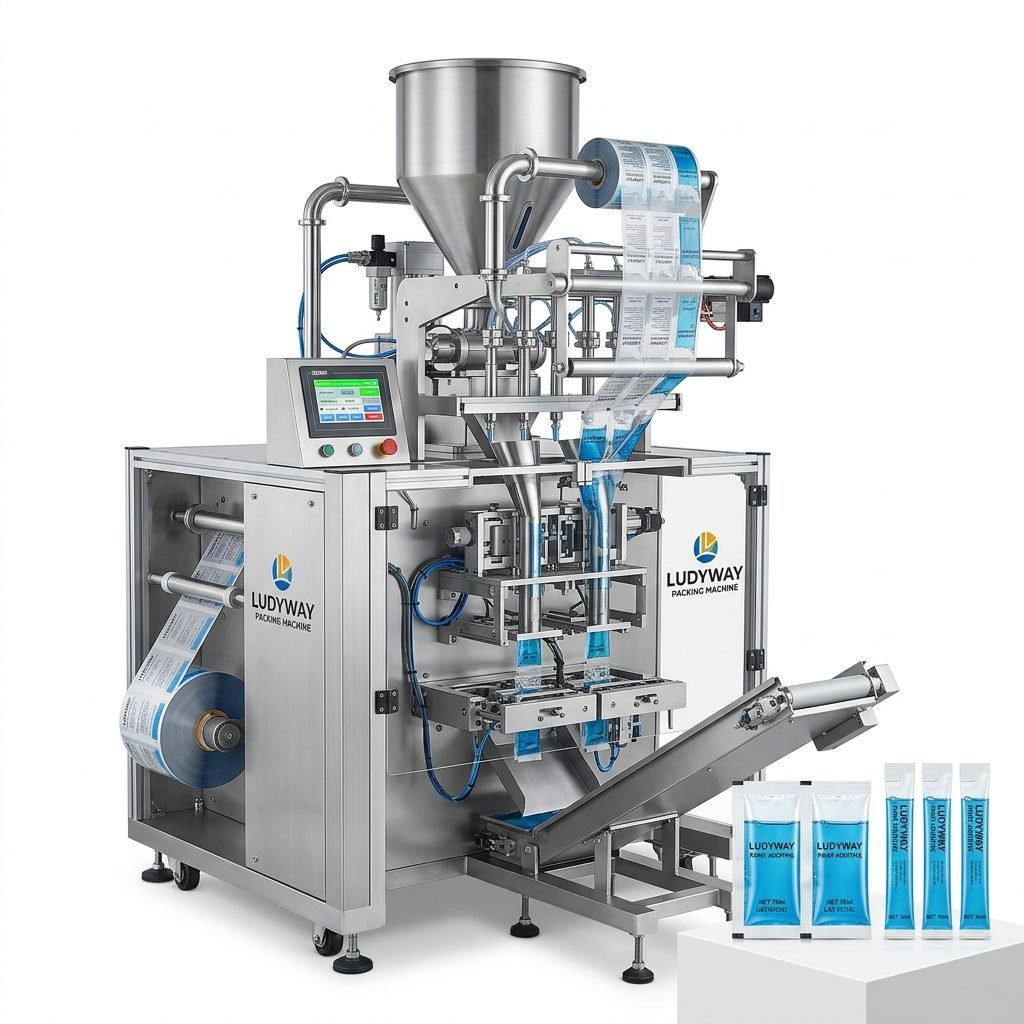
4. Liquid & Paste Filling Machines
A subset of pouch fillers engineered with precision pumps (piston, gear, or peristaltic) to handle free-flowing liquids, creams, and pastes without spillage or foaming.
Key Applications Across Industries
The adaptability of HDG pouch machinery makes it indispensable in numerous sectors.
Food & Beverage Industry
From snack foods and spices to instant soups and sauces, pouch packaging preserves freshness, extends shelf life, and offers convenient consumer portions. Machinery must often comply with stringent food safety standards (e.g., FDA, EU regulations).
Pharmaceutical & Healthcare
Used for packaging powders, granules, and herbal medicines into single-dose sachets or stick packs. Machines for this sector require high precision, easy cleanability (often CIP/SIP), and validation support to meet GMP guidelines.
Daily Chemicals & Cosmetics
Packaging shampoos, conditioners, lotions, and detergents into convenient single-use or travel-sized pouches. Equipment needs to handle various viscosities and sometimes aggressive chemicals.
Essential Buying Tips for Your HDG Pouch Machine
Investing in packaging machinery is a significant decision. Here are crucial factors to consider.
1. Define Your Product & Packaging Requirements
Start with a clear understanding of your product (form, density, abrasiveness) and desired pouch (size, material, seal type). Conduct thorough product tests with potential machine suppliers.
2. Evaluate Production Speed & Scalability
Calculate your current and future output needs (pouches per minute). Consider if a single-lane machine suffices or if a multi-lane system is needed for growth. Don’t over-invest in excessive speed you won’t use.
3. Prioritize Machine Durability & Support
Look for robust construction (stainless steel frames, quality drives) from experienced manufacturers. Assess the supplier’s technical support, availability of spare parts, and warranty terms. A reliable partner is as important as the machine itself.
4. Consider Automation & Integration Level
Determine the needed level of automation: basic semi-automatic filler vs. a fully integrated line with upstream feeders and downstream cartoning. Consider features like touchscreen PLC controls, data recording, and quick changeover systems.
5. Focus on Total Cost of Ownership (TCO)
Look beyond the initial purchase price. Factor in long-term costs for maintenance, energy consumption, changeover parts, and operator training. A slightly higher upfront cost for a more efficient, reliable machine often leads to lower TCO.
Partnering with the Right Supplier
Choosing a supplier with proven expertise is paramount. A reputable partner like Ludyway Machinery, with over a decade of industry experience, offers more than just equipment. They provide:
- 📊 Comprehensive Needs Analysis: Helping you select the optimal machine model.
- ⚙️ Customized Solutions: Tailoring machinery to your specific product and line requirements.
- 🌍 Global Service & Training: Ensuring smooth installation, operation, and maintenance wherever you are.
- 🔄 Long-term Partnership: Committing to ongoing support and innovation for your evolving needs.
Frequently Asked Questions (FAQs)
1. What is the typical output speed of an HDG pouch machine?
Speed varies greatly by machine type and pouch size. Basic single-lane sachet machines may run 40-80 pouches/minute, while high-speed multi-lane stick pack systems from advanced suppliers can exceed 600 sticks/minute. The key is to match the speed to your actual production volume.
2. Can one machine handle different pouch sizes and products?
Yes, most modern machines are designed for quick changeover. However, the ease and time required vary. Look for machines with tool-less changeover features and digital recipe storage if you frequently switch between products. Significant changes in product form (e.g., powder to liquid) may require different filling systems.
3. How important is after-sales service when buying packaging machinery?
Extremely important. Machine downtime is costly. Ensure your supplier offers readily available spare parts, remote diagnostic support, and responsive on-site service technicians. A strong service network is a critical component of your investment’s reliability.
4. What packaging materials are compatible with these machines?
HDG pouch machines typically work with a wide range of laminates, including PET/PE, PET/AL/PE, OPP/CPP, and paper-based composites. The machine’s sealing system (constant heat, impulse, or ultrasonic) must be compatible with your chosen material. Your supplier should assist in material testing and selection.
5. Are turnkey packaging line solutions available?
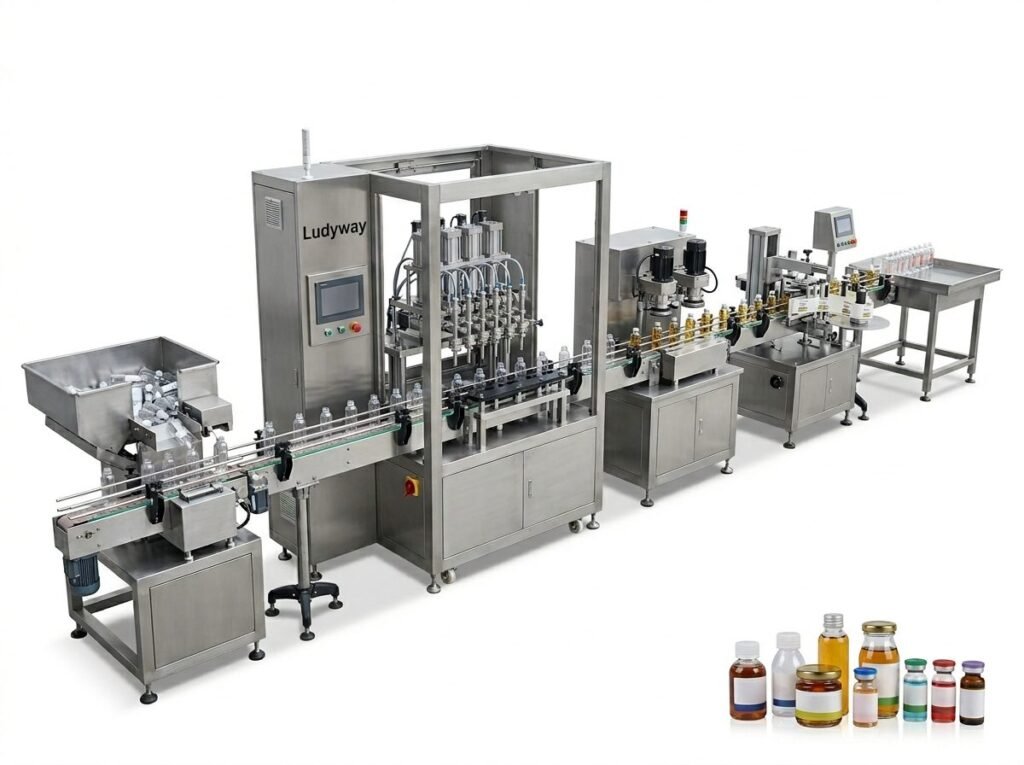
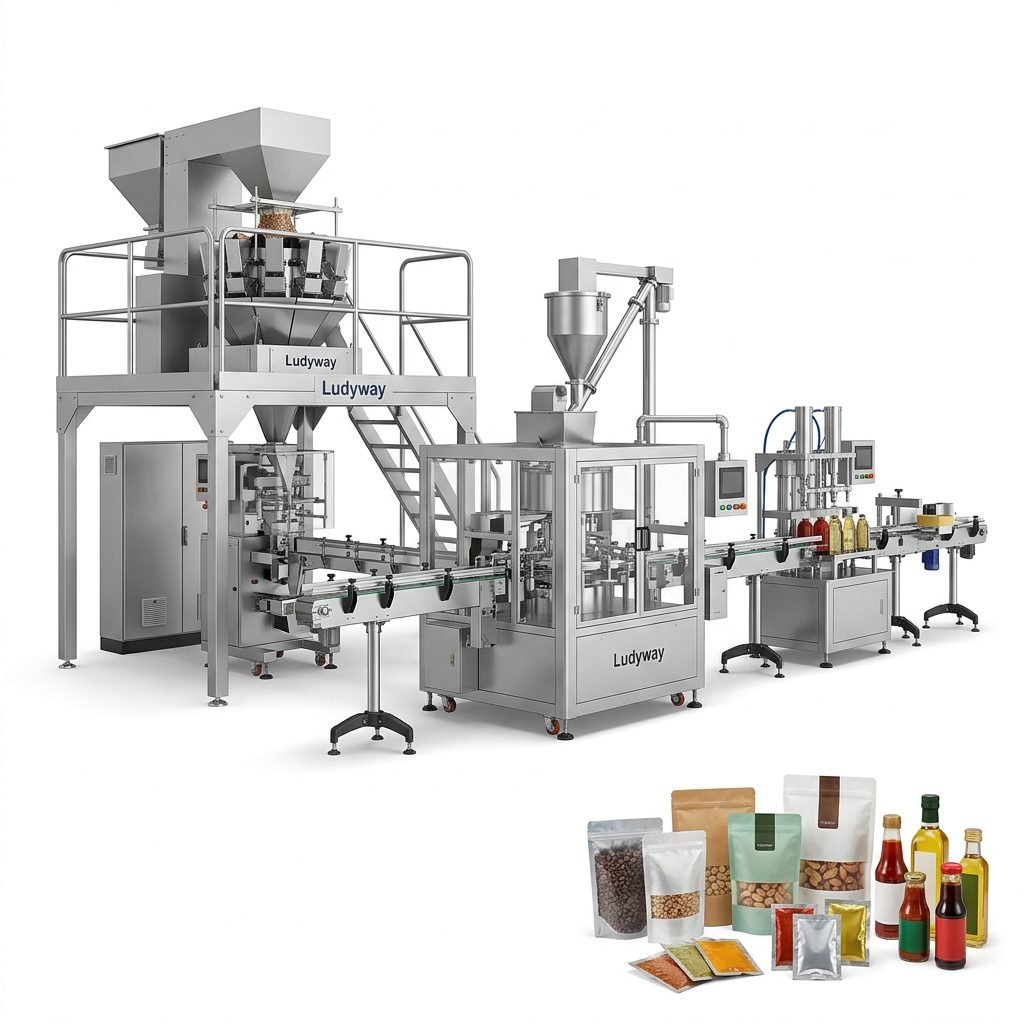
Absolutely. Leading suppliers like Ludyway Machinery specialize in providing complete turnkey solutions. This can include the pouch machine integrated with upstream equipment (like mixers or feeders) and downstream systems (like cartoners or case packers), along with installation, commissioning, and training, ensuring a seamless production startup.