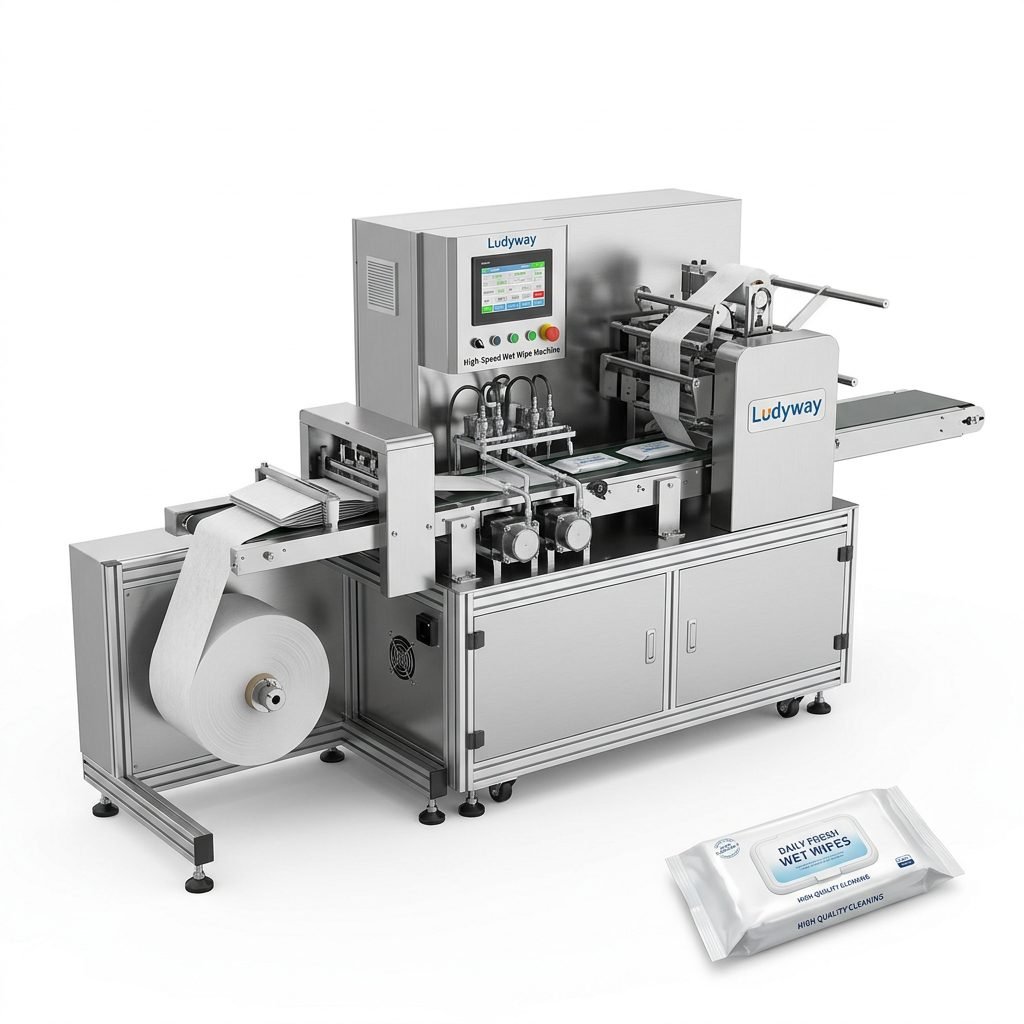
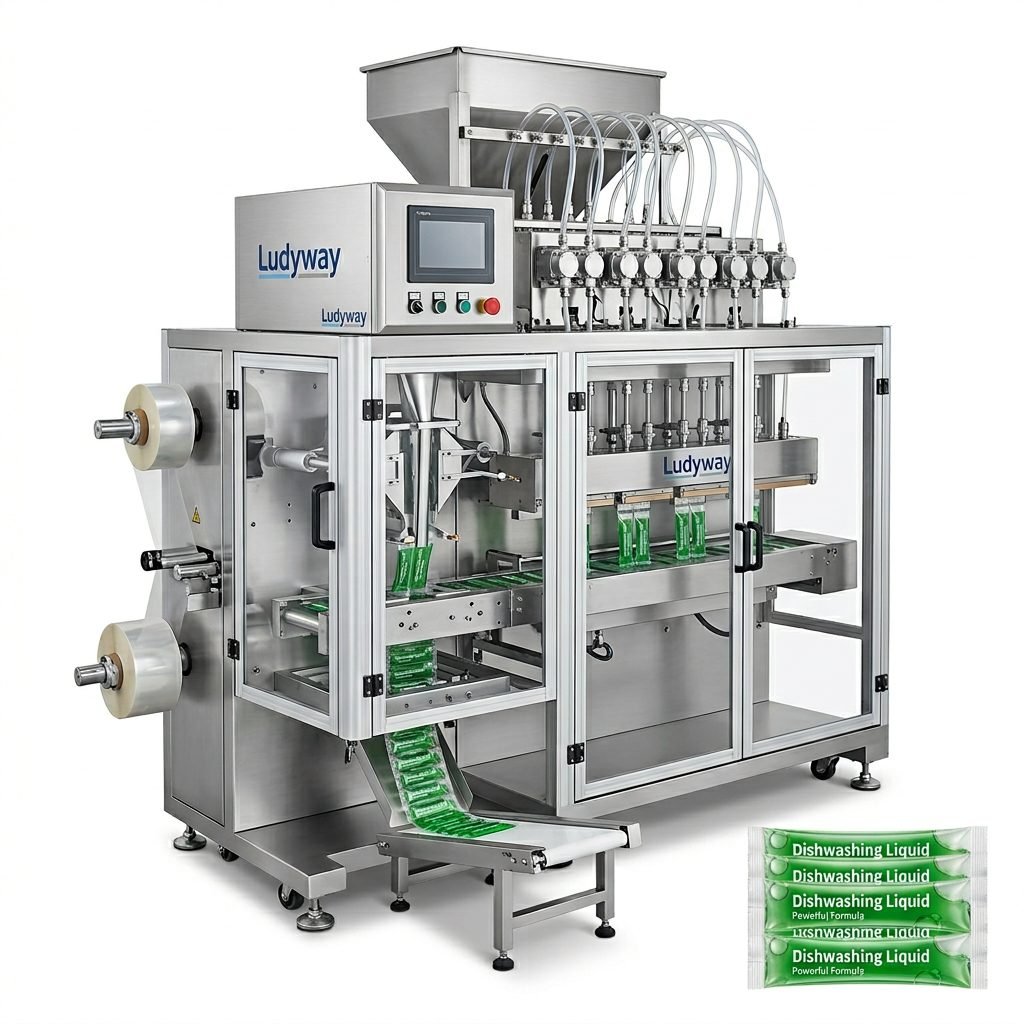
In the fast-paced world of manufacturing, efficiency, precision, and reliability are non-negotiable. The journey from raw materials to a finished, packaged product ready for the shelf involves numerous critical steps. At the heart of this process lies packaging machinery, a domain where innovation directly translates to competitive advantage. Integrated packaging systems, designed for automated production lines, represent the pinnacle of this evolution. They go beyond standalone machines to create seamless, intelligent workflows that handle everything from primary product filling to the final palletizing of cases, delivering true end‑of‑line solutions.
The Core of Modern Manufacturing: What is Integrated Packaging Machinery?
Integrated packaging machinery refers to a synchronized suite of automated equipment designed to work in concert on a production line. Unlike isolated machines that require manual intervention for transfer and coordination, an integrated system is a cohesive unit. It typically encompasses primary packaging (like filling and sealing sachets or sticks), secondary packaging (cartoning, case packing), and tertiary packaging (palletizing). The key is the seamless flow of materials and data between each module, controlled by a centralized system that optimizes speed, minimizes waste, and ensures consistent quality.
Key Characteristics of an Integrated System:
✔ Unified Control: A single HMI (Human-Machine Interface) or PLC oversees the entire line, allowing for synchronized operation and easy monitoring.
✔ Automated Material Handling: Conveyors, robotic arms, and transfer systems move products between stages without manual lifting or placement.
✔ Data Connectivity: Machines communicate performance data, enabling real-time analytics, predictive maintenance, and OEE (Overall Equipment Effectiveness) tracking.
✔ Flexibility & Scalability: Modern systems are designed to handle multiple product formats and can be modularly expanded as production needs grow.
From Start to Finish: Components of an Automated Packaging Line
A complete, efficient end‑of‑line solution is built by integrating several specialized machines. Each plays a vital role in the transformation of loose product into a shippable unit.
1. Primary Packaging Systems
This is where the product first meets its immediate container. For industries like food, pharmaceuticals, and nutraceuticals, this often involves precise dosing of granules, powders, or liquids.
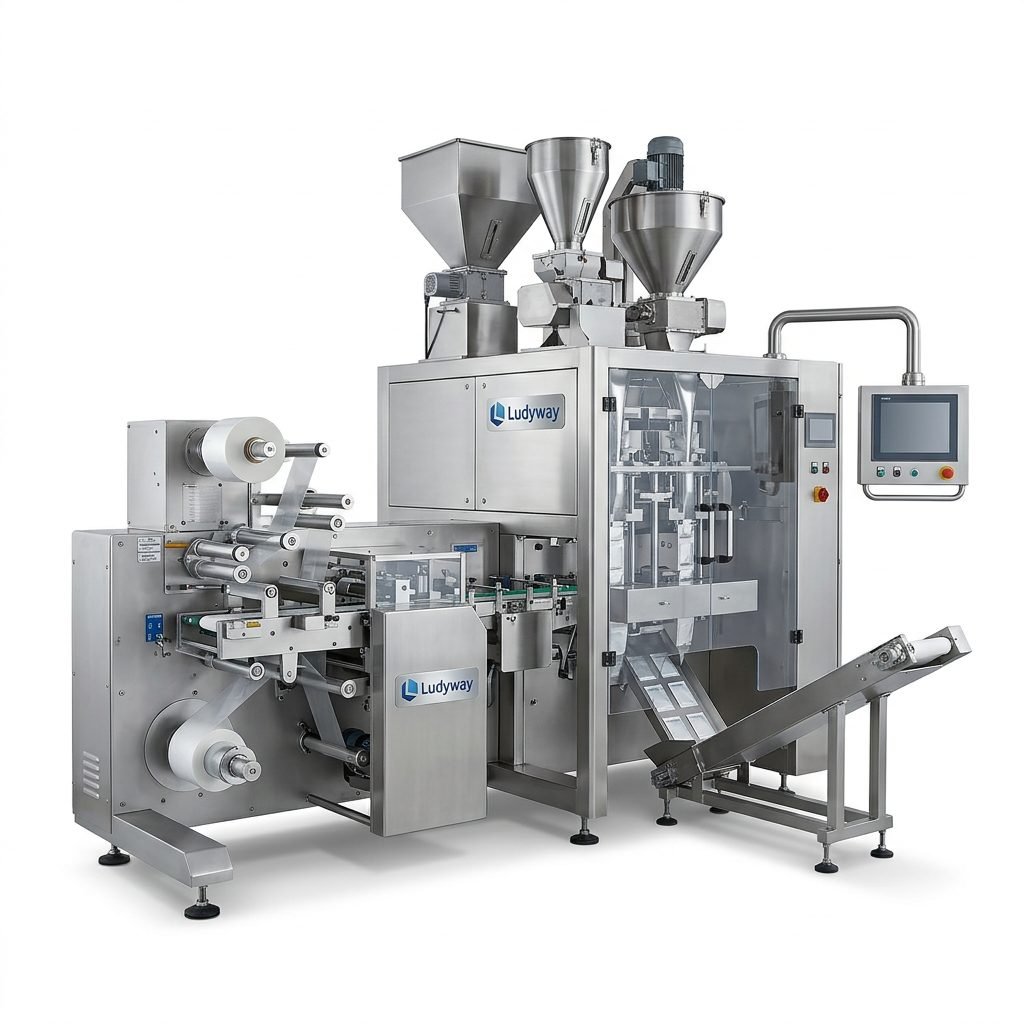
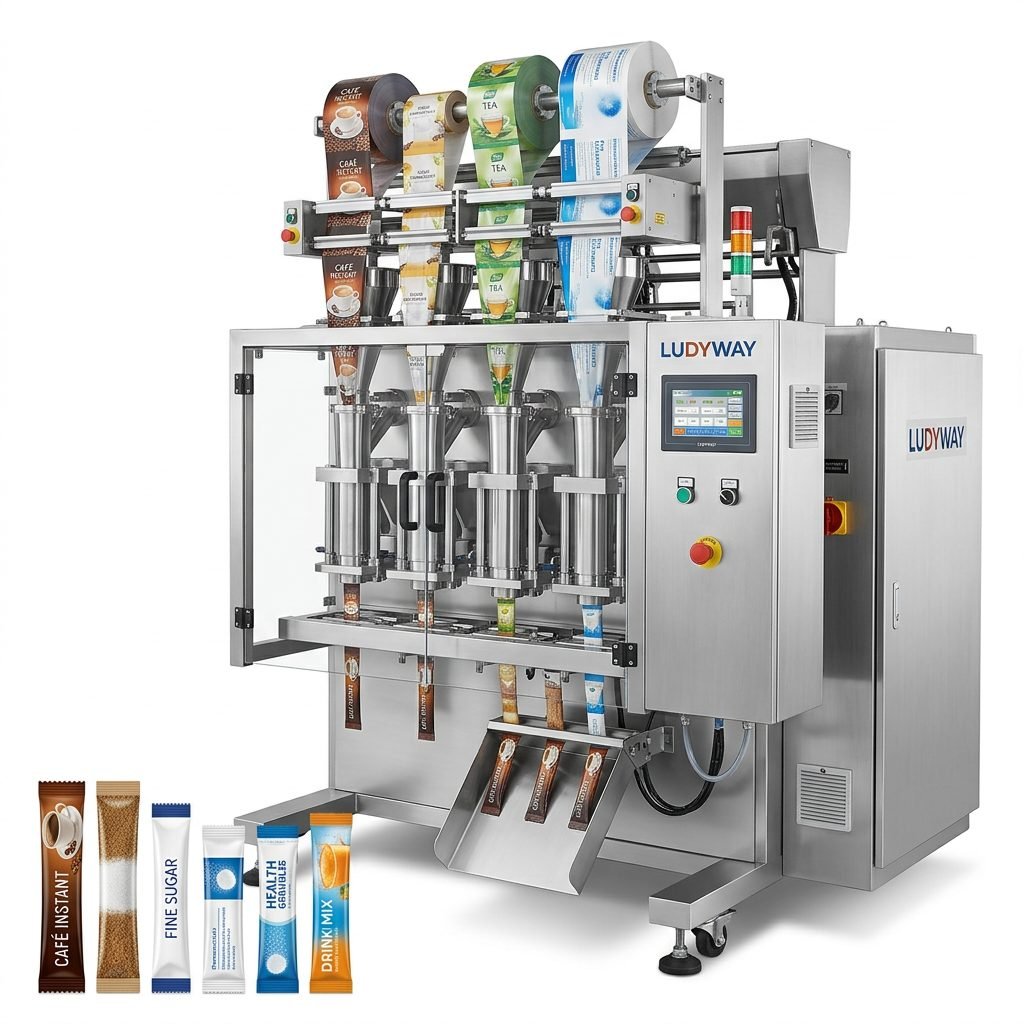
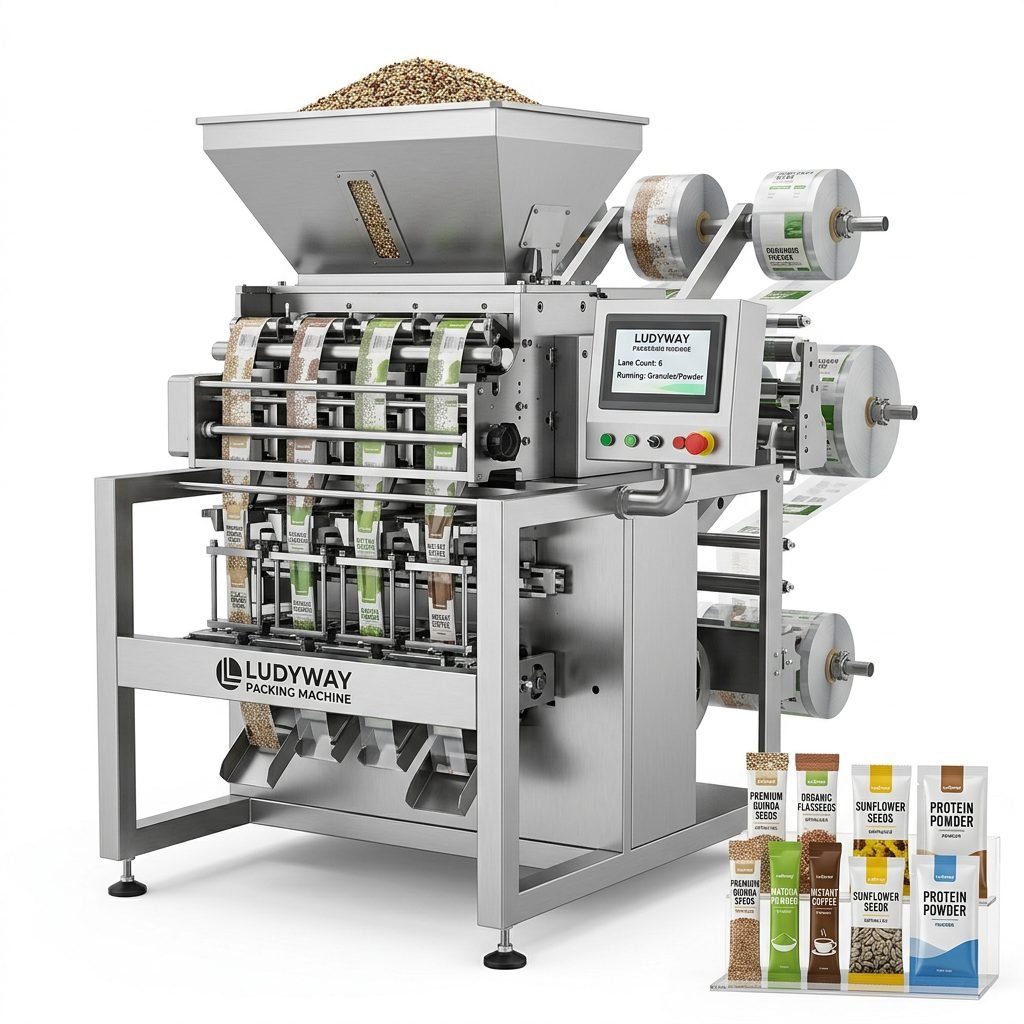
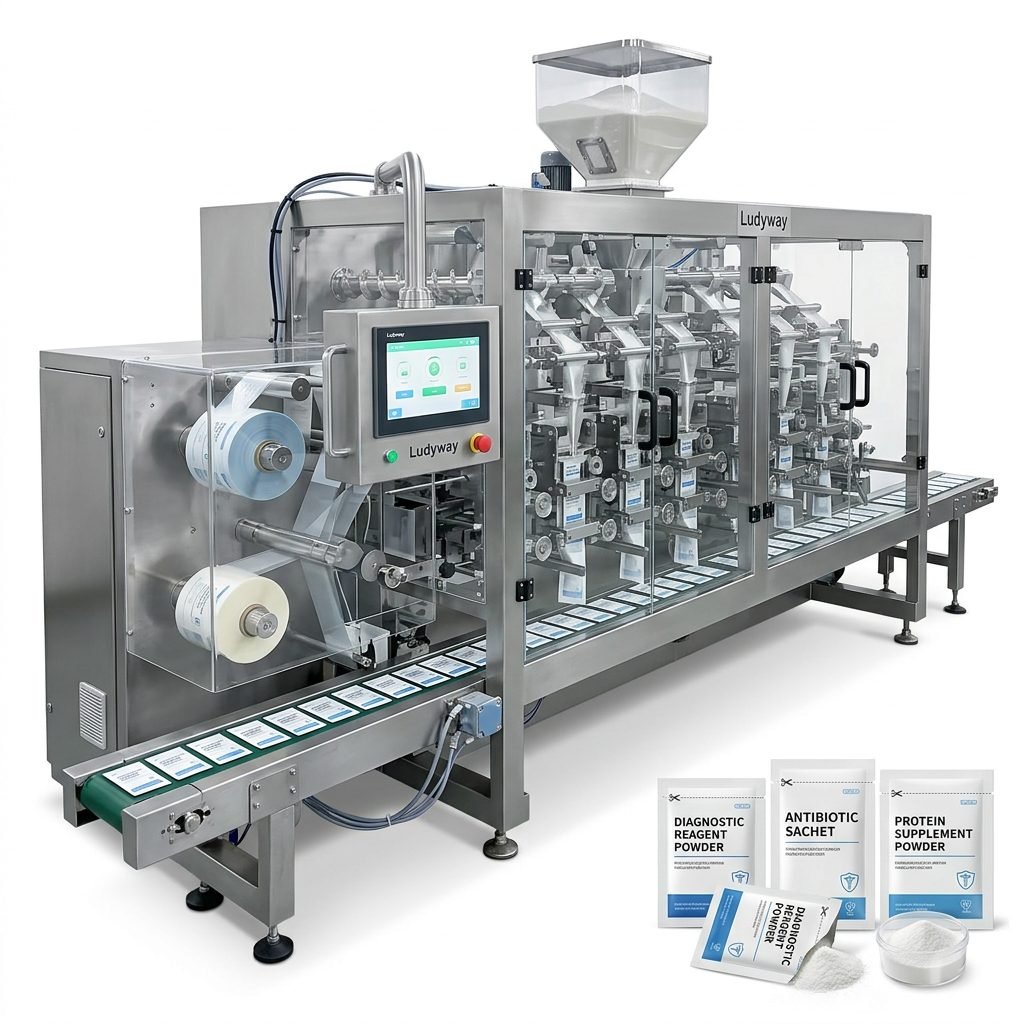
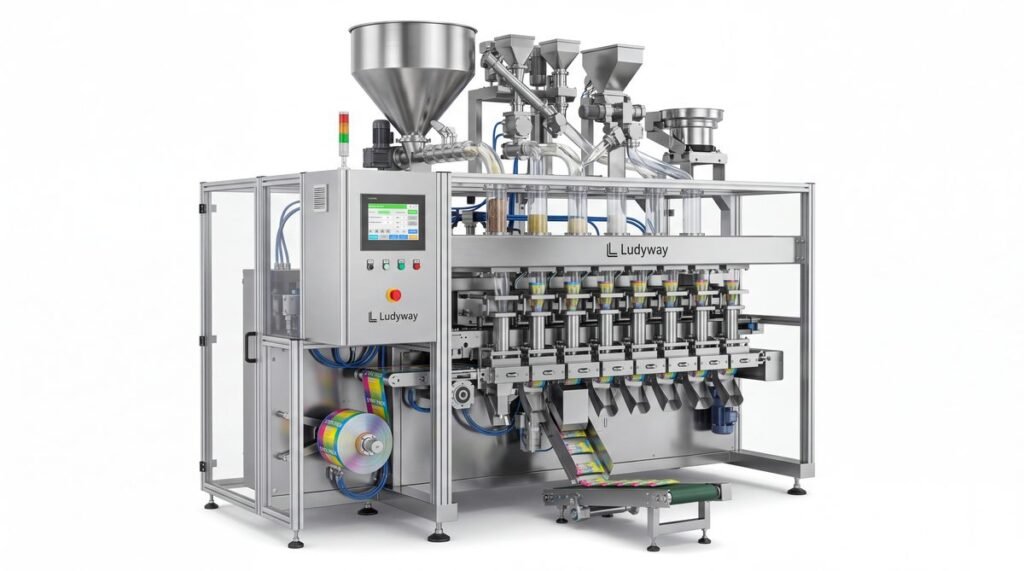
- Multi-Lane Stick Pack Machines: Ideal for single-serve portions of coffee, sugar, supplements, or pharmaceuticals. High-speed machines can run multiple lanes simultaneously, dramatically increasing output for small, precise doses.
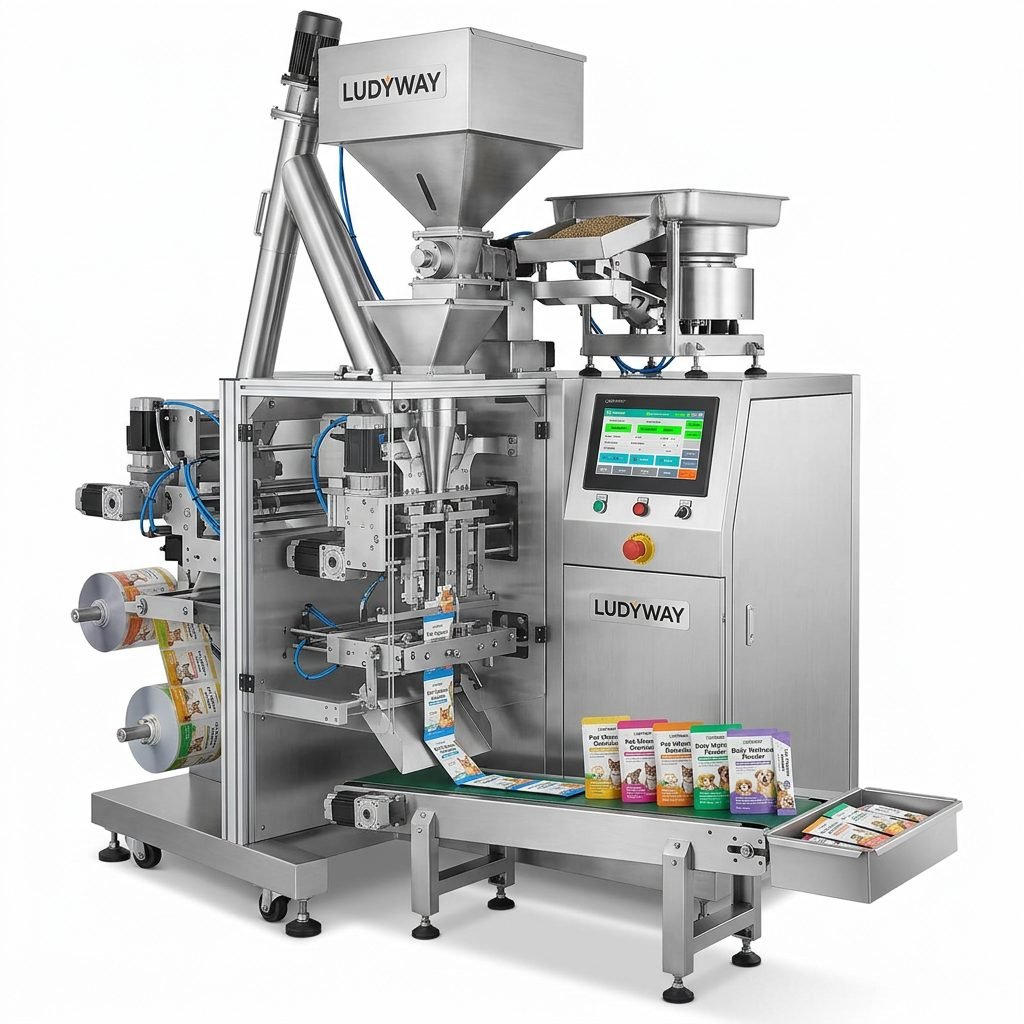
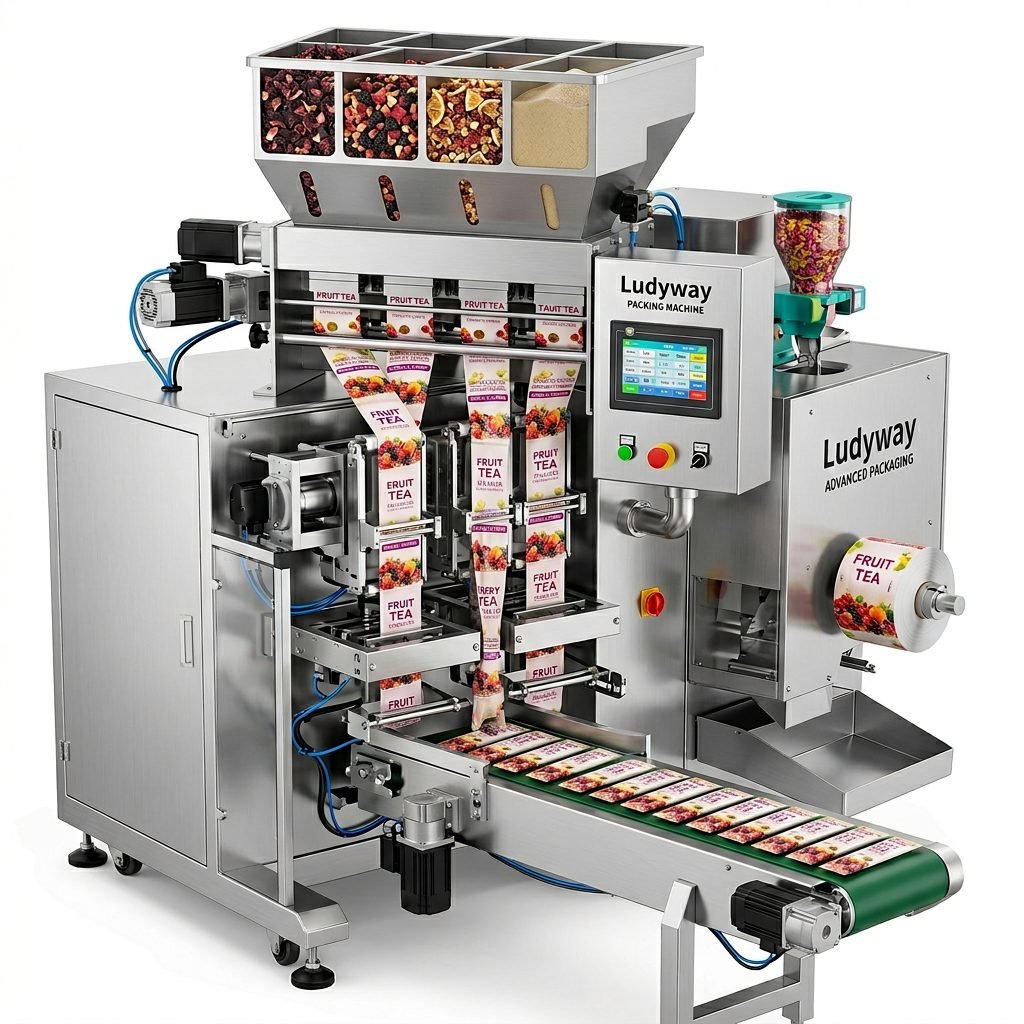
- Vertical Form-Fill-Seal (VFFS) Sachet Machines: Versatile workhorses that form the bag from a roll of film, fill it with product, and seal it—all in one continuous motion. Perfect for a vast range of products from tea leaves to shampoo.
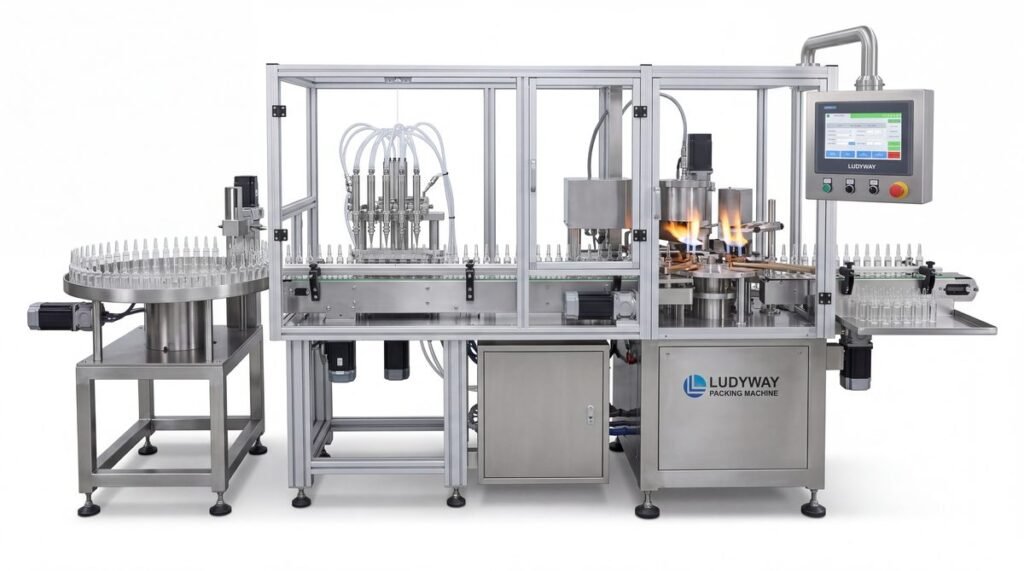
- Liquid & Paste Filling Machines: Engineered for accuracy and cleanliness, these systems handle viscous products like sauces, creams, or oils with precision, often incorporating pumps and nozzles designed to prevent dripping and contamination.
2. Secondary & End‑of‑Line Packaging Solutions
Once primary packages are created, they must be grouped, boxed, and prepared for distribution. This is where efficiency gains become most visible in labor savings and throughput.
- Automatic Cartoners: Erect cardboard cartons, insert the primary packages (like stick packs or sachets), and close them securely. They can also include leaflet or desiccant insertion.
- Case Packers & Sealers: Automatically load filled cartons or primary packages into shipping cases, then apply tape or glue to seal them. Robotic case packers offer incredible flexibility for mixed-SKU pallets.
- Palletizing Systems: The final step, where sealed cases are robotically or mechanically arranged onto pallets in a stable, transport-ready configuration. This eliminates the most physically demanding manual task in the warehouse.
The Tangible Benefits: Why Integration is the Smart Choice
Investing in an integrated packaging line is a strategic decision that pays dividends across the entire operation.
Operational Efficiency & Cost Reduction
The most immediate impact is on labor. Automated lines significantly reduce the number of operators required for manual loading, transfer, and palletizing. This not only cuts labor costs but also mitigates risks associated with repetitive strain injuries and human error. Furthermore, integrated systems run at consistently high speeds, maximizing throughput and reducing cost per unit. Material waste is minimized through precise filling and reduced product giveaway.
Enhanced Quality Control & Traceability
Automation ensures every package is made identically. Integrated systems can include checkweighers, metal detectors, and vision inspection systems that automatically reject any sub-standard package. All production data—from machine speed to reject counts—is logged, providing complete traceability for each batch, a critical requirement in pharmaceutical and food industries.
Scalability and Future-Proofing
A well-designed integrated line is modular. As demand grows, you can add another filling head, a new cartoning module, or a second palletizing robot without redesigning the entire process. This scalability protects your initial investment and allows your production capability to evolve with your business.
Choosing the Right Partner for Your Integrated Solution
Implementing a successful automated packaging line is not just about buying machines; it’s about partnering with an expert who understands your entire production ecosystem. A true partner will offer more than equipment—they will deliver a turnkey solution.
Look for a provider with deep application experience in your specific industry, whether it’s food, pharmaceuticals, or health products. They should have a proven track record of designing, building, and commissioning complete lines. Strong after-sales support, including readily available spare parts, remote diagnostics, and on-site service, is essential to minimize downtime. Providers like Ludyway Machinery, with decades of focused engineering experience, exemplify this approach by offering over 50 machine models and the expertise to weave them into a cohesive, high-performance system tailored to global production needs.
Conclusion: The Path to Uninterrupted Production
Integrated packaging machinery for automated production lines is no longer a luxury for large corporations; it is a necessary evolution for manufacturers of all sizes seeking resilience, quality, and growth. By creating a continuous, intelligent flow from product filling to palletizing, these systems eliminate bottlenecks, ensure consistent quality, and unlock new levels of operational data. In an era where efficiency defines market leadership, investing in a robust, integrated end‑of‑line packaging solution is the definitive step toward building a smarter, more competitive, and future-ready factory.
Frequently Asked Questions (FAQs)
1. What is the main difference between a standalone machine and an integrated packaging line?
A standalone machine performs one specific task (e.g., filling) and often requires manual intervention to move product to the next stage. An integrated line connects multiple machines (filling, cartoning, case packing) via automated conveyors and controls, creating a seamless, hands-off process from start to finish, dramatically increasing speed and consistency.
2. How long does it typically take to see an ROI (Return on Investment) on an automated packaging line?
The ROI period varies based on scale, labor costs, and previous efficiency levels. Typically, manufacturers see a return within 1 to 3 years through significant labor savings, reduced waste, higher throughput, and improved product quality leading to fewer returns.
3. Can integrated lines handle frequent product changeovers?
Yes, modern lines are designed for flexibility. Features like quick-change parts, recipe storage on the HMI, and adjustable mechanisms allow for efficient changeovers. The level of ease depends on the system’s design, so discussing your specific changeover needs with your supplier during the planning phase is crucial.
4. Are these systems suitable for small and medium-sized enterprises (SMEs)?
Absolutely. The modular nature of integrated solutions allows for scalable investment. An SME can start with a core automated filling and cartoning system and later add case packing and palletizing as volume grows. Many providers offer compact, affordable lines specifically designed for mid-volume production.
5. What kind of maintenance do automated packaging lines require?
Regular preventive maintenance is key to longevity and uptime. This includes daily cleaning, lubrication of moving parts, and inspection of wear components like seals and belts. Reputable suppliers offer comprehensive service contracts and training for your maintenance team, and many systems now include IoT sensors for predictive maintenance alerts.