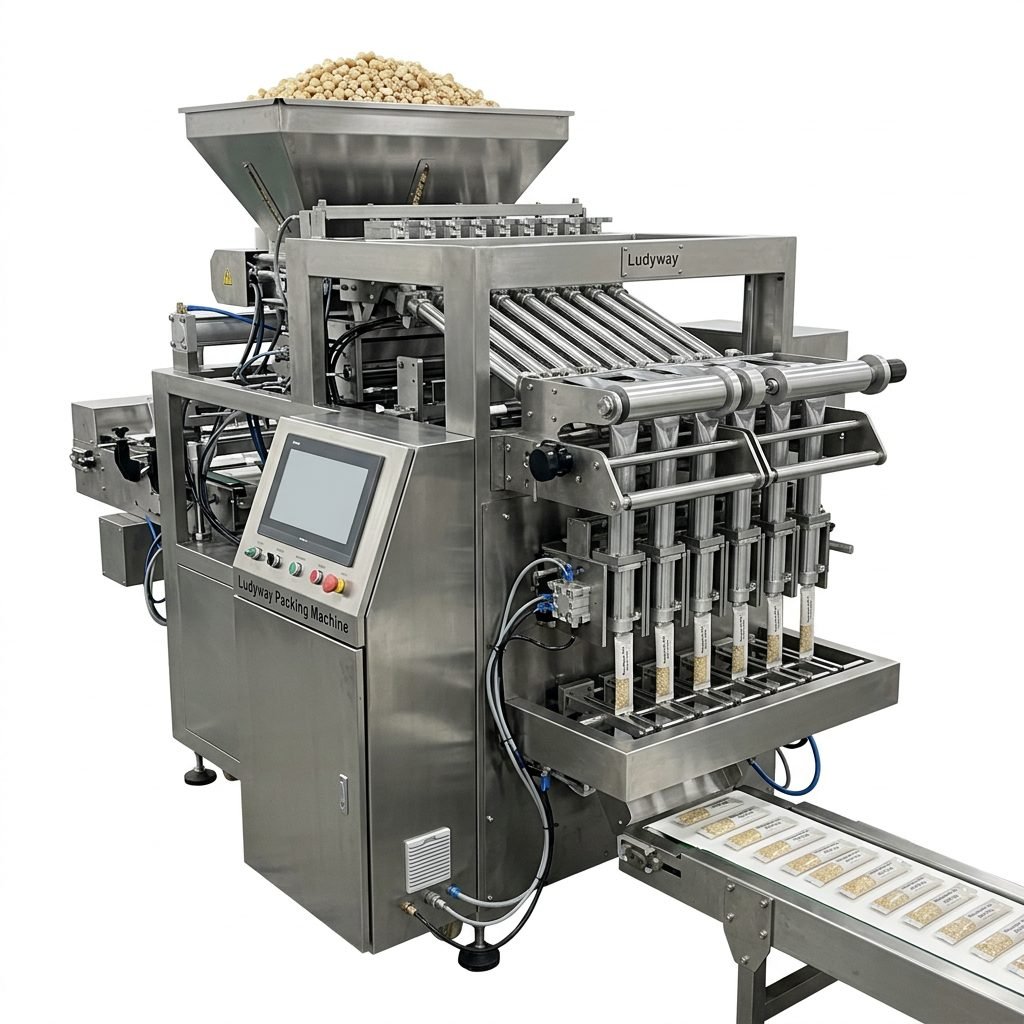
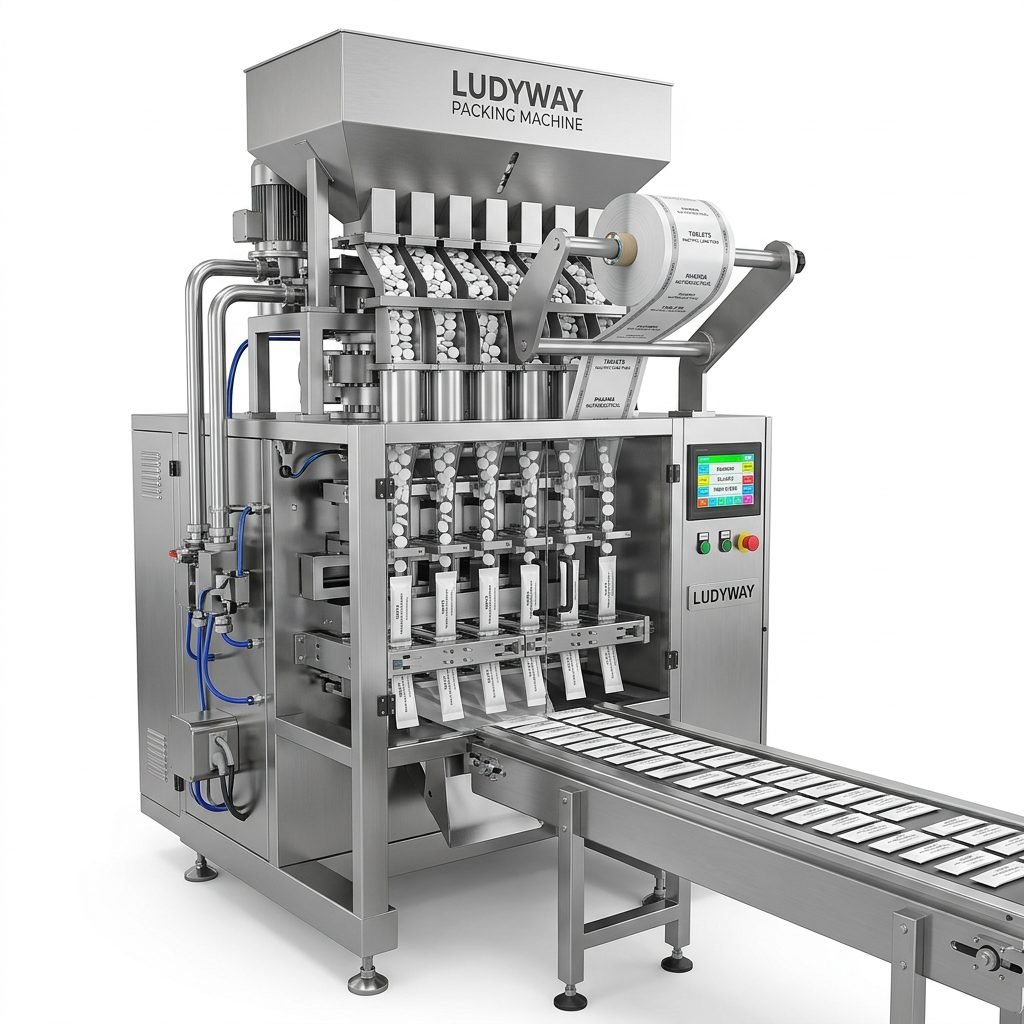
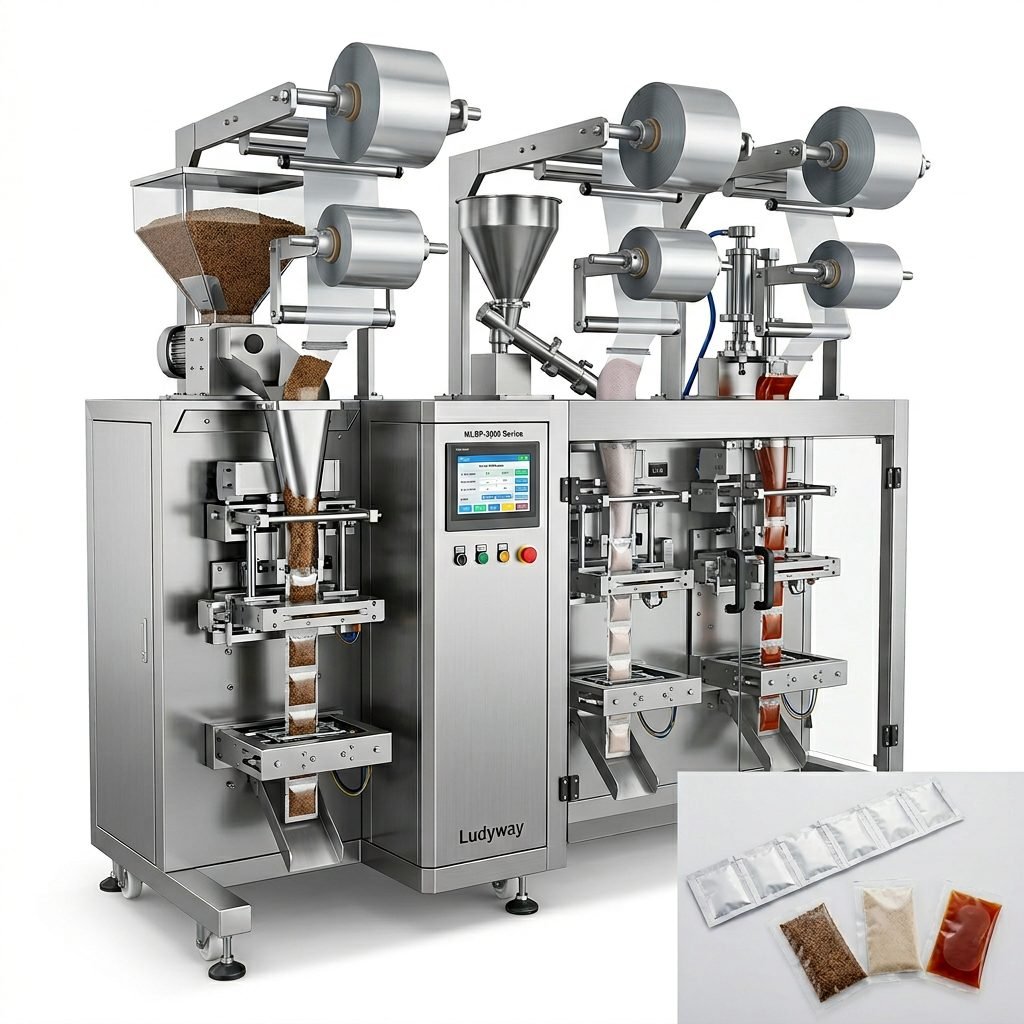
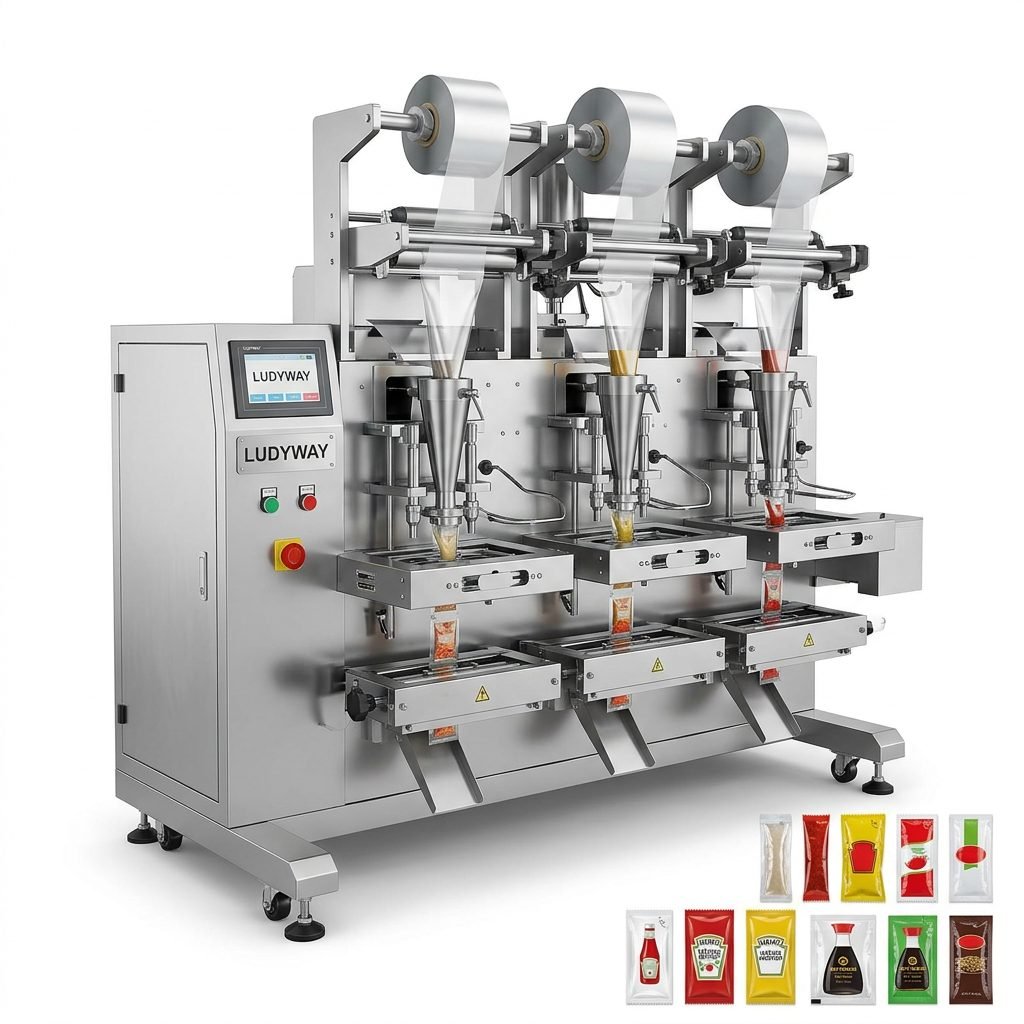
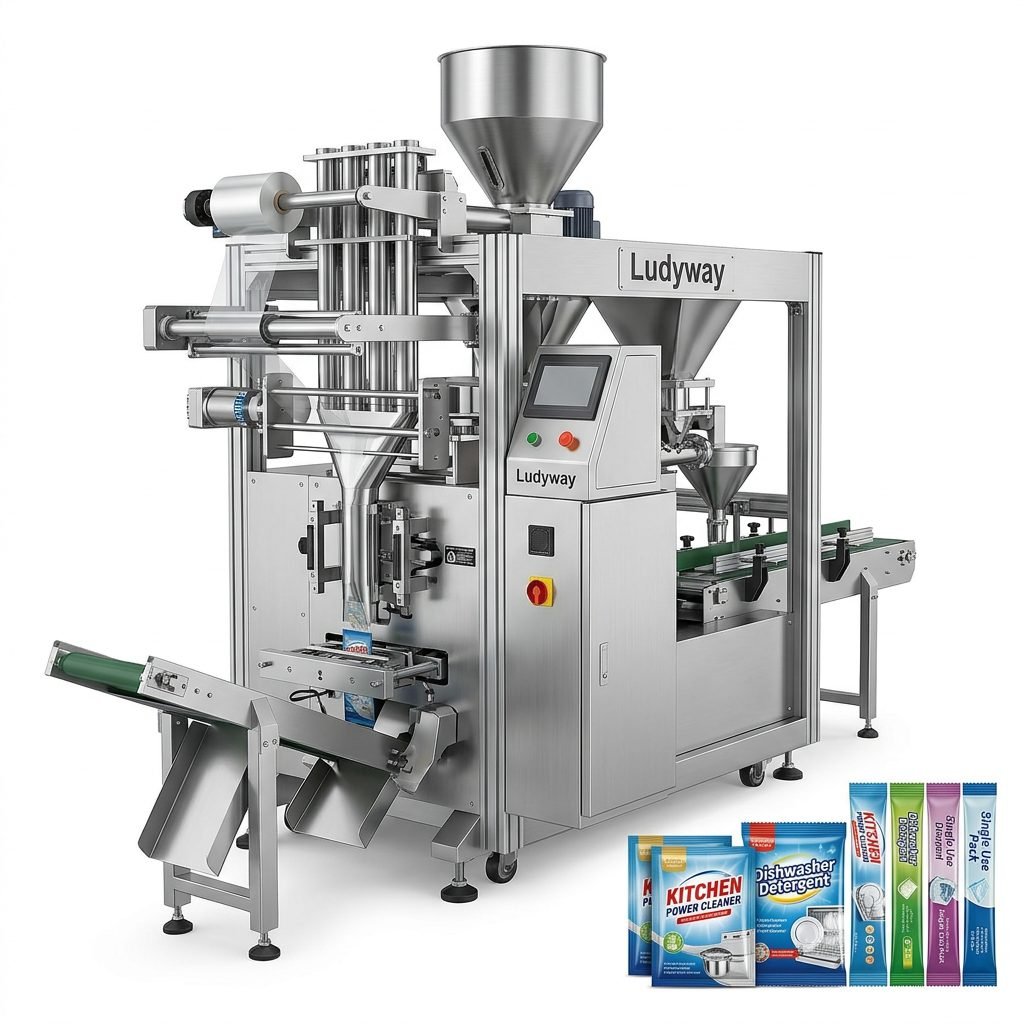
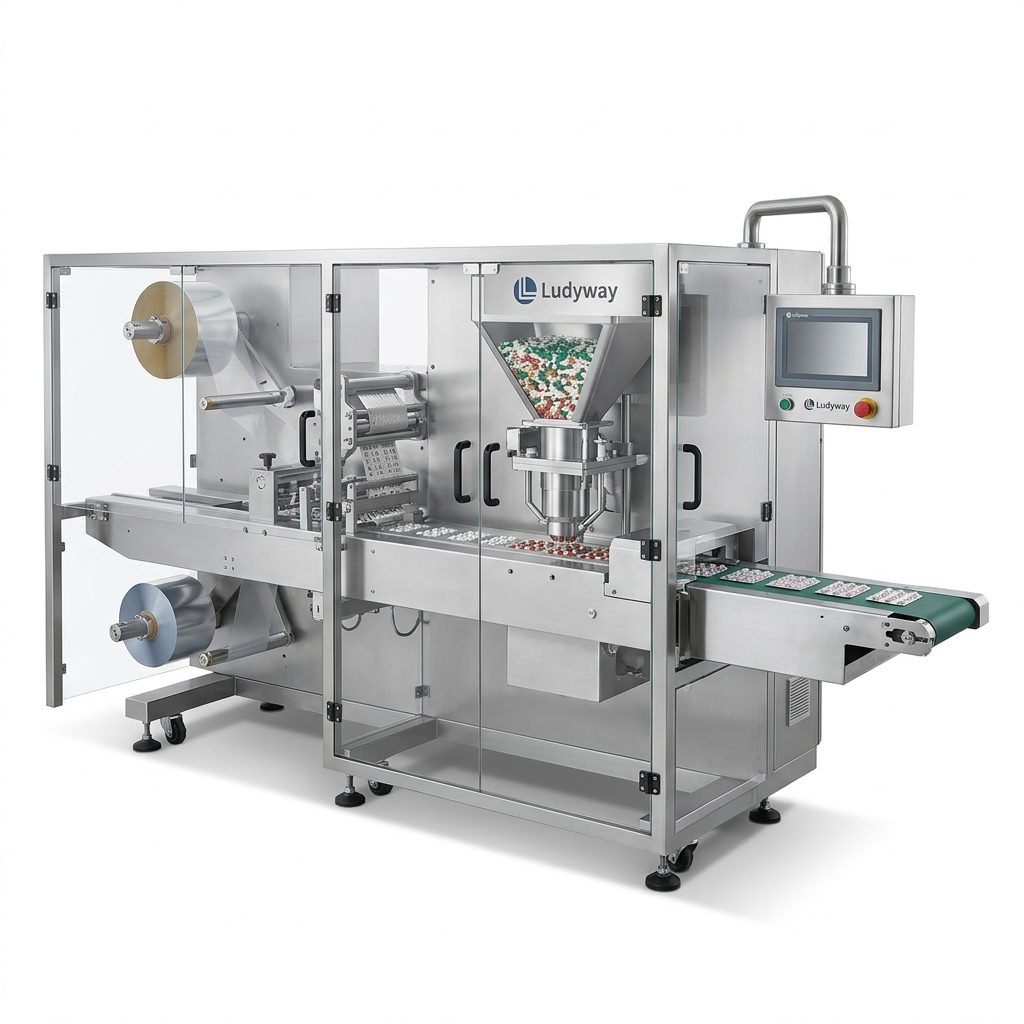
The global market for automatic flexible packaging machines is experiencing significant growth, driven by increasing demand across diverse industries such as food, pharmaceuticals, cosmetics, and consumer goods. These machines are designed to handle a variety of packaging materials—including films, laminates, and pouches—with high efficiency, precision, and adaptability to different product shapes and sizes. As manufacturers worldwide seek to enhance productivity, reduce labor costs, and improve packaging consistency, automated flexible packaging solutions have become a critical investment.
Market Size and Current Valuation
The automatic flexible packaging machine market has expanded steadily over the past decade. Current estimates place its global value in the multi-billion-dollar range, with projections indicating continued growth at a compound annual growth rate (CAGR) of approximately 5–7% over the next five years. This expansion is fueled by several key factors: the rising adoption of automation in emerging economies, stringent regulatory requirements for packaging integrity in sectors like pharmaceuticals, and the consumer trend toward convenient, lightweight, and visually appealing flexible packages.
Primary Growth Drivers:
- Increased demand for packaged snacks, ready-to-eat meals, and single-serving portions.
- Pharmaceutical industry needs for sterile, tamper-evident, and dose-specific packaging.
- Sustainability initiatives pushing for reduced material usage and lightweight packaging.
- Technological advancements enabling higher speeds, better precision, and integration with smart factory systems.
Key Market Trends Shaping the Industry
Several prominent trends are defining the evolution of the automatic flexible packaging machinery sector:
1. Integration of IoT and Smart Technologies
Modern machines increasingly incorporate Internet of Things (IoT) capabilities, allowing for real-time monitoring of production metrics, predictive maintenance, and remote troubleshooting. This connectivity reduces downtime, optimizes output, and provides valuable data for continuous improvement.
2. Sustainability and Material Efficiency
With global emphasis on environmental responsibility, machinery developers are focusing on designs that minimize material waste, support the use of recyclable or biodegradable films, and optimize energy consumption during the packaging process.
3. Flexibility and Quick Changeover
Market demand requires machines that can handle multiple product types and package formats without lengthy reconfiguration. Advanced models now offer rapid changeover features, adjustable settings, and compatibility with a wide range of film materials to meet diverse production needs.
4. Hygienic Design for Sensitive Products
Particularly in food and pharmaceutical applications, machinery designs prioritize easy cleaning, contamination prevention, and compliance with hygiene standards such as FDA and EU regulations. Stainless steel components, enclosed mechanisms, and clean-in-place (CIP) features are becoming standard.
High-Speed Pouching Machines
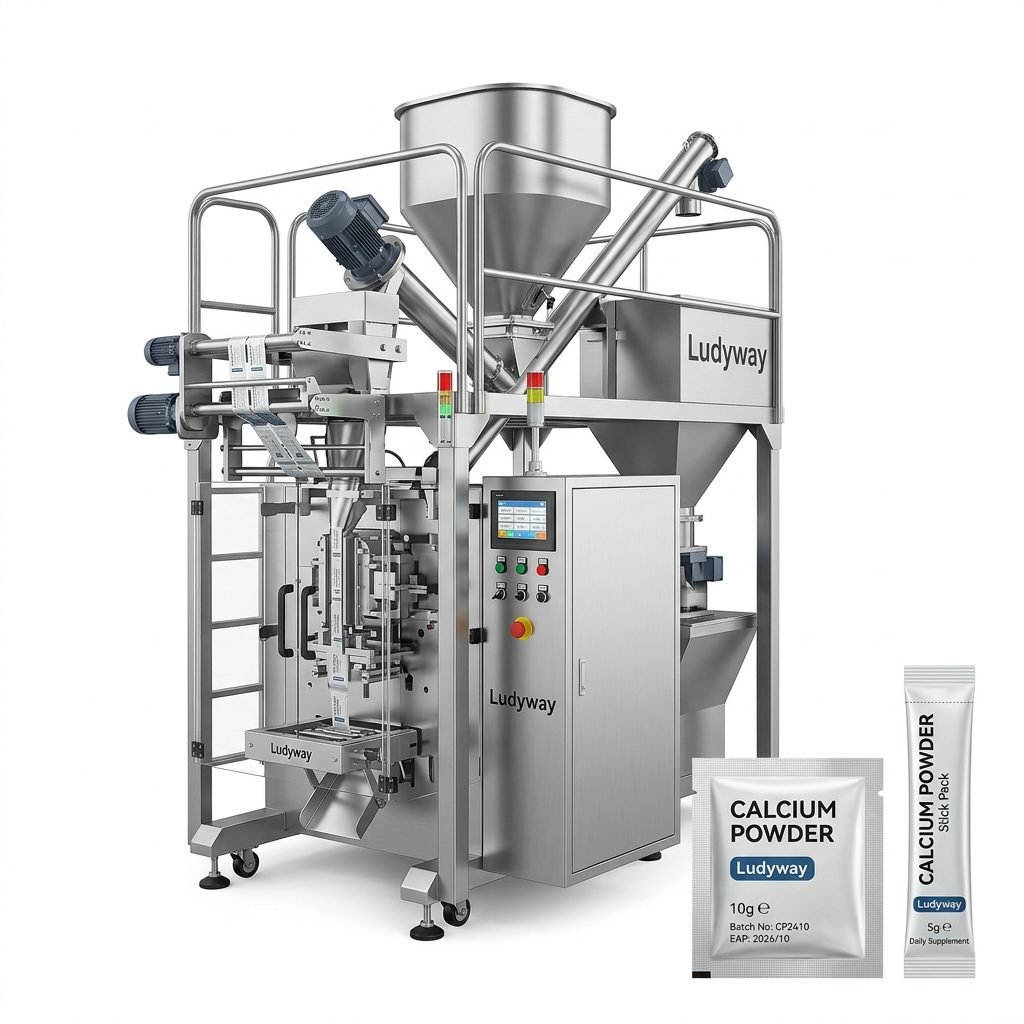
Used extensively for packaging granular products, powders, and liquids into stand-up or flat pouches. They are vital in the snack food, detergent, and beverage industries. Key features include: volumetric or auger filling systems, integrated gas flushing for preservation, and high-output capabilities exceeding 200 pouches per minute.
Major Application Areas
Automatic flexible packaging machines serve a broad spectrum of industries, each with specific requirements:
Food & Beverage
This is the largest application segment. Machines package items like chips, candies, coffee, spices, sauces, and liquid beverages into pouches, sachets, or stick packs. Emphasis is on maintaining product freshness, preventing leakage, and providing attractive, shelf-ready packaging.
Pharmaceutical & Healthcare
Precision and sterility are paramount. Machines package tablets, capsules, powders, medical devices, and diagnostic kits into blister packs, pouches, or sterile barrier systems. Features often include dust-free operation, precision weighing, and compliance with GMP standards.
Cosmetics & Personal Care
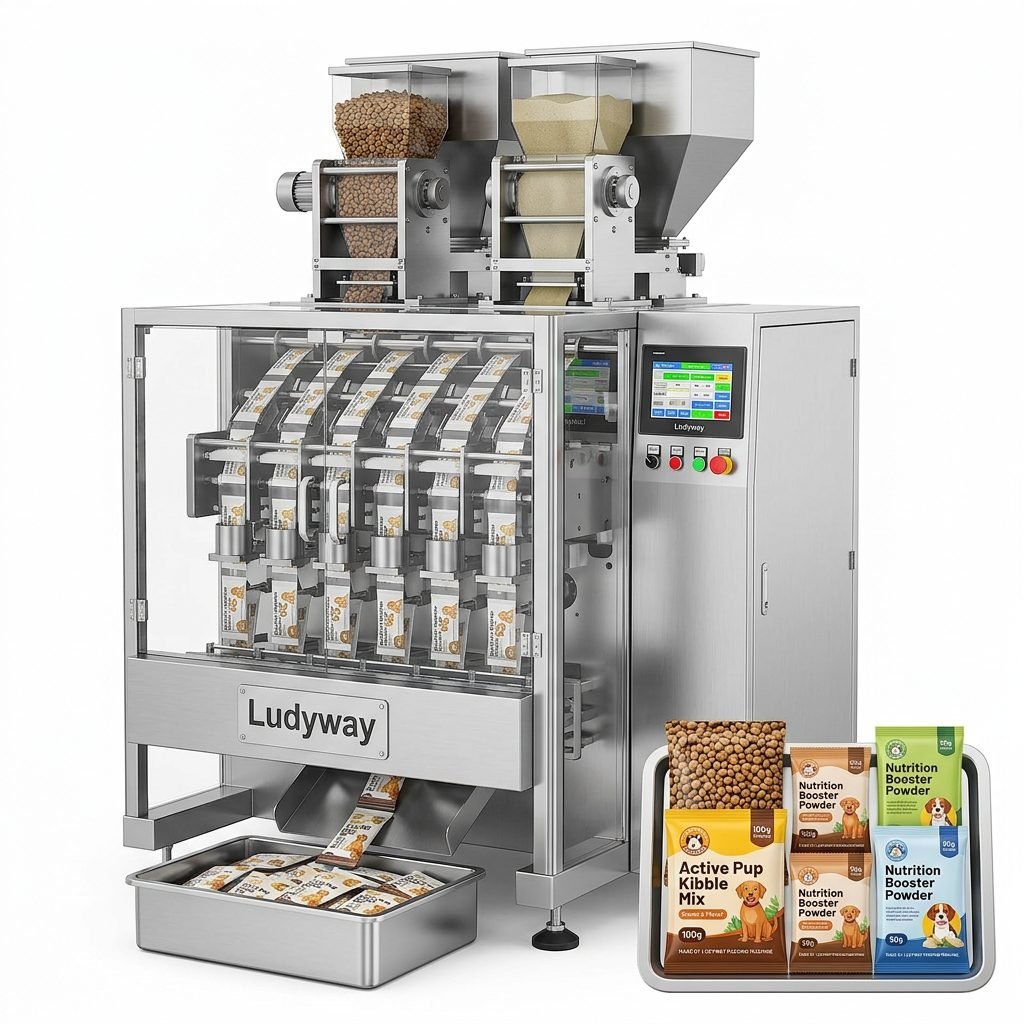
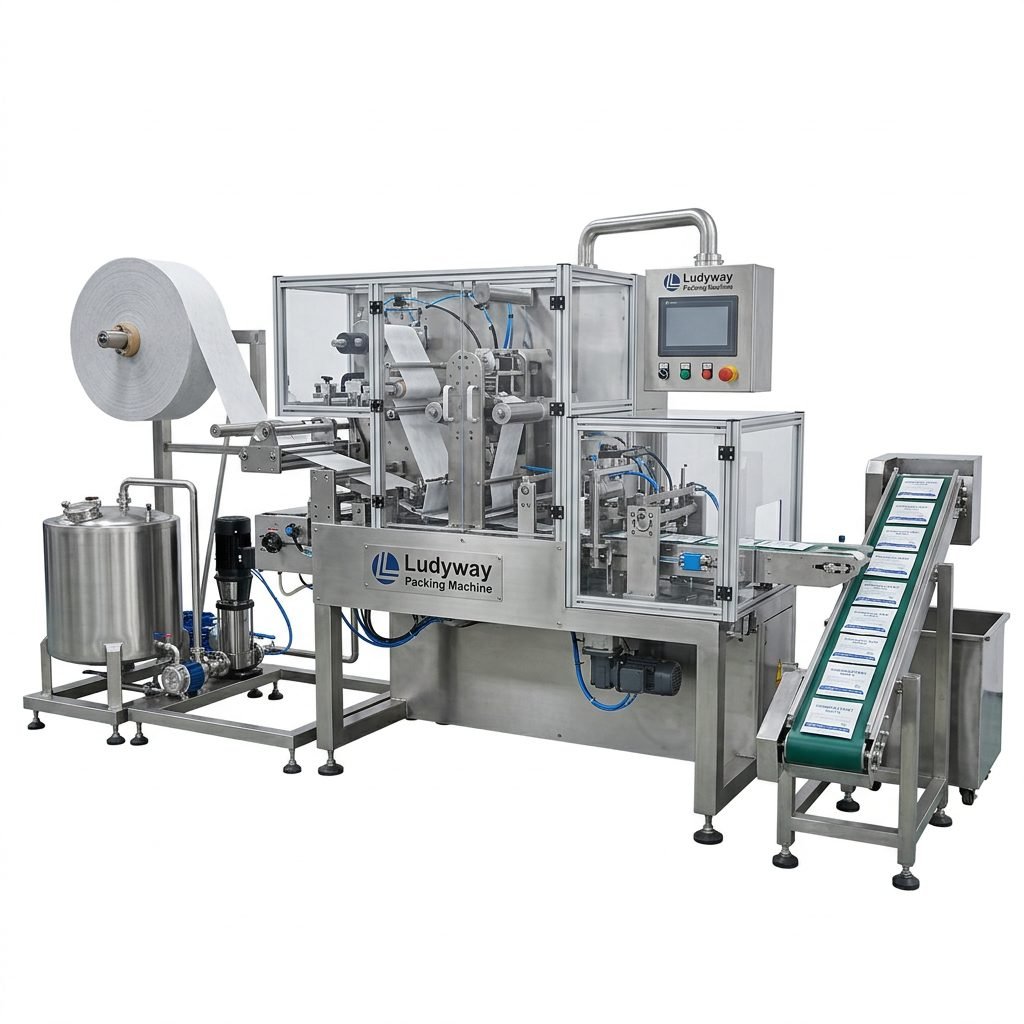
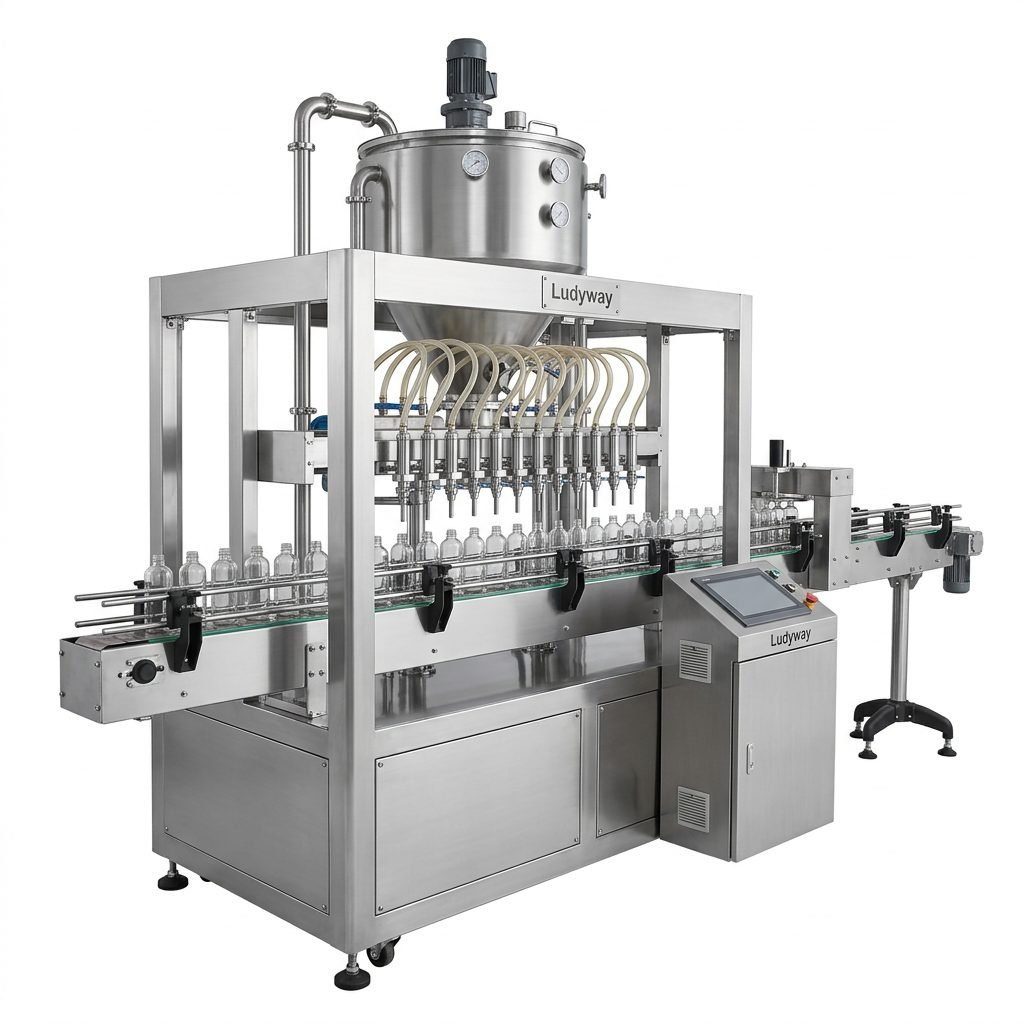
Products such as creams, gels, shampoos, and sample-sized items are packaged into flexible tubes, sachets, or custom-shaped pouches. Machines focus on accurate filling of viscous products, elegant presentation, and often incorporate multi-lane setups for high-volume sample production.
Industrial & Agricultural
Chemicals, fertilizers, seeds, and hardware components are packaged in durable, often multi-layer films. Machines in this sector prioritize handling abrasive or corrosive materials, heavy-duty operation, and large-volume bagging.
Growth Opportunities and Future Outlook
The future of the automatic flexible packaging machine market appears robust, with several clear opportunities for expansion:
Emerging Markets: Rapid industrialization in regions such as Southeast Asia, Latin America, and Africa is driving new demand for automated packaging solutions. Local manufacturers are upgrading from manual or semi-automatic systems to full automation to compete in global supply chains.
E-commerce and Direct-to-Consumer Packaging: The boom in online shopping requires durable, lightweight, and visually appealing packaging that can survive shipping while capturing consumer attention. Machines adaptable to e-commerce-friendly pouch sizes and materials are in high demand.
Customization and Small-Batch Production: Brands are increasingly launching limited editions, personalized products, and niche market items. Flexible packaging machines with quick setup and small minimum order capabilities enable this trend economically.
Advanced Material Handling: As new, sustainable, high-performance films are developed, machinery must adapt to handle these materials without compromising speed or reliability. This creates opportunities for innovation in film feeding, sealing, and cutting technologies.
For businesses considering investment in automatic flexible packaging machinery, partnering with an experienced supplier is crucial. A provider with a strong track record, like Ludyway Machinery, can offer not only reliable equipment but also comprehensive support including installation, training, and after-sales service. Their expertise in multi-lane stick pack and sachet packaging systems and understanding of global market requirements makes them a valuable resource for companies aiming to enhance their packaging operations. Exploring their range of turnkey production solutions can provide a clear pathway to automation.
Common Questions About Automatic Flexible Packaging Machines
1. What are the main cost factors when investing in an automatic flexible packaging machine?
Initial costs include the machine price, installation, and training. Operational costs involve film/material consumption, maintenance, energy usage, and potential labor for supervision. The total investment varies significantly based on machine speed, sophistication, and customization level.
2. How do I choose between a pouch machine and a stick pack machine?
The choice depends primarily on your product form and market preference. Pouches offer greater volume and are ideal for granular, powder, or liquid products sold in retail. Stick packs are slim, portable, and often used for single-serve powders (like coffee or supplements) or sample-sized liquids.
3. What is the typical production speed range for these machines?
Speeds vary widely. Basic single-lane pouch machines may output 60–100 pouches per minute. High-speed multi-lane stick pack machines can achieve over 400 sticks per minute. The specific speed depends on product characteristics, package size, and machine model.
4. Can one machine handle different packaging materials?
Many modern machines are designed with adjustable settings to handle a range of film types (e.g., polyethylene, polyester, laminated films). However, significant changes in material thickness, texture, or sealing properties might require machine reconfiguration or different sealing systems.
5. How important is after-sales support and service?
Extremely important. Given the technical complexity of these machines, reliable after-sales service—including spare parts availability, remote technical support, and on-site maintenance—is essential for minimizing downtime and ensuring long-term, profitable operation.