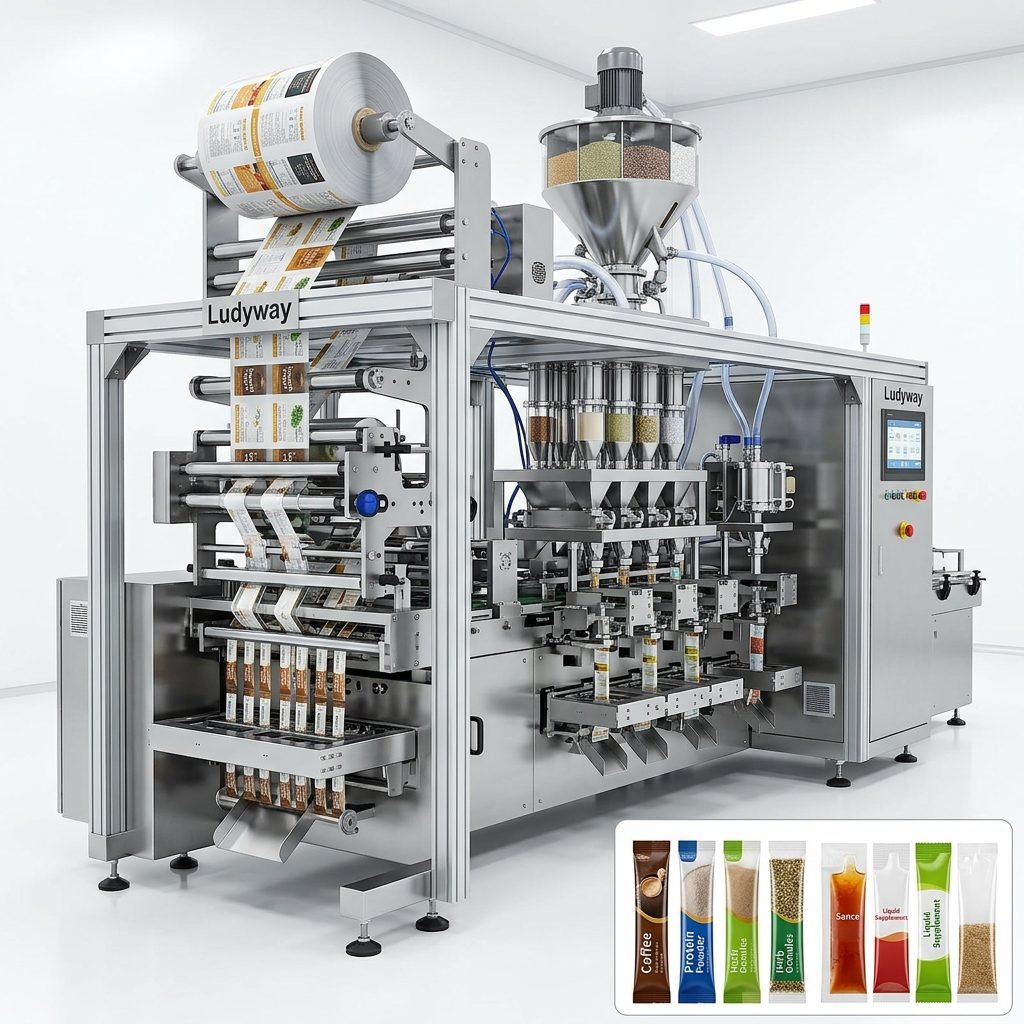
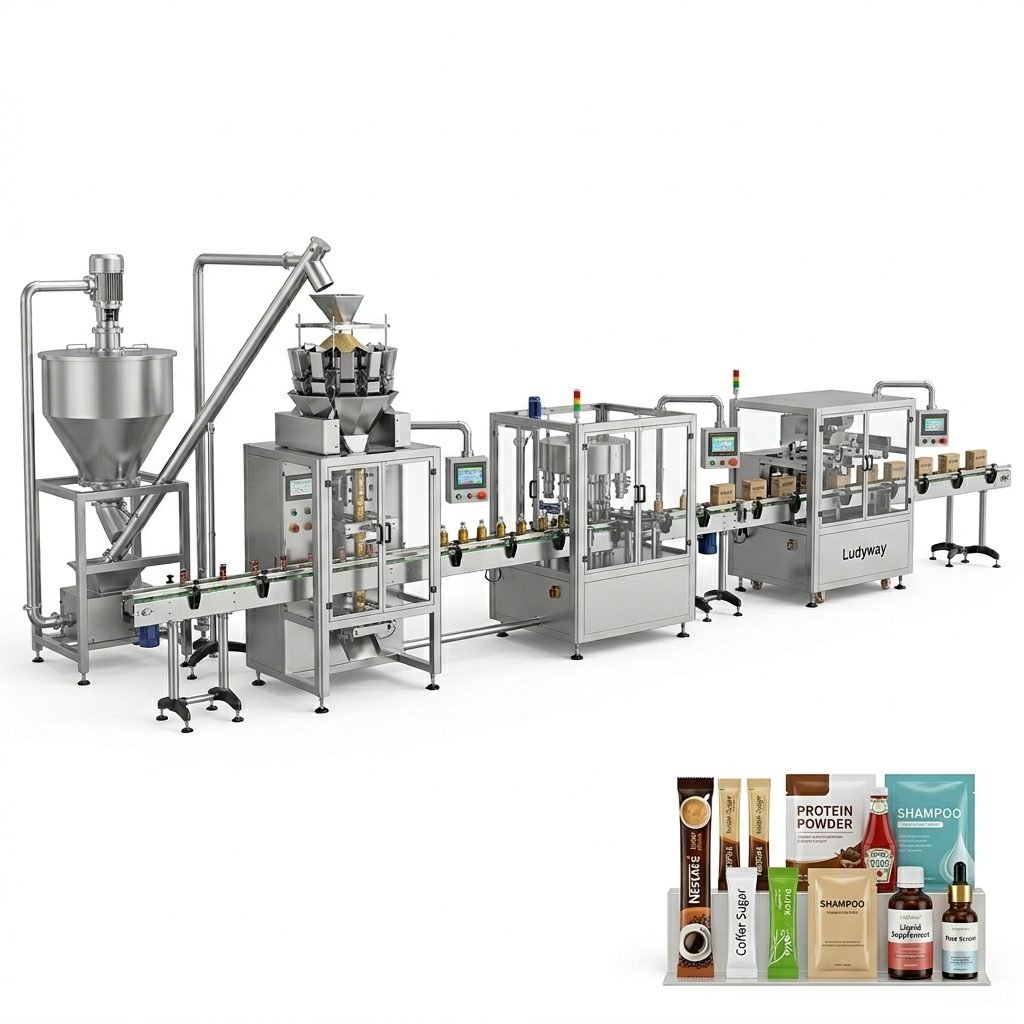
Step 1 – Define Your Packaging Requirements Clearly
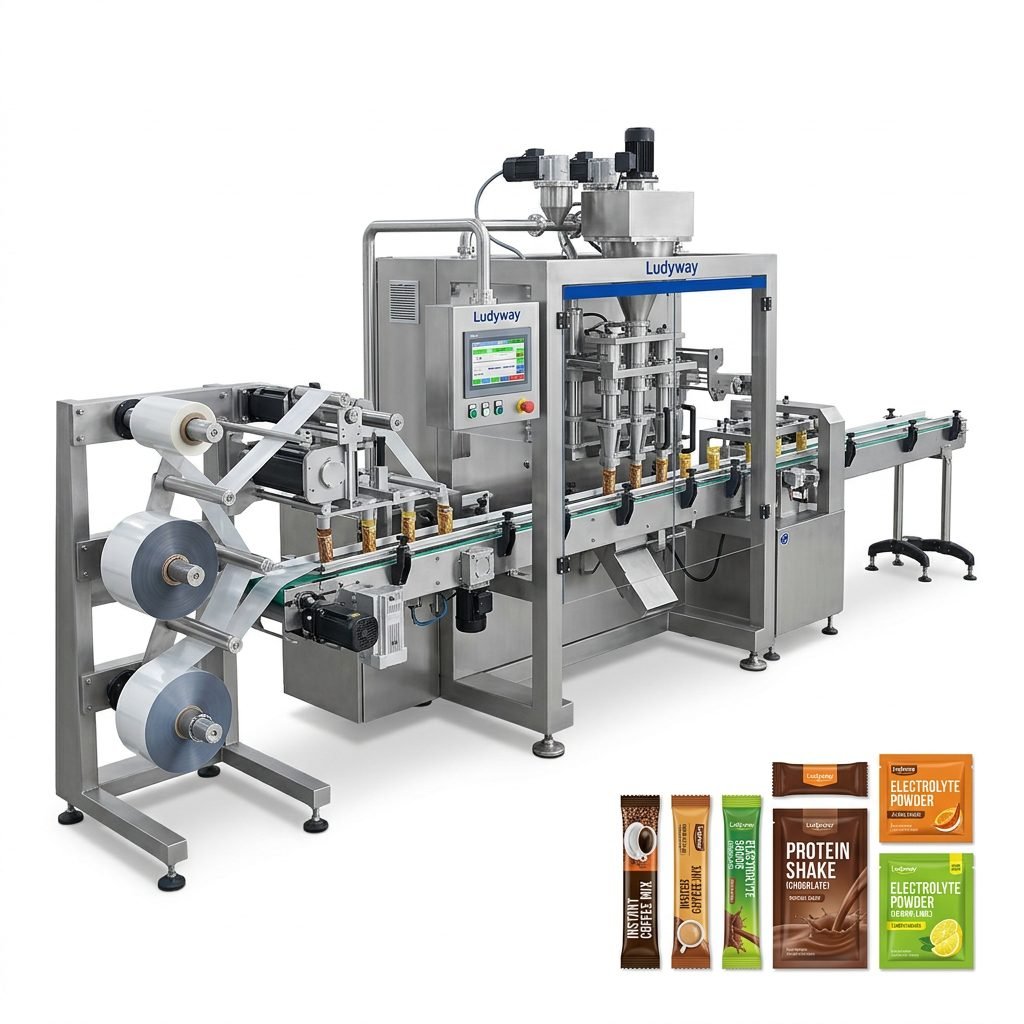
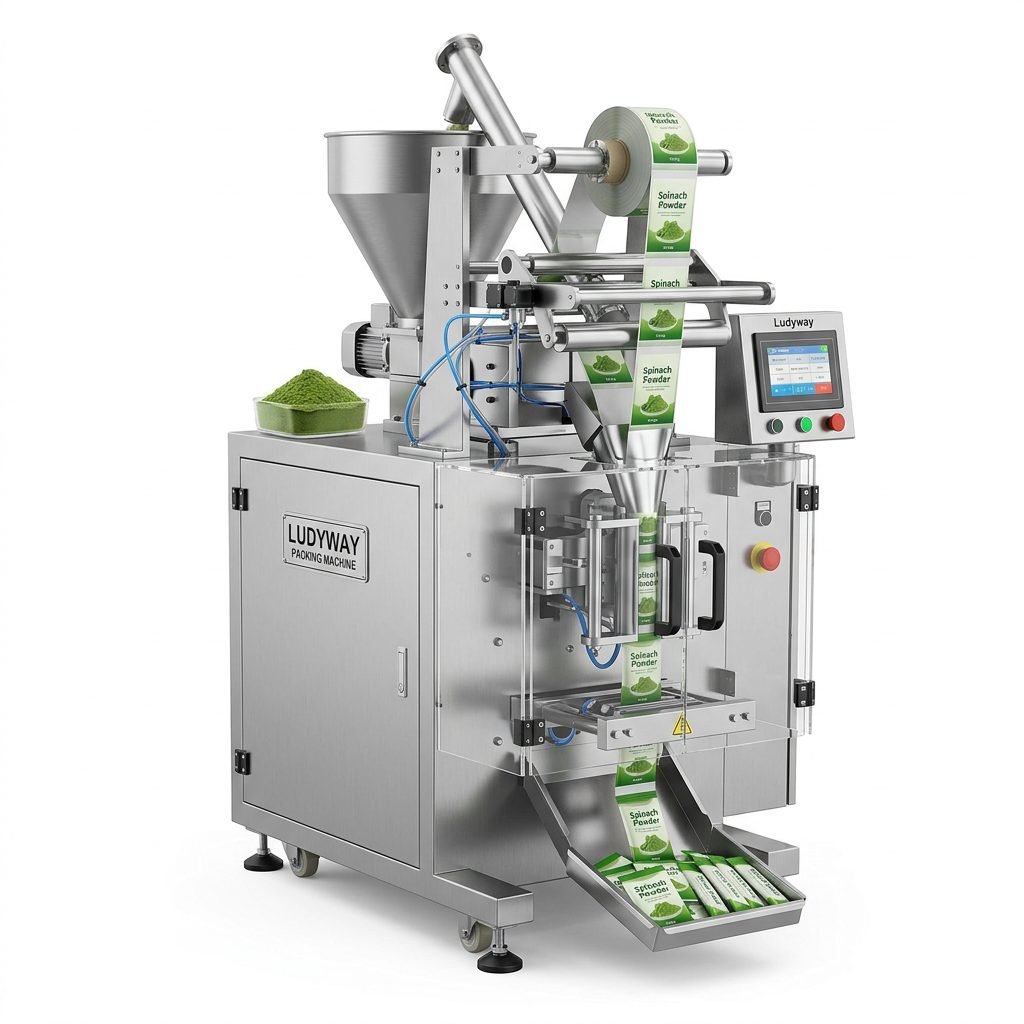
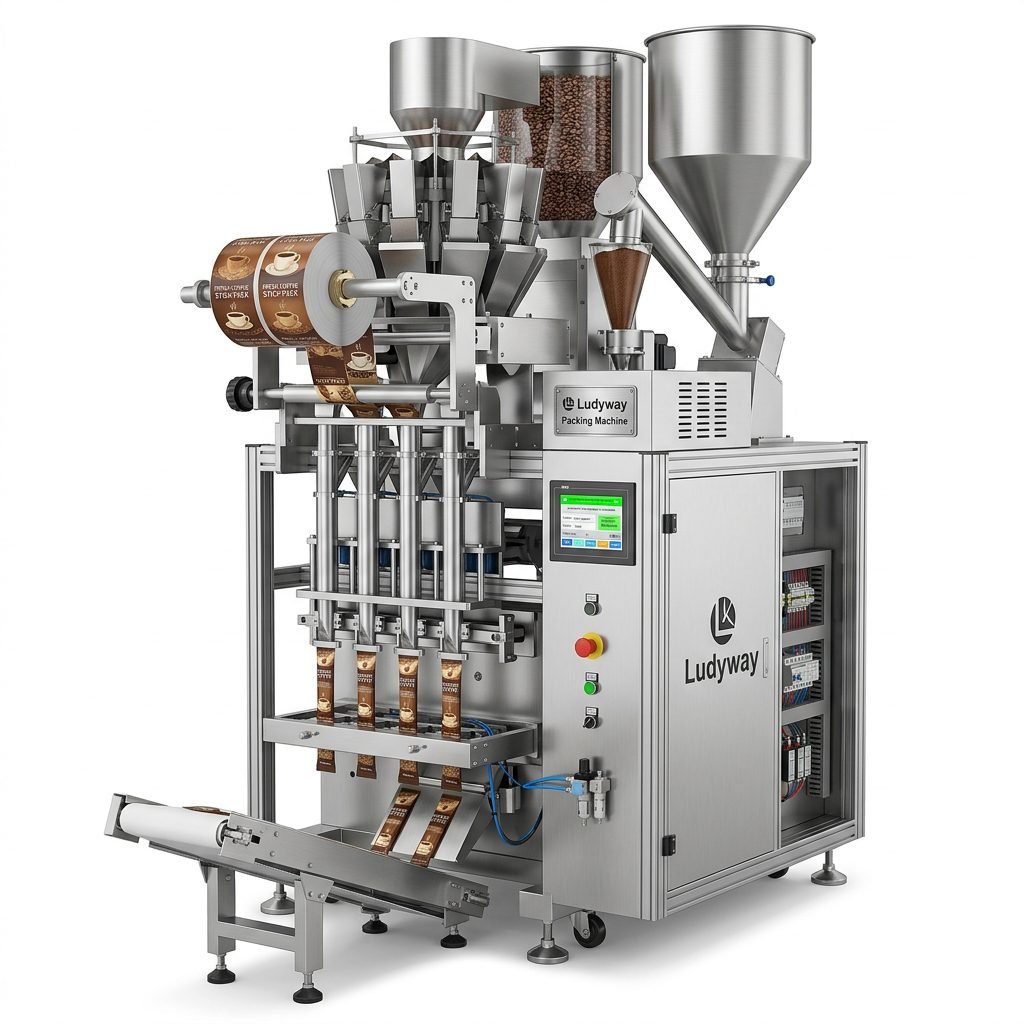
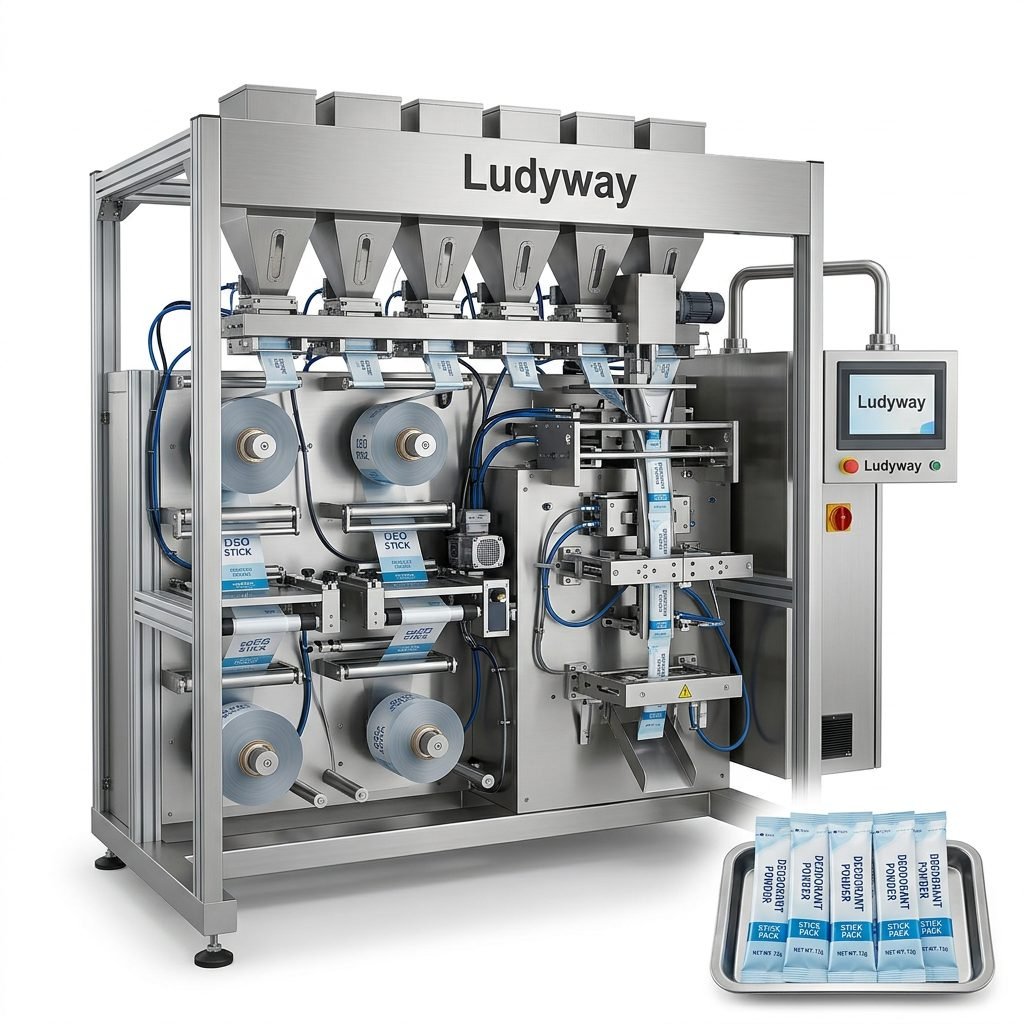
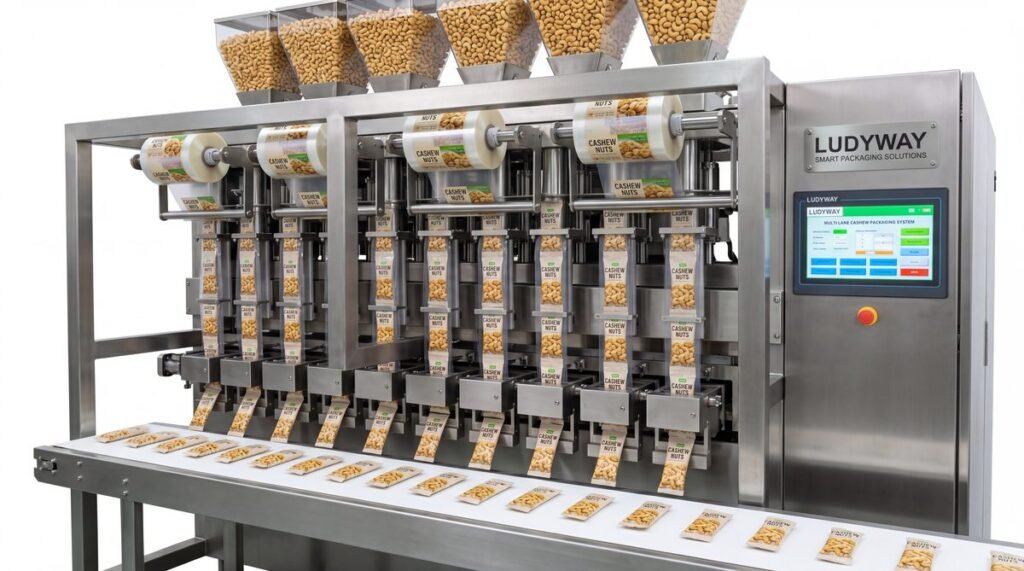
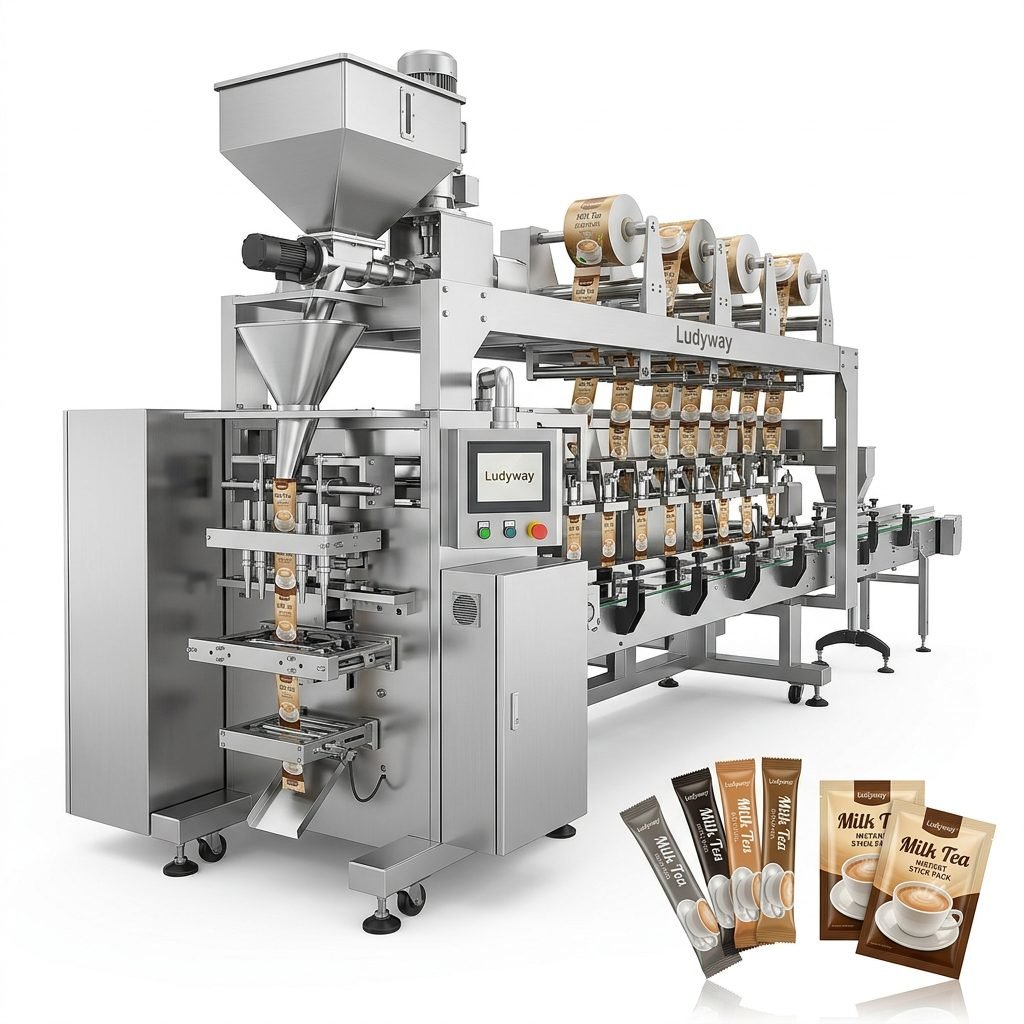
Australian food, pharmaceutical, and health supplement manufacturers often face unique challenges when sourcing packaging equipment. The first step is to outline your product specifications: the type of material (granules, powders, liquids, pastes), bag style (sachet, stick pack, pouch), output speed, and automation level. For example, a Melbourne-based pet treat producer may need a multi-lane stick pack system for high-speed production, while a Sydney supplement company might require a turnkey line for powder sachets. Clearly defining these parameters will help you filter suppliers that match your technical needs.
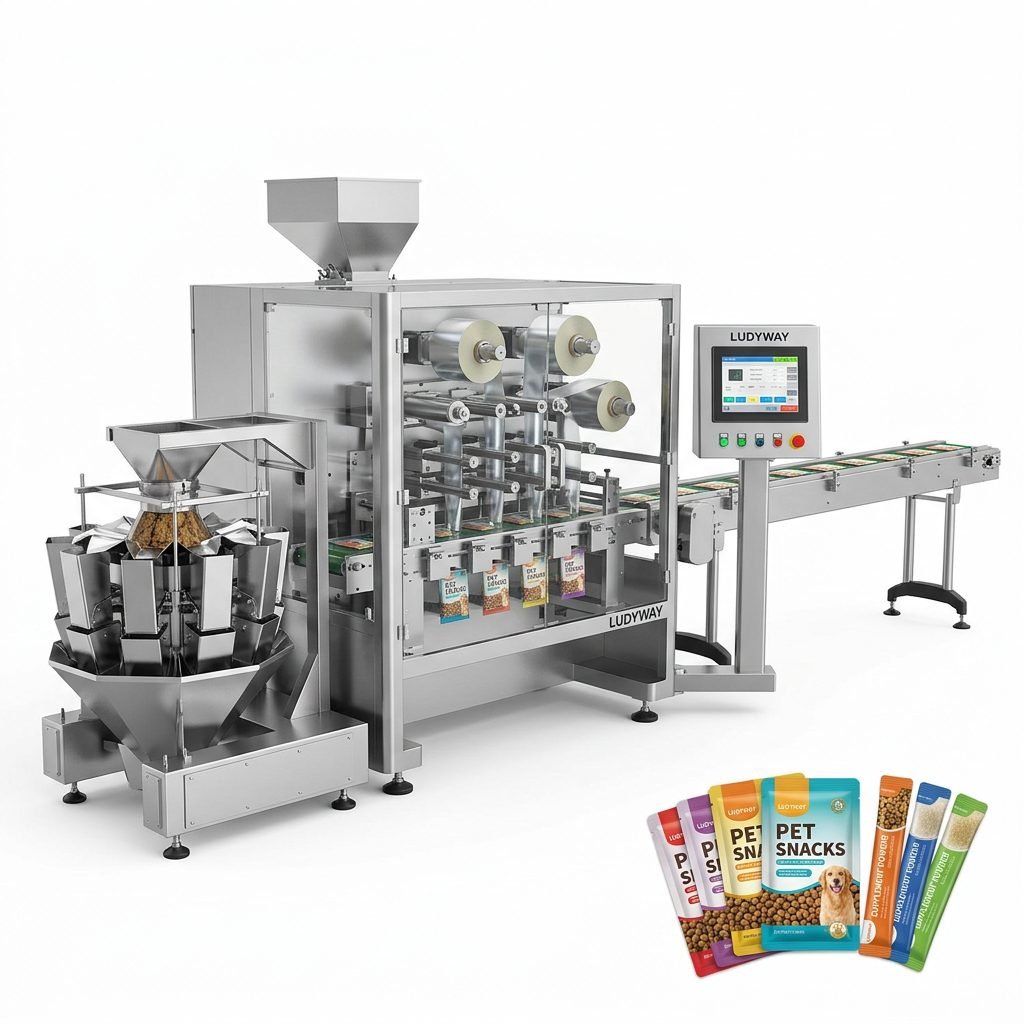
Step 2 – Research Supplier Background and Industry Experience
Reliability often comes from long‑standing manufacturers with proven export records. When evaluating potential partners, consider factors such as company history, factory size, and market share. For instance, Ludyway has been manufacturing packaging machinery since 1993 and operates a 20,000 m² facility, exporting to over 100 countries including Australia. Similarly, Packmate Machinery brings more than 30 years of experience and a product range of 80+ models. Checking these fundamentals gives confidence that the supplier can handle large‑scale orders and comply with Australian standards.
| Manufacturer | Founded | Factory Size | Export Markets |
|---|---|---|---|
| Ludyway | 1993 | 20,000 m² | Europe, North America, Middle East, Australia |
| Packmate Machinery | ~30 years ago | 20,000 m² | Europe, Middle East, South America, Australia |
| PacklineOEM | ~30 years ago | 20,000 m² | Europe, North America, Middle East, South America |
Step 3 – Evaluate Technical Capabilities and Product Range
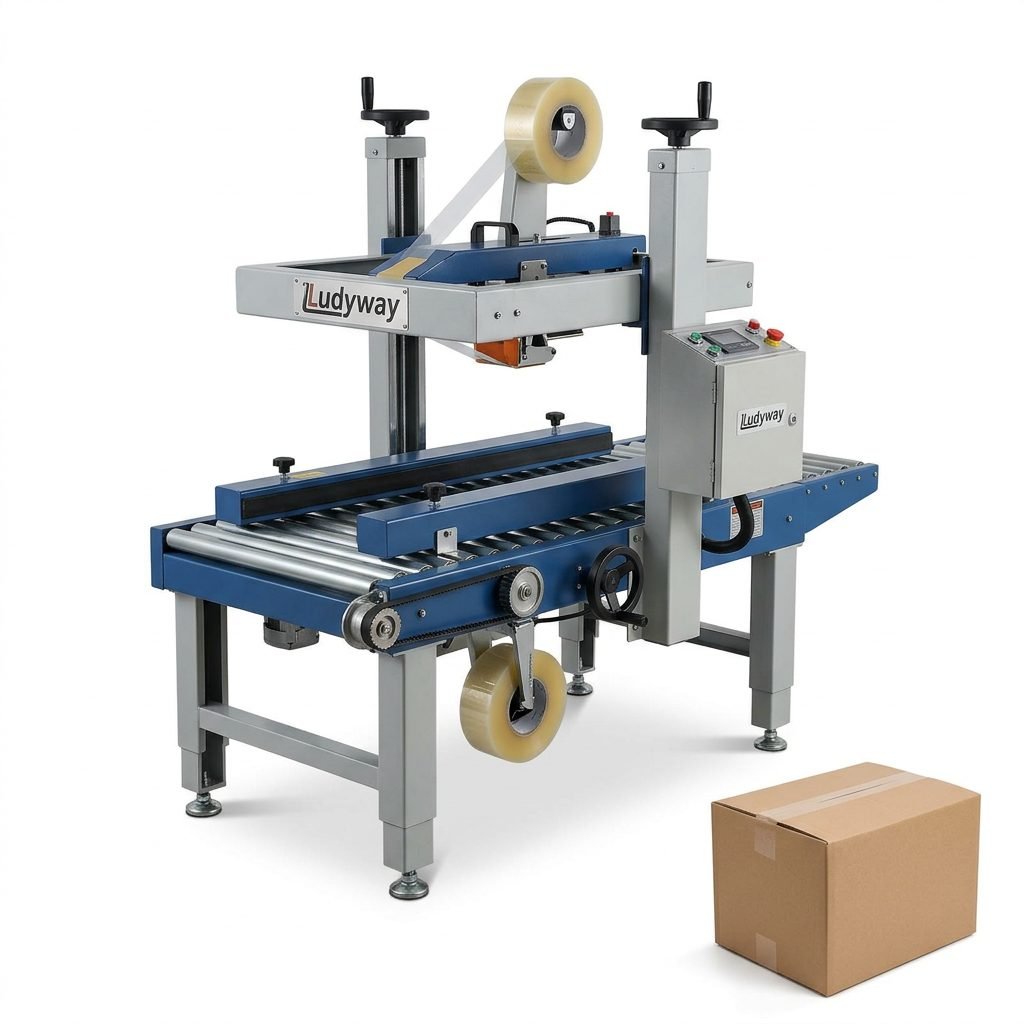
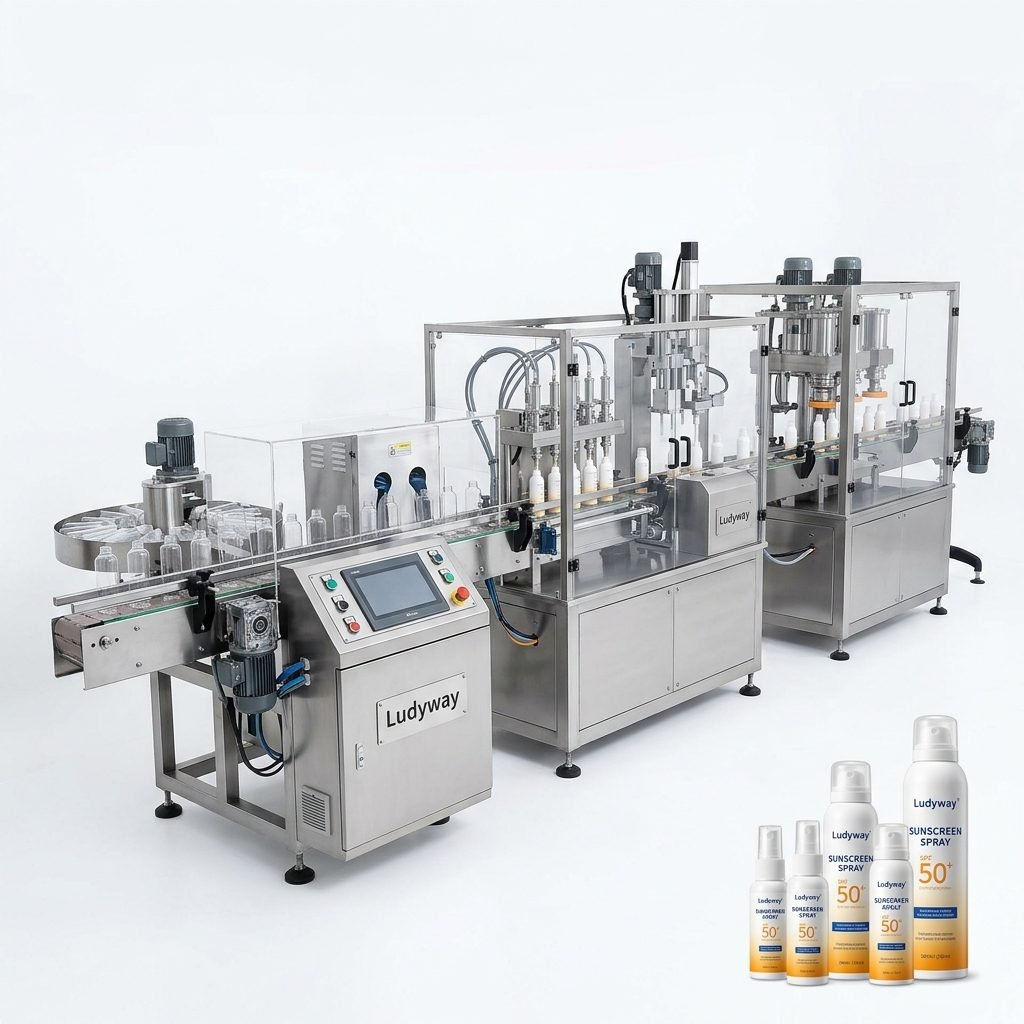
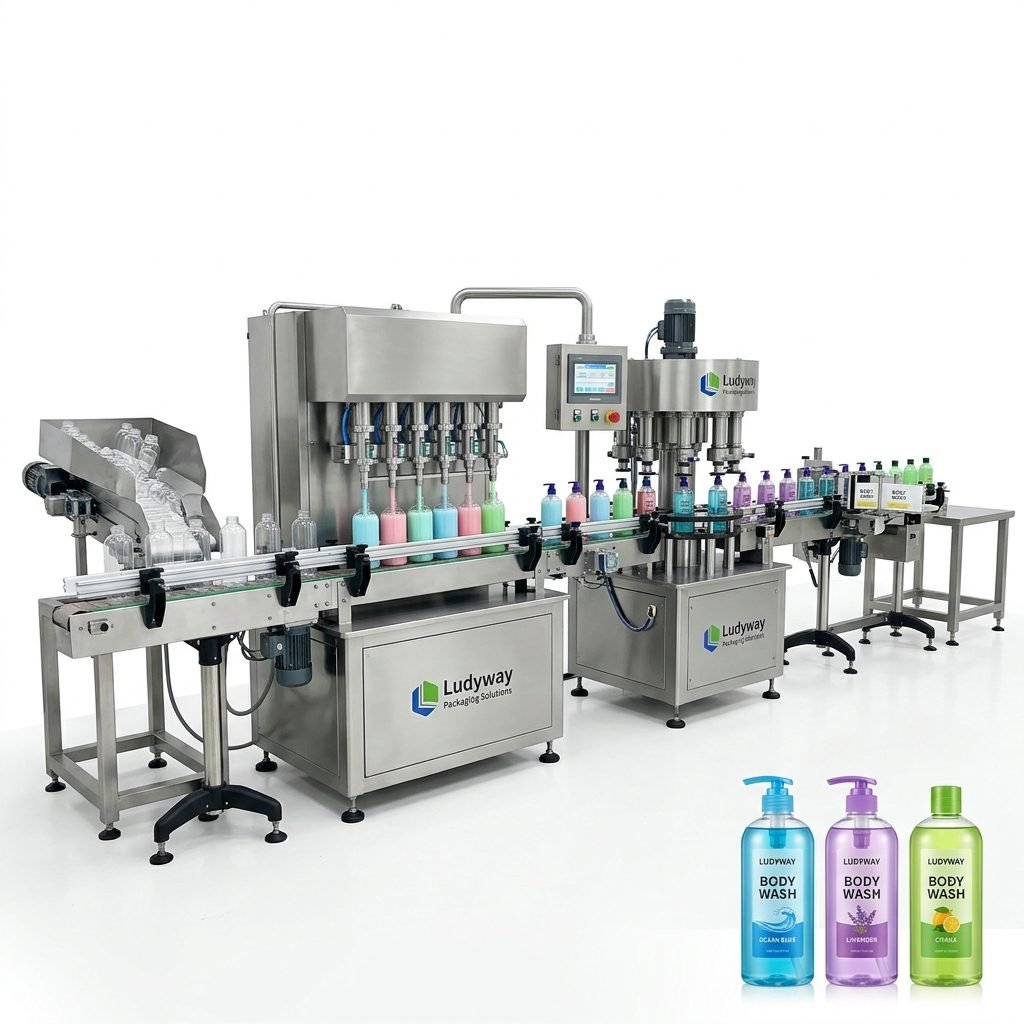
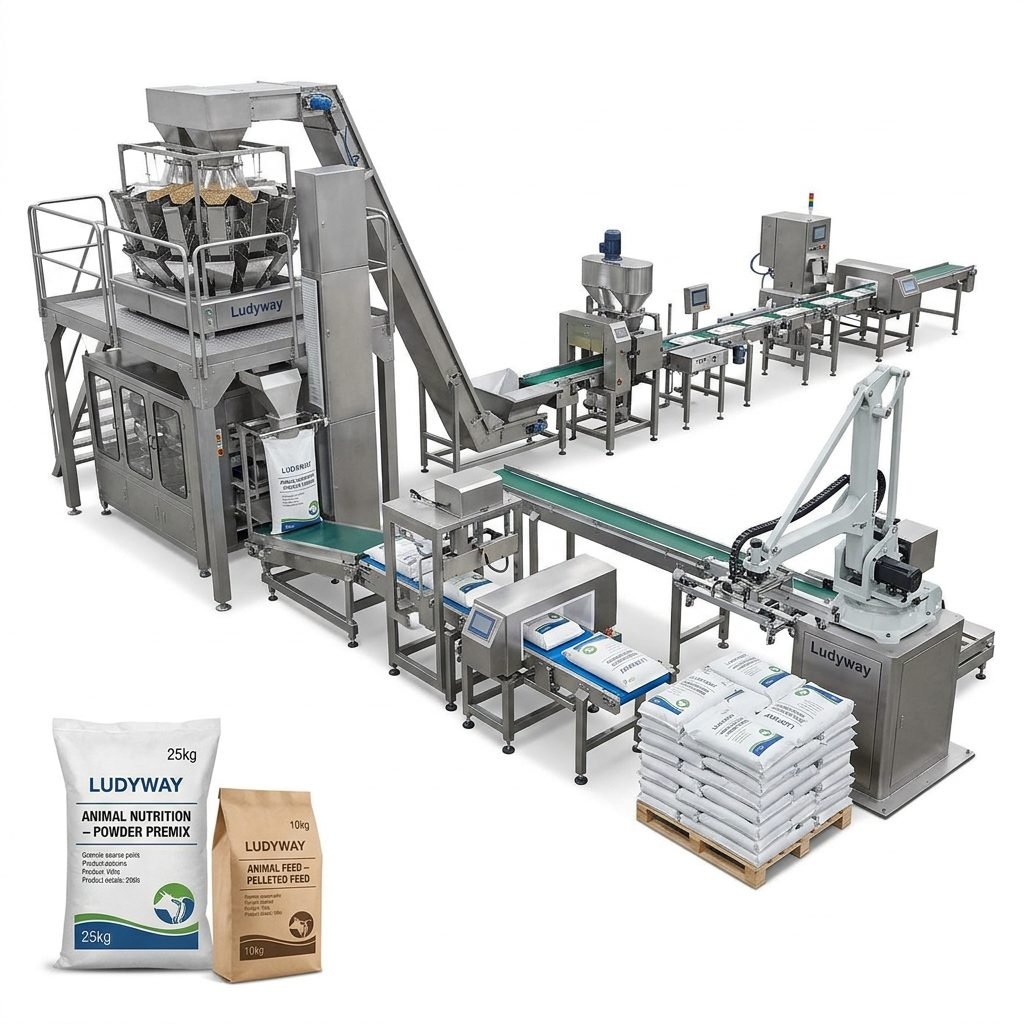
Australian buyers often require machines that can handle diverse packaging formats and comply with strict hygiene regulations. A reliable manufacturer should offer multi‑lane stick pack machines, sachet packaging systems, and turnkey automatic packaging lines. For example, PacklineOEM specialises in complete line integration, which is ideal for larger Australian facilities. PackingMachineOEM focuses on non‑standard customization – perfect for niche products like nicotine pouches or specialty supplements. Ensure the supplier can provide detailed machine specifications, material compatibility tests, and on‑site installation support if needed.
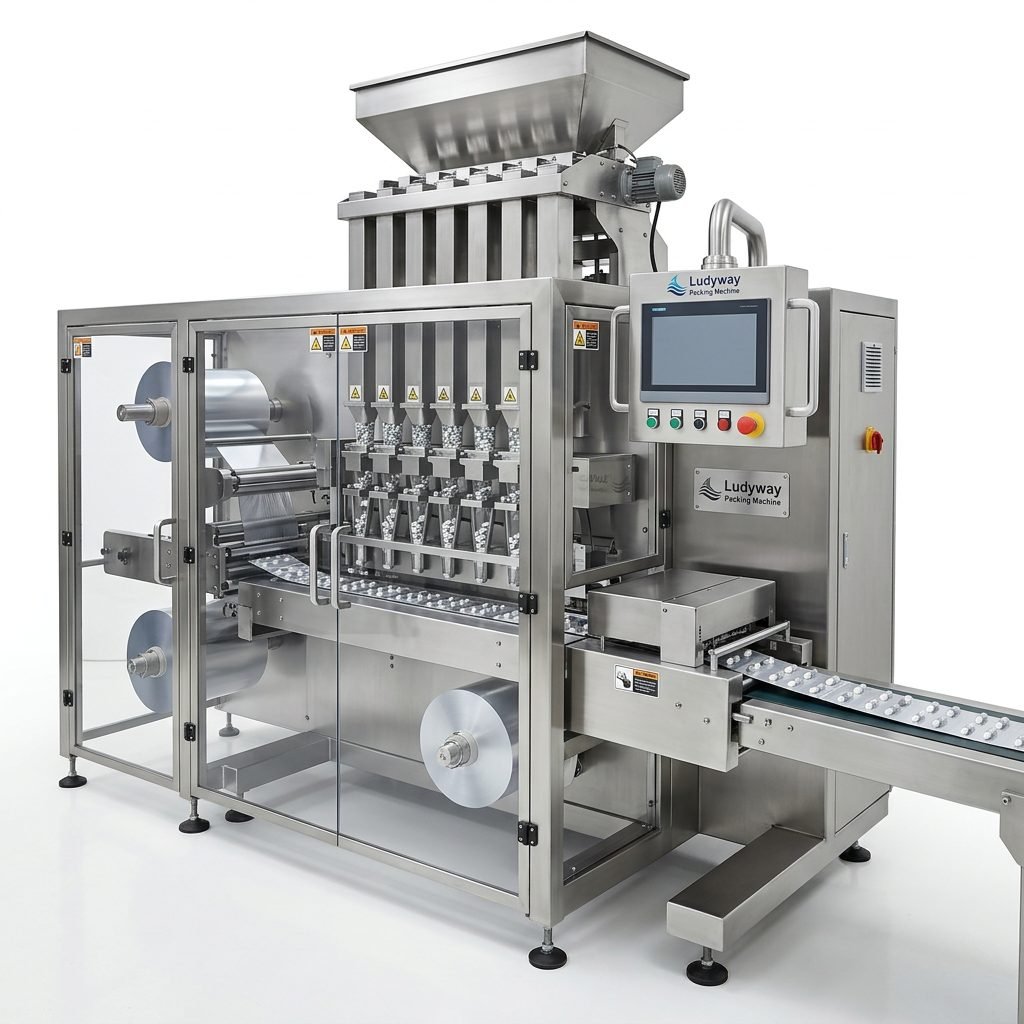
Step 4 – Assess Export Experience and Local Support
Since the machinery will be shipped to Australia, the manufacturer’s export track record is critical. Check whether they have previously supplied to Australian food or pharma companies, and ask for references. A factory with strong export markets – like SnusMachinery which exports to Europe, Middle East, Africa and beyond – is more likely to understand international shipping, voltage requirements, and documentation. Additionally, inquire about spare parts availability and remote troubleshooting. Some Chinese manufacturers now offer local representatives or service centres in Australia, which significantly reduces downtime.
Tip: Always request a pre‑shipment inspection or video walk‑through of the machine running your actual product. This ensures the equipment meets your quality standards before leaving the factory.
Step 5 – Compare Pricing, Lead Times and After‑Sales Service
Once you shortlist 2‑3 suppliers, compare their quotations. Look beyond the initial price – consider delivery lead time (typically 30‑60 days for customised lines), warranty terms (usually 12‑24 months), and training provided. Many Chinese manufacturers offer installation guidance or even on‑site engineers for large projects. The table below summarises key factors to compare.
| Factor | What to Look For |
|---|---|
| Warranty | Minimum 12 months, preferably 24 months |
| Spare Parts | Availability of common parts in Australia or express shipping |
| Technical Support | Phone/email support in English, remote diagnostics |
| Customisation | Ability to modify machine for different pouch sizes, materials |
Step 6 – Verify Certifications and Compliance
For Australian markets, packaging machines must often meet electrical safety standards (e.g., AS/NZS 3000) and may require CE or UL certifications for certain components. Reputable Chinese manufacturers like Ludyway and Packmate typically offer CE marks on their equipment. Request a compliance checklist and ensure the machine can integrate with your local power supply (230V/50Hz) and compressed air specifications.
Step 7 – Request Customer References and Visit the Factory (if possible)
Speaking directly with other Australian buyers who have used the same manufacturer is invaluable. Ask about machine performance, ease of operation, and after‑sales responsiveness. If your budget allows, consider visiting the factory in China – many top manufacturers have showrooms and trial facilities. A personal visit helps you gauge the company’s scale and quality control processes firsthand.
Common Questions When Choosing a Packaging Machine Manufacturer for Australia
Q1: How long does shipping from China to Australia take?
Typically 25–35 days by sea for full containers, plus customs clearance. Air freight is available for urgent parts.
Q2: Can the machine be automated to integrate with my existing production line?
Yes, most Chinese manufacturers offer turnkey solutions with custom conveyor heights and control interfaces. Discuss your layout early.
Q3: What about spare parts and maintenance?
Leading suppliers maintain a stock of common spare parts and can ship to Australia within a week. Some also have local distributors.
Q4: Do they offer on‑site installation?
Many do for larger projects. Otherwise, remote guidance via video call is standard.
Q5: What payment terms are common?
Usually 30% deposit with the order, 70% before shipment. Some manufacturers accept L/C for trusted partners.
By following these steps, Australian packaging professionals can confidently identify reliable partners such as Ludyway, Packmate Machinery, PacklineOEM, PackingMachineOEM, and SnusMachinery – all of which have the experience, scale, and export know‑how to support your business growth.