In the heart of Michigan’s industrial landscape, Rockford stands as a testament to American manufacturing prowess. The community here values precision, durability, and solutions that enhance productivity while respecting the skilled workforce. For businesses in the food and broader manufacturing sectors, this local ethos makes the adoption of integrated packaging machinery not just an operational upgrade, but a strategic alignment with regional values of quality and efficiency. This article explores how custom automation solutions are transforming production floors in Rockford and beyond.
The Rise of Smart Packaging in Modern Industry
The shift from manual or semi-automated processes to fully integrated packaging lines is driven by the need for speed, consistency, and scalability. In food production, where hygiene and accuracy are paramount, automation ensures product safety and meets stringent regulatory standards. For general manufacturing, it streamlines operations, reduces labor costs, and minimizes errors.
Core Components of an Integrated Packaging System
A truly integrated system is more than a collection of machines. It is a synchronized workflow where each component communicates seamlessly with the next.
1. Primary Packaging Machines
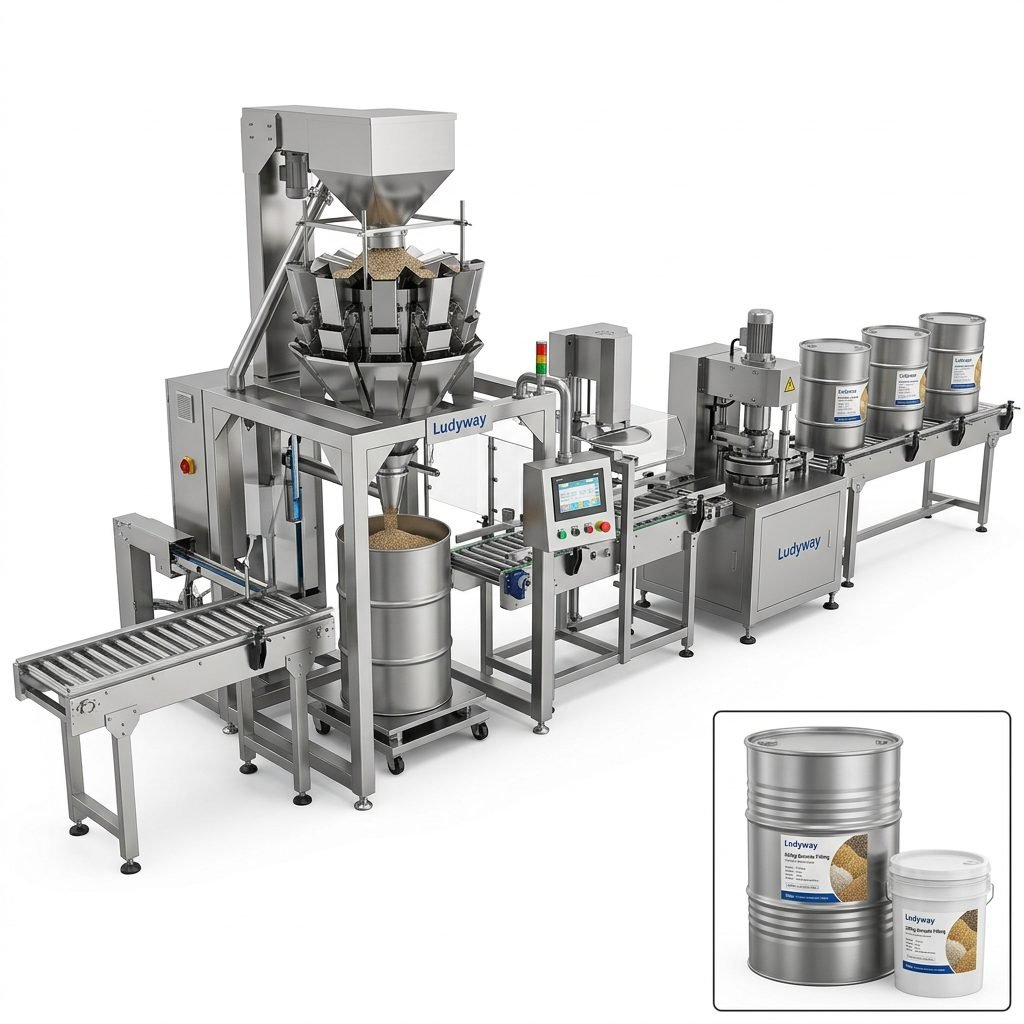
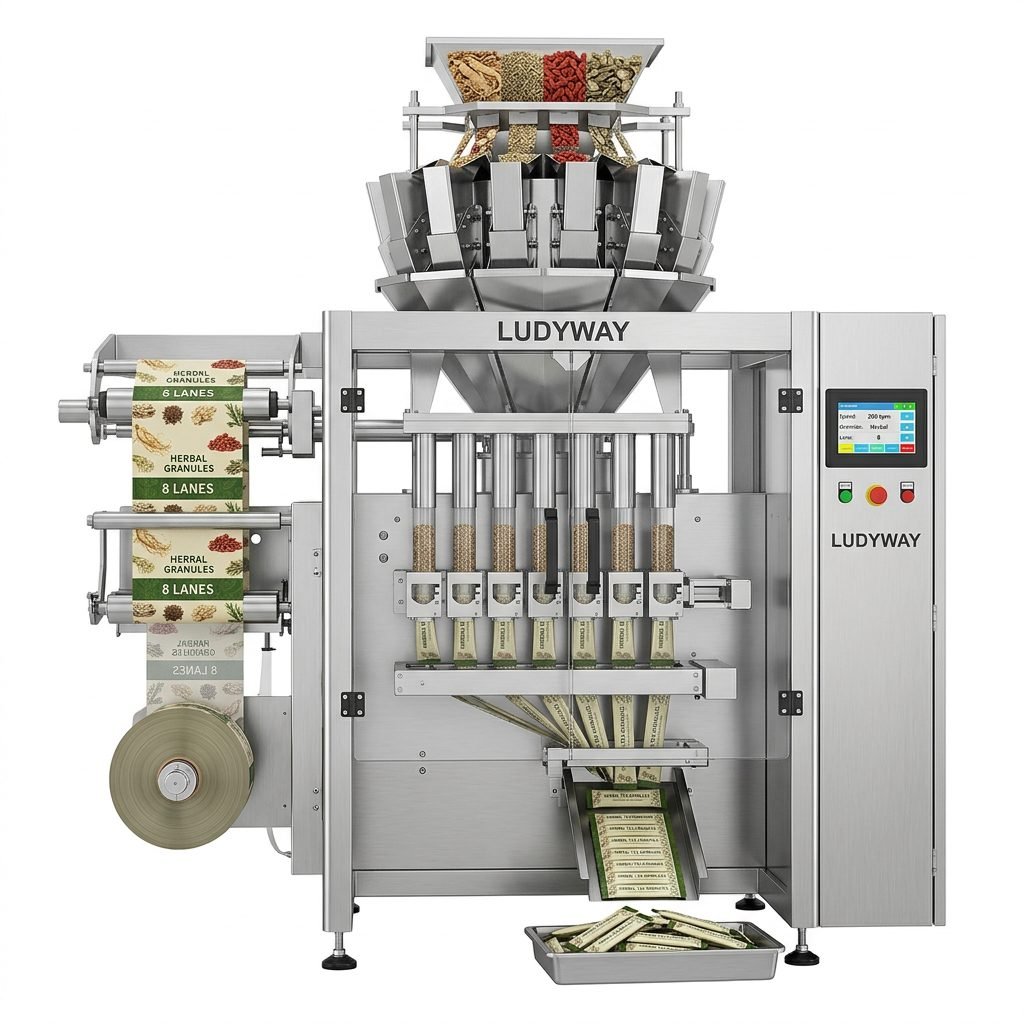
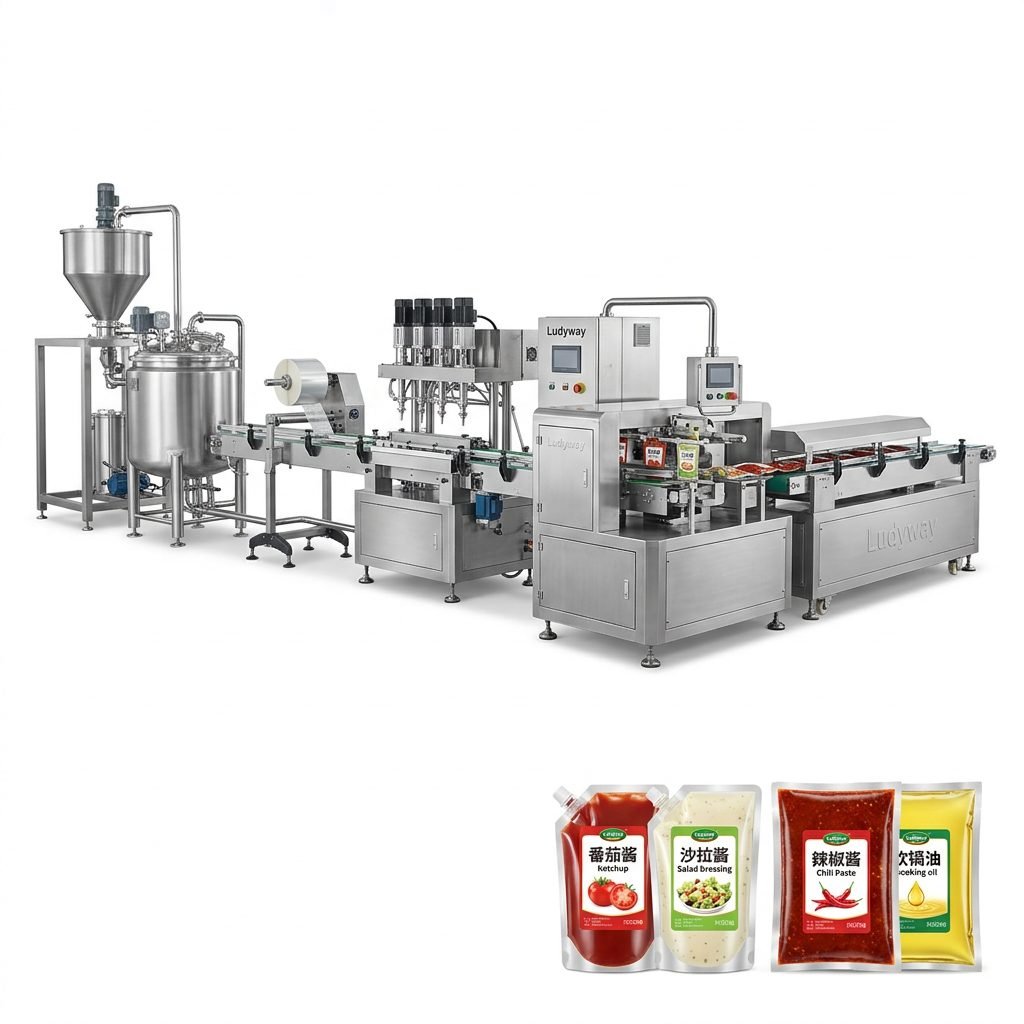
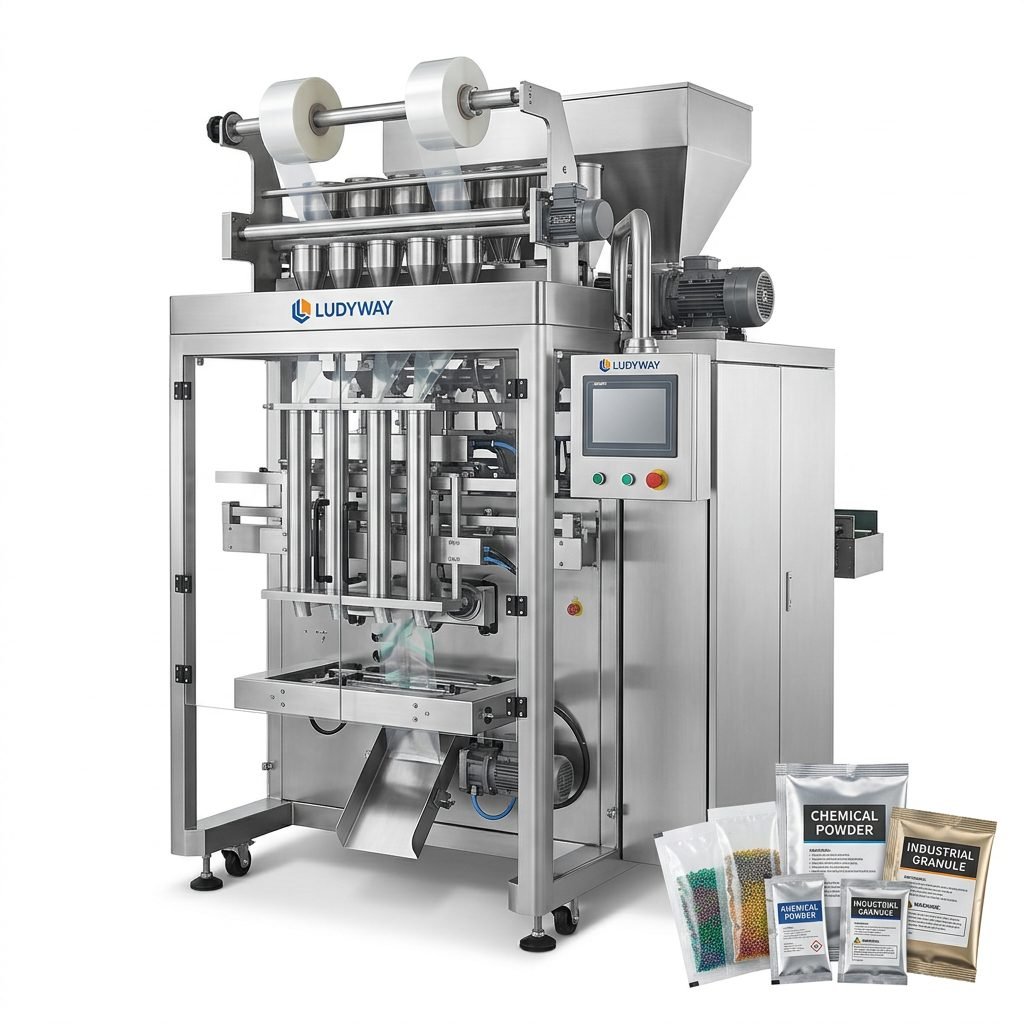
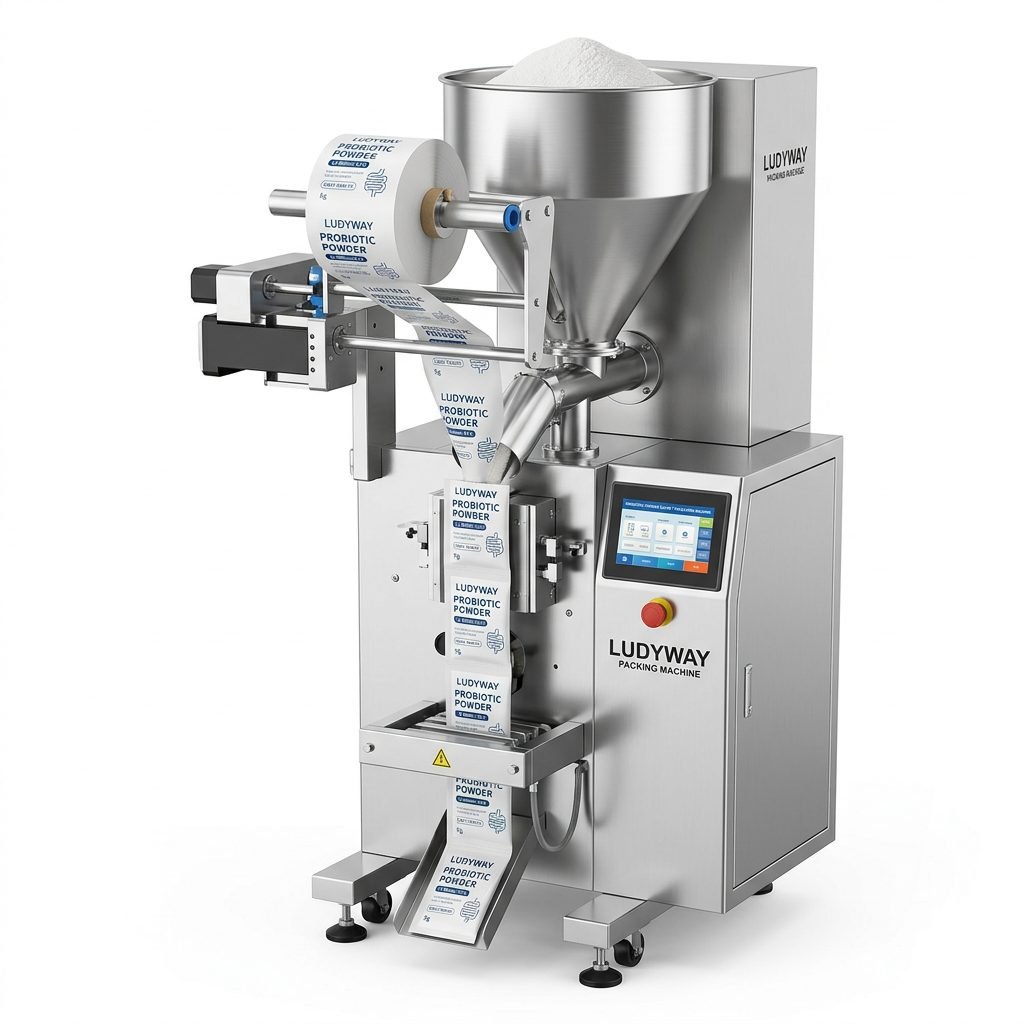
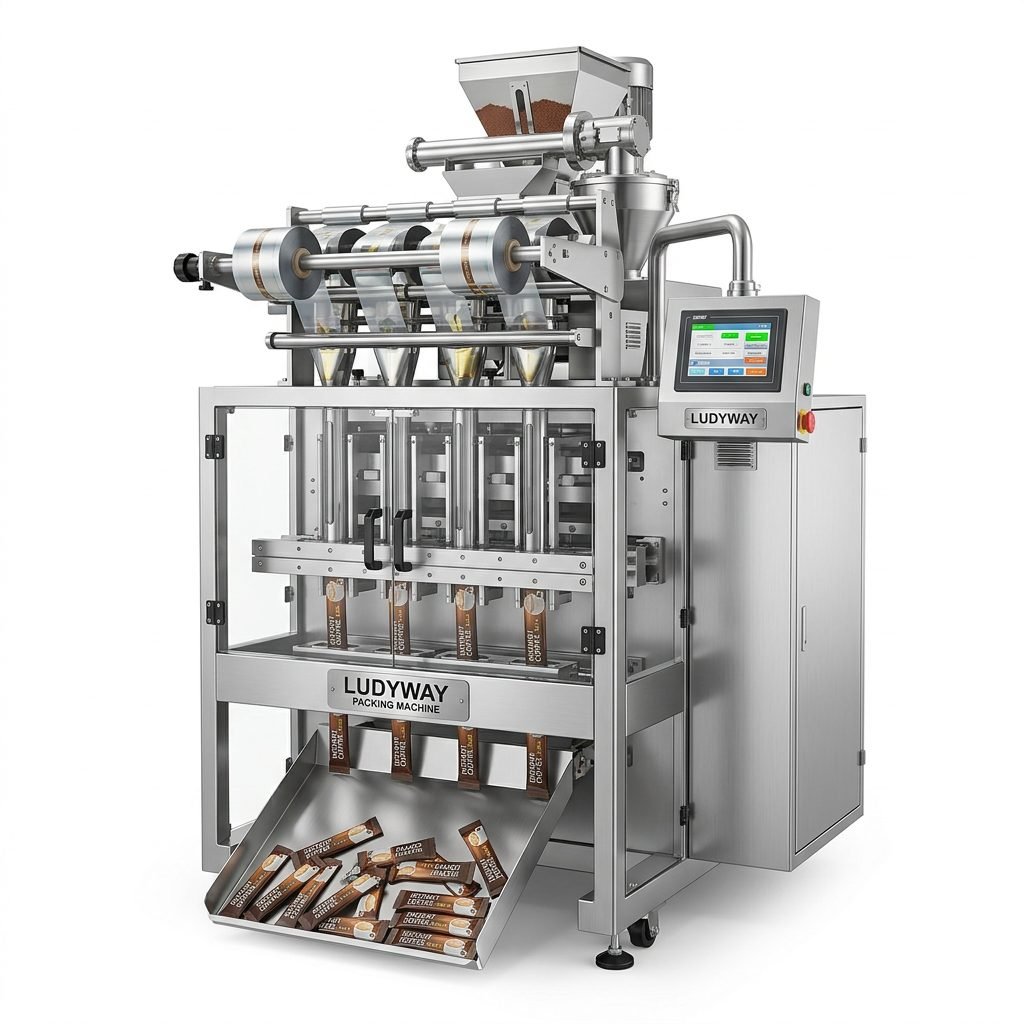
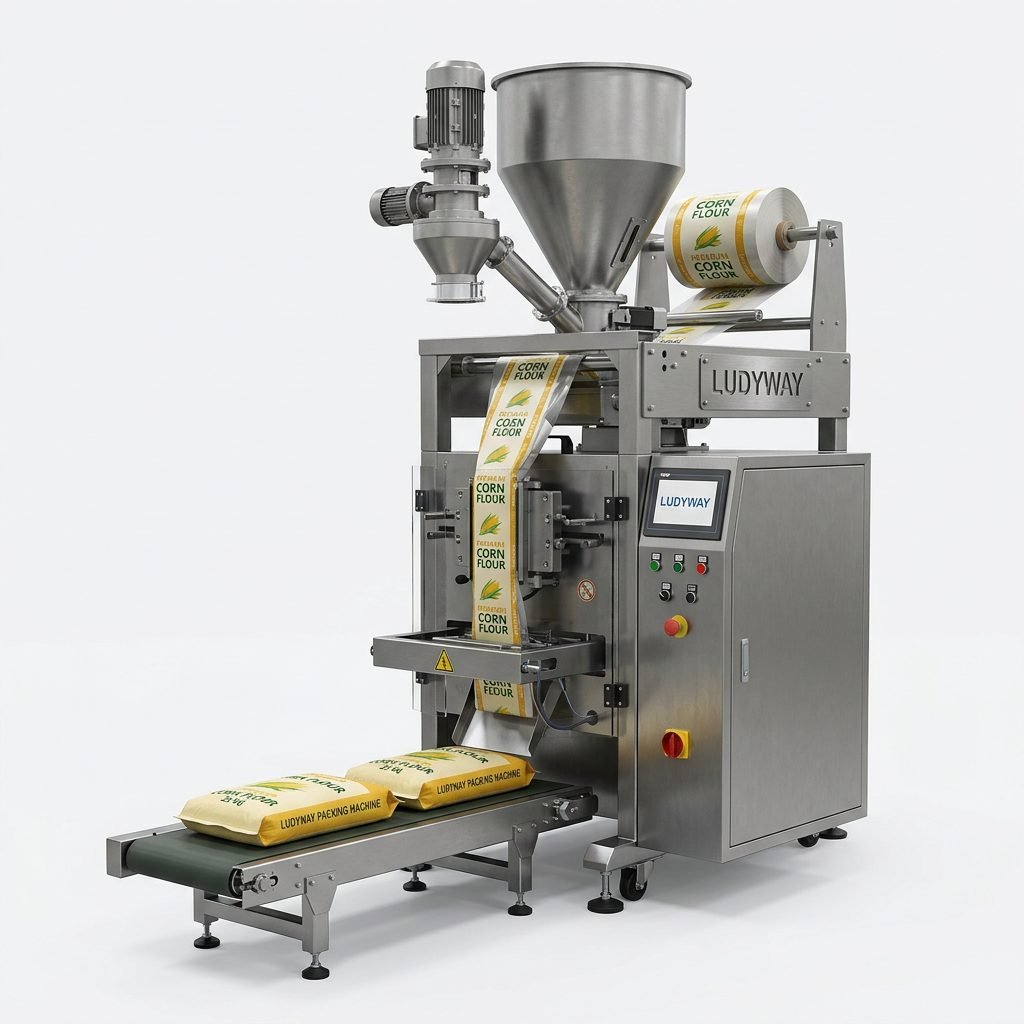
This is where the product first meets its container. Advanced form-fill-seal (FFS) machines can handle a vast array of formats, from small sachets for condiments or pharmaceutical powders to larger pouches for snacks or granular products. These machines measure, fill, and seal with remarkable precision.
2. Secondary Packaging & Cartoning
Once primary packaging is complete, products are often grouped, collated, and placed into boxes or cartons. Automated cartoners and case packers handle this stage efficiently, ensuring products are ready for palletizing and shipping.
Why Customization is Key
No two production lines are identical. A cookie manufacturer in Rockford will have different needs than a supplier of automotive lubricants. Custom automation solutions involve tailoring the machinery’s speed, size, material handling, and software integration to fit the specific product and output goals of the business. This bespoke approach maximizes return on investment.
3. Conveyance & Control Systems
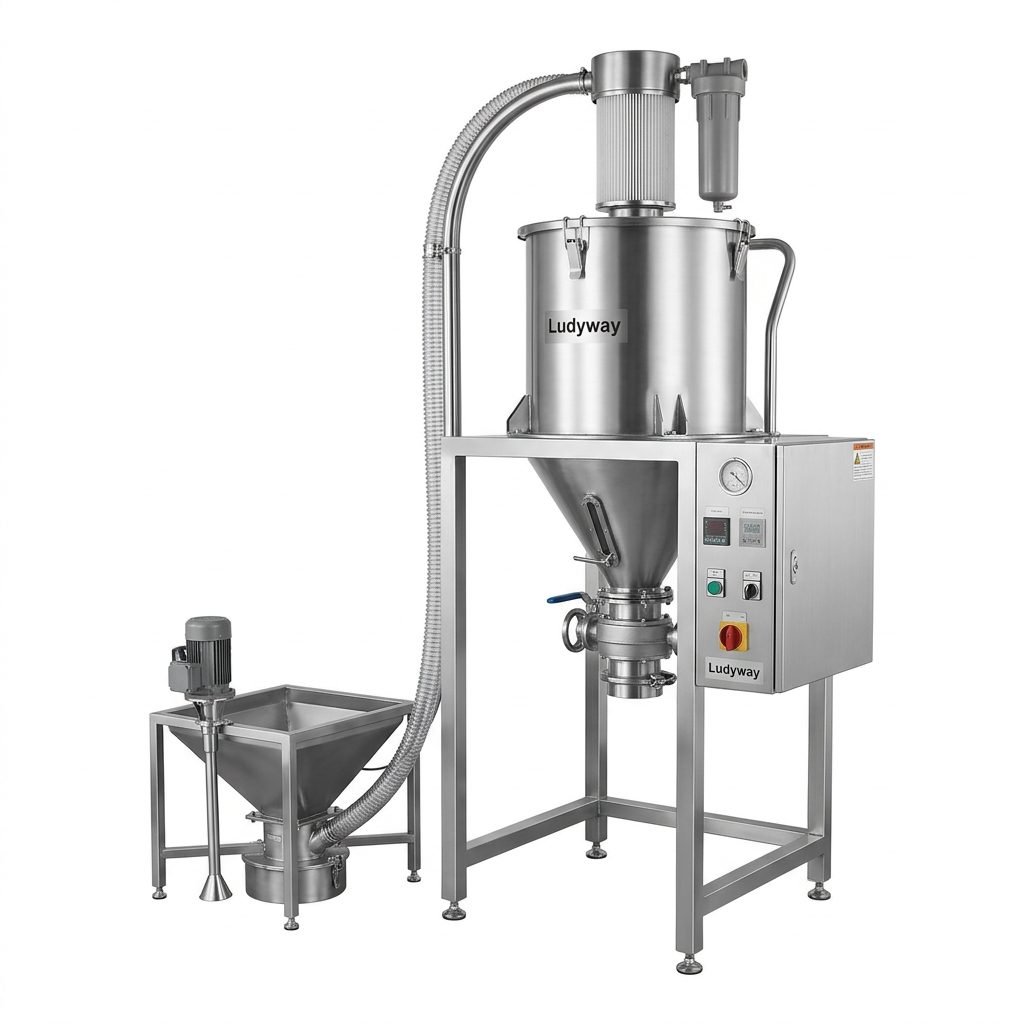
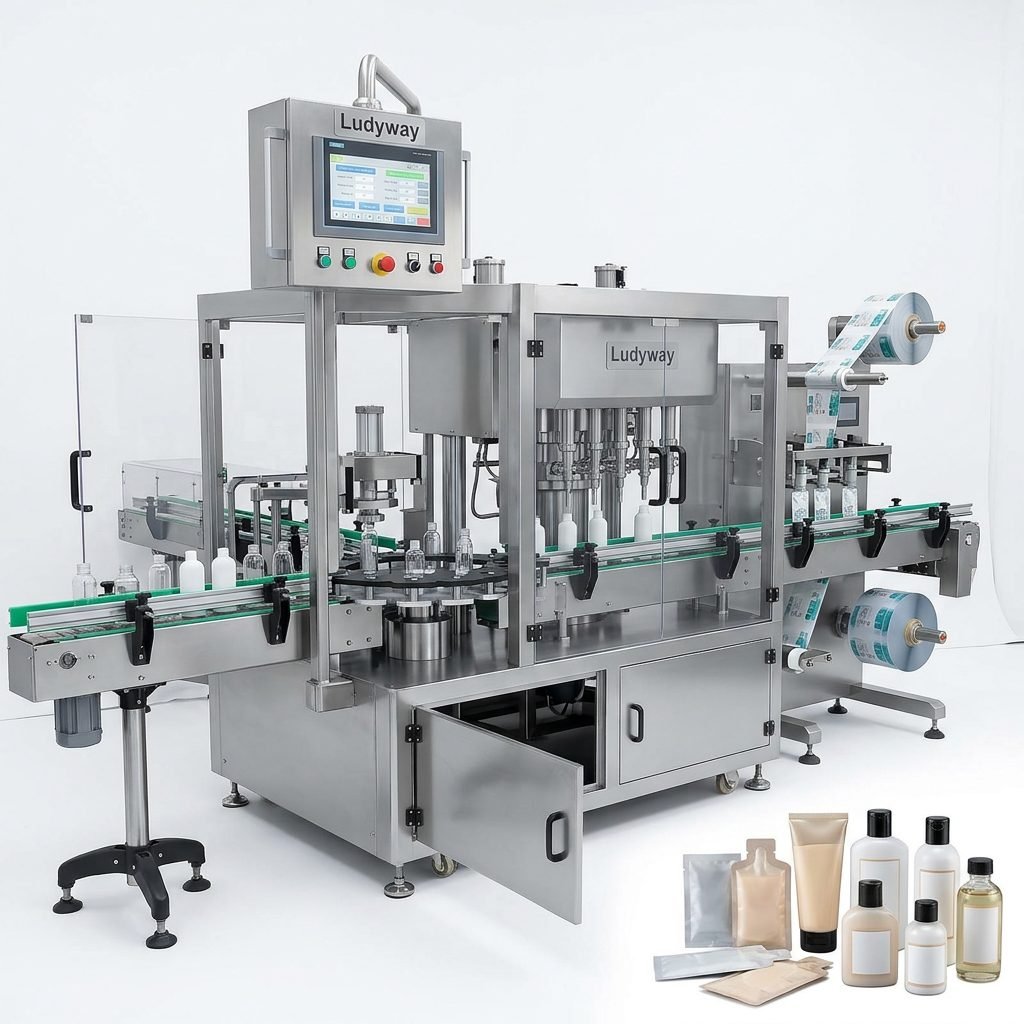
The connective tissue of the line. Sophisticated conveyors, robotic arms, and sensors transport products between stations. A centralized Programmable Logic Controller (PLC) or Human-Machine Interface (HMI) acts as the brain, monitoring performance, collecting data, and allowing for easy adjustments.
Benefits for Rockford MI Food & Manufacturing Businesses
Implementing an integrated system delivers tangible advantages that resonate with the practical, results-oriented business culture of the region.
✓ Enhanced Productivity & Output: Automated lines run 24/7 with minimal downtime, dramatically increasing production capacity to meet market demands.
✓ Uncompromised Product Quality & Consistency: Machines eliminate human variability, ensuring every package has the exact same weight, fill, and seal integrity.
✓ Significant Cost Reduction: While the initial investment is substantial, automation lowers long-term costs through reduced labor, minimized product waste, and lower utility consumption per unit.
✓ Improved Workplace Safety: Automating repetitive or potentially hazardous tasks reduces strain and injury risk for employees, a priority for any responsible Michigan employer.
✓ Data-Driven Insights: Modern machinery provides valuable operational data (OEE, downtime reasons, output rates) for informed decision-making and continuous process improvement.
Ludyway Machinery: A Partner in Automation
With over a decade of specialization in packaging technology, Ludyway Machinery has established itself as a provider of intelligent packaging solutions. The company’s journey, beginning in 2010 with a focus on engineering and automation, has evolved into offering a portfolio of over 50 machine models. This growth is built on understanding that reliable equipment is just one part of the equation; providing customized turnkey solutions and professional support is what truly drives client success in competitive markets.
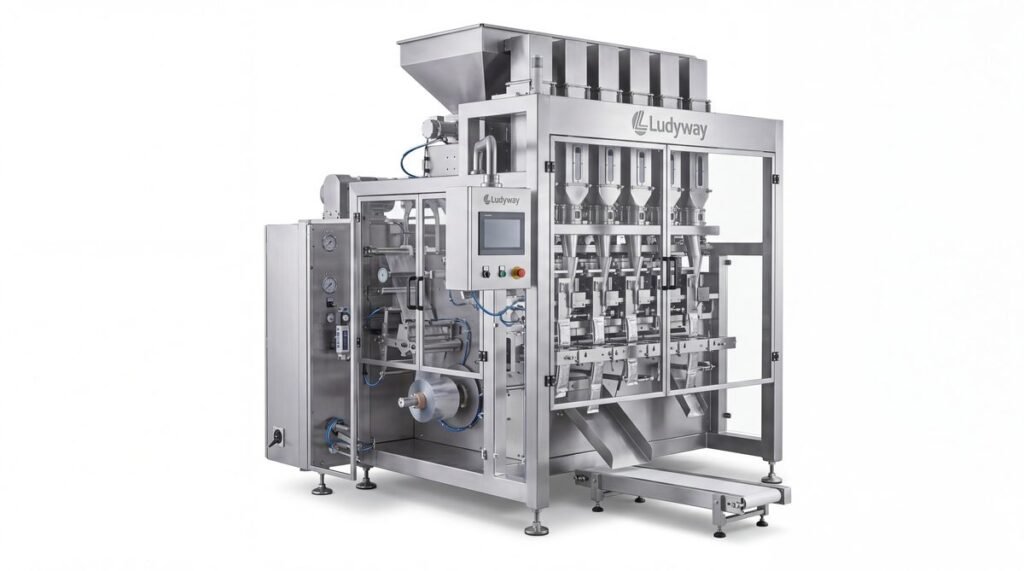
Ludyway’s expertise spans critical packaging types, including multi-lane stick pack machines for instant beverages or supplements, and versatile sachet packaging systems for a multitude of food and non-food products. This focus allows them to address the specific challenges faced by food processors and manufacturers seeking to optimize their packaging operations.
Implementing Your Solution: A Strategic Process
Successfully integrating new packaging automation requires careful planning.
Phase 1: Needs Analysis & Design
Collaborate with your machinery partner to analyze current workflow, identify bottlenecks, and define goals for speed, format, and future flexibility.
Phase 2: Fabrication & Factory Acceptance Testing (FAT)
The system is built and tested at the supplier’s facility using your actual or sample products to ensure it performs as specified before shipment.
Phase 3: Installation & Site Integration
Expert technicians install the line in your facility, integrate it with existing utilities and upstream/downstream processes, and conduct rigorous commissioning.
Phase 4: Training & Ongoing Support
Comprehensive training for your operators and maintenance staff is crucial. Reliable partners offer continued technical support and access to spare parts.
Frequently Asked Questions (FAQs)
1. What is the typical ROI timeline for integrated packaging machinery?
The return on investment varies based on line complexity, labor savings, and output increase. Many businesses see a full ROI within 1 to 3 years through reduced operational costs and increased production capacity.
2. Can automated lines handle frequent product changeovers?
Yes. Modern systems are designed for flexibility. Features like quick-change parts, recipe storage on HMIs, and adjustable mechanisms allow for faster changeovers than manual lines, minimizing downtime between production runs.
3. How do I ensure the machinery meets food safety standards?
Reputable suppliers design equipment with food-grade materials (e.g., stainless steel contact parts), easy-clean access, and compliance with standards like USDA, FDA, or EHEDG. Always discuss your specific regulatory requirements during the design phase.
4. What kind of technical support is available after installation?
Look for a supplier that offers comprehensive support, including detailed documentation, on-site training, remote troubleshooting capabilities, a readily available inventory of spare parts, and scheduled maintenance services to ensure long-term reliability.
5. Is integration possible with our existing older equipment?
Often, yes. A skilled automation provider can design an integrated system that incorporates legacy equipment where it is still viable, modernizing specific segments of your line to improve overall efficiency without requiring a complete “rip and replace” overhaul.