Selecting the right edible oil packaging machine is a critical decision for any producer, impacting efficiency, product quality, and overall operational costs. With a vast array of technologies available, from simple manual fillers to fully automated turnkey lines, navigating the options can be complex. This comprehensive guide breaks down the essential types, key features, and practical selection criteria to help you identify the optimal solution for your specific production needs.
Primary Types of Edible Oil Packaging Machines
The packaging process for edible oils can be segmented into several key operations, each served by specialized machinery. Understanding these core types is the first step toward an informed choice.
Filling Machines
Filling is the heart of the packaging line. The technology chosen directly affects filling speed, accuracy, and suitability for different oil viscosities.
Gravity Fillers: Ideal for thin, free-flowing oils. They rely on the oil’s own weight to fill containers and are valued for their simplicity and cost-effectiveness.
Piston Fillers: Highly accurate and versatile, these machines use a piston and cylinder mechanism. They excel with a wide range of viscosities, from light olive oil to thicker sesame or infused oils.
Volumetric Cup Fillers: Best suited for high-speed filling of uniform, free-flowing products into containers of consistent size.
Net Weight Fillers: The pinnacle of accuracy. Each container is weighed during filling, ensuring precise net content regardless of product density variations. This is often a requirement for premium brands.
Capping & Sealing Machines
Once filled, containers must be securely sealed to prevent leakage and preserve freshness.
Screw Cappers: Apply threaded caps (plastic or metal) with consistent torque. Crucial for maintaining seal integrity during transport.
Induction Sealers: Apply an airtight, tamper-evident foil liner under a plastic cap. This technology is highly recommended for extending shelf life and ensuring product safety.
Snap Cappers: Used for press-on lids commonly found on certain premium oil bottles.
Labeling Machines
Accurate and attractive labeling is essential for branding and compliance.
Wrap-Around Labelers: Apply labels that cover most of the bottle’s circumference, ideal for providing extensive product information and eye-catching designs.
Front & Back Labelers: Apply separate labels to the front and rear of the container, offering design flexibility.
Key Features & Technological Considerations
Beyond the basic type, several advanced features differentiate modern packaging equipment.
Automation Level & Integration
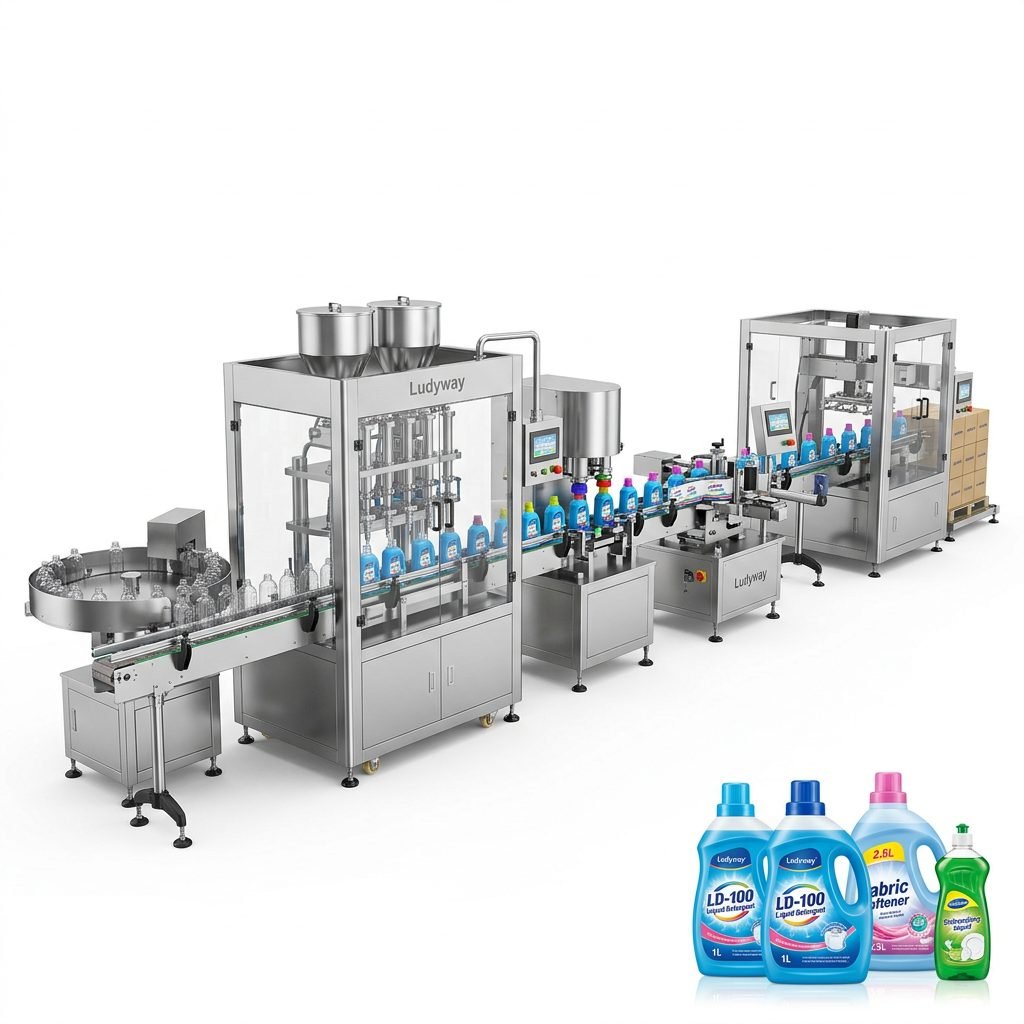
Machines range from semi-automatic (requiring manual container handling) to fully automatic, integrated lines. An automatic edible oil packaging line typically includes an unscrambler, filler, capper, labeler, and conveyor system, all synchronized for maximum throughput with minimal labor.
Construction Materials & Hygiene
Food-grade construction is non-negotiable. Look for machines with critical parts made from stainless steel (AISI 304 or 316), which is corrosion-resistant, easy to clean, and complies with global food safety standards like FDA and EHEDG guidelines.
Control Systems & User Interface
Modern machines are governed by Programmable Logic Controllers (PLCs) and feature touch-screen Human-Machine Interfaces (HMIs). A good HMI allows for easy recipe storage (for different oil types and bottle sizes), real-time monitoring of output and efficiency, and simplified troubleshooting.
Changeover Flexibility
If you package multiple oil varieties in different bottle shapes and sizes, quick changeover capability is vital. Machines with tool-less adjustments or quick-release parts significantly reduce downtime between production runs.
How to Choose the Right Packaging Solution
A systematic approach to selection will ensure your investment pays long-term dividends.
1. Assess Your Production Requirements
Begin by quantifying your needs:
- Output Speed: Required bottles per minute/hour (BPM/BPH).
- Container Details: Material (glass, PET plastic), shape, size (from small 100ml bottles to large 5L cans).
- Oil Characteristics: Viscosity, presence of particulates (e.g., chili-infused oil).
- Future Growth: Choose a machine that can handle a 20-30% increase in capacity.
2. Define Your Budget & ROI Expectations
Consider the total cost of ownership, not just the purchase price. Factor in installation, training, maintenance, and potential energy savings from a more efficient machine. Calculate the Return on Investment (ROI) based on labor savings, reduced product giveaway, and increased output.
3. Prioritize Supplier Credibility & Support
The machine is only as good as the company behind it. Partner with a supplier known for reliability and strong after-sales service. Ludyway Machinery, for instance, brings over a decade of focused expertise in providing tailored packaging solutions. With a background in engineering robust systems for the food and pharmaceutical sectors, such suppliers understand the critical need for hygiene, accuracy, and uptime. Evaluate their technical support, availability of spare parts, and warranty terms. A supplier with a proven track record and modern manufacturing facilities is more likely to deliver a durable, high-performance solution.
4. Request a Product Sample Test
Never buy based on specifications alone. Reputable suppliers will offer to run a live test using your actual oil and containers. This is the only way to verify filling accuracy, sealing quality, line speed, and overall performance.
5. Plan for Compliance & Safety
Ensure the equipment meets all relevant local and international safety and food contact regulations. This includes electrical certifications (CE, UL) and material compliance for food-grade production.
Conclusion
Investing in the right edible oil packaging machine is a strategic decision that enhances productivity, ensures product integrity, and supports brand reputation. By thoroughly understanding the different machine types, focusing on key features like hygiene and automation, and following a disciplined selection process that includes testing and vetting suppliers, you can secure a solution that drives efficiency and growth for years to come. Partnering with an experienced provider like Ludyway Machinery can offer access to tailored expertise and reliable, high-quality equipment designed for the demands of modern food production.
Frequently Asked Questions (FAQs)
What is the most accurate type of filler for edible oil?
Net Weight Fillers provide the highest degree of accuracy, as they weigh each container during the filling process. This ensures precise net content regardless of minor variations in oil density or temperature, minimizing product giveaway and ensuring compliance with weights and measures regulations.
Why is an induction sealer recommended for oil bottles?
An induction sealer creates an airtight, tamper-evident hermetic seal by bonding a foil liner to the bottle’s rim. This is critical for preventing oxidation, preserving freshness and flavor, extending shelf life, and providing consumers with visible safety assurance.
Can one machine handle different bottle sizes and oil types?
Yes, many modern machines are designed for quick changeover. Look for models with easily adjustable components (like filling heads, guides, and capping chucks) that allow you to switch between different container sizes and oil viscosities with minimal downtime, often in under 15-30 minutes.
What are the main hygiene considerations for an oil packaging machine?
Hygiene is paramount. The machine must have food-contact surfaces made of stainless steel, be designed for easy cleaning without fluid traps (CIP/SIP capabilities are a plus), and be constructed to prevent lubricant contamination. Compliance with standards like FDA 21 CFR Part 11 is essential.
How do I determine the required speed (BPM) for my new machine?
Calculate your current and projected future daily/weekly production volume. Account for shifts and desired efficiency (typically 80-85%). For example, to produce 20,000 bottles in an 8-hour shift, you need a minimum speed of ~42 BPM. Always choose a machine with a 20-30% higher capacity to accommodate growth and peak demand.