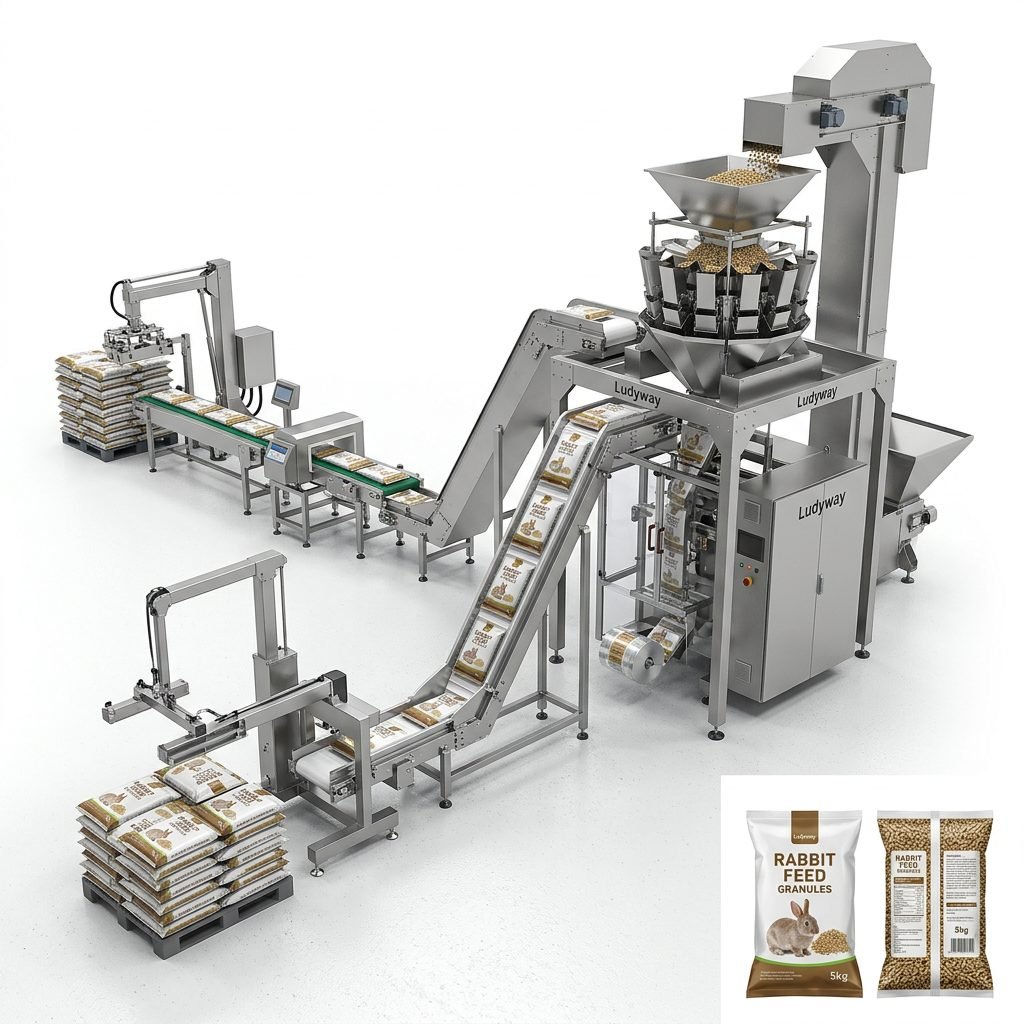
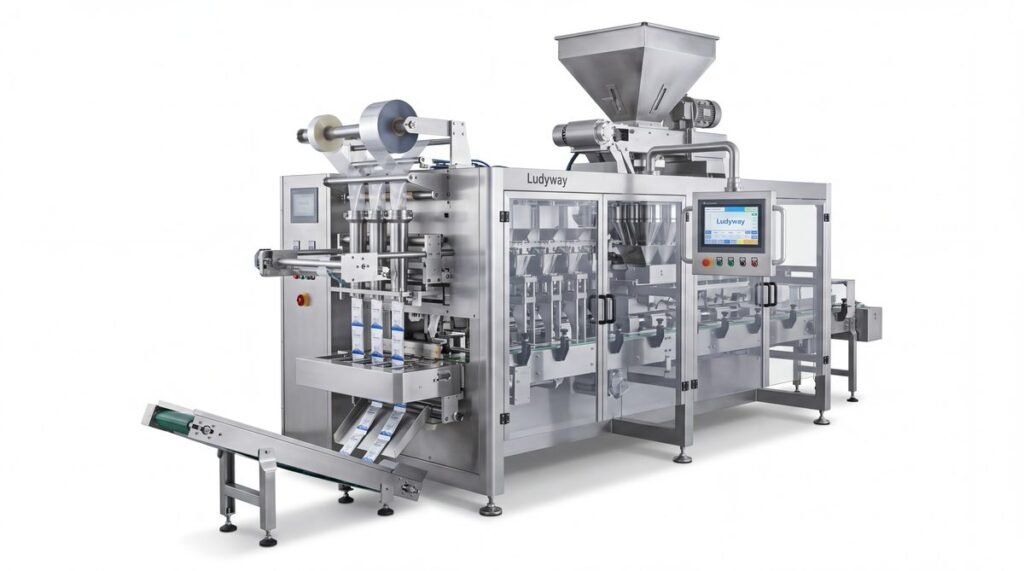
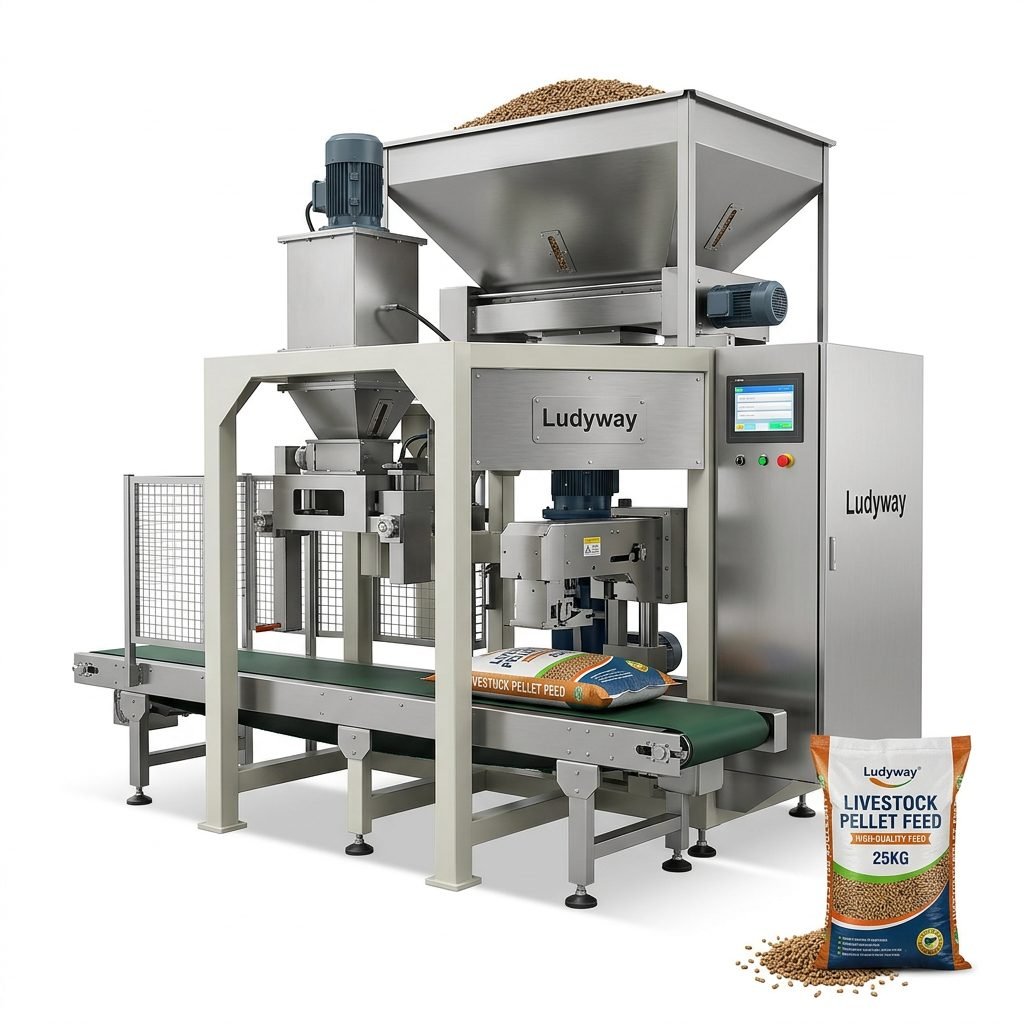
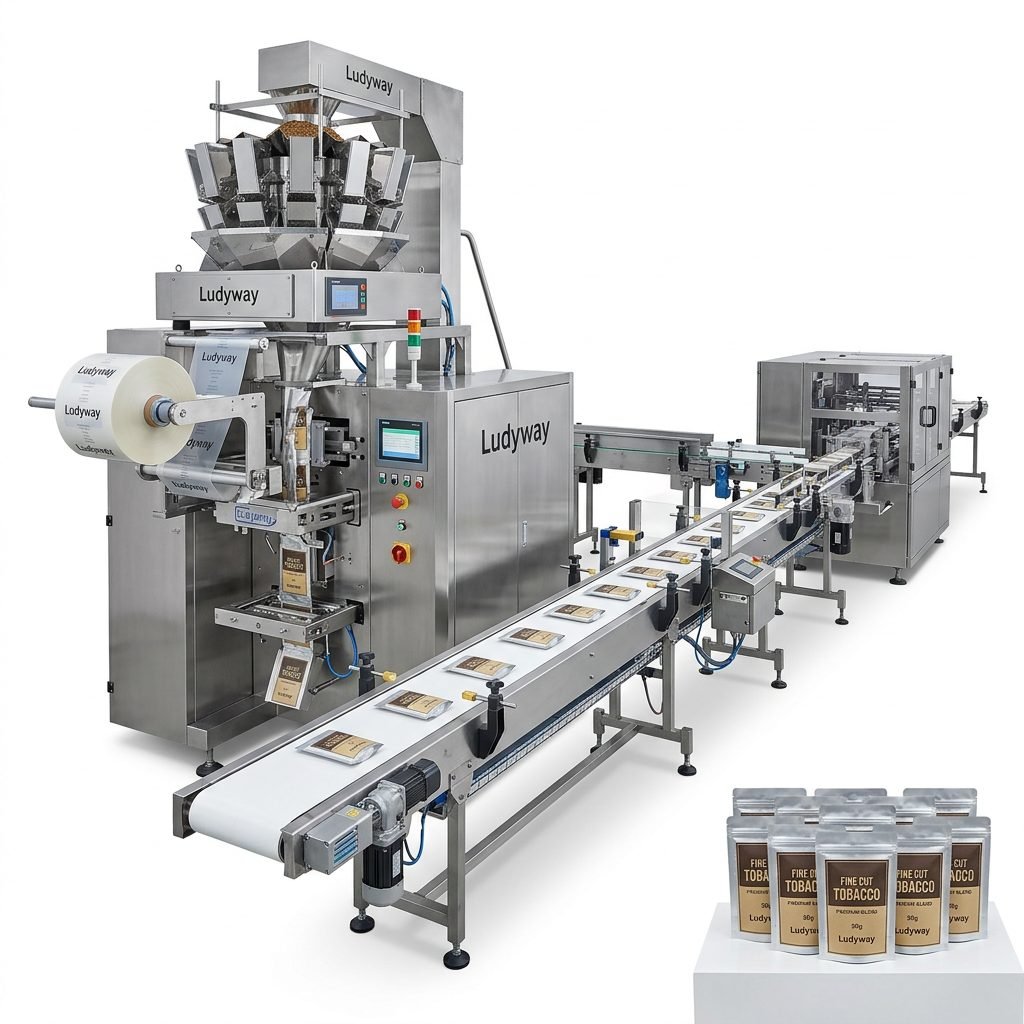
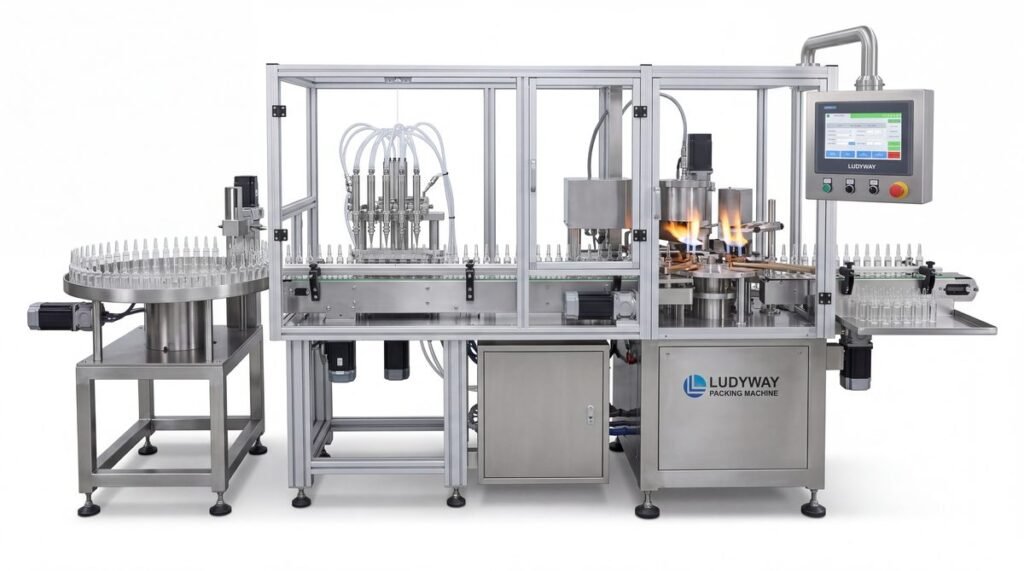
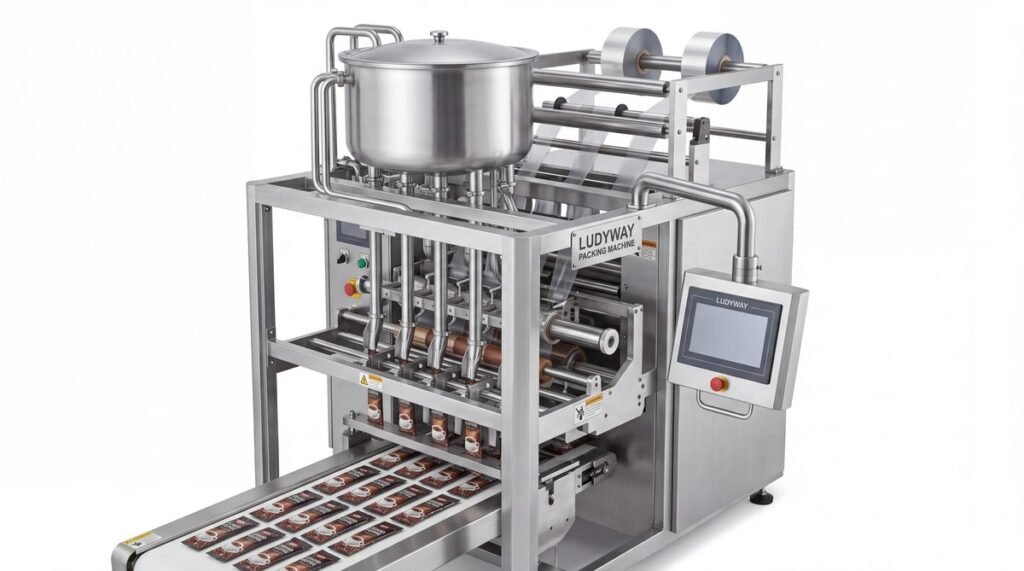
In today’s fast-paced manufacturing landscape, the demand for speed, precision, and hygiene has never been greater. Across the food, pharmaceutical, and broader industrial sectors, packaging is no longer just a final step—it’s a critical component of product integrity, brand reputation, and operational efficiency. This is where automatic packaging machinery steps in, transforming production lines with intelligent, reliable, and adaptable solutions.
The Core Advantages of Automated Packaging Systems
Modern automatic packaging systems offer a multitude of benefits that directly impact a company’s bottom line and competitive edge.
Key Benefits at a Glance:
Unmatched Efficiency & Speed: Automated machines operate continuously at high speeds, significantly increasing output and reducing labor costs associated with manual packaging.
Superior Consistency & Accuracy: Every package is sealed, filled, and labeled with precise uniformity, minimizing product giveaway and ensuring strict compliance with weight and volume regulations.
Enhanced Product Safety & Hygiene: Especially vital for food and pharma, automated systems limit human contact with the product, reducing contamination risks and supporting stringent hygiene protocols.
Remarkable Flexibility: Advanced machinery can be quickly reconfigured to handle different package sizes, shapes, and materials, allowing producers to respond swiftly to market trends.
Data Integration & Traceability: Modern systems seamlessly integrate with factory software, providing valuable production data, enabling real-time monitoring, and ensuring full batch traceability.
Tailored Solutions for Key Industries
The one-size-fits-all approach does not work in packaging. Each industry presents unique challenges that require specialized machinery and expertise.
Food & Beverage Industry Packaging
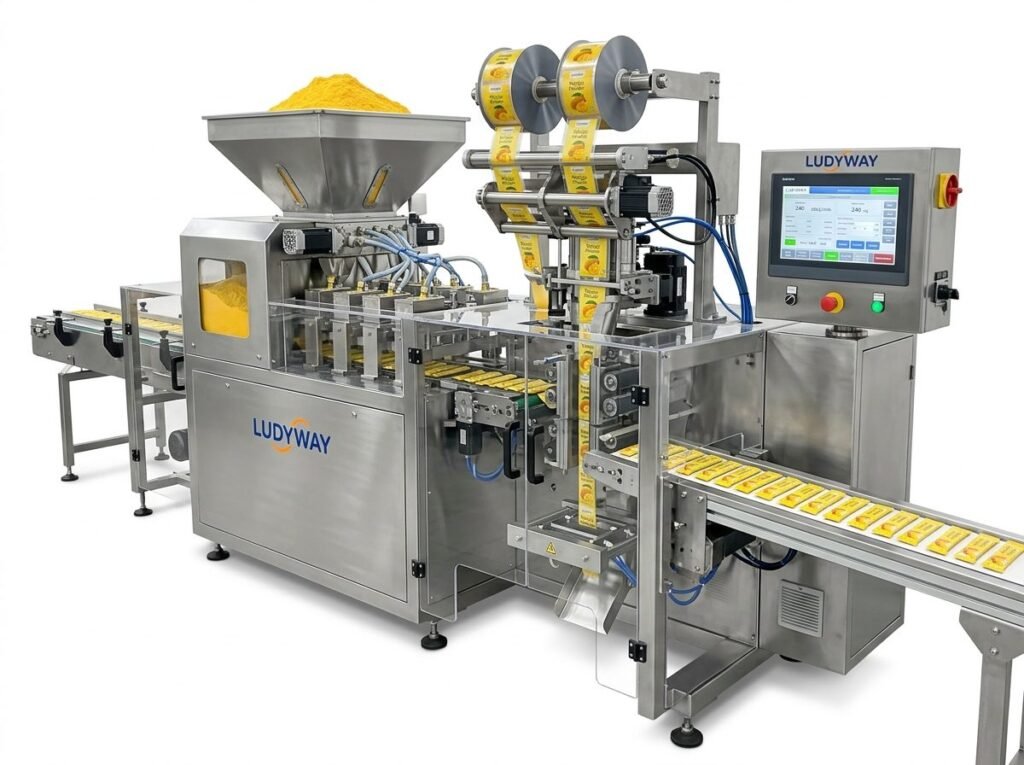
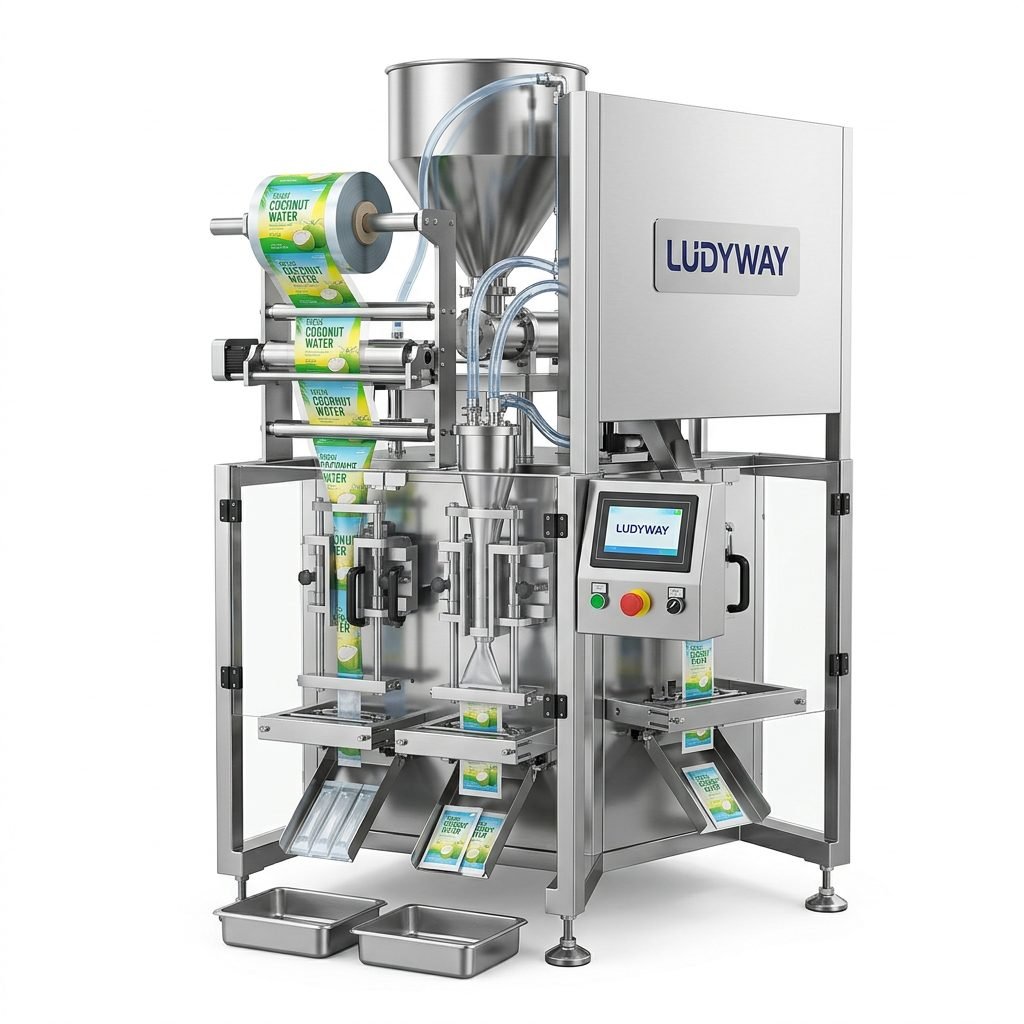
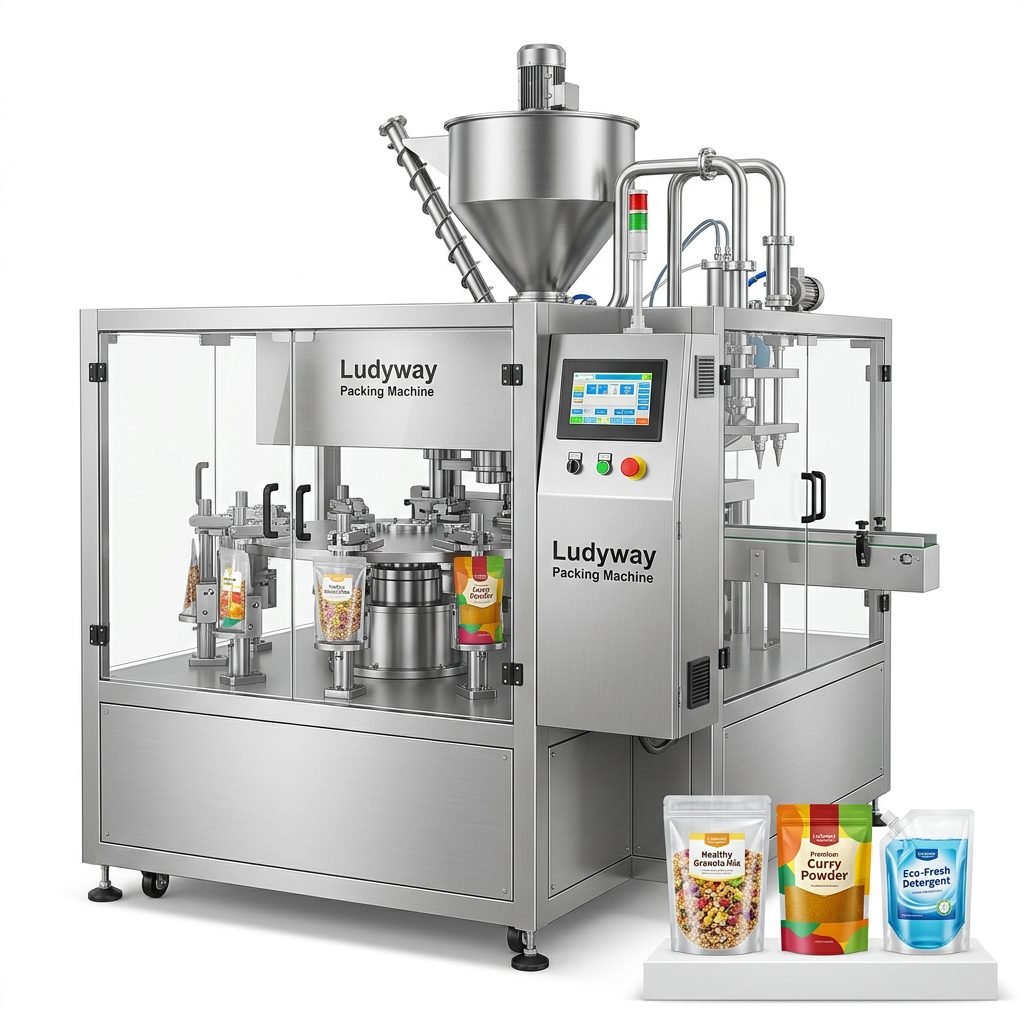
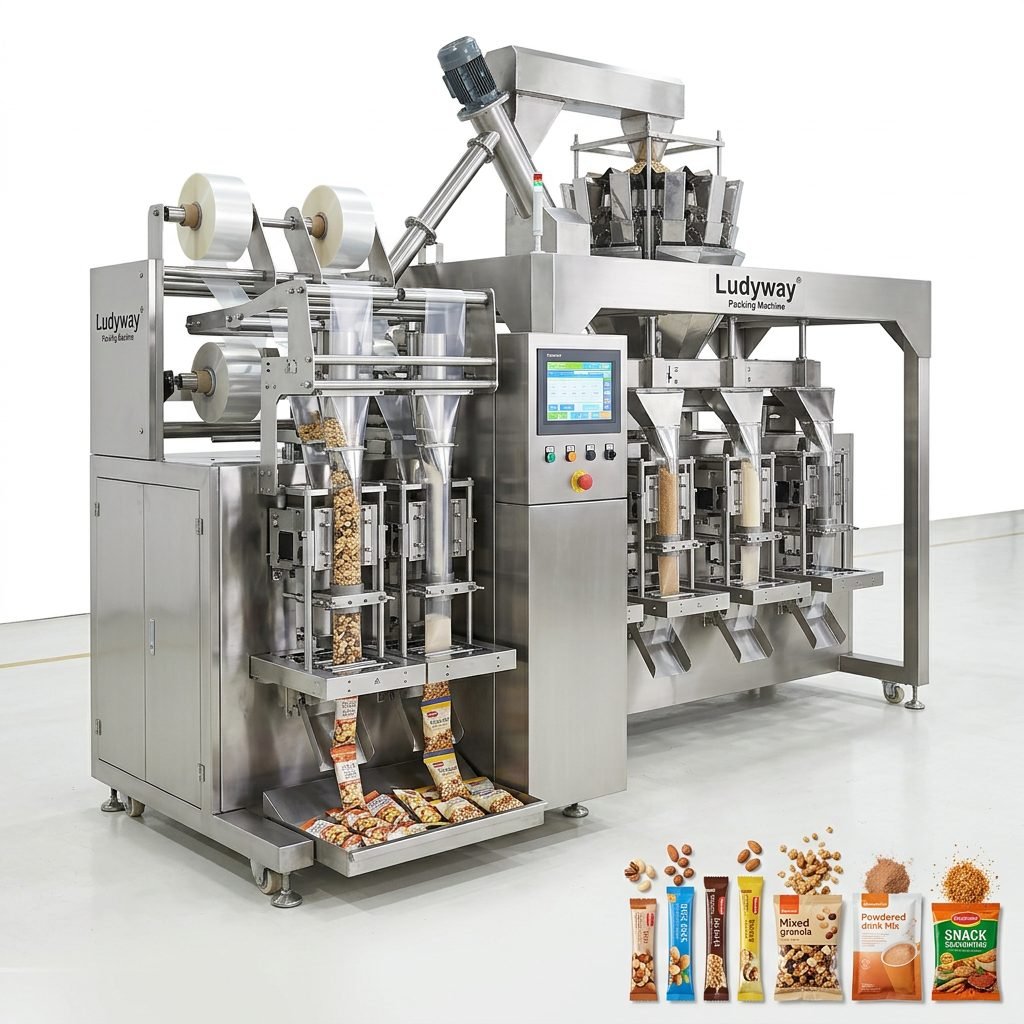
In the food sector, packaging must preserve freshness, prevent spoilage, and attract consumers on the shelf. Automatic solutions for this industry are designed to handle a vast array of products—from granules like coffee and sugar to powders like spices and flour, and liquids like sauces and oils. Machines such as high-speed stick pack machines and versatile sachet packaging machines are ideal for creating single-serve portions, a growing global trend. Hygienic design with easy-clean surfaces is a non-negotiable standard.
Pharmaceutical & Healthcare Packaging
Precision and compliance are paramount. Pharmaceutical packaging machinery must operate in controlled environments, often meeting GMP (Good Manufacturing Practice) standards. These systems ensure accurate dosing of powders, granules, or tablets into blister packs, sachets, or bottles. Features like nitrogen flushing to extend shelf-life, tamper-evident seals, and impeccable lot coding for traceability are critical. The machinery must be validated to deliver 100% reliability, as any error can have serious consequences.
Industrial & Chemical Production Packaging
This sector deals with diverse materials, from abrasive powders and granules to corrosive liquids. Packaging machinery here is built for durability and safety, often using specialized materials for contact parts. Dust containment systems, explosion-proof options for volatile substances, and robust sealing for heavy-duty bags or drums are common requirements. The focus is on protecting the product, ensuring safe handling, and providing clear, durable labeling for logistics and usage.
Choosing the Right Packaging Partner
Investing in automatic packaging machinery is a significant decision. Partnering with a knowledgeable and experienced provider is crucial for long-term success. A reliable partner like Ludyway Machinery brings more than just equipment to the table.
With over 30 years of industry experience, they understand the nuanced needs of different production environments. Their approach begins with a thorough analysis of your specific product, desired output, and operational goals. They offer a portfolio of over 50 intelligent packaging machine models, ensuring a solution that fits rather than forcing a compromise.
Beyond the machine sale, look for a partner that provides comprehensive support. This includes detailed factory acceptance testing, seamless installation and commissioning, thorough operator training, and readily available spare parts and technical service. A true partner is invested in your production line’s uptime and efficiency for years to come.
The Ludyway Advantage: From Vision to Reality
Founded in 2010, Ludyway Machinery was built on a vision of delivering efficient and reliable packaging solutions on a global scale. Starting from a dedicated engineering core, the company has grown through persistent innovation and deep practical experience. By forging strong partnerships and focusing on customized turnkey solutions, they help manufacturers translate their packaging challenges into streamlined, profitable reality. Their commitment is to long-term cooperation, ensuring clients are supported throughout the entire machinery lifecycle.
Future Trends in Automatic Packaging
The evolution of packaging machinery is driven by technology and changing market demands. The future points toward even greater connectivity through the Industrial Internet of Things (IIoT), where machines self-diagnose issues and predict maintenance needs. Sustainability is another powerful driver, with machines increasingly designed to handle recyclable, biodegradable, or lightweight materials efficiently. Furthermore, the integration of advanced robotics for flexible picking and placing, and AI-driven vision systems for impeccable quality control, are set to become standard features on smart production lines.
Frequently Asked Questions (FAQs)
1. What are the main factors to consider when selecting an automatic packaging machine?
The key factors include: your product type (granule, powder, liquid), required packaging speed (packages per minute), the range of package sizes and materials you need to run, the level of hygiene required (e.g., food-grade vs. pharmaceutical-grade), and your available factory space and utilities. A consultation with an expert is the best way to weigh all these factors.
2. How does automatic packaging improve product safety?
Automation drastically reduces direct human contact with the product, a major source of potential contamination. Machines can be built with sanitary, easy-to-clean designs and can operate in conjunction with clean air systems. Furthermore, precise filling eliminates under-dosing or over-dosing, ensuring every unit contains exactly what is stated on the label.
3. Can one machine handle different types of packaging?
Many modern machines are designed with changeover flexibility in mind. With quick-change parts and digitally stored recipes, a single machine can often switch between different bag sizes, sachet styles, or filling volumes in a relatively short time, making it ideal for production lines running multiple SKUs.
4. What kind of support can I expect after purchasing the machinery?
A reputable supplier should provide comprehensive after-sales support. This typically includes installation supervision, detailed operator and maintenance training, a warranty period, readily available spare parts, and access to technical support for troubleshooting. Some, like Ludyway, offer ongoing service contracts to ensure optimal machine performance.
5. Is investing in automated packaging machinery cost-effective for a small to medium-sized business?
Absolutely. While the initial investment is higher than manual methods, the return on investment (ROI) is often rapid. Savings come from reduced labor costs, lower material waste from precise filling, increased production output, and fewer errors leading to product recalls or customer complaints. The scalability of many machines also allows businesses to grow into their capacity.