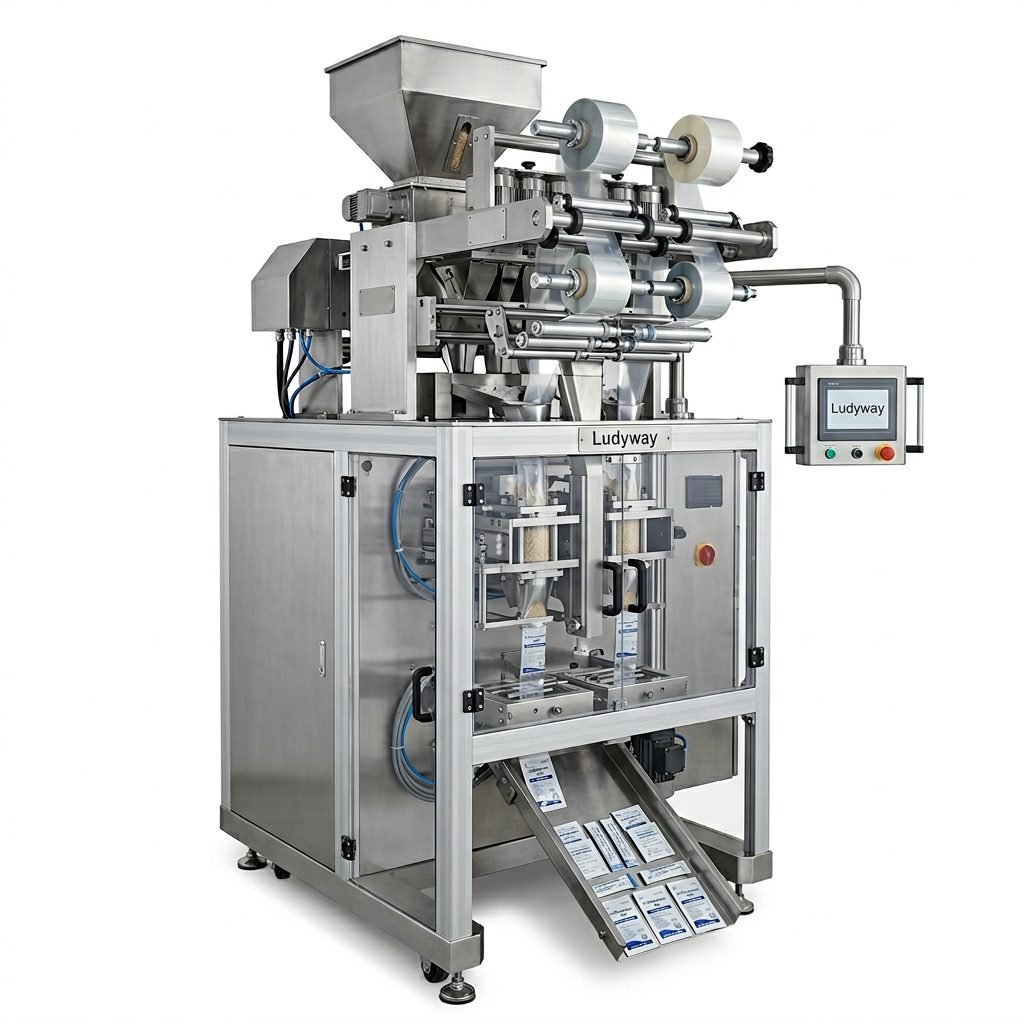
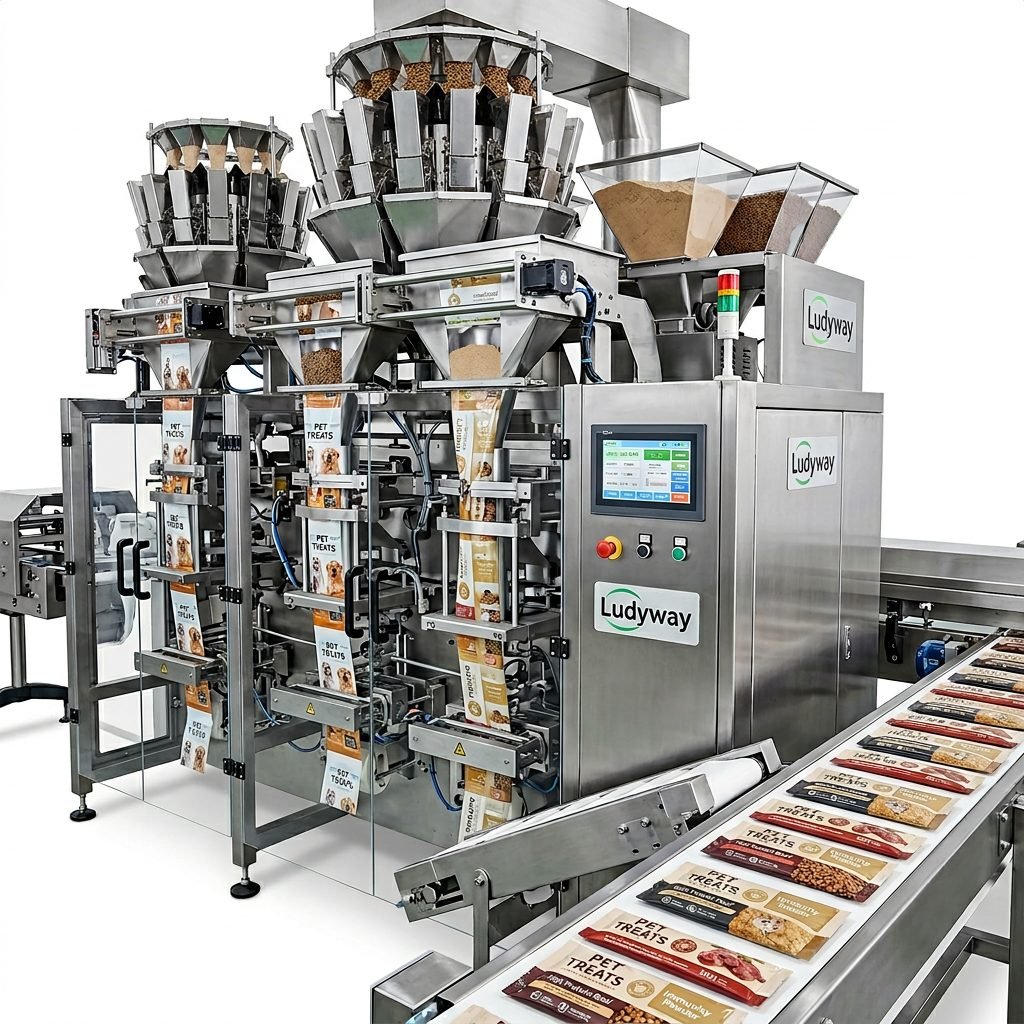
Modern manufacturing is moving far beyond simple filling and sealing. Today’s packaging machinery must deliver speed, consistency, traceability, flexibility, and lower total operating cost at the same time. For food, pharmaceutical, nutraceutical, cosmetic, chemical, and pet product producers, the right packaging strategy is no longer just an equipment decision—it is a long-term production investment.
As competition increases and labor costs, compliance demands, and SKU diversity continue to rise, businesses are looking for packaging systems that can scale with future production needs. This is why the latest trends in packaging machinery are centered on automation, modular design, smart control, hygiene, data connectivity, and turnkey integration.
Why Packaging Machinery Is Becoming a Strategic Asset
In modern production environments, packaging equipment directly affects output efficiency, product quality, labor use, material waste, and delivery reliability. A machine that performs well today but cannot adapt tomorrow can quickly become a bottleneck.
That is why manufacturers are shifting from buying standalone machines to investing in integrated systems that support:
- Faster throughput without sacrificing fill accuracy
- Quick product and format changeovers
- Improved sealing integrity and package consistency
- Lower labor dependency
- Digital monitoring and preventive maintenance
- Regulatory and hygiene compliance
- Future line expansion and automation upgrades
Top Packaging Machinery Trends Shaping Modern Production
1. Higher Automation Across the Entire Packaging Line
Automation is one of the strongest trends across every sector. Manufacturers want equipment that can reduce manual intervention in feeding, dosing, filling, sealing, coding, inspection, cartoning, case packing, and palletizing.
Instead of relying on operators for repetitive handling, automated packaging lines improve production stability and reduce human error. This is especially important for industries with strict consistency requirements, such as pharmaceutical sachets, supplement stick packs, and high-volume food packaging.
Key benefits of automation include:
- Stable production output over long shifts
- Reduced labor cost and operator dependence
- More consistent package appearance
- Lower contamination risk in sensitive applications
- Better coordination between upstream and downstream processes
2. Multi-Lane Packaging for High-Speed Output
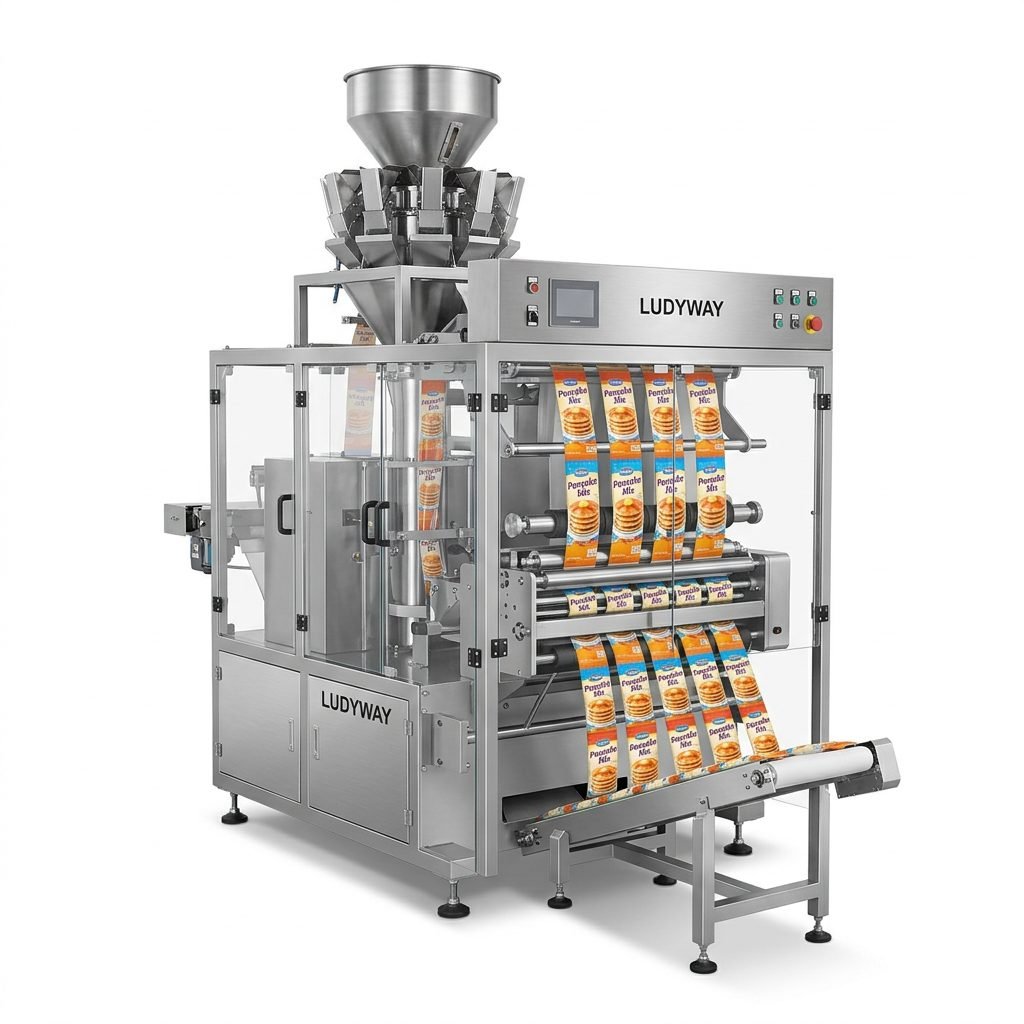
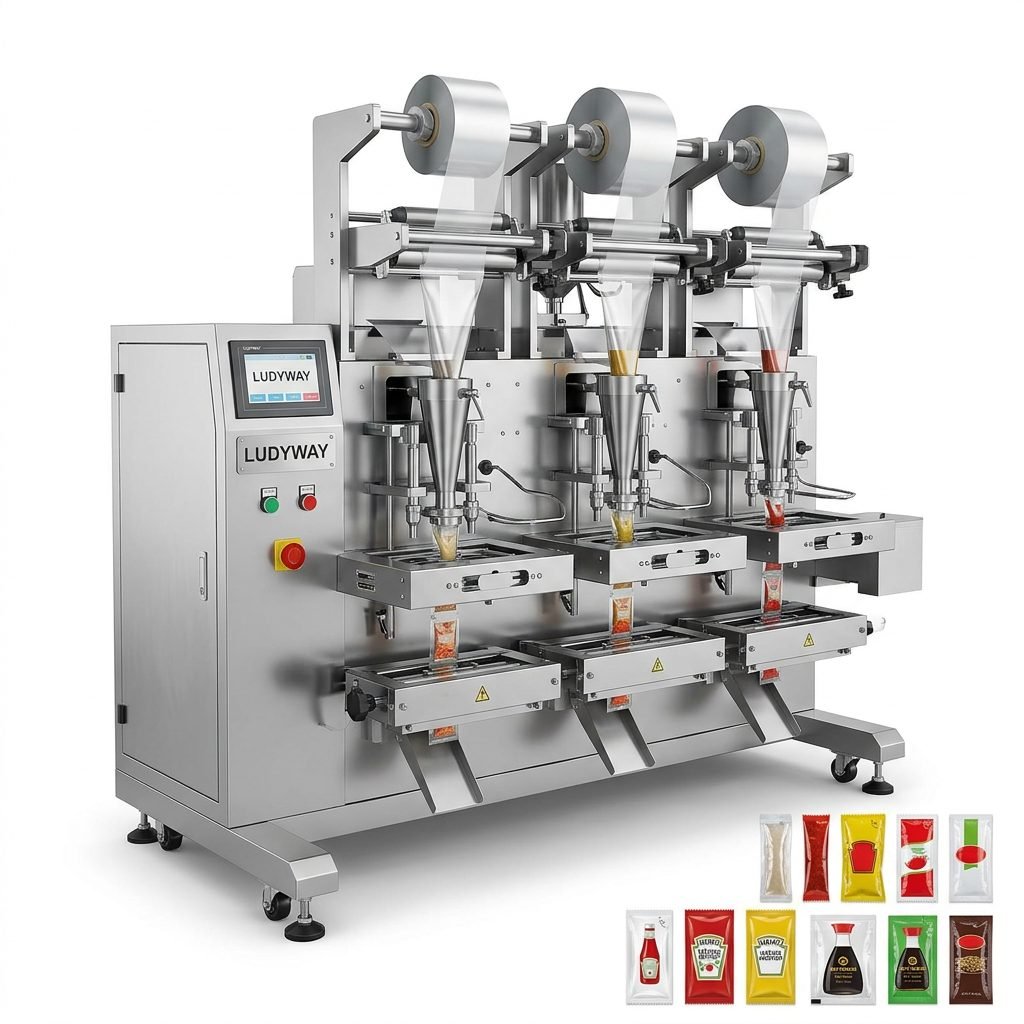
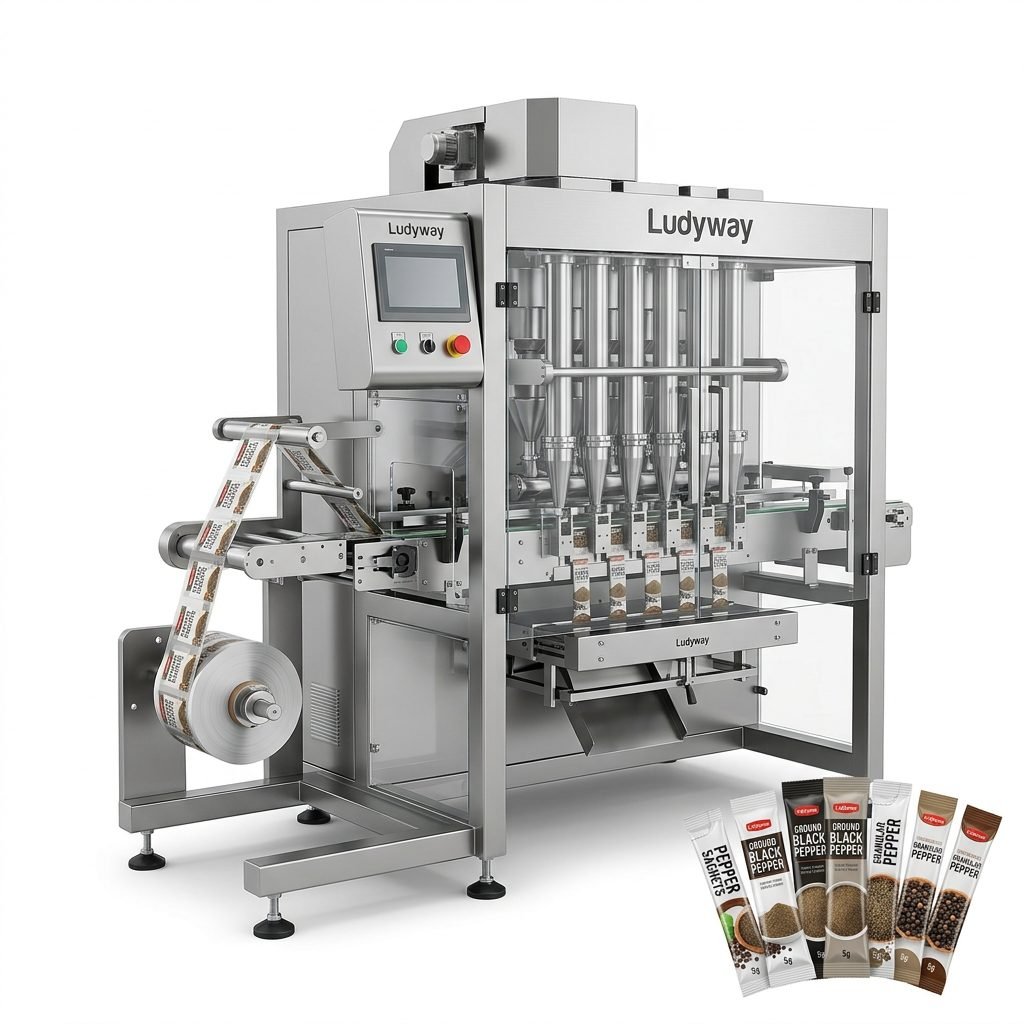
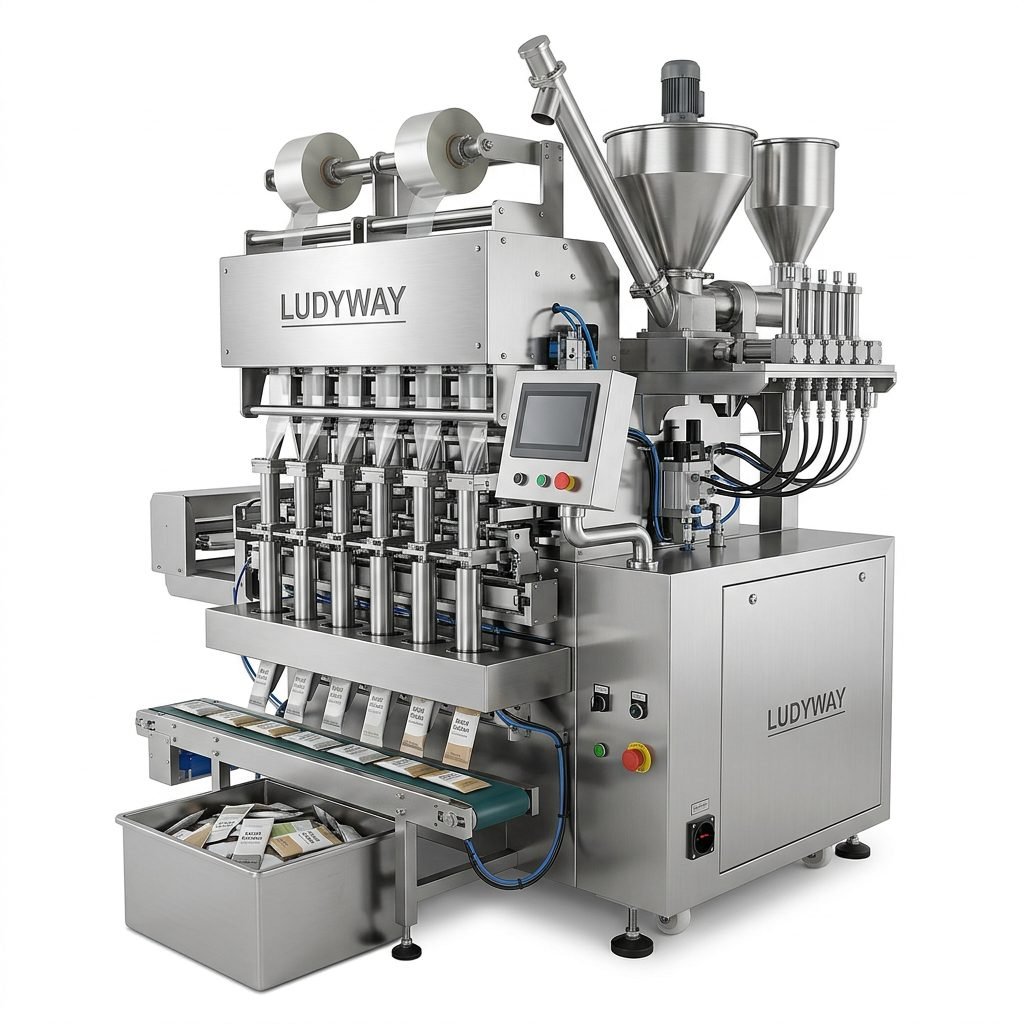
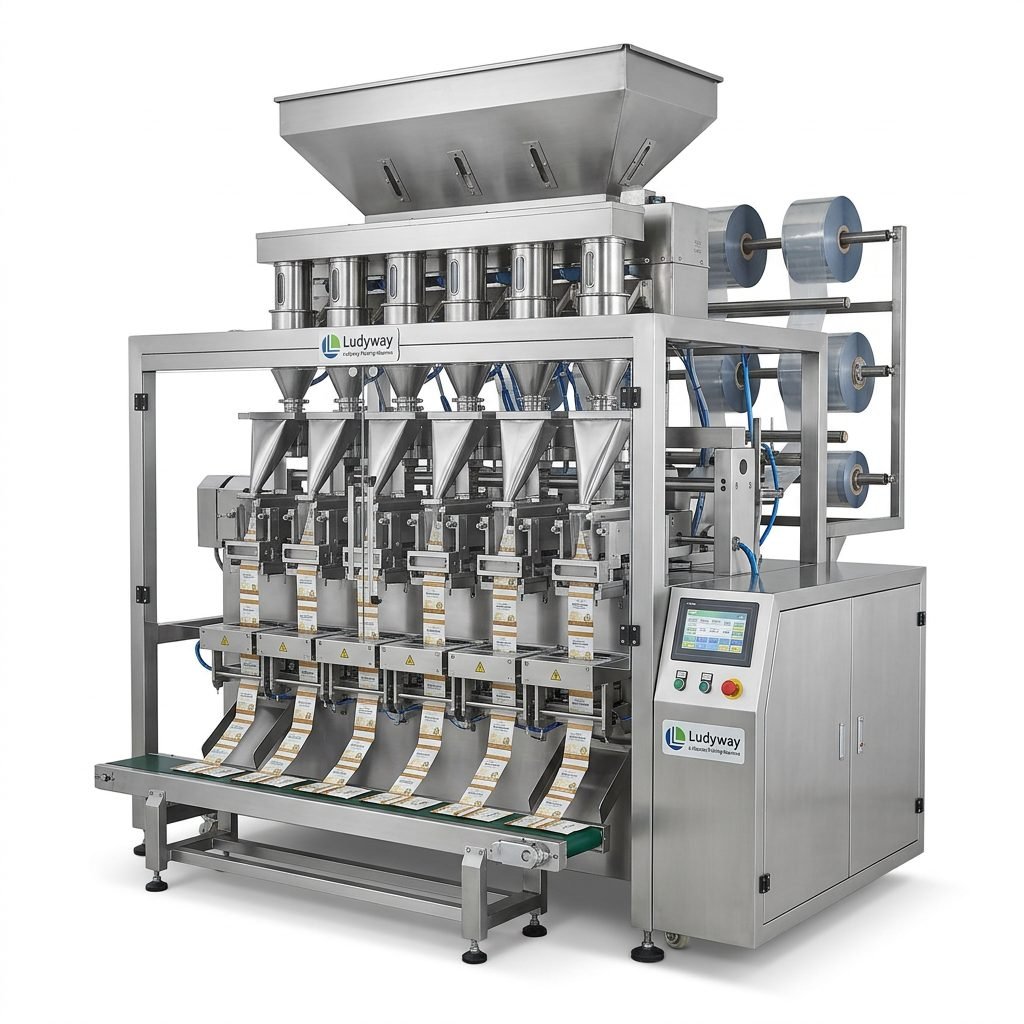
For powders, granules, liquids, and pastes packed in sachets or stick packs, multi-lane systems are becoming a preferred solution. They allow manufacturers to multiply output within a relatively compact footprint while maintaining accurate filling performance.
This trend is particularly strong in products such as coffee, nutritional powders, oral rehydration salts, supplements, sauces, sweeteners, and cosmetic sample packs. Multi-lane packaging helps brands handle larger volumes and seasonal demand spikes more effectively.
3. Flexible Equipment for Multi-Product and Multi-Format Production
The modern market demands more SKUs, shorter product cycles, and more frequent packaging changes. As a result, packaging machinery is increasingly designed for flexibility. Manufacturers want systems that can run different materials, fill weights, pack sizes, and package formats with minimal downtime.
Flexible packaging machinery supports business growth by helping producers test new products, serve niche markets, and switch between contract manufacturing projects more efficiently.
Common flexibility features include:
- Recipe storage through HMI control panels
- Tool-free or simplified format changeover
- Adjustable dosing systems
- Modular lane expansion
- Compatibility with multiple film structures and pouch styles
4. Intelligent Controls and Smart Factory Connectivity
Packaging machinery is becoming smarter. PLC-based control systems, touchscreen HMIs, sensor feedback, alarm diagnostics, and remote support capabilities are now expected in many applications. The goal is not just machine operation, but real-time visibility into performance.
Smart packaging machinery helps production teams monitor output, reject rates, downtime causes, and maintenance needs. This supports better planning and improved OEE.
| Smart Feature | Production Value |
|---|---|
| Touchscreen HMI | Simplifies operation and product setting changes |
| PLC control | Improves precision, repeatability, and system integration |
| Remote diagnostics | Reduces troubleshooting time and service delays |
| Data logging | Supports traceability, QA review, and performance analysis |
| Sensor-based inspection | Helps detect film issues, missing fills, or sealing defects |
5. Hygienic and Compliance-Oriented Design
Food, pharmaceutical, and health supplement packaging lines are under growing pressure to meet strict hygiene and compliance requirements. Equipment design now plays a major role in contamination prevention, cleaning efficiency, and documentation readiness.
Modern machines increasingly feature stainless steel structures, cleanable surfaces, enclosed product-contact areas, dust control systems, and precise filling technologies. For regulated sectors, these details matter as much as speed.
6. Turnkey Integration Instead of Isolated Machines
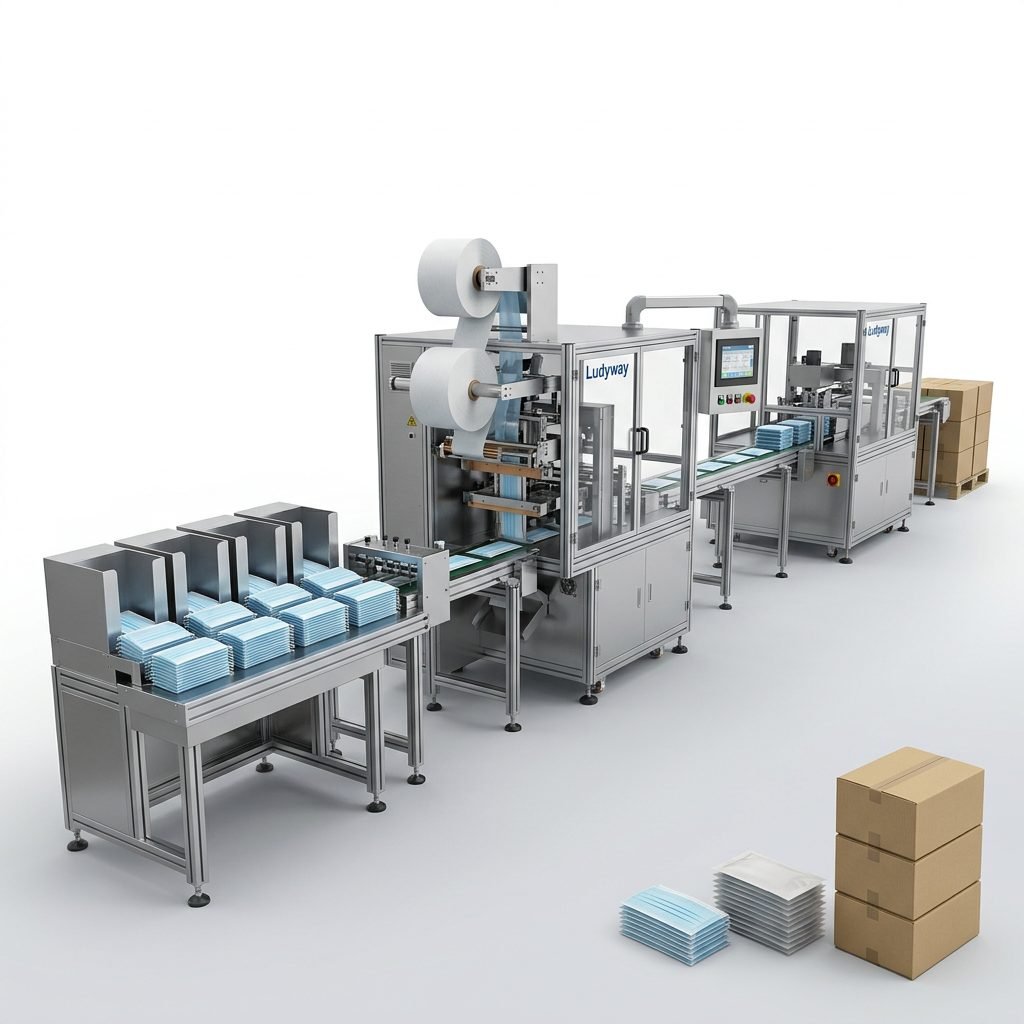
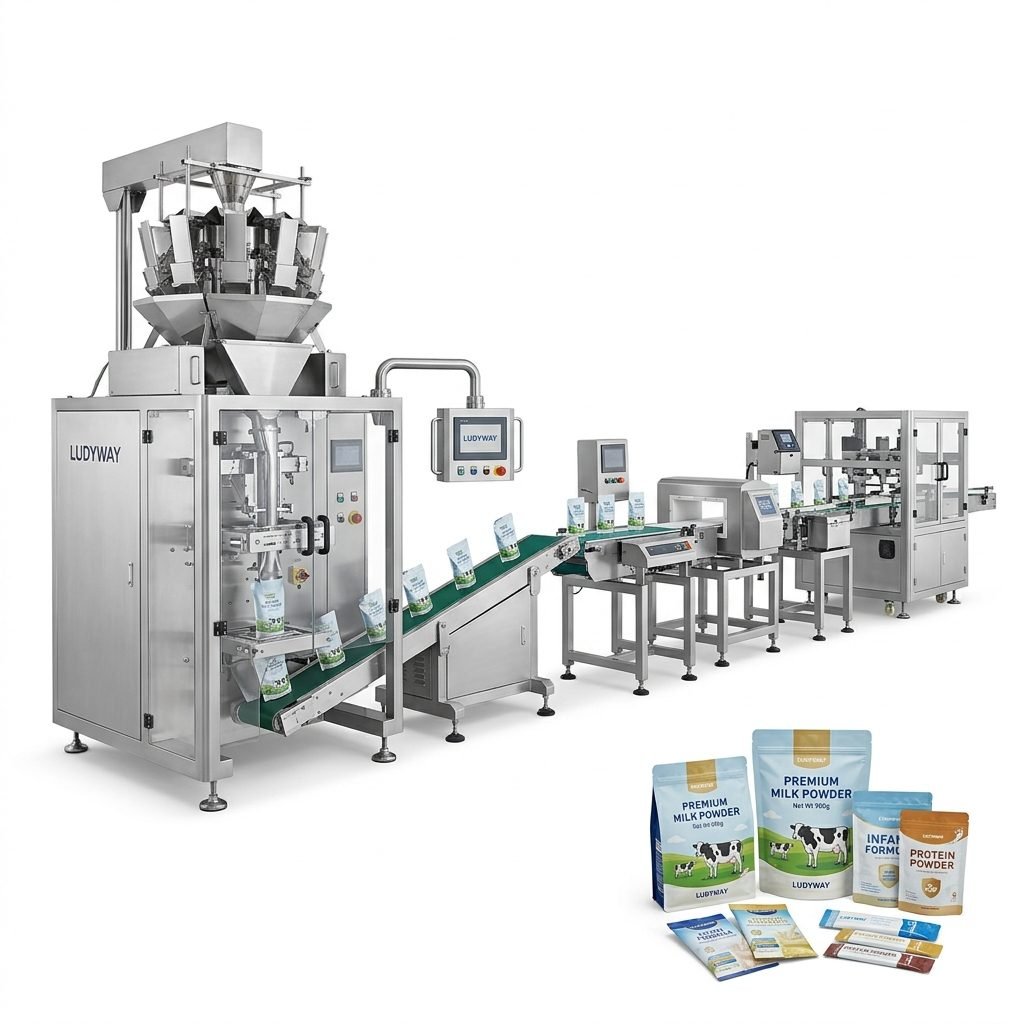
A major long-term trend is the move from standalone equipment purchasing to complete packaging line solutions. Rather than sourcing fillers, conveyors, sealers, coders, cartoners, and inspection systems from multiple suppliers, manufacturers now prefer integrated lines designed to work together from the beginning.
Turnkey packaging lines reduce compatibility risk, simplify project management, and improve long-term operating efficiency. They also make future upgrades easier because line architecture is planned as one system rather than a patchwork of separate machines.
Core Technologies Driving Packaging Machinery Performance
Advanced Dosing and Filling Systems
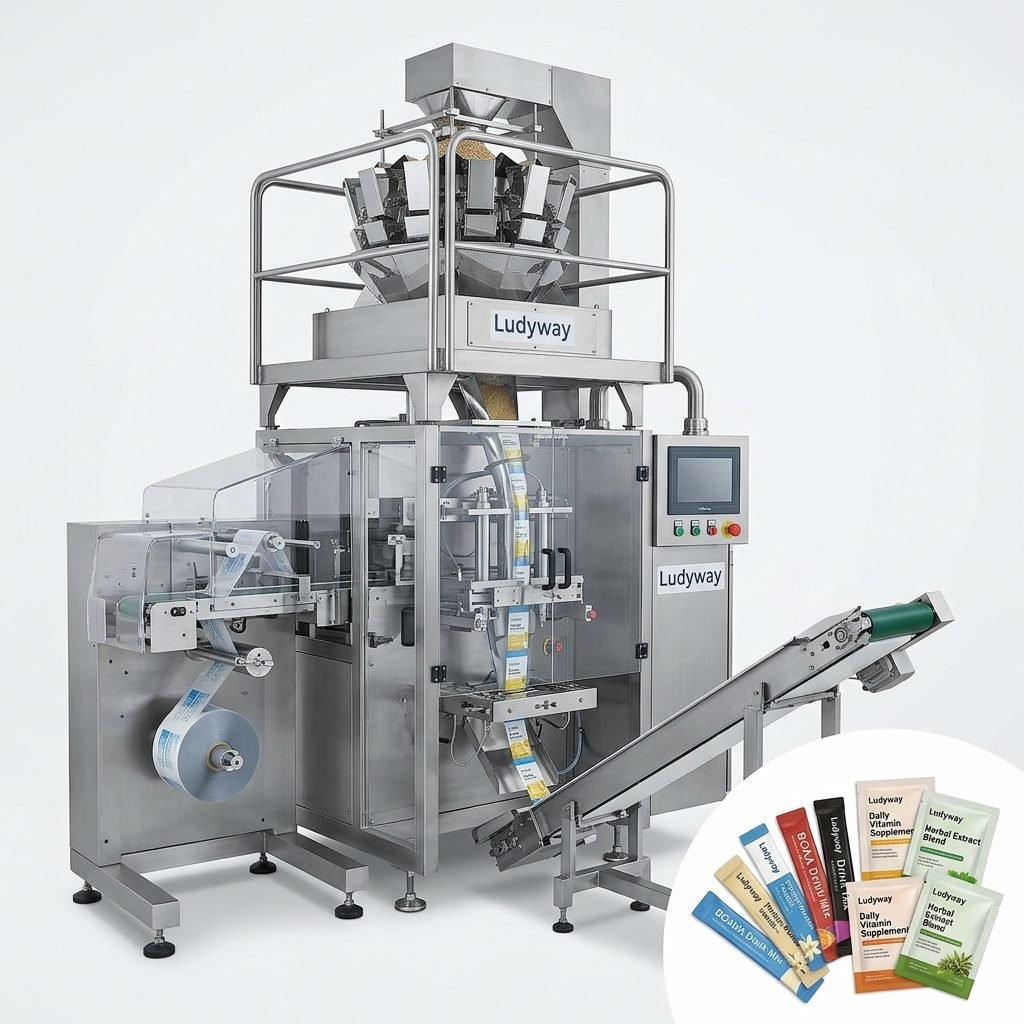
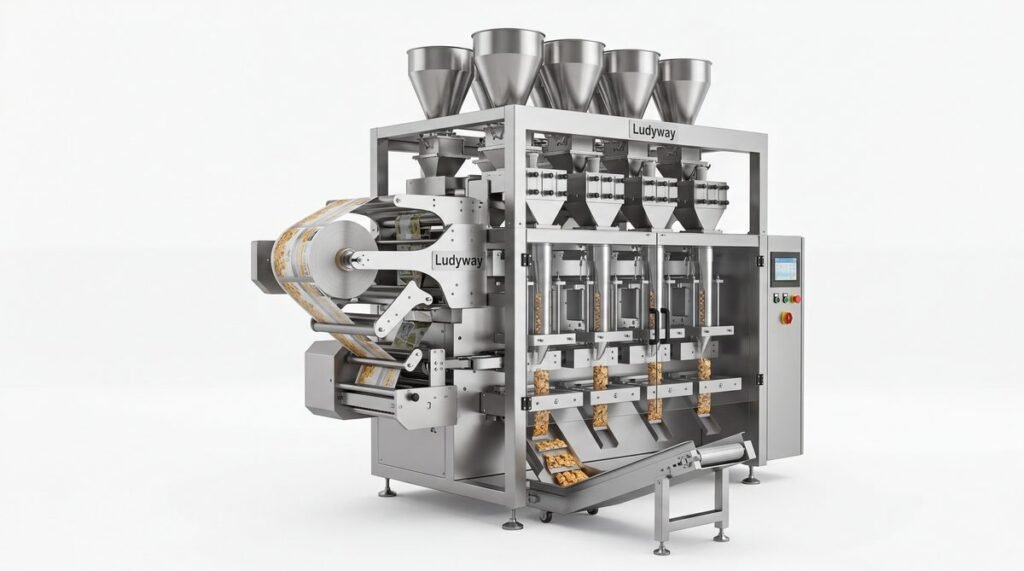
Different products require different filling technologies. Screw augers are often used for powders, multi-head or linear weighers for granules, pumps for liquids, and piston systems for viscous materials. The best packaging systems are built around product behavior, not just package shape.
Choosing the correct dosing technology improves:
- Fill accuracy
- Material flow stability
- Waste control
- Seal cleanliness
- Machine speed under real production conditions
Sealing Technology and Package Integrity
No packaging line performs well if seal quality is inconsistent. Strong sealing technology is essential for shelf life, leakage prevention, transportation resistance, and customer trust. Today’s systems use more precise control over temperature, pressure, and dwell time to improve sealing reliability.
This is especially important for moisture-sensitive powders, liquid sachets, pharmaceutical packs, and export-oriented products that face long-distance transport.
Inspection, Coding, and Traceability Systems
Packaging machinery increasingly includes or connects with code printers, vision systems, metal detectors, checkweighers, and reject mechanisms. These technologies support both quality assurance and compliance.
For many manufacturers, traceability is no longer optional. Lot coding, date printing, and inspection verification help reduce recall risk and improve market confidence.
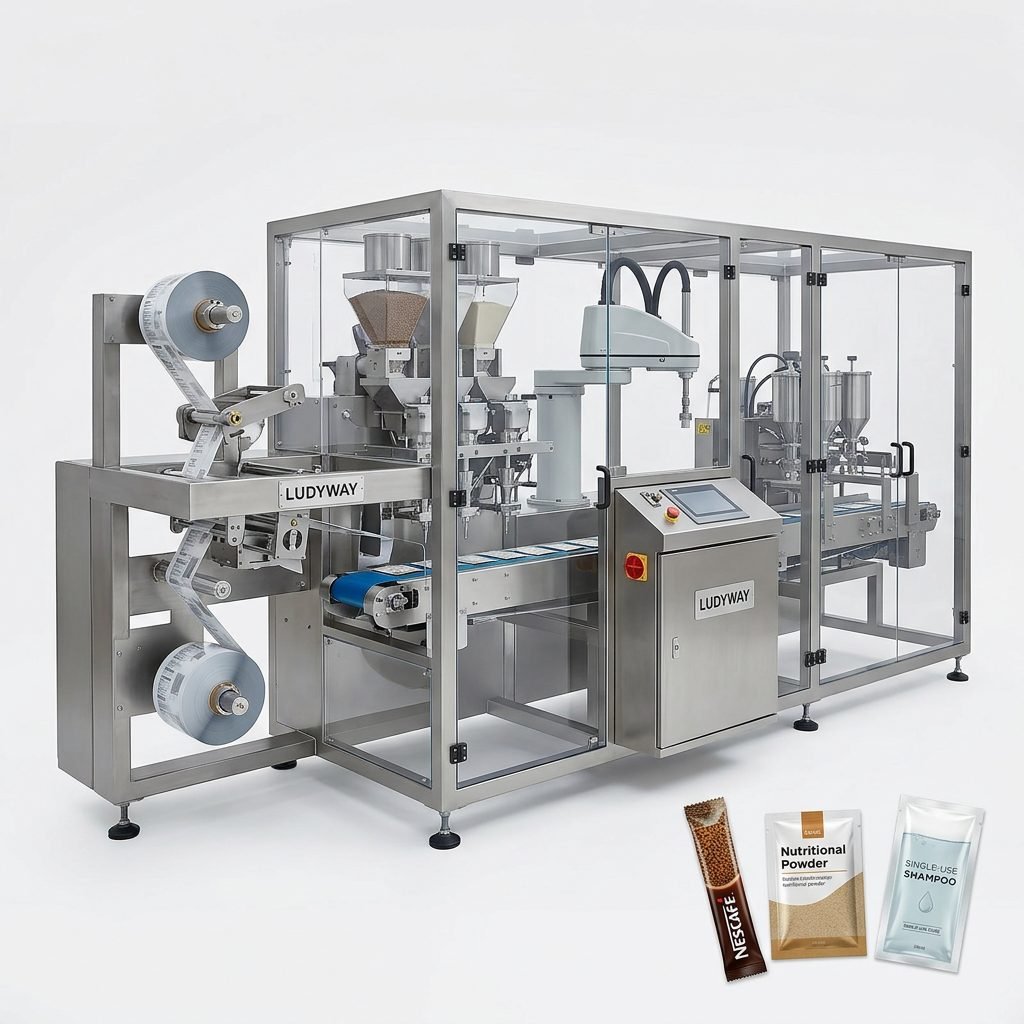
Robotics and End-of-Line Automation
Robotic pick-and-place, case packing, and palletizing are becoming more common, especially in larger production facilities. These systems improve line continuity, reduce repetitive labor, and support cleaner product handling.
When combined with upstream filling and sealing automation, robotics can transform a semi-automatic packaging room into a highly efficient end-to-end production system.
Long-Term Packaging Solutions for Sustainable Growth
Build for Scalability, Not Just Current Output
A short-term machine purchase may solve today’s production issue, but a scalable system creates long-term value. Businesses should evaluate whether the machinery can support higher speed, additional lanes, new package formats, and line extensions as demand grows.
Scalable packaging lines help avoid expensive replacement cycles and minimize disruption during future expansion.
Reduce Total Cost of Ownership
The lowest purchase price is not always the best investment. A modern packaging solution should be evaluated based on total cost of ownership, including installation, maintenance, spare parts, labor savings, energy use, downtime risk, and service support.
| Evaluation Factor | Why It Matters Long Term |
|---|---|
| Machine stability | Reduces unplanned downtime and production loss |
| Changeover efficiency | Supports multi-SKU production with less downtime |
| Spare parts availability | Shortens maintenance cycles and service delays |
| Technical support | Ensures better startup, training, and troubleshooting |
| Line integration capability | Makes future automation easier and more cost-effective |
Choose Machinery That Matches Your Industry Application
Packaging performance depends heavily on application fit. Powder handling is different from liquid filling. Pharmaceutical packaging standards differ from food or chemical production. That is why long-term success comes from choosing machinery based on actual product characteristics, compliance needs, and target output.
Typical application areas include:
- Food powders, seasonings, coffee, snacks, and sauces
- Pharmaceutical granules, liquids, tablets, and powders
- Health supplements and nutraceutical stick packs
- Cosmetic creams, lotions, serums, and sachets
- Chemical powders, liquids, and specialty materials
- Pet food, pet supplements, and feed additives
How to Select the Right Packaging Machinery Partner
The right machine matters, but the right supplier matters just as much. A qualified packaging machinery partner should understand engineering, manufacturing, product application, and long-term support—not simply equipment sales.
Look for a supplier with:
- Proven experience across multiple packaging industries
- Ability to provide both standalone machines and complete lines
- Customization capability for different product types
- Strong export experience and global project understanding
- After-sales support, spare parts service, and technical assistance
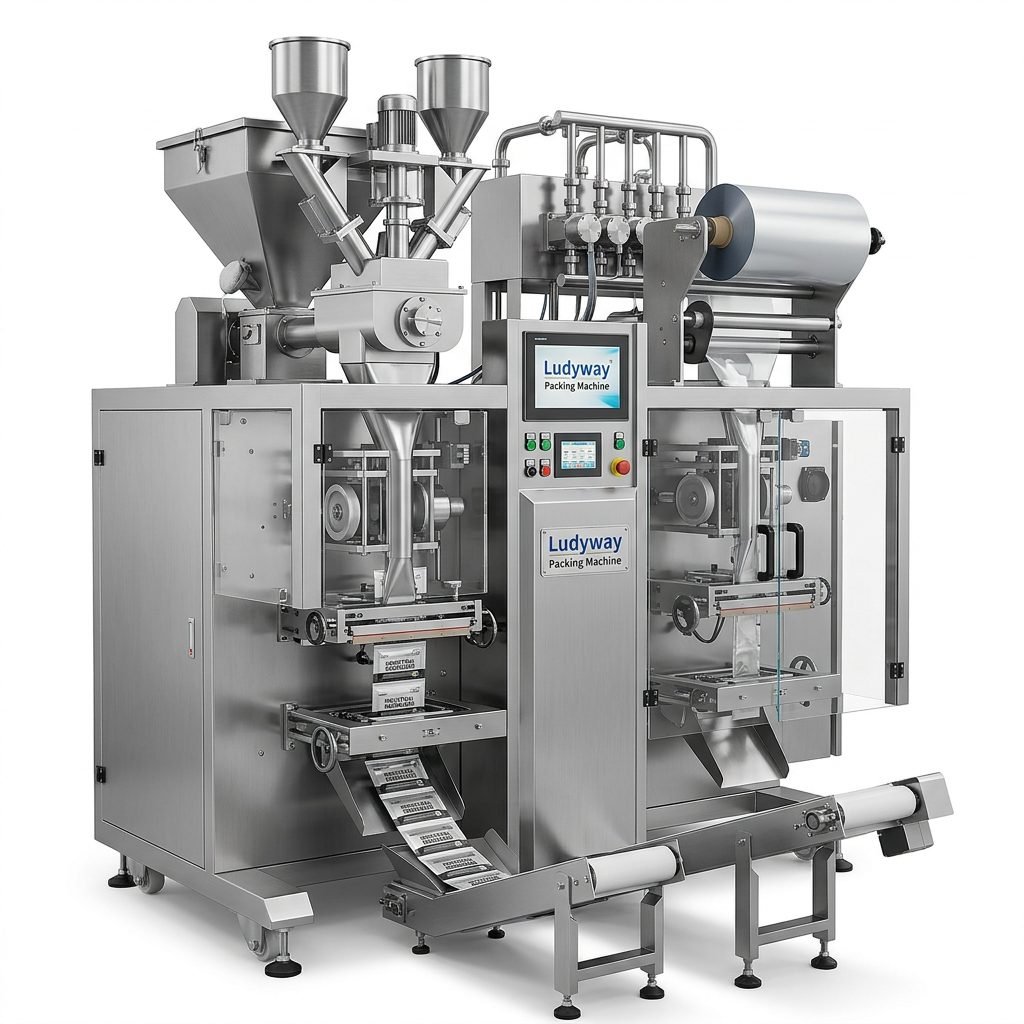
For manufacturers seeking scalable automation and integrated production support, packaging machinery manufacturer Ludyway offers a broad range of packaging machines and turnkey packaging line solutions for food, pharmaceutical, health supplement, cosmetic, chemical, nicotine pouch, and related applications. With more than 30 years of industry experience and a large export footprint, the company is well positioned for businesses that want both performance and long-term line development.
Questions Buyers Should Ask Before Investing
- Can the machine handle my product’s real flow characteristics consistently?
- How fast is changeover between SKUs or pack sizes?
- Can the system integrate with conveyors, coding, inspection, and cartoning?
- What maintenance support and spare parts structure are available?
- Can the line be expanded later without replacing the full system?
- What quality controls are built into the packaging process?
- How will this equipment reduce labor and improve output over time?
The Future of Packaging Machinery
The future belongs to packaging systems that are fast, intelligent, hygienic, flexible, and ready for expansion. As production environments become more demanding, manufacturers will continue moving toward automation-led lines with stronger integration, better data visibility, and lower operating risk.
In practical terms, this means investing in machinery that not only runs efficiently today, but also supports tomorrow’s product launches, compliance expectations, output targets, and labor realities. The most effective long-term solution is rarely a single machine—it is a packaging strategy built around adaptable technology, reliable engineering, and line-wide performance.
Companies that align packaging machinery investment with long-term production planning will be better positioned to improve efficiency, protect quality, and scale competitively in the years ahead.