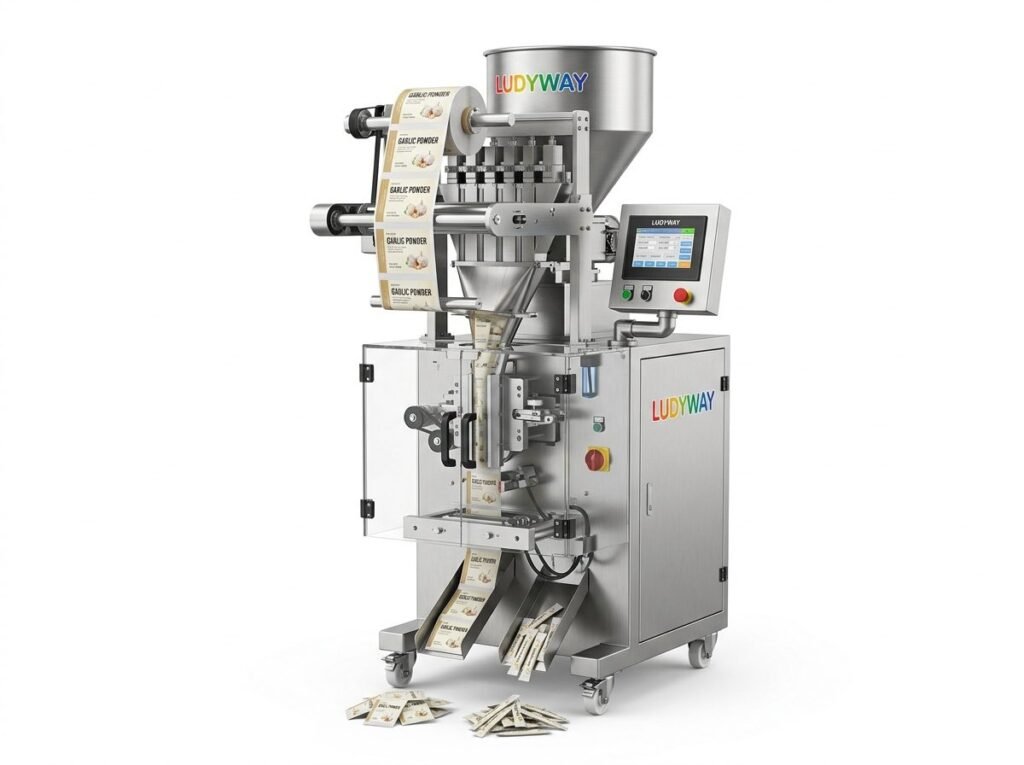
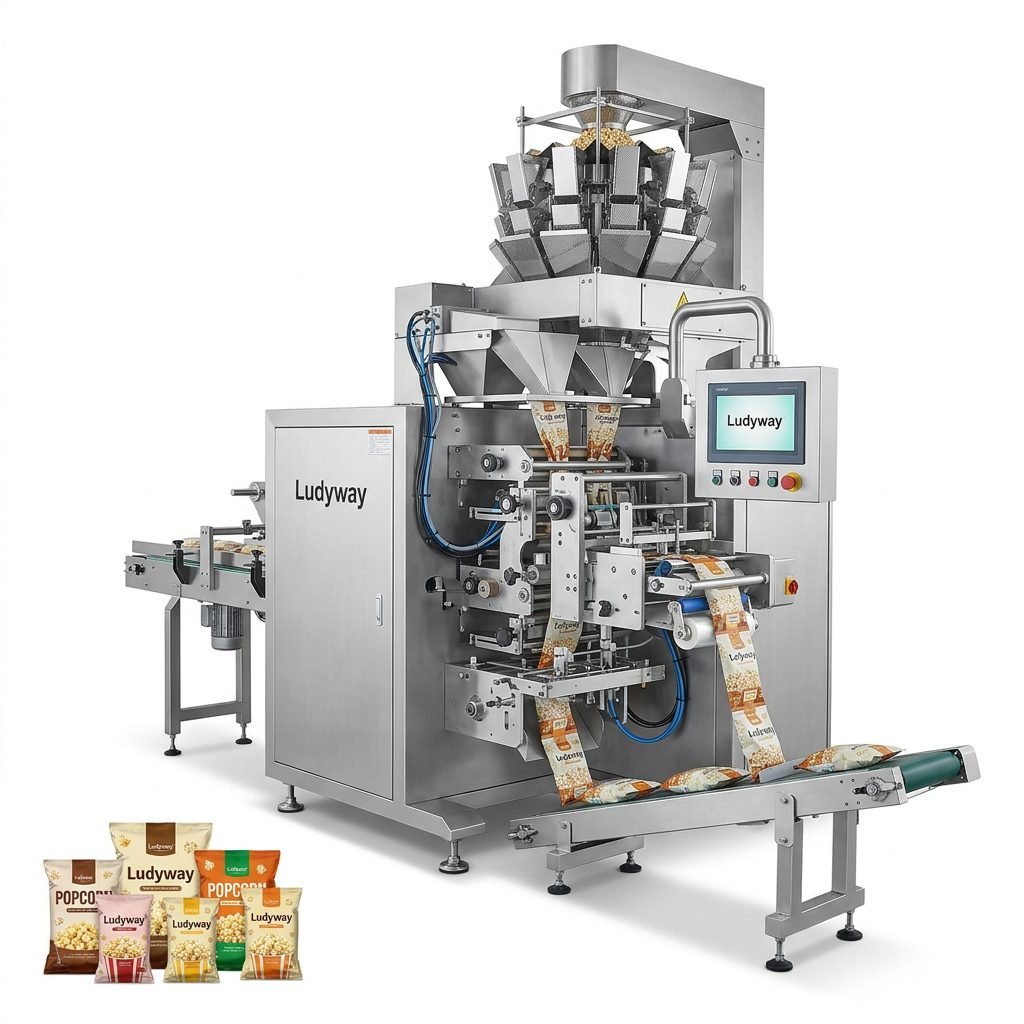
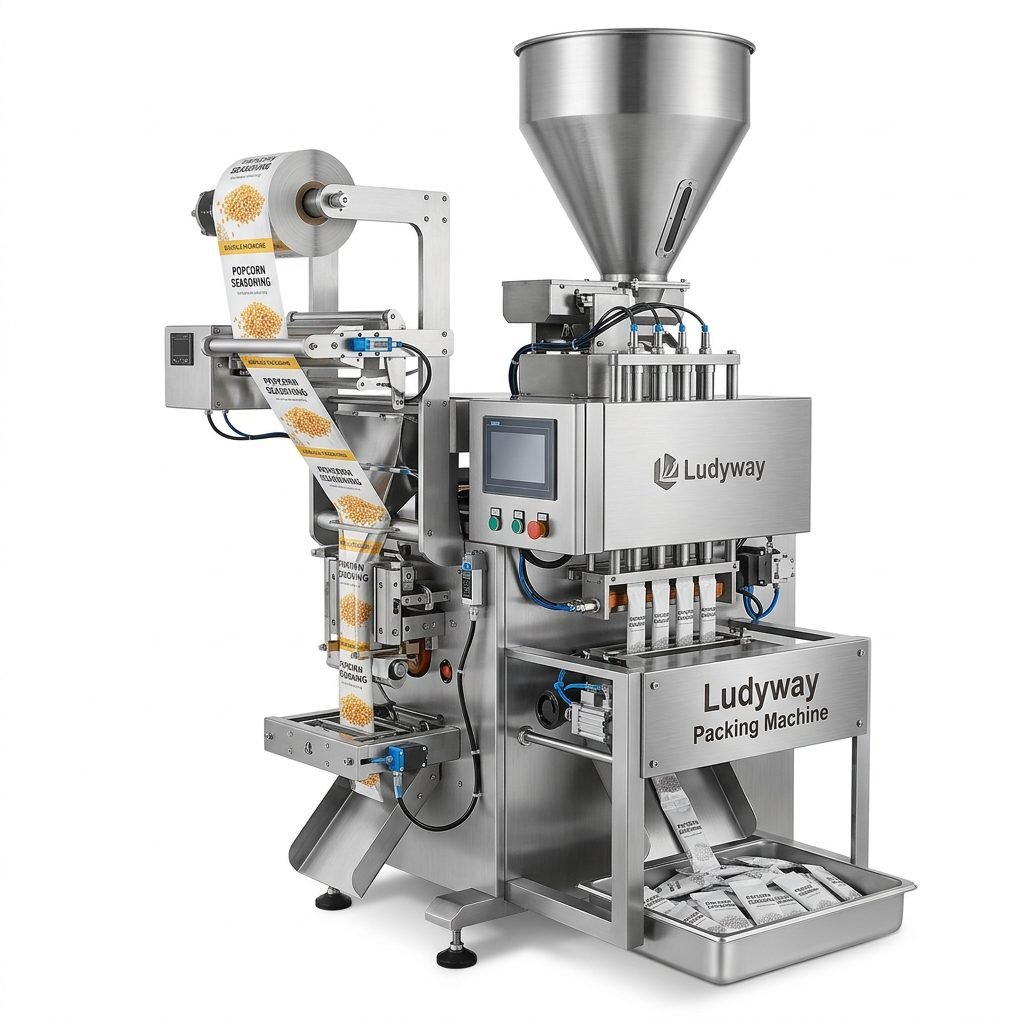
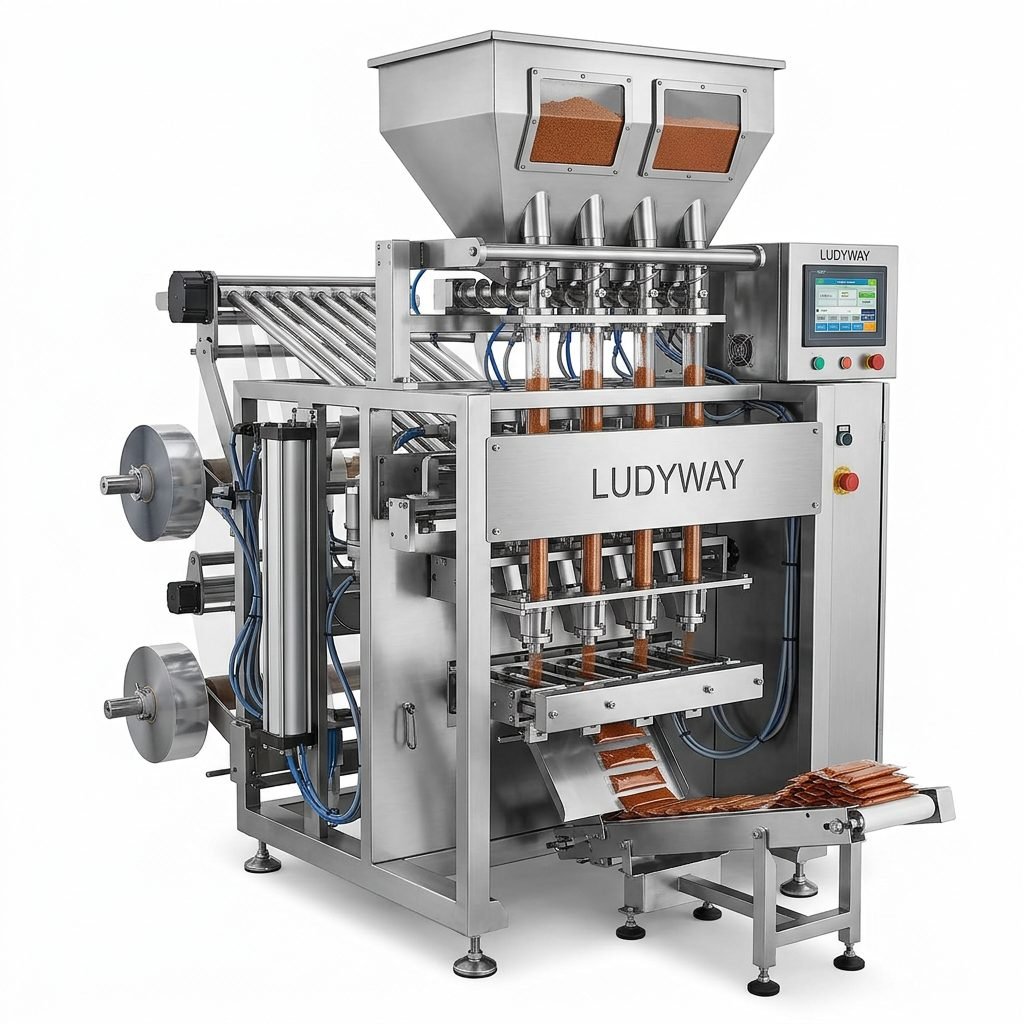
In today’s fast‑paced manufacturing landscape, achieving high efficiency, flexibility, and consistent quality in packaging operations is more critical than ever. For businesses in the food, pharmaceutical, and health industries, the right packaging machinery can be the cornerstone of a competitive production line. High‑performance packaging machinery solutions are designed not only to accelerate output but also to adapt seamlessly to varying product formats, batch sizes, and automation requirements. This article explores how advanced packaging equipment drives efficient production and enables flexible automation, helping manufacturers meet modern market demands.
Why High‑Performance Packaging Machinery Matters
Packaging is often the final step in the production process, yet it significantly impacts product integrity, shelf appeal, and overall operational cost. High‑performance machinery goes beyond basic wrapping or filling—it integrates precision, speed, and intelligence to handle complex tasks with minimal downtime. Whether you are packaging granules, powders, liquids, or solid items, a well‑designed system ensures accurate dosing, secure sealing, and consistent presentation. Moreover, such equipment is built to withstand continuous operation, reducing maintenance needs and enhancing long‑term reliability.
Key Takeaway:
Investing in high‑performance packaging machinery directly translates to higher throughput, lower waste, and greater adaptability to product changes—key factors for staying ahead in competitive industries.
Core Features of Modern Packaging Solutions
Contemporary packaging systems incorporate several advanced features that set them apart from conventional equipment. These include:
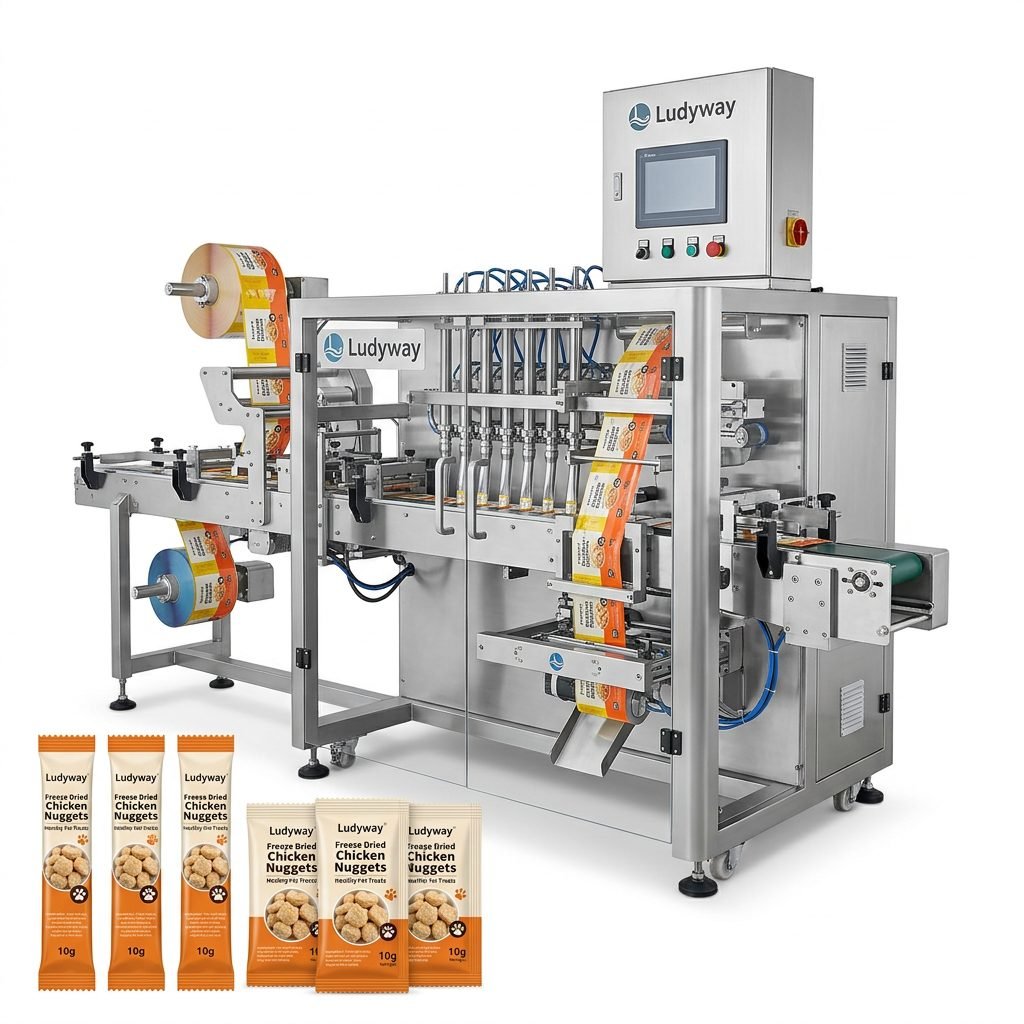
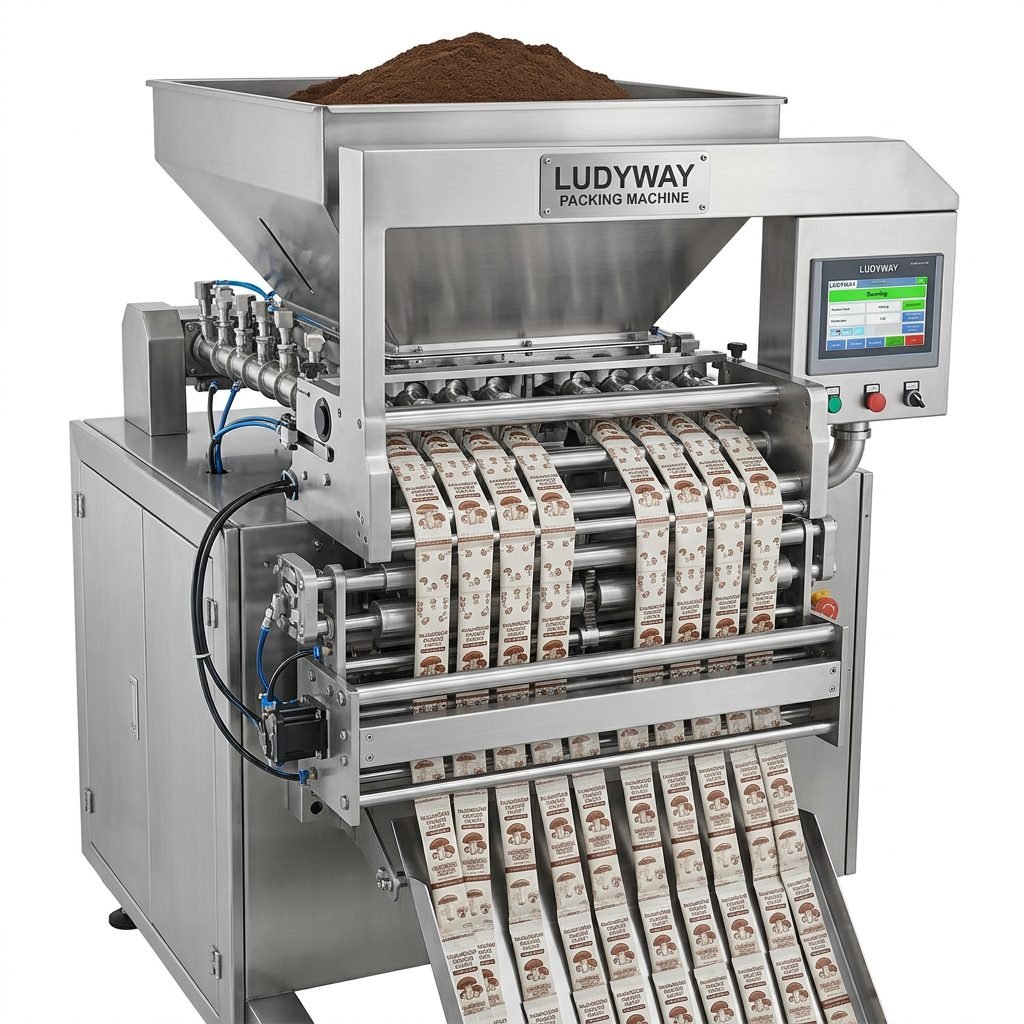
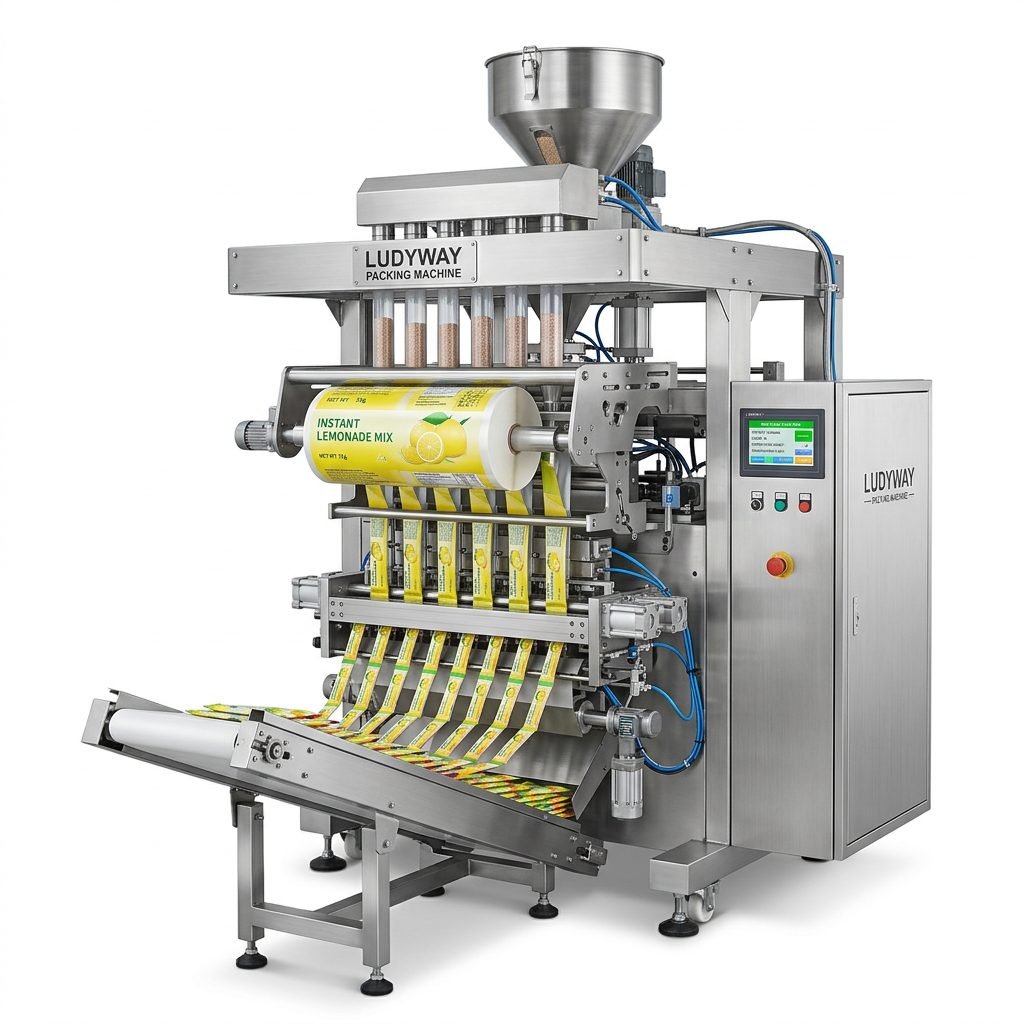
- Multi‑lane & High‑Speed Design: Machines capable of running multiple lanes simultaneously drastically increase output without proportionally increasing floor space.
- Precision Dosing & Weighing: Integrated load cells and servo‑driven fillers ensure each package meets exact weight or volume specifications, crucial for compliance and cost control.
- Quick‑Changeover Mechanisms: Modular components and tool‑free adjustments allow rapid switching between different package sizes or materials, supporting small‑batch production.
- Intelligent Control Systems: Touch‑screen HMIs with recipe storage, production analytics, and remote monitoring capabilities provide real‑time oversight and simplify operation.
- Hygienic & Easy‑Clean Construction: Stainless‑steel surfaces, smooth contours, and CIP/SIP options are essential for food and pharmaceutical applications where sanitation is paramount.
Enhancing Efficiency Through Automated Integration
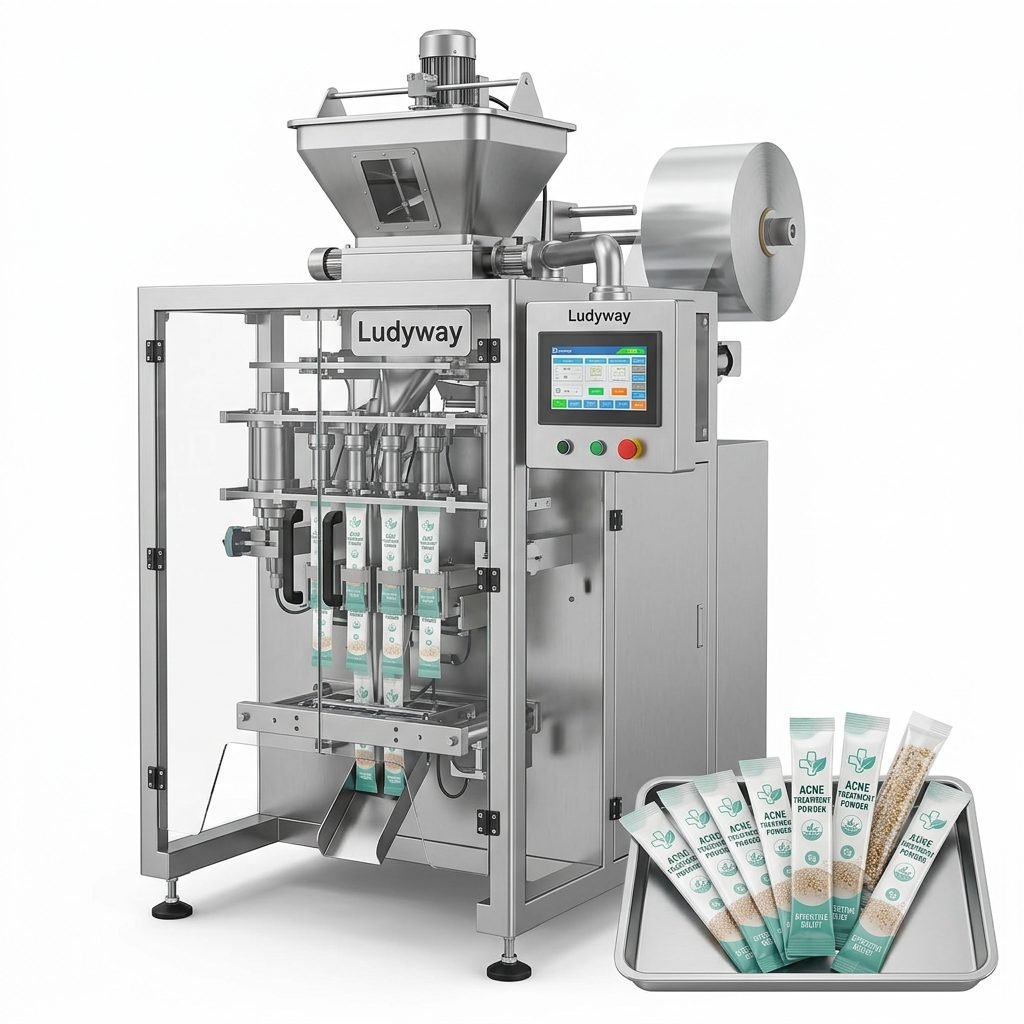
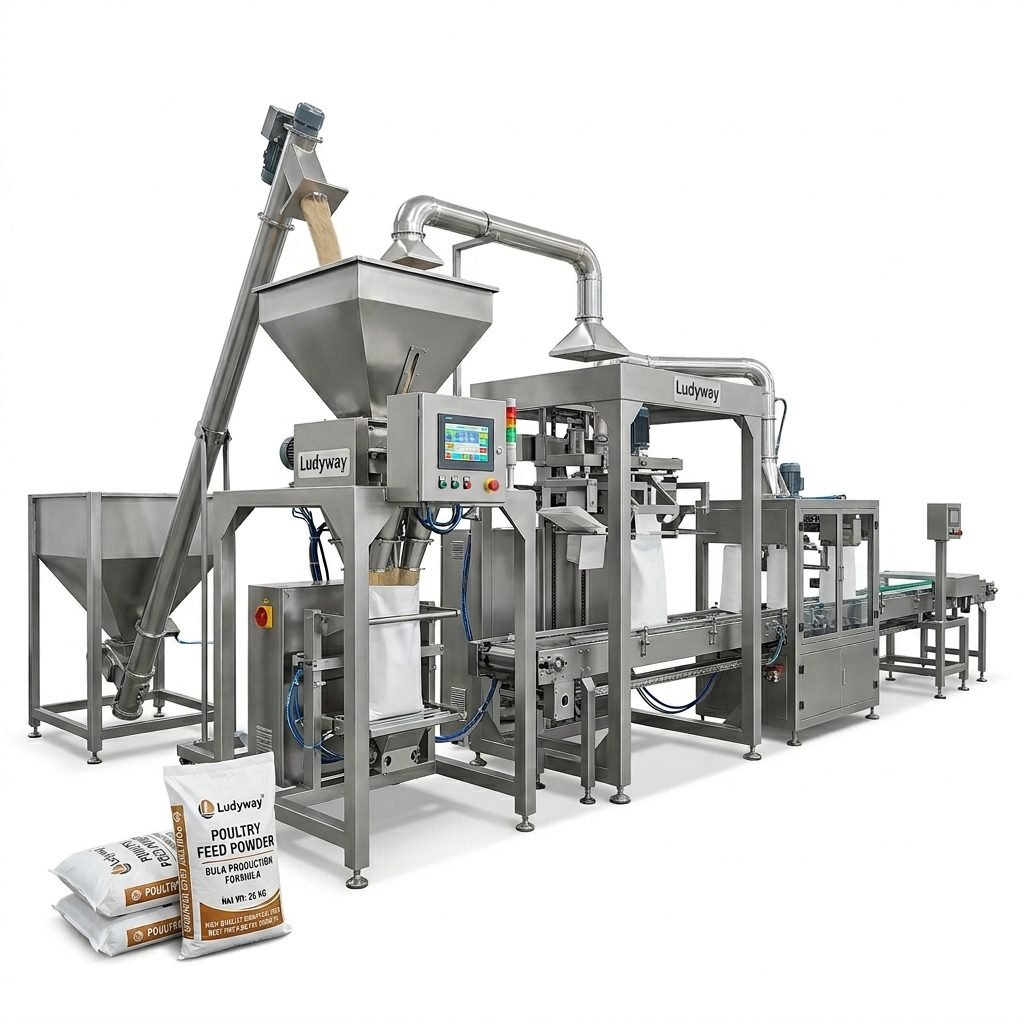
Efficiency in packaging is not solely about speed—it’s about optimizing the entire workflow. High‑performance machinery often serves as the centerpiece of an integrated automation line. For example, a multi‑lane stick pack machine can be linked upstream with ingredient feeders and downstream with cartoners or case packers, creating a seamless flow from product filling to palletizing. This integration minimizes manual handling, reduces labor costs, and cuts the risk of contamination. Additionally, with IoT‑enabled sensors and data‑logging features, managers can track OEE (Overall Equipment Effectiveness), identify bottlenecks, and schedule predictive maintenance, further boosting uptime.
Flexible Automation: Adapting to Market Changes
Market trends shift rapidly—today’s best‑selling product might be tomorrow’s niche item. Flexible automation allows production lines to pivot quickly. Advanced packaging systems achieve this through:
- Modular architecture that lets you add or remove lanes, fillers, or sealing units as needed.
- Wide material compatibility, handling everything from laminated films and foil to recyclable mono‑materials.
- Programmable logic that stores dozens of product recipes, enabling one‑touch changeovers.
This adaptability is especially valuable for contract packagers or brands launching limited‑edition products, as it reduces capital investment in dedicated lines and shortens time‑to‑market.
Industry‑Specific Applications
Different sectors have unique packaging requirements. High‑performance machinery is engineered to meet these specialized needs:
Food & Beverage
From seasoning sticks and sugar sachets to liquid condiments and powdered drinks, food packaging demands speed, hygiene, and excellent seal integrity. Machines equipped with gas flushing or vacuum sealing can extend shelf life, while vision inspection systems ensure every package is correctly filled and sealed before leaving the line.
Pharmaceutical & Healthcare
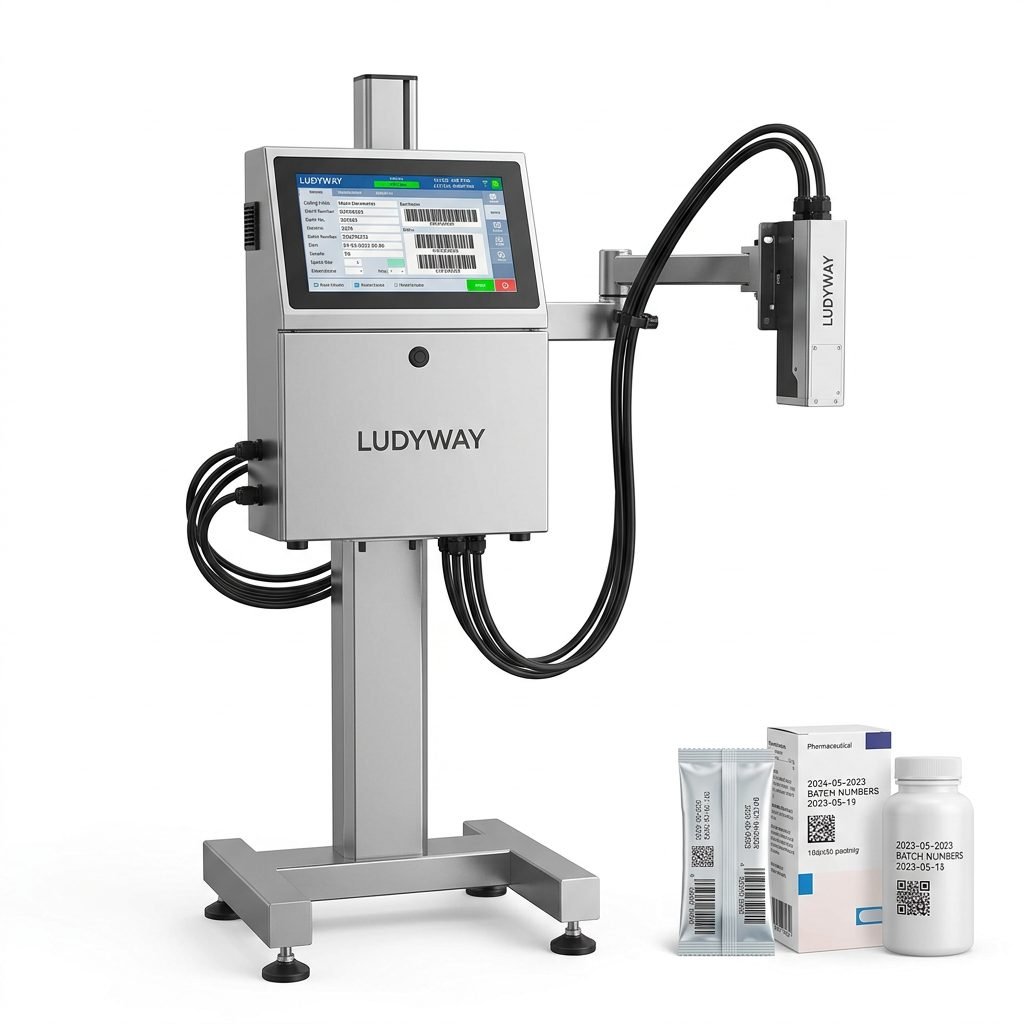
Precision and traceability are non‑negotiable here. Packaging equipment for pharmaceuticals often includes features like serialization, tamper‑evident sealing, and compliance with GMP standards. Stick packs and sachets are popular for unit‑dose powders or granules, offering patient convenience and dosage accuracy.
Health & Nutrition
Protein powders, vitamin supplements, and herbal extracts require packaging that protects against moisture and oxygen. High‑barrier materials combined with precision fillers and nitrogen flushing capabilities help maintain product potency. Automated sachet packaging machines can handle these sensitive products at high speeds while ensuring consistent fill weights.
Choosing the Right Partner for Your Packaging Needs
Selecting packaging machinery is a significant investment. Beyond technical specifications, it’s important to partner with a supplier that offers comprehensive support—from initial consultation and factory testing to installation, training, and after‑sales service. A provider with deep industry experience can help you navigate regulatory requirements, optimize line layout, and future‑proof your investment. Look for a partner that demonstrates a commitment to innovation and quality, with a proven track record of delivering reliable solutions worldwide.
Summary: Key Benefits of High‑Performance Packaging Solutions
- Increased Productivity: Multi‑lane designs and high operating speeds maximize output per shift.
- Enhanced Accuracy: Precision dosing reduces giveaway and ensures compliance with weight regulations.
- Greater Flexibility: Quick changeovers and modular designs enable easy adaptation to different products and packages.
- Improved Sustainability: Efficient material usage and reduced waste contribute to greener operations.
- Lower Total Cost of Ownership: Reliable construction, easy maintenance, and energy‑efficient drives lower long‑term operational expenses.
Frequently Asked Questions (FAQs)
1. What types of products can be packaged with high‑performance stick pack or sachet machines?
These versatile machines are suitable for a wide range of dry, moist, or liquid products, including granules (like instant coffee or sugar), powders (protein supplements, spices), fine powders (milk powder, flour), pastes (toothpaste, ointments), and liquids (sauces, oils). The key is selecting the appropriate filling system and packaging material for your specific product characteristics.
2. How can I reduce changeover time between different package sizes?
Opt for machinery with tool‑free adjustment mechanisms, servo‑driven format change systems, and digital recipe storage. Many advanced models allow operators to recall pre‑set parameters for different package dimensions via the touchscreen, minimizing manual calibration and reducing changeover time to just a few minutes.
3. Are these machines suitable for small‑batch or custom production runs?
Absolutely. Flexible automation is designed to handle both large‑scale continuous runs and smaller, customized batches. The ability to store multiple recipes and switch quickly makes high‑performance packaging equipment ideal for contract packaging, limited‑edition products, or pilot runs without sacrificing efficiency.
4. What kind of after‑sales support should I expect from a packaging machinery supplier?
A reliable supplier should offer comprehensive support including installation supervision, operator training, readily available spare parts, remote technical assistance, and on‑site service if needed. Many also provide process optimization advice and periodic maintenance checks to ensure your equipment runs at peak performance throughout its lifecycle.
5. How do I ensure the packaging line complies with industry‑specific regulations (e.g., FDA, EU, GMP)?
Choose machinery constructed with food‑grade or pharmaceutical‑grade materials (such as 304 or 316 stainless steel), with designs that facilitate easy cleaning and avoid contamination traps. Reputable suppliers understand regulatory requirements and can guide you on machine features, documentation, and validation protocols needed for your target market.